
What Are Foreign Transaction Fees?
If you’ve ever made a purchase overseas using your credit or debit card, you might have noticed a small extra charge on your statement later. That’s the foreign transaction fee—an additional cost you pay for each transaction processed outside the U.S. or in a non-U.S. currency. Most banks typically charge about 3% of the transaction amount, which can quietly chip away at your travel budget if you’re not paying attention.
These fees might seem minor at first, but after a week of booking hotels, dining out, and buying tickets, they can add up to a noticeable sum. I like to encourage travelers to reflect on their past trips and check if these fees crept into their expenses—sometimes, I don’t even catch them until I’m sorting through receipts back home.
Why does this matter for travel planning? Budgeting for adventures abroad isn’t just about the visible costs like flights or accommodations. Overlooking small charges like foreign transaction fees can make your actual spending higher than what you estimated. It’s an easy budget leak to miss, especially if you’re swiping your card frequently or using it for every little daily expense.
If you’re looking for more ways to avoid unnecessary costs on the road, check out the cost-saving recommendations on the airtkt.com travel tips article for a few more ideas before your next international trip.
How to Identify Foreign Transaction Fees
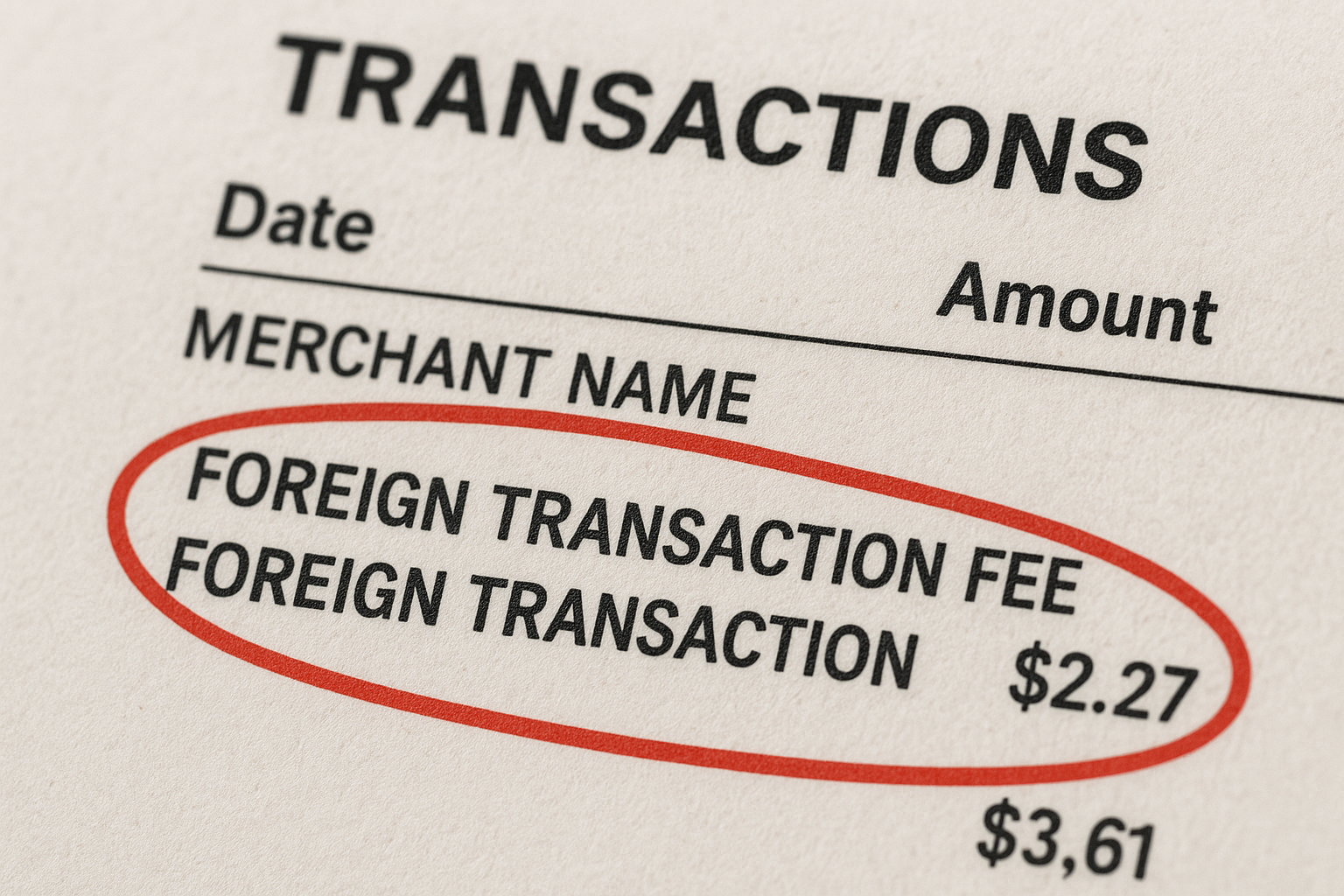
If you’ve ever used your credit or debit card abroad and felt like your trip cost more than you expected, you’re not alone—foreign transaction fees can quietly add up. These charges typically appear on your card statements under labels like “Foreign Transaction Fee,” “International Transaction Fee,” “FX Fee,” “Cross-Border Fee,” or sometimes even “Currency Conversion Fee.” Not every bank uses the same naming convention, so it’s worth checking your statements closely for any unfamiliar charges after you make international purchases.
Before each trip, I always review my recent credit card statements to see if these fees show up frequently on my accounts. Catching these in advance helps me estimate extra costs and decide if I should use a different card (or even stick to cash) for certain expenses. If you’re planning to travel, make it a habit to check not only for the main transaction amount but to scan for a small, separate line that often ranges around 2–3% of the original purchase. While that percentage might not look big, over several transactions it can add up to a noticeable sum.
Tips for Reviewing Your Statements
It’s smart to check your card and bank statements shortly after every international purchase. Reviewing these while you’re still traveling makes it easier to spot issues, dispute any errors, and keep track of your spending in real time. You might also want to review your bank’s terms or call customer service to clarify which cards charge these fees and which don’t. This is especially helpful if you’re using a new card or if your bank’s fee labels aren’t obvious. If you want to plan for these kinds of charges in your travel spending, check out the travel budgeting tips on airtkt.com for a complete picture of potential extras.
Top Credit Cards Without Extra Fees
If you’ve ever been surprised by those small “international fee” charges on your statement, you’re not alone. The good news is there are a number of credit cards designed specifically to avoid foreign transaction fees—making them ideal for international travel. These cards not only help you steer clear of those 2–3% charges but also frequently offer strong travel rewards, insurance, and other perks that matter to travelers.
Popular No Foreign Fee Cards
Some of the most reliable options I’ve come across include the Chase Sapphire Preferred, Capital One Venture, and the Bank of America Travel Rewards card. Each is known for waiving foreign transaction fees, while still letting you earn points on travel, dining, and more. For premium perks, you’ll also see cards like the American Express Platinum and Chase Sapphire Reserve frequently recommended—just keep in mind that annual fees can vary, so check the details to find the one that suits your style.
There are also several entry-level options, such as the Capital One Quicksilver and Discover it Miles, which don’t charge foreign fees but provide a straightforward cash-back or points structure. If you’re a frequent traveler, these cards can make your purchases go further, both in terms of savings and rewards.
Why It Makes Sense
Using a no-foreign-fee credit card means you aren’t losing out to hidden costs every time you swipe abroad. In my experience, carrying my Chase Sapphire Preferred has made all the difference when tracking expenses overseas—I sidestep surprise fees, and earn valuable rewards at the same time. Plus, many issuers offer extra security and fraud protections that can bring real peace of mind on the road.
Applying for one of these cards ahead of your trip ensures you have it in hand by departure day. I’d compare both rewards structures and travel benefits carefully before applying—sometimes flexible points are more useful than straight cashback, depending on your travel plans.
And if you’re looking for more advice on choosing credit cards or building a practical travel budget, I always recommend checking out the guides available on airtkt.com for up-to-date info tailored to global travelers.
Using AirTkt Tools for Maximum Savings
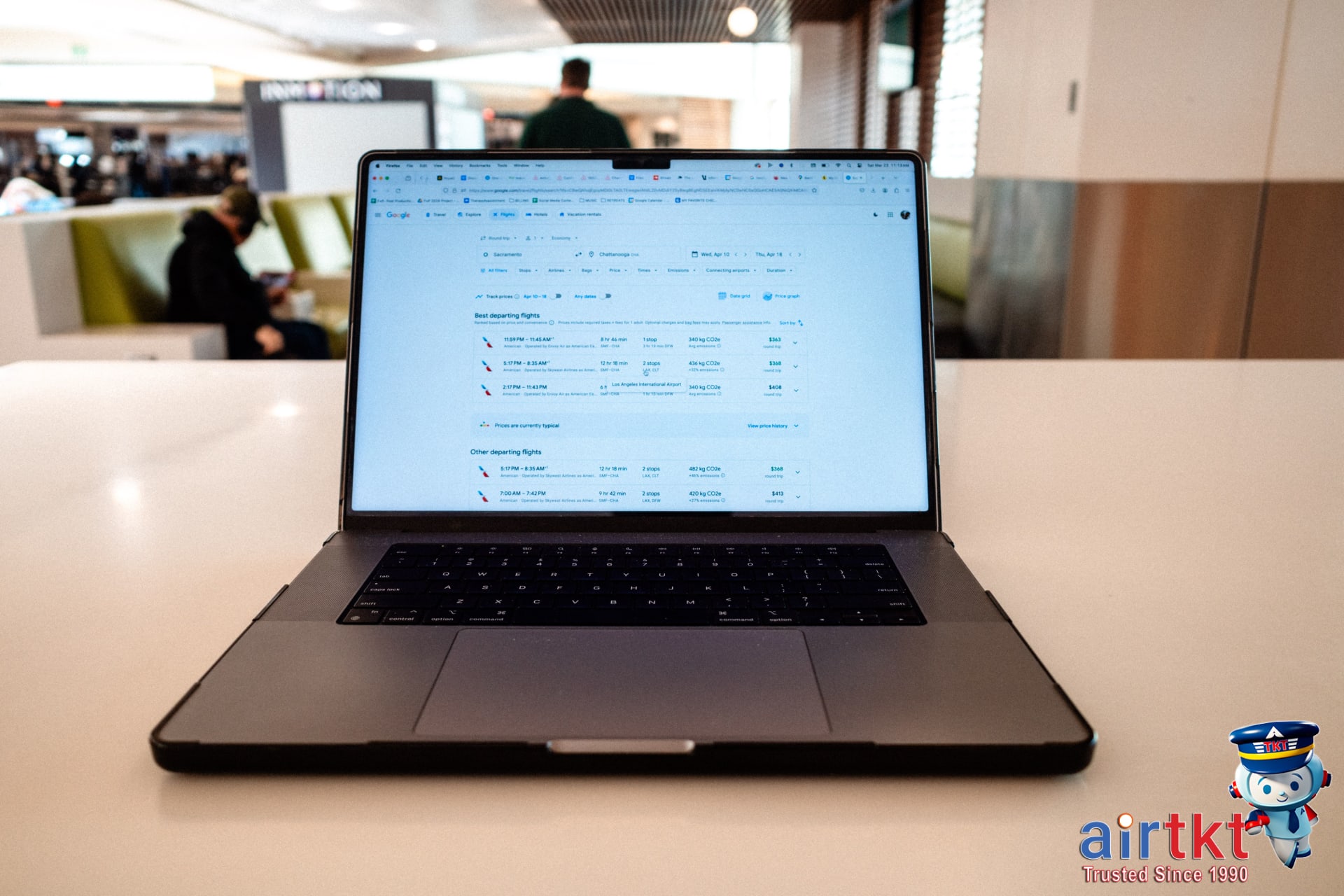
Strategic travel planning goes well beyond choosing a credit card with no foreign transaction fees. On airtkt.com, I’ve found that the built-in tools do just as much heavy lifting when it comes to keeping my trip budget in check. Lazy Fare, one of my favorite features, scans for multi-stop routes that land you at your destination for less—often without any need to pay extra for long layovers. If you’re flexible with routes, this can translate to serious airfare reductions compared with standard direct flights.
Another standout? The Nearby Airport Search. Sometimes flying out of or into an alternate airport only an hour away can mean grabbing a much lower fare. Even if the airport is a bit less convenient, I weigh the savings and often come out ahead—especially when combining it with local transport or rideshares.
I typically use a no-foreign-transaction-fee card, but pairing that with the savings I find using airtkt.com has made a tangible difference. By searching for flights with Lazy Fare and checking nearby airports, I’ve squeezed more value out of every travel dollar—on one trip, this mix easily saved me enough for a local meal or an attraction ticket at my destination.
Alternatives Beyond Credit Cards Abroad
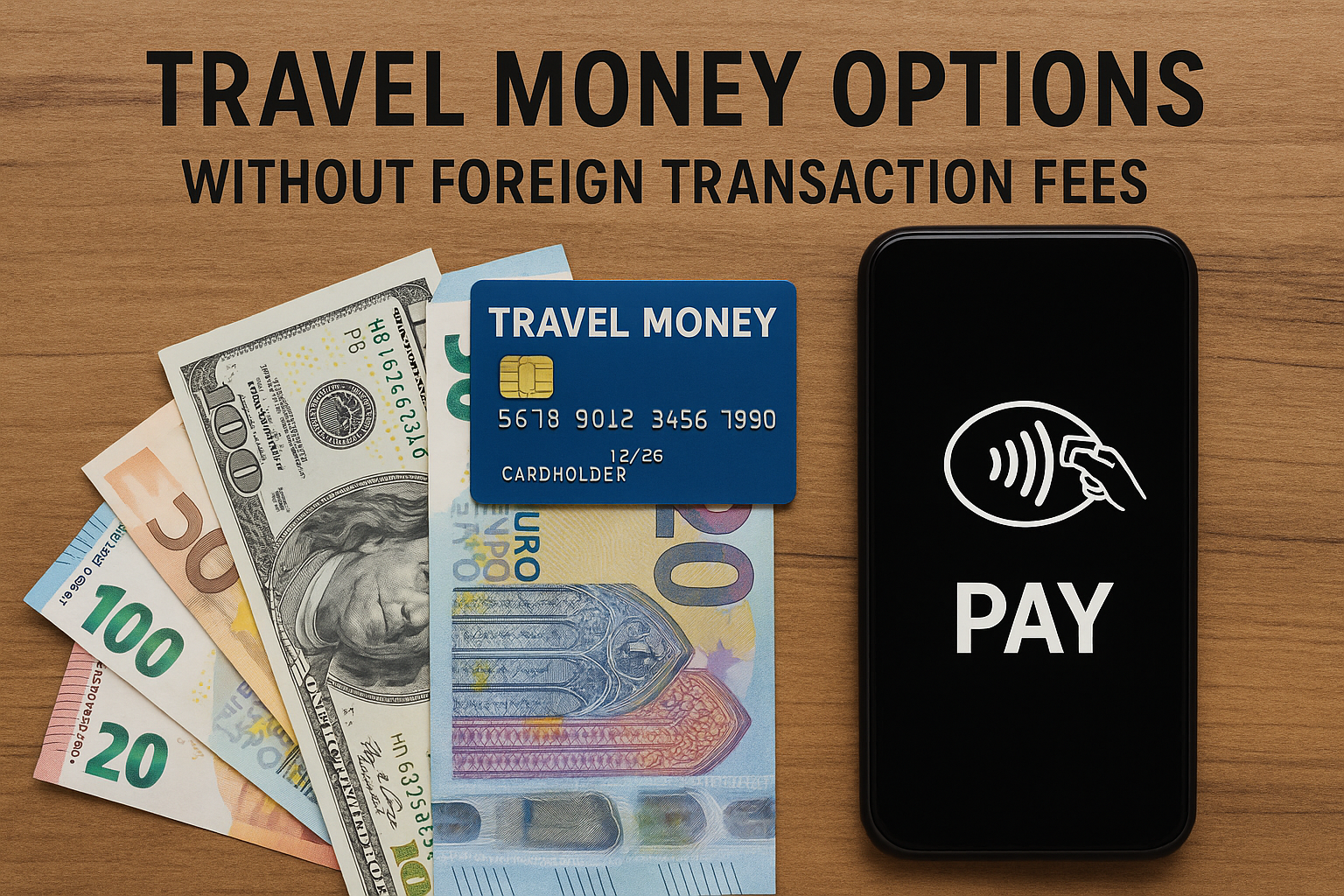
Not every traveler likes to swipe their credit card for every transaction abroad, especially with the risk of foreign transaction fees or limited card acceptance in some places. Here are some practical alternatives to consider—each with its own pros and cons when it comes to fees, convenience, and security.
Carrying Local Cash
Having local currency on hand is often the simplest backup, especially for small purchases, tips, or situations where cards are refused (think markets, street vendors, or rural shops). While cash means you avoid surprise card surcharges or system outages, there’s always the risk of theft or loss, and exchanging money can mean unpredictable rates or commissions. I try to withdraw cash from ATMs in busy, well-reviewed areas and keep only what I need for the day.
Travel Money Prepaid Cards
Prepaid travel money cards let you load a specific amount in advance—often in the local currency. They’re handy for sticking to a budget and limit loss risk if stolen, but check for card issuance, reload, and withdrawal fees. Not every merchant will accept a prepaid card, and customer service can be more limited than with a regular bank-issued credit card.
Mobile Payment Apps
Apple Pay, Google Pay, and similar mobile wallets are gaining traction worldwide. They’re fast, add a security layer with biometric authentication, and often pull payment from your chosen no-foreign-fee card. But don’t assume universal acceptance; some countries and small vendors still rely on cash or chip-and-PIN cards. Always keep an eye on local mobile payment trends before relying solely on your phone.
Personally, I combine local cash for essentials with a travel-friendly card loaded on my phone—this gives me flexibility and peace of mind in most destinations. For more detailed tips on travel payments and safety, the advice section at airtkt.com is worth consulting before your next trip.
Practical Budget Planning Table
Budgeting realistically for your travels means looking beyond obvious costs—accommodation, food, transport, and activities—and adding those sneaky extras like foreign transaction fees. Even small percentages on every purchase can quietly eat away at your daily budget, and I’ve learned the hard way that ignoring these costs is a fast track to overspending. Factoring in these fees up front has helped me stick to my travel budget much more effectively.
Budget Table With Transaction Fees
| Budget | Mid-range | Luxury | |
|---|---|---|---|
| Accommodation | About $30.00 | About $80.00 | About $220.00 |
| Food | About $15.00 | About $45.00 | About $110.00 |
| Transport | About $8.00 | About $25.00 | About $60.00 |
| Activities | About $12.00 | About $40.00 | About $95.00 |
When working out your daily spending, I suggest adding extra room in your plan—often around 3% of your projected total—for foreign transaction fees that many banks or credit cards charge abroad. It sounds minor, but on a week-long trip, it really adds up. If you use a travel card without fees, you’ll save instantly; otherwise, adjust each category upwards just slightly to cover these charges.
If you want more detailed breakdowns, the airtkt.com blog has practical budgeting guides and planning tools to help you map it all out based on your actual travel style.
Common Questions About Foreign Transaction Fees
- What are foreign transaction fees?
Foreign transaction fees are extra charges your card issuer adds when you make purchases outside the U.S. They’re usually a small percentage, but they add up on longer trips. I always check if my cards charge these fees before I travel so there are no surprises on my statement.
- How can I avoid foreign transaction fees?
To avoid foreign transaction fees, choose credit or debit cards that specifically advertise “no foreign transaction fees.” Some travel cards come with this feature. I personally recommend contacting your bank ahead of your trip to confirm what fees, if any, you might face for international use.
- Do debit cards charge foreign transaction fees?
Many U.S. debit cards do charge foreign transaction fees, but it depends on your bank and card type. These fees generally work the same as with credit cards. I always double-check my bank’s policy online or by calling support before relying on my debit card for overseas payments.
- Are prepaid travel cards better for avoiding foreign fees?
Prepaid travel cards can help you avoid or reduce foreign transaction fees, but it varies by provider. Some cards are specifically marketed for international travelers with low or no fees. In my travels, I’ve found them helpful for budgeting and managing costs while abroad, but terms differ.
- How do I dispute a foreign transaction fee?
If you spot an incorrect or unknown foreign fee, contact your card issuer’s customer service as soon as possible. Provide details about the transaction and why you think it’s inaccurate. I’ve found that acting quickly—often within 30–60 days—gives you a much better chance for resolution.
- Do all airlines and booking sites charge foreign transaction fees?
Not all travel booking sites or airlines will trigger foreign transaction fees. It depends on where the merchant processes your payment and your card’s terms. When I use airtkt.com, for example, I check with my card issuer if U.S. websites count as domestic transactions.
- Will foreign transaction fees apply if I book trips in U.S. dollars?
Booking in U.S. dollars does not always protect you from foreign transaction fees. Some banks charge these fees based on where the transaction is processed, not the currency. I always confirm with my card provider whether U.S. dollar transactions abroad still incur foreign fees.
Recap and Strategies to Stop Paying Fees
Foreign transaction fees may seem small at first, but they can quietly eat into your travel budget over the course of a trip. Let’s recap the most effective strategies I use to dodge unnecessary charges when traveling abroad. By being proactive and aware, you can keep your savings where they belong—funding more adventures.
Key Steps to Eliminate Fees
- Use credit cards designed for international travel that explicitly advertise no foreign transaction fees.
- Choose local currency when paying at shops, restaurants, or ATMs instead of opting for your home currency.
- Avoid airport currency exchanges and high-fee ATMs by planning cash withdrawals at partner banks whenever possible.
- Monitor all card activity weekly using your card’s mobile app or online portal to catch surprise fees early.
- Set up real-time alerts that notify you instantly if any foreign transaction fee is applied.
- Contact your bank before leaving to clarify your card’s international fee policy and to set a travel notice.
Make Awareness a Habit
Once I started setting fee alerts for every trip, I quickly saw the savings add up—sometimes enough to cover an extra night in a hotel or a nice local meal. The key is to stay informed and check your accounts regularly, so even small fees won’t slip by unnoticed. A little attention can mean keeping more money in your pocket for experiences worth remembering.
If you’re looking for more ways to save while traveling, don’t miss the exclusive airfare and vacation specials shared on airtkt.com. You’ll also find travel guides that help you plan efficiently and stretch your budget further.
How Smart Travelers Avoid Extra Fees
Understanding foreign transaction fees isn’t just a detail—it’s a real way to cut costs and stress from your travel budget. When you know which cards or payment methods to use (and which to avoid), it keeps those small charges from adding up and eating into your spending money. From my own experience, getting proactive about fees and switching to a no-foreign-fee card has helped me save much more than I expected over multiple trips.
Combining smart payment strategies with affordable flight and hotel bookings is a solid formula for getting the most out of your travel budget. Tools like those from airtkt.com—including flexible date searches, nearby airport comparisons, and limited-time deals—only add to your potential for savings. It’s not about chasing every discount, but about planning mindfully at each step.
If you’re mapping out your next trip, take a moment to look at how you’ll be paying abroad and pair those savings with easy booking tools. It’s a practical way to stretch your travel dollar further. I always recommend starting your search with platforms like airtkt.com if your goal is to see the world without extra fees taking a bite out of your plans.