

Explore Top Historical Travel Destinations
For many travelers, exploring historical sites offers a unique window into the past—inviting immersive experiences that go beyond textbooks and documentaries. History enthusiasts crave the chance to walk through ancient ruins, wander storied streets, and absorb the atmosphere of bygone eras. These journeys connect us with humanity’s rich cultural tapestry, making every trip a living lesson in heritage and civilization.
Historical destinations, whether marked by grand landmarks, preserved ruins, or world-class museums, serve as time capsules reflecting distinct periods. From the classical grandeur of Greek temples to the intricate artistry of Renaissance cities, each place tells a story that transcends generations. By visiting, travelers gain firsthand insight into the daily lives, achievements, and challenges of people who shaped our world.
This article will take you on a thematic exploration of top historical travel destinations that represent major epochs across the globe. You’ll discover Classical Antiquity’s iconic sites like the Parthenon and Roman Forum, as well as the mystique of New World civilizations such as the Maya and Inca. These destinations showcase the incredible diversity of human history—whether in architectural marvels, cultural relics, or ancient urban landscapes.
Choosing these destinations not only satisfies intellectual curiosity but also offers an enriching adventure filled with stories, legends, and artifacts that continue to captivate modern visitors. Through careful planning and savvy travel booking on platforms like AirTtkt, history lovers can access affordable flights and accommodations, turning dream explorations into reality without overspending.
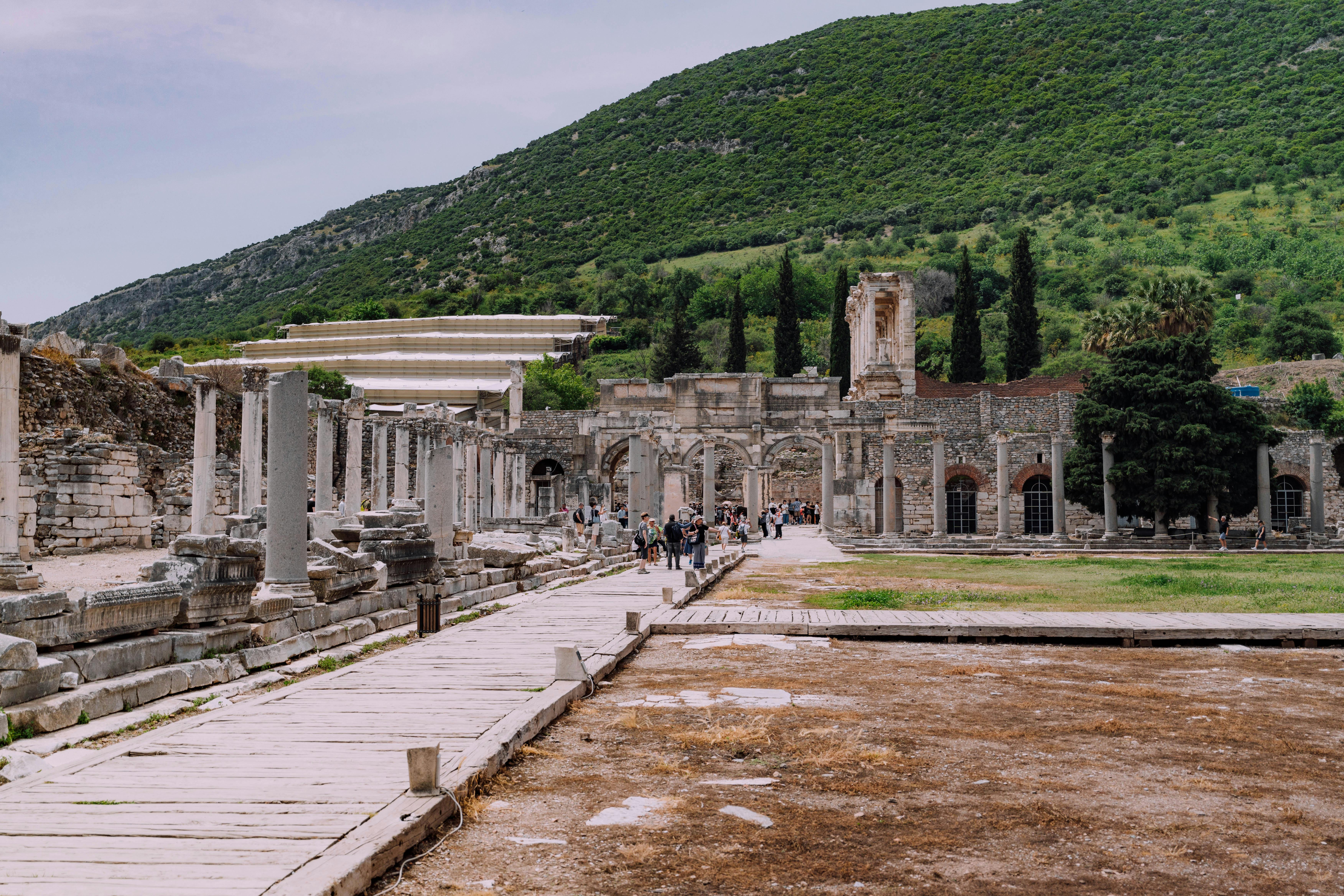
Discover Classical Antiquity in Athens and Rome
Athens and Rome stand as timeless gateways to classical antiquity, offering travelers a rare glimpse into the origins of Western civilization. In Athens, the Parthenon crowns the Acropolis, epitomizing ancient Greek architectural brilliance. This temple, dedicated to the goddess Athena, commands panoramic views of the city and embodies the artistic and cultural achievements of 5th-century BCE Greece. Just below, the Acropolis museum showcases priceless relics unearthed from this sacred hill.
For a deeper dive into Greece’s storied past, the National Archaeological Museum in Athens houses an extensive collection of artifacts, from Mycenaean gold to classical sculptures. It’s a treasure trove for anyone fascinated by ancient artistry and mythology, providing context that complements the outdoor ruins beautifully.
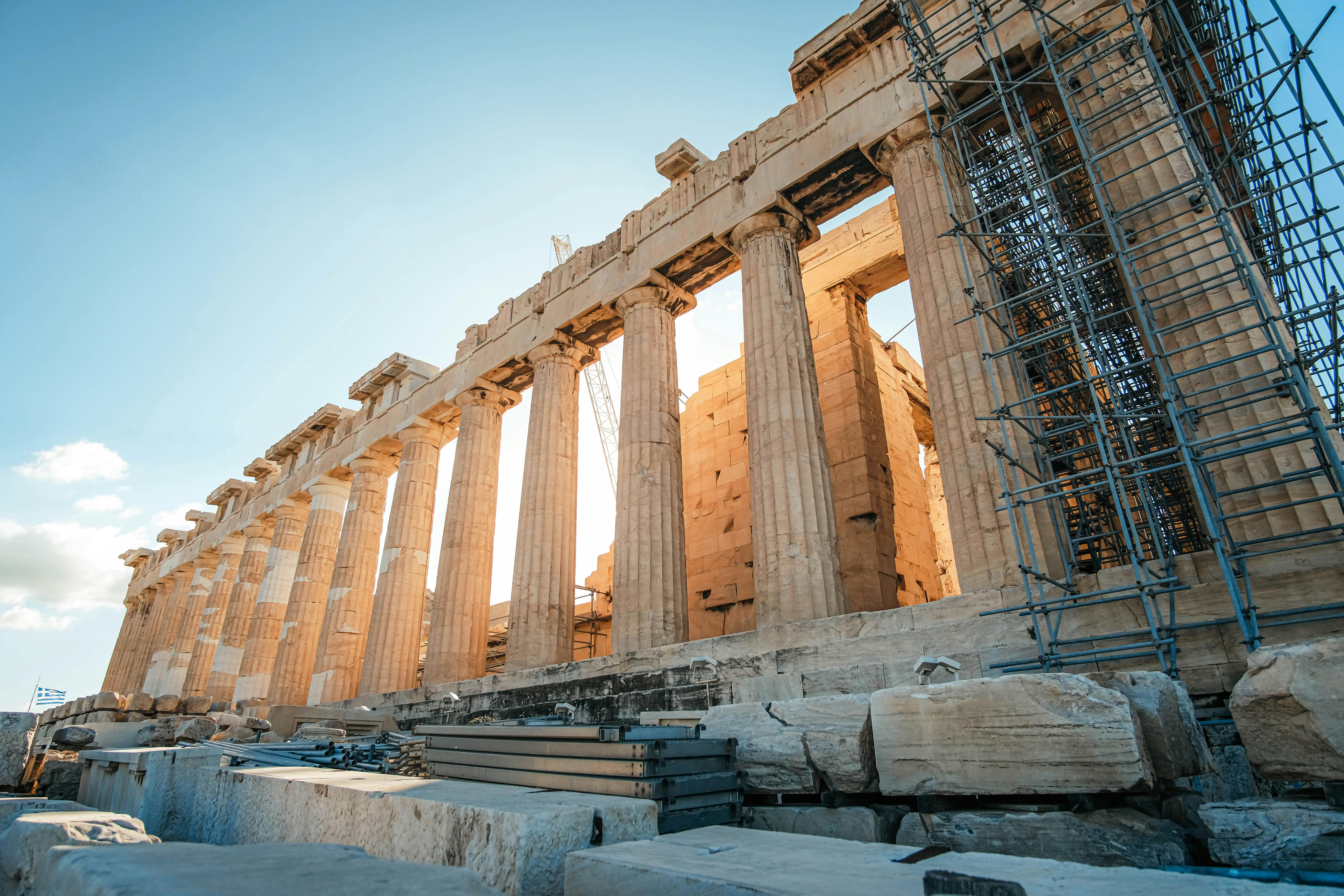
Across the Mediterranean in Rome, the Roman Forum offers an immersive journey through the heart of ancient political and religious life. Walking among its ruins, visitors encounter temples, basilicas, and arches that narrate centuries of Roman power and ceremony. Nearby, the Colosseum stands as an iconic symbol of imperial might and gladiatorial spectacle. This vast amphitheater never fails to impress with its engineering marvel and dramatic history.
The Capitoline Museums, perched atop Rome’s Capitoline Hill, are a must-see for history enthusiasts. Featuring masterpieces of Roman art and statuary, these museums illuminate the grandeur of the Roman Republic and Empire. Highlights include the Dying Gaul and the bronze statue of Marcus Aurelius, each telling tales of conquest and leadership.
Best Times to Visit: To maximize your visit, steer clear of peak summer months (June to August) when crowds swell and temperatures soar above 90°F. April to early June and September to October offer mild weather and fewer tourists, creating ideal conditions to explore these open-air sites comfortably.
Travel Tips: Purchase tickets online in advance to bypass long lines, especially for the Acropolis and the Colosseum. Consider guided tours or audio guides tailored for history buffs—these enrich the experience with expert insights and stories not easily gleaned from signage alone. For an intimate encounter, early morning or late afternoon tours deliver softer light for photography and a quieter ambiance.
Explore Ancient Egypt’s Iconic Sites in Cairo and Luxor
Egypt’s rich history comes alive through its iconic landmarks, with Cairo and Luxor serving as gateways to the past. The Pyramids of Giza and the Great Sphinx are among the world’s most famous ancient monuments, symbolizing the ingenuity and mystique of ancient Egyptian civilization. Built over 4,500 years ago, the pyramids were royal tombs designed to protect and honor pharaohs, while the Sphinx, with its lion’s body and human head, stands as a guardian of this sacred necropolis.
Further south in Luxor, the vast Karnak Temple complex unfolds as a sprawling testament to religious devotion and architectural prowess. Visitors marvel at its towering columns, intricate hieroglyphics, and diverse temples dedicated to multiple gods. Nearby, the Valley of the Kings offers a glimpse into royal burials, where elaborately decorated tombs house the remains of great pharaohs including Tutankhamun, revealing priceless artifacts and ancient funerary art.
Back in Cairo, the Egyptian Museum is a treasure trove of antiquities, showcasing thousands of artifacts that narrate Egypt’s extraordinary story. Highlights include the golden funerary mask of Tutankhamun, colossal statues, and intricate jewelry. The museum’s layout guides visitors through millennia of history, making it a must-visit hub for those wanting deeper insights outside the open-air sites.
When planning your visit, timing matters. Egypt’s high season runs from October to April when cooler temperatures make exploring more comfortable. Summer months can exceed 100°F, deterring some travelers but often offering cheaper rates and easier ticket availability. Peak seasons, especially around national holidays, can see crowded sites and early sell-outs of guided tours.
To secure the best experience, purchasing tickets online in advance is wise, particularly for popular spots like the Pyramids, Karnak Temple, and the Valley of the Kings. Guided tours enhance understanding, providing historical context and smoothing navigation through busy areas. Many local operators and major museums, including the AirTtkt platform, offer bookings for tours and access passes that help avoid long lines and maximize time spent at each site.
Visit Imperial China’s Treasures in Beijing and Xi’an
Beijing and Xi’an stand as living museums of imperial China, showcasing centuries of rich history through iconic landmarks and priceless relics. In Beijing, the Forbidden City is a sprawling palace complex that served as the political heart of Chinese emperors for nearly 500 years. Its intricate architecture and vast courtyards reflect Ming and Qing dynasty grandeur, making it a must-see for history enthusiasts.
Nearby, the Great Wall of China stretches over 13,000 miles and symbolizes China’s ancient military ingenuity. Walking along its winding ramparts offers not only breathtaking views but also a deep connection with the past defensive efforts that protected the empire’s northern borders.
Traveling west to Xi’an reveals another marvel: the Terracotta Army. Unearthed in 1974, this vast archaeological site preserves thousands of life-sized clay soldiers, horses, and chariots crafted to guard Emperor Qin Shi Huang’s tomb. The sheer scale and detail of this army provide unparalleled insight into early Chinese art, military organization, and funerary practices.
Visitors to these sites can deepen their understanding by exploring nearby museums. In Beijing, the Palace Museum inside the Forbidden City houses priceless artifacts and exquisite artworks, while the Great Wall Museum offers detailed exhibits on the wall’s construction and historical context. Xi’an’s Shaanxi History Museum is another highlight, showcasing relics spanning dynasties that shaped China’s development.
To avoid the crowds, consider planning your visit during the shoulder seasons of spring (March to May) and autumn (September to November). These periods offer milder weather and quieter attractions compared to the busy summer months and Chinese public holidays when tourist numbers surge.
Exploring Beijing and Xi’an’s imperial treasures presents travelers with unforgettable experiences filled with culture, history, and awe. Planning ahead to visit during off-peak times and embracing respectful behavior will enrich your journey through these magnificent vestiges of ancient China.
Experience Jerusalem’s Religious and Historic Landmarks
Jerusalem stands as a profound testament to the world’s shared spiritual heritage, offering travelers a unique chance to explore sites deeply revered by Judaism, Christianity, and Islam. The city’s iconic landmarks—the Western Wall, Church of the Holy Sepulchre, and Dome of the Rock—each tell stories spanning millennia, inviting visitors into a living history rich with faith and culture.
The Western Wall, also known as the Kotel, is a remnant of the ancient Second Temple and remains Judaism’s holiest prayer site. Pilgrims and tourists alike come here to leave written prayers tucked into its cracks. Across the Old City, the Church of the Holy Sepulchre marks the location where tradition holds that Jesus was crucified and resurrected, making it a pilgrimage focal point for Christians worldwide. Nearby, the Dome of the Rock, with its stunning golden dome, honors the spot where, according to Islamic tradition, the Prophet Muhammad ascended to heaven. This shrine is one of Islam’s oldest and most significant architectural marvels.
Jerusalem’s religious significance is deeply intertwined with its layered history. As a city sacred to three of the world’s major religions, it has witnessed centuries of devotion, conflict, and coexistence. The Old City itself is divided into quarters—Jewish, Christian, Muslim, and Armenian—that trace back centuries, offering visitors a palpable sense of the interwoven narratives that shape this timeless place.
For travelers planning visits, it’s important to note practical details. Entry to these landmarks is generally open year-round, though prayer times and religious holidays may affect access. The Western Wall and Church of the Holy Sepulchre remain open daily with no entrance fee, while the Dome of the Rock is accessible during specific hours—non-Muslim visitors can enter, but are asked to follow dress codes and respect prayer times.
Current travel regulations require visitors to stay updated on local security advisories and border policies, especially as they can fluctuate. Visitors arriving via Israel must have appropriate travel documents and adhere to health regulations which may include COVID-19 related measures. Checking official sources or consulting AirTtkt’s latest travel updates can ensure smooth planning.
To enjoy Jerusalem’s sites at their best, timing your visit is key. Spring (April to June) and autumn (September to November) offer mild weather and fewer crowds compared to the peak summer months. Early mornings tend to be quieter, providing a more reflective ambiance at spiritual sites. Avoiding major religious holidays can also help visitors experience these landmarks without overwhelming crowds.
Discover Byzantine and Ottoman Heritage in Istanbul and Rome
Istanbul and Rome are living museums that showcase layers of Byzantine and Ottoman history through their iconic architecture and cultural landmarks. These two cities reveal a fascinating fusion of eras, where ancient empires meet the influences of time, shaping unique heritages cherished worldwide.
In Istanbul, the Hagia Sophia stands as a monumental symbol of Byzantine ingenuity and religious transformation. Originally built as a cathedral in 537 AD under Emperor Justinian I, it served as the largest church in Christendom for nearly a thousand years. After the Ottoman conquest in 1453, it was converted into a mosque, illustrating the city’s shift into an imperial Islamic center. Today, its massive dome and intricate mosaics reflect this complex history, blending Christian iconography with Islamic calligraphy. Nearby, Topkapi Palace, the opulent residence of Ottoman sultans, offers insight into the administrative and cultural life of the empire. Visitors can explore its courtyards, richly decorated rooms, and treasury, all set within commanding views of the Bosporus Strait.
Rome, though primarily known for its ancient Roman sites, also retains significant Byzantine heritage. The Basilica of Saint John Lateran, the oldest public church in the city and the seat of the Pope, features Byzantine mosaics and architectural elements that speak to the continuity of Christian influence during the Byzantine era in Italy. Other churches such as Santa Maria in Cosmedin showcase Byzantine artistic traditions fused with Roman design, underscoring the city’s role as a crossroads of cultures throughout history.
The architectural landscape in both cities reveals stunning examples of fusion where Byzantine, Ottoman, Romanesque, and Renaissance styles coexist. In Istanbul, the Hagia Sophia’s massive central dome technique influenced Ottoman mosques like the Blue Mosque, harmonizing Byzantine grandeur with Islamic artistry. In Rome, Byzantine mosaics coexist alongside Gothic arches and Baroque embellishments, creating a layered dialogue between different historical epochs.
To deepen understanding of these rich histories, several museums offer exceptional collections related to Byzantine and Ottoman periods. Istanbul’s Istanbul Archaeology Museums present artifacts that span centuries, including Byzantine coins, ceramics, and Ottoman relics. The Museum of Turkish and Islamic Arts showcases exquisite calligraphy, textiles, and woodworks reflecting Ottoman craftsmanship. In Rome, the Vatican Museums house important Byzantine mosaics and religious art, while the Museo Nazionale Romano highlights the city’s transition through these pivotal eras.
Explore Southeast Asia’s Ancient Khmer Empire at Angkor Wat
Angkor Wat stands as the crowning jewel of the Khmer Empire’s architectural and cultural legacy. Located near Siem Reap, Cambodia, this vast temple complex is not only a religious monument but also a symbol of national pride and historical grandeur. Built in the early 12th century, Angkor Wat captivates visitors with its intricate design, extensive bas-reliefs, and expansive sandstone structures that reflect ancient Khmer cosmology and artistry.
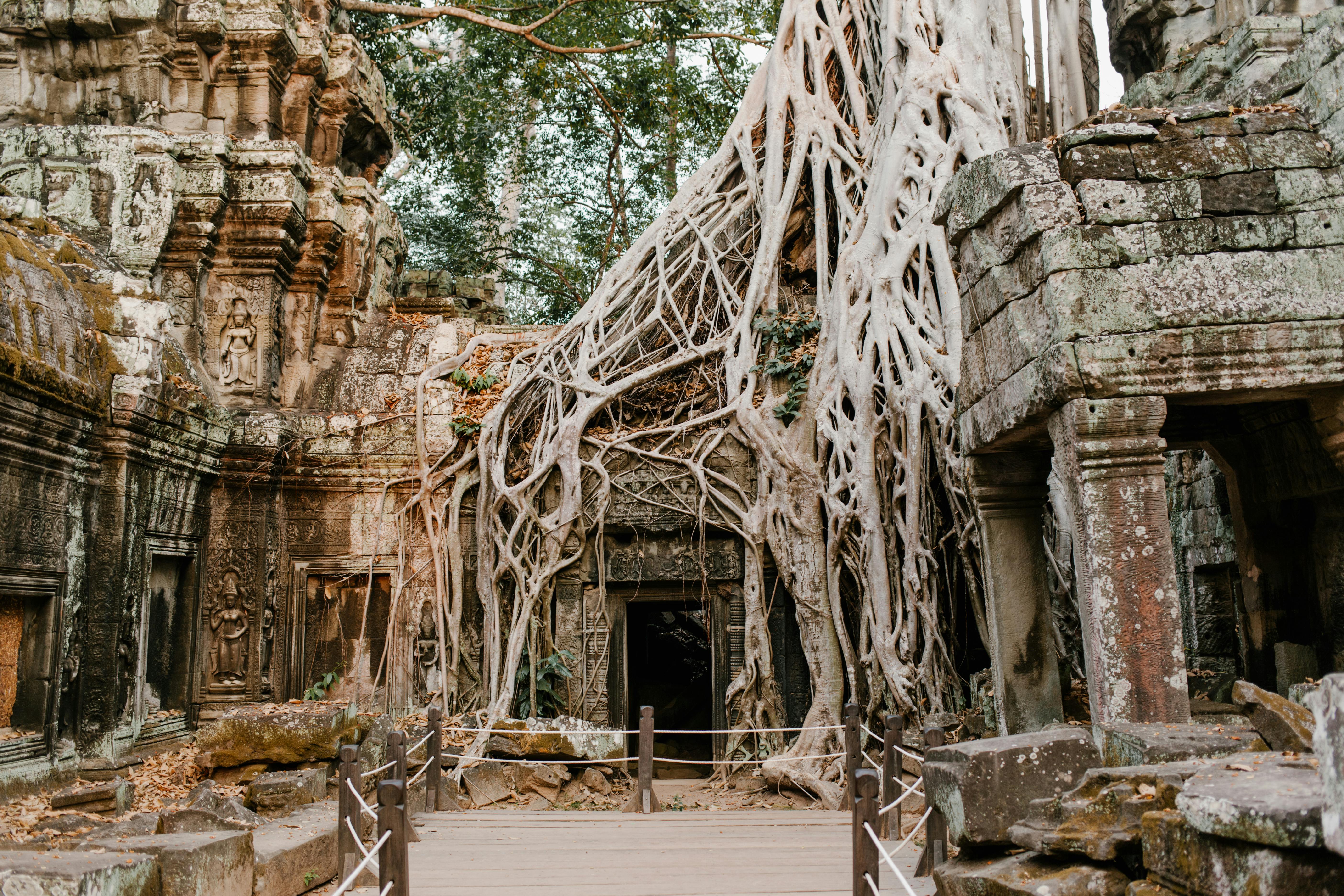
The temple’s walls are adorned with detailed carvings depicting Hindu mythology, including scenes from the Ramayana and Mahabharata epics. Visitors can marvel at the iconic Apsara dancers engraved in stone, whose graceful figures have inspired artists worldwide. Beyond Angkor Wat itself, the surrounding archaeological park offers additional ruins such as Bayon Temple with its enigmatic smiling faces, and Ta Prohm, famously entwined with massive tree roots. These sites collectively tell the story of the Khmer civilization’s spiritual and political might.
Timing your visit wisely enhances the experience. The best time to explore Angkor Wat is during the dry season, from November to March, when the weather is cooler and rainfall is minimal. Early mornings, especially at sunrise, not only provide dramatic lighting for photography but also help avoid midday heat and crowds. Conversely, the wet season (May to October) brings lush greenery and fewer tourists, although occasional heavy rains can hinder access to certain areas.
Preservation initiatives, supported by UNESCO and Cambodian authorities, focus on stabilizing structures and combating deterioration caused by weathering and tourism. By following guidelines and traveling thoughtfully, you contribute to safeguarding one of Southeast Asia’s most treasured landmarks.
Visit Machu Picchu: The Iconic Incan Archaeological Site
Machu Picchu stands as one of the most remarkable archaeological sites in the New World, celebrated for its intricate Incan architecture and dramatic mountain setting. This ancient citadel, believed to have been built in the 15th century under Emperor Pachacuti, showcases the ingenuity of the Incan civilization through terraced fields, stone temples, and sophisticated water systems. Recognized as a UNESCO World Heritage site, Machu Picchu offers a window into pre-Columbian history and spiritual life.
Travelers eager to experience this iconic destination have several access options. The most popular choice is taking a scenic train ride from Cusco or Ollantaytambo to Aguas Calientes, the gateway town at the mountain’s base. This route provides comfort and stunning views of the Sacred Valley. For those seeking adventure, hiking the Inca Trail is a rewarding way to reach Machu Picchu, with options ranging from a 4-day trek to shorter alternatives. Trekking enthusiasts also consider routes like the Salkantay or Lares treks, which offer less crowded paths amid breathtaking landscapes.
To preserve Machu Picchu’s fragile environment and cultural heritage, strict visitor regulations are enforced. Daily visitor numbers are limited and must be booked in advance through official channels. Guided tours are encouraged to enhance understanding of the site’s history and its significance. Visitors are required to follow designated paths, avoiding restricted areas to help prevent erosion and damage to the stone structures. Additionally, food and large backpacks are prohibited inside the site to maintain cleanliness and security.
The broader cultural context of Machu Picchu lies in the impressive rise of the Incan Empire, which dominated much of western South America before Spanish colonization. The Incas excelled in engineering, agriculture, and administration, creating an extensive road network and thriving urban centers. Machu Picchu itself is believed to have served multiple purposes—possibly a royal estate, a religious complex, or a strategic lookout. Regardless of its exact function, the site remains a powerful symbol of indigenous innovation and resilience.
Historical Travel FAQs for Enthusiasts
How can I find the best deals for historical travel destinations?
To secure the best deals for historical travel destinations, start by booking flights and accommodations early through platforms like AirTtkt. Use fare comparison tools to spot discounts and consider traveling during shoulder seasons when prices tend to be lower. Signing up for alerts can also notify you of last-minute deals.
What is the best time to visit ancient ruins to avoid crowds?
Visiting ancient ruins early in the morning or later in the afternoon on weekdays helps you avoid peak crowds. Additionally, choosing off-peak seasons—often outside summer or major holidays—allows for a quieter, more reflective experience. Weather conditions may vary, so balance crowd avoidance with comfort.
When should I book tickets for popular historical site tours?
Booking tickets at least several weeks in advance is advisable, especially for in-demand historical sites. Many offer timed entry passes that sell out quickly. Reserve directly through official websites or trusted vendors like AirTtkt to ensure authenticity and sometimes access exclusive discounts.
Why is it important to respect preservation rules at historical sites?
Preservation rules protect fragile artifacts and structures that have survived centuries. Ignoring guidelines can cause irreversible damage, degrading the cultural and educational value of these sites. Respecting rules ensures these treasures last for future generations to learn from and enjoy.
Can I combine multiple historical travel destinations in one trip?
Absolutely. Planning a route that links nearby historical travel destinations allows you to maximize your experience efficiently. Use multi-city flight options and book passes for regional transportation. Multipurpose itineraries can offer a rich perspective on history without excessive travel time.
What should I know about access and security at religious historical sites?
Religious historical sites often have strict access rules and security checks for visitors. Dress modestly and be prepared for bag inspections or metal detectors. Some sites restrict photography or limit visitor numbers. Checking official guidelines before visiting helps ensure respectful and smooth entry.
How do museums enhance the experience of historical travel destinations?
Museums complement historical travel destinations by providing context, detailed exhibits, and expert curation that deepen understanding. They often house artifacts found on-site and offer interactive displays or guided tours, enriching your knowledge and appreciation of the historical narratives.
Choose Your Ideal Era and Travel with Confidence
The allure of historical travel lies in its incredible diversity, spanning from ancient civilizations like Egypt and Mesopotamia to medieval castles in Europe and revolutionary sites in the Americas. Whether you are drawn to the grandeur of Roman architecture, the mysteries of the Renaissance, or the innovation of the Industrial Age, the world offers a rich tapestry of eras and destinations to explore. Each period invites you to experience cultures, stories, and landmarks that have shaped human history in profound ways.
Combining these cultural insights with practical, efficient travel planning enhances your overall journey. Choosing destinations aligned with your historical interests means you engage more deeply with your travels, gaining not just photos but meaningful experiences. Yet, turning that dream into reality requires reliable tools that help you book smartly and save money.
This is where AirTtkt stands out as your trusted travel companion. The platform offers competitive fares across major airlines worldwide, allowing you to compare prices in real time. Such transparency empowers you to find the best deal without hours spent scouring multiple sites. Whether you’re after last-minute deals or early bookings for a popular historical site tour, AirTtkt adapts seamlessly to your timeline.
Beyond fares, AirTtkt’s user-friendly interface makes searching simple and stress-free. Filters help you narrow flights by duration, stops, or airline preference, ensuring your travel plans fit your personal comfort and schedule. Add to this the option to book hotels and car rentals through the same platform, and you have a comprehensive solution designed to streamline your entire trip.
Booking your historical journey with confidence also means access to dependable customer service. AirTtkt provides 24/7 support and phone-assisted reservations, so any issue or question along the way is quickly resolved. This peace of mind lets you focus on what truly matters: immersing yourself in the stories and wonders of your chosen era.
By selecting your ideal historical era and using AirTtkt, you can confidently unlock unforgettable travel experiences with fewer hassles and better prices. Embark on your adventure knowing you have a knowledgeable partner dedicated to making your journey seamless and affordable.