
Discover the Wonders of U.S. National Parks
The U.S. National Parks hold a special place in the hearts of travelers and nature lovers alike, preserving some of the country’s most stunning landscapes and natural treasures. Managed by the National Park Service (NPS), these parks embody a mission to protect and showcase America’s rich natural and cultural heritage. Since its establishment in 1916, the NPS has been dedicated to safeguarding these unique environments while offering public recreation and educational opportunities.
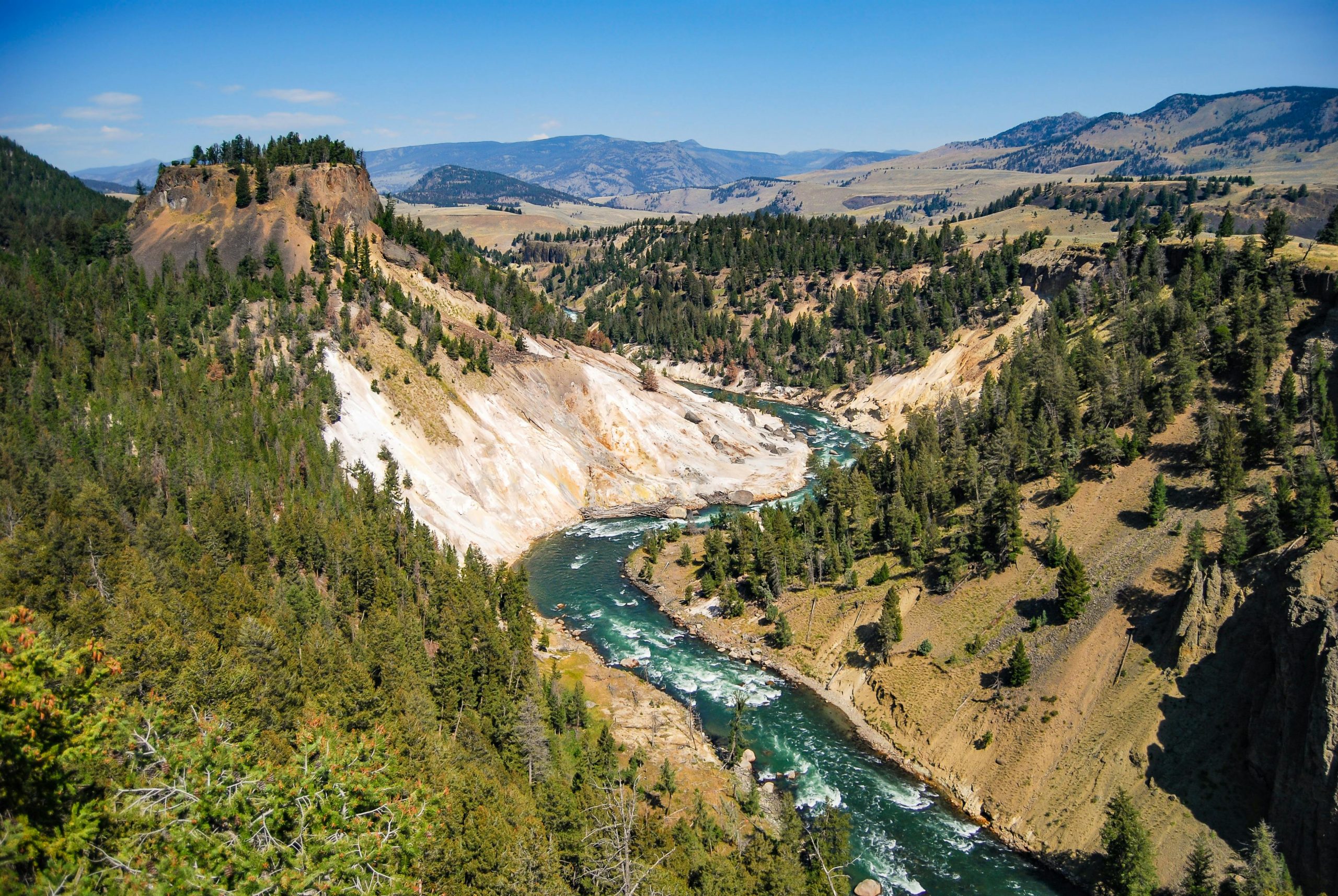
The concept of National Parks in the United States began in 1872 with the creation of Yellowstone, the world’s first national park. This groundbreaking move set the stage for a nationwide commitment to conservation and public enjoyment of wilderness areas. Over the decades, the network of parks grew to include diverse ecosystems, from towering mountains to vast deserts and dense forests, each one offering a distinct glimpse into America’s natural beauty and history.
Today, the United States boasts 63 official National Parks, spread across 30 states and two territories. This variety means visitors can explore everything from the geothermal wonders of Yellowstone to the breathtaking cliffs of the Grand Canyon, the lush rainforests of Olympic National Park, or the rugged coastline of Acadia. Whether you seek adventure, tranquility, or a lesson in natural history, there’s a National Park to suit every traveler’s interest.
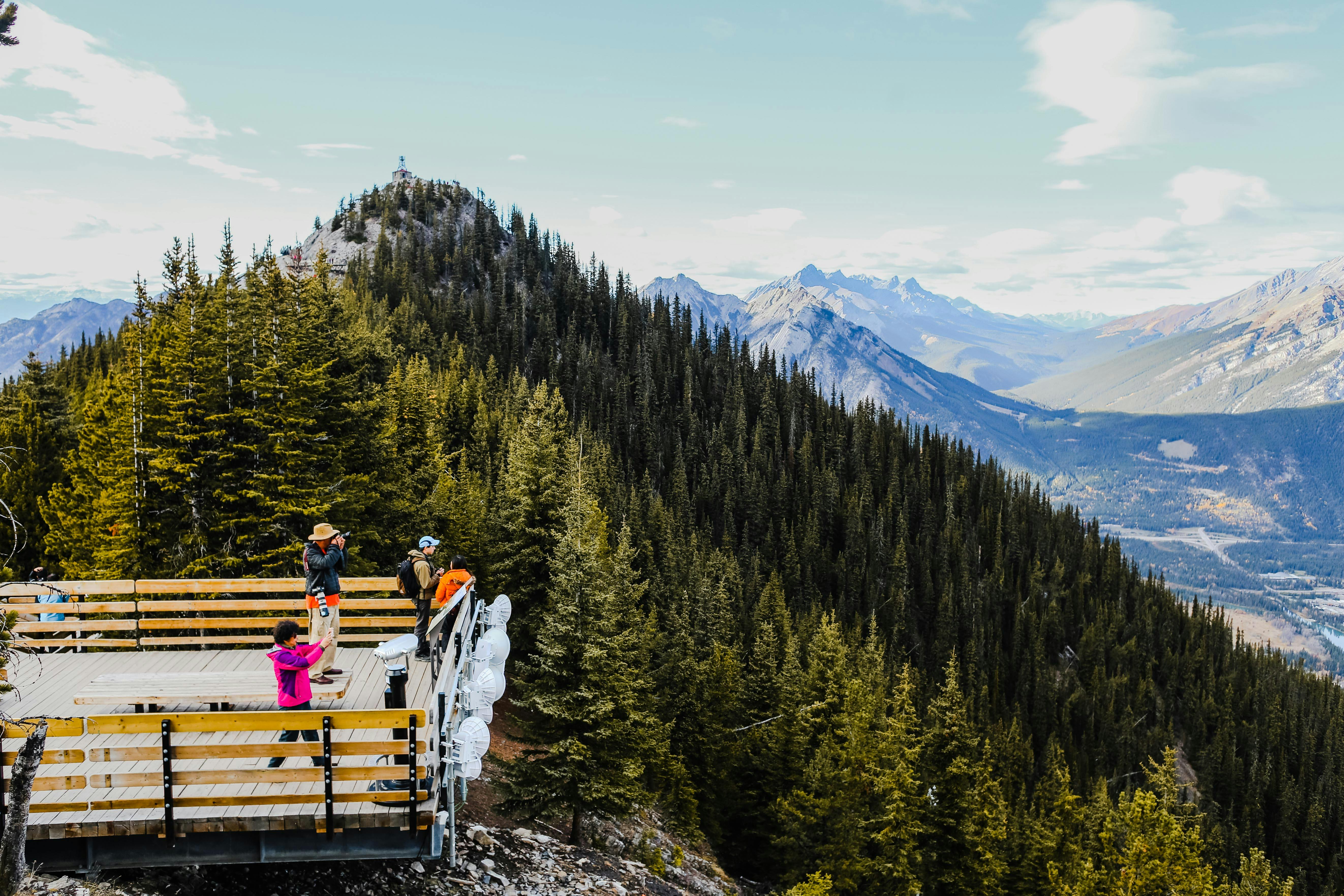
Popularity of these parks continues to soar, with annual visitation exceeding 300 million people. This impressive footfall highlights their importance as accessible escapes to nature, drawing families, hikers, photographers, and explorers from around the world. Many parks are equipped with well-maintained trails, informative visitor centers, and camping facilities, making it easy to plan a memorable trip that fits any budget.
Explore Top U.S. National Parks Destinations
Discover the natural grandeur of America’s most iconic national parks, each offering unique landscapes and unforgettable photo opportunities. Whether you’re drawn to geysers, canyons, or ancient forests, these parks showcase the best of U.S. wilderness.
Yellowstone National Park
Yellowstone, America’s first national park, is renowned for its spectacular geothermal features like the famous Old Faithful geyser, which erupts regularly in a mesmerizing display. Beyond the geysers, Yellowstone’s vast ecosystem supports diverse wildlife, including bison, elk, bears, and wolves. Must-visit spots for photographers include the vibrant Grand Prismatic Spring and the Lamar Valley at dawn, where wildlife sightings abound against a backdrop of rolling hills.
Grand Canyon National Park
The Grand Canyon impresses with its immense scale and breathtaking vistas carved by the Colorado River. Visitors can explore scenic rim drives that offer panoramic overlooks, perfect for sunrise and sunset photography. The South Rim is the most popular for its accessible viewpoints, while the less crowded North Rim provides solitude and equally stunning perspectives of layered red rock formations.
Yosemite National Park
Yosemite captivates with towering granite cliffs, cascading waterfalls such as Yosemite Falls and Bridalveil Fall, and ancient giant sequoias in Mariposa Grove. The iconic Half Dome and El Capitan granite monoliths dominate the landscape. Capture iconic shots from Tunnel View or Glacier Point, where expansive views of the valley reveal dramatic natural beauty in every season.
Zion National Park
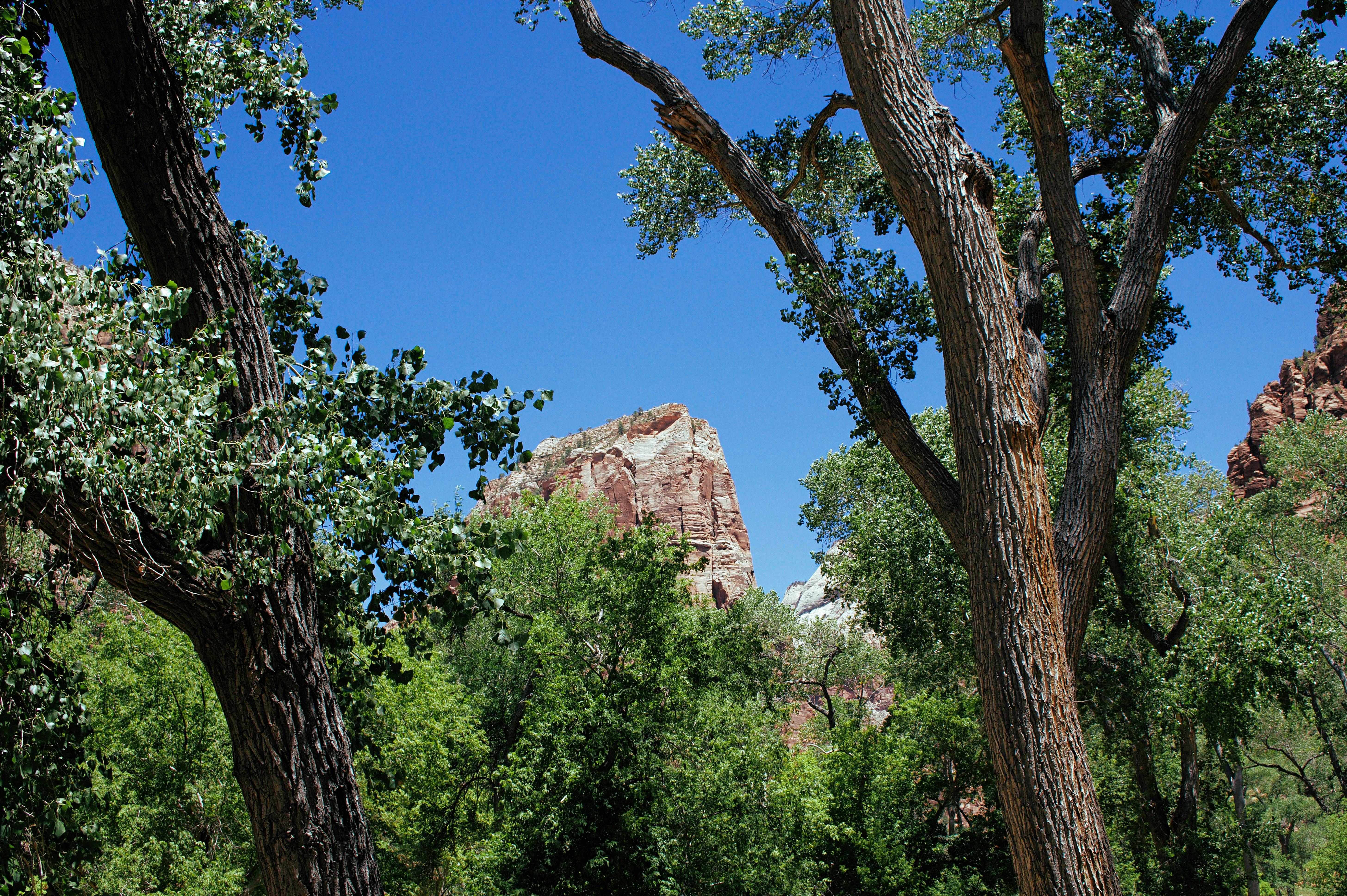
Zion’s dramatic sandstone formations paint the sky with vivid reds and oranges, creating a striking setting for hiking and photography. The park’s famous slot canyons, especially The Narrows and Angels Landing, offer thrilling adventures and stunning, light-filled chasms. Scenic viewpoints like Canyon Overlook provide postcard-perfect panoramas of the Zion Canyon.
Great Smoky Mountains National Park
Known for its lush, mist-covered forests and rich biodiversity, the Great Smoky Mountains is a haven for nature lovers. Historic buildings scattered throughout the park add cultural depth to your visit. The Blue Ridge Parkway and Clingmans Dome are favored spots for capturing fog-draped mountain vistas and colorful fall foliage, making this park a year-round photography favorite.
Other Notable U.S. Parks
Beyond these highlights, the U.S. boasts many other remarkable parks. Acadia National Park in Maine offers rugged coastline and sunrise views over Cadillac Mountain. Glacier National Park presents pristine alpine lakes and jagged peaks in Montana. Everglades National Park in Florida invites exploration of vast wetlands and rare wildlife. Each park presents its own unique charm and photo-worthy moments.
Plan Visits to Avoid Peak Crowds
Visiting national parks can be a breathtaking experience, but timing your trip is crucial to avoid the stress of overcrowding and harsh weather. Understanding the difference between peak and shoulder seasons will help you choose when to visit. Peak seasons usually coincide with school holidays and summer months when crowds surge, and costs rise. Shoulder seasons—spring and fall—offer milder weather and fewer visitors, providing a more relaxed, immersive experience.
For example, at popular parks like Yosemite, summer (June through August) attracts the highest number of tourists, often leading to crowded trails and packed campsites. In contrast, planning a visit in late April or September can help you enjoy cooler weather and open access to scenic spots. Similarly, Zion National Park sees heavy traffic from late spring to early fall, so aim for early spring or late fall to dodge the throngs.

Holiday weekends and national holidays significantly increase park visits regardless of the season. Popular travel dates such as Memorial Day, Fourth of July, and Labor Day weekends see spikes in both crowds and prices. Weekends also tend to be busier than weekdays. Planning your visit during mid-week days or avoiding major holidays can drastically reduce time spent in traffic and waiting for entry.
Many renowned parks now require advanced reservations during peak times. Yosemite and Zion, for instance, implement timed entry permits to manage visitor limits and reduce congestion. Yosemite’s reservation system opens months in advance and is highly competitive. To secure your spot, plan ahead and consider flexible trip dates, checking regularly for cancellations. Zion also uses a shuttle and permit system during busy months—booking early through the official channels can ensure smoother access.
Airfare trends tend to mirror park visitation patterns. Flying during shoulder seasons can lead to significantly lower flight costs and greater seat availability. Data indicates that booking flights about 1 to 3 months ahead during these off-peak periods maximizes savings. Aligning your flight bookings through trusted platforms like AirTtkt helps you monitor price fluctuations and secure the best deals tailored to your travel window.
By choosing the best season and understanding reservation requirements, you can enjoy some of America’s most stunning national parks without the hassle of crowds or inclement weather. Planning smartly not only enriches your visit but also helps you save on travel expenses.
Understand Entry Fees and Save with Pass
Visiting national parks typically requires an entrance fee that helps maintain natural beauty and facilities. On average, a standard park entry costs about $35 per vehicle, granting access for seven consecutive days. This fee covers all passengers in the vehicle, making it a practical option for families or groups planning a single visit.
However, if you’re planning to explore multiple parks or visit frequently throughout the year, the America the Beautiful National Parks Pass offers remarkable savings. Priced at $80 annually, this pass provides unlimited entry to over 2,000 federal recreation sites, including all national parks. It quickly pays off if you visit three or more parks within a year.
This pass not only covers entrance fees but also includes standard amenity fees at participating sites, a feature that can substantially add up if you visit popular or fee-charging destinations often. Families or avid outdoor enthusiasts will find the pass cost-effective for road trips spanning several parks or for repeat visits to favorites.
You can purchase the pass conveniently online via the official National Park Service (NPS) website or at park entrances. Buying in advance through reputable channels like NPS ensures you receive a legitimate pass and can plan your trip without last-minute hassle. When purchasing at the gate, be sure to check accepted payment methods as they vary by location.
For budget travelers using platforms like AirTtkt to book affordable flights and accommodations, adding the America the Beautiful Pass is a smart way to extend savings on the ground while exploring stunning national parks. Combining air, lodging, and park access cost-effectively sets the stage for unforgettable adventures without breaking the bank.
Book Your Visit with Practical Tips
Planning a visit to a national park or popular outdoor destination requires careful reservation of entry, lodging, and transportation to guarantee a seamless experience. Begin your trip by securing park access through official channels like Recreation.gov permits. This platform guides you step-by-step to book park entry passes, campsites, and popular lodgings. Arriving early on the day reservations open can improve your chances of snagging limited spots, especially during peak seasons.
Once you have park access, consider your lodging options. From campgrounds to cabins, bookings usually fill quickly—so plan ahead. Use the same online system or park websites to choose accommodations that fit your budget and preferences. For camping, reserve spots close to your planned activities for convenience.
Pick Hikes by Difficulty Level
Choosing hikes that match your experience level enhances enjoyment and safety. For first-time visitors, easy trails like loop walks or short nature strolls provide scenic views without exhausting effort. Examples include flat, well-marked paths near visitor centers or waterfalls.
Advanced hikers should target more challenging routes with elevation changes, longer distances, or rugged terrain. Trails leading to summits or remote vistas offer rewarding experiences but require proper preparation.
- Beginner: 1-3 mile flat trails with clear signage
- Intermediate: 4-7 mile trails with moderate hills
- Advanced: 8+ mile hikes with steep ascents or technical sections
Use Park Shuttle Systems Effectively
Many busy parks run shuttle systems to reduce traffic and parking challenges. Familiarize yourself with shuttle routes, schedules, and stops before arrival. Arriving early at shuttle pick-up points ensures a seat during peak hours. These shuttles connect trailheads, lodges, and visitor centers, making them convenient for exploring without a personal vehicle.
Using shuttles can save on parking fees and minimize environmental impact. Carry a shuttle schedule and map; most parks provide these on their official websites or at your lodging.
Follow Safety Tips for a Secure Visit
Wildlife encounters are common in natural parks, so maintain safe distances from animals such as bears, deer, or moose. Carry bear spray if recommended and know how to use it. Store food securely to avoid attracting wildlife to campsites.
On trails, always stay on designated paths to prevent accidents and minimize environmental damage. Hike with a buddy or inform someone of your route and expected return. Check weather forecasts and park alerts to stay prepared for changing conditions.
Prepare With a Essentials Checklist
Comfort and safety come down to preparation. Pack these essentials for a well-rounded park visit:
- Water and snacks for hydration and energy
- Weather-appropriate clothing and sturdy footwear
- Navigation tools such as maps, compass, or GPS device
- First aid kit and emergency supplies
- Sun protection: hat, sunglasses, sunscreen
- Insect repellent and personal hygiene items
Additionally, bring reusable water bottles and trash bags to leave no trace. Preparing these basics ensures your trip remains enjoyable and hassle-free.
Experience Iconic Activities and Natural Events
National parks offer more than just scenic beauty—they provide unforgettable experiences that connect you deeply with nature. Some of the best ways to enrich your visit are by participating in iconic hikes, attending ranger-led programs, and catching natural phenomena that only the parks can deliver. These activities not only enhance your trip but create lasting memories.
Explore Famous Hikes and Viewpoints
Each park boasts signature trails that reveal its unique landscapes. For example, the Bright Angel Trail in the Grand Canyon showcases dramatic views of the canyon’s vastness, while Yosemite’s Mist Trail leads to the breathtaking Vernal and Nevada Falls. Arriving early or late in the day often rewards hikers with fewer crowds and cooler temperatures.
Seek out viewpoints like Glacier Point in Yosemite or Angels Landing in Zion National Park for some of the most spectacular panoramas. These spots are perfect for scenic picnic lunches or tranquil moments as you soak in nature’s grandeur.
Join Ranger-Led Programs Seasonally
Ranger-led activities offer insider knowledge and special access to the parks’ ecosystems and history. Programs range from stargazing sessions in Joshua Tree National Park to wildflower walks in the Great Smoky Mountains during spring. Check the park’s visitor center or official website for schedules, as these programs vary seasonally and often require early sign-ups.
Spot Popular Wildlife and Timing
Wildlife watching is a highlight for many visitors. Timing your visit to coincide with events like elk rutting season in Rocky Mountain National Park or bear-viewing season at Katmai can be thrilling. Early morning and dusk are prime times for animal activity. Remember to maintain a safe distance and use binoculars or zoom lenses.
Look for migratory bird gatherings in wetlands and coastal parks during spring and fall, where you can witness impressive flocks and unique species. Visiting during these seasonal windows maximizes your chances of remarkable wildlife encounters.
Capture Stunning Photos at Sunrise and Sunset
Photography enthusiasts will find national parks ideal for capturing dramatic light. Sunrise and sunset reveal rich, warm hues that transform landscapes and highlight textures. Iconic spots like Arches National Park’s Delicate Arch or the tidal pools of Acadia provide extraordinary backdrops during these golden hours.
Special natural phenomena, such as the northern lights in Denali National Park or the blooming deserts in Joshua Tree, offer rare photo opportunities. Planning your trip during these special events can yield breathtaking images that stand out.
Bring Essential Gear and Choose the Best Months
To truly enjoy these experiences, pack smart. A sturdy pair of hiking boots, layered clothing for fluctuating temperatures, and a reliable camera with extra batteries are must-haves. Don’t forget a lightweight tripod if you plan to shoot during low light.
Spring through fall typically provides the most comfortable weather across most national parks, though some, like Everglades or Big Bend, thrive in cooler winter months. Research each park’s peak seasons and off-peak times for less crowded experiences.
National Parks Visit FAQs
What is the best time to visit national parks to avoid crowds?
Peak seasons often bring heavy visitor traffic. To avoid crowds, plan your trip during the shoulder seasons of spring (April-May) or fall (September-October). Weekdays and early mornings also offer more peace and better wildlife viewing opportunities.
How do I use the National Parks Pass for multiple visits?
The $80 America the Beautiful annual pass grants access to over 2,000 federal recreation sites. Simply present your pass at entrance gates for free admission throughout the year. It’s ideal for frequent visitors exploring multiple national parks.
When should I make reservations for popular national parks like Yosemite?
Reserve campsites and lodging at least 3-6 months in advance for peak seasons in Yosemite and other popular parks. Early booking ensures availability, especially between May and September when demand spikes.
Why is it important to follow park safety tips and wildlife rules?
National parks protect delicate ecosystems and wildlife. Following rules like keeping a safe distance from animals and staying on trails protects both visitors and habitats, ensuring a safe and respectful experience for everyone.
Can I camp inside national parks and how do I book a campsite?
Most parks offer designated campgrounds where you can camp overnight. Book campsites online through official park websites or Recreation.gov. Walk-in spots may be limited, so reserving in advance is recommended for popular locations.
How to find affordable flights and accommodations near national parks?
Use price comparison tools on platforms like AirTtkt to find budget-friendly flights. For lodging, consider nearby towns or less popular campgrounds to save money while staying close to park entrances.
What is included in the $35 park entrance fee?
The $35 entrance fee typically covers vehicle access for up to seven days, parking, and use of maintained trails and visitor centers. Fees support park maintenance, education programs, and conservation efforts to preserve natural beauty.
Explore National Parks with AirTtkt Booking Help
Planning a trip to national parks can be both exciting and affordable when you apply the right strategies. Timing your visit during off-peak seasons helps you avoid crowds and score better rates on accommodations and entrances. Utilizing fee-saving options like annual or multi-park passes also cuts down costs significantly, allowing you to explore more without breaking the bank. Don’t forget to secure reservations early, especially for popular parks, campgrounds, or guided tours to guarantee your spot and prevent last-minute price surges.
Booking flights, hotels, and car rentals is easier and more budget-friendly when using AirTtkt. Their platform offers real-time comparisons so you can instantly spot the best deals tailored to your travel dates and preferences. Whether you’re looking for last-minute discounts or planning well in advance, AirTtkt’s competitive pricing ensures you get the most value out of your travel budget. This means more money left for enjoying your park adventures and less stress worrying about inflated travel costs.
AirTtkt stands out thanks to its user-friendly interface that guides you step-by-step through booking, making complicated trips straightforward. Plus, their 24/7 customer support is ready to assist with any questions—perfect if you need help adjusting itineraries or clarifying travel policies. For national park travelers, this support can be invaluable when coordinating flights, lodging, and car rentals all in one place.
By combining smart seasonal planning, the use of passes, and reliable booking resources like AirTtkt, you empower yourself to explore the stunning natural beauty of America’s national parks with confidence and ease. Your adventure is just a few clicks away—trust the proven tools and support of AirTtkt to make your trip unforgettable and affordable.