
Understanding Hidden Airline Fees and Why They Matter
In today’s airline industry, the base ticket price you see is often just the starting point. Over the years, airlines have evolved their pricing models to include numerous hidden fees that can transform a seemingly affordable flight into an unexpectedly costly purchase. These fees, which are not always clearly disclosed upfront, have become a significant part of the travel experience, making it crucial for budget-conscious flyers to stay informed.
Initially, airline tickets included most services in one all-inclusive price, but as competition intensified and airlines sought new revenue streams, additional charges for extras became commonplace. What was once considered optional has now become standard practice — fees for checked bags, seat selection, meal preferences, and even printing a boarding pass at the airport. These charges may start small but can quickly add up, doubling or even tripling your total travel cost if you aren’t careful.
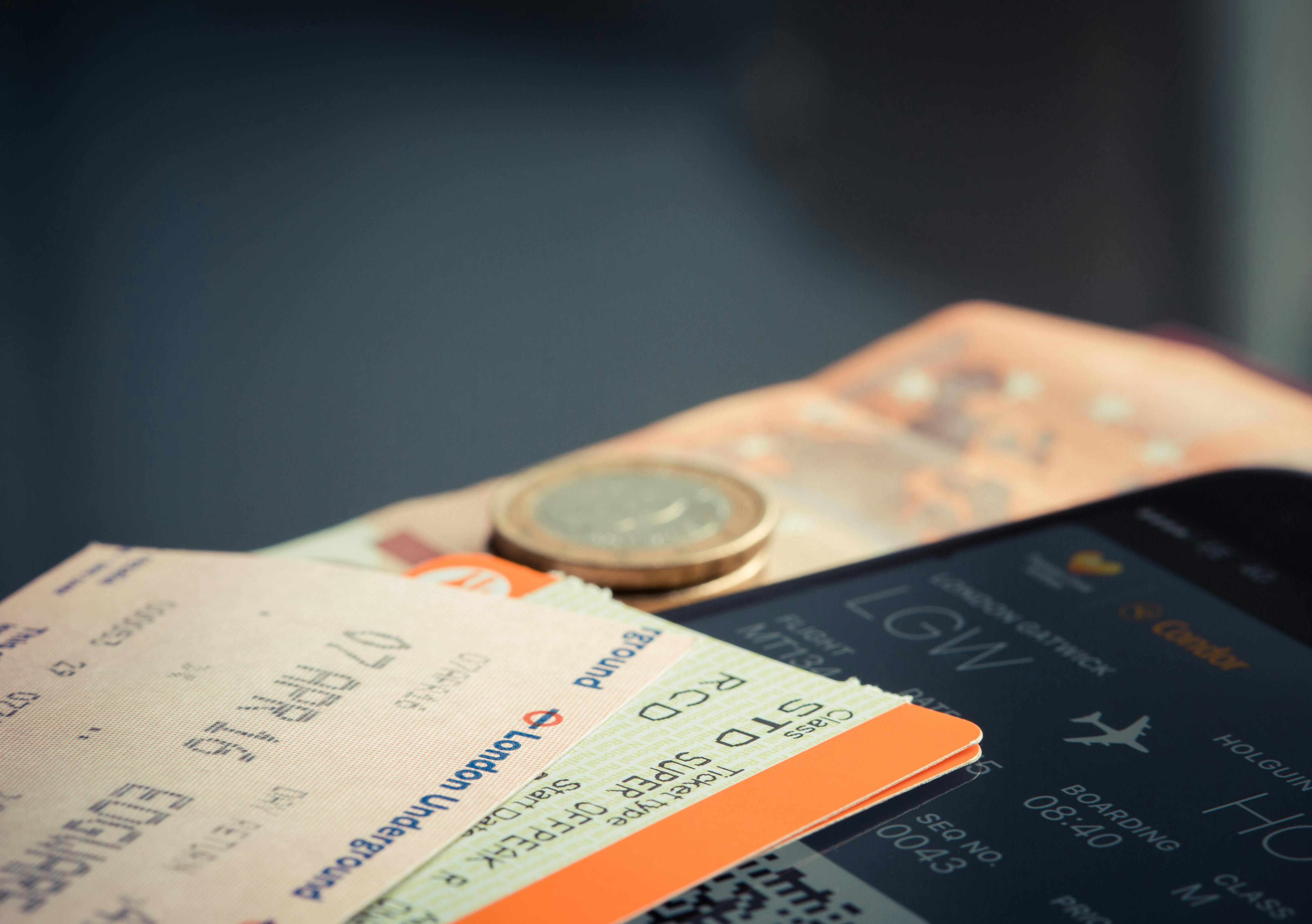
Consider a traveler booking a low-cost flight advertised at $99. Upon checkout, they encounter additional fees such as a $30 charge for one checked bag, $15 for advance seat selection, and $20 for paying with a credit card rather than debit. Suddenly, that $99 flight approaches nearly $165— a steep increase that was not clear when the initial price caught their eye. Sometimes, fees hitch on less obvious services like priority boarding, in-flight Wi-Fi, or even printing your boarding pass at airport kiosks.
These hidden fees not only complicate budgeting but also lead to traveler frustration, especially for those unfamiliar with airline policies. For families or frequent flyers trying to maximize their travel dollars, unexpected fees can strain finances and diminish the joy of planning a trip. Without awareness, passengers risk falling into financial surprises or opting for more expensive fares that deceptively appear inclusive.
This is why understanding the landscape of hidden airline fees matters. Being aware empowers travelers to make smart choices—whether that means packing light to avoid checked baggage costs, booking early to secure free seat assignments, or using platforms like AirTtkt that highlight total trip costs transparently. By recognizing how these charges accumulate, you can protect your budget, reduce stress, and focus on the excitement of your journey ahead.
Common Types of Hidden Fees and Surcharges
When booking flights, the headline ticket price often doesn’t tell the full story. Airlines frequently add hidden fees and surcharges that inflate the final cost, catching travelers by surprise. Understanding these common fees is essential for budget-conscious travelers aiming to avoid unwelcome charges. Here, we break down the most frequent fees, illustrate real-world examples from major carriers, and compare how they differ in domestic and international contexts.
Typical Hidden Fees You Should Watch For
- Checked Baggage Fees: Most airlines now charge separately for checked bags, especially on low-cost carriers. For example, domestic US airlines like Spirit or Frontier commonly charge $30-$40 for the first checked bag, while international flights may offer a free checked bag or charge more depending on the destination and airline policy.
- Carry-on Baggage Fees: Some budget airlines have started charging for carry-on bags as well, although this is less common on traditional carriers. For instance, WOW Air and Ryanair have been notorious for this, charging roughly $25-$35 for carry-ons.
- Seat Selection Fees: Picking a preferred seat, such as an exit row or aisle seat, often comes with an additional charge. Domestic fees typically range from $10 to $50, while international flights can charge $20 or more, depending on the class and route.
- Onboard Food and Beverage Charges: Unlike full-service airlines that include meals on international flights, many low-cost domestic flights charge for snacks and drinks. Prices vary but expect to pay $5-$15 for a simple meal or drink onboard.
- Printing Boarding Pass Fees: Some airlines or airport kiosks charge for printing boarding passes if you don’t have a mobile boarding pass. Though less common, fees of $5 or more have been reported, particularly in some international airports.
- Change and Cancellation Fees: Altering your flight itinerary almost always results in fees, which can range anywhere from $50 for domestic flights to over $200 for international changes, depending on airline policies and fare class restrictions.
Domestic vs. International Fee Comparison
| Fee Type | Domestic Flights (USD) | International Flights (USD) |
|---|---|---|
| Checked Baggage | $30–$40 per bag | Often free for 1st bag; $50+ for additional |
| Carry-on Baggage | Usually free; $25–$35 on budget airlines | Typically free on major carriers |
| Seat Selection | $10–$50 | $20+ |
| Onboard Food & Beverage | $5–$15 | Included on many full-service airlines |
| Boarding Pass Printing | Rarely charged | Up to $5+ |
| Change/Cancellation | $50–$150 | $100–$300+ |
How Ancillary Service Fees Offset Lower Base Fares
Many airlines, especially low-cost carriers, use ancillary fees as a way to advertise lower base fares while generating revenue from additional services. These ancillary fees cover everything from baggage to onboard amenities. This unbundling approach allows travelers to pay only for the extras they want, but it often means the “cheaper” ticket is not the cheapest option overall once fees are added.
For example, an airline may offer a domestic flight for $50, but after baggage fees, seat selection, and a small snack, the final cost approaches $120—close to what a traditional airline charges with most extras included. International flights typically bundle in more amenities, but when flying with budget international airlines, similar fee structures apply. Knowing these nuances helps travelers choose the most cost-effective option for their itinerary.
At AirTtkt, understanding these common hidden charges equips you to compare total expected costs more accurately. By calculating fees upfront and selecting options that truly meet your travel needs, you can avoid unpleasant surprises at the airport and stick to your travel budget with confidence.
How to Spot and Understand the Fine Print in Airfares
When searching for flights, the initial ticket price you see often doesn’t tell the whole story. The fine print hidden within fare rules and policy sections can dramatically affect your total cost and travel experience. To confidently book the best deal with AirTtkt, it’s essential to know how to identify and interpret this crucial information before finalizing your purchase.
Checklist for Reviewing Fare Conditions and Policies
Begin every flight search by systematically reviewing fare conditions. Here’s a checklist to make sure you don’t miss important details:
- Refundability: Can you get your money back if you cancel, or only a partial refund? Some budget fares are non-refundable, which means no reimbursement upon cancellation.
- Change Fees: Understand if changing your flight date or route involves additional charges. Flexible fares might waive these fees, but the cheapest tickets often do not.
- Baggage Allowance: Check the included baggage rules—carry-on and checked luggage policies vary widely across airlines and fare classes.
- Seat Selection: Determine if seat assignments are free or come with a fee, especially if traveling with family or groups wanting to sit together.
- Advance Purchase and Minimum Stay: Some discounts require buying tickets a set number of days before travel or staying over a weekend night.
- Time Limits: Review how long the fare is valid for booking and travel completion; some promotions expire quickly.
Where and How to Find Fee Disclosures
Airline and travel agency websites often bury fee disclosures in less obvious places, but spotting them early helps avoid surprises:
- Fare Rules Section: Usually found as a link labeled “Fare Conditions,” “Terms and Conditions,” or “Rules” near the price or at checkout. Always read this carefully.
- Booking Summary Page: Prior to payment, most platforms provide a summary detailing base fare plus taxes and fees.
- Additional Services Pop-ups: When selecting extras like baggage or priority boarding, watch for confirmation boxes that specify charges.
- Help or FAQ Pages: Airlines and agencies often list common fees and their conditions here, offering clarity on policies.
To simplify the process, reliable booking platforms like AirTtkt integrate these disclosures into the search and checkout flow, making cost components transparent upfront.
Examples of Confusing or Misleading Fee Disclosures
Discerning travelers often encounter terminology or offers that can mask additional costs. Here are common pitfalls to watch for:
- “Optional” Extras That Aren’t Really Optional: Some budget fares promote a low base price but then charge mandatory fees for essential services like seat assignment or carry-on bags under a certain size.
- “Taxes and Fees Included”: Sometimes, not all taxes are included upfront. Be skeptical if the total price jumps at checkout or on your card statement.
- “Booking Fee” or “Service Charge”: Some travel agencies add fees for using credit cards or for call center services. These may appear only late in the booking process.
- Ambiguous Change and Cancellation Policies: Statements like “Changes allowed” without specifying whether fees apply can mislead travelers into expecting flexibility that costs extra.
- “Free” Baggage or Seat Selection with Conditions: The promotion may apply only to certain routes, dates, or if booked within a narrow time frame—details often buried in the fine print.
Vigilance here pays off: always re-check final pricing and policy details before purchase, and use a trusted platform like AirTtkt that highlights critical fare terms clearly, helping reduce surprises and unnecessary expenses.
Practical Tips to Avoid or Minimize Hidden Fees
Traveling smart means more than just booking the cheapest flight; it involves strategic planning to sidestep hidden fees that can quickly inflate your travel budget. By adopting a few practical habits, you can reduce or even eliminate extra charges from airlines and enjoy a smoother, more cost-effective journey.
Travel Light with Carry-On Luggage Only
The simplest way to dodge baggage fees is to pack efficiently and travel with just a carry-on. Many airlines charge for checked bags, sometimes steeply, especially on low-cost carriers. By mastering the art of packing light, you bypass those fees altogether and save time at the airport.
Check your airline’s carry-on size and weight restrictions thoroughly. Investing in lightweight, compact luggage can also make a significant difference. Remember, some airlines also charge for oversized or overweight carry-ons, so precise packing matters.
Skip Paid Seat Selection When Possible
Though it’s tempting to pick your favorite seat, many airlines charge for advanced seat selection. Unless you have a strong preference or specific needs, letting the airline assign your seat at check-in can save you that surcharge. This is particularly useful for short-haul flights where seat comfort variance is minimal.
If seat preference is important, consider loyalty programs that offer complimentary seat selection or check if your ticket class includes free seating options. Some airlines allow free changes later at no cost, so monitor your booking closely.
Pre-Purchase Baggage Allowance
If you must check bags, pre-purchasing baggage allowance online before reaching the airport can reduce fees significantly. On-the-spot baggage fees at check-in desks or gates tend to be higher and can catch travelers off guard.
Review the airline’s baggage policy carefully on their official website or through a trusted booking platform like AirTtkt. Knowing exactly what’s allowed and paying ahead of time ensures you avoid unexpected expenses during travel.
Opt for Digital Boarding Passes
Choosing electronic boarding passes instead of printed ones may seem minor, but it eliminates fees some carriers charge for paper tickets or boarding cards, particularly at self-service kiosks or airport counters. Most airlines provide seamless mobile boarding pass options via their apps or email, saving both hassle and money.
Time Your Bookings Around Seasonal Fee Variations
Hidden fees often fluctuate with seasons and busy travel periods. Airlines tend to increase baggage surcharges, seat selection fees, and in-flight service costs during holidays or peak seasons. Planning your trip for the shoulder seasons—not too early in the busy period nor too late—can help avoid those peak surcharges.
For example, traveling just before the Thanksgiving holiday or right after the New Year can reveal lower ancillary fees. Monitoring fee trends through services like AirTtkt helps you book flights with confidence, avoiding unexpected premium fees.
Understand Airline-Specific Policies and Leverage Loyalty Programs
Every airline has its nuances regarding fees. Some offer waived baggage fees or complimentary upgrades for loyalty members or credit card holders. Frequent flyers should enroll in the airline’s loyalty program to take advantage of perks like free checked bags, priority boarding, and waived seat selection fees.
Keep an eye out for exceptions and promotions. Airlines occasionally hold sales or temporary fee waivers on baggage or seat upgrades. Signing up for newsletters or alerts through trusted platforms such as AirTtkt ensures you stay informed and can capitalize on these offers.

The Financial Impact of Hidden Fees on Travelers’ Budgets
When booking a flight, the initial ticket price often appears affordable—sometimes tantalizingly low. However, hidden fees can quickly inflate costs, eroding what seemed like a bargain. These fees typically include charges for checked bags, seat selection, credit card payments, and airport facility usage. To understand the true financial impact, let’s examine typical fare comparisons before and after these additional expenses.
| Airline | Base Ticket Price | Average Hidden Fees | Total Cost |
|---|---|---|---|
| ExampleAir | $120 | $45 | $165 |
| BudgetFly | $95 | $60 | $155 |
| CheapWings | $110 | $50 | $160 |
As the table shows, hidden fees commonly add 30-60% on top of the base fare, turning a perceived low-cost flight into a significantly higher expense. For many travelers, especially families or frequent flyers, these unexpected costs accumulate quickly, straining budgets.
Surveys and traveler testimonials reveal widespread frustration with these fees. One frequent flyer noted, “I booked a flight thinking I got a great deal for $99. By the time I added luggage, seat choice, and boarding passes, it cost almost double.” Another traveler recounted, “The surprise baggage fees blew my budget entirely. It makes spontaneous trips much more stressful.” Such experiences highlight how hidden charges can derail carefully planned trips.
To avoid budget blowouts, it’s crucial to account for all potential fees during travel planning. Start by researching airline policies on baggage, meals, and seat selection. Use tools like AirTtkt to compare fares including extra costs, enabling a realistic view of total expenses. Always check if the fare shown is “all-inclusive” or if additional fees apply after the initial booking stage.
Practical budgeting tips include setting aside a buffer amount specifically for incidental expenses. For example, if your base fare is $150, consider budgeting an extra 30-50% for fees. Also, look for bundled fare options that incorporate bags and seats at a discounted rate, which may ultimately save money compared to add-on charges.
In summary, while low ticket prices are appealing, the cumulative cost of hidden fees can significantly inflate travel expenses. Incorporating these charges into your budget early and leveraging AirTtkt’s fare comparison tools can help you make informed decisions, ensuring your travel plans remain both affordable and transparent.
Staying Informed and Booking Smartly to Avoid Hidden Costs
When planning your next trip, keeping a sharp eye on potential hidden fees is essential to managing your travel budget effectively. To avoid surprise costs, follow this checklist: verify baggage allowance rules, confirm seat selection fees, examine cancellation and change policies, review in-flight service charges, and understand payment method surcharges. Taking these steps ensures you have a clear picture of your total travel expenses before making a booking.
Using reliable and transparent booking platforms, such as AirTkt, can make a significant difference. AirTkt specializes in real-time fare comparisons that highlight all applicable fees upfront, enabling you to see the full cost—not just the base fare. Their user-friendly interface clearly discloses any additional charges, so you can make informed decisions without hidden surprises. Plus, with 24/7 customer support and phone-assisted reservations, AirTkt provides dependable guidance that simplifies the booking process and helps protect you from unexpected costs.
Beyond using trustworthy platforms, staying updated with airline policies is critical, as rules often change regarding baggage, refunds, and in-flight amenities. Subscribe to airline newsletters and follow official channels to catch the latest updates. Additionally, leverage price-tracking tools and fare alerts to identify the best times to book, ensuring you don’t overpay during high-demand periods. By combining up-to-date policy knowledge with smart technology, you can secure the best deals with full confidence.
In essence, being proactive about fee awareness and strategically booking through a transparent service like AirTkt empowers you to travel affordably while avoiding hidden costs. Careful planning, informed choices, and utilizing trustworthy resources pave the way to seamless, budget-friendly journeys every time.
References and External Sources
To ensure the accuracy and reliability of the information we provide about airline fees, fare rules, and traveler protections, we rely on a range of authoritative sources. These resources are invaluable for travelers who want to verify policies or dive deeper into the details of airfare structures and regulations.
- U.S. Department of Transportation Aviation Consumer Protection – This official site offers comprehensive guidelines on passenger rights, airline policies, and complaint procedures. It’s an essential reference for understanding government-mandated protections and airline responsibilities in the U.S.
- TSA Travel Information – The Transportation Security Administration’s portal provides up-to-date regulations on security screening, prohibited items, and traveler preparedness tips to ensure smooth airport experiences.
- IATA FAQs on Airline Fare Rules – The International Air Transport Association’s frequently asked questions cover globally recognized fare rules, booking flexibility, and common airline practices, helping travelers understand the framework behind pricing and ticket conditions.
It’s important to verify seasonal airfare trends and fare class rules regularly, as these factors influence ticket pricing and availability. Airlines adjust their policies often in response to market demand and regulatory updates. Similarly, TSA regulations are continually evolving, so travelers should consult official sources before departure for the latest security procedures.
For convenient access to competitive fares and expert guidance grounded in these trusted sources, visit AirTtkt, where transparency and traveler empowerment are central to the booking experience.