
Why Chiang Mai Captivates Travelers
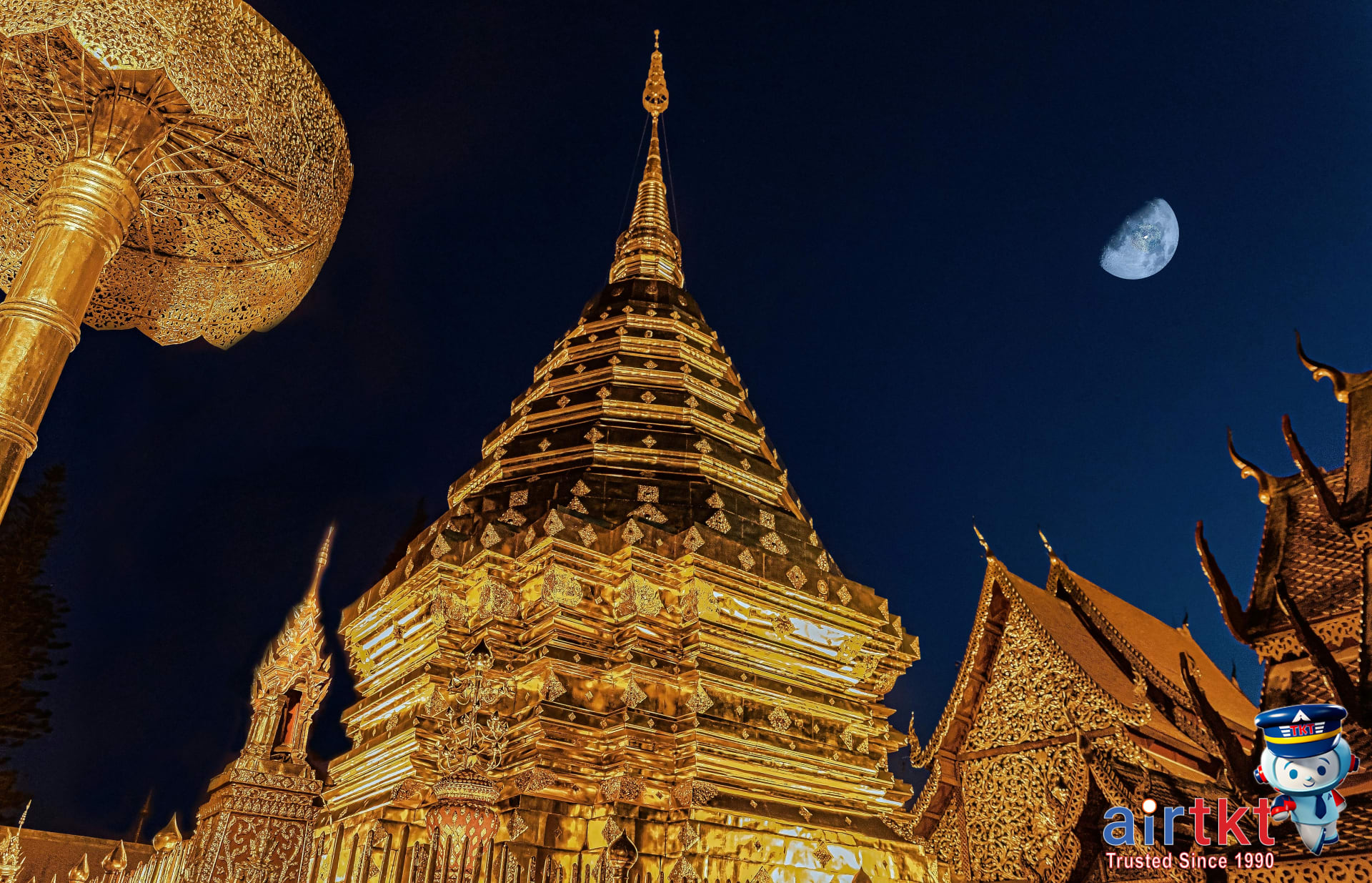
The first time I arrived in Chiang Mai, the combination of golden temple rooftops shimmering against green mountains instantly made the city feel like somewhere special. Chiang Mai, tucked into Thailand’s lush northern hills, blends old-world charm with vibrant local life—a place where historic temples, artisan workshops, and bustling night markets come together in a way you won’t find anywhere else.
This city stands out as Northern Thailand’s cultural heart. It’s easy to spend an afternoon exploring centuries-old temples like Wat Phra Singh, then wander lively streets filled with the aroma of street food, or watch orange-robed monks go about their day against a backdrop of misty hills. Beyond the old moat and temple-dotted city center, Chiang Mai’s surroundings offer quiet village escapes and jungle trekking opportunities, making it the ideal base for all kinds of travelers.
If you’re thinking about the best time to visit, I’d definitely aim for the cool season—roughly November to February. The air is fresh, days are comfortably sunny, and evenings are just chilly enough for a stroll through the city’s famous markets. You’ll find sightseeing especially pleasant without the midday heat. If you want to dig deeper into the region or discover other local highlights, our Thailand travel guides offer plenty of ideas for extending your adventure beyond Chiang Mai.
Top Temples Worth Visiting in Chiang Mai
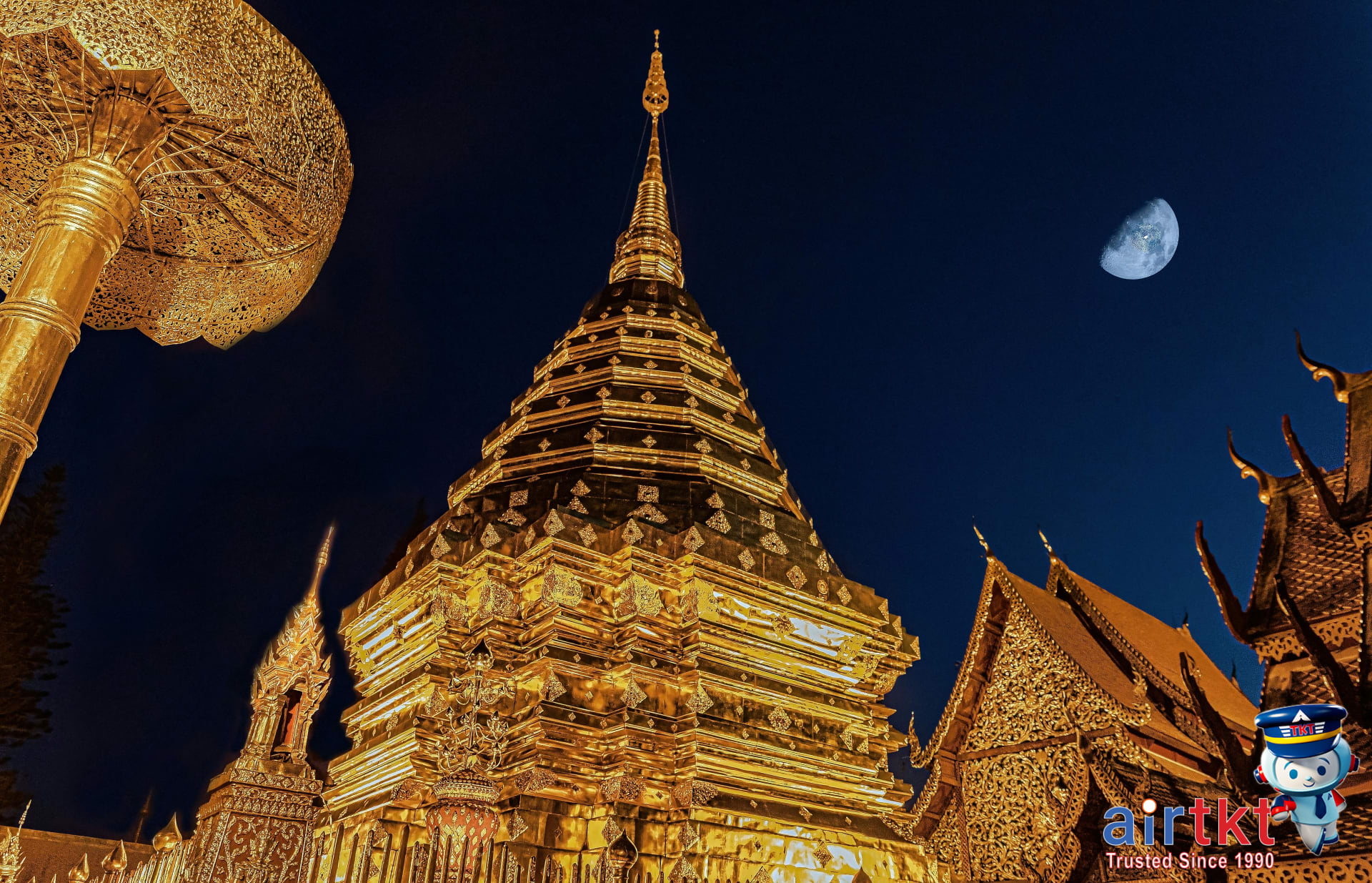
Chiang Mai’s temples blend centuries-old artistry, local spiritual practice, and a palpable sense of tranquility. For many visitors, the iconic Wat Phra That Doi Suthep is at the top of the list. Perched on a forested hilltop, this temple rewards your climb — or a taxi or songthaew ride most of the way followed by a climb up the legendary Naga staircase — with panoramic views of Chiang Mai and one of northern Thailand’s most revered spiritual spots. The breathtaking golden chedi glinting in the sunlight is impressive, but for me, the combination of mountain air, chanting monks, and sweeping city scenery after the stair climb made the experience truly memorable.
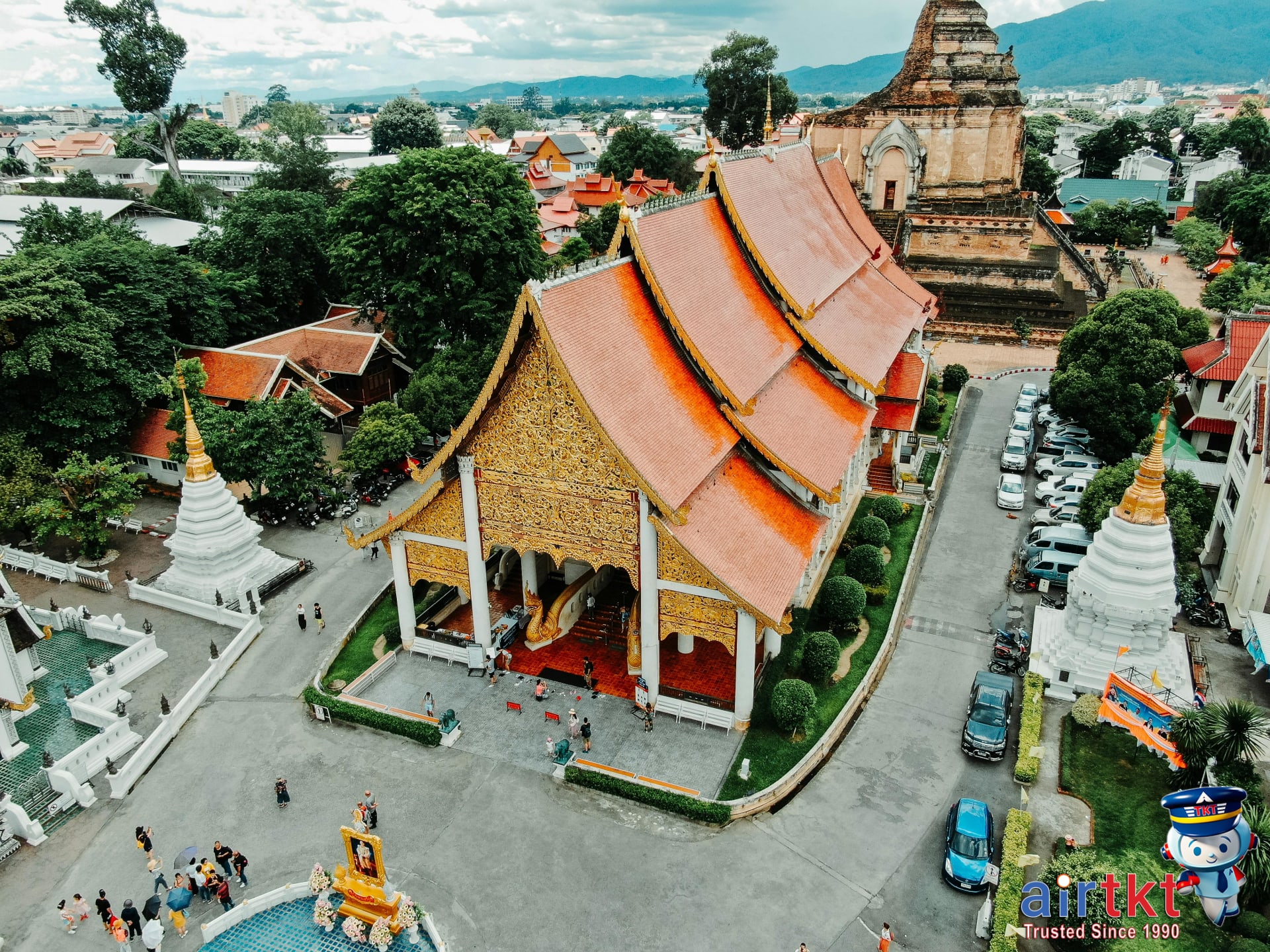
Beyond Doi Suthep, don’t miss Wat Chedi Luang and Wat Phra Singh in the Old City. Wat Chedi Luang’s partly-ruined stupa tells a story of faith’s endurance, while Wat Phra Singh showcases classic Lanna architecture and houses the venerated Phra Singh Buddha image. Both allow you to observe daily rituals and take in the peaceful courtyards among the bustle of Chiang Mai’s streets.
Visiting Tips and Cultural Etiquette
Dress codes are enforced at all major temples: shoulders and knees should be covered for both men and women. Light pants or long skirts and sleeved shirts work well. Shoes must always be removed before entering temple buildings, and you’ll often find racks or cubbies outside the main worship halls. Early morning (before 9 a.m.) is usually quieter, especially at Doi Suthep, letting you appreciate the calm and avoid busier midday periods. Most temples are open daily, but exact hours can vary depending on ceremonies and festivals — I usually recommend double-checking the current schedule if you’re planning a sunrise or sunset visit.
It’s worth taking a moment to learn temple etiquette before you go — how to behave inside sacred spaces, how to greet monks respectfully, and the dos and don’ts around photography. If you’re interested in exploring more of the region’s spiritual side, check out our guide to spiritual sites in Northern Thailand for inspiration.
Top Mountain Hikes Near Chiang Mai
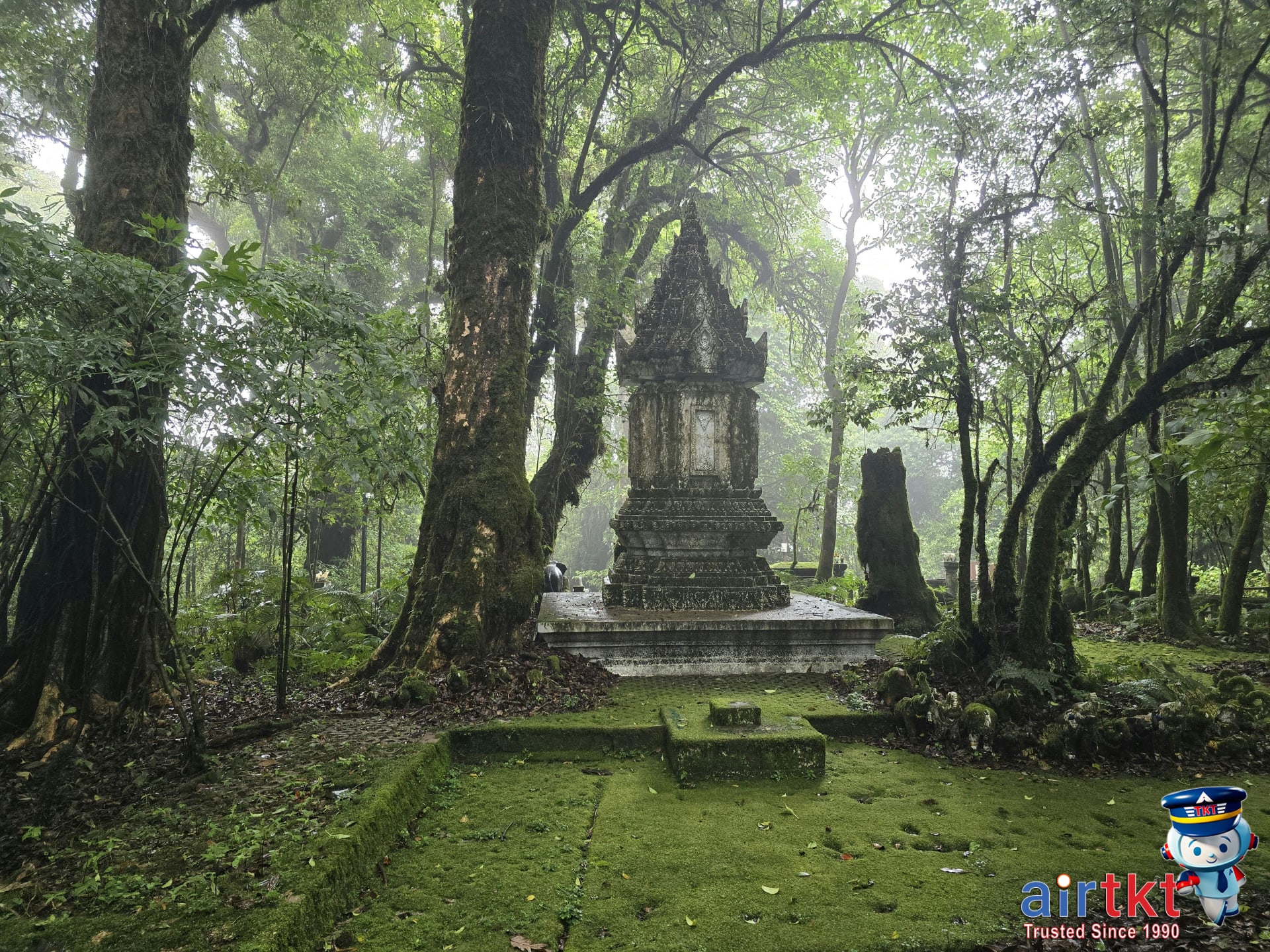
Chiang Mai is surrounded by dramatic mountain landscapes, and for me, hiking Doi Inthanon National Park was the highlight of my northern Thailand adventure. Doi Inthanon, known as the “Roof of Thailand,” boasts the country’s highest summit and lush, winding forest trails that transform with the mist and light. It’s a must if you’re drawn to cooler climates, moss-draped trees, and spectacular viewpoints.
Most hikers start with the Ang Ka Nature Trail, which is short and flat enough for beginners. For something a bit more challenging, try the Kew Mae Pan trail—a picturesque route famed for panoramic sunrise views over Chiang Mai’s valleys. Trail difficulty in Doi Inthanon ranges from relaxed walks to moderate uphill climbs. In my experience, checking trail maps at the park entrance helps you pick a route that matches your stamina and plans for the day.
Entry to Doi Inthanon National Park typically costs about $8.00 per person for international visitors. Bring Thai baht in cash, as card payment isn’t always accepted. Don’t forget a lightweight rain jacket, as quick showers are common even outside the rainy season. Sturdy hiking shoes are essential due to slippery sections near the park’s waterfalls, such as Wachirathan and Siriphum. Walking sticks aren’t required but can make steeper ascents much more comfortable.
Other Nature Parks Nearby
Beyond Doi Inthanon, places like Doi Suthep-Pui National Park offer rewarding day hikes close to Chiang Mai city—think forested trails leading to hilltop temples and hidden viewpoints. If you’re looking for more adventurous multi-day treks in northern Thailand, check out this complete hiking guide to Chiang Mai’s best trails, which dives into routes from beginner-friendly walks to expert-level circuits.
Navigating the Night Bazaar Experience

Few places capture the pulse of Thailand quite like a night bazaar. As the sun sets, Chiang Mai’s streets pulse with rows of stalls offering everything from woven handbags to fragrant street food. I remember wandering under a canopy of string lights and stopping to try grilled coconut pancakes—one of the tastiest treats I discovered that night.
The variety is overwhelming in the best way. You’ll find artisan crafts, quirky souvenirs, silk scarves, and street performers adding even more character to the scene. Food stalls tempt with skewers of chicken satay, fresh fruit smoothies, and desserts you probably won’t find back home. If you’re hoping to bring something special home, it helps to know what’s authentic. Look for handmade details, ask about the origin, and compare similar goods at several stalls before committing to a purchase. For a deeper dive, check out our Thai market guide and this detailed look at souvenir shopping in Thailand.
Bargaining is part of the experience, but it’s important to approach it with a smile and good manners. Vendors expect a little negotiation, but offering a fair counteroffer—rather than lowballing—leads to better outcomes and friendlier interactions. In my own experience, starting with “That’s beautiful—can you do about $10.00?” works a lot better than playing hardball.
Crowds at Chiang Mai’s night bazaar are lively rather than chaotic, especially on weekends. While the area is generally safe, it’s wise to watch your wallet and stay aware of your surroundings as you weave through busy alleys. Most stalls stay open well into the evening, but going earlier gives you more space to browse and better lighting to spot quality goods.
Sampling Local Food and Markets
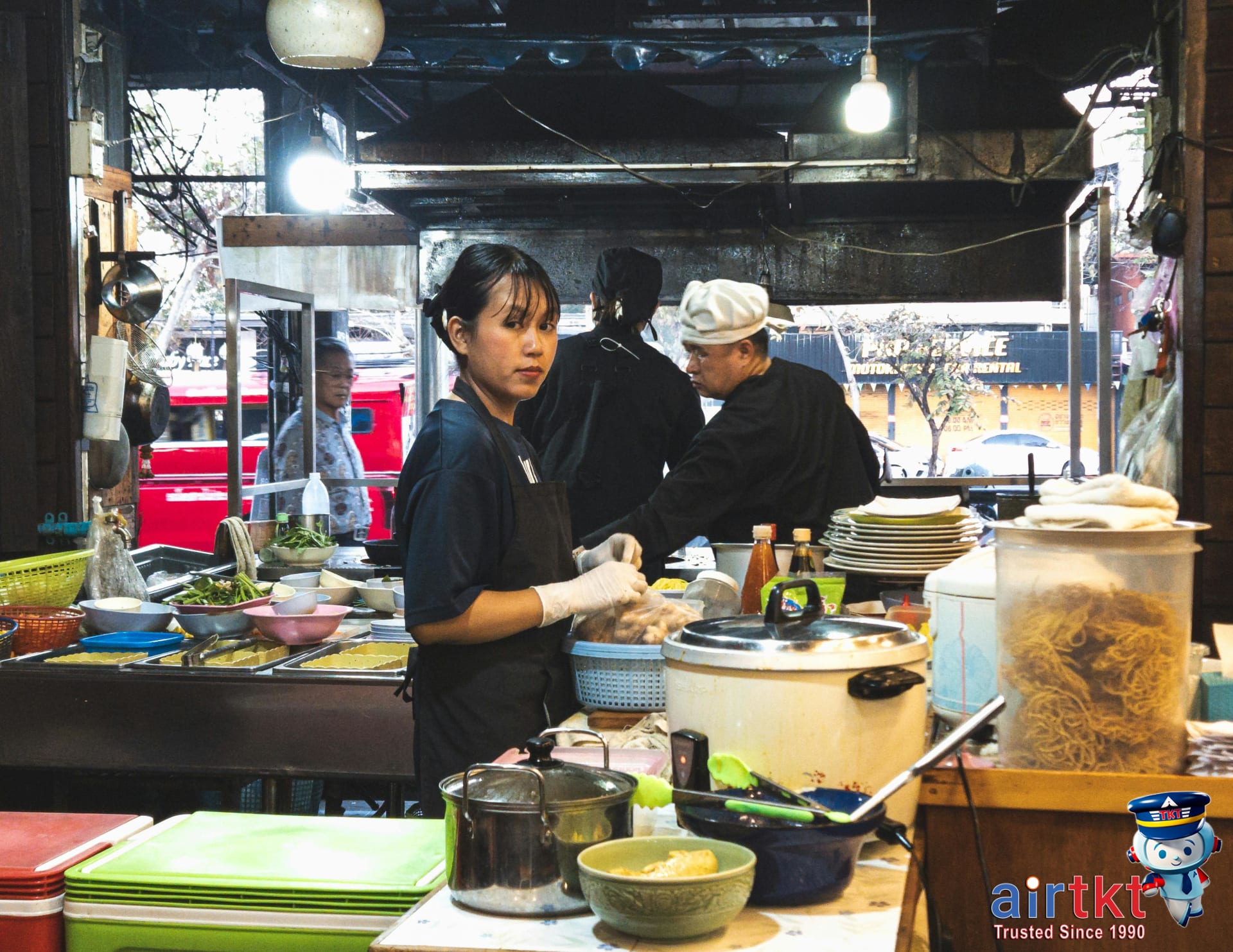
Chiang Mai’s lively markets are a highlight for any traveler looking to dive into Northern Thai cuisine. One dish I’ll never forget is trying Khao Soi at a bustling night market—the broth was just the right mix of creamy and spicy, and the noodles had the perfect bite. If you’re wandering through Warorot Market or the Saturday Night Market, you’ll spot vendors serving Khao Soi in steaming bowls, usually topped with crispy noodles and fresh herbs. Don’t miss out on other local favorites like sai oua (herbal sausage) or mango sticky rice.
Curious about what else to try? Be sure to check out our Thai food guide for more regional specialties and insider tips. For those new to street food, safety is all about picking busy stalls—the higher the turnover, the fresher the food. I usually recommend observing which stalls draw the longest lines from locals, as it’s a good sign for both taste and hygiene.
Before sampling anything, it’s smart to have hand sanitizer ready. Chiang Mai’s street food scene is vibrant, but hand-washing stations aren’t always available. After handling cash or exploring markets, clean your hands before digging in. If you have a sensitive stomach, start with cooked-to-order dishes and skip anything that’s been sitting out for a while.
If you’d like more guidance, our street food safety article has practical advice to help you eat well and stay healthy while exploring.
Tips for Getting Around Chiang Mai
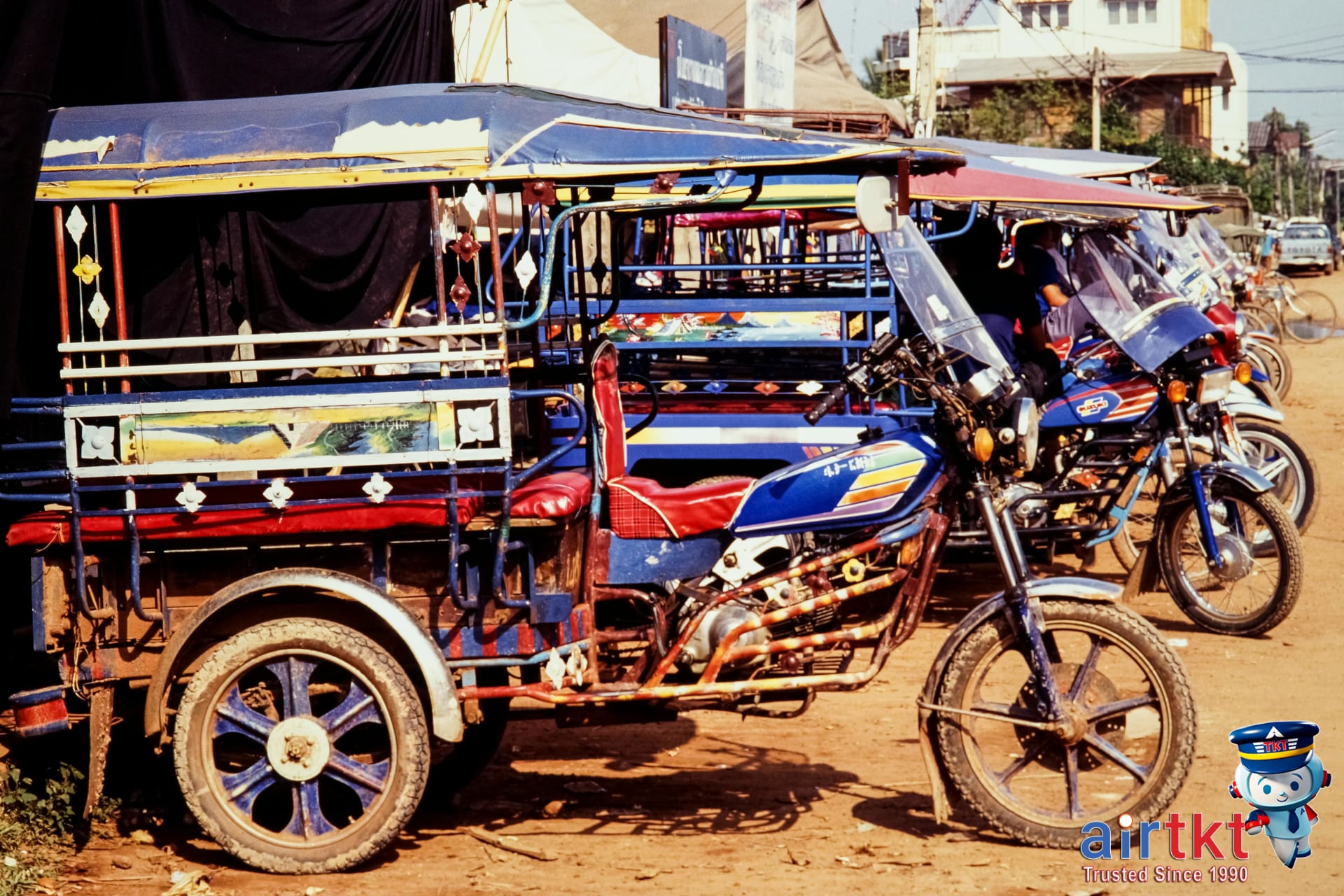
Getting around Chiang Mai can be both affordable and an adventure in itself. The city offers several transport options that suit different comfort levels, budgets, and travel styles. I tend to stick with songthaews when I want a budget-friendly way to see the city, but here’s a quick look at all the main choices so you can decide what fits your itinerary best.
Tuk-Tuks and Songthaews
Tuk-tuks are the noisy, three-wheeled icons of Thai transport—quick for short distances and convenient to flag down. Fares aren’t metered, so it’s essential to negotiate and agree on a price before you hop in. Songthaews, or red trucks, are shared taxis that travel set routes. They’re even more budget-friendly, and you can hail most anywhere along their path. If you’re traveling solo or want to minimize costs, songthaews are one of the easiest ways to get around Chiang Mai without breaking the bank.
Scooter Rentals
Scooter rentals offer independence and speed, with daily rentals typically costing about $8.00. Remember that Chiang Mai’s traffic can feel chaotic, and scooter accidents aren’t uncommon—helmets and valid licenses are a must. If you’re not used to riding scooters, consider other options. For more safety guidance for travelers in Thailand, check out our practical tips in the Thailand travel safety guide.
App-Based Ride Services
Ride-hailing apps like Grab are also popular in Chiang Mai. They work similarly to Uber: you’ll see the fare in advance, pay through the app, and often enjoy air-conditioned rides. While a bit pricier than songthaews, they’re convenient and straightforward, especially if you’re carrying luggage or heading outside city center routes. Don’t forget to check out our city transport guide for additional details and navigation tips.
Choosing your transportation mode in Chiang Mai depends on your comfort, budget, and how much you’re willing to negotiate. I’d recommend comparing options for each outing and always confirming your fare in advance to save both money and headaches down the line. If you’re booking travel via airtkt.com, knowing the local transport scene ahead of arrival can make your trip smoother and more relaxed.
Chiang Mai Daily Travel Budget Guide
Chiang Mai is easily one of the most budget-friendly destinations in Thailand—and it’s even more affordable if you’re flexible with where you stay and what you eat. I’ve always found the value here unbeatable, especially when grabbing a bowl of khao soi at a local market or booking a cozy guesthouse for the night. To give you a clear picture of daily costs, here’s a breakdown by travel style:
| Budget | Mid-range | Luxury | |
|---|---|---|---|
| Accommodation | $15.00 | $45.00 | $120.00 |
| Food | $7.00 | $20.00 | $60.00 |
| Transport | $2.00 | $8.00 | $30.00 |
| Activities | $8.00 | $25.00 | $70.00 |
To get the best deals, I’d compare guesthouse rates online before my trip and consider visiting in the shoulder season for quieter vibes and more availability. Grabbing local meals and using songthaews (shared red trucks) for rides can keep daily costs impressively low.
If you want to stretch your travel funds even further, check out these budget travel tips for Thailand or see a full accommodation guide for extra ideas. Using airtkt.com for flight and hotel searches can also help you spot deals that aren’t always widely advertised.
Common Visitor Questions for Chiang Mai
- When is the best time to visit Chiang Mai?
The cooler months from November through early February are typically considered the best time to visit Chiang Mai, thanks to comfortable daytime temperatures and clearer skies. If you’re planning outdoor activities or want to see the lantern festivals, I’d suggest considering a visit during this season for ideal conditions. (53 words)
- What temple etiquette should I follow?
Dress respectfully by covering shoulders and knees before entering temples. Remove your shoes before stepping onto temple platforms and always be mindful not to point your feet at Buddha images or monks. A small donation box is usually found near the entrance—offering about $1.00 is considered appropriate. (53 words)
- How safe is local transportation in Chiang Mai?
Transportation in Chiang Mai, including red songthaews and tuk-tuks, is generally safe for travelers. Always agree on the fare before hopping in and keep your belongings close, especially during busy times. I usually suggest using ride-share apps if language is a concern for even more peace of mind. (54 words)
- Is Chiang Mai suitable for budget travel?
Chiang Mai is a great city for travelers on a budget, with hostels often around $12.00 per night and street food meals for about $2.00. Public transport and free temple visits help keep costs low. It’s easy to create a Chiang Mai first-timer guide focused on affordable options. (54 words)
- What are must-see sights for a first-time visitor?
Start your Chiang Mai first-timer guide with Wat Phra That Doi Suthep, the Old City’s historic temples, the energetic night bazaars, and the lush Doi Suthep-Pui National Park. These highlights offer a balanced introduction to Chiang Mai’s culture, nature, and street life, giving a rewarding experience for new visitors. (54 words)
- How should I prepare for Chiang Mai’s weather?
Chiang Mai’s tropical climate means hot afternoons and occasional rains, especially during May through October. Pack lightweight, breathable clothes, a light rain jacket, and comfortable walking shoes. Sunscreen and insect repellent are practical to bring, and carrying a refillable water bottle helps keep you hydrated while exploring the city. (54 words)
Reflections on Chiang Mai’s Unique Spirit
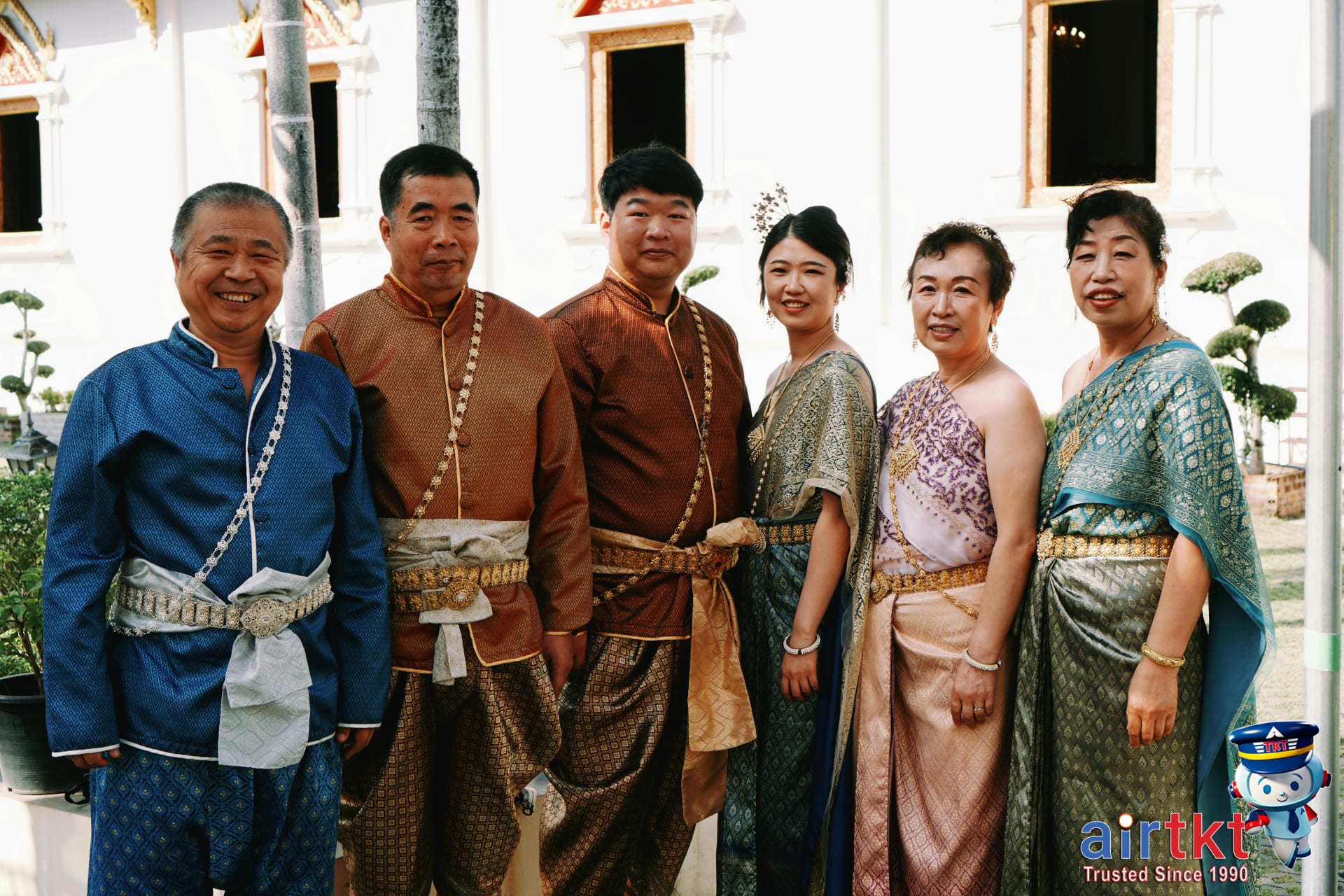
Looking back on my first journey to Chiang Mai, I was struck by how seamlessly the city weaves together its rich heritage, lush mountain landscapes, and vibrant markets. Every corner seems to offer something different: historic temples glowing at sunrise, fragrant street food stalls with regional flavors, and tranquil parks where locals gather to unwind. In my experience, exploring beyond the city center revealed small villages and serene countryside retreats that made Chiang Mai unforgettable.
Chiang Mai truly welcomes all kinds of travelers, whether you’re passionate about history, food, or outdoor adventures. The city’s warmth isn’t just in its tropical air—it’s in the genuine smiles and endless curiosity of its residents. I’d encourage anyone planning a visit to let their itinerary stretch beyond central attractions; neighboring hill communities, riverside cafés, and lesser-known markets reward explorers with authentic local moments that can’t be rushed.
If you’re inspired to go deeper into Thailand or begin organizing your flights and hotels, you can browse helpful booking tools and broader resources right at airtkt.com. It’s a good way to compare upcoming travel dates or look into unique stay options while planning your next steps through northern Thailand.