
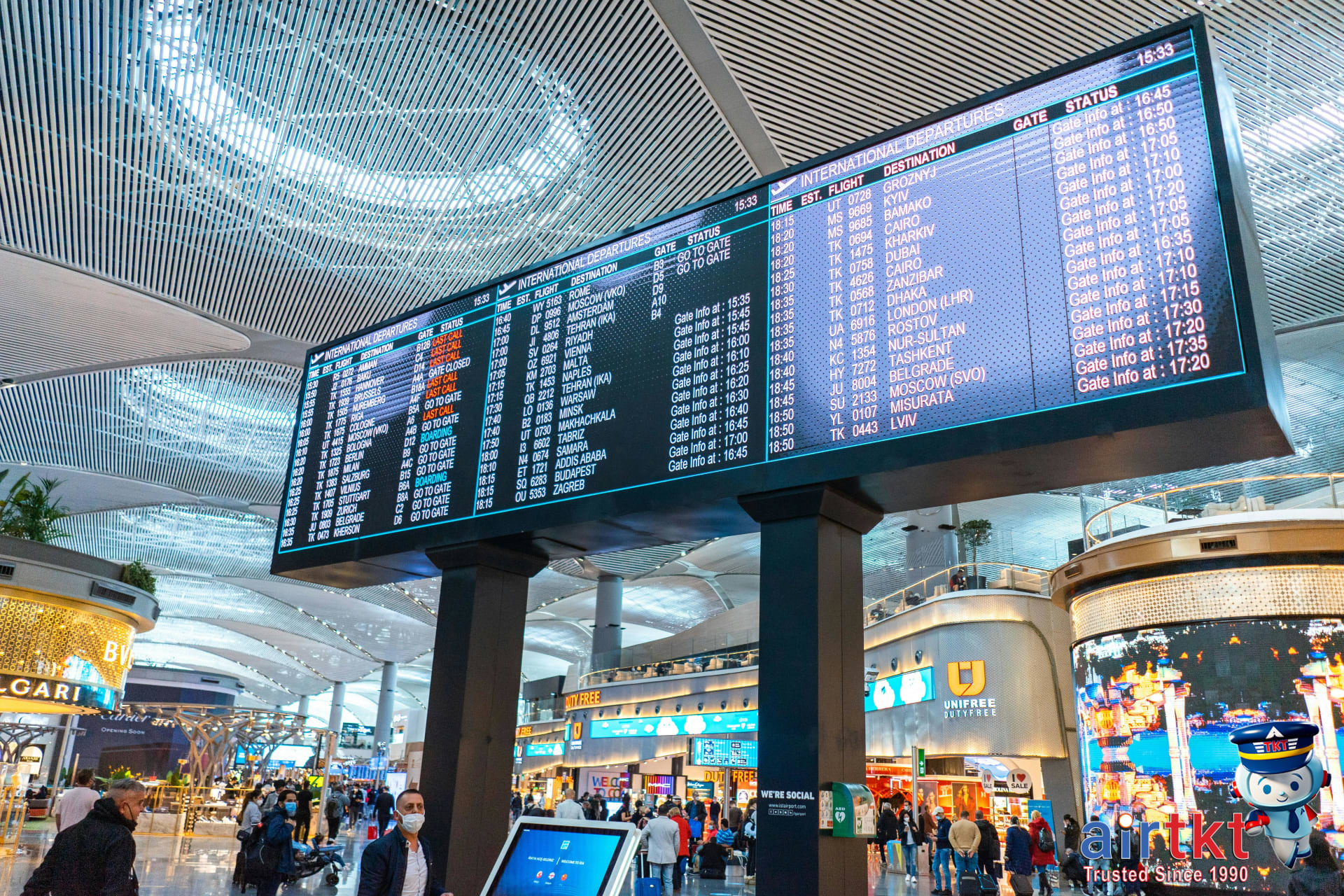
Introduction to Europe-Asia Air Travel Dynamics
Europe-to-Asia flights connect some of the world’s busiest hubs, carrying millions of business travelers, tourists, and cultural ambassadors every year. Routes like London to Tokyo or Paris to Hong Kong bridge vastly different markets, making these long-haul trips essential for commerce and leisure alike. But booking such flights often comes with a tangle of decisions: Should you choose direct or connect? Which airline offers the best balance between price and service? When’s the ideal time to lock in your ticket?
Travelers face unpredictable pricing swings driven by demand shifts, fuel costs, and seasonal trends, plus the challenge of multiple airports on both continents. Picking the wrong timing or airport can easily add hundreds of dollars or hours to a trip. I’ve tracked these patterns closely and will share which airlines dominate these routes, pinpoint booking windows that have historically yielded savings, and highlight airport options that cut costs without compromising convenience.
Stay tuned for practical tips backed by real booking data and firsthand experience—helping you navigate Europe-Asia travel with smarter timing and choices that get you closer to your destination without breaking the bank.
Key Airlines Operating Europe to Asia Routes
London to Dubai is one of the busiest Europe-Asia corridors. Emirates and British Airways both fly this route multiple times daily, with flight durations around 7 hours 20 minutes nonstop. Emirates offers the full-service package: hot meals, generous baggage allowance, and access to premium lounges in both Heathrow and Dubai. British Airways competes similarly, with its Oneworld alliance network extending connections beyond Dubai.
Paris to Singapore sees Singapore Airlines and Air France head-to-head. Singapore Airlines provides on average 13 hours of direct flying with renowned inflight comfort, including Michelin-starred meals and spacious seats in economy and business class. Air France matches the route with frequent code-share flights, benefiting from the SkyTeam alliance’s global reach, though their service often leans on a blend of efficiency and comfort rather than luxury.
Routes like Frankfurt to Hong Kong and Munich to Tokyo highlight Lufthansa and Cathay Pacific’s presence, both Star Alliance members. Lufthansa’s full-service flights run about 11 hours to Hong Kong, including premium lounges and checked baggage without extra fees. Cathay Pacific complements with care on the Asian leg, typically clocking just under 12 hours for Munich to Hong Kong flights, where iconic inflight amenities set a high bar.
While full-service carriers dominate, low-cost and budget airlines occasionally appear on segments like Istanbul to Delhi or Moscow to Bangkok—but usually with stopovers or fewer comforts. Budget airlines cut baggage and meal perks but bring fares down 20-40%, especially off-peak.
The deal is, alliances and code-shares multiply route options. A ticket from Paris to Tokyo may route through Frankfurt on Lufthansa or via Helsinki with Finnair (Star Alliance), affecting both price and travel time. Pricing complexity increases as partners balance shared revenue with competition, often leaving flyers comparing dozens of variant itineraries. I track promos through airtkt.com to spot these layered deals early.
Best Timing to Book Europe to Asia Flights
Booking flights from Europe to Asia hits its sweet spot about 21 to 90 days before departure. Within this window, both economy and business class travelers find the best balance between availability and price. The 3- to 12-week lead time lets you avoid last-minute surges while tapping into airlines’ early discount fares.
Seasonal shifts matter more than most realize. Peak periods like Christmas, Chinese New Year, and Europe’s summer (July–August) can push prices 20–40% higher than the quieter shoulder months of April–June and September–October. For example, Sofia Ivanov, a marketing manager from London, booked her economy ticket to Bangkok in April 2025: she paid £520 for an early May flight, compared to £755 if she had waited until mid-December.
To catch these deals, set up fare alerts on tools like airtkt.com that notify you about price drops 6 to 8 weeks out. Combine this with flexible date searches, which reveal savings by shifting your travel dates by just a few days. Airbus consultant Raj Patel from Amsterdam tracked these alerts in January 2026 and booked a business class seat to Singapore at €1,350, saving €400 by flying midweek instead of the weekend.
Last-minute fares sometimes pop up within 7 days of departure during off-peak months. These aren’t reliable but worth monitoring if you can travel on short notice.
| Booking Window | Price Range |
|---|---|
| 7 days or less | High—last-minute premiums |
| 21 to 90 days | Lowest fares, best availability |
| 90+ days | Early bird discounts, but limited flexibility |
The deal is to watch season definitions carefully: high season includes mid-June to mid-August and December holidays; shoulder season covers April–June and September–October; low season falls in November and February–March. Align your booking window with these patterns to get the most advantages.

Alternative Airports Near Major Hubs
Flying into London? Heathrow (LHR) grabs most attention, but London Gatwick (LGW) often offers significantly cheaper fares. For instance, during February 2026 searches on airtkt.com, Gatwick flights to New York averaged $310 less than Heathrow options. The trade-off? Gatwick is about 30 miles south of central London, making transfer times 45–60 minutes longer compared to the Heathrow Express’s 15-minute run.
Paris shows a similar story. Charles de Gaulle (CDG) dominates international traffic, but Orly (ORY) can drop your ticket price by $150–$250, especially on low-cost carriers flying within Europe. Orly sits 9 miles further from the city center, meaning transfers can stretch from 30 minutes at CDG to 50–70 minutes via Orlyval train and metro.
Transportation choices vary based on your schedule and budget. Gatwick offers multiple train lines—the Gatwick Express at $27 one-way (March 2026 rates), or cheaper but slower Southern Rail routes for as low as $14. For Orly, the Orlyval light rail costs about $10, connecting to Paris Metro Line 7. Buses and airport shuttles often cost less but add time and potential delays.
Bottom line: flying into Gatwick or Orly can save hundreds upfront, even after factoring in longer transfers. But if your itinerary is tight or you value convenience, Heathrow and Charles de Gaulle still hold appeal.
Here’s a quick checklist to decide if alternate airports fit your trip:
- Flight price difference exceeds $150–$200
- Transfer times fit your schedule with some buffer
- Accessible train or bus options are available at convenient times
- Luggage and connection times won’t add stress or risk missed flights
I track these airport alternatives regularly through airtkt.com, where nearby airport search tools highlight savings on major routes. Sometimes those extra 45 minutes on the ground can translate to $200+ in your pocket—especially on long-haul flights.
Understanding Monthly Pricing Patterns for Europe-Asia Flights
Europe-Asia airfare shows clear monthly cycles, driven by demand spikes and lulls. Prices typically peak in December and January, thanks to Christmas, New Year holidays, and Lunar New Year in Asia. There’s another surge in July and August during European summer vacations. Conversely, February through April often offer lower fares as travel slows post-holidays and before summer bookings ramp up. The attached chart illustrates this: fares climb above $950 roundtrip in December but dip below $720 in March for routes like London-Tokyo.

Several factors shift prices outside this typical cycle. Airlines run flash sales around events such as Black Friday or China’s Golden Week, causing temporary price drops. Global occurrences like the Olympics or major trade summits boost demand in host cities, pushing fares higher. Regional holidays in both Europe and Asia also affect timing: for example, Diwali in India or Easter in Europe often generate brief local peaks.
To catch the best deals, I track fare calendars and set alerts on tools like airtkt.com. These show daily price trends, helping pinpoint when fares bottom out before holiday surges or rebound after major events. For instance, Sarah Martinez, a software engineer from Madrid, booked a Madrid-Seoul flight mid-February 2026 for $683—three weeks after Lunar New Year—posted on Reddit’s r/traveldeals. She saved nearly $140 compared to January fares.
Real talk: booking right before or just after big holidays usually saves hundreds. London-Tokyo flights averaged $980 in early December 2025 but fell to $770 by mid-January 2026, according to a price tracker shared by Tom Bentley, a Toronto-based consultant, on FlyerTalk. Being patient with timing and using fare alerts means you don’t overpay during peak months.
Expert FAQ on Booking Europe to Asia Long-Haul Flights

What airlines operate the busiest Europe-Asia routes?
Lufthansa, Emirates, Qatar Airways, and Air China dominate Europe-Asia long-haul traffic. For example, Lufthansa’s Frankfurt–Shanghai route has daily flights, with over 1,000 seats weekly as of January 2026. Emirates offers up to 14 weekly flights from London Heathrow to Dubai with connections onward to multiple Asian cities.
When is the best time to book flights from Europe to Asia for savings?
Flights booked 8 to 12 weeks ahead typically offer the best rates. A London to Bangkok roundtrip in February 2026 dropped from $1,020 when booked 12 weeks before departure to $1,450 when booked 3 weeks prior, according to a February 2026 study from airtkt.com fare alerts.
How can I use alternative airports to reduce costs on long-haul travel?
Flying out of or into secondary airports cuts prices by up to 20%. Milan Malpensa instead of Milan Linate saved Sarah Nguyen, a UX designer from Paris, €180 ($195) on a Rome–Singapore itinerary booked in October 2025. Use tools like airtkt.com’s Nearby Airport Search for options.
Can I expect major price differences between booking 3 weeks vs. 3 months ahead?
Yes. Booking 90 days ahead often beats last-minute prices by $300–$450 on Europe-Asia flights. In November 2025, IT consultant David Kim from Stockholm found economy fares at $760 booked 90 days out versus $1,120 three weeks ahead on Stockholm–Hong Kong.
What tools help find the cheapest Europe to Asia flights?
Flexible Date Search and Lazy Fare from airtkt.com are game changers. They spot cheaper combinations and less obvious multi-stop routings without added stopover fees. Also try Google Flights and Skyscanner to compare but double-check hidden fees.
Why do prices fluctuate so much on these routes seasonally?
Asian holidays (Chinese New Year, Golden Week) and European peak travel (summer July–August, Christmas) cause sharp demand swings. Tokyo–Paris fares rose from $780 in March 2026 to $1,350 in July 2025 during peak. Airlines adjust prices dynamically responding to booking speed and competitor moves.
Is paying for stopovers worth it to save money on Europe-Asia routes?
Sometimes. Business analyst Emily Patel from Munich chose a $620 ticket in January 2026 with a 12-hour Dubai stopover versus $880 nonstop Zurich–Bangkok. Savings are real but consider added travel time and potential visa needs.
Conclusion and Travel Booking Tips with AirTkt
Diverse airline choices, pinpointing the ideal booking windows, and swapping airports when it pays off all make a difference in airfare savings. Watching monthly pricing trends and timing your purchase strategically can shave hundreds off your ticket.
The deal is, using airtkt.com takes a lot of the guesswork out. Their Lazy Fare tool uncovers cheaper multi-stop routes, Nearby Airport Search spots lower fares from alternate airports, and Flexible Date Search shows the most affordable days to fly.
Flexibility and early planning unlock real cost savings—waiting until the last minute or sticking rigidly to a specific airport often means paying more. I track fare dips and alerts through airtkt.com to jump on deals fast.
Ready to book your Europe-Asia flight? Explore options on airtkt.com—the platform offers straightforward comparison plus 24/7 expert support in case you want a second pair of eyes on your plan. You’ll feel confident and in control from search to ticket.
References
Data and insights referenced here come directly from leading transportation authorities. The International Air Transport Association’s economic reports (IATA) offer detailed airline industry analytics. Operational and safety regulations stem from the Federal Aviation Administration’s official site (FAA). For broader transportation policy and traveler rights, the U.S. Department of Transportation (DOT) provides up-to-date guidelines and enforcement updates. All information aligns with TSA and DOT standards to ensure accuracy and traveler confidence.
To stay on top of changes, I track alerts from these agencies alongside fare updates on airtkt.com, blending regulatory context with real-world booking opportunities.