

Define Flexible Hotel Bookings and Benefits
Flexible hotel bookings allow travelers to reserve accommodations with the option to modify or cancel their stay without a heavy penalty. This booking type has surged in popularity as modern travelers prioritize adaptability amid unpredictable schedules and changing travel restrictions. Unlike non-refundable rates, flexible bookings offer peace of mind, making them highly relevant in today’s dynamic travel landscape.
One of the main advantages of flexible hotel bookings is cost savings through reduced fees on cancellations or date changes. While flexible rates may initially appear higher, the ability to adjust plans without losing your entire payment often results in better overall savings, especially when unforeseen circumstances arise. Additionally, the convenience of flexible policies lets travelers explore options freely—helping families, business travelers, or spontaneous vacationers to lock in comfortable, worry-free stays.
Beyond cancellations, flexible bookings often include perks such as free date changes or no-charge modifications, which traditional offers rarely provide. This enhances convenience by removing the pressure of committing too early or being stuck with unused reservations. For travelers valuing agility and a safety net, flexible bookings are a strategic choice.
This article will guide you through the essentials of flexible hotel bookings by outlining step-by-step processes to find and book such options effectively. We’ll explore the potential savings when selecting flexible rates, spotlight top booking platforms that specialize in these offers, and share insider tips to maximize your benefits. Real-world examples will illustrate how making smart booking decisions with platforms like AirTtkt can enhance your travel experience and wallet.
By the end, you’ll understand how to balance price and flexibility, ensuring your hotel stays align with your travel needs while keeping costs manageable. Ready to unlock smarter booking strategies and enjoy stress-free travel planning? Let’s dive into the world of flexible hotel reservations and see how they can save you money and hassle.
Explain Flexible Hotel Booking Terms
Understanding flexible hotel booking terms can save travelers a great deal of stress and money. Flexible bookings typically include options such as free cancellation, refundable rates, and no pre-payment requirements. These terms allow guests to modify or cancel their reservations without penalty up to a certain date, providing peace of mind in case plans change unexpectedly.
In contrast, non-refundable bookings often come at a lower price but offer little to no flexibility. Once booked, these reservations usually require full payment upfront and offer no refund upon cancellation or modification. While non-refundable rates can be attractive for budget-conscious travelers, they carry a higher risk and are best suited for those with firm travel plans.
Common Flexible Booking Terms
- Free Cancellation: Guests can cancel their reservation within a specific timeframe (often 24 to 48 hours before check-in) without incurring fees.
- Refundable Rates: These rates allow the traveler to cancel and receive a full or partial refund, subject to the hotel’s specific policy.
- No Pre-Payment Required: Reservations where payment is collected at the hotel, enabling easier changes or cancellations before arrival.
Hotel Industry Terminology Related to Flexibility
Two important terms to know are BAR (Best Available Rate) and rate parity. BAR refers to the lowest publicly available price for a hotel room at any given time. Hotels often offer BAR rates with flexible booking options like free cancellation, encouraging travelers to book with confidence.
Rate parity means hotels maintain consistent pricing across all distribution channels, including their own websites and third-party platforms. This practice influences the availability and flexibility of booking options, ensuring similar conditions like cancellation policies are offered uniformly.
Examples of Hotel Cancellation Policies
Cancellation policies can vary widely. Some typical examples include:
- Cancel up to 24 hours before check-in with no fee; otherwise, first night’s stay is charged.
- Free cancellation up to 7 days prior; cancellations afterward forfeit the entire booking amount.
- No refunds for cancellations made after booking; applies to most discounted or promotional rates.
Current Regulations and Practices
Hotels and booking platforms have adapted to traveler needs by increasingly offering flexible options, especially in response to COVID-19. Many jurisdictions encourage transparent disclosure of cancellation and refund policies to protect consumers.
For example, the American Hotel & Lodging Association (AHLA) advocates clear, upfront communication of booking terms. Consumers should also look for platforms like AirTtkt that emphasize flexible hotel booking options to maximize convenience and minimize risk.
Stepwise Flexible Hotel Booking Process
Booking a hotel with flexible terms can give travelers peace of mind—especially when plans might change. To help you navigate this process confidently, here’s a step-by-step guide focusing on how to find and secure flexible hotel bookings that suit your needs.
1. Start with a Clear Search Strategy
Begin by visiting trusted booking sites known for offering flexible options, such as Booking.com and HotelsByDay. Enter your destination, dates, and number of guests, but don’t finalize your search just yet.
Focus on selecting filters specifically for “free cancellation” or “flexible booking.” These filters narrow down your options instantly, displaying rooms where you can cancel without penalty.
2. Identify Flexible Rates on Major Platforms
Not all flexible options are labeled identically. On Booking.com, look for tags such as “Free Cancellation” or “Pay at Hotel.” This often means you can cancel up to a specified date without fees. HotelsByDay offers short-stay bookings during daytime hours with easy cancellation policies, perfect for last-minute or business travelers.
Check the rate descriptions carefully—sometimes “non-refundable” is the cheapest, but not flexible. Prioritize the flexible tags even if the price is slightly higher; the added freedom can save money on change fees later.
3. Use Filters and Rate Comparison Tools
Leverage available tools to compare flexible rates across platforms. For example, some websites offer a “compare rates” button that displays prices for the same hotel from multiple sources, highlighting flexible fare options.
Set filters to sort by cancellation policy and total price, so you can balance cost and refundability. Also, use price alerts and check for promo codes, which periodically lower flexible rates to match non-refundable deals.
4. Pre-Booking Checklist to Confirm Flexibility
Before finalizing your booking, always review:
- Cancellation Terms: How far in advance must you cancel to get a full refund?
- Refund Conditions: Are refunds automatic or do you need to contact customer service?
- Blackout Dates: Are there any dates excluded from the flexible policy (e.g., holidays or special events)?
Double-check the booking confirmation page for all these details. If unclear, contact the hotel directly or reach out to customer support on AirTtkt website for clarification before paying.
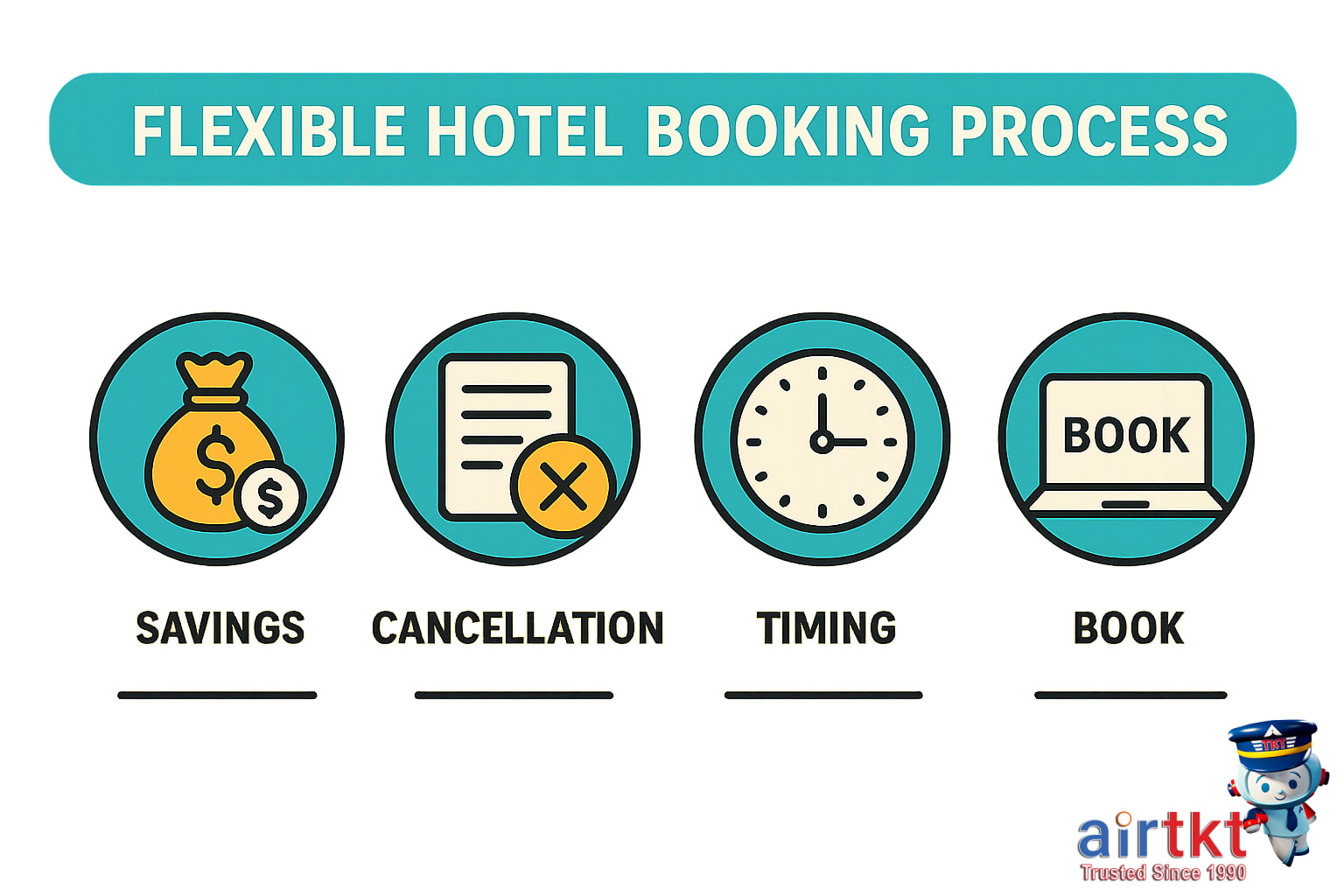
By breaking down your search, carefully applying filters, and verifying the fine print, you maximize your chances of booking a hotel that suits both your schedule and budget. This stepwise approach empowers you to lock in comfortable accommodations without the stress of rigid policies.
Save 15-40% with Flexible Pricing Strategies
For travelers aiming to maximize savings, embracing flexible hotel booking strategies can unlock discounts ranging from 15% up to 40% compared to standard rates. This significant price reduction often comes from leveraging last-minute deals, booking during off-peak periods, or negotiating directly with hotels. By remaining adaptable, you not only avoid premium charges but can access exclusive offers typically unavailable through traditional booking channels.
One effective approach is targeting last-minute cancellations. Hotels frequently release these rooms at deeply discounted prices to avoid vacancies. Travelers who monitor availability closely can scoop up these bargains, especially when combined with platforms offering real-time updates. Alternatively, the shoulder season—those weeks between peak and low seasons—often features lowered rates as demand softens. Booking during these periods lets you enjoy popular destinations without the usual price tag.
Direct negotiation with hotels can also yield substantial savings. Many properties prefer direct bookings to bypass third-party commissions and may offer special perks or discounts when contacted personally. This tactic is particularly effective for longer stays or group bookings, where hotels have more flexibility to adjust pricing.
To illustrate the potential savings, consider the following price comparisons across platforms and timing:
- Booking 60 days in advance via third-party sites: Average nightly rate $150
- Booking during shoulder season directly with hotel: Average nightly rate $110, saving approx. 27%
- Last-minute deal slots (within 7 days of stay): Average nightly rate drops to $90, representing a 40% saving
This example highlights how timing and booking method can dramatically influence costs. Flexibility to adjust travel dates or channels can mean hundreds of dollars in savings, especially for extended trips.
Seasonal airfare trends often correlate closely with hotel pricing. When flights dip during shoulder seasons or off-peak travel windows, hotels typically reduce rates concurrently to attract visitors. Conversely, peak travel seasons see spikes in both airfare and accommodation costs. Recognizing these patterns empowers travelers to synchronize flight and hotel bookings for maximum financial benefit.
Choose Best Platforms for Flexible Bookings
When planning trips, flexibility in hotel bookings has become a top priority for many travelers. Platforms like Booking.com and HotelsByDay cater specifically to this need, offering robust cancellation policies and flexible stay options. Booking.com shines with its free cancellation on most listings, allowing travelers to adjust plans without penalty up to a specified date. HotelsByDay offers another unique angle with day-use rooms and flexible hourly bookings perfect for short stays or layovers.
Usability is critical in choosing a platform. Booking.com boasts an intuitive interface that simplifies search filters, enabling quick access to flexible deals and fare alerts. Its mobile app enhances this by sending real-time notifications on price drops and reservation changes, helping users stay ahead of the curve. HotelsByDay’s app focuses on convenience for day travelers, featuring an easy booking process and clear policies on modifications and refunds. Loyalty programs also factor into the experience—Booking.com’s Genius program rewards frequent users with discounts and perks, adding value to flexible bookings.
Comparing online travel agencies (OTAs) like Booking.com to direct hotel bookings reveals distinct pros and cons. OTAs aggregate numerous options with transparent cancellation terms and price comparisons, making it easier to find flexible deals across multiple brands. However, direct bookings can sometimes offer even more lenient cancellation policies and personalized customer service. The trade-off is that you might sacrifice the breadth of options or miss out on OTA-exclusive discounts that boost flexibility benefits.
To maximize platform features for flexible bookings:
- Enable fare alerts and push notifications on your mobile app to catch last-minute price changes or updated policies.
- Filter searches explicitly for free cancellation or flexible policies to avoid surprises.
- Join loyalty programs for additional flexibility perks, such as late check-out or room upgrades.
- Compare OTA offers with direct hotel websites before finalizing to balance flexibility and price.

Apply Insider Hotel Industry Booking Tips
Securing the best hotel deals goes beyond simply booking the lowest advertised rate. Hotel managers and booking agents often share insider tips that can help travelers maximize both savings and flexibility. One key strategy is to contact the hotel directly rather than relying solely on third-party websites. Doing so can unlock perks like room upgrades, complimentary amenities, or more lenient cancellation policies.
Hotels frequently manage their room inventory with dynamic pricing models and booking windows designed to optimize occupancy. For example, many hotels release flexible rates closer to the arrival date to accommodate last-minute cancellations or no-shows. By understanding these booking patterns, travelers can often find better deals or favorable terms by timing their reservations carefully.
A practical tip from hotel insiders is to book rooms midweek — typically Tuesday or Wednesday — when demand tends to be lower. This timing often improves chances of snagging discounted flexible rates or added benefits. Conversely, booking too far in advance may lock travelers into non-refundable rates, while waiting too late risks room unavailability or higher prices during peak seasons.
Handling cancellations tactically is another area where travelers can save money. Hotels sometimes allow date changes or cancellations with minimal penalties if you reach out promptly. Booking directly also means customer service agents can be more accommodating than automated platforms.
Leveraging loyalty programs further enhances these benefits. Frequent guests often receive advanced notice of special flexible rates or exclusive deals not available to the general public. These memberships can be combined with AirTtkt‘s convenient booking tools for a seamless experience in finding affordable, adaptable hotel stays.
In summary, applying insider knowledge from hotel professionals involves:
- Contacting hotels directly for better rates and perks
- Booking midweek to access discounted, flexible options
- Understanding hotel booking windows and cancellation policies
- Using loyalty memberships to maximize exclusive deals
- Communicating proactively to negotiate upgrades or cancellations
By integrating these expert techniques with AirTtkt’s platform, travelers gain the upper hand in booking hotel stays that balance cost savings with the flexibility needed for unpredictable travel plans.
Understand Cancellation Flexibility Details
When booking flights, hotels, or car rentals through AirTtkt, understanding cancellation policies is essential to avoid unexpected fees and protect your travel investment. Cancellation flexibility varies widely depending on the provider and fare type, impacting how much you could lose if your plans change.
There are three main types of cancellation policies you’ll encounter:
- Refundable bookings: These allow you to cancel and receive a full refund, often with little or no penalty. They tend to cost more upfront but offer the greatest peace of mind.
- Partially refundable bookings: You may get some money back if you cancel, but typically a cancellation fee or percentage of the payment is withheld.
- Non-refundable bookings: These are usually the cheapest fares or rates but come with strict no-refund clauses. Any cancellation means losing the entire amount paid.
To use cancellation policies wisely, carefully read the terms and conditions before confirming a booking. Look for specific language on deadlines for free cancellation, fees charged for changes or cancellations, and whether refunds come as cash or travel credits. Beware of clauses that mention “cancellation fees apply” or “no cancellations allowed,” and check if refundable options are available for a small surcharge.
One useful approach is to confirm the cancellation window: the timeframe in which you can cancel penalty-free, such as 24 or 48 hours after booking or up to 7 days before your trip. Booking platforms like AirTtkt often highlight these details clearly so you can compare and select the best option based on your risk tolerance.
To minimize financial risks, follow these strategies:
- Choose refundable or partially refundable fares if your travel dates might shift.
- Book flights and hotels offering free cancellation within 24 hours of purchase, a policy supported by many airlines and hotel chains.
- When non-refundable tickets are the only affordable choice, consider travel insurance that covers cancellations due to unforeseen events.
- Keep all confirmation emails and cancellation receipts for record-keeping and dispute resolution.
It’s also important to stay updated on regulations that influence cancellation rights. Recent TSA guidelines and consumer protection laws emphasize transparency around cancellation fees and reinforce consumers’ rights, especially in hotel bookings. Many jurisdictions require suppliers to clearly disclose cancellation terms and provide refunds promptly when mandated.
In summary, mastering how to read and interpret cancellation policies helps you avoid costly penalties and plan with confidence. Whether opting for refundable rates or securing insurance for non-refundable fares, informed choices protect your wallet and peace of mind. Visit AirTtkt to explore flexible bookings and discover options tailored to your travel needs.
Show Price Differences with Real Booking Examples
When choosing between flexible and non-flexible hotel bookings, travelers often wonder how much the price varies and whether the added convenience justifies the cost. To clarify this, we’ve gathered concrete booking examples comparing prices across platforms, varying cancellation policies, and booking timings. These insights demonstrate when flexibility pays off and when it might add unnecessary expenses.

Price Comparison Table: Flexible vs. Non-Flexible Booking
| Booking Platform | Cancellation Policy | Price per Night | Total Price (3 Nights) | Notes |
|---|---|---|---|---|
| AirTtkt | Flexible (Free cancellation up to 24 hours before) | $120.00 | $360.00 | Allows last-minute changes with no penalty |
| AirTtkt | Non-Flexible (No cancellation, prepaid) | $95.00 | $285.00 | $75 savings but no refunds if plans change |
| Platform X | Flexible (Free cancellation 48h before) | $130.00 | $390.00 | Higher price reflects wider cancellation window |
| Platform X | Non-Flexible | $100.00 | $300.00 | Lower price but no changes allowed |
Analyze Cost and Convenience Benefits
From these examples, flexible bookings typically cost 20-30% more, as seen with the $120 versus $95 nightly rate on AirTtkt. This premium covers the option to cancel or reschedule without penalties, which is invaluable if your travel plans are uncertain. For instance, a traveler booking early but facing potential date changes benefits significantly from the flexible option despite the higher upfront price.
Conversely, if your itinerary is fixed and unlikely to change, a non-flexible booking saves money upfront. The $75 total savings on AirTtkt could instead cover meals or local transport during your trip. However, these cheaper rates come with inherent risks — unexpected cancellations mean losing the entire booking cost.
Timing and Policy Impact on Pricing
Booking timing heavily influences price gaps between flexible and non-flexible options. For example, when booking last-minute (within 7 days of arrival), flexible rates often narrow because hotels prefer occupancy over cancellation risk. By contrast, early bookings show a stronger price split because hotels factor cancellation uncertainty differently.
Additionally, cancellation window length affects cost. A flexible booking with 24-hour free cancellation will generally be cheaper than one allowing free cancellation up to 48 hours or more, as seen with Platform X’s higher $130 rate. Understanding these nuances helps travelers pinpoint the best balance of cost and convenience.
When Flexible Bookings Are Worth It
- Uncertain travel dates due to work, health, or personal matters
- Traveling during unpredictable seasons or events
- Booking far in advance to lock in rooms with option to cancel
When to Choose Non-Flexible Rates
- Fixed itinerary and confirmed travel dates
- Budget constraints where saving every dollar is critical
- Short trips or bookings made last-minute with limited flexibility needs
Answer Flexible Hotel Booking FAQs
Can I change flexible hotel bookings without penalty?
Yes, flexible hotel bookings typically allow changes or cancellations without penalties up to a specified time before check-in. Policies vary by hotel, so always review the terms carefully to avoid unexpected fees. This flexibility offers peace of mind if your travel plans shift unexpectedly.
What is the difference between refundable and non-refundable rates?
Refundable rates let you cancel or modify your booking for a refund up to a certain deadline, while non-refundable rates offer a lower price but no reimbursement if canceled. Choosing refundable rates usually means paying more but gaining financial security if plans change.
When should I book to get the best flexible rate?
Booking flexible hotel bookings well in advance often secures better rates, but last-minute deals can also offer flexibility at discounted prices. Use platforms like AirTtkt to compare options and monitor prices for ideal timing.
Why is flexible booking important for cost savings?
Flexible booking helps avoid costly cancellation fees and penalties, which add up if plans change. It enables travelers to seize last-minute deals or switch hotels without losing money, ultimately protecting your budget and reducing stress during uncertain travel periods.
How to identify flexible rates on booking platforms?
Most platforms clearly label flexible or refundable rates with terms like “Free Cancellation” or “Flexible Booking.” Look for these markers on AirTtkt and other sites, and review cancellation policies before finalizing your booking.
Can I find last-minute flexible deals easily?
Yes, many websites offer last-minute flexible hotel bookings with discounted prices to fill unsold rooms. Checking frequently updated deals on AirTtkt can help you discover these opportunities, especially during off-peak seasons or weekdays.
How do cancellation policies impact final hotel costs?
Strict cancellation policies may charge fees or forfeit your entire payment if you cancel late. Flexible policies reduce these risks, but sometimes at a higher initial price. Balancing your need for flexibility with cost helps avoid unexpected charges while managing your budget.
Summarize Guide and Promote AirTtkt Booking
Booking flexible hotel reservations offers travelers a smart balance of security and savings. Key benefits include the ability to change or cancel bookings without penalty, which reduces stress during uncertain travel plans. Flexible bookings also allow travelers to take advantage of last-minute deals or adjust stays as needed, helping avoid unnecessary expenses. By using strategic tips—such as booking refundable rates early, monitoring price drops, and leveraging special offers—you can maximize both convenience and cost-efficiency.
Throughout this guide, we’ve explored how flexible hotel bookings empower travelers to maintain full control over their trips. Armed with insider advice and practical tools, you can confidently choose accommodations that accommodate unexpected changes without financial loss. This approach safeguards your travel investment and adds peace of mind, especially when plans evolve or emergencies arise.
AirTtkt specializes in offering seamless options for flexible hotel bookings alongside low-cost flights and car rentals. Its easy-to-use platform provides real-time price comparisons and exclusive discounts, enabling you to secure the best flexible rates quickly. Plus, 24/7 customer support ensures you get help when you need it, making your travel booking experience truly hassle-free.
Choosing AirTtkt means more than just booking a hotel—it’s about gaining access to expert tools and resources tailored to budget-conscious travelers. Whether adjusting plans last-minute or seeking the best rates on refundable stays, AirTtkt gives you the confidence to travel smarter. Explore the platform today to find flexible hotel options that fit your schedule and budget perfectly.