
Understanding Jet Lag and Its Impact
Jet lag is that unwelcome companion on long-haul flights, showing up when your body’s internal clock gets thrown off by traveling across multiple time zones. This disruption leaves you feeling out of sync with your destination—fatigue, grogginess, and trouble concentrating are all part of the standard jet lag package. It’s not just about feeling tired: your sleep cycle, digestion, and even mood can take a hit as your body struggles to catch up with rapidly shifting time zones.
Long-haul flights make this challenge worse. They stretch your day (or night) in ways your body’s sleep-wake cycle isn’t built for. The more time zones you cross, the tougher it is for your body to adapt quickly. Things like sudden daylight changes, odd meal timings, and cramped conditions all make the transition rougher. I’ve definitely had trips where jet lag stole my first day—wandering around a new city half-awake is never ideal.
Managing jet lag well isn’t just about comfort; it actually matters for your travel health and enjoyment. If you want to feel good and make the most of your trip, understanding how jet lag works and planning ahead is essential. One helpful strategy I use is to prepare before even booking flights. Platforms like airtkt.com can help you compare affordable flight options and find schedules that minimize overnight jumps, making jet lag a little less punishing. If you want to start preparing your next long trip, their flight booking tips offer practical guidance on planning ahead.
Smart Steps Before Your Flight
Getting ahead of jet lag really starts well before you board the plane. If you want to feel fresher on arrival, start by gradually adjusting your sleep schedule two or three days prior to your trip. I usually nudge my bedtime and wake time earlier or later—about 30–60 minutes per day—depending on which direction I’m flying. Eastbound travelers should try shifting bedtime earlier, while westbound travelers should ease later.
Exposing yourself to the right kind of light is just as important as clock adjustments. Seeking out bright outdoor light in the morning when you need to wake up earlier, or in the evening if you’re preparing for later nights, helps cue your body’s internal clock. This “light therapy” can be as simple as a morning walk if you need to adapt to an earlier day, or spending more time outside at dusk if you’ll be headed westward.
Another pre-flight priority: hydration. Flying often leads to dehydration, making jet lag and fatigue even worse. I always aim to drink extra water in the days leading up to my trip and limit caffeine in the afternoon. On travel day, I fill up my reusable bottle before heading to the airport and sip regularly before, during, and after the flight.
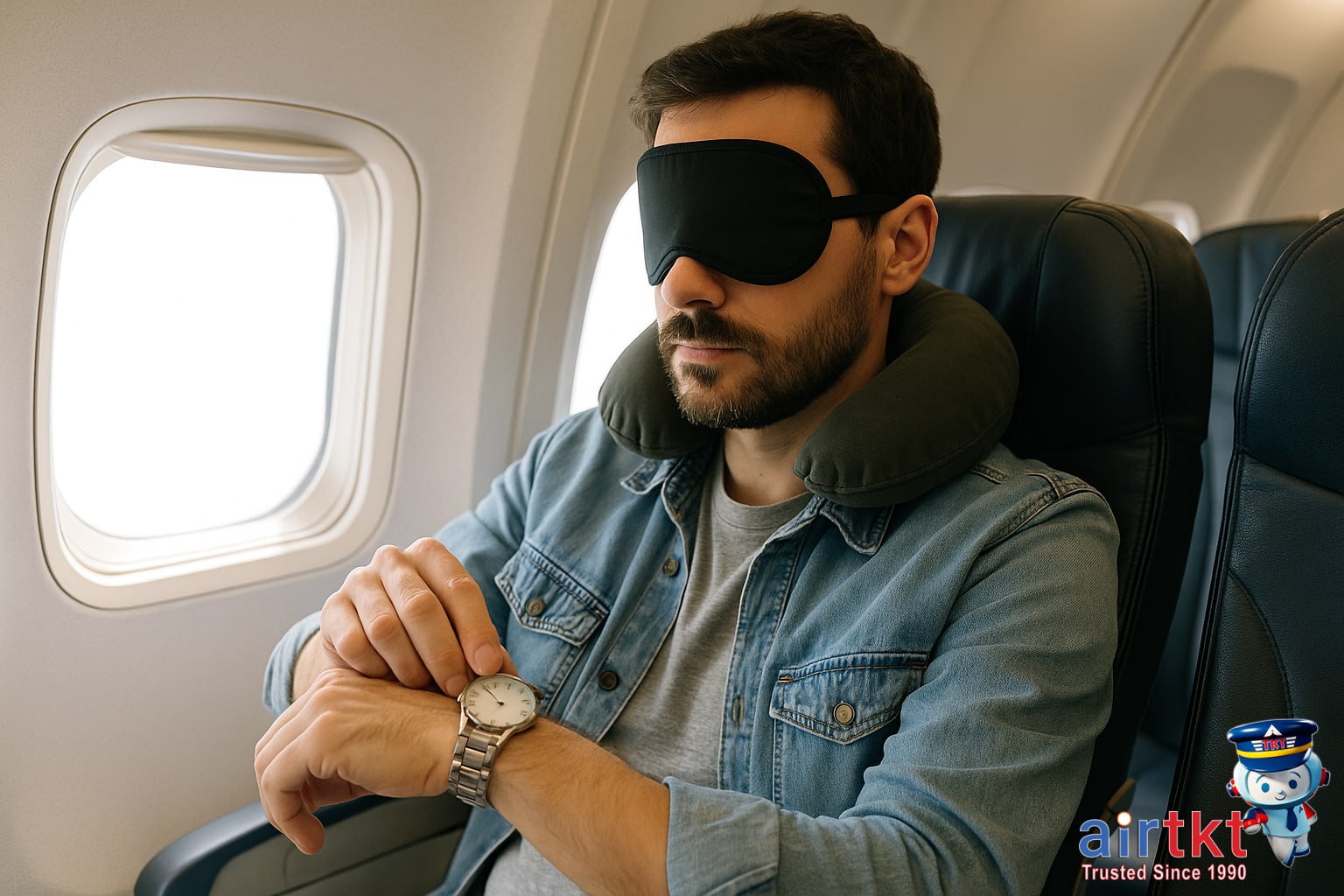
Don’t underestimate the difference that a few small comfort items can make for in-flight rest. Packing a sleep mask, earplugs, and compression socks creates a travel “sleep kit” that blocks out noise, shields your eyes from cabin lights, and helps your circulation on long flights. Personally, I never board a red-eye or any long-haul journey without slipping these into my carry-on.
If you haven’t booked yet, you can check the latest international flight deals on airtkt.com—scoring a direct flight or ideal departure time sometimes makes the time zone transition even less painful.
Managing In-Flight Habits Effectively
One of the most effective ways to reduce jet lag actually begins while you’re still in the air. Staying hydrated is essential, so I always drink water steadily throughout the flight and avoid relying on coffee or alcohol. Both caffeine and alcohol tend to dry you out and can disrupt your natural sleep-wake rhythms, making that post-arrival exhaustion even tougher to shake off.
You’ll also want to keep your body active, even in a cramped cabin. I make a point of getting up every couple of hours to walk the aisle or do some simple stretches by my seat. Movement helps your circulation and can fend off that groggy feeling that often hits after hours of sitting still. If you tend to feel stiff or sluggish, this habit pays off by the time you land.
One of the in-flight tricks I swear by is changing my watch to my destination’s time right after boarding. This small switch gets you mentally ready to adopt your new time zone, and, personally, I find it makes the jet lag transition smoother. Start eating, sleeping, and even reading at times that fit your arrival locale to help your internal clock adjust early.
If you’re able to choose your seat, go for one that makes standing up easier—an aisle seat gives you freedom to move without disturbing others. On longer trips, comfort and access become even more important for sticking to your healthy habits. For more ideas on making flights easier, see the latest travel tips on the airtkt.com blog for long journey strategies.
Adjusting Quickly Upon Arrival Abroad

Kicking jet lag starts as soon as you land. The first 48 hours are your window to help your body clock catch up to local time as smoothly as possible. My top strategy has always been getting outdoors for real sunlight as early in the day as I can manage. Even a short walk by your hotel, or sitting outside while having morning coffee, helps your brain reset its sense of time and signals your body to adapt faster.
Natural daylight exposure is a powerful way to help suppress melatonin and jumpstart your energy. When I arrive, I make it a point to keep lights bright in the morning, especially if I’ve crossed several time zones. Aim for at least 30 minutes outside soon after you wake up, even if the weather is cloudy—daylight still works. Setting a phone alarm as a reminder to step outside can be a lifesaver, especially if you’re tempted to nap away the fatigue.
When that urge to nap hits, keep it short and sweet. I never let myself go over 20 minutes—a longer nap can mess up your adjustment and make nighttime sleep harder. If you must nap, set an alarm so you don’t drift into a deep sleep cycle, which can leave you feeling groggy and even more out of sync.
Food schedules matter more than most travelers realize. I always try to have my first main meal at a typical local time rather than eating right when I feel hungry. This tells my body that it’s time to digest and helps anchor the new schedule. If you arrive in the morning, waiting until local lunchtime to eat a full meal works wonders; if it’s evening, a light local dinner is best.
Lastly, moderate activity is your ally. Unpacking and then heading for a brisk stroll or light stretching keeps your muscles engaged and helps nudge your body clock forward. I sometimes choose accommodations that give me easy access to parks or walking paths, and it’s worth looking for these when you book your hotel through airtkt.com.
Optimize Your Sleep for Recovery
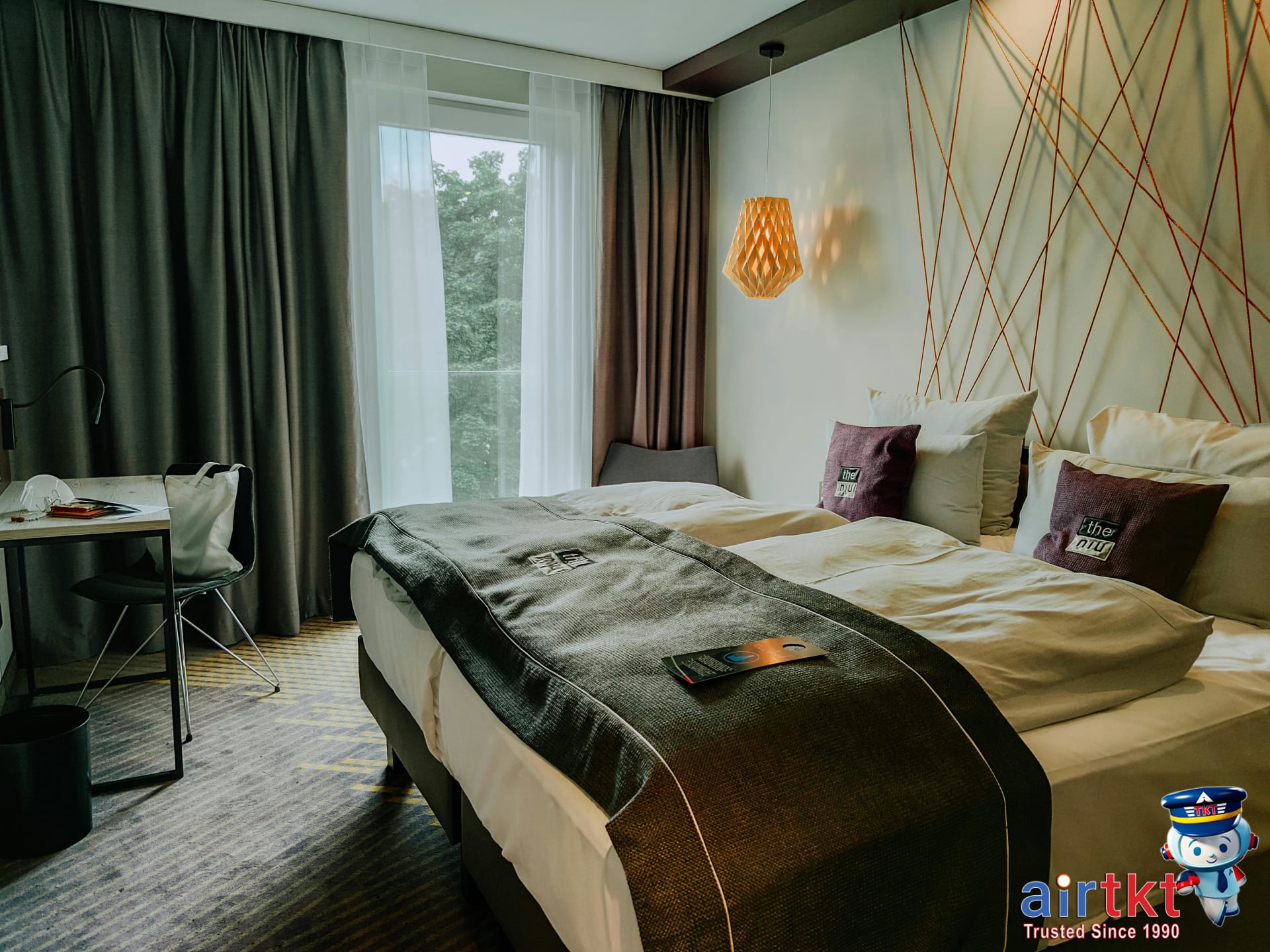
If recovering from jet lag quickly is your goal, your sleep environment matters more than you might think. Blackout curtains top my list for blocking out unwanted light, especially if daylight hours at your destination don’t match your body clock. Pair those with a simple white noise machine or app to drown out hallway chatter or city sounds, so even light sleepers can get more solid rest.
Room temperature is another important piece. Science suggests that a cool, steady temperature—not too chilly, not too warm—helps cue your body for sleep. I usually set the thermostat between 65 and 68°F if possible, which feels just right for deeper rest after a long flight.
One mistake I’ve seen travelers make: scrolling on their phones or watching TV right before bed. The blue light from screens interferes with melatonin, the hormone that tells your body it’s time to wind down. If you struggle to fall asleep after a flight, put devices aside at least 30 minutes before you want to drift off.
Personally, I always pack a travel-sized pillowcase from home and a small lavender spray for my pillow—it’s a minor comfort, but it tells my brain it’s time for real rest no matter where I am. Familiar scents and textures can genuinely help you relax, especially when everything else feels new or unfamiliar. For even more tips on creating a restful hotel stay, check out this post on airtkt.com about finding comfort while traveling.
Nutrition and Hydration After Flight

After a long flight, your body needs the right fuel and fluids to recover and adapt—especially if you’re also dealing with jet lag. Prioritizing a balanced meal soon after landing can help restore lost energy and put you on track for a smoother adjustment to your new time zone. I usually aim for a meal that includes lean protein, complex carbs like brown rice or whole-grain bread, and plenty of vegetables. These combinations are gentle on your digestive system and help stabilize blood sugar, which is important after travel fatigue.
One thing I always try to avoid is a heavy, greasy, or very sugary meal—particularly late in the day. Indulging in fast food right after landing might feel tempting, but it can make your fatigue much worse and disrupt your sleep even further. Instead, lighter options like grilled chicken with quinoa and a side of leafy greens help your body bounce back faster.
Hydration matters just as much as what you eat. Airplane cabins leave most travelers mildly dehydrated, so replenishing fluids is key. I keep a reusable water bottle in my carry-on and make a habit of refilling it at the airport once I’m through security. Sipping water throughout your flight and during your first few hours on the ground can noticeably reduce sluggishness and headaches.
If you want portable snacks post-flight, I recommend unsalted nuts, cut fruit, or protein bars (my personal favorite is a handful of roasted almonds and a banana for a boost without the sugar crash). Go for food that’s nutrient-dense and easy to digest, and skip high-sodium snacks that might make you feel bloated.
For more ideas on staying healthy and refreshed while traveling, check out our airtkt.com guides to travel health and specific destinations for smart planning tips.
Practical Budget Tips for Jet Lag
| Accommodation | Food | Transport | Activities | |
|---|---|---|---|---|
| Budget | $45.00 | $12.00 | $10.00 | $8.00 |
| Mid-range | $95.00 | $28.00 | $28.00 | $18.00 |
| Luxury | $230.00 | $62.00 | $68.00 | $42.00 |
Recovering from jet lag doesn’t mean you have to overspend. Quiet, comfortable accommodations are usually worth the extra dollars for better sleep—I usually look for small boutique hotels or request rooms away from elevators to minimize noise. You can also offset costs by booking directly through platforms like airtkt.com, where their multi-stop booking tools can help you plan layovers that work in your favor, whether it’s for a refreshing overnight rest or cheaper fare.
For food, I’ve learned that simple, fresh meals—like broth-based soups or local grains—are easy on the stomach and can be found without paying premium restaurant prices. Convenience stores and market stalls can offer quick and wholesome options without derailing your budget.
Transport flexibility is smart, too. If you’re landing late or feeling the effects of a long flight, planning for a taxi or app-based ride (about $28.00 in most major cities) can be a real lifesaver compared to navigating confusing public transit when you’re exhausted. On longer layovers, consider affordable car rentals to rest between flights and set your own pace.
As for activities, light movement helps adjust your body clock. A guided city walk or basic yoga class can cost around $8.00, and it’s well worth including in your daily budget. I found out the hard way that skipping movement after arrival often made jet lag worse and had me spending more on caffeine or snacks just to stay alert.
If you want to avoid splurging last-minute because you’re desperate for fast comfort, I’d recommend building a small “recovery fund” into your trip plan. It’s a budgeting lesson I picked up after realizing that spending a little more in the right places (quiet rooms, fresh food, flexible rides) actually saved me unnecessary costs caused by poor rest or stress-induced purchases.
Most Frequently Asked Jet Lag Questions
Jet lag is a common struggle for international travelers, so it’s smart to have quick answers close at hand. Below, I’ve gathered the jet lag questions I see most often, focusing on the most practical solutions real travelers want. Personally, checking the hydration question below really helped clear up my own jet lag strategy for long trips.
- How can I beat jet lag on long flights?
Adapting your sleep schedule before you fly is a reliable way to reduce jet lag. Shift bedtime by an hour each day toward your destination’s time zone in the days leading up to your trip. Even small changes, like eating meals at your arrival time, can help your body adjust faster.
- What’s the best way to sleep on the plane?
Try to mimic nighttime in your destination’s time zone by using a sleep mask and noise-canceling headphones. Avoid caffeine several hours before you want to rest. Neck pillows and a light blanket can improve comfort so you actually sleep instead of just dozing intermittently during your flight.
- Does flight timing affect jet lag recovery?
Arriving in the late afternoon or early evening makes it easier to stay awake until local bedtime, which helps you reset your internal clock faster. If you land in the morning and feel groggy, light activity and natural daylight can help fight off the urge for a nap.
- Why is hydration so important for jet lag?
Staying hydrated helps minimize the headaches, sluggishness, and dry skin that often come with long flights and jet lag. Drink water consistently throughout the flight, even if you don’t feel thirsty, and limit alcohol or caffeinated sodas, which can make dehydration worse in airplane cabins.
- How long does it usually take to recover from jet lag?
Most travelers feel better after around one day per time zone crossed, but your recovery might be quicker if you get outside in daylight, eat balanced meals, and follow a steady sleep routine from the first day onward. Listen to your body and rest more if you need to.
- Are there medications or supplements for jet lag?
Melatonin is a common supplement travelers use to help shift their sleep schedule, but it’s best to consult your doctor before trying any new supplement. Prescription medications for sleep are generally reserved for those with severe jet lag or specific medical needs, not casual travel use.
Closing Advice for Smooth Travel
Staying ahead of jet lag starts well before your flight, and every step helps. Building a good sleep schedule, staying hydrated, getting natural light after landing, and giving yourself time to adjust all make a real difference. I find that using these strategies means I step off the plane feeling truly refreshed, ready to enjoy my first day instead of fighting grogginess.
If you want your next trip to start smoothly, planning your booking with these routines in mind can help immensely. Finding affordable, well-timed flights can also reduce stress—and that’s where airtkt.com can simplify things. Their flexible search tools help you find options that line up with your preferred arrival times, which is a real game changer for aligning your trip with your jet lag strategy. Personally, the best feeling is waking up the morning after arrival and realizing I’m ready to go, not hours behind or struggling to get out the door.
No matter where you’re headed, it pays to approach both booking and travel days thoughtfully. A little prep goes a long way, and paying attention to jet lag can make every trip more rewarding in the long run.