

Why a Well-Planned Itinerary Matters
Creating a well-planned itinerary is the cornerstone of an enjoyable and stress-free trip. It acts as a roadmap, guiding you through each step of your journey and helping you make the most of every moment. Without thoughtful planning, travelers often encounter frustrating pitfalls such as overbooking activities, missing out on key sights, or wasting precious time navigating unpredictable logistics.
Common travel woes stem from a rushed or haphazard schedule. Trying to fit too many stops into one day can lead to exhaustion, while failing to consider travel times between destinations might cause missed tours or delayed reservations. An ineffective itinerary can turn what should be a relaxing vacation into a source of stress and disappointment.
To build an effective itinerary, focus on four main components. First, thorough destination research is essential—know the must-see attractions, local culture, and any seasonal events. Second, map out your route logically to minimize backtracking and avoid unnecessary transit delays. Third, strike a balance in your schedule by mixing busy sightseeing days with more relaxed ones to maintain energy levels throughout your trip. Finally, incorporate flexibility to adapt to unexpected changes such as weather, local holidays, or spontaneous opportunities.
When it comes to booking flights that align with your itinerary, AirTtkt offers a streamlined solution. This platform simplifies the search for affordable airfares, displaying competitive rates in real time, so you can coordinate your flights with confidence. With features like exclusive discounts and round-the-clock customer service, AirTtkt complements your itinerary planning by ensuring seamless, budget-friendly bookings.
Ultimately, a well-organized itinerary enhances your travel experience by reducing uncertainties and maximizing sightseeing opportunities. Proper preparation lets you focus on what truly matters—immersing yourself in new cultures, making memories, and enjoying the journey.
Research Your Destination Effectively
Planning a memorable trip starts with thorough research of your destination. Using trusted sources like travel blogs, Tripadvisor, and Google Maps can help you uncover hidden gems, local events, and essential transport information. These tools offer unique perspectives, allowing you to tailor your itinerary according to authentic experiences and practical advice.
Travel blogs are invaluable for insider tips beyond typical tourist guides. Bloggers often share personal stories, budget hacks, and hidden spots that don’t make it into mainstream lists. For example, well-known blogs such as Nomadic Matt, The Blonde Abroad, and Expert Vagabond provide detailed reviews and cultural insights. Their content helps you understand the vibe of a place and what makes it truly special, adding a layer of authenticity difficult to find elsewhere.
Tripadvisor complements blogs with a vast collection of user-generated reviews and active forums. Here you’ll find firsthand opinions on must-see sights, restaurants, and accommodation. Pay attention to both positive and negative comments to gauge quality and avoid tourist traps. The forums are also perfect for asking specific questions about your destination, such as accessibility, safety, or seasonal events, which can influence your travel plans.
Google Maps serves as a powerful interactive tool for visualizing your trip. Beyond checking directions, it shows clusters of attractions, restaurants, and public transport options nearby. Pinning locations and plotting routes enables you to design efficient itineraries and estimate travel times, which is crucial for fitting the most into your schedule. You can also discover lesser-known spots during your mapping process, enriching your overall experience.
To build a balanced understanding, it’s crucial to compile information on popular landmarks, upcoming local festivals, and the best ways to reach key sites using buses, trains, or rideshares. Cross-reference your findings from blogs, Tripadvisor reviews, and Google Maps to avoid one-sided perspectives. This approach helps you make informed decisions, preventing surprises and maximizing enjoyment.
By combining these resources, you create a comprehensive picture of your destination that blends local expertise with real traveler experiences. This strategy ensures you don’t miss out on unique activities and practical insights that can save both time and money.

Map Out a Logical Route
Randomly hopping between attractions on your travel itinerary can quickly lead to wasted time, added fatigue, and missed experiences—all of which dampen your trip’s enjoyment. Instead, grouping sightseeing spots geographically lets you make the most of each day. By tackling destinations in clusters, you reduce backtracking and overly long commutes, conserving energy and allowing more time to explore and relax.
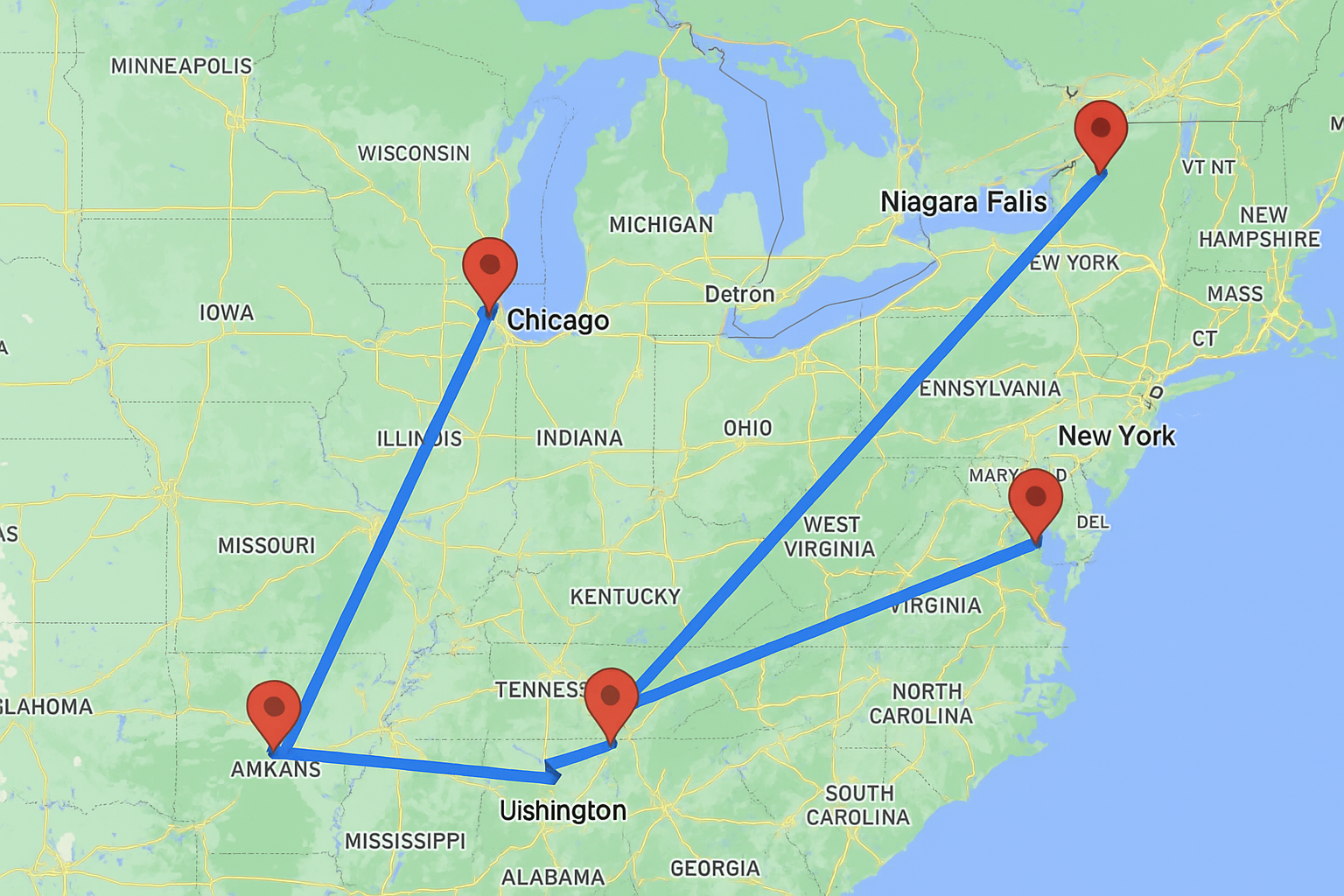
One of the easiest and most effective tools for this is Google My Maps, which lets you create custom digital maps to visualize your route before you even start your trip. This helps you map out daily plans clearly and track how attractions fit together spatially.
Step-by-Step Guide to Create Custom Travel Maps
- Open Google My Maps: Go to Google My Maps and sign in with your Google account.
- Create a new map: Click “Create a new map” to start organizing your itinerary.
- Pin your attractions: Use the search bar to locate each sight and click “Add to map.” This drops a custom marker on your map.
- Draw routes: Use the “Draw a line” tool to connect locations by walking, driving, or public transit routes. This spatial overview reveals the best sequence.
- Color-code by day: Organize your attractions by days with colored layers. For example, mark all day-one activities in blue, day-two in green, and so on, to visually separate daily plans.
Check Transport Options for Efficient Travel
Before finalizing your route, research public transportation availability or walking feasibility between points. Google Maps can estimate transit times and options, helping you decide if it’s better to walk, take a bus, or arrange a taxi. This step ensures your itinerary is not only geographically logical but also practical given local transport.
If certain locations require out-of-the-way detours, consider adjusting your schedule or removing stops to maintain efficiency.
Refine Routes to Minimize Backtracking
Once your map is set, review your daily sequences for gaps or inefficient loops. Aim for routes that flow naturally from one attraction to the next without unnecessary doubling back. Continuous refinement keeps travel stress low and maximizes sightseeing time.
Planning your itinerary with a clear, visual route map not only streamlines your days but also enriches your travel experience by letting you focus on what matters—enjoying every moment without the hassle of poor logistics.
Allocate Days and Balance Your Schedule
When planning your travel itinerary, one of the most crucial steps is realistically allocating days for each destination or activity. Properly estimating the time needed per location—not just for the sightseeing itself but also for transit between spots—sets a solid foundation for an enjoyable trip. Without these time expectations, you risk creating a schedule that feels rushed and stressful.
It’s important to acknowledge that health and overall enjoyment often improve when your itinerary includes ample downtime. Unstructured periods allow you to relax, absorb the local atmosphere, or simply recharge your energy. Many travelers overlook the value of leisure time, assuming they must maximize every hour with activities. However, balancing busy moments with rest helps prevent burnout and makes your trip more memorable and pleasant.
In addition to balancing your active and leisure times, it’s wise to build time buffers for unexpected delays. Transport hiccups—like traffic jams, delayed trains, or long lines—can throw off even the best-laid plans. Spontaneous detours, whether prompted by local recommendations or sudden weather changes, also require flexibility.
Consider this example comparing two daily itineraries in a popular city:
| Time | Hectic Day Plan | Balanced Day Plan |
|---|---|---|
| 8:00 AM | Visit museum (1 hour) | Visit museum (1 hour) |
| 9:00 AM | Walk to historic site (15 min) | Walk to historic site (15 min) |
| 9:15 AM | Explore historic site (45 min) | Explore historic site (45 min) |
| 10:00 AM | Taxi to park (30 min) | Free time: relax or coffee break |
| 10:30 AM | Visit botanical garden (1 hour) | Walk leisurely to park (30 min) |
| 11:30 AM | Walk to café and quick lunch (30 min) | Visit botanical garden (1 hour) |
| 12:00 PM | Meet group for lunch (1 hour) | Lunch at café (1 hour) |
| 1:00 PM | Bus to next landmark (30 min) | Leisurely stroll through park (1 hour) |
| 1:30 PM | Visit gallery (30 min) | Prepare for next destination |
In the hectic plan, there’s little space for breaks, leaving you feeling rushed and exhausted by early afternoon. The balanced plan, however, intersperses activities with free time and slower-paced transitions, allowing you to soak in the experience fully and maintain energy for the day’s second half.
When booking your flights, accommodations, or rental cars, platforms like AirTtkt offer user-friendly services that make trip planning smoother. Incorporating adequate buffers and relaxation periods in your daily schedule will help you make the most of your bookings and avoid stress.
By allocating days thoughtfully and balancing your agenda between sightseeing and leisurely moments, you can transform your travel from a checklist of rushed attractions into an enriching, enjoyable adventure.
Schedule Activities and Prioritize Key Sights
When planning your itinerary, aim for a balanced mix of cultural, outdoor, culinary, and leisure activities. This combination ensures each day feels fresh and rewarding, preventing burnout from too much of one type. For example, pair a morning museum visit with an afternoon stroll through a park or a local food market. This varied approach enriches your travel experience by engaging different interests and energy levels.
To make the most of your time, group attractions by neighborhood or theme. Clustering sights geographically reduces transit time and allows deeper exploration of each area. For instance, dedicate a day to a historic district with multiple landmarks or plan meals around famous local eateries near key sightseeing spots. This method not only saves travel time but also creates a natural flow, helping you soak up the atmosphere without rushing.
Always verify the opening days and hours of your selected attractions before finalizing your schedule. Many museums and cultural sites close one weekday, typically Monday, so overlooking these closures could disrupt your plans. Checking official schedules helps avoid disappointment and wasted journeys. Remember, some outdoor or seasonal attractions may also have variable opening times, particularly during holidays or off-peak seasons.
For accurate and up-to-date information, rely on official websites of museums, parks, and landmarks. Additionally, trusted travel apps and online aggregators offer current hours and special event alerts. Apps like Google Maps often include attraction hours and visitor reviews, while platforms such as TripAdvisor provide community updates. For ticketed attractions, booking platforms sometimes display real-time availability and closures, ensuring you only plan visits that are fully operational.
Planning with these tools streamlines your trip and enables quick adjustments if closures or unexpected changes occur. Combining well-organized days with verified schedules ensures a smoother, more enjoyable travel experience. When booking flights, hotels, or car rentals to complement these plans, trust AirTtkt to provide the best prices and seamless service, so your focus stays on exploring.
Use Tools to Organize and Share Itineraries
Managing travel plans can quickly become overwhelming, especially when juggling multiple destinations and activities. Fortunately, digital itinerary management tools simplify this process, helping you stay organized and keep everyone in the loop. Popular options like Google My Maps, TripIt, and various trip planner apps provide intuitive ways to input destinations, add notes, and collaborate with travel companions in real time.
With Google My Maps, you can create custom maps by marking each location on your trip. The interface allows you to set specifics like arrival times, hotel check-ins, restaurant stops, or sightseeing hours directly on the map. Additionally, you can add detailed notes for each point, such as reservation numbers or travel tips. This visual approach helps you see your trip’s geography at a glance.
TripIt is another handy tool designed specifically for itinerary management. By forwarding confirmation emails for flights, hotels, and car rentals, TripIt automatically compiles all your bookings into a single, easy-to-navigate schedule. You can also manually add events, categorize activities, and set reminders for important deadlines.
Here’s a quick tutorial on creating and sharing an itinerary with these tools:
- Create Your Plan: Choose a platform like Google My Maps or TripIt and start a new itinerary project.
- Input Locations: Add your destinations with specific addresses or coordinates, then assign dates and times to each activity.
- Include Notes: Attach necessary details, such as ticket info, contact numbers, or recommended dining spots, for easy reference.
- Categorize Activities: Use color-coding or labels to differentiate between sightseeing, dining, lodging, or transportation.
- Share & Collaborate: Invite travel partners via email or share a direct link so everyone can view and edit the itinerary.
Sharing options vary by platform but usually allow real-time collaboration, ensuring that any last-minute changes are instantly visible to all travelers. This is especially valuable during trips when plans often shift unexpectedly.
Most tools sync across devices, making it simple to update your itinerary on your phone as you go. Whether you’re adjusting departure times or adding an unplanned activity, the changes will reflect immediately for your group, streamlining communication and reducing stress.
Exploring both free and premium options lets you select apps that fit your needs and budget. Free apps usually offer essential features like basic itinerary creation and sharing, while paid versions include extras such as offline access, advanced trip analytics, or VIP support. Experimenting with several tools can help you discover which one matches your travel style best.
Using digital itinerary tools not only enhances your travel experience but also ensures that planning stays organized, collaborative, and flexible. For budget-conscious travelers who book through AirTtkt, pairing affordable flights with a streamlined itinerary app means smarter trips with less hassle.
Sample Itinerary Template and Example
Creating a well-structured itinerary can transform your trip from overwhelming to effortlessly enjoyable. Below is a simple, adaptable 5-day itinerary template designed to balance sightseeing with free time. It includes columns for date, location, activity, timing, transport, and notes—making planning organized and clear.
| Date | Location | Activity | Timing | Transport | Notes |
|---|---|---|---|---|---|
| Day 1 | Paris | Arrival and check-in | 3:00 PM – 5:00 PM | Taxi from airport | Rest before evening stroll |
| Day 1 | Paris | Seine River Evening Cruise | 7:00 PM – 8:30 PM | Walk from hotel | Book tickets in advance |
| Day 2 | Paris | Louvre Museum visit | 9:00 AM – 12:00 PM | Metro | Purchase skip-the-line tickets |
Sample Day Example
Here is a practical example of how a day’s schedule might look within this template:
| Time | Activity | Transport | Notes |
|---|---|---|---|
| 8:00 AM – 9:00 AM | Breakfast at local café | Walk | Try croissants and coffee |
| 9:30 AM – 12:00 PM | Visit Eiffel Tower | Metro | Head to 2nd floor observation deck |
| 12:15 PM – 1:30 PM | Lunch near Champ de Mars | Walk | Light meal with local flavors |
| 2:00 PM – 4:30 PM | Explore Musée d’Orsay | Bus | Focus on Impressionist paintings |
| 5:00 PM – 7:00 PM | Free time / rest | N/A | Optional stroll through nearby gardens |
| 7:30 PM onwards | Dinner at bistro | Walk | Reserve table ahead |

Customize Itinerary for Your Travel Style
This template is versatile and can be tailored easily. Solo travelers may prefer lighter daily schedules with more free periods for spontaneous exploration. Families can add buffer time between activities for meals and rest, while groups might schedule longer travel times and coordinate meeting points.
Adjust pacing by:
- Increasing or decreasing daily activity durations. Slow travelers may limit sightseeing to mornings, using afternoons for relaxation or unplanned visits.
- Incorporating flexible slots. Leaving blank time allows adjusting on the fly based on energy and interests.
- Adding alternatives. List backup activities for inclement weather or fatigue.
Using this framework, start your own itinerary by plugging in destinations, must-see spots, and time estimates. Reference AirTtkt for budget flights and hotel deals to fit your customized schedule perfectly. Streamlining your planning keeps your trip balanced, fun, and stress-free.
Frequently Asked Questions on Itinerary Building
What is the best way to create a travel itinerary?
Start by listing your must-see attractions and prioritize activities. Allocate realistic time slots for each, factoring in travel time and breaks. Use tools like AirTtkt to coordinate flights and accommodations easily with your schedule for a seamless plan.
How to research destinations for itinerary building?
Utilize travel blogs, official tourism sites, and reviews on platforms like TripAdvisor. Look for top attractions, local events, and practical details such as opening hours. Combining multiple sources helps build a well-rounded, accurate itinerary that reflects your interests and trip pace.
When should I start planning my trip itinerary?
Begin planning 2–3 months before your trip for domestic travel, and 4–6 months ahead for international journeys. Early planning secures better prices on flights and hotels through AirTtkt, plus more availability for tours and activities.
Why is it important not to overpack an itinerary?
Cramping too many activities leads to stress and fatigue. Leaving room for spontaneity and rest enhances your experience and flexibility. Balanced itineraries improve enjoyment and help you adapt to unexpected changes or discoveries during your trip.
Can I use apps to share my travel itinerary with friends?
Yes, apps like Google Trips, TripIt, and AirTtkt allow easy itinerary sharing. These platforms keep everyone updated in real time, making group trips smoother and helping friends stay informed about your plans and changes.
How do I balance sightseeing and free time in an itinerary?
Incorporate blocks of unstructured time after key activities. This approach prevents burnout and allows you to explore hidden spots or relax. Effective balancing ensures your trip feels rewarding, not rushed, and leaves space for unexpected adventures.
What should I check before scheduling activities?
Verify opening hours, seasonal closures, ticket availability, and travel time between locations. Confirm booking policies and cancellations too. Checking these details in advance avoids last-minute disappointments and ensures your itinerary stays realistic and enjoyable.
Plan Confidently and Travel Smart with AirTtkt
Creating a stress-free and enjoyable trip starts with thoughtful itinerary planning. Understanding your destination, mapping out logical travel routes, and balancing activities with adequate downtime are essential strategies for a smooth journey. Digital tools make it easier than ever to organize your schedule efficiently, helping you avoid common pitfalls like overbooking your days or missing critical connections.
AirTtkt enhances this careful planning by offering competitive flight fares that suit every budget. Its user-friendly platform allows you to compare real-time prices and secure the best deals without hassle. Whether booking last-minute or well in advance, AirTtkt’s streamlined experience complements your itinerary planning by saving you time and money.
Combining smart travel preparation with AirTtkt’s affordable flight options ensures you can focus on the joy of your trip rather than logistics. The convenience of easy booking, diverse airline choices, and 24/7 customer support means you can adjust plans confidently as things evolve.
Now is the perfect time to start planning your next adventure with AirTtkt. By thoughtfully designing your travel itinerary and booking through a trusted platform, you set yourself up for a seamless experience from departure to return. Explore exclusive flight deals, tailor your journey, and travel smarter with AirTtkt.
Visit AirTtkt’s website today for unbeatable offers and expert support. Let AirTtkt help transform your travel dreams into unforgettable memories with ease and confidence.