Prepare for Medical Emergencies Abroad
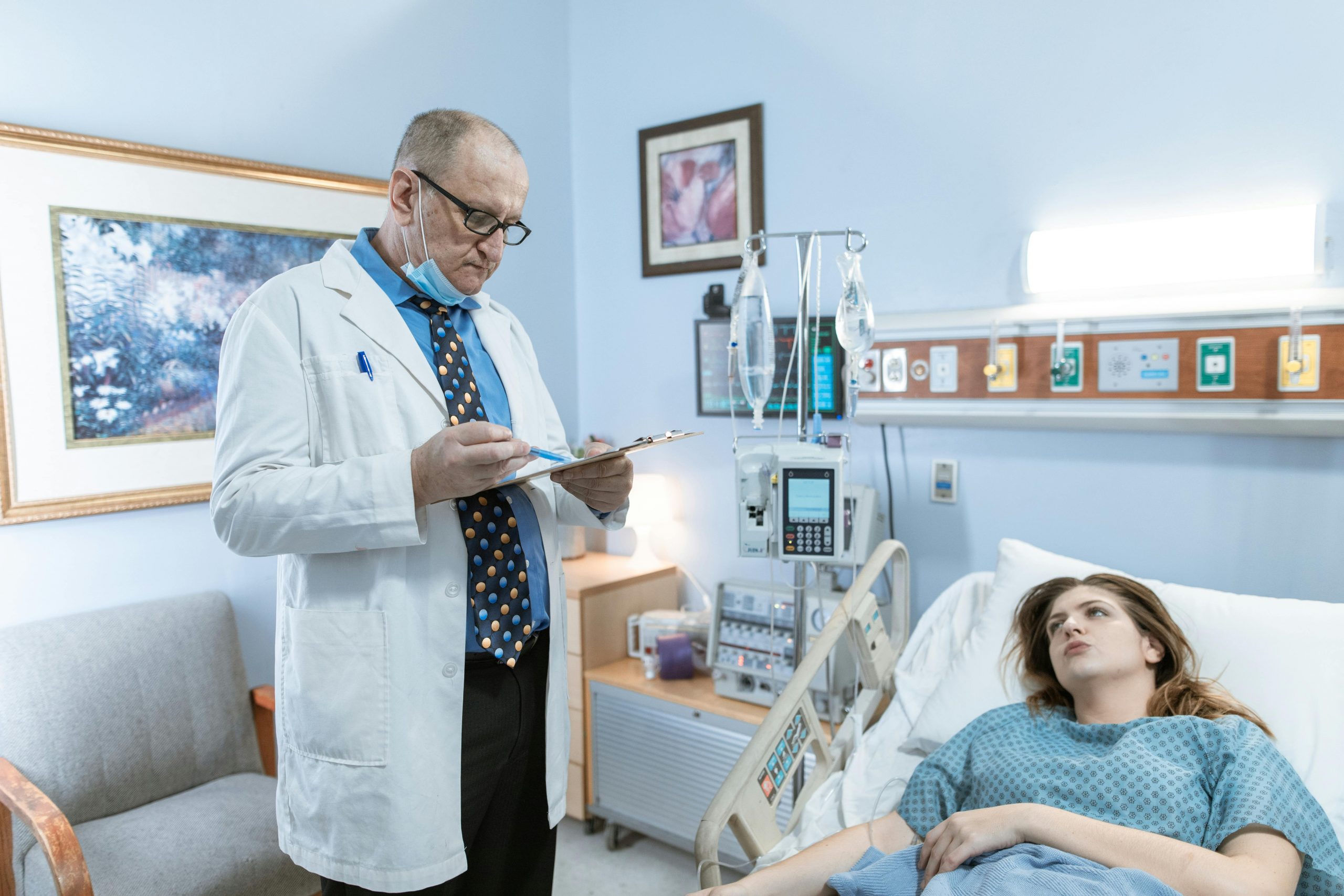
Traveling abroad comes with unique health challenges that require thoughtful preparation. Unlike at home, access to familiar healthcare providers can be limited, and language barriers or unfamiliar medical systems may complicate seemingly simple emergencies. Being ready for the unexpected is crucial to avoid costly, stressful situations, especially when traveling on a budget.
One of the most vital safety nets is travel insurance. Carrying your travel insurance details at all times ensures swift access to coverage when medical issues arise, reducing out-of-pocket expenses dramatically. Equally important is knowing the local emergency numbers and nearest healthcare facilities of your destination. Quick response in emergencies can save both time and money, and sometimes even degrees of health risk.

Throughout this guide, you’ll discover practical, budget-friendly strategies to manage health concerns while abroad. From choosing the right travel insurance plans with comprehensive coverage to preparing a medical kit tailored to your destination, each step helps you stay safe without breaking the bank. Additionally, we’ll cover how to leverage local resources efficiently and when to seek professional medical care, ensuring you’re prepared for common issues like illness, injury, or medication needs.
By understanding these essential tips, you’ll confidently navigate medical emergencies without unnecessary worry or expense. Planning ahead with reliable information and resources means you can focus more on enjoying your trip and less on potential health setbacks.
Prepare Travel Documents and Local Medical Info
Before setting off on your next trip, organizing essential travel documents and local medical information is crucial. Begin by securing your travel insurance documents. Carry the original copies with you and store backup copies separately—either digitally on a secure cloud service or on a different device. This precaution ensures you can access them if your originals are lost or stolen, providing peace of mind during emergencies.
Next, research hospitals and clinics near your accommodation. Reliable sources include official tourism boards, government health websites, and reputable local hospital directories. Listing these contacts in advance helps you quickly find medical assistance if needed, especially in unfamiliar destinations where language barriers may complicate emergencies.
Creating a comprehensive emergency contact list is another essential step. Include family members, your travel insurance provider, local emergency services, and nearest medical facilities. Save this list both digitally on your phone and physically as a printed copy. Keeping multiple formats ensures access even if your mobile device malfunctions or runs out of battery.
Remember to check if your destination experiences seasonal variations in healthcare availability. Many remote or tourist areas can have limited medical services during off-peak seasons or holidays. Confirm operating hours and emergency response capabilities before travel to avoid unexpected difficulties.

Use Language Tools for Medical Communication
Traveling abroad can bring unexpected health challenges, especially when language barriers make medical communication difficult. To navigate these situations smoothly, it’s essential to prepare language tools that help convey critical health information clearly and quickly.
One highly recommended solution is to carry medical translation cards. These compact cards list crucial details such as allergies, chronic conditions, medications, and emergency instructions. Presenting this card at a healthcare facility abroad can save time and ensure proper treatment, even if your spoken language skills are limited.

For real-time translation, several apps and websites specialize in medical terminology and symptom descriptions. Popular tools like Google Translate can be supplemented by dedicated apps such as Medibabble and iTranslate Medical, which offer offline access and tailored medical vocabularies. These apps allow users to translate symptoms, questions, or medication names efficiently, providing clearer exchanges with healthcare professionals.
Preparing a checklist of essential medical phrases beforehand is another practical strategy. This list should include phrases like:
- “I have allergies to…”
- “I am taking this medication.”
- “Where is the nearest pharmacy?”
- “I feel pain here.”
To maximize usefulness, customize these phrases in languages relevant to your destination. For example, travelers heading to Spain might print or save these phrases in Spanish, French travelers in French, or those visiting Japan in Japanese. Having these ready can significantly reduce anxiety during medical appointments.
When communicating with foreign healthcare providers, clarity is crucial. Speak slowly and clearly, avoid slang, and use gestures if needed to supplement verbal descriptions. Show your medical translation card early and read out loud any critical symptoms or medications. If using an app, allow the provider to hear the translated phrases repeatedly if necessary until they confirm understanding.
Combining these tools—medical translation cards, medical phrase checklists, and trusted language apps—makes managing health issues abroad less stressful. Travelers can focus more on enjoying their trip with confidence that they are prepared for possible medical interactions in any language.
Act Quickly If You Get Sick or Injured Abroad
Encountering illness or injury while traveling can be daunting, but knowing the right steps can ease the process significantly. First, immediately inform your accommodation staff or host. They can assist you with local resources, language support, and transportation. Next, if the situation is urgent, call local emergency services—numbers vary by country, so have them noted before you travel.
After stabilizing your condition, visit a pre-identified medical facility. It’s wise to research healthcare centers near your stay in advance or consult resources such as your embassy’s website. Going to an approved clinic or hospital reduces wait times and ensures higher quality care.
Contact Embassies for Essential Assistance
Embassies and consulates aren’t medical providers but offer critical help in emergencies. Contact them if you lose your passport due to hospitalization or need help communicating with medical staff. They can also provide lists of doctors who speak your language, notify family members in serious cases, or assist with repatriation arrangements.
Remember that embassies cannot cover medical bills or pay for treatment, so their support focuses on administrative and logistical aid.
Manage Medical Payments Abroad
Paying for care overseas often requires upfront payment. Many facilities prefer cash in the local currency, so carry a reasonable amount but avoid excessive cash for safety reasons. Credit cards are widely accepted in private hospitals and bigger clinics but always confirm with providers beforehand to avoid surprises.
Travel insurance is your best safeguard. Policies typically reimburse unexpected medical expenses, sometimes including evacuation costs. Verify your coverage before departure to understand limits and exclusions. Some insurers now require digital claim submissions and real-time notifications for faster processing, reflecting recent policy updates geared towards traveler convenience.
With changes in many countries emphasizing faster reimbursement methods, using AirTtkt can help travelers book with confidence, ensuring they have access to reliable insurance recommendations and local support networks.

Manage Prescription Medications and Pharmacy Needs
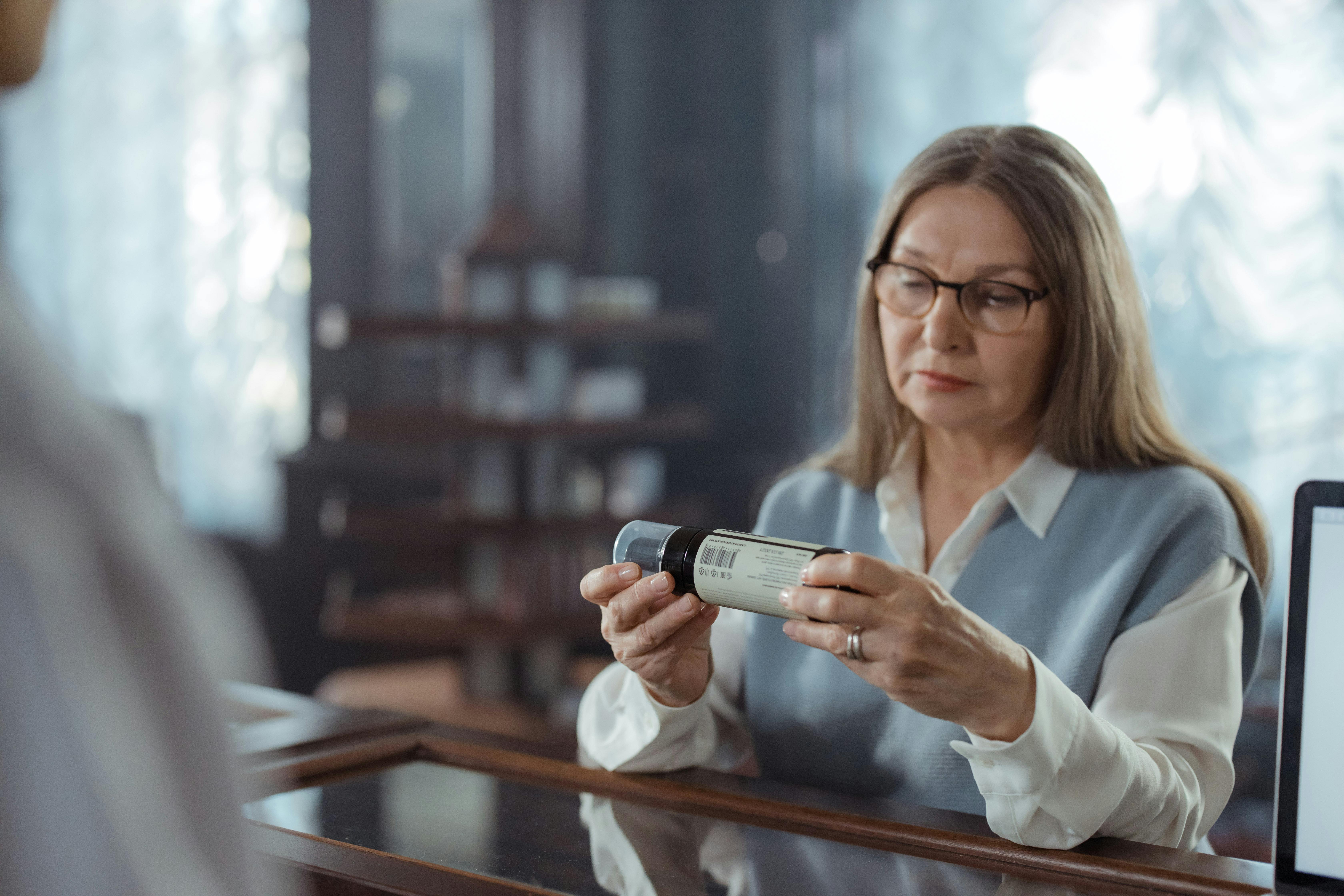
Traveling internationally with prescription medications requires thoughtful preparation to avoid complications. Before you depart, always carry your original prescriptions and make several copies to keep in different bags or with travel companions. This ensures you have proof of your medication’s necessity if questioned by customs or local authorities and eases the process of obtaining refills abroad.
Understanding the generic names of your medications is equally important. Brand names often vary by country, so familiarize yourself with the generic equivalents to communicate effectively with foreign pharmacists. For example, a painkiller known under a certain brand in the US could be sold under a completely different label elsewhere. Research apps or online tools can help identify these equivalents before your trip.
If you lose your medications or run out during your travels, knowing how to secure refills is critical. Start by visiting a local pharmacy and presenting your prescription copies or medical records. In some countries, pharmacists are authorized to provide emergency refills after verifying your condition. In more restrictive regions, you may need to see a local doctor who can write a new prescription. Keep contact details of your home doctor handy, as they might provide electronic prescriptions if requested.
Examples of common restricted medications include narcotic painkillers, some anti-anxiety drugs, and sleeping aids. Before traveling, check the customs regulations of your destination country using official sources or medical travel advisories to ensure compliance. This helps prevent unexpected detention or fines and guarantees a smoother border crossing.
Medical Emergencies Abroad FAQ
Can I use my travel insurance for medical emergencies abroad?
Yes, most travel insurance policies cover medical emergencies overseas, including hospital visits and emergency evacuations. Review your policy details carefully to confirm what’s covered and understand any exclusions or co-pays. Always carry your insurance information with you for quick reference.
What is the best way to find a hospital near my travel accommodation?
To locate nearby hospitals, use smartphone apps like Google Maps or health service locators available in your destination country. Hotel staff can also provide recommendations. Additionally, your travel insurance provider may offer a list of preferred medical facilities.
How should I prepare medical information to manage language barriers while traveling?
Prepare a medical information card in both your native language and the local language, listing allergies, current medications, pre-existing conditions, and emergency contacts. Utilize translation apps or carry a phrasebook that includes key medical phrases to communicate effectively in emergencies.
When should I contact the embassy if I get sick abroad?
Contact your embassy if you encounter serious medical issues, need assistance navigating foreign healthcare systems, or require emergency evacuation. Embassies can also help in case of lost medical documents or if you need emergency medication replacements.
Why is carrying a prescription copy important when traveling internationally?
A prescription copy is vital to verify your medication needs at foreign pharmacies. It helps pharmacists provide the correct medicine and swift refills, avoiding legal complications with controlled substances or unfamiliar drug names abroad.
How do I pay for medical care abroad if I do not have cash?
Many hospitals and clinics accept credit or debit cards internationally, but some may require upfront payment. Inform your bank of your travel dates to avoid card blocks. Also, carrying a travel card or using mobile payment apps accepted locally can be convenient alternatives.
Can I refill prescription medications at foreign pharmacies easily?
Refilling prescriptions abroad varies by country regulations. Some pharmacies require a valid prescription from a local doctor, while others accept foreign prescriptions. Always bring enough medication for your entire trip and consult a healthcare professional before traveling if you anticipate refill needs.
Stay Ready and Confident During Travel
Traveling with peace of mind begins well before you leave home. Key preparation steps include packing a basic medical kit, researching local healthcare options, carrying necessary medications, and securing travel insurance. Staying informed about your destination’s health advisories and emergency contacts also proves invaluable. During your trip, keep your essentials accessible and stay aware of your surroundings while following health protocols.
Above all, maintaining calm and confidence is crucial. Anxiety or fear can cloud judgment and make emergencies feel more overwhelming. Instead, focus on practical readiness: know your plan, keep important documents handy, and familiarize yourself with emergency procedures. A calm mindset empowers quick decision-making and ensures you’re better equipped to handle unexpected situations safely and effectively.
For every stage of your journey, having a reliable travel partner makes all the difference. AirTtkt offers a seamless platform to book affordable flights, hotels, and rental cars—helping you secure the best deals without hassle. Their user-friendly features and 24/7 customer support provide an extra layer of reassurance, so you can plan your trip confidently. Whether booking last-minute or months in advance, AirTtkt’s tools give you control and peace of mind throughout your travel experience.
Staying ready doesn’t mean worrying—it means preparing smartly and trusting your plans. Combine solid medical preparedness with a calm, confident attitude, and let AirTtkt support your travels. This approach ensures safer, smoother trips, empowering you to focus on what matters most: enjoying your journey.