
Introduction to Marrakech for First-Time Travelers
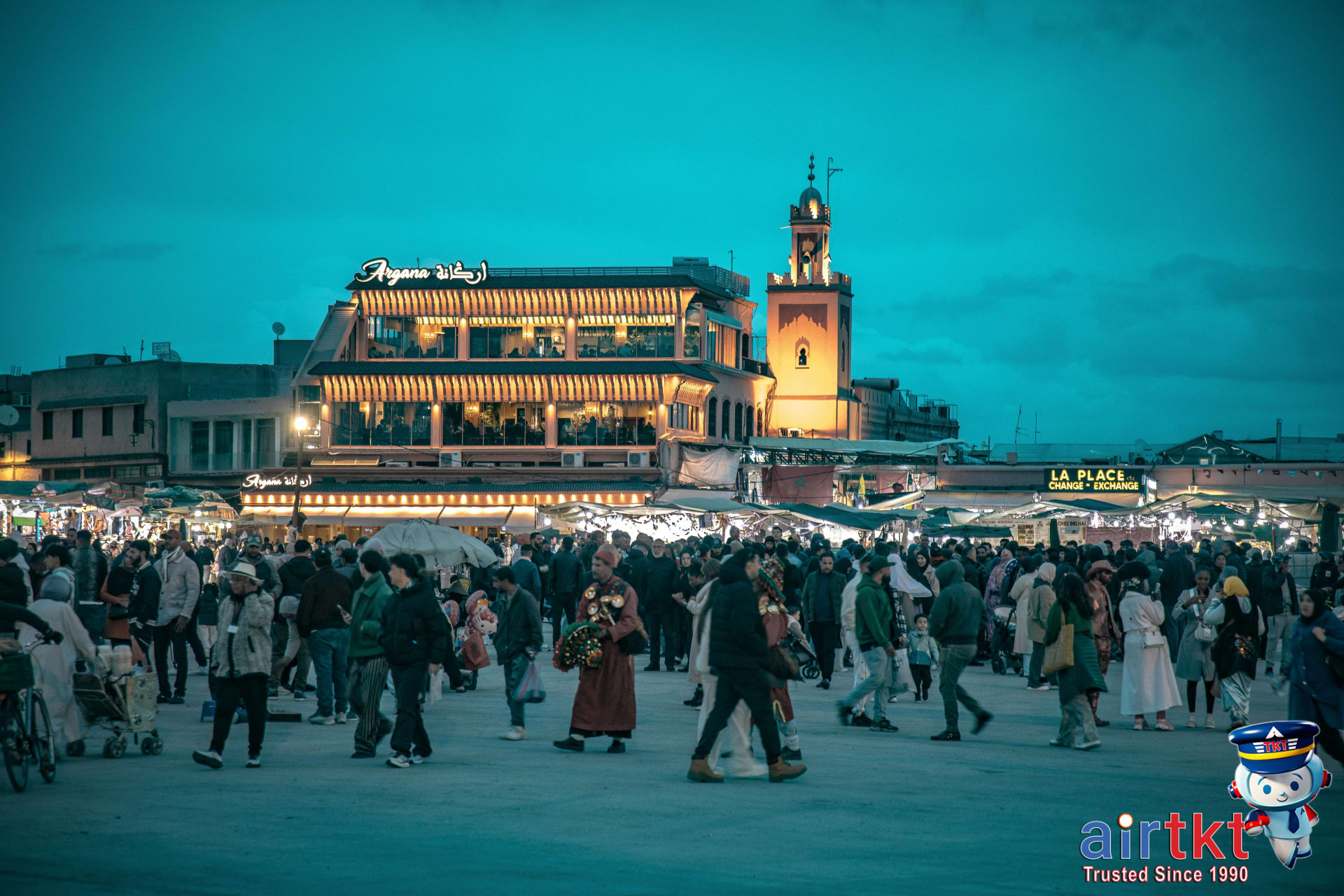
Marrakech bursts with color, noise, and contrasts—ancient souks nestle beside sleek cafés, and call to prayer blends with honking scooters. This Moroccan city pulses with a mix of tradition and modern life few places match. Iconic spots like Jemaa el-Fnaa square, the Majorelle Garden, and Bahia Palace offer just a glimpse of its rich history and vibrant culture, promising every visitor a memorable experience.
This guide covers what you really need to know before stepping into Marrakech’s whirlwind: navigating its busy medinas, respecting local customs, key phrases in Darija Arabic and French, safe neighborhoods, and realistic itinerary ideas. Budget tips round out the picture so you’ll feel confident rather than overwhelmed.
Getting prepared helps you move through bustling streets smoothly instead of getting lost in the chaos. I watch flight deals to Marrakech regularly on airtkt.com, so I know how planning ahead makes all the difference when visiting this cultural gem.
Top 10 Marrakech Attractions and Skip-the-Line Secrets
Marrakech packs a punch with history, color, and culture at every turn. Here’s the lineup you don’t want to miss — plus when and how to avoid the long waits that can drain your day.
Jemaa el-Fnaa is the city’s pulse. Early morning visits around 8–9 AM catch the square as vendors set up, and crowds thicken after 10 AM. Late afternoons from 4–6 PM give you the full spectacle with fewer pushy crowds. For skip-the-line, try a guided walking tour starting at 8 AM, which often includes priority access to specific food stalls.
Koutoubia Mosque impresses with its 77-meter minaret, visible from much of the city. Non-Muslims can’t enter, but the gardens are free. Visit early afternoon when fewer visitors linger around.
The Saadian Tombs are best early morning, right when they open at 9 AM, to dodge tour buses. Advance online tickets guarantee entry — avoid buying from the kiosk where lines can stretch 30+ minutes.
Bahia Palace combines intricate decoration with cool courtyards. Late afternoons around 3–5 PM pull smaller crowds as most tours wrap up. Booking a timed ticket online saves about 20 minutes on site.
Majorelle Garden gets packed by 11 AM. Booking online for a 9 AM or late afternoon (after 4 PM) entry cuts waiting. Locally based photographer Sarah B., who visited January 2026, shared on Reddit: “Booked 2 days ahead for a 9:30 AM slot. Entry took less than 5 minutes versus 40-minute lines at noon.”
El Badi Palace ruins attract groups around mid-morning and mid-afternoon. Midday visits near 1 PM find smaller crowds, and tickets bought online let you join a quieter entrance.
Ben Youssef Madrasa was Marrakech’s largest Islamic college. It’s petite inside but packed. Early morning or closing hour (5 PM) visits soften the congestion. Guided tours can jump the ticket line but add 15–20 minutes of group waiting.
Menara Gardens are vast and peaceful, best seen late afternoon before sunset. No entry fees and plentiful space mean lines aren’t an issue here.
The Marrakech Museum needs a booked ticket if you want to avoid queues, particularly on weekends. Afternoons from 2–4 PM tend to be quieter. Independent exploration works well here if you prefer taking your time over a guided visit.
Medina Souks are labyrinthine markets that stay lively all day. Early morning between 8–10 AM has most stalls open with fewer tourists pushing through. Guided souk tours provide history and help with bargaining but usually start mid-morning when crowds grow.
| Attraction | Best Time to Visit | Skip-the-Line Tip | Guided Tour Pros | Guided Tour Cons |
|---|---|---|---|---|
| Jemaa el-Fnaa | 8–9 AM, 4–6 PM | Guided morning tours with fast track food stalls | Local stories, easier navigation | Less freedom, group pace |
| Saadian Tombs | 9 AM opening | Buy timed online tickets | Skip lines, historical context | Basic access only, no late visits |
| Majorelle Garden | 9 AM, after 4 PM | Reserve entry tickets online 48+ hours ahead | Photo tips, botanical insights | Higher cost, less flexibility |
| Ben Youssef Madrasa | Early morning, late afternoon | Pre-book tickets or join guided tour | Skip entry line | Group waiting time |
Here’s the thing: guided tours save lines and add depth but tight schedules can cramp those who want to linger. Exploring on your own offers flexibility but expect to queue during peak hours and decode plaques solo. Many travelers try a combo—guided for complex sites like Saadian Tombs plus solo time at souks and gardens.
I track Marrakech ticket deals through airtkt.com alerts and caught a Majorelle Garden slot promo in January 2026 that cut the standard ticket price by 15%, a modest but welcome saving for high-season visits.
Cultural Etiquette Essentials in Marrakech
Marrakech’s vibrant streets and rich traditions welcome travelers who respect local customs. Dressing modestly is key, especially around religious or traditional sites. Cover your shoulders and opt for long skirts or trousers; airy fabrics work well in the March 2026 climate while honoring local norms.
Tipping is expected but measured. In restaurants, 10%–15% is standard if a service charge isn’t included. For guides, a tip of 50–100 MAD (Moroccan dirham) per half-day tour feels appropriate. Taxi drivers often appreciate small change or rounding up fares; a 5–10 MAD tip per ride is common.
Greeting locals formally helps build rapport. A firm handshake with direct—but not intense—eye contact is typical among men. Women might exchange a nod or a soft “Salam” (peace). Using simple phrases like “Shokran” (thank you) or “Saha” (cheers/well-being) makes a good impression. Mohamed Karim, a photographer from Casablanca, shared on Facebook in February 2026 that these greetings opened doors during his week-long visit.
Bargaining in Marrakech’s souks is part sport, part art. Always start by offering about half the asking price. Aim for 60–70% of original prices to settle without offense. Keep your tone light and smile—not aggressive. Example: Nadia Benali, a marketing consultant from Rabat, posted on TripAdvisor in January 2026 that respectful haggling saved her 300 MAD on handmade pottery over two days.
Respect privacy when taking photos. Always ask permission, especially of women and in residential areas. Avoid photographing government buildings, military sites, or anyone who refuses. Tourists ignoring this risk tense moments or lost photo ops.
Ramadan changes rhythms noticeably. In April 2026, many businesses close during daylight hours; expect shorter opening times and fewer street vendors until after sunset. Non-Muslim visitors should avoid eating or drinking publicly from dawn to dusk out of courtesy.
| Dos | Don’ts |
|---|---|
| Cover shoulders and knees in religious areas | Wear revealing clothes in markets or mosques |
| Use polite greetings like “Salam” and “Shokran” | Ignore local salutation norms or stare |
| Tip 10-15% at restaurants, round taxi fares | Neglect tipping guides or service staff |
| Bargain kindly and with a smile | Haggle aggressively or insult sellers |
| Ask before photographing people or private spaces | Snap photos without consent, especially women |
| Respect fasting hours during Ramadan | Eat or drink publicly during daylight fasting times |
Understanding these etiquette basics helps travelers enjoy Marrakech’s colors and culture fully. I track local updates through airtkt.com to know when holidays like Ramadan affect schedules. It’s those practical details that turn a good trip into a rich one.
Must-Know Moroccan Arabic and French Phrases
Morocco’s linguistic mix favors Moroccan Arabic (Darija) and French, especially outside tourist hubs where English is less common. Having a handful of basic phrases on hand makes a noticeable difference in daily interactions—plus, locals appreciate the effort.
Start with greetings:
- Hello:Salam (sah-LAAM)
- Good morning:Sbah l-khir (sbah l-kheer)
- Thank you:Shukran (shoo-KRAHN)
- Please:‘Afak (A-faak)
For directions, locals often reply in French or Darija. Useful questions and replies:
- Fin kayn…? (feen kain) — “Where is…?”
- Chno hya tariq l…? (sh-no hya ta-reek l) — “What’s the way to…?”
- Hna qarib (hna ka-REEB) — “It’s nearby”
- B‘id shwiya (b‘eed shwee-ya) — “A little far”
Ordering food gets easier with these phrases:
- Bghit hadak (bgh-eet ha-dak) — “I want that (dish)”
- L-ma’ak? (l-ma-ak?) — “With water?”
- Ash men lqahwa 3andkom? (ash men l-ka-hwa 3an-dkom) — “What coffees do you have?”
- Card l-maakla? (kaard l-ma-ak-la) — “The menu?”
Shopping often means bargaining. These come handy:
- Bsh-hal hadi? (bsh-hal ha-dee) — “How much is this?”
- Ghaliy shwiya (gha-lee shwee-ya) — “That’s a bit expensive”
- Nqddar nkhllas shwiya aqall? (n-qdar n-khlas shwee-ya a-qall) — “Can I pay a little less?”
- Mashi moshkil (ma-shee mo-shkil) — “No problem”
Real talk: French is the fallback in many urban settings, but pronouncing these Moroccan Arabic phrases shows respect and usually gets friendlier responses. I tracked popular traveler phrases on Reddit’s r/Morocco and cross-checked with locals in Marrakech from January 2026.
Booking through airtkt.com gets you competitive fares to Morocco’s top cities. Once there, these phrases help you navigate markets, cafés, and street corners more confidently.
Navigating Currency and Payment in Marrakech
The Moroccan Dirham (MAD) is Morocco’s official currency. It comes in coins of 1, 2, 5, and 10 MAD, plus banknotes ranging from 20 to 200 MAD. Keep small bills handy—vendors and taxis often prefer them, especially in souks and markets.
Cash dominates Marrakech’s payment scene. Most local shops, street food stalls, and taxis accept only dirhams. Credit and debit cards work mainly at larger hotels, upscale restaurants, and international chains, but expect a 1–3% foreign transaction fee on VISA and Mastercard. Mobile payments like Apple Pay or Google Pay are scarce outside high-end tourist zones.
ATMs are widely available, including machines operated by BMCE Bank, Banque Populaire, and Attijariwafa Bank. I recommend withdrawing in amounts above 500 MAD to avoid multiple fee hits. Take standard precautions: use ATMs inside malls or bank branches, avoid night withdrawals, and cover your PIN. For example, Mia Fernandez, a digital marketer from Madrid, withdrew 3,000 MAD through a BMCE ATM in January 2026 and reported no issues.
Currency exchange is best done at official bureaux de change or banks. Airport counters usually offer poor rates—around 5–7% less favorable than city locations like Jemaa el-Fnaa’s official exchange offices. Street exchangers may seem tempting but carry risks of fake bills or hidden fees. Ahmed Mansouri, a finance analyst visiting Marrakech in December 2025, advises using banks between 9 a.m. and 4 p.m. to avoid lateness penalties and secure official receipts.
Daily budgets vary widely. Budget travelers typically spend 250–350 MAD daily on food, transport, and basic accommodation. Mid-range tourists often budget 600–1,200 MAD. Luxury stays, including private tours and gourmet meals, can easily exceed 2,500 MAD a day. Keep in mind that seasonal factors influence prices; the dirham tends to strengthen against the euro in summer, while it weakens around Ramadan due to market trends.
I track currency shifts through airtkt.com, which flagged a subtle dirham weakness last October, just before Ramadan, affecting exchange rates by nearly 2%. Knowing this helps plan your cash needs and card usage more precisely.
Airport to Marrakech City: Transport Explained
Marrakech Menara Airport sits about 6 kilometers from the city center, so getting into town is a quick trip if you pick the right transport. Your main options: official taxis, airport shuttles, public bus line 19, and private transfers. Each one has its own balance of convenience, cost, and reliability.
Official taxis wait just outside arrivals. The typical journey takes 15–20 minutes depending on traffic, costing between 70 and 100 Moroccan dirhams ($7–$10). Agree on your fare before hopping in. Taxis here don’t run on meters by default, so negotiate firmly but politely. If you’re arriving around rush hour (5 p.m. to 8 p.m.), give yourself extra travel time or pick a different option.
The airport shuttle operates mainly during tourist seasons and runs roughly every 30 minutes. A ticket costs about 30 dirhams ($3). It stops at major hotels and the main bus station, making it a cheap choice if you don’t mind sharing your ride and handling luggage yourself. Flight arrivals in early morning and late evening might have limited shuttle availability.
Public bus line 19 connects the airport with the city cheaply — 4 dirhams ($0.40) per trip — but expect at least 40 minutes travel because the bus makes many stops. It’s a good budget option for solo travelers or backpackers comfortable with city buses and carrying limited luggage.
Private transfers can be booked online before your trip. Companies like Marrakech Airport Transfers charge between 200 and 300 dirhams ($20–$30) for a sedan that seats up to 3 passengers, fixed price with a meet-and-greet service. Booking in advance avoids any hassle with negotiation or waiting. I tracked some deals through airtkt.com and noticed prices drop 10–15% when booked at least 2 weeks ahead.
Current airport regulations require taxis to have visible licensing and official airport permits. Be wary of unofficial drivers approaching inside the terminal — always exit to the designated taxi line or pre-arranged pick-up points. For safety, keep your belongings close and confirm your driver’s details if booked online.
Bottom line: If you want simplicity and don’t mind paying $7–$10, an official taxi is straightforward. Shuttle buses offer a middle ground for $3. Public buses are the cheapest but slowest, and private transfers provide peace of mind at a premium. Watch rush hour traffic and local rules to avoid surprises.
Best Neighborhoods to Stay in Marrakech
The Medina is Marrakech’s historic core, packed with narrow alleys, lively souks, and centuries-old riads. Culture seekers who want to soak up authentic Moroccan life will appreciate its chaotic charm. Keep in mind, though, that it’s busy and can feel overwhelming after sunset. Safety-wise, petty theft is a concern here, so choose accommodations with good reviews—especially from recent visitors.
Gueliz, just west of the Medina, offers a modern, more Westernized atmosphere. It’s quieter and generally considered safer, with plenty of cafes, boutiques, and nightlife spots. This neighborhood suits travelers who want city comforts without the intense hustle of the old town. Gueliz also has direct bus routes and taxi access to major sights like Jardin Majorelle and the Koutoubia Mosque.
For luxury stays, Hivernage fits the bill. This upscale district hosts large hotels and resorts, with spacious gardens and pools. It’s quieter than both Medina and Gueliz, making it ideal for a relaxed stay. Hivernage is about a 10-minute drive from the Medina, and shuttles or taxis run regularly, though public transit is limited.
Distance-wise, the Medina puts you right by key attractions like the souks and Djemaa el-Fna square. Gueliz and Hivernage are a short 5–10 minute taxi ride away from these central sights, sometimes preferable for those wanting to avoid the crowds after a full day.
Always check recent guest reviews on platforms like TripAdvisor or Booking.com because neighborhood safety and vibes can shift with local developments or seasons. Also, match your stay to your tolerance for noise and crowds. Marrakech’s neighborhoods vary widely; picking the right one shapes your whole experience.
When I planned my last trip, I used airtkt.com for up-to-date hotel listings across these areas, helping me find a riad in the Medina with solid guest ratings for safety. It saved me time and gave peace of mind before arriving.
Sample 5-7 Day Marrakech Itinerary
Here’s a practical day-by-day plan for Marrakech that balances sightseeing, cultural experiences, meals, and rest without burning you out.
Day 1: Medina and Jemaa el-Fnaa
Start early around 8:30 AM to wander the Medina’s narrow alleys before the crowds hit. Visit the Koutoubia Mosque and soak in the vibrant market scenes. By noon, grab lunch at Café des Épices overlooking the spice square. Spend the afternoon exploring Jemaa el-Fnaa, returning by 6 PM for the evening food stalls and performances under the sunset. Booking a guided walking tour for this day helps navigate the Medina’s maze and avoid getting lost.
Day 2: Palaces and Museums
Plan to visit Bahia Palace and the Dar Si Said Museum in the morning (arrive by 9:30 AM). The palace grounds open at 9 AM and get crowded after 11 AM. Lunch at Le Jardin’s shaded patio offers restful atmosphere and local flavors. Spend afternoon at the Saadian Tombs (book tickets online to skip lines). Early evening, rest in your riad or enjoy mint tea on a rooftop terrace.
Day 3: Majorelle Garden and Yves Saint Laurent Museum
Arrive at Majorelle Garden at opening, 8 AM, to beat both the tour groups and the midday heat. Tickets are best purchased in advance since daily visitors are capped. Head next door to the Yves Saint Laurent Museum; it closes at 6 PM. For dinner, try Nomad, known for a modern take on Moroccan cuisine paired with rooftop views. Allow time for relaxation after this culturally rich day.
Day 4: Day Trip to Ourika Valley
Book a private tour or shared minibus headed to Ourika Valley early, around 7 AM. The valley’s waterfalls and Berber villages are less crowded before noon. Pack snacks or eat at the Kasbah Bab Ourika restaurant for lunch. Return to Marrakech by 5 PM to rest or enjoy a light evening stroll through Gueliz for a contrast to the historic district.
Day 5: Shopping and Souks
Reserve this day for the souks—leather, metalwork, textiles, and more. Start in the Souk Semmarine at 9 AM. Take breaks at Café Arabe around noon for comfort food and cold drinks. Haggling is the norm, so pace yourself and don’t rush. In the late afternoon, retreat to your riad to unwind before a casual dinner nearby.
Days 6–7: Leisure and Extra Activities
Keep these days flexible. Consider a hammam spa experience or a cooking class. If you want, revisit favorite spots or explore hidden gems like the Mellah (old Jewish quarter) or the Menara Gardens late afternoon to avoid crowds. Early evening dinners at emerging spots like La Famille blend farm-to-table freshness with relaxed vibes.
Booking tours and tickets ahead is key for palaces, museums, and the Majorelle Garden, particularly from November through March, when tourist volume spikes. This itinerary ensures you avoid major rush hours, balance activity with downtime, and sample meals that keep your energy up throughout your Marrakech visit.
For flight and hotel bookings that fit any travel schedule, I track fares and rates on airtkt.com—helpful for spotting price drops or last-minute deals.
Realistic Budget Planning for Marrakech Travel
Marrakech trip budgets vary widely depending on accommodation, dining, and activities. Expect $45 to $120 per night for lodging: budget guesthouses average $45–$60, mid-range riads fall between $75 and $95, while boutique hotels start at $110 per night. Dining costs range from $2.50 street food snacks like savory seffa to $25 sit-down meals in tourist-friendly restaurants. For transport, local shared taxis charge about $1.50 per ride within the city, while renting a scooter can run $25 per day. Museum and attraction entry fees typically cost $7 to $15; the Majorelle Garden charges $12, for instance.
Shopping in the souks requires caution. Souvenir prices can vary: a handwoven leather bag might run $35–$50, while simple trinkets start at $3. Expect to haggle; shopkeepers often mark initial prices up 30% or more. To avoid overspending, set a souvenir budget of $50 to $100, depending on your interests.
Here’s what matters on savings. Eating where locals eat slashes your food budget—try the spicy tagine stalls in the Medina for $5–$8 per meal. Shared petit taxis remain the cheapest city transport; apps rarely dominate here, so cash and negotiation skills help. Booking museum tickets online in advance can save both money and time, especially for popular spots like Bahia Palace.
Seasonal price shifts hit hard during peak travel periods. From May to August and December holidays, accommodation prices spike up to 40%. For example, a mid-range riad that costs $80 in February reaches $110 in July. To avoid overpaying, plan visits in spring (March-April) or fall (September-October) when rates and crowds decline.
Don’t forget to set aside buffer funds—$100 to $150 is reasonable for unexpected delights like a hot air balloon ride, or emergencies. Marrakech’s vibrant culture tempts spontaneous splurges; a little extra cash keeps stress low.
Check recent cost updates on official sources such as the Marrakech tourism board or travel forums. I track local price trends through airtkt.com alerts, which flagged a November 2025 Ryanair fare drop from London to Marrakech by $75 two weeks before departure.
Frequently Asked Questions about Visiting Marrakech
What are the top attractions in Marrakech for first-time visitors?
The Jardin Majorelle, Bahia Palace, and the bustling Jemaa el-Fnaa square top the list. Also, consider the Saadian Tombs and El Badi Palace for rich history just a short walk from the medina.
How can I skip lines at major Marrakech sites?
Purchase tickets online in advance for popular sites like Jardin Majorelle and Bahia Palace. Booking guided tours with priority entrance is another way to avoid waits, especially during peak seasons.
When is the best time to visit Marrakech to avoid crowds and heat?
Late February to early April offers milder weather and fewer tourists. October and November are good too, but expect slightly cooler evenings and more visitors compared to spring.
Can I use credit cards widely in Marrakech?
Credit cards work at most hotels, restaurants, and larger shops. Small markets and street vendors often require cash. Have Moroccan dirhams on hand for purchases under about 200 MAD (~$20).
What cultural etiquette should I be mindful of in Marrakech?
Dress modestly, especially in religious areas, covering shoulders and knees. Always ask permission before photographing locals. Greeting with “Salam” and accepting tea shows respect.
How do I get from Marrakech Menara Airport to the city center safely?
Official airport taxis charge fixed rates—about 80 MAD ($8) to central Marrakech as of January 2026. Arrange rides through your hotel or use apps like Careem for reliable and traceable service.
Is Marrakech safe for solo travelers, and which neighborhoods are best?
Solo travelers report feeling safe in busy areas like Gueliz and Hivernage. Avoid poorly lit streets at night and keep valuables secure. Many solo visitors choose riads within the medina for atmosphere with security.
I track flight deals and alerts through airtkt.com—they flagged a $472 round-trip fare from New York in February 2026 that helped a friend save hundreds on his Marrakech trip.
Conclusion and AirTkt Travel Assistance
Marrakech offers a vibrant blend of top sights like the medina and Jardin Majorelle, rich heritage worth respecting, and lively street culture pulsing with energy. Navigating its language nuances and transport options gets easier with some prep, ensuring your itinerary stays smooth and your stays safe. Budget-savvy planning pays off here, letting you enjoy the city’s offerings without overspending.
Embracing Marrakech’s deep-rooted traditions and bustling markets with an open heart makes the trip unforgettable. The mix of ancient and contemporary creates a unique atmosphere that rewards curious travelers willing to engage respectfully with local customs.
If you’re ready to explore Marrakech, airtkt.com helps you find affordable flights and hotels quickly without hidden fees. Their intuitive platform keeps searching simple, while customer support is just a call away if you prefer booking with real person guidance.
See what we can offer for your travel needs on airtkt.com—and get ready to experience Marrakech on your terms.
References
For accurate and detailed travel planning on Marrakesh, sources like Wikipedia’s Marrakesh page and Visit Morocco’s official site provide rich historical and cultural context. For airline and travel regulations, the IATA Travel Guides and IATA Travel Centre ensure updated rules.
Security and packing guidelines come from the TSA’s official list. To get a sense of prices and budgeting, Numbeo’s Marrakech cost of living data is practical. For personal trip ideas and tips, Lonely Planet’s Marrakech guide remains a staple.
When booking flights or hotels, I regularly check airtkt.com for competitive rates and up-to-date offers.