

Discover Tranquil Rural Japan
When most travelers think of Japan, their minds quickly jump to the neon-lit streets of Tokyo or the historic temples of Kyoto. These bustling urban centers are undeniably captivating, but Japan’s true serenity often lies beyond city limits. The rural countryside offers a refreshing escape filled with peaceful landscapes, slower-paced lifestyles, and deeply authentic cultural experiences that urban spots simply can’t match.
Unlike the crowded subways and busy shopping districts, rural Japan invites you to unwind amid rolling mountains, pristine forests, and traditional villages. Here, time seems to slow down, allowing you to connect meaningfully with local customs and natural beauty. Whether it’s staying in a centuries-old farmhouse, participating in ancient festivals, or hiking through lush national parks, the countryside reveals a side of Japan that is both timeless and tranquil.
This article highlights some of the most captivating off-the-beaten-path destinations that showcase Japan’s rural charm. Among these are Shirakawa-go, known for its iconic thatched-roof houses; Koya-san, a spiritual mountain retreat studded with temples; and Yakushima, a UNESCO World Heritage island boasting ancient cedar forests. Takayama offers a glimpse into Edo-period architecture and vibrant markets, while Naoshima stands out as an art haven blending nature with contemporary installations. Finally, the vast national parks of Hokkaido reveal captivating wilderness ideal for outdoor enthusiasts.
Traveling to these remote gems does present its challenges. Public transit options can be sparse, and journeys often require multiple train or bus connections. However, proactive planning and leveraging resources like AirTtkt make accessing these destinations far easier. Booking flights to regional airports and coordinating ground transportation in advance ensures a smooth, affordable journey. With the right approach, you’ll enjoy the reward of stepping into less-explored areas rich with culture and natural splendor.
Explore Shirakawa-go’s Historic Thatched Roof Village
Shirakawa-go, designated as a UNESCO World Heritage Site in 1995, offers an exceptional glimpse into Japan’s rural past. Nestled in the remote mountains of Gifu Prefecture, this village is celebrated for its unique gassho-zukuri houses, which translates to “constructed like hands in prayer.” These steeply pitched thatched roofs were ingeniously designed to withstand heavy snowfall, reflecting centuries of adaptation to a challenging climate and preserving traditional agricultural lifestyles.
These historic houses, some over 250 years old, showcase a rare architectural style with thick, layered reeds bound tightly to form roofs resembling hands pressed together in prayer. Locals have maintained these homes with meticulous care to preserve cultural heritage. The village’s preservation efforts not only save the structures but also sustain the traditional way of life through farming, crafts, and festivals, creating a living museum of Japan’s Edo period rural community.
Shirakawa-go’s charm transforms vividly across seasons. In winter, snow blankets the village, and visitors can enjoy serene snowy landscapes, traditional winter festivals, and the warm glow of lantern-lit streets. Spring brings vibrant cherry blossoms, making the village a scenic spot for hanami viewing. Summer offers lush greenery surrounding rice paddies, while autumn dazzles with colorful foliage, creating perfect photo opportunities. The ideal times to visit are either late autumn or winter for those drawn to striking seasonal contrasts and cultural festivities.
Getting to Shirakawa-go is straightforward with well-connected transportation options. From Nagoya, travelers can take a direct bus that typically takes around 2.5 hours, providing a scenic route through the countryside. From Takayama, a closer city known for its own historic district, buses run regularly and take roughly an hour. Train travel is possible to Takayama Station, followed by a bus ride. Booking bus tickets in advance, especially during peak travel seasons, is recommended for convenience. AirTtkt can help you find affordable flights to Nagoya and provide guidance for onward travel arrangements.
For lodging, Shirakawa-go offers various traditional minshuku (guesthouses) that provide an authentic cultural experience and often include homemade local cuisine. Staying in a minshuku allows travelers to immerse themselves in village life while enjoying warm hospitality. Additionally, guided walking tours are popular and provide rich insights into the history, architecture, and folklore of the area. These tours often highlight secret viewpoints and nearby attractions, enriching your overall visit.
Experience Spirituality at Mount Koya Monastery
Mount Koya (Koyasan) stands as a revered center of Shingon Buddhism, founded over 1,200 years ago by the monk Kobo Daishi. This sacred mountain in Wakayama Prefecture has been a pilgrimage destination and spiritual retreat, preserving ancient Buddhist traditions and architecture. Its tranquil setting and deep religious significance make it an extraordinary place for travelers seeking cultural enrichment and spiritual reflection.
Among Mount Koya’s most iconic sites is Kongobu-ji Temple, the headquarters of Shingon Buddhism. Known for its elegant rock gardens and intricate sliding door paintings, Kongobu-ji offers visitors a glimpse into traditional Japanese artistry fused with spiritual devotion. Nearby, the Danjo Garan complex features striking pagodas and halls where monks conduct rituals, symbolizing the heart of the monastic community.
Equally moving is Okunoin Cemetery, Japan’s largest cemetery and resting place of Kobo Daishi himself. Wander beneath towering cedar trees along the lantern-lined path, where thousands come to pay their respects and find solace amid centuries-old memorials. The spiritual atmosphere here is palpable, evoking a profound sense of peace and reverence.
To fully immerse yourself in Mount Koya’s spirituality, consider staying overnight in a shukubo—a traditional temple lodging. This unique experience lets travelers participate in morning prayers, enjoy vegan Buddhist vegetarian cuisine (shojin ryori), and witness the ritualistic lifestyle of resident monks. It offers a rare opportunity to slow down and engage deeply with Japan’s sacred heritage in a serene environment.
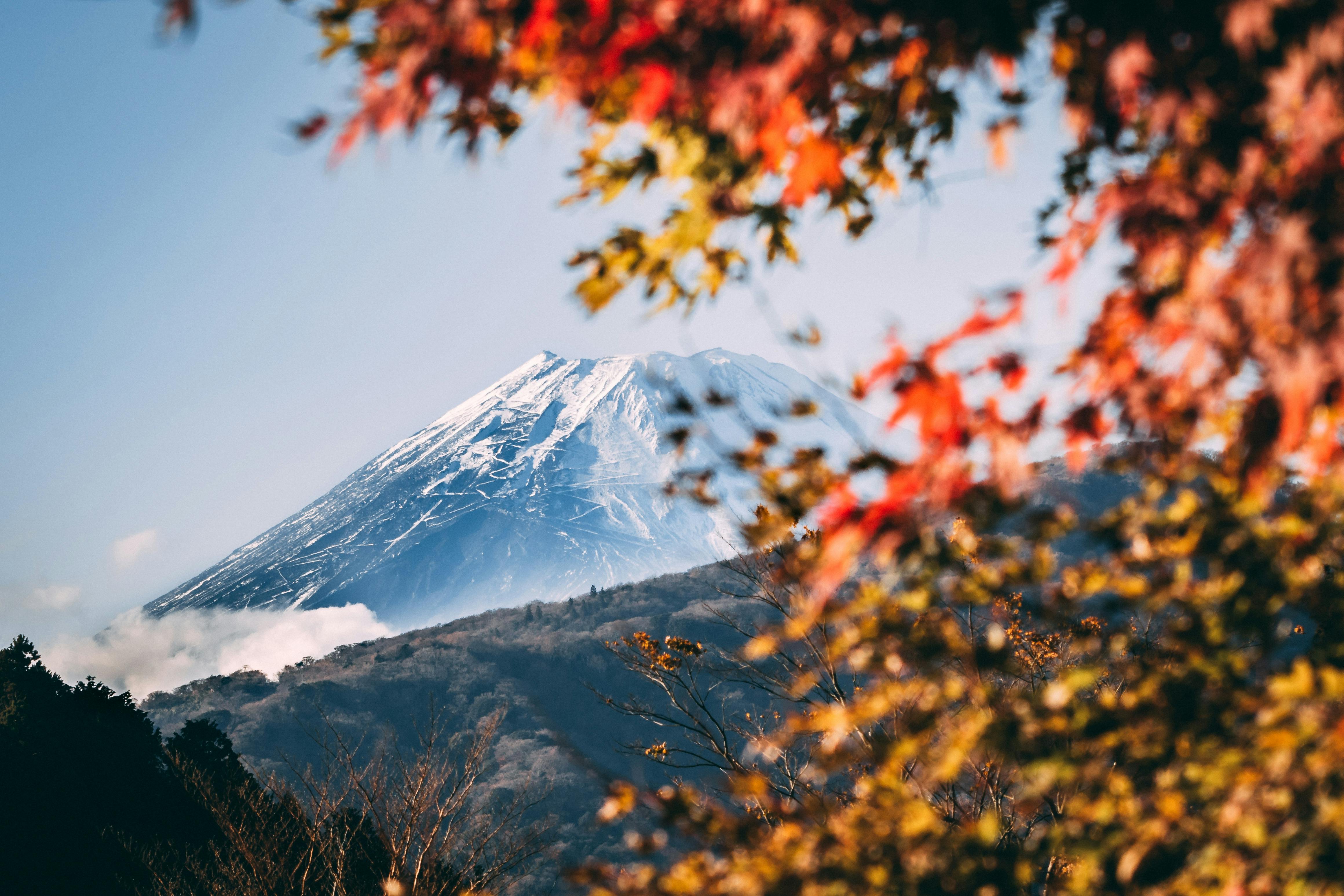
Getting to Mount Koya is convenient with the Nankai Electric Railway, which connects travelers from Osaka’s Namba Station directly to Gokurakubashi Station at the mountain’s base. From there, a scenic cable car ride ascends steep forested slopes to Koyasan Station, setting the tone for a serene escape. This accessible route makes it easy for budget-conscious travelers to enjoy a meaningful journey without hassle.
The ambiance of Mount Koya is unlike any other—serene, contemplative, and steeped in tradition. Staying overnight in a temple lodging fosters cultural understanding and spiritual growth, allowing visitors to disconnect from daily distractions. Whether wandering peaceful grounds or participating in rituals, travelers leave with a lasting impression of calm and inward reflection.
Discover Yakushima’s Ancient Cedar Forests
Yakushima, a lush island in southern Japan, is renowned for its enchanting ancient cedar forests, designated as a UNESCO World Heritage site. These iconic cryptomeria trees, some over 1,000 years old, form a dense, mystical landscape that has inspired countless visitors and nature lovers. The island’s unique ecosystem supports an incredible variety of flora and fauna, making it a captivating destination for eco-tourism.
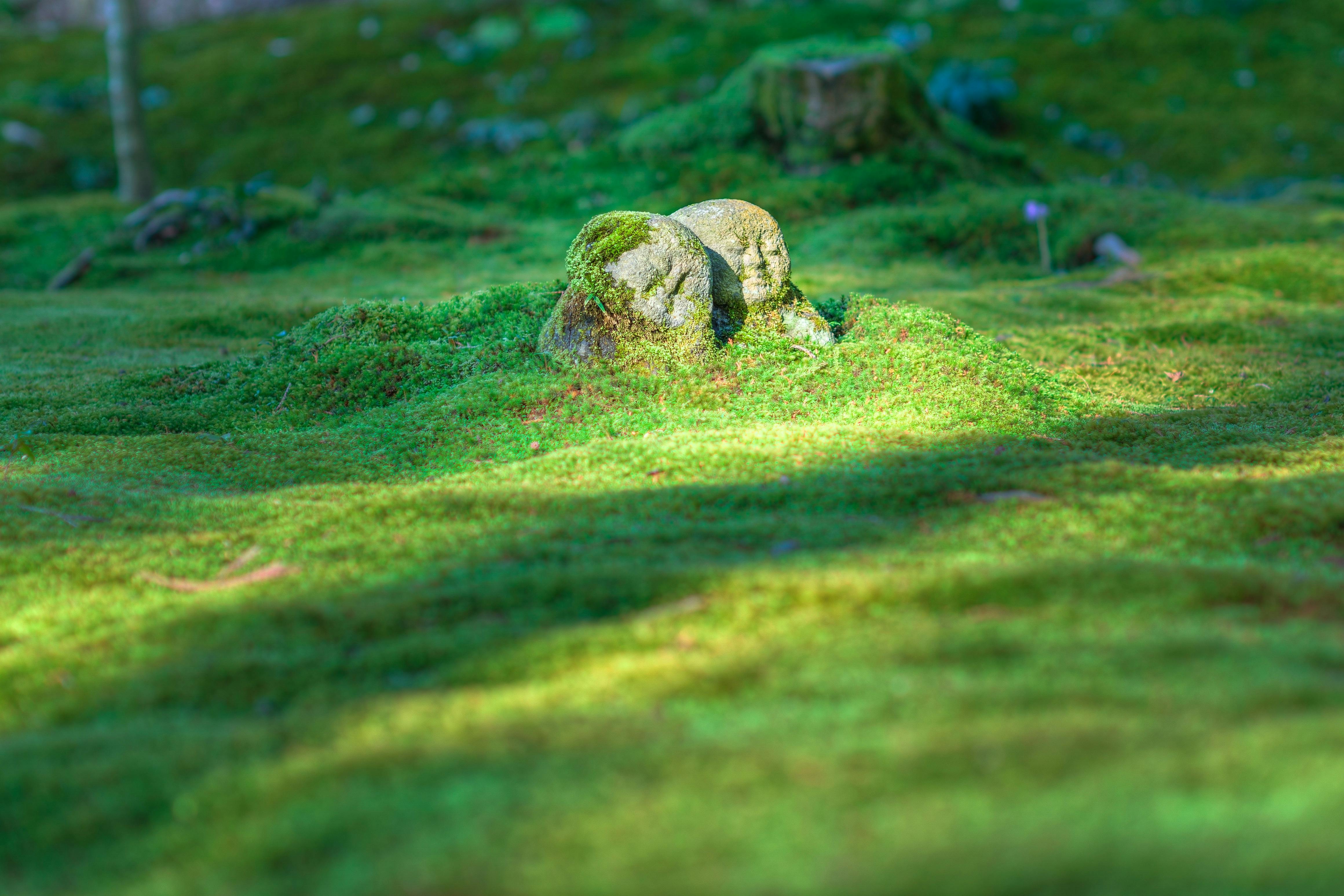
Outdoor enthusiasts will find a wealth of activities amid Yakushima’s verdant wilderness. Self-guided or guided hiking trails like the famous Shiratani Unsuikyo Ravine offer breathtaking views and opportunities to spot rare wildlife such as Yakushima macaques and deer. The island’s eco-friendly tourism emphasizes preservation, so visitors are encouraged to follow marked paths and respect the fragile environment.
Planning your visit carefully is essential to make the most of Yakushima’s natural beauty. The best seasons to explore the cedar forests are spring and autumn, when temperatures are mild and rainfall is lower. Summers can be hot and humid, while winters bring heavy rains and occasional snow at higher elevations, which can make trails slippery. Bringing appropriate gear and checking weather forecasts will ensure a safe and enjoyable adventure.
Accessing Yakushima is convenient thanks to two main transportation options. The fastest way is to fly into Yakushima Airport, which connects with major Japanese cities such as Kagoshima and Fukuoka. For travelers who prefer a scenic approach, regular ferry services from Kagoshima Port offer an alternative way to reach the island while enjoying coastal views. Both options provide easy access to local buses and taxis for onward travel to trailheads and accommodations.
Booking your travel arrangements early can save money, especially during peak seasons. For competitive airfare and hassle-free bookings to Yakushima, use AirTtkt, which offers real-time fare comparisons and exclusive discounts tailored for budget-conscious travelers.
Explore Takayama’s Historic Japanese Alps Town
Nestled in the heart of the Japanese Alps, AirTtkt invites you to discover Takayama’s enchanting blend of history, culture, and natural beauty. Known for its beautifully preserved Edo-period streets, Takayama offers visitors a rare chance to stroll through centuries-old wooden merchant homes, traditional shops, and sake breweries that evoke the spirit of old Japan. The Takayama Spring and Autumn Festivals are among the country’s most celebrated events, featuring ornate floats and vibrant local performances that leave travelers in awe every year.
Beyond its charming townscape, Takayama is a gateway to stunning mountain scenery. Explore nearby peaks and serene forests perfect for hiking, especially as the seasons paint the landscape with vivid reds and golds in autumn or fresh blooms in spring. For those seeking relaxation, the accessible onsen (hot springs) around Takayama offer warm, soothing waters where you can unwind after a day of exploring.
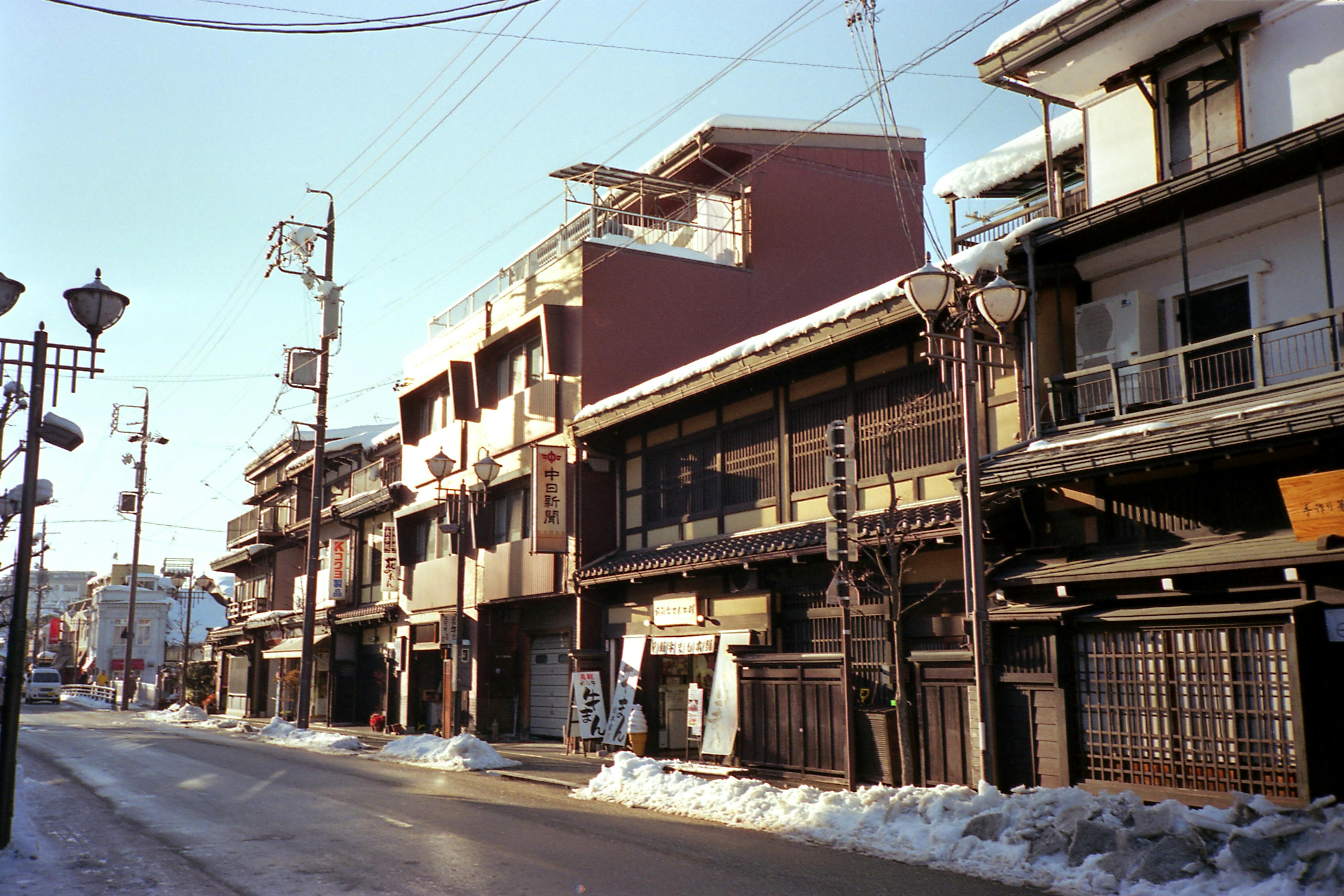
Getting to Takayama is convenient whether you’re traveling from Nagoya or Tokyo. From Nagoya, the JR Takayama Line runs direct trains to Takayama Station in about 2.5 hours. If you’re coming from Tokyo, take the Shinkansen to Nagoya followed by the JR Takayama Line, or opt for highway buses that offer a scenic 5 to 6-hour journey. Booking tickets early through AirTtkt can help secure better rates and preferred travel times.
When it comes to lodging, Takayama offers a blend of traditional ryokans and modern hotels tailored to all budgets. Ryokans provide a quintessential Japanese experience complete with tatami mats, futons, and kaiseki meals, while guesthouses cater well to budget travelers with cozy rooms and communal spaces. Popular options near the old town allow easy access to all the main attractions within walking distance.
No visit to Takayama is complete without savoring the region’s unique culinary delights. Try the famous Hida beef—a tender, marbled wagyu that elevates Japanese cuisine to new heights. Local markets also feature fresh seasonal vegetables, mountain vegetables known as “sansai,” and traditional sweets like Mitarashi dango, skewered rice dumplings glazed with sweet soy sauce.
Visit Naoshima Island’s Contemporary Art Scene
Naoshima Island stands out as a premier destination for lovers of contemporary art, seamlessly blending natural beauty with innovative creativity. Renowned for iconic art venues like the Chichu Art Museum and Benesse House, Naoshima offers an immersive cultural experience. The Chichu Art Museum, designed by architect Tadao Ando, houses masterpieces by artists such as Claude Monet and Walter De Maria, with much of its collection underground to harmonize with the landscape. Meanwhile, Benesse House doubles as a modern art museum and hotel, allowing visitors to stay surrounded by striking works from international artists.
The island’s open-air atmosphere is enhanced by numerous public art installations and sculptures scattered throughout its scenic environment. Outdoor pieces by famed artists like Yayoi Kusama and James Turrell create a dynamic dialogue between art and nature, making each stroll a gallery walk. These installations range from colorful pumpkin sculptures to immersive light experiences, captivating visitors with their unique interplay of form and surroundings.
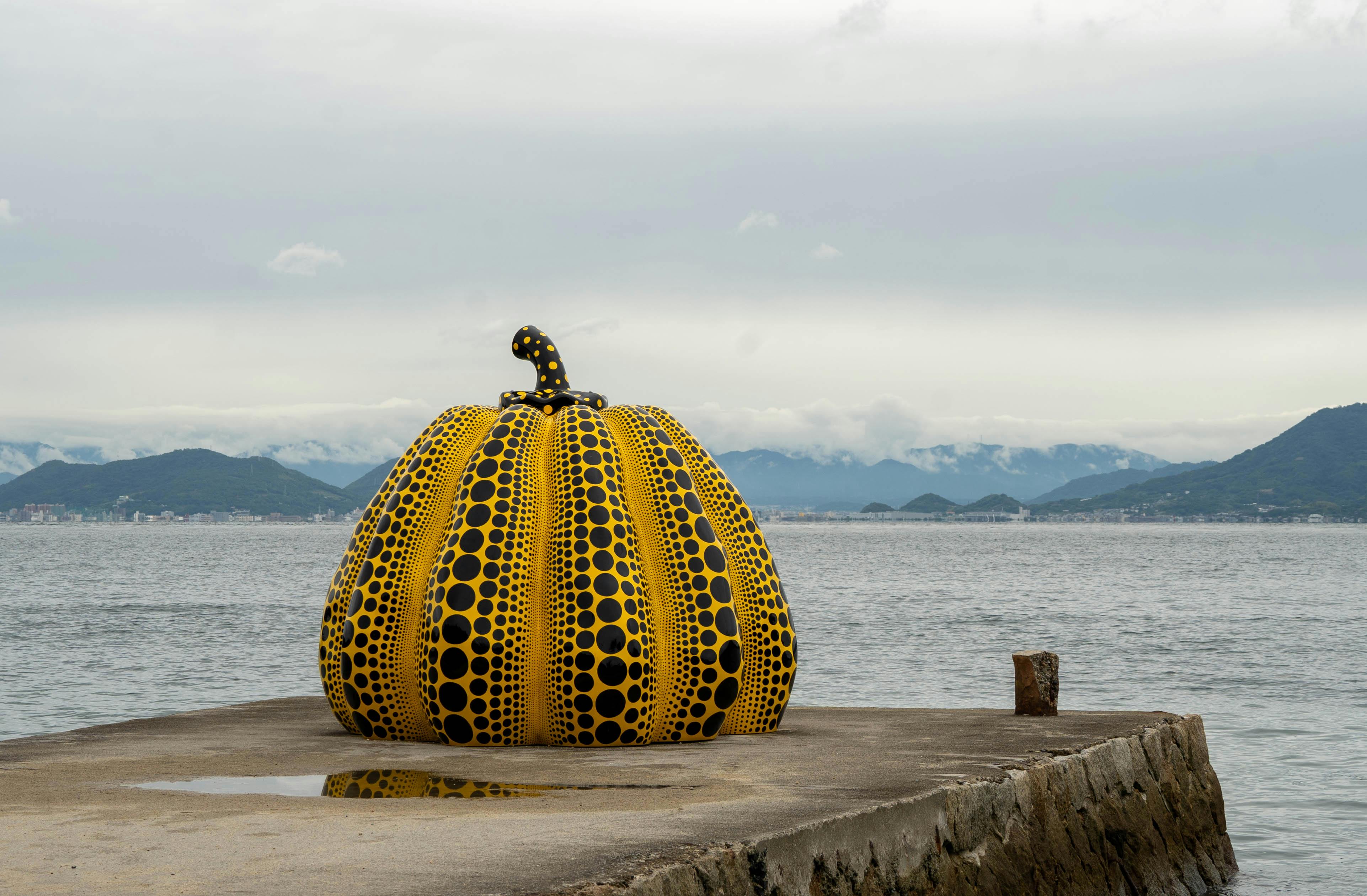
Access to Naoshima is straightforward, with frequent ferries connecting the island to Uno Port on Honshu’s mainland. The ferry ride takes approximately 20 minutes and offers scenic views of the Seto Inland Sea. Travelers can reach Uno Port easily via train from Okayama City, making a day trip or overnight stay convenient. Once on Naoshima, local bus services and rental bicycles provide efficient ways to explore the island’s artistic sites and hidden gems.
For those intending to extend their visit, combining art exploration with the island’s warm hospitality adds to the appeal. AirTtkt recommends checking accommodation options at Benesse House or local guesthouses to enjoy authentic cuisine and relaxing atmospheres after busy days of museum hopping. Staying overnight also allows visitors to experience evening art events and tranquil sunsets unique to Naoshima.
Experience Wilderness in Hokkaido’s National Parks
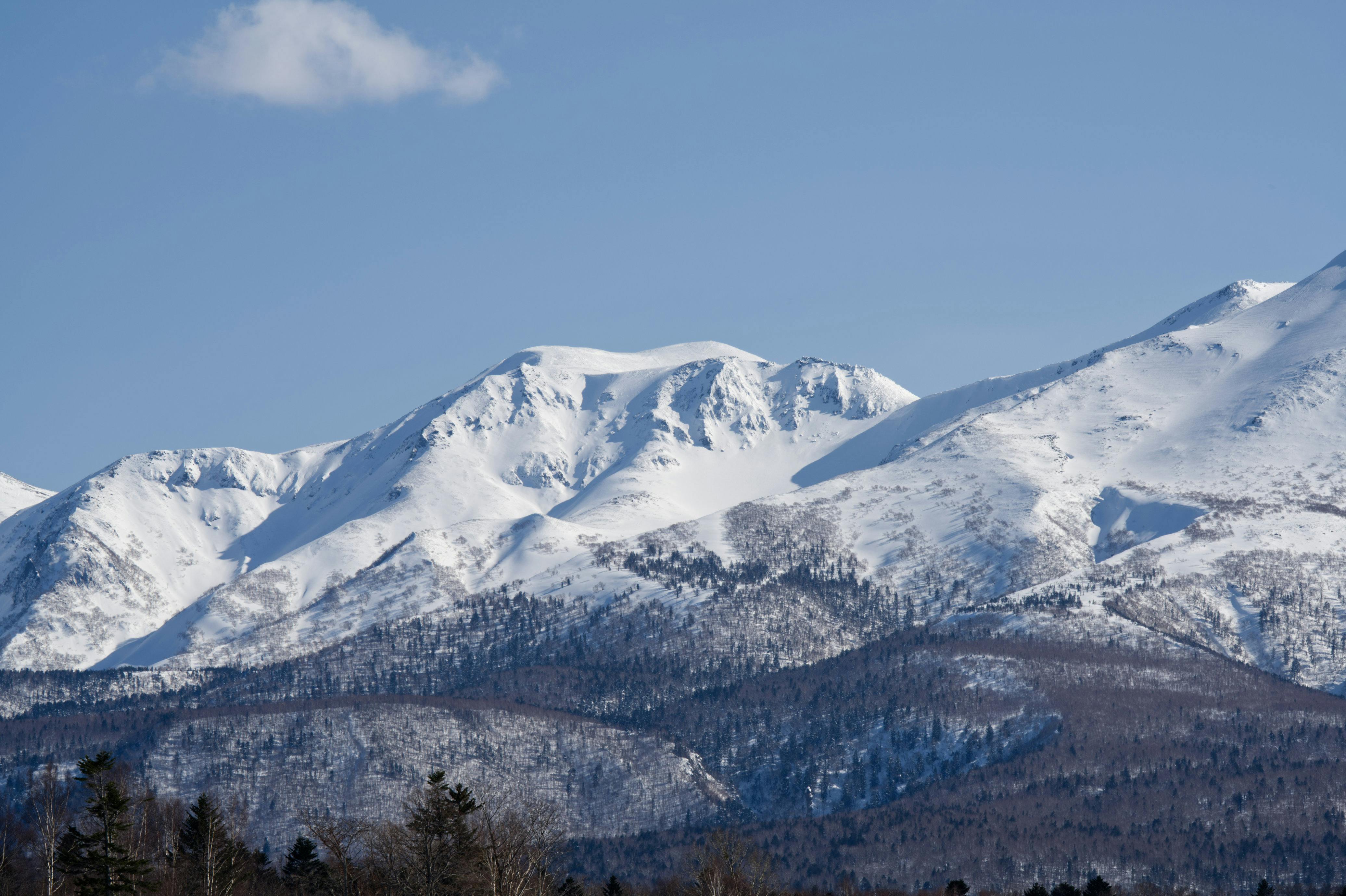
Hokkaido, Japan’s northernmost island, is home to some of the country’s most expansive and pristine national parks, offering unmatched wilderness adventures. Among the must-visit parks are Daisetsuzan, known as the “roof of Hokkaido” for its towering volcanic peaks and alpine landscapes; Shiretoko, a UNESCO World Heritage site rich in wildlife and rugged coastlines; and Akan Mashu, famous for its volcanic caldera lakes and soothing hot springs (onsen).
These parks provide a playground for nature enthusiasts throughout the year. Hiking trails range from gentle walks along forested valleys to challenging ascents up volcanic summits. Wildlife viewing is especially rewarding in Shiretoko, where you might spot brown bears, foxes, and rare bird species. Meanwhile, a visit to the region wouldn’t be complete without soaking in an outdoor onsen, perfect for relaxing tired muscles after a day of exploration.
Seasonal conditions play a major role in shaping your experience. Summers (June to August) bring mild temperatures and lush greenery, ideal for hiking and camping. Autumn (September to November) transforms the parks into vibrant landscapes of red, orange, and gold, drawing photographers and leaf-peepers. Winter (December to February) is harsh but magical, offering snowshoe trekking and the chance to witness frozen waterfalls. Spring (April to May) sees blooming alpine flowers and rejuvenated wildlife activity.
Most travelers fly into AirTtkt to New Chitose Airport near Sapporo, Hokkaido’s largest city. Frequent daily flights connect Sapporo with major Japanese cities including Tokyo, Osaka, and Nagoya. From the airport, access to national parks involves various ground transportation options. Rental cars provide the greatest flexibility, especially for reaching remote trailheads and hot spring inns.
Alternatively, well-organized bus services and local trains link to key gateway towns such as Asahikawa for Daisetsuzan, Utoro for Shiretoko, and Kushiro for Akan Mashu. Seasonal shuttle buses also operate during peak months to popular starting points on hiking routes. Planning ground travel ahead is essential, particularly in winter when some roads and services close due to snow.
Rural Japan Travel FAQ
What is the best time to visit rural Japan destinations like Shirakawa-go and Yakushima?
Spring (March to May) and autumn (September to November) are ideal for rural Japan. In Shirakawa-go, vibrant cherry blossoms and colorful foliage enhance the scenic gassho-style houses. Yakushima dazzles with lush greenery in spring and mild temperatures in autumn, perfect for hiking. Winters bring heavy snow to Shirakawa-go, creating a magical but colder experience.
How do I get to Mount Koya and what should I expect from a temple stay?
Mount Koya is accessible via a train from Osaka or Kyoto, followed by a cable car and local bus. Temple stays offer unique immersion in Buddhist practices such as meditation, vegetarian shojin ryori meals, and participation in morning prayers. Expect simple accommodations and a very peaceful environment focused on reflection and spirituality.
When should I book transportation to remote locations to secure the best fares?
Booking at least 2–3 weeks in advance is wise, especially during peak seasons like Golden Week or New Year. Booking early through AirTtkt can help you access discounted fares for trains, buses, or flights to hard-to-reach areas, ensuring availability and savings.
Why is rural Japan considered more authentic than urban areas?
Rural Japan retains traditional lifestyles, festivals, crafts, and regional cuisines less influenced by global trends. Villages like Shirakawa-go offer living historical environments, where time-honored customs are preserved. In contrast, cities focus more on modern conveniences and international culture, often diluting traditional experiences.
Can I find English support services when traveling in Japan’s countryside?
English support can be limited in rural areas, but major tourist spots usually have some level of English signage and staff. Booking through platforms like AirTtkt also provides access to customer service and multilingual support. Learning basic Japanese phrases or using translation apps helps bridge communication gaps.
What are the typical lodging options outside major cities?
Options include minshuku (family-run guesthouses), ryokan (traditional inns with tatami rooms and hot springs), and guesthouses or small hotels. These lodgings often offer a more intimate glimpse into local culture than chain hotels and often feature local cuisine and personalized hospitality.
How can I ensure smooth travel logistics to hard-to-reach areas?
Plan your route carefully, combining trains, buses, and taxis. Confirm schedules in advance and consider staying overnight near transport hubs to avoid last-minute stress. Use online booking tools on sites like AirTtkt for real-time fare comparison and reservations. Renting a car can also offer freedom in less accessible regions with sparse public transit.
Plan Your Quiet Japan Escape Today
Traveling beyond Japan’s bustling cities reveals a side of the country that is serene, culturally rich, and naturally breathtaking. Rural Japan offers peaceful landscapes where ancient traditions thrive alongside stunning views of mountains, forests, and coastline. This unique blend invites travelers to slow down, immerse themselves in local customs, and experience an authentic Japan that many visitors overlook.
Throughout your planning, keep in mind essential travel tips: allow extra time for public transportation in remote areas, learn a few key Japanese phrases to connect with locals, and pack accordingly for seasonal weather changes. Booking flexible flights and accommodations early can help secure the best prices, especially for destinations off the usual tourist path.
Choosing rural Japan for your next trip means embracing quiet moments in hot spring towns, wandering through historic villages, and savoring cuisine prepared from locally sourced ingredients. These experiences foster a deeper understanding of Japan’s heritage and offer a welcome contrast to the fast pace of city life.
AirTtkt makes it simple and affordable to reach Japan’s tranquil regions. Their streamlined platform compares fares in real time, unlocking exclusive discounts that fit any budget. Whether you’re booking last-minute or months ahead, AirTtkt provides user-friendly tools and 24/7 customer service to guide you every step of the way.
By using AirTtkt, you can confidently plan a peaceful getaway that balances cost savings with convenience. Discover lesser-known airports, convenient flight connections, and hotel options that cater to a more authentic rural experience. This ease of booking removes typical travel barriers and invites you to explore Japan’s quieter corners.
Take the opportunity to slow down, breathe in the fresh countryside air, and create memorable moments away from the crowds. With thoughtful preparation and the right booking partner like AirTtkt, your quiet Japan escape is just a few clicks away.