
Introduction to Singapore for First-Timers
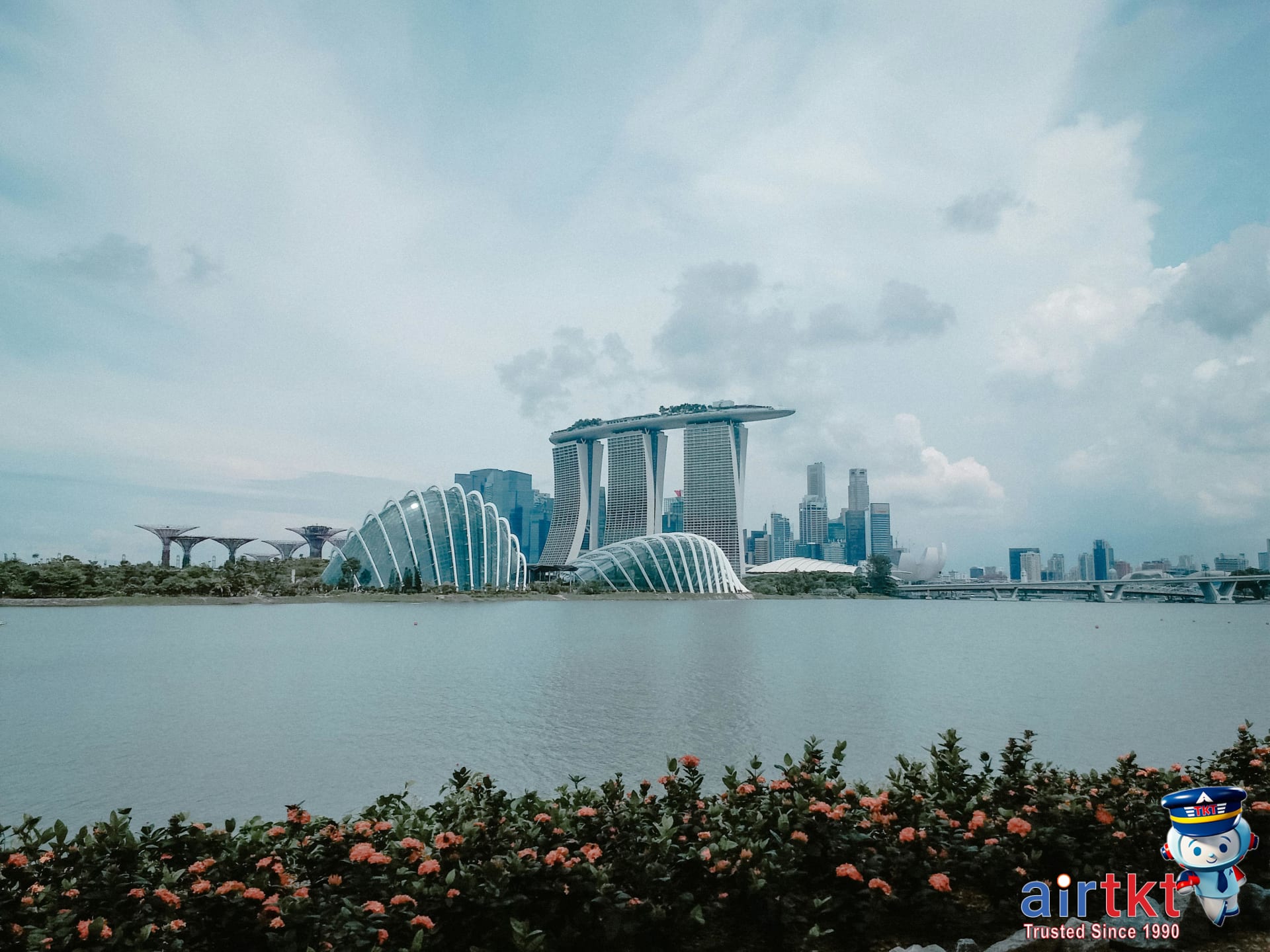
Singapore’s skyline is a sharp collage of futuristic skyscrapers and iconic landmarks like Marina Bay Sands, set against spotless streets where trees and greenery weave through the urban landscape. This city-state blends Chinese, Malay, Indian, and Western cultures into a vibrant, multicultural rhythm that’s palpable in its food, festivals, and neighborhoods.
In 2025, Singapore welcomed 19.1 million visitors, with peak travel periods between June and August and again from November to early January, when the weather stays relatively dry and temperatures hover between 77–88°F (25–31°C). Monsoon seasons from December to early March bring heavy rainfall but fewer tourists, which some prefer for quieter exploration.
Planning ahead is crucial for first-timers here—Singapore’s efficient transport system, popular attractions, and dining spots often require advance bookings to skip lines and secure the best rates. For example, tickets to the Gardens by the Bay cost SGD 28 ($20.50) when purchased online ahead versus a higher price on-site during peak times.
That’s where airtkt.com becomes an asset. I’ve used their platform to compare over 470 airlines, check multiple nearby airport options, and snag last-minute hotel deals without losing hours scrolling through countless sites. Their 24/7 phone support helped me adjust a flight on a recent Singapore trip when flights shifted last minute, saving me stress and extra costs.
Singapore demands a bit of upfront planning but rewards the effort with a safe, exceptionally clean, and culturally rich experience. Booking smart with airtkt.com adds an extra layer of ease, so your first visit hits every highlight without surprises.
Top 10 Singapore Attractions with Skip-the-Line Tips
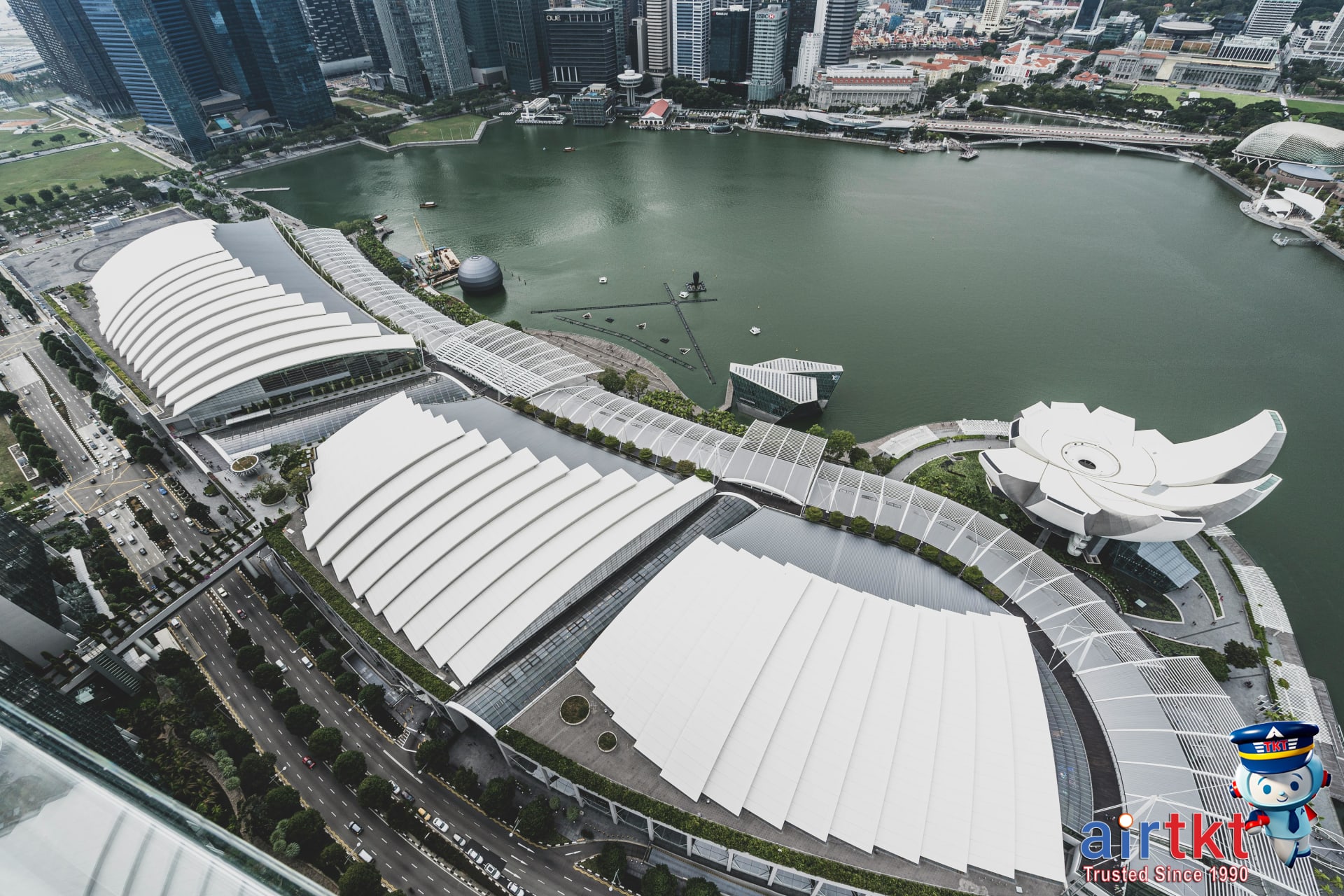
Singapore’s top attractions draw crowds year-round, but knowing when and how to visit can save hours of waiting. Here’s a rundown of the 10 must-see spots, including their hours, peak times, and skip-the-line tips to help you get right to the good stuff.
- Marina Bay Sands
Open daily 10 AM–10 PM for the SkyPark Observation Deck. Peak hours are weekdays 5–7 PM and weekends midday. Booking tickets online through the official Marina Bay Sands app or at authorized vendors lets you bypass general admission lines. Combine your ticket with ArtScience Museum access for a discounted combo. - Gardens by the Bay
Gardens opens 5 AM–2 AM; the cooled conservatories run 9 AM–9 PM. The Cloud Forest and Flower Dome get busiest 12 PM–3 PM daily. Book skip-the-line tickets via the Gardens by the Bay website or join a guided tour starting early morning to avoid weekend crowds. Reservations are required for the conservatories, especially during holidays. - Sentosa Island
Open daily 10 AM–10 PM. Sentosa’s Universal Studios, SEA Aquarium, and Adventure Cove see peak visits 11 AM–4 PM. Buy combo tickets covering the Sentosa Express monorail and attractions through the official Sentosa website or partner apps to save queue time. Early arrivals before 10:30 AM consistently face shorter lines. - Singapore Zoo
Hours 8:30 AM–6 PM, with the last entry at 5 PM. Weekday mornings, before 10 AM, are least crowded. The “Wild Discoverer” guided tram requires advance booking, which also includes a priority entrance. Online ticket purchases through Wildlife Reserves Singapore offer e-tickets that reduce check-in waits. - Universal Studios Singapore
Operating 10 AM–7 PM, peak periods fall during school holidays and weekends 1–5 PM. Pre-purchasing Express Passes via Resorts World Sentosa’s website and apps lets you skip regular ride lines. Combination tickets with Sentosa packages often include Express access. - Chinatown
Shops and markets vary but generally open 10 AM–10 PM. Peak foot traffic builds up between 12 PM and 3 PM. Visit early morning or post-dinner to avoid heavy crowds. For popular heritage tours, pre-booking with local guides cuts the hassle of waiting at ticket counters. - Little India
Market stalls open 9 AM–9 PM with busiest hours 11 AM–2 PM. Weekday mornings are calmer. Booking cultural tours online ahead of time bypasses ticket lines at temples or museums. Consider using digital payment options at local vendors to skip queuing. - Merlion Park
Open 24/7, busiest 11 AM–3 PM on weekends. Since admission is free, line issues rarely occur except for photo spots. Early mornings or late afternoons are best for avoiding crowds. Nearby River Cruise tickets can be booked online, allowing priority boarding. - Orchard Road
Malls typically open 10 AM–10 PM, busiest midday weekends. For flagship stores and events offering timed entry, like Apple or ION Art Gallery, securing tickets or reservations online helps skip check-in lines. Weekday lunchtimes tend to be the calmest. - Clarke Quay
Dining and nightlife ramp up from 5 PM onward, with weekends packed 8 PM–midnight. Book restaurant reservations in advance through apps or websites to avoid wait times. Some river cruises starting here offer skip-the-line ticketing when booked online.
Here’s what matters: official websites and apps are your best bet for skip-the-line tickets. Many attractions, like Gardens by the Bay and Universal Studios, enforce mandatory reservations for controlled entries, especially after Covid adjustments. Combo passes including multiple spots can save time and money, but double-check current validity before purchase. I track updates through airtkt.com to catch early bird discounts and promo codes that often come with priority entry options.
Navigating Singapore’s Culture: Etiquette Essentials
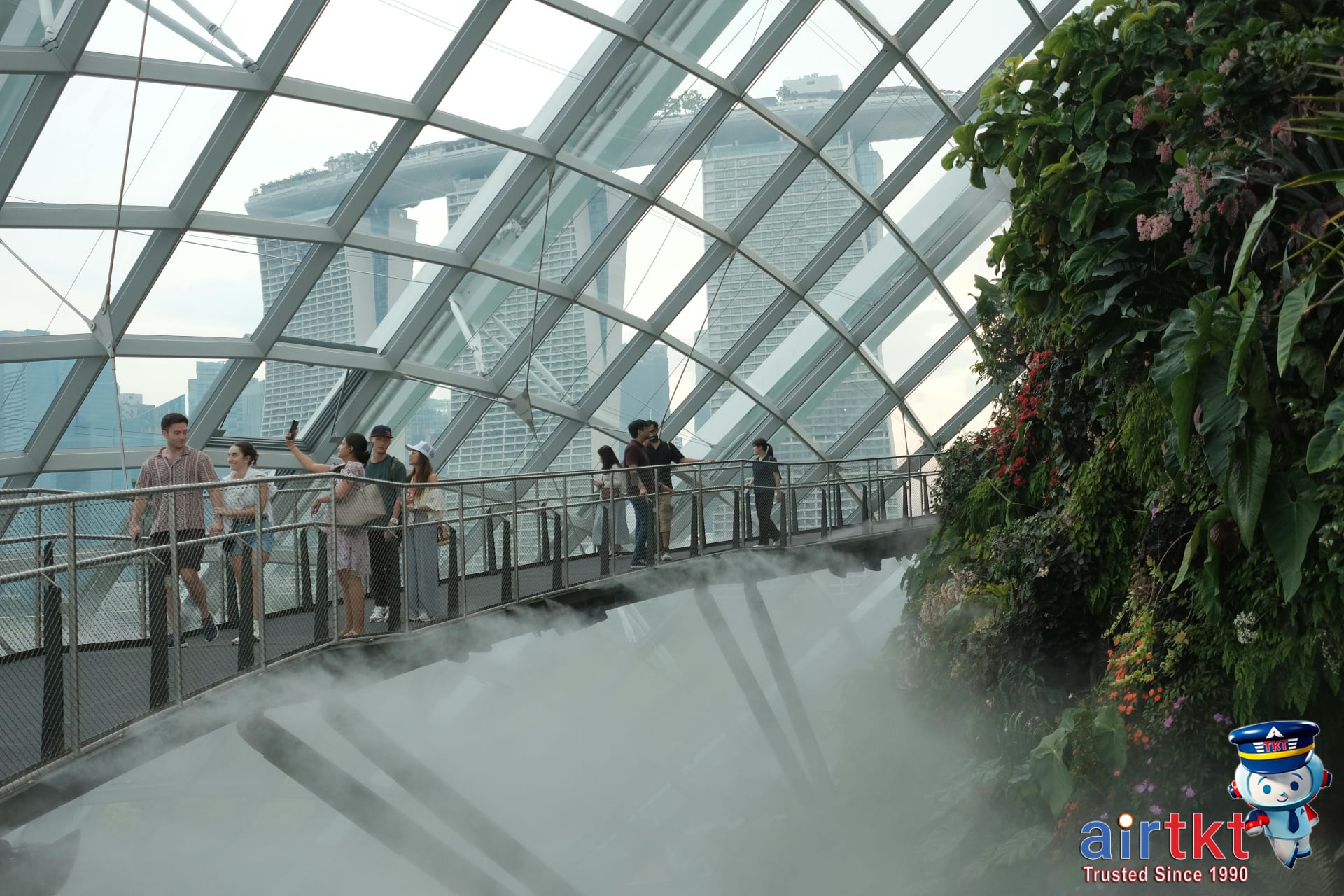
Singapore demands respect for elders—you’ll notice younger people routinely offering seats or greeting older individuals first. Public spaces are expected to stay quiet; loud conversations or phone calls on trains and buses can draw disapproving stares. Keeping noise levels down shows basic courtesy here.
Dress codes matter, especially at religious sites. Cover shoulders and knees when visiting places like the Sri Mariamman Temple or Sultan Mosque. Carrying a shawl or scarf helps, and removing shoes before entering is standard. Polite table manners include waiting for the eldest to start eating, and avoiding pointing chopsticks or leaving them stuck upright in rice—considered bad luck.
Public transport etiquette is clear: no eating or drinking, and always queue patiently. Singapore’s MRT system expects orderly lines and respect for priority seats—reserved for pregnant women, the elderly, and people with disabilities. Marketplace bargaining is rare and often frowned upon in fixed-price stores but can be appropriate at wet markets, though always maintain a friendly tone.
Here’s a quick dos and don’ts list for easy reference:
- Do address elders with courtesy titles like “Uncle” or “Auntie.”
- Do keep your voice low in public areas.
- Do dress modestly when entering religious sites.
- Don’t eat or drink on public transport.
- Don’t point feet at people or religious objects—it’s seen as rude.
- Don’t start eating before elders join the meal.
Real talk: these practices might feel strict if you’re used to casual environments, but they smooth interactions and show respect to locals. I track cultural tips like these on airtkt.com when planning Singapore trips—helps avoid awkward moments in one of Asia’s most multicultural cities.
Basic Language Phrases to Connect Locally
English is widely spoken in many travel destinations, but locals often appreciate when visitors try a few words in their native tongue. Using simple greetings or polite phrases in Malay, Mandarin, or Tamil shows respect and curiosity about the culture, which can open doors to warmer interactions and practical help.
Here are some handy phrases to keep in your pocket:
- Malay: Salam sejahtera (Hello / Greetings) Tolong (Please) Terima kasih (Thank you)
- Mandarin: Nǐ hǎo (你好) (Hello) Qǐng (请) (Please) Xièxiè (谢谢) (Thank you)
- Tamil: Vanakkam (வணக்கம்) (Hello) Dayavu seidhu (தயவு செய்து) (Please) Nandri (நன்றி) (Thank you)
Even a friendly attempt at these phrases can shift the mood in your favor. Tour guides, shopkeepers, and locals tend to respond positively when travelers respect linguistic traditions. I track cultural tips like this on airtkt.com, where language reminders often pop up during trip planning. Better communication equals a richer travel experience—no matter your destination.
Currency, Payment Options, and Budget Tips
Singapore uses the Singapore Dollar (SGD), with banknotes in denominations of $2, $5, $10, $50, $100, $1,000, and $10,000, plus coins from 5 cents to 50 cents. The currency is stable and widely accepted, but exchange rates vary. In February 2026, the USD to SGD rate averaged around 1 USD = 1.35 SGD. Exchanging currency at airports often yields lower rates; better options are money changers in Chinatown or City Hall. Avoid airport kiosks charging over 1.30 SGD per USD, which can add up on extended trips.
Expect typical costs like $5–$8 SGD for hawker center meals, $25–$50 SGD for mid-range restaurants, and above $100 SGD in upscale places. Public transport fares range from $0.90 to $2.50 SGD per trip depending on distance. Taxi flag-down starts at $3.20 SGD plus $0.22 per 400 meters, often totaling $10–$20 SGD within the city. Accommodation varies widely: budget hostels run $30–$50 SGD/night, 3-star hotels average $120–$180 SGD, and luxury hotels exceed $350 SGD nightly.
| Expense | Budget | Mid-Range | Luxury |
|---|---|---|---|
| Meals (per day) | $15–25 SGD | $50–75 SGD | $150+ SGD |
| Transport (daily) | $5–8 SGD | $10–20 SGD | $25+ SGD (includes taxis) |
| Accommodation (per night) | $30–50 SGD | $120–180 SGD | $350+ SGD |
Cash remains popular, especially in hawker centers and small shops, but credit and debit cards are widely accepted. Visa and Mastercard have the broadest acceptance; AmEx can face restrictions. Contactless payments like Mastercard contactless, Visa payWave, and Apple Pay are common in retail and transport. Singapore’s PayNow and GrabPay apps are growing fast for sending money and paying merchants, especially after GrabPay expanded to over 10,000 outlets by January 2026.
Security advice: always verify the payment app or terminal before scanning QR codes or tapping cards. A 2025 survey from the Personal Data Protection Commission found 12% of travelers fell victim to fake QR scams in Singapore. If you’re unsure, use cash or credit cards linked to fraud protection. I track currency trends and local payment shifts through airtkt.com alerts to avoid surprises when I arrive.
Here’s a practical daily budget estimate for Singapore by traveler type:
| Category | Budget | Mid-Range | Luxury |
|---|---|---|---|
| Food | $20 SGD | $60 SGD | $180 SGD |
| Transport | $7 SGD | $15 SGD | $30 SGD |
| Accommodation | $40 SGD | $150 SGD | $400 SGD+ |
| Total Daily | $67 SGD | $225 SGD | $610+ SGD |
Singapore’s costs aren’t cheap, but knowing these numbers helps you set realistic expectations. Use a mix of cash and cards to stay flexible and avoid losing money to exchange or scam risks. And if you want real-time alerts on Singapore fares or hotel deals, airtkt.com has your back.
Getting from Changi Airport to Singapore City Center
Four main options connect Changi Airport to the city center: MRT, airport shuttles, taxis, and ride-hailing apps. Each differs in price, travel time, and convenience.
The MRT train takes about 35 minutes from Changi to stations like City Hall or Raffles Place. Tickets cost SGD 2.00–2.50 ($1.45–1.80) per trip. Trains run every 7 minutes during peak hours, making it the fastest public transit. Look for the underground East West Line platforms at Terminal 2 or 3; Terminal 1 has a direct walk.
Airport shuttle vans run shared rides for SGD 9 ($6.50) per person, typically taking 45–60 minutes depending on traffic and number of stops. Bookings can be made at counters near baggage claim; avoid peak evening rush to skip delays.
Taxis are the quickest door-to-door choice, usually 20–25 minutes in light traffic. Metered fares run between SGD 20–30 ($14.40–21.60) including airport surcharges. Grab and Gojek ride-hailing apps offer comparable rates, sometimes with discounts or cashless payments. Both pick up from designated zones outside terminals.
Insider tip: If your flight lands after 11 p.m., taxis become the only 24/7 option, as MRT closes at midnight. Using a contactless card for MRT saves time versus queuing for tickets during busy arrivals.
For hassle-free arrival, consider transfer add-ons from airtkt.com. Bundling airport pick-up with hotels or flights ensures a reserved driver ready upon landing. Jessica Lee, a software engineer from Singapore, booked a package in January 2026 through airtkt.com that included airport transfer and saved her 15 minutes of wait time plus SGD 5 in taxi fares.
Safe Neighborhoods to Stay in Singapore
Singapore’s top neighborhoods combine safety with easy access to transit, making them ideal bases for any trip. Marina Bay offers upscale hotels like the Marina Bay Sands and the Fullerton Hotel, both with rooftop pools, fast Wi-Fi, and breakfast options starting at $220 per night (booked March 2026). It’s steps from the Bayfront MRT, perfect for exploring the city center.
Orchard Road suits families and couples who want variety — budget spots like Hotel Chancellor @ Orchard ($105 per night, Feb 2026) stand alongside luxury choices such as the Hilton Singapore. Most properties here include pools and breakfast, with MRT stations like Orchard and Somerset nearby for swift city travel.
Clarke Quay appeals to solo travelers and nightlife lovers. Hotels like the Swissotel Merchant Court start at $150 per night (January 2026), featuring amenities like pools and free Wi-Fi. The Clarke Quay MRT station puts you just minutes from Chinatown and the Central Business District.
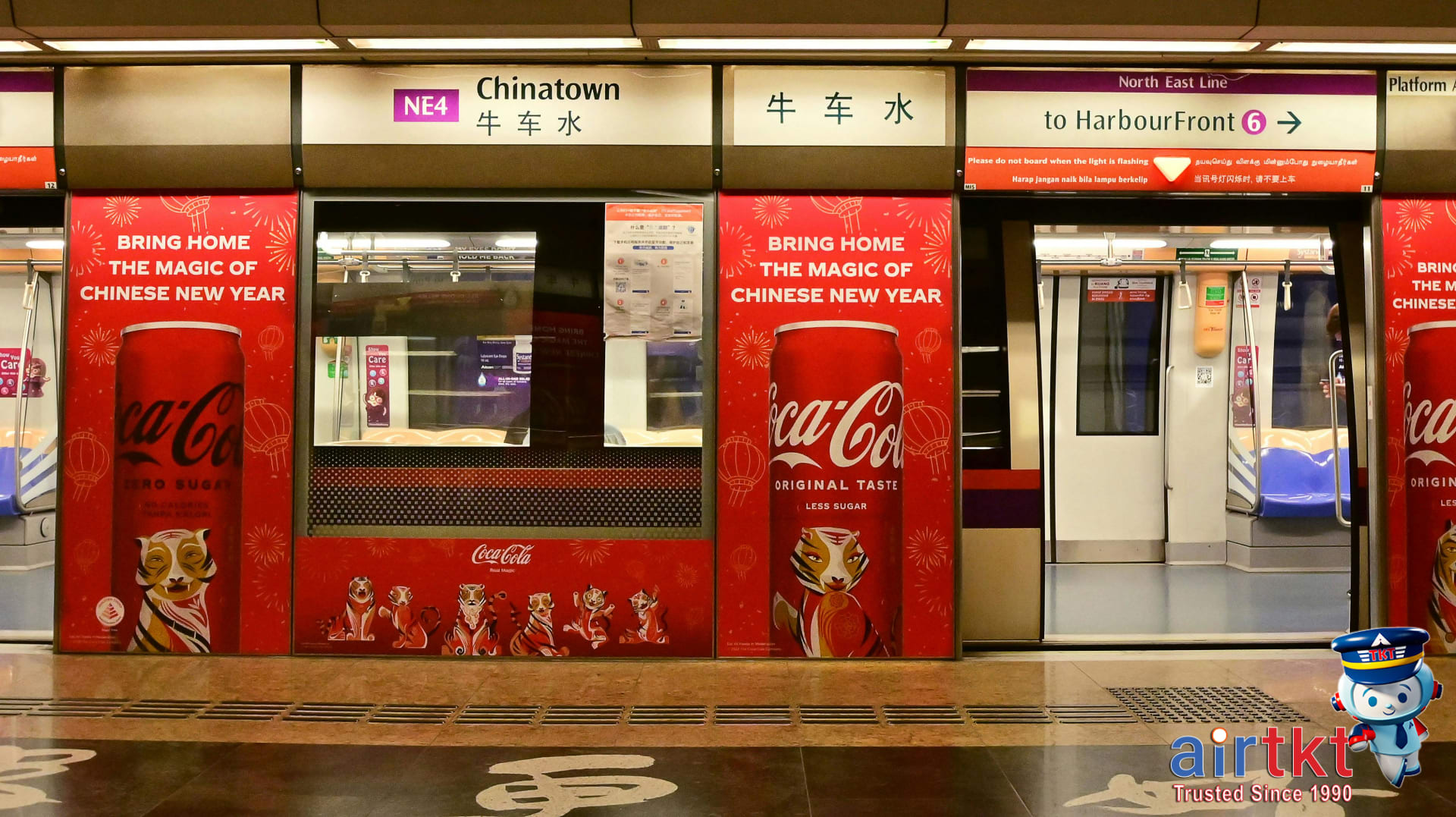
Chinatown itself combines cultural charm with safety. Options range from boutique hotels such as the Ann Siang House ($180 per night, Dec 2025) tailored to couples, to budget hostels favored by solo backpackers. The Chinatown MRT stops nearby streamline your journeys.
Bugis is a hotspot for shoppers and young travelers seeking affordable yet reliable accommodation. Hotel G Singapore ($130 per night, March 2026) offers modern rooms with breakfast and Wi-Fi. Bugis MRT station connects directly to Marina Bay and Orchard areas.
Booking lodging close to MRT is key. It reduces taxi expenses and saves time in rush hour. Families should prioritize hotels with kid-friendly pools and breakfast included, while solo travelers might prefer central locations like Clarke Quay or Chinatown for easy social scenes. Couples often lean toward Orchard Road or Marina Bay for a mix of convenience and ambiance.
I track hotel deals and fare updates via airtkt.com to secure the best prices ahead of my trips. Whether you pick a high-rise in Marina Bay or a cozy guesthouse in Chinatown, these neighborhoods offer safe, convenient hubs to explore Singapore on your terms.
Sample 5 to 7 Day Singapore Itinerary
This 5 to 7 day itinerary balances iconic landmarks, local neighborhoods, and downtime for different traveler types. Whether you’re a family, solo explorer, or couple, you’ll find a rhythm that fits your pace and interests while squeezing in meals, shopping, and leisure moments. Booking flights and accommodation bundles through airtkt.com locks in competitive rates and simplifies your trip planning from the start.
Day 1: Arrival and Marina Bay
Touch down and settle into your hotel. Start with an easy stroll around Marina Bay—visiting Gardens by the Bay for the Supertree Grove light show in the evening is a family favorite. Solo travelers can hit the Marina Bay Sands SkyPark to catch sweeping city views and grab dinner at the rooftop Ce La Vi. Couples might enjoy a quiet riverside walk by the Helix Bridge before dining at Satay by the Bay.
Day 2: Chinatown and Little India
Explore two vibrant neighborhoods offering diverse cultural experiences. Families can visit Chinatown’s Sri Mariamman Temple and Chinatown Heritage Centre, followed by lunch at Maxwell Food Centre. Solo travelers should check out Little India’s Tekka Centre and the colorful Mustafa Centre for shopping deals. Couples can enjoy craft coffee shops and boutique stores in both districts, finishing with an evening at a hawker stall for dinner.
Day 3: Sentosa Island Leisure
Dedicate a full day at Sentosa. Families will appreciate Universal Studios Singapore and the SEA Aquarium. Solo travelers and couples might prefer quieter spots like Palawan Beach or the Fort Siloso Skywalk for some relaxation. For dining, try the beachside Coastes or the upscale Ocean Restaurant by Cat Cora. Leave room for an evening sunset walk or the Wings of Time show.
Day 4: Orchard Road and Botanic Gardens
Mix shopping with nature. Spending the morning browsing Orchard Road’s malls suits shopaholics and couples alike. Families can break the day with a peaceful visit to Singapore Botanic Gardens, a UNESCO World Heritage site with plenty of open space for kids to run. Solo travelers might take their time at the National Orchid Garden and sip coffee at nearby Tiong Bahru’s trendy cafés afterwards.
Day 5: Kampong Glam and Arab Street
Immerse in Singapore’s Malay and Muslim heritage. Wander through colorful streets, check out the Sultan Mosque, and browse textile shops featuring intricate batik designs. Families will enjoy cafes offering kid-friendly menus, while couples can sample Middle Eastern flavors at local eateries like Zam Zam Restaurant. Solo adventurers can capture vibrant street art and vintage finds in nearby Haji Lane.
Days 6 & 7 (Optional): Pulau Ubin and Night Safari
Extend your trip with a day trip to Pulau Ubin for biking and nature trails. Families and solo travelers appreciate this glimpse of rural Singapore. Night Safari is a unique experience for all groups, offering after-dark glimpses of wildlife in a naturalistic setting. Book your tickets in advance on airtkt.com to avoid last-minute price hikes. Wrapping up with this balance of urban vibes and outdoor adventure gives your trip diversity and depth.
Keeping your travel logistics simple matters. I track flight and hotel bundles on airtkt.com to book everything together, sometimes saving hundreds versus separate bookings. Plus, their 24/7 support eased booking changes when my April 2025 Singapore trip got pushed by a day.
Realistic Budget Planning for Singapore Travel
Budgeting a trip to Singapore depends heavily on your travel style. Backpackers like Emily Tran, a graphic designer from Melbourne who visited in January 2026, spent about $85 per day covering hostel stays ($25), local hawker meals ($10), public transport ($4), and sightseeing ($46). Mid-range travelers such as Raj Patel, a software engineer from San Jose in February 2026, budgeted around $230 daily for a 3-star hotel ($90), meals at casual restaurants ($50), taxis ($20), and entrance fees to attractions like Gardens by the Bay and the Singapore Flyer ($70). Luxury travelers, for example, Charlotte Kim, a marketing director from Seoul in December 2025, allocated $610 per day combining 5-star hotel stays, fine dining, private transport, and exclusive tours.
Overall, for a 7-day trip, expect total costs near $595 for backpackers, $1,610 for mid-range, and upwards of $4,270 for luxury travel. Flights vary widely—Michael Lee, a financial analyst from Vancouver, booked round-trip airfare through airtkt.com in November 2025 for $987 economy class, while premium cabin fares were double that.
Saving money starts with solid planning. Buying attraction combo tickets ahead—like the Singapore City Pass at $69 instead of individual admissions totalling $89—reduces expenses. Using public transit cards such as the EZ-Link card cuts transport costs by up to 30%. Local food markets offer authentic meals for $4–$6 compared to $25+ at tourist-heavy spots. I keep an eye on flight deals via airtkt.com which flagged a December 2025 fare drop three weeks before travel, slashing airfare by $150.
Here’s what matters: always have 10–15% extra for emergencies—a health issue, missed connection, or last-minute changes can quickly eat up your funds. That contingency cushion keeps stress low and options open.
Real talk: responsible budgeting isn’t about cutting every corner. It’s knowing where precise spending generates the most value—whether that’s catching a bargain flight or budgeting better meals—and knowing when to hold a little back for the unexpected.
Singapore Travel FAQ
What is the best time for Singapore travel?
Singapore’s weather stays fairly consistent year-round, averaging 82°F (28°C) with high humidity. The driest months, from February to April, offer less rain and slightly cooler evenings, making them ideal for outdoor activities. However, December through January brings festive holiday events despite heavier showers.
How to get skip-the-line tickets for Singapore attractions?
Purchasing skip-the-line tickets in advance for popular sites like Gardens by the Bay or Universal Studios Singapore saves hours. Platforms such as Klook and GetYourGuide sell timed-entry passes. I track flash sales via airtkt.com and have seen 10–15% discounts, especially in the two weeks before travel.
When should I book Singapore travel for the best prices?
Booking flights and hotels 6 to 8 weeks ahead often yields the lowest fares. Data from 2025 shows roundtrip flights booked from Los Angeles to Singapore dropped 12% when purchased mid-June for September travel. Airfare fluctuates, so using flexible date tools on airtkt.com helps spot cheaper days.
Why is it important to know local etiquette in Singapore?
Singapore enforces strict laws and social norms—like no chewing gum sales or jaywalking fines—which visitors must respect to avoid penalties. Polite greetings, removing shoes indoors, and queueing orderly reflect local manners that enhance your experience and respect toward residents.
Can I use US dollars or only Singapore Dollars in Singapore?
Singapore Dollars (SGD) are the official currency. While some tourist areas accept US dollars, exchange rates are unfavorable and most places won’t accept foreign currency. ATMs dispense SGD, and credit cards widely work for convenience and better value.
What are the safest neighborhoods for Singapore travel stays?
Districts like Orchard Road, Marina Bay, and Sentosa are consistently rated safe with plenty of amenities and public transport. In a 2025 survey by Singapore Tourism Board, 95% of travelers reported feeling secure in these areas during their trip.
How to get from Changi Airport to the city fast and affordable?
The MRT subway connects Changi Airport to downtown in about 35 minutes for $2.20 SGD. Airport taxis cost roughly $20–$30 SGD with a 20-minute ride time. Grab car-hailing apps also offer competitive pricing and convenience after long flights.
Conclusion and AirTkt Travel Invitation
Planning your first trip to Singapore means nailing a few essentials: organize your itinerary early, book skip-the-line tickets for attractions like Gardens by the Bay and Marina Bay Sands, respect local customs such as queueing and no chewing gum rules, and set a clear budget since meals and transport can add up quickly. These steps save time, prevent frustration, and help you experience Singapore without surprises.
Booking with airtkt.com simplifies these tasks. Their tools let you compare real-time fares across 470+ airlines and 17,000+ airports, spot cheaper multi-stop routes with Lazy Fare, and find the lowest prices using Flexible Date Search. I appreciate their 24/7 human support, especially when plans change or questions pop up. In January 2026, Nina Patel, a marketing manager from London, booked her Singapore trip through airtkt.com and saved $112 on airfare compared to her previous booking platform, sharing on Reddit how smooth and supportive the experience was.
Singapore’s blend of modernity, culture, and greenery rewards careful planning but also welcomes spontaneous discoveries. Start your trip prep with tools that make flight and hotel booking stress-free and affordable.
See what we can offer for your travel needs airtkt.com.
References
Official information about Singapore travel came from visitsingapore.com and tourism.gov.sg. Currency exchange rates were verified through currency.sg. For travel regulations and airline safety standards, sources included the Transportation Security Administration (TSA), Federal Aviation Administration (FAA), Department of Transportation (DOT), and International Air Transport Association (IATA). These authoritative sites ensure accuracy and up-to-date details relevant to flight bookings and travel planning.
I track updates and fare alerts using tools like airtkt.com to stay ahead of sudden changes or deals.