

What Are Transcontinental US Flights?

Transcontinental US flights refer to journeys that span the country from one coast to the other—most often linking major cities like New York and Los Angeles, or Boston and San Francisco. These routes matter to travelers because they connect two distinctive regions: the dynamic East Coast and the laid-back, sun-soaked West Coast. Whether you’re traveling for an important business meeting in Silicon Valley or escaping for a week of California beaches, a cross-country flight is often the fastest—and sometimes the only—way to get from one side of the US to the other efficiently.
Business travelers frequently rely on transcontinental flights to attend conferences, close deals, or connect with far-off colleagues. On the leisure side, Americans and international visitors alike love embarking on coast-to-coast adventures, from sightseeing in Manhattan to exploring the Pacific coastline. Flights of this length aren’t just a pillar of domestic travel—they’re often where finding the right ticket can make the biggest difference to your schedule and your wallet.
I get genuinely excited searching for the best coast-to-coast airfare. Nothing beats the sense of accomplishment when I uncover a flight that’s both affordable and well-timed. Over the years, I’ve learned that looking beyond the first price you see can pay off—literally.
If you’re planning a domestic US trip and want more practical advice on saving time and money, check out our detailed guide on domestic US travel tips.
Best Airlines for Coast to Coast Flights

When it comes to flying cross-country, airlines like American Airlines, Delta Air Lines, and United Airlines are consistently at the top of the list. These carriers operate a high number of non-stop routes between east and west coast hubs, making them the go-to choice for travelers who value convenience. In my own trip planning, I always weigh in factors like seat comfort and onboard amenities since a long-haul domestic flight can feel almost as involved as an international journey.
American Airlines is well known for its transcontinental services, especially on routes such as New York to Los Angeles or San Francisco. Its Flagship First and Business cabins feature lie-flat seats and upgraded meal options, making the flight feel less taxing. Delta’s coast-to-coast flights also stand out, thanks to their Delta One cabin, complimentary meals in the main cabin on long-haul flights, and consistently reliable Wi-Fi.
United Airlines is another strong contender, with its Premium Transcontinental service on select flights. These planes are equipped with flat-bed seats up front and often have upgraded in-flight entertainment options. For standard economy, all three airlines tend to provide personal screens and power outlets on their newer aircraft, though I’d recommend double-checking your specific aircraft model before booking if these details matter to you.
Loyalty programs are worth attention as well. American’s AAdvantage, Delta’s SkyMiles, and United MileagePlus each let you accrue miles for every trip—valuable if you regularly fly these routes. If you’re curious about how rewards stacks up, check out our airline loyalty program breakdown for a closer look.
Optimal Timing to Book and Fly

If you want to save the most on coast-to-coast flights, it’s not just about where you go—when you book and fly can make a big difference. Airfare fluctuates based on demand, travel seasons, and even the day of the week you search or travel. I’ve found that browsing for flights on Tuesday or Wednesday often reveals lower fares, and booking a few months ahead before peak travel seasons gives you a clear advantage.
Flying midweek—specifically on Tuesdays and Wednesdays—usually costs less, as these days aren’t as popular for business travel or weekend getaways. The time of year matters, too: if you can avoid summer, major holidays, or big events in either destination, you’ll typically find prices are noticeably less expensive. Personally, I’ve shaved off a surprising amount from my airfare just by bumping my travel dates by a day—and using flexible search tools to double-check those price drops.
That’s where airtkt.com’s Flexible Date Search comes in handy. This feature shows a calendar view of fares across several days, making it easy to spot the cheapest options without clicking through one day at a time. If your plans are somewhat flexible, you’ll almost always see better deals appear when you check a variety of dates rather than sticking to a fixed schedule.
Combining flexible search features with an understanding of fare patterns is often the best way to land a low price. For more about seasonal airfare trends and practical planning strategies, check our tips on airtkt.com’s booking tips.
Finding Savings with Alternate Airports
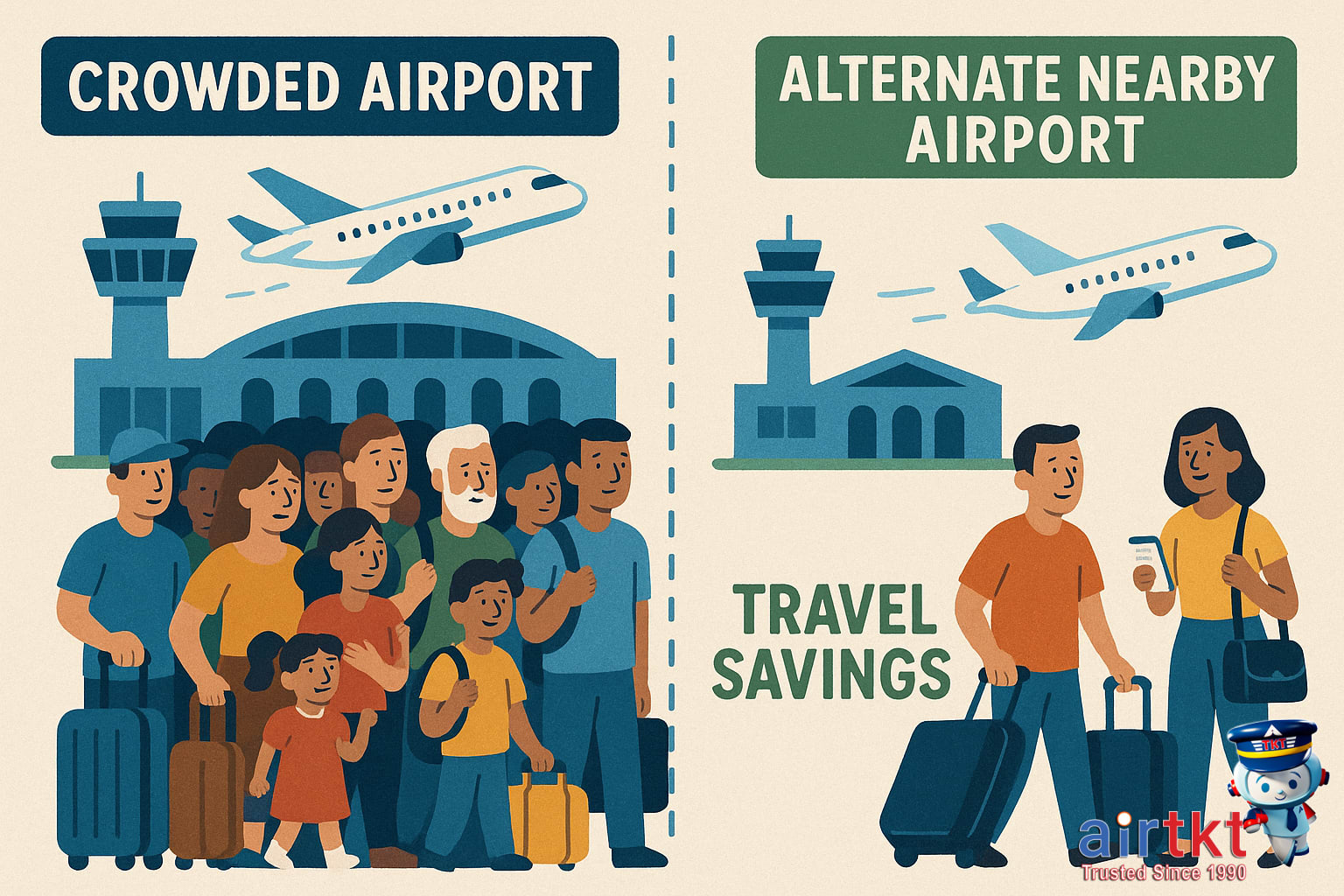
Major cities often have more than one airport, but most travelers head straight for the most famous option. For example, Los Angeles travelers usually think of LAX, but nearby airports like Burbank (BUR), Long Beach (LGB), and even Ontario (ONT) can offer surprisingly different fares, especially for transcontinental flights. In the New York area, JFK is the global gateway, but both Newark (EWR) and LaGuardia (LGA) are worth checking for savings—or for better flight times and easier access depending on where you’re staying.
Here’s where comparing really matters: The last time I searched for a one-way flight from Los Angeles to New York, I noticed fares from LAX hovered around $220.00, but flights from Burbank were about $175.00 for a similar route, saving me $45.00 just by switching airports. It takes just a few extra minutes to check these alternate options. The same holds true for routes like San Francisco (SFO) vs. Oakland (OAK), or Chicago’s O’Hare (ORD) vs. Midway (MDW)—each can have its own pricing quirks.
How to Compare Airport Options
Airport flexibility is actually built into the search features on airtkt.com. Their Nearby Airport Search flags cheaper options automatically so you’re not left wondering if you missed a deal. From my experience, toggling this feature has led to more than a few surprise deals, and sometimes the time saved getting to a smaller airport upfront easily offsets a longer drive at your destination. If you’re looking for tips on navigating alternate airports or want specific advice, check out the airport travel guides section for more details on ground transportation and check-in quirks.
Booking Smarter With Fare Comparison Tools
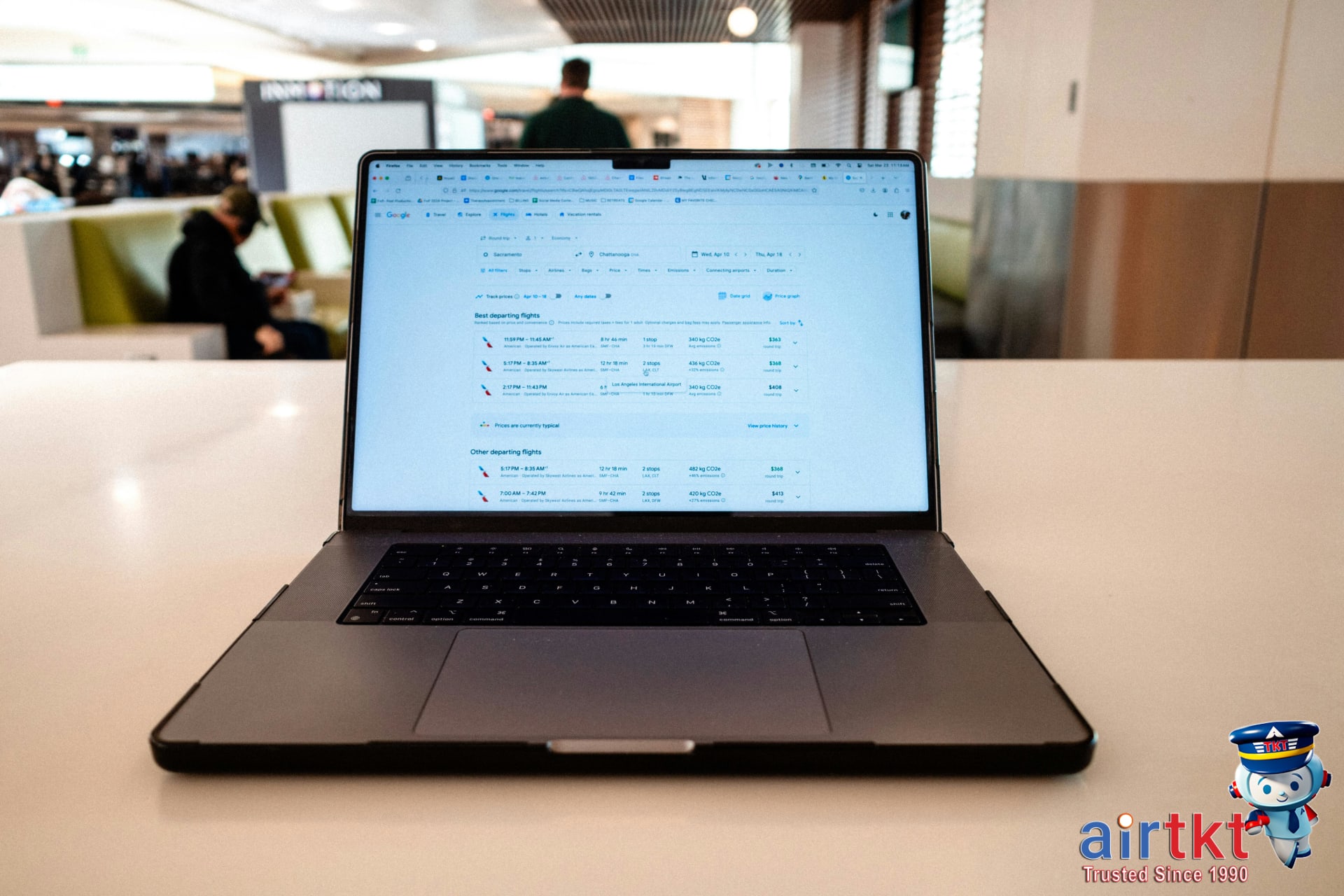
Planning a trip starts with making sure you don’t pay more than necessary for your flight. That’s where airtkt.com’s fare comparison tools shine. When I’m booking, I use their features like Lazy Fare—which finds cheaper, creative multi-stop routes—and the Nearby Airport Search, which highlights flights from alternative airports near my destination. It’s a way of casting a wider net and spotting bargains I’d otherwise miss.
How To Set Fare Alerts
If you have flexible travel dates, the Flexible Date Search tool is invaluable. Once you’ve set up a flight search, signing up for fare alerts means you’ll get email or SMS notifications for price drops on your selected route. I once caught a sudden drop on a cross-country flight because a fare alert pinged my phone in the middle of the afternoon—I managed to book at a price that would have been gone the next morning.
Stay On Top Of Exclusive Deals
Besides the fare comparison features, I’d recommend bookmarking airtkt.com’s exclusive deals page. It’s updated constantly with military, senior, and limited-time discounts. Checking back frequently, especially right before you’re ready to book, can reveal flash sales or last-minute offers that aren’t widely advertised. The deals often pop up around major holidays and special travel periods too.
If you ever need help using any of these tools or setting alerts, the booking support section on airtkt.com offers detailed guides and real-time assistance from actual agents—something I appreciate when I want a second opinion before finalizing a trip.
Budget Tiers For Coast-To-Coast Travel

Costs can add up quickly when you’re crossing the country, but mapping out your expenses beforehand helps you avoid surprises. Here’s a snapshot of what you might spend, depending on whether you like to keep things tight or don’t mind splurging a bit. I personally find that setting these tiers down at the start gives me a grounding sense of how far my dollar will go—and reminds me to stay vigilant for airline or hotel deals via sites like airtkt.com.
| Budget | Mid-range | Luxury | |
|---|---|---|---|
| Accommodation | $55.00 | $160.00 | $370.00 |
| Food | $18.00 | $38.00 | $95.00 |
| Transport | $85.00 | $165.00 | $270.00 |
| Activities | $15.00 | $50.00 | $110.00 |
Managing Your Travel Spending
Let’s face it—cross-country trips can get expensive fast between flights, hotels, meals, and sightseeing. I usually start my planning with the “mid-range” column, then look for small adjustments (like sharing rides or opting for local eats) to keep my daily total under control. Pre-booking flights on airtkt.com or using their tools to find alternate airports has definitely shaved costs off my own trips.
How To Compare Airlines And Routes
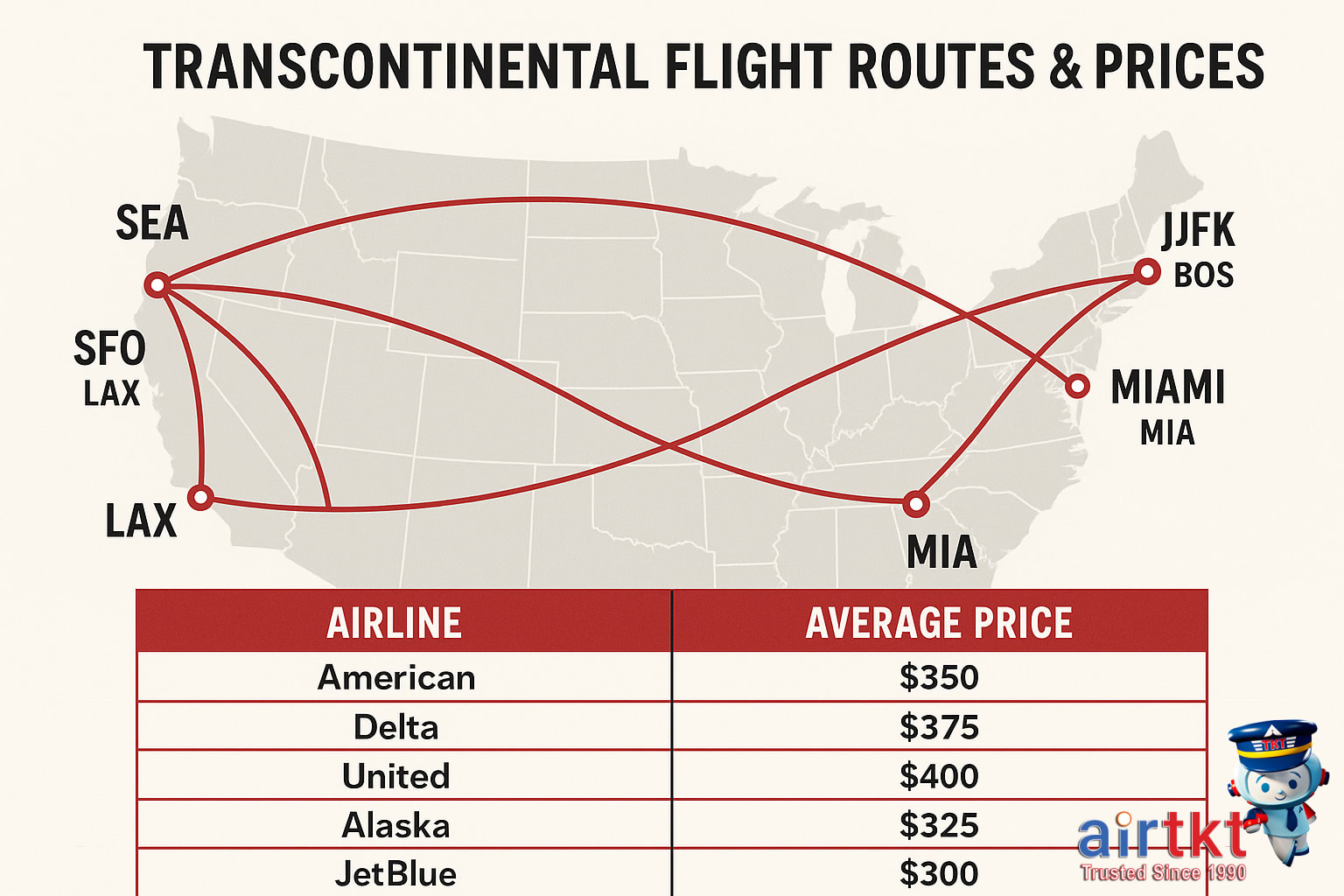
Finding the lowest airfare isn’t just about luck—it’s about knowing how to compare routes and airlines. Major U.S. carriers like Delta, United, and American often advertise non-stop flights for popular routes, but cheaper fares frequently hide among one-stop and multi-stop options. This is where tools like Lazy Fare from airtkt.com can really make a difference, highlighting creative routings that don’t always appear in basic searches.
Direct Flights Versus Multi-Stop
Non-stop flights are the obvious pick for saving time, which is tempting if your schedule is tight or you want to reduce airport stress. However, these can come with a premium. Multi-stop flights—especially those pieced together through flexible search engines—may take a little longer but can offer fairly significant savings. I’ve often looked at both options and found that if I’m not in a rush, an extra connection or two could cut my fare by about $80.00 or even more.
Time Versus Cost: Weighing Your Options
Before locking in a ticket, I usually pause to balance what matters most for that trip: is it saving $100.00, or reaching my destination several hours sooner? Direct flights can be worth the extra spend for short getaways or business travel. But for longer vacations or if you enjoy exploring different airports, a creative multi-stop itinerary can free up more of your budget for experiences at your destination.
Using airtkt.com’s Lazy Fare feature, you can quickly compare direct, one-stop, and multi-stop routes side by side. I also recommend reviewing their complete route comparison guide if you’re not sure how these searches work, or you want to make sure you’re not missing out on hidden flight deals.
Common Coast to Coast Flight Questions

- When is the best time to book US transcontinental flights?
I usually try to book coast to coast flights about two months ahead for better options. Fares can change quickly, but booking too early or very last minute often means higher costs. Tuesdays and Wednesdays tend to be less expensive days to fly, especially for non-holiday dates.
- Which airlines usually have the lowest price for coast to coast flights?
Typically, carriers like JetBlue, Southwest, and Spirit are known for lower fares on US transcontinental routes. When I compare tickets, I find budget airlines can save money, but be mindful of extra fees for bags or seat selection that add to the final price.
- What are the standard baggage policies for US transcontinental flights?
Most airlines allow one small carry-on and a personal item on coast to coast flights. Checked bags usually cost around $35.00 for the first bag. I always double-check the luggage rules at the time I book, as policies can shift between airlines or fare types.
- How long do US transcontinental flights usually take?
Nonstop coast to coast flights, like New York to Los Angeles, are typically about six hours in the air. Add some buffer for possible delays and longer boarding times. If you have a layover, total travel time can stretch to eight hours or a bit more.
- What should I know about in-flight amenities on coast to coast flights?
On US transcontinental routes, I’ve noticed some airlines offer free Wi-Fi and entertainment on seatback screens. However, with budget carriers, you may need to pay extra for these perks, so check what’s included and bring snacks or a charger just in case.
- Are there tips for finding the cheapest US transcontinental fares?
To find lower fares, search for flights with flexible dates, check nearby airports, and look out for seasonal deals. Sometimes I notice booking midweek or flying early morning helps, and watching for special promos from airlines or sites like airtkt.com can pay off.
Key Strategies for Coast to Coast Flights

If you’re facing a cross-country trip, there’s a lot to juggle—decent fares, flight comfort, layovers, and timing. Over time, I’ve found that breaking it down makes the process far less intimidating. Start by shortlisting reliable airlines that offer good value for coast to coast routes—large carriers are more likely to have convenient nonstop or single-connection options, but don’t overlook smaller airlines if they connect major hubs.
Timing plays a big role. Booking far in advance (once you’re sure of your dates) or pouncing on a limited promotion can both land significant savings. I’ve learned that using comparison tools like those at airtkt.com to review different days, times, and alternate airports helps uncover pricing surprises. Sometimes just shifting your dates or considering a nearby airport yields a better deal, and tools like Flexible Date Search make this even easier.
Don’t forget: flexibility is your friend, but being organized is just as important. Compare your options, check for extra fees, and whenever possible, confirm your booking during a sale or off-peak travel window. After pulling together these tips, I can honestly say I feel much more confident about booking a coast-to-coast flight that works for both my schedule and my wallet.
If you’d like more targeted savings ideas, check out our dedicated round-up of airtkt.com‘s US domestic flight deal guides for even more strategies and seasonal discount alerts.