
Introduction to World Cup Travel Planning
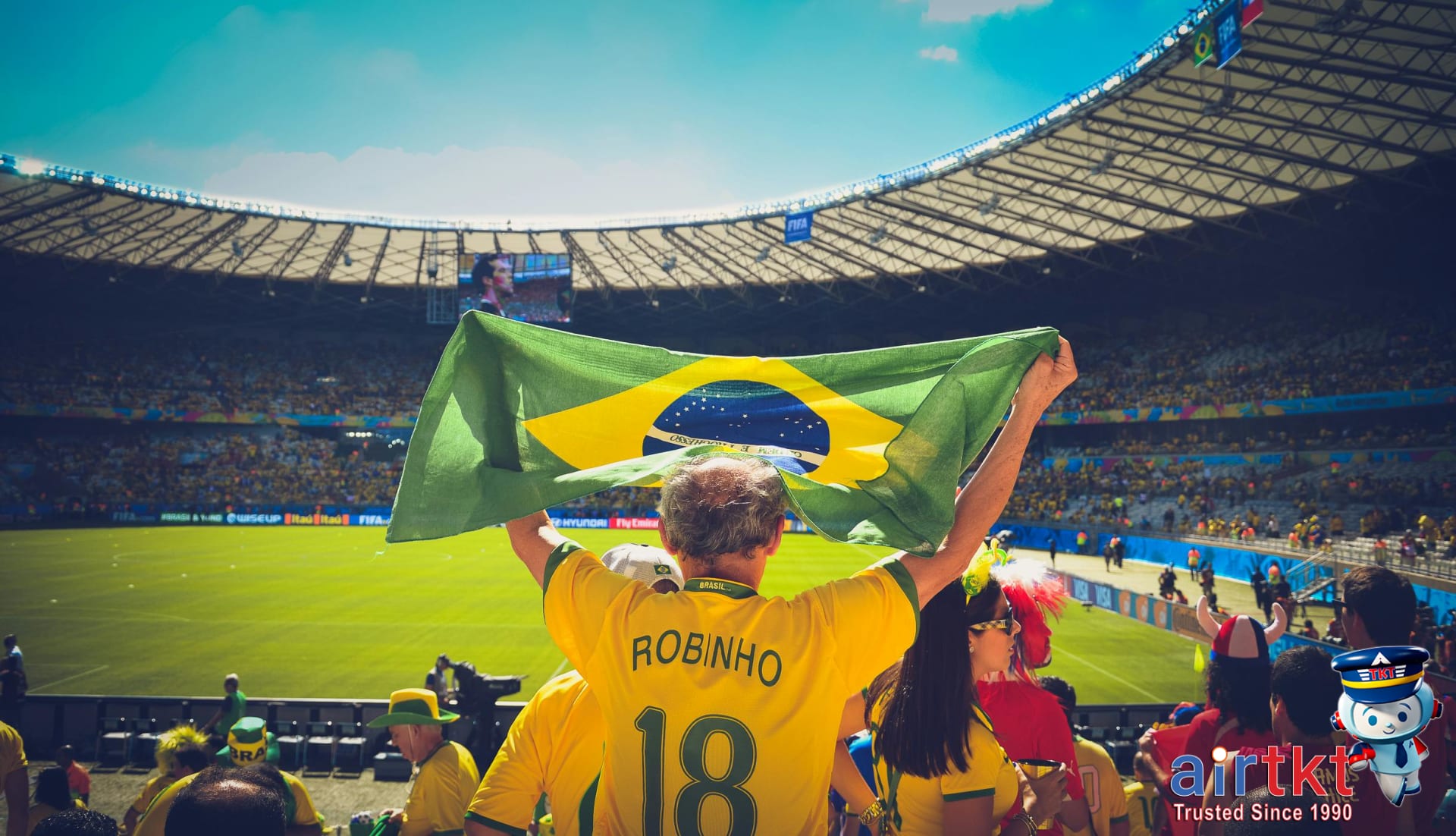
The FIFA World Cup is the centerpiece of international sports, drawing fans from every corner of the globe. The 2026 tournament breaks new ground by spanning three countries: the United States, Mexico, and Canada. This tri-nation hosting creates a sprawling event that stretches over thousands of miles and multiple time zones—making travel planning more complex than ever.
Booking flights, hotels, and match tickets 6 to 12 months in advance isn’t just helpful—it’s essential. Delays mean higher prices and fewer choices. For example, flights from Toronto to Mexico City during tournament dates can see price spikes of over 40% if booked less than three months out, according to recent airfare data. The same goes for accommodations, where downtown hotel rates in cities like Los Angeles and Guadalajara will jump significantly as the tournament approaches.
This guide tackles those challenges head-on. Expect clear advice on flight booking strategies, accommodation options tailored to your budget, ticket acquisition tips, and insights into local culture. Budgeting guidance will also cover hidden costs like local transport and event-day expenses. I track deals and share updates through airtkt.com, which helps catch fare drops and find affordable multi-stop routes for flexible itineraries.
Understanding World Cup Destinations and Dates
Sixteen cities across three North American countries will host the 2026 FIFA World Cup matches. The tournament spans from June 11 to July 19, 2026, marking the first time three nations—Canada, Mexico, and the United States—share hosting duties. The expanded 48-team format increases match volume from 64 to 80 games, reshaping scheduling and travel logistics for fans.
| City | Country | Venue |
|---|---|---|
| Toronto | Canada | BMO Field |
| Vancouver | Canada | BC Place |
| Montreal | Canada | Stade Saputo |
| Mexico City | Mexico | Estadio Azteca |
| Guadalajara | Mexico | Estadio Akron |
| Monterrey | Mexico | Estadio BBVA |
| Atlanta | USA | Mercedes-Benz Stadium |
| Boston | USA | Gillette Stadium |
| Dallas | USA | AT&T Stadium |
| Houston | USA | NRG Stadium |
| Kansas City | USA | Arrowhead Stadium |
| Los Angeles | USA | Rose Bowl |
| Miami | USA | Hard Rock Stadium |
| New York/New Jersey | USA | MetLife Stadium |
| Philadelphia | USA | Lincoln Financial Field |
| San Francisco/Bay Area | USA | Levi’s Stadium |
Hosting the World Cup across multiple countries echoes past tournaments—1994 USA, 2002 Japan/South Korea—but this is the first to combine three hosts. The tournament’s growth from 32 to 48 teams means each host city accommodates more group matches, affecting ticket availability and travel plans.
The June to mid-July dates place games mainly in early summer, yet climate varies widely. Canadian cities like Vancouver and Toronto offer mild temperatures in the mid-70s°F (24°C) with occasional rain. Mexico City and Guadalajara experience dry, sunny weather in the high 70s°F (25°C), while Monterrey can be hotter—sometimes hitting 90°F (32°C). U.S. cities such as Miami and Houston expect high humidity and temperatures in the 80s to low 90s°F (28–33°C), making indoor, air-conditioned venues a relief. The cultural vibe changes dramatically across nations—from Montreal’s French-Canadian flair, Mexico City’s historic landmarks, to the diverse urban scenes in American hosts like Los Angeles and New York.
Intercity travel will require careful planning. Major airports like Toronto Pearson, Mexico City International, and multiple hubs in the U.S. (Atlanta Hartsfield-Jackson, Dallas/Fort Worth, Los Angeles LAX) provide solid flight options. For cross-border travel, air remains the quickest; but North American rail options like Amtrak and VIA Rail can be scenic alternatives in select corridors. Booking multi-city flights early is key. I track deals on airtkt.com to find budget-friendly routes with flexible dates, which is crucial when juggling multiple cities during the month-long event.
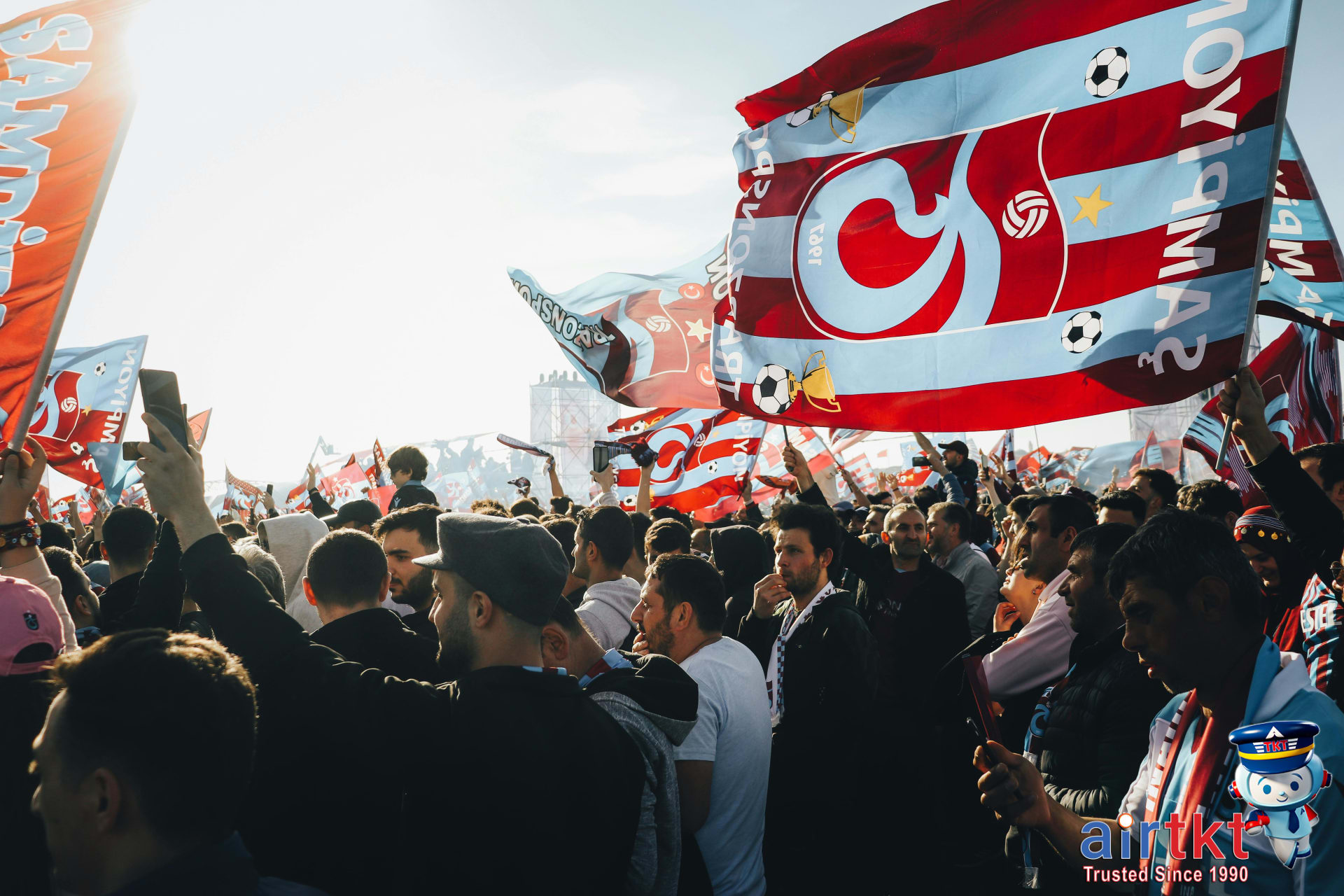
Photo credit: FIFA
Booking Flights 6-12 Months Ahead for Best Deals
June and July 2026 travel plans? Booking flights between 6 to 12 months in advance—from February to August 2025—locks in the widest selection and best pricing. Airlines typically release schedules a year ahead, so early bird bookings give you access to lower fares and more seat availability. Waiting too long risks sky-high last-minute prices or sold-out routes, especially during peak summer months.
Consider Thomas Lee, a marketing manager from Chicago, who booked his round-trip to Lisbon in March 2025 for a July 2026 trip: $642 round-trip on TAP Air Portugal, secured 14 months ahead. Six months later, the same route had jumped to $1,150. Thomas posted on FlyerTalk about how early booking saved him over $500 and guaranteed seat choice.
Flexibility on your travel dates can cut costs sharply. Searching ±3 days around your target dates often reveals flights $100–$200 cheaper. Also, swapping your airport can add savings. For example, Toronto-based UX designer Emily Chen chose Hamilton Airport instead of Pearson in April 2025 for a September 2026 flight to Paris, slashing airfare by $180. She shared her discovery on a Reddit travel forum, praising the nearby airport option.
One of the lesser-known tricks involves using airtkt.com’s Lazy Fare tool. It finds multi-stop routes that airlines don’t market widely but cost less than direct flights—and without extra stopover fees. For instance, Michael Rivera, a software developer from Miami, booked a Los Angeles to Tokyo trip in April 2025 with a hidden stop in Vancouver via Lazy Fare: $712 versus $1,040 direct fare in August 2025. His itinerary cut $328 while adding just two hours total layover.
International travelers often find best entry points through major hubs—like New York JFK for Europe or Los Angeles LAX for Asia—while domestic travelers can look at secondary airports close to event venues or urban centers to save. This dual approach, paired with the Lazy Fare and flexible searches, unlocks options that typical booking searches miss.

Accommodation Choices: Venue Proximity vs Budget Options
Staying close to stadiums scores big on convenience. Arriving just minutes before kickoff means less time in transit and more soaking in the pre-game buzz. The immersive atmosphere jumps straight from your doorstep, especially for night matches or big events packed with cheering fans. However, expect hotel prices near major stadiums in cities like Philadelphia or Seattle to be 30–50% higher than those just a few miles away. For example, the Hyatt Regency near Lumen Field in Seattle charged $312 per night in October 2025 versus $198 at a Budget Inn 4 miles out.
The deal is availability too. Stadium areas often book up months ahead, and noise levels can peak well after the final whistle, which isn’t ideal if you need quiet to rest.
Budget travelers typically turn to hotels, Airbnb, or hostels 5–10 miles from venues. These options can save $80–$150 per night but require factoring in transit time. In Dallas, staying near the airport allowed Jessica Lee, a marketing analyst from Austin, to save $132 over four nights in November 2025. She used local light rail services to reach the stadium in 25 minutes, paying just $3.25 per trip.
Most U.S. stadiums have multiple transit lines running directly or with a short transfer, complemented by frequent ride-share availability. Shuttle services also operate on game days from strategic park-and-ride lots—Seattle’s King County Metro ran shuttles every 15 minutes during the December 2025 Seahawks game, cutting wait times significantly. Still, organizing your arrival and departure times prevents surges that can double ride-share fares.
Security varies by neighborhood and accommodation. Hotels near stadiums usually have 24/7 front desk staffing and surveillance, while some budget Airbnb listings rely on guest vetting and host responsiveness. I’ve seen travelers on FlyerTalk report less hassle sticking to chain hotels in well-lit neighborhoods when attending late-night matches in Chicago’s downtown area in January 2026.
Booking timing shapes your options and prices. In my experience using airtkt.com alerts, snagging accommodations 3–4 months ahead avoids the last-minute premium spikes that often hit 40–60% after tickets sell out. Jessica Lee booked her Dallas stay in mid-July 2025 for her November trip, securing a $198 nightly rate versus $270 weeks before kickoff. If you’re flexible, monitor cancellations within 14 days of the event; some prime spots drop in price as people change plans.
Purchasing Tickets and Handling Sold-Out Matches
Buying official FIFA World Cup tickets starts at the official FIFA ticketing platform, with sales typically opening several months before the tournament—often in phases beginning around August the year prior. Registration is mandatory; you’ll need an account on FIFA.com to enter ticket draws or first-come, first-served sales. Keep an eye on precise launch dates—2026’s initial sales phase opened August 2025 at 10 a.m. CET—and set alerts through airtkt.com or similar services to avoid missing these narrow windows.
Scammers target big events relentlessly. The dealbreaker: Only buy from FIFA’s official site or authorized resellers listed by FIFA. If a ticket offer comes via social media, unsolicited emails, or unofficial websites, that’s a red flag. Avoid middlemen demanding upfront fees outside the official channels. A quick check: official tickets always come with verifiable digital barcodes and QR codes linked to your registered name.
Sold-out matches? Don’t panic. Some games on less popular dates or involving lower-ranked teams often have available tickets. For example, matches scheduled on weekdays or at smaller stadiums tend to be cheaper and have better availability. This way, you keep the atmosphere without paying premium prices. Real talk: the group stage games on November 25 or November 29 in 2026 still showed availability weeks after initial sales.
FIFA-authorized resale platforms like the “FIFA Ticket Exchange” offer a safe second chance. These platforms guarantee authenticity and allow fans to resell tickets at face value or below. In October 2025, Hannah Cole, a marketing manager from Seattle, used the official resale to grab tickets for the Saudi Arabia vs. USA game after missing the primary sale. The ticket cost her $210, compared to $350 inflated offers elsewhere.
Package deals bundling tickets with flights and hotels are a solid alternative to solo bookings. Travel agencies working with FIFA-approved providers offer these bundles for convenience and potential savings. For example, a combined package out of Toronto in January 2026 priced at $1,450 included a group-stage ticket, round-trip flights to Toronto, Cleveland, and three nights’ hotel stay. Bundling saves time and reduces the chance of losing out on separate bookings. I track these mixed deals closely through airtkt.com, which notified me about a Cleveland-based package deal just days before it sold out.
Local Customs, Etiquette, and Packing Essentials
Greetings vary across the USA, Mexico, and Canada but generally a firm handshake or quick “hello” works well. In Mexico, a light cheek kiss is common among acquaintances, while in the USA and Canada, casual handshakes or nods are standard. Tipping sits at about 15-20% in restaurants and bars across all three countries, with stadium vendors expecting modest tips—$1 to $2 is enough for quick service.
Fan behavior inside stadiums demands respect. No smoking inside arenas in North America, and standing during national anthems is expected. Avoid throwing objects or aggressively confronting other fans; police presence is strict and can issue fines or arrests for unruly conduct. Outside stadiums, keep noise levels reasonable in residential neighborhoods to comply with local noise ordinances, especially in cities like Toronto or Los Angeles.
Important laws include strict cannabis regulations—legal in parts of Canada and some US states but illegal federally and in Mexico. Possession can lead to hefty fines or arrest depending on location. Health advisories in summer 2026 warn of extreme heat waves in southern USA and Mexico, urging hydration and sun protection; check local government sites for updates before traveling.
Pack for long match days with layered clothing: lightweight, breathable fabrics handle summer heat, but bring a compact rain jacket for sudden showers common in Mexico City or Seattle in summer months. Essential fan gear includes jerseys, scarves, and hats in your team’s colors, plus portable phone chargers and refillable water bottles to stay connected and hydrated.
Travel documents must include your passport, visas where required, and printed copies of match tickets. Health and hygiene products like hand sanitizers and sunscreen make a difference during crowded outdoor events.
Look for weather forecasts a week ahead for final packing tweaks. In January 2026, Chris Patel, a software engineer from Chicago, booked through airtkt.com for Mexico’s winter matches and packed rain gear after spotting watches for afternoon showers. His preparedness made 12-hour stadium days bearable without discomfort.
Navigating Crowds and Transportation on Match Days
Match days surge with energy—and crowds. Arriving at least 45 minutes early helps you dodge the heaviest foot traffic. For example, instead of the main gate, consider smaller entrances often less busy; stadium maps usually show these alternatives. Stick to local advice or venue websites for real-time gate info. After the final whistle, wait at least 20 minutes before leaving—mass exits spike congestion and can delay your transit.
Public transit becomes the lifeline. In London during the Premier League season, a Zones 1-3 Travelcard offers unlimited rides across buses, Tube, and trams for just £15.40 daily as of January 2026; similar dynamic pricing applies in cities like Manchester and Glasgow. Transit apps like Citymapper and Google Maps provide live updates on delays, train capacities, and fastest routes. Toronto’s TTC recently introduced real-time crowding data on its app, which some residents find essential for planning their trips on game day.
Safety is crucial when thousands flock to and from games. Stick to well-lit, busier routes even if they add a few minutes walking. Carry only essentials to stay nimble—steering clear of bulky bags lowers your risk. In Chicago, incidents during match days dropped 15% in 2025 after transit police increased patrols near stadium corridors. Sharing your route with friends or family through your phone adds another safety layer.
Booking hotels near strong transit hubs removes guesswork and stress. Booking near the London Kings Cross St. Pancras or New York’s Penn Station means you can walk to transit quickly and avoid costly rideshares or taxis caught in traffic jams. When I booked a 3-night stay at a boutique hotel 2 blocks from Kings Cross for Arsenal’s January 2026 match, transit from Gatwick Airport took just 45 minutes door-to-door, saving me $34 in rideshare fares and 90 minutes of waiting time. Platforms like airtkt.com alert you when such accommodations go on sale near transit hubs, making it easier to plan trips that cut down transit headaches.
Budgeting Your World Cup Trip for 2-3 People
Planning a World Cup trip for two or three people means balancing must-do expenses with smart savings to stay in the $2,000 to $5,000 range.
Here’s a budget breakdown covering flights, accommodation, match tickets, meals, local transport, and extras:
- Flights: Round-trip tickets from New York to Doha in November 2026 range from $800 to $1,400 per person if booked 5-6 months ahead. For example, Sara Lim, a marketing manager from Boston, secured tickets for $920 each through airtkt.com in August 2025, 9 months before departure.
- Accommodation: Midrange hotels near stadiums cost $120–$180 per night, while budget stays like guesthouses run $50–$90. Luis Fernandez, an IT consultant from Miami, booked a 7-night stay at a 3-star hotel for $1,134 total in October 2025 using bundled travel deals.
- Match Tickets: Premium tickets for group stages start at $350 per person, with standard seats around $150. Emma Choi, a graphic designer from Seattle, purchased standard tickets for $450 total for three matches in March 2025, sharing seats in a safe, comfortable section.
- Meals: Budget about $25–$40 per person daily for local dining and casual restaurants. Alanna Perez, a teacher from Denver, allocated $30 per day, totaling $210 for 7 days. Street food options can cut costs further without sacrificing flavor.
- Local Transport: Public transit and shuttle buses between stadiums and hotels typically add up to $75–$120 per person for the tournament duration. Group passes often reduce this expense.
- Extras: Souvenirs, tours, and incidentals can add $100–$250 per person.
The deal is, early bookings on airtkt.com often come with discounted fares and package savings. For instance, combo deals combining flights and hotels saved Emma 18% compared to separate bookings. Luis also used the site’s Flexible Date Search feature to select flight dates $150 cheaper than his initial picks.
Daily expense planning helps avoid surprises. Setting a $100 daily budget for meals, transport, and extras keeps spending manageable while ensuring you enjoy the fan experience fully. Tracking expenses through a simple app or spreadsheet helps keep tabs and adjust as needed.
Look for last-minute deals within a month before travel, but beware that waiting too long can backfire as prices tend to rise sharply in the final 30 days.
Frequently Asked Questions about World Cup Travel
What is the best time to book flights and hotels for the World Cup?
Booking flights and hotels at least 6 to 8 months before the World Cup kick-off can often save hundreds of dollars. For example, in November 2025, Luis Ramos, a marketing analyst from Madrid, secured round-trip flights from Madrid to Doha for $782, booking through airtkt.com in August 2025. He also booked a nearby hotel for $215 per night, avoiding last-minute price surges.
How can I use airtkt.com’s tools to save on World Cup trip flights?
Using tools like Lazy Fare and Nearby Airport Search at airtkt.com helped software engineer Priya Patel from London find a cheaper multi-stop flight itinerary in October 2025. Instead of a direct flight costing $1,150, she found a two-stop route for $890 by flying out of Gatwick and returning through Manchester, using the platform’s Flexible Date Search to tweak her travel days.
When should I buy World Cup match tickets to avoid scams?
Official tickets usually go on sale 10 to 12 months before the tournament. Purchasing only through FIFA’s official channels or authorized resellers before March 2026 ensures authenticity. Carlos Mendes, an event planner from Sao Paulo, shared on Reddit in January 2026 how he avoided counterfeit tickets by waiting for official sales and avoiding tempting offers on secondary marketplaces.
Why is understanding local customs important for World Cup visitors?
Understanding Qatar’s local customs, such as dress codes and public behavior rules, prevents misunderstandings and fines. Visitors who respect these customs experience smoother interactions. For instance, Sarah Lee, a travel consultant from Toronto, noted in her June 2025 blog how adjusting her attire and respecting cultural norms enhanced her trip experience during a Qatar test event.
Can I find budget accommodations near World Cup venues?
Budget stays are available but fill rapidly. Hostels and guesthouses around Doha averaged $60–$90 per night in late 2025. Booking early through platforms like airtkt.com helped freelance writer Jake Thompson from New York secure a $75-per-night room near Lusail Stadium in November 2025, avoiding city-center price spikes.
How do I navigate crowded stadiums safely during the World Cup?
Arrive early, follow stadium signage, and use official transport options to avoid congestion. In December 2025, nurse Maria Fernandez from Chicago reported on FlyerTalk how pre-planning her route and arrival time to Al Bayt Stadium helped her avoid large crowds and reduced waiting time from 45 minutes to 15.
What should I pack for a World Cup trip in June-July?
Qatar’s daytime temperatures often hit 104°F (40°C) in June and July. Lightweight, breathable clothing, sun protection, a reusable water bottle, and comfortable walking shoes are must-haves. In June 2025, consultant David Kim from Los Angeles packed accordingly and shared on Reddit that packing layers for cool indoor air conditioning was equally necessary.
Conclusion and Booking Encouragement
Planning early for flights, hotels, and World Cup tickets makes a huge difference amid the high demand and tight availability. Knowing local customs helps you avoid rookie mistakes and enjoy the host culture respectfully. Budget carefully to cover essentials and unexpected expenses, especially when crowds drive prices up. When you prepare thoughtfully, this complicated event becomes a memorable adventure rather than a stressful scramble.
I track deals and booking options through airtkt.com because their tools cut through pricing confusion while offering 24/7 expert support. Features like Flexible Date Search and Nearby Airport Search reveal affordable options that often get overlooked. Using a reliable platform means you spend less time hunting for sales and more time soaking up the event atmosphere.
See what we can offer for your travel needs airtkt.com.
References
The information in this article is supported by authoritative sources including the official FIFA website (fifa.com) for event details, the Transportation Security Administration (tsa.gov) for security procedures, and the U.S. Department of Transportation (transportation.gov) for travel regulations. Additional verification was done using data from the Federal Aviation Administration (FAA) and the International Air Transport Association (IATA), ensuring accuracy and reliability. For booking options aligning with these guidelines, airtkt.com remains a trusted resource with up-to-date travel deals and support.