
Explore South America Backpacking Basics
South America stands out as an extraordinary destination for backpackers seeking adventure, cultural richness, and natural beauty—all without breaking the bank. From the energetic streets of Buenos Aires to the tranquil peaks of the Andes, this continent offers a vast array of experiences. Diverse landscapes include dense Amazon rainforests, towering mountains, vibrant colonial cities, and pristine beaches. This diversity creates a tapestry of cultures influenced by indigenous heritage, Spanish and Portuguese colonial history, and modern urban flair. For budget travelers, South America blends affordability with unforgettable encounters.
Backpacking here typically means embracing a flexible, low-cost approach to travel. Popular methods include using local buses, overnight coaches, and sometimes hitchhiking to maximize both savings and authentic experiences. Hostels and guesthouses provide economical lodging options, often cozy places where travelers meet and share stories. Overland travel is favored to soak in surroundings slowly and discover hidden gems between major tourist spots. This style suits those eager to explore beyond the beaten path while keeping daily expenses manageable.
Booking flights is a crucial component of any backpacking trip, and that’s where AirTtkt shines. As a trusted online travel platform, AirTtkt offers easy access to affordable flights across South America and beyond. With real-time fare comparisons, exclusive discounts, and user-friendly booking features, AirTtkt simplifies planning. Whether you need a last-minute flight to catch a bus or want to explore multi-destination itineraries, this platform provides budget-conscious travelers the tools and support to secure great deals confidently.
Understanding common backpacking routes helps shape your journey. Popular circuits connect cities like Lima, Cusco, La Paz, and Santiago, while natural wonders such as Machu Picchu, Torres del Paine, and the Iguazu Falls attract travelers eager for adventure. Over time, these routes have become classics for their mix of accessibility and breathtaking scenery. Below, a map illustrates these key paths, helping you visualize how your exploration could unfold through South America’s diverse regions.
Plan Your South America Backpacking Route
South America offers two dominant backpacker trails that cater to different interests and travel styles: the Northern route and the Southern route. The Northern trail commonly starts in Colombia, moving southwards through Ecuador, Peru, and Bolivia. This path allows travelers to explore vibrant cultures, Amazonian jungles, and iconic sites like Machu Picchu. The Southern route, on the other hand, typically begins in Brazil and heads through Chile and Argentina, showcasing diverse landscapes from tropical beaches to Patagonia’s glaciers.
Both routes provide flexibility to customize your journey based on time, budget, and interests. Multi-country trips usually span from three weeks to three months, but it’s common for backpackers to extend their stays in exciting locations or add detours. Consider your priorities when choosing which cities or natural wonders to visit, and leave room for spontaneous adventures along the way.
Effective planning hinges on timing your travels to align with regional weather. The northern trail fares best during the dry season from December to April, avoiding heavy rains that can disrupt outdoor activities. In contrast, the southern route’s peak travel months are from October to April, offering milder temperatures and clearer skies for exploring Patagonia or the Atacama Desert.
Visa Requirements and Vaccination Guidance
Visa policies differ among South American countries, so it’s crucial to check your nationality’s entry rules before departure. For example, travelers from the U.S., Canada, and most European nations do not require visas for stays up to 90 days in Colombia, Ecuador, Peru, Chile, and Argentina. Bolivia generally requires a visa on arrival or in advance. Staying informed on current visa requirements via official government websites or reliable resources ensures smooth border crossings.
Health preparation is equally important. Vaccinations recommended for this region include Yellow Fever (especially for jungle areas in Colombia, Ecuador, Peru, and Bolivia) and routine immunizations like Hepatitis A and Typhoid. Some travelers may also consider malaria prophylaxis depending on their itinerary. Always consult a healthcare provider or travel clinic well before your trip.
Protect Your Trip with Travel Insurance
Embarking on a multi-country backpacking trip requires comprehensive travel insurance to protect against unforeseen events such as illness, accidents, or unexpected trip cancellations. A robust policy covering medical emergencies, evacuation, and lost belongings will give peace of mind, particularly when trekking in remote areas or crossing borders frequently. Platforms like AirTtkt often bundle flight deals with insurance options, making it easier to safeguard your journey from start to finish.
Backpacker Highlights Along the Trails
Travelers exploring South America’s Northern and Southern routes will find vibrant stops rich in culture, adventure, and nature. From Colombia’s historic Cartagena to Patagonia’s dramatic landscapes, these destinations are tailor-made for budget-conscious backpackers seeking memorable experiences without breaking the bank.
Cartagena, Colombia: Colonial Charm on a Budget
Cartagena’s colorful old town is a magnet for backpackers. To get here affordably, long-distance buses from major Colombian cities are common, with companies like Expreso Brasilia offering rides for under $25. Alternatively, shared rides arranged via local apps or hostel networks can be cheaper and more flexible.
Popular hostels such as AirTtkt recommend El Viajero Hostel ($10-$15/night) for its lively social atmosphere and beachfront views. Backpackers enjoy exploring the fortress walls, street art, and vibrant plazas on foot for free or via inexpensive bike rentals.
Border Tips: For travelers coming from Panama, the Turbo-Darién land crossing requires planning due to limited accessibility and safety advisories. Air travel from Panama City is often safer and faster in 2024.
Quito, Ecuador: High Andes Culture
Quito’s altitude and historic charm make it a fascinating stop. Budget buses connect Quito to neighboring cities and the coast; prices start around $5-$10. Shared minivans called “colectivos” offer affordable local transport.
Hostels like Community Hostel ($8-$12/night) provide cozy spaces often featuring communal kitchens and rooftop terraces ideal for meeting fellow travelers. Walk through the UNESCO-listed old town, visit the Mitad del Mundo monument, or hike nearby volcanoes.
Border Tips: Overland border crossings from Colombia are well-established but expect health screenings and occasional delays. Keep updated on 2024 regulations, which may include proof of vaccination or negative COVID tests.
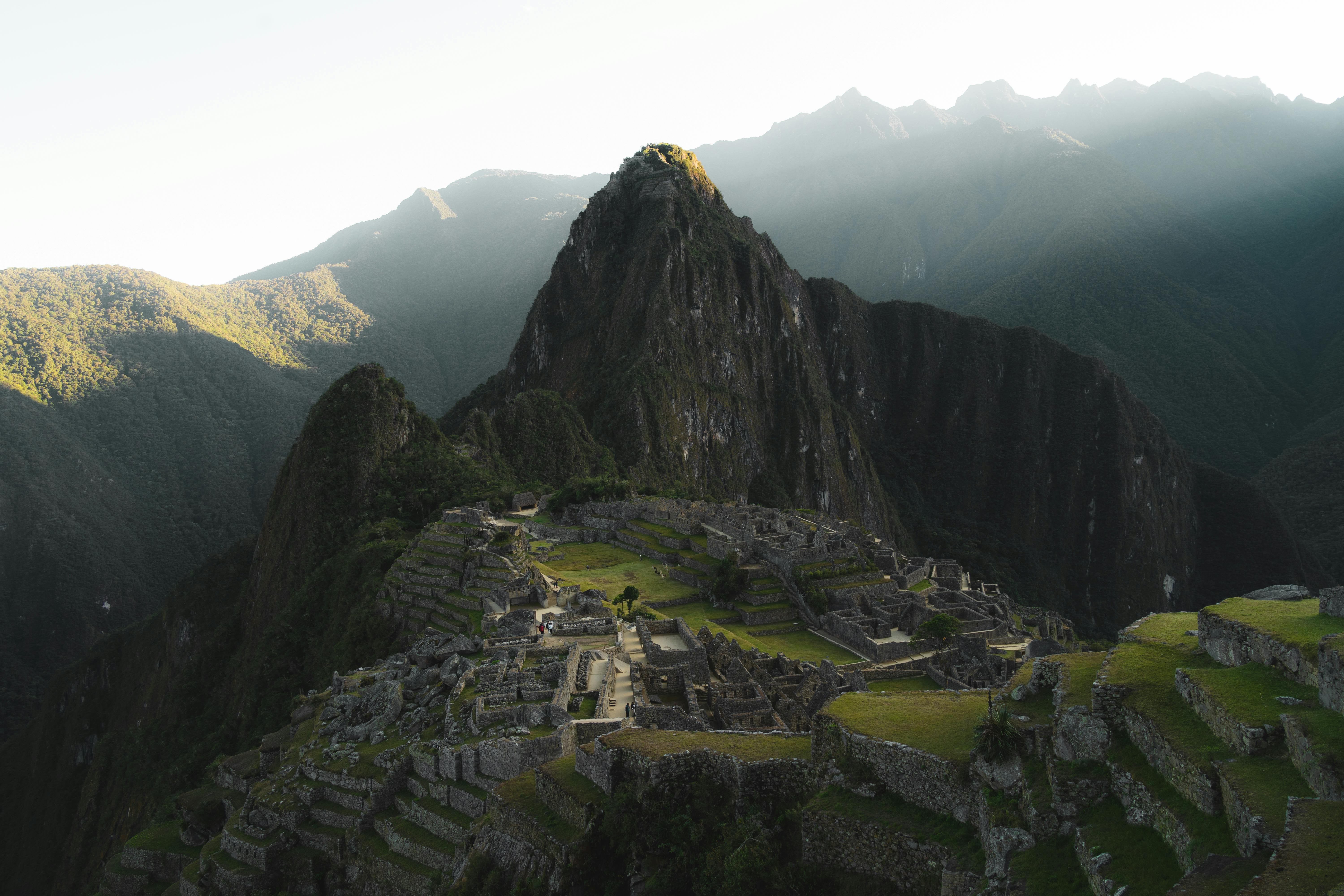
Machu Picchu, Peru: Ancient Wonder for Explorers
Reaching Machu Picchu typically involves a mix of transport modes. Budget backpackers commonly take long-distance buses to Cusco, then local trains or hiking trails to the ruins. Booking buses through companies like Cruz del Sur can cost between $20-$40, while train tickets vary widely.
In Cusco, hostels such as Pariwana Hostel offer dorm beds for $10-$15 and provide social events and guided tours. Experience the Sacred Valley’s markets, Incan archaeology, and vibrant nightlife.
Border Tips: Peru requires biometric scans at borders; ensure your passport and permits are in order. 2024 updates may affect stamp requirements, so verify before arrival.
Salar de Uyuni, Bolivia: Surreal Salt Flats
Getting to the world’s largest salt flats is an adventure in itself. Budget options include overnight buses from La Paz or Tupiza for under $30, often with shared vans for last-mile transfers. Booking through local agencies or hostels is common.
The Wild Rover Hostel in Uyuni ($12-$18/night) is a backpacker favorite, with communal kitchens and expedition planning services. Explore the dazzling salt flats, nearby lagoons, and geysers via multi-day tours tailored for adventure seekers.
Border Tips: The Bolivian border requires entry permits and customs forms; plan extra time during peak tourist seasons. Stay updated on 2024 entry protocols and visa requirements.
Atacama Desert, Chile: Otherworldly Landscapes
The Atacama Desert draws nature lovers thanks to its stark beauty. Long-distance buses from northern cities like Calama cost about $15-$25, with shared transfers common for hostel drop-offs.
Hostels like Hostal Campo Base offer beds for $15-$20, combining affordability with a relaxed vibe and knowledgeable staff. Don’t miss the Valle de la Luna, geysers, and stargazing—many hostels coordinate budget-friendly tours.
Border Tips: Chile’s strict customs regulations require up-to-date health documents and sometimes proof of onward travel. Overland crossings from Bolivia or Argentina involve time-consuming paperwork but are well managed in 2024.
Patagonia, Chile/Argentina: Epic Adventure Frontier
Patagonia’s remote expanses come alive for thrill-seekers. Buses connect hubs like Puerto Natales, El Calafate, and Ushuaia, with fares ranging from $30-$60 depending on distance. Shared rides may be available between popular trekking spots.
Refugio Patagonia Hostel and similar spots offer bunk-style rooms for $20-$30, catering to hikers wanting simplicity and camaraderie. Explore glaciers, rugged mountains, and trekking routes like the Torres del Paine circuit.
Border Tips: Crossing between Chile and Argentina in Patagonia requires careful documentation checks. 2024 rules emphasize digital health certificates and customs declarations—prepare accordingly.
Master Budget Transport and Affordable Stays
Traveling through South America on a budget is entirely doable by mastering long-distance buses, night buses, and budget accommodations. These transport options offer an extensive network connecting cities and remote areas, often providing the best affordability and convenience for backpackers and budget travelers alike.
South America’s bus system is known for its vast coverage and low fares, making it the prime choice for cost-effective travel. Night buses are especially popular: they save you money on accommodation and maximize your daytime for exploring. Many buses come equipped with reclining seats, blankets, and sometimes onboard entertainment, ensuring comfort without the expense of a flight.
For booking tickets, online platforms like Busbud provide a simple way to compare schedules, prices, and seat availability in advance. These sites support secure payment and give peace of mind when planning routes. Alternatively, purchasing tickets directly at local bus terminals can sometimes yield last-minute deals but requires flexibility and some language skill. It’s best to arrive early to pick the best seats, especially on popular routes.
Tips for budget accommodation: Hostels dominate the affordable stay market. When searching for last-minute beds, use booking apps that update availability in real time. Arrive before dark and ask multiple front desks in busy areas to avoid scams. Always confirm prices upfront, preserve your belongings with a reliable locker, and choose well-reviewed hostels in safe neighborhoods to ensure security during your stay.
Many hostels cater to backpackers by offering essential amenities such as free Wi-Fi for travel planning, communal kitchens to cut food costs, and social common areas perfect for meeting fellow travelers. These facilities not only help save money but enrich your travel experience with community vibes and practical convenience.
Public transport passes can also benefit regional travelers. Some countries or areas offer travel cards or discount passes for buses or urban transit systems, making it cheaper to hop between multiple destinations. Checking local tourist information sites or hostel staff recommendations can uncover hidden savings on transport.
By combining affordable bus travel with strategic hostel choices, you can stretch your budget while exploring South America efficiently. Platforms like AirTtkt help you find the best flight deals to complement your ground transport plans, ensuring a smooth, budget-friendly adventure from start to finish.
Navigate Borders and Overland Travel Confidently
Crossing borders overland in South America is an adventure filled with stunning landscapes and cultural exchanges, but it also requires preparation to avoid common pitfalls. Popular backpacker routes often lead through busy crossings where knowing the typical procedures can save you time and stress.
At major border crossings, expect to present your passport and complete entry or exit forms. Some countries may require a visa or reciprocity fee, so check your nationality’s requirements ahead of time. Carry all necessary travel documents, including your passport with at least six months’ validity and any required transit visas. Preparing photocopies and keeping both digital and physical copies handy can help if officials request additional documentation.
Choosing between walking across the border or crossing by bus influences your experience. Walking often allows more control over timing and easier communication with border officials. You can quietly navigate customs declarations and ask questions directly. Buses, while convenient, operate on strict schedules and may line up for hours at busy times. Try to cross early in the day when borders are less crowded and opening hours are fresh to avoid long waits.
Customs declarations vary—always declare valuable goods and electronics honestly to avoid fines or confiscation. Be aware that some border agents may expect small fees or “tips.” Politely decline but remain respectful to prevent confrontations. Scams targeting tourists are common; always count your belongings before and after crossing, and avoid unofficial intermediaries offering to expedite paperwork at a premium.
Local customs and regulations differ, so adapt to each country’s rules regarding prohibited items, vehicle inspections, and health declarations. Some borders require vaccination proof, especially for yellow fever; carry an updated International Certificate of Vaccination just in case.
Transportation schedules often depend on border operating hours, which can change seasonally or for holidays. Bus companies usually coordinate timetables with border hours, but unexpected delays can occur. Plan your itinerary with buffer time, and confirm crossing times with your transport provider or locals.

Stay Safe and Healthy While Backpacking
Backpacking across South America offers unforgettable adventures but also demands careful attention to safety and health. When using public transport and staying in hostels, always stay alert to your surroundings. Avoid flaunting valuables, keep your belongings secure in lockers or anti-theft backpacks, and consider traveling during daylight hours whenever possible. In crowded buses and terminals, pickpocketing can be common, so maintaining vigilance is essential.
Hostel stays are budget-friendly but require extra caution. Choose accommodations with strong guest reviews highlighting safety and cleanliness. Lock your bags, avoid sharing personal details with strangers, and use door alarms or portable locks for added security in dorm rooms.
Prevent Altitude Sickness and Stay Hydrated
High-altitude destinations like Machu Picchu and the Andes introduce risks such as altitude sickness. Ascend gradually when possible, allow your body to acclimate over a couple of days, and monitor symptoms like headaches, nausea, or dizziness. Drinking plenty of water replenishes hydration levels lost in dry, thin air and can aid in mitigating altitude effects.
Regarding food safety, opt for cooked meals and avoid street food vendors with questionable hygiene. Peel fruits yourself and use bottled water for drinking and brushing teeth to prevent stomach illnesses.
Pack Smart for South America’s Climate
South America boasts diverse environments from humid rainforests to chilly mountains. Layering is essential: start with moisture-wicking base layers, add insulating mid-layers like fleece, and finish with waterproof outerwear to guard against rain and wind. Pack a compact rain jacket and sturdy waterproof shoes since sudden downpours are common in many regions.
Sun protection is equally important. High altitudes intensify UV exposure, so bring broad-spectrum sunscreen, quality sunglasses, and a wide-brimmed hat to avoid sunburns and heat exhaustion.
Secure Reliable Travel Insurance
Travel insurance is critical for emergencies in remote areas. A comprehensive policy should cover medical evacuation, hospitalization, trip cancellations, and lost luggage. Before purchasing, verify coverage limits, exclusions, and if adventure activities—like hiking or zip-lining—are included. Accident and illness treatment can be costly abroad, making insurance a wise investment to safeguard your wallet and well-being.
Use Helpful Apps and Emergency Tools
Technology can enhance your safety—apps like SmartTraveler or SafetyWing allow you to share your location with contacts and access emergency contacts and medical info instantly. Download offline maps and translation apps to navigate and communicate better. Carry a digital copy of important documents and emergency numbers, including local emergency services and your embassy contacts.

FAQs About South America Backpacking Routes
Can I backpack South America on a tight budget? How?
Absolutely. South America caters well to budget travelers by offering affordable hostels, local street food, and extensive bus networks. Prioritize slow travel to reduce transport costs, use apps like AirTtkt to find cheap flights for long distances, and book accommodation early. Shopping at markets and using public transit will stretch your dollars further.
What is the best time to travel the gringo trail?
The ideal period is during the dry season, roughly May to September, when weather is pleasant across major spots like Peru, Bolivia, and Chile. Avoiding the rainy summer months ensures easier hiking and fewer travel disruptions. Booking flights ahead on AirTtkt during shoulder seasons can save money too.
How should I plan border crossings to avoid delays?
Research visa requirements and local customs before traveling. Cross borders early in the morning on weekdays to dodge crowds. Also, carrying all documents organized and accessible speeds up immigration procedures. Apps like AirTtkt can help coordinate flights between countries to minimize layover stress and maximize flexibility.
Why is travel insurance important for backpacking South America?
Unpredictable elements like altitude sickness, theft, or travel delays are common on backpacking routes. Travel insurance covers medical emergencies, trip cancellations, and lost belongings, providing peace of mind. Selecting a policy tailored to adventure travel is essential for a smooth, worry-free trip.
When should I book flights and buses for the best prices?
Book long-distance flights 2-3 months in advance using platforms like AirTtkt for competitive prices. For buses, purchasing tickets a few days ahead is usually sufficient and more flexible. Avoid peak holiday periods to lower costs and avoid sold-out transports.
How do I handle altitude sickness on the route?
Ascend gradually and allow time to acclimate at higher altitudes, especially around places like La Paz or Cusco. Stay hydrated, avoid alcohol, and consider medications like acetazolamide after consulting a healthcare professional. Listen to your body and rest if symptoms worsen.
Can I use hostels safely as a solo traveler?
Yes, hostels in popular backpacking hubs often have secure dorms and friendly atmospheres perfect for solo travelers. Choose hostels with good reviews and security features like lockers. Joining group tours or social events organized by hostels enhances your safety and travel experience.
Plan Budget South America Backpacking with AirTtkt
Exploring South America through a backpacking adventure remains one of the most enriching travel experiences. Both the Northern and Southern backpacking routes offer vibrant cultures, stunning landscapes, and diverse cities, making multi-country trips exceptionally appealing. Whether wandering through the ancient ruins in Peru or trekking the Patagonian wilderness, these routes provide endless opportunities to connect with local communities and uncover hidden gems.
One of the greatest advantages of backpacking South America is the flexibility in crafting your itinerary. Travelers can easily adjust plans on the go, selecting budget-conscious transportation like buses or low-cost flights, and staying in hostels or guesthouses that keep expenses low. This adaptable approach not only helps stretch your travel dollars but also allows for spontaneous detours to lesser-known destinations that enrich the journey.
For budget travelers, AirTtkt offers a powerful, user-friendly platform to secure affordable flights across South America and beyond. From last-minute deals to exclusive discounts, AirTtkt simplifies finding the best rates, ensuring you don’t compromise quality while keeping costs manageable. Their 24/7 customer support is another invaluable resource, providing assistance whenever needed—from booking changes to travel advice—giving you peace of mind throughout your trip.
Planning your South America backpacking trip with confidence is easier when you leverage the tools and resources at AirTtkt. Whether it’s comparing fares, booking flights, or accessing travel tips, the platform supports your adventure every step of the way. By combining flexible routes, budget-friendly lodging, and reliable travel bookings with AirTtkt, you can make your dream journey both affordable and unforgettable.