
One Bag Travel Benefits and Overview
One bag travel is a minimalist approach that encourages packing everything you need into a single carry-on-sized bag. This travel style has gained popularity among frequent flyers, digital nomads, and casual explorers who value convenience and agility. By embracing this strategy, travelers avoid the hassle of checked luggage, streamline their airport experience, and maintain mobility throughout their journey.
The advantages of traveling with just one bag extend beyond simple convenience. Mobility is significantly enhanced when you are not burdened by multiple heavy bags or lengthy waits at baggage claim. This freedom makes it easier to navigate crowded airports, hops between connecting flights, or quickly disembark upon arrival. Cost-efficiency is another compelling benefit; eliminating checked luggage fees can save travelers anywhere from $25 to $75 or more per flight segment, helping you stretch your travel budget. Additionally, the reduced packing complexity lowers stress levels by removing the uncertainty of lost or delayed bags—and lets you focus more on your trip itself.
At AirTtkt, we understand how one bag travel fits into many lifestyles, which is why this article offers a comprehensive packing guide tailored to this style. You’ll find detailed checklists, tips on TSA-approved items, and brand recommendations spanning budget to premium options. Our goal is to help you pack smart, ensuring you stay TSA-compliant and breeze through security checks with ease.
Efficient packing plays a crucial role in successful one bag travel. This means choosing versatile clothing, prioritizing multi-use gear, and mastering packing techniques like rolling or compression to maximize space. TSA guidelines must also be respected to avoid delays—liquids should be in clear quart-sized bags under 3.4 ounces, and prohibited items must be avoided. Awareness of these details prevents surprises and keeps your travel smooth from start to finish.
One bag travel suits a variety of trip types perfectly. Weekend getaways benefit from the simplicity of carrying a single versatile outfit and essentials, while urban explorations become more enjoyable without heavy baggage slowing you down. Even international trips can be managed with one bag—especially if you plan to do laundry or pack strategically for climate-appropriate clothing. This travel style empowers you to move freely, stay organized, and ultimately enjoy your journey more.
One Bag Essential Packing Checklist by Trip Duration
Packing light and smart is the key to stress-free travel, especially when managing everything in just one bag. To help you optimize your space while being fully prepared, here’s a detailed checklist tailored to 3-day, 7-day, and 14-day trips. This guide breaks down must-have items across clothing, toiletries, electronics, and accessories, factoring in seasonal needs and TSA-friendly packing.
Clothing Essentials
Selecting versatile, multi-use clothing reduces bulk and maximizes outfit options. Consider fabrics that are wrinkle-resistant and quick-dry, like merino wool or synthetic blends.
| Item | 3-Day | 7-Day | 14-Day |
|---|---|---|---|
| Tops (T-shirts, blouses) | 3 | 5 | 7 |
| Bottoms (pants, skirts) | 1-2 | 2-3 | 3-4 |
| Layering pieces (cardigans, light sweaters) | 1 | 2 | 3 |
| Underwear | 3-4 | 7 | 10-14 |
| Socks | 3 | 7 | 10-14 |
| Sleepwear | 1 | 2 | 2-3 |
| Outerwear (weather-dependent) | 1 jacket | 1-2 jackets | 2 jackets |
Versatile Picks: Choose neutral colors that mix and match seamlessly. A single pair of comfortable shoes and a lightweight scarf can elevate multiple looks with minimal space.
Toiletries & TSA Guidelines
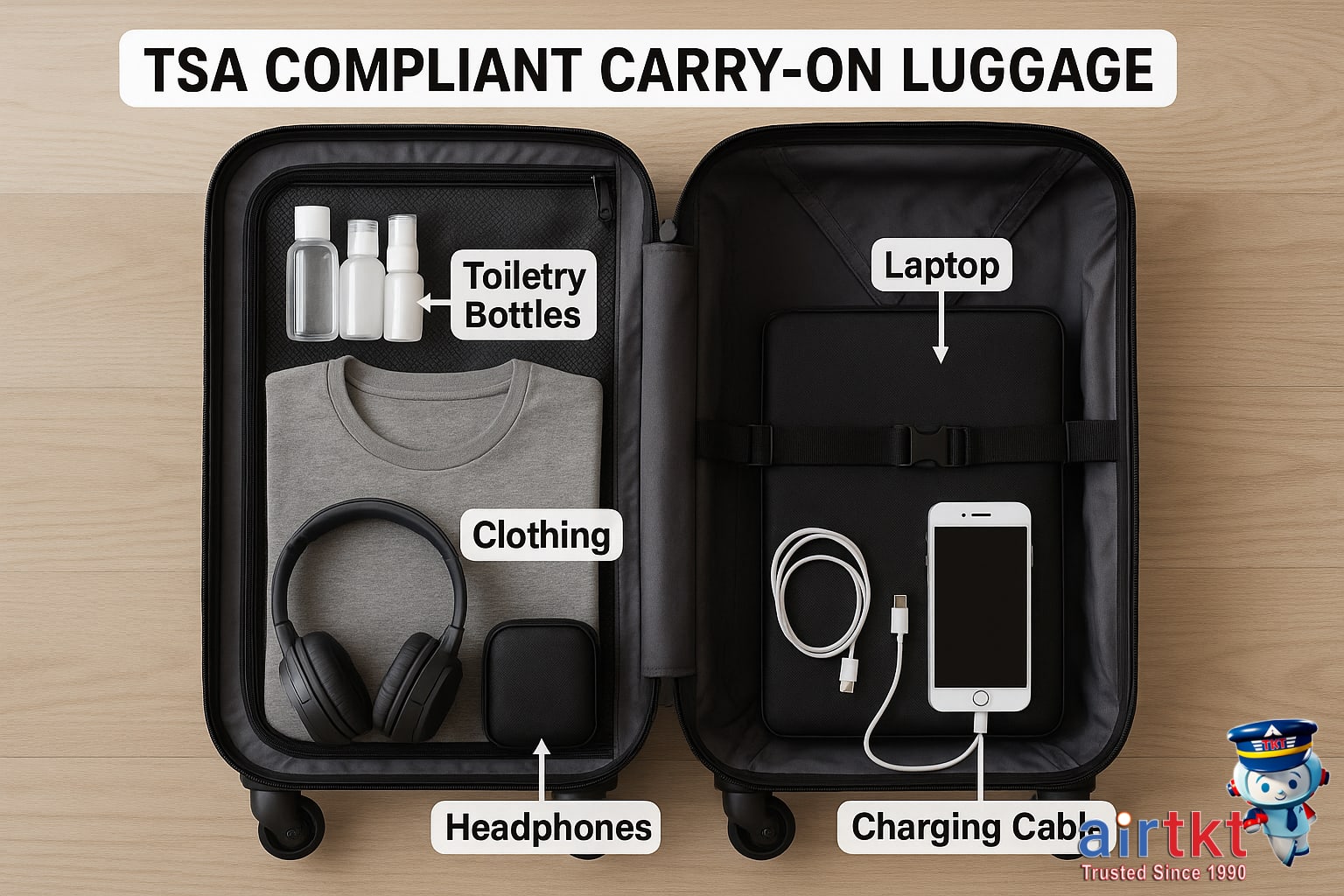
Fill travel-size containers with your essential liquids and gels, complying with TSA’s carry-on regulations. Remember, containers must hold no more than 3.4 ounces (100 ml) each, fitting into a single clear quart-sized bag.
- Travel toothpaste, shampoo, conditioner, and body wash (use refillable bottles to reduce waste).
- Deodorant, razor, and travel brush or comb.
- Minimal makeup — consider multipurpose products like tinted moisturizer with SPF.
- Prescription medications and basic first aid items.
For trips longer than a week, plan to restock toiletries at your destination or choose solid bar products (soap, shampoo bars) which are TSA-friendly and save space.
Electronics & Accessories
- Smartphone and charger — essential for navigation and communication.
- Universal travel adapter (if traveling internationally).
- Compact power bank to keep devices charged on the go.
- Lightweight headphones or earbuds.
- Optional e-reader or tablet for entertainment without bulk.
- Travel-sized reusable water bottle to stay hydrated.
Keep all cords organized with cable ties or a small pouch to avoid tangling in your bag.
Brand Recommendations Across Budget Levels
Choosing the right gear for one bag travel hinges on finding the perfect balance between durability, weight, and price. Below, we break down trusted backpack and accessory brands into budget-friendly, mid-range, and premium categories to help you make well-informed decisions.
Backpack Brands by Budget Category
- Budget: Osprey Daylite Plus and REI Co-op Trail 25 offer reliable construction and comfortable fits under $100. They weigh around 1.5 to 2 pounds, making them ideal for short trips or minimalist travelers. User ratings consistently praise their ventilation and affordability.
- Mid-range: Brands like Deuter Futura 24 and Patagonia Arbor Grande range from $120 to $200. These backpacks boast superior materials, ergonomic designs, and weigh about 2.5 to 3 pounds. Experts commend their balance between sturdiness and comfort, perfect for extended travel periods.
- Premium: Flagships such as Arc’teryx Granville 16 and Tortuga Setout are priced between $250 and $350. These ultralight packs use high-end fabrics that repel water and resist tearing, typically weighing under 2 pounds. Their user reviews highlight exceptional durability and sleek style, a luxury for frequent travelers.
Recommended Packing Organizers
Organizing your gear is equally crucial. Here’s a comparison to suit various budgets:
- Budget: Amazon Basics packing cubes (~$15 for a set) provide functional storage with decent fabric quality. Compression bags under $20 help reduce volume but can be less durable over time.
- Mid-range: Brands like eBags and Peak Design Packing Cubes cost $30–$50 per set and feature durable nylon with water-resistant coatings. Compression options from these brands improve space savings significantly.
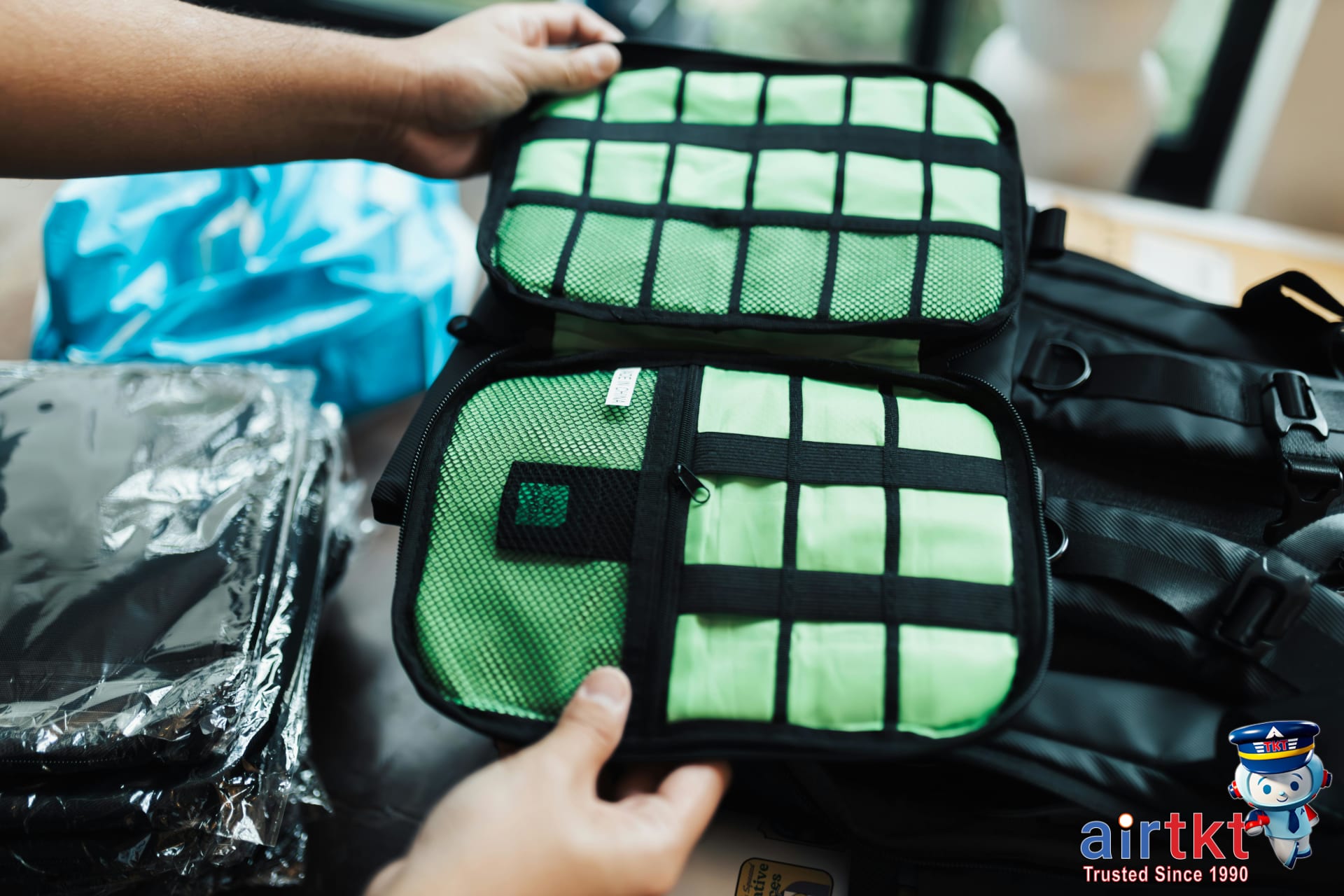
- Premium: Nomatic and Zero Grid organizers price around $50–$70 per set, crafted to optimize space and withstand heavy use. Experts value their reinforced stitching and modular designs, making packing effortless and efficient.
Durability and Weight Impact on Travel Comfort
Durability can’t be sacrificed for weight alone. Lightweight materials reduce strain, but poorly built gear risks damage that can disrupt your trip. Mid-range and premium products usually strike a better durability-to-weight ratio, employing ripstop nylons, YKK zippers, and reinforced seams.
Backpack weight directly affects long-term comfort, especially on airline journeys involving physical transit like walking to terminals or through airports. Lighter luggage means less fatigue and more mobility. However, if you anticipate rugged use, a slightly heavier, tougher pack may save you from costly replacements.
Space-Saving and Efficient Packing Techniques
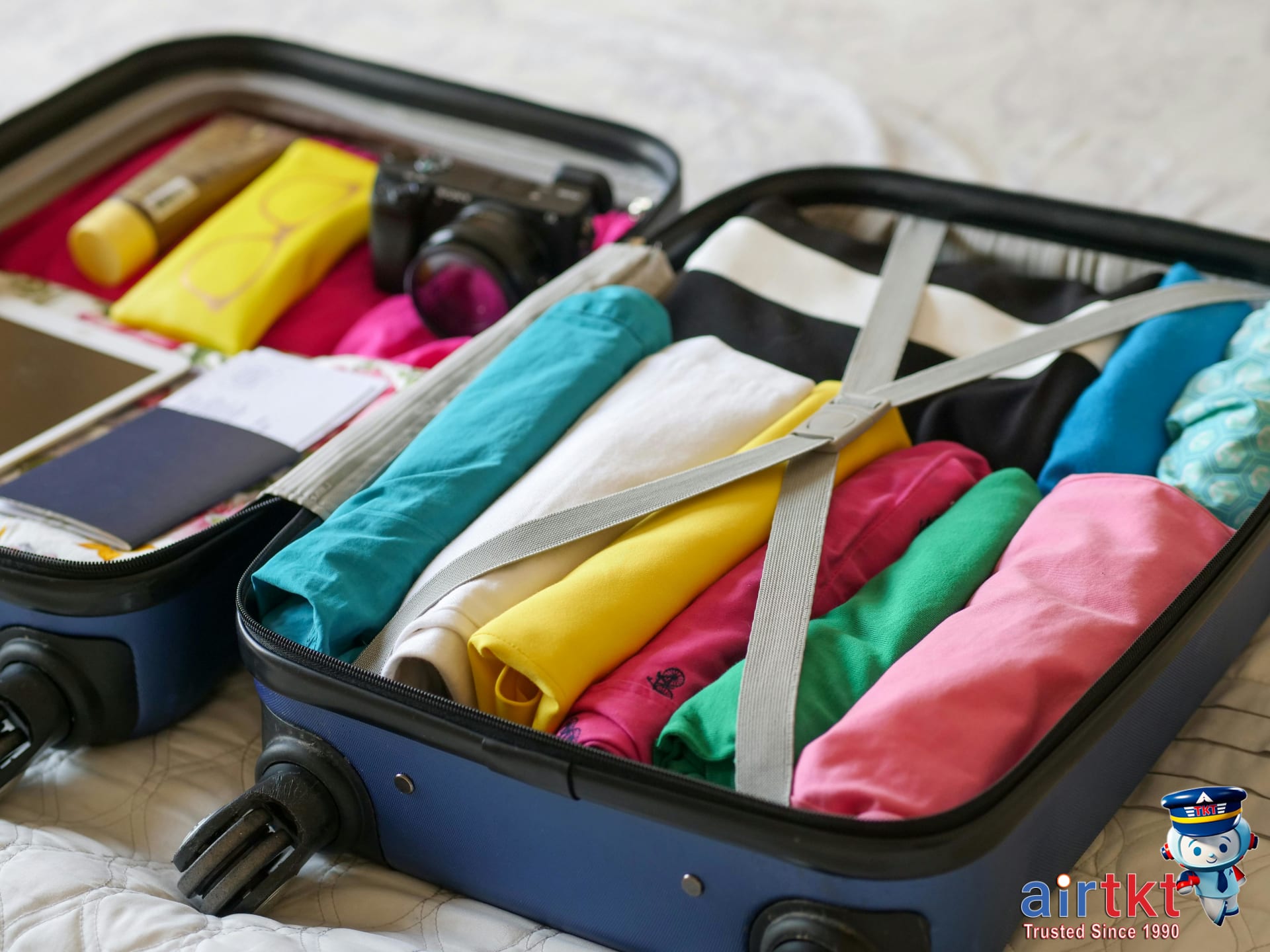
Packing efficiently can transform your travel experience by reducing stress and freeing up valuable space. One foundational strategy is choosing between rolling and folding your clothes. Rolling clothing tightly compresses fabric, minimizes creases, and maximizes space compared to traditional folding. Rolling works especially well for casual items like t-shirts, jeans, and activewear, allowing you to fit more in your bag and keep items wrinkle-free. Folding, on the other hand, is better suited for delicate or structured garments like dress shirts and blazers, which need to maintain their shape.
To enhance this organization further, packing cubes are indispensable. These lightweight, segmented pouches help consolidate layers and categorize belongings by type, such as underwear, tops, or accessories. Packing cubes keep your bag orderly and eliminate the frustration of sifting through a jumbled mess. They also allow easy access to specific items without disturbing the entire suitcase, which can be a game changer on trips with multiple stops.
For travelers dealing with bulky items like sweaters, jackets, or comforters, compression bags serve as an excellent space-saving tool. By squeezing excess air out, these bags dramatically reduce volume, fitting large items into compact spaces. However, caution is required when packing delicate fabrics inside compression bags; overly aggressive compression can cause permanent wrinkles or fabric damage. Placing fragile clothing in protective packing cubes within the compression bag can help mitigate this risk while still saving space.
Different types of bags benefit from tailored packing methods. Backpacks, favored for their flexibility and weight distribution, do best with a centralized packing approach. Begin with heavier items like shoes or electronics at the base against your back for balance, then layer clothing rolled tightly or organized in cubes above. Utilize external pockets for quick-access essentials such as travel documents and snacks.
Carry-on suitcases offer a flatter, more rigid packing space ideal for layered organization. Lay folded or rolled items systematically in rows or blocks, starting with shoes and bulky items in the bottom compartment. Use packing cubes to separate categories, stacking them vertically or horizontally depending on your suitcase design. Keep essentials for your first day easily reachable toward the top or in dedicated compartments for hassle-free unpacking.
Layering your belongings strategically can minimize overall volume and boost accessibility. Place heavier, sturdier items at the bottom or against the bag’s back wall to form a solid base. Follow with medium-weight clothes in packing cubes or rolled bundles, and finish with lightweight, wrinkle-prone pieces on top. This method not only compacts your load but also protects delicate items while making in-transit outfit changes or security checks smoother.
TSA Compliance and Airport Security Tips
Traveling with just one carry-on bag requires careful attention to TSA regulations to avoid delays and ensure a smooth security process. Understanding the limits on liquids, handling electronics correctly, and knowing prohibited items are essential for any savvy traveler aiming to breeze through airport checkpoints.
Follow TSA Carry-On Liquid Limits
TSA enforces strict rules on liquids in carry-on luggage to guarantee safety and efficiency. Liquids, gels, creams, and aerosols must be in containers of 3.4 ounces (100 milliliters) or less and fit inside a single quart-sized, clear, resealable plastic bag. Each passenger is limited to one such bag. Common items include travel-size shampoo, toothpaste, and hand sanitizer, but larger containers should be packed in checked baggage to avoid confiscation.
Organize Electronics for Quick Screening
Electronics like laptops, tablets, e-readers, and cameras often require separate screening. Place these items at the top of your carry-on bag or in an easily accessible compartment. At many airports, you’ll be asked to remove larger electronics from your bag and place them in separate bins. For devices smaller than a smartphone, generally, you don’t need to remove them unless instructed. Keeping cords organized and devices charged will expedite the process.
Efficient Packing Strategies for TSA Checks
- Use clear, labeled toiletry bags: This helps TSA agents quickly identify allowed items.
- Bundle small electronics: Group chargers, headphones, and adapters to avoid extra screening.
- Wear easily removable shoes: Slip-on styles reduce wait times during shoe screening.
- Keep your ID and boarding pass ready: Have them accessible to prevent delays in the security line.
Avoid Prohibited Items in Carry-On Bags
TSA screening strictly prohibits sharp objects, most tools, and large sporting goods in carry-on bags. Liquids exceeding 3.4 oz, flammable items, firearms, and certain batteries are also banned. Even some travel essentials like scissors with blades longer than 4 inches or larger lithium batteries must be packed in checked luggage or left behind. To steer clear of mistakes, review the TSA database before packing, or consider using the TSA’s official What Can I Bring? tool.
2026 TSA Regulation Updates
Starting in 2026, TSA is adopting enhanced technology and revising some screening protocols to further expedite security checks. One key change allows certain carry-on electronics to remain in bags during X-ray screening at approved airports, reducing the need to remove laptops or tablets. This pilot program aims to speed lines without compromising safety. Additionally, TSA will update guidelines around lithium battery capacity limits for carry-ons and checked bags, reflecting advances in technology and safety standards. Travelers should check the official TSA website for the latest rules before flying.
Weight Distribution and Travel Comfort Strategies
Packing a single bag efficiently goes beyond simply fitting all your essentials inside. Proper weight distribution plays a critical role in ensuring travel comfort and minimizing physical strain, especially during long trips or extensive walking. When using a backpack, place heavier items close to your back and near the center to maintain balance and reduce pressure on your shoulders and spine.
This placement helps keep your center of gravity stable, preventing the backpack from pulling you backward or sideways. Shoes, books, or toiletry kits usually work well as denser items near the core, while lighter clothing and accessories can fill spaces farther from your body. This balanced approach reduces fatigue and enhances overall posture during transit.
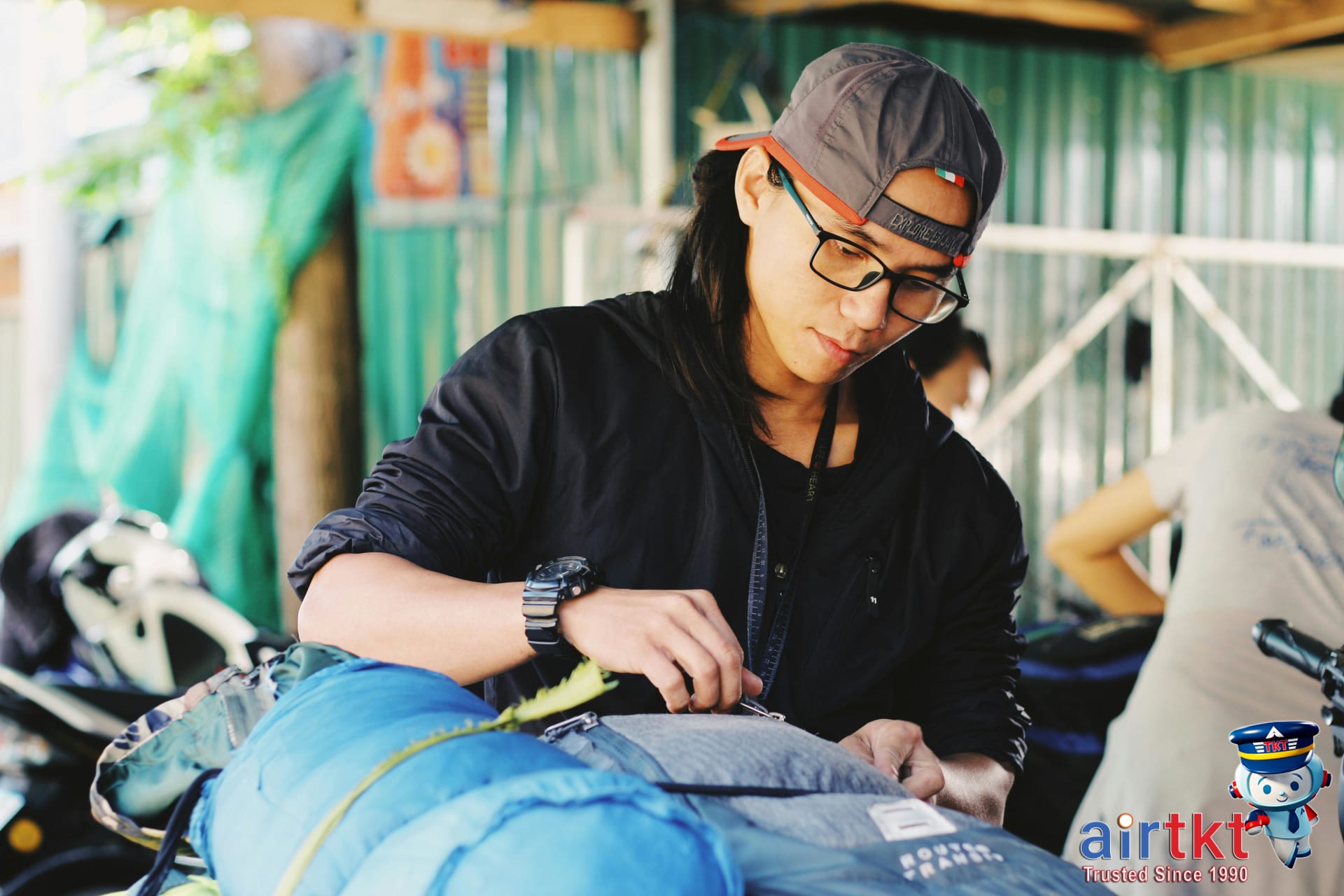
Adjusting your bag properly is equally important. For backpacks, start by tightening the shoulder straps so the bag sits snugly against your back without sagging. Use the sternum strap to distribute weight evenly across your chest and relieve some shoulder load. Hip belts are essential when carrying heavier weights; they transfer a significant portion of the load to your hips, which are better suited for carrying heavy weight than your shoulders.
Make sure the bag fits your torso length. An ill-fitting backpack can cause uncomfortable pressure points or cause you to lean forward uncomfortably, increasing fatigue. Many backpacks come with adjustable frames or straps to customize the fit—take the time to measure and tweak these adjustments for your specific body dimensions.
Managing your load efficiently helps prevent back and shoulder pain, common complaints among travelers carrying heavy or poorly packed bags. Avoid overpacking, and if necessary, carry only what is essential to stay light and agile. A balanced bag will reduce muscle strain and enable easier movement throughout your journey.
During long travel days, don’t forget to take short breaks. Removing your bag periodically gives your muscles a much-needed rest. When you put it back on, readjust the straps to maintain support and comfort. Repositioning the load inside your bag occasionally can also prevent uneven wear and soreness.
- Place heavier items close to your back and centered for stability.
- Tighten shoulder straps to keep the bag snug without pressure points.
- Use sternum and hip belts to evenly distribute weight.
- Adjust the bag to fit your torso length for better posture.
- Take breaks to relieve muscle tension and reposition the bag.
Implementing these strategies allows you to carry your bag comfortably all day, reducing fatigue and preventing common aches associated with travel. For a seamless journey, combine smart packing with well-fitted gear, and let your next trip be defined by comfort and efficiency.
Common One Bag Travel Packing Mistakes
One bag travel offers incredible freedom and simplicity, but it can be tricky to get right. Many travelers fall into common packing mistakes that undermine the efficiency they hope to gain. Overpacking is the most frequent error — trying to fit too many clothes, gadgets, or toiletries often leads to a cramped, heavy bag that defeats the purpose of traveling light.
Another typical mistake is unsorted toiletry bags. Tossing everything haphazardly into one compartment makes it difficult to find essentials quickly or comply with Transportation Security Administration (TSA) regulations. Speaking of TSA, ignoring their liquid and item restrictions can cause delays or confiscations at security checkpoints, turning your streamlined trip into a stressful scramble.
Forgetting essential chargers or adapters also plagues many travelers. Without power for your phone, laptop, or camera, staying connected and capturing memories becomes a challenge. Additionally, packing duplicates of items like medications, toiletries, or clothing wastes space and adds unnecessary weight.
Bulky single-use products such as large hotel soaps or shampoo bottles also consume valuable space. Instead, consider transferring liquids into travel-sized containers or opting for solid alternatives like shampoo bars. These small swaps can free up room for unexpected items or souvenirs picked up on the road.
Managing last-minute needs without overburdening your bag requires smart strategies. Use multi-purpose gear — a sarong can be a towel, blanket, or cover-up; compression bags reduce volume of bulky fabrics; and digital copies of documents minimize paper clutter. Keeping a small emergency kit with essentials like band-aids, pain relievers, and a compact sewing kit ensures you’re prepared without extra bulk.
A reliable way to avoid these pitfalls is conducting regular checklist reviews and a pre-trip packing test. Lay out items days before departure to confirm you have everything while leaving room for last-minute adjustments. This helps spot duplicates or unnecessary items before they enter your bag.
By learning from these common mistakes, you can master efficient one bag travel. Pairing these packing skills with the seamless booking tools at AirTtkt makes your entire travel experience smooth, smart, and stress-free.
One Bag Travel FAQs
Can I really pack all I need for one bag travel?
Packing everything you need into a single bag is entirely possible with careful planning. Prioritize versatile clothing items that can be mixed and matched, and focus on essentials tailored to your destination and activities. Using packing cubes and rolling clothes saves space, allowing you to fit your basics plus a few extras comfortably.
What is the best way to stay TSA compliant with one bag?
To comply with TSA regulations, keep liquids under 3.4 ounces (100 milliliters) in a clear, quart-sized zip-top bag. Place electronics and laptops separately in your bag to speed up security checks. Choose carry-on bags that meet size limits, which is standard for most airlines, to avoid checked baggage fees and delays.
When should I choose one bag travel over traditional luggage?
One bag travel excels on short to medium-length trips, especially if you value efficiency, ease, and mobility. It’s ideal for solo travelers, business trips, and destinations where you prefer to move quickly without baggage hassles. For longer trips or family vacations, traditional luggage or additional bags might offer necessary extra space.
Why is weight distribution important for one bag travel?
Proper weight distribution prevents strain and improves comfort when carrying a single bag for extended periods. Place heavier items close to your back and center to maintain balance, reducing fatigue and risk of injury. This is crucial if your bag doubles as a backpack during travel or city exploration.
How do I handle liquids and toiletries in one bag travel?
Limit toiletries to travel-sized containers and focus on multi-use products, like combined shampoo-conditioner or moisturizer. Use leak-proof bottles and a dedicated toiletry bag to keep items organized and avoid spills. Consider solid alternatives like bar soap or shampoo bars to save liquid space and TSA complexities.
Can I bring electronics without hassle using one bag travel?
Yes. Select a bag designed with padded compartments for laptops, tablets, and accessories. Keep electronics easily accessible to speed up security screening. Use compact chargers and cables, and consider lightweight, multi-purpose devices to save space while staying connected and productive.
What are space-saving hacks for one bag travel?
Maximize your bag’s space by rolling clothes instead of folding, filling shoes with socks or small items, and utilizing compression bags for bulky layers. Wear your bulkiest clothing, like jackets and boots, during travel. Packing cubes keep belongings organized and reduces wasted space, while minimizing wrinkles.
Final Tips and Encouragement for One Bag Travel
Embracing one bag travel unlocks a world of freedom, simplicity, and convenience. By focusing on packing only what you truly need, you’ll experience easier mobility, faster airport navigation, and less stress. Remember to prioritize versatile clothing, pack essential toiletries in travel sizes, and use compression bags or packing cubes to maximize space efficiently. These practical strategies form the cornerstone of successful one bag travel.
Developing your perfect packing system is a personal journey. Don’t hesitate to experiment with different items and reorganize your bag based on what worked for previous trips. Over time, you’ll refine a tailored approach that fits your unique travel style and destination needs. Packing light is about trial, adjustment, and discovering what truly makes your travel experience smoother.
Before you finalize plans, always double-check the specific airline baggage size and weight restrictions. Carrying a bag that meets these rules not only avoids unexpected fees but also ensures hassle-free boarding. Each airline sets its own limits, so a quick review on official airline websites or during your booking process is crucial to avoid surprises at the airport.
For travelers eager to book smart and light, AirTtkt offers a powerful platform to find affordable flights that cater to minimalist packing. With access to over 470 airlines and user-friendly tools like Flexible Date Search and Nearby Airport options, you can uncover lower fares that perfectly complement your one bag travel plans. AirTtkt also provides 24/7 customer support to help you secure the best deals and answer any travel questions.
Light packing paired with smart booking transforms your travel into a seamless adventure. By integrating these final tips and leveraging the resources available at AirTtkt, you’ll confidently travel lighter, fly smarter, and enjoy every trip with less hassle and more joy.