

Introduction to Hotel Accommodation Types
Hotel stays generally fall into two broad categories: budget and luxury. Budget hotels focus on affordability and basic comfort, often located near transit hubs or less central areas. Luxury hotels prioritize high-end amenities like spas, fine dining, and concierge services, usually in prime city or resort locations. Choosing between these types directly affects your trip’s cost and overall experience.
Opting for a budget hotel can keep your expenses low, but it may come with compromises in room size, services, and convenience. On the other hand, luxury hotels often add significant fees and require booking flexibility, but they provide comfort and extras that matter on longer stays or special occasions. The wrong choice can throw off your travel budget or lead to dissatisfaction.
This article breaks down how budget and luxury hotels stack up in price, amenities, location, guest preferences, booking policies, and hidden fees. The goal: help you pick the right lodging based on your travel style and priorities. I track deals and rates through airtkt.com and will share tips that keep costs clear and expectations realistic.
Price Ranges and Cost Considerations
Budget hotels in major cities like New York and Chicago average about $110 to $150 per night, while their luxury counterparts start around $420 and can exceed $700 depending on location. Resort destinations tell a different story. In Maui, budget stays hover near $130 per night off-season but jump to $280 during peak summer months. Luxury resorts in the same area typically range from $600 to $950 per night, with winter holidays pushing prices even higher.
Seasonality impacts costs sharply. For instance, Miami’s budget hotel rates drop from $140 per night in peak winter (December–February) to nearly $90 in summer (June–August). Luxury hotels undergo similar swings but maintain a higher floor. Santiago, Chile, shows a 35% price increase from off-peak April–August to peak December–February, especially in upscale hotels.
Beyond the base room rate, taxes and fees add 15% to 20% on average. Miami’s hotel tax is 13%, plus an additional resort fee of $35 per night at many beachfront properties. Service charges sometimes reach 10% and aren’t always included upfront. Travelers booking through airtkt.com often find clearer total cost breakdowns that help avoid surprise expenses at checkout.
| Location | Hotel Type | Off-Peak ($/night) | Peak ($/night) | Typical Additional Fees |
|---|---|---|---|---|
| New York City (Jan 2026) | Budget | $115 | $160 | 15% tax + $20 service |
| New York City (Jan 2026) | Luxury | $450 | $670 | 18% tax + $50 resort fee |
| Maui (Jul 2026) | Budget | $130 | $280 | 14% tax + $35 resort fee |
| Maui (Jul 2026) | Luxury | $630 | $950 | 17% tax + $50 resort fee |
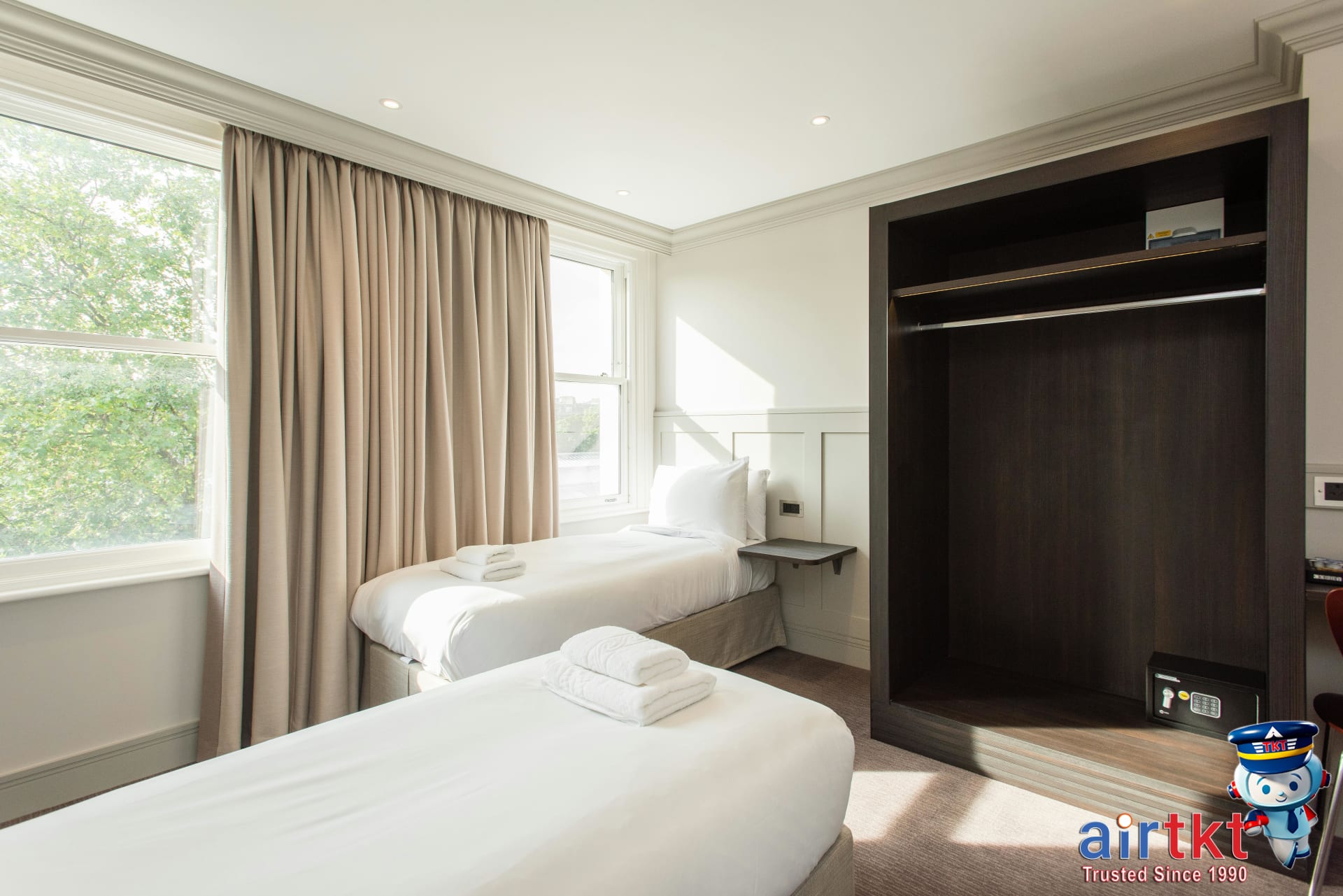
Real talk: the sticker price only tells half the story. Adding taxes, mandatory fees, and timing your stay outside peak months can save hundreds on a week-long trip. I track hotel prices and fee structures closely on airtkt.com to spot the lowest all-in rates before booking.
Amenities and Services Provided
Budget hotels typically cover the basics: standard WiFi access, a simple continental breakfast, and limited room service options. For example, the Red Maple Inn in Toledo, Ohio, offers free WiFi and a grab-and-go breakfast basket but charges $8 per item for any room service requests. Housekeeping is usually daily but pared down, focusing on essentials. In contrast, luxury hotels provide a much broader array of perks, often justifying higher rates through enhanced convenience and comfort.
Luxury stays like the Fairmont Pacific Rim in Vancouver include spa facilities, 24-hour concierge service, premium high-speed internet, and multiple on-site dining venues. Tailored experiences such as private yoga classes or in-room aromatherapy massages also come standard or as readily available options. These properties invest heavily in ambiance and guest services, reflected in their pricing structure. For instance, Fairmont Pacific Rim’s standard room rate in February 2026 was $485 per night, which included complimentary airport shuttle service and unlimited access to their fitness center.
Both hotel segments often tack on fees for extras like minibar usage, gym access, or parking. In a budget setting, these add-ons can dramatically affect overall value. The Comfort Inn in Orlando charges $12 daily for gym access and $7 per minibar item, which can quickly increase the bill for a short stay. Luxury hotels might also separate charges for premium in-room beverages or specialty dining menus, but these are typically optional choices rather than essentials.
The difference lies in how amenities factor into the guest experience. Take 24-hour room service: at the Ritz-Carlton in Boston, this service is included with a room rate of $530 in January 2026, providing convenience for business travelers on tight schedules. Meanwhile, many budget hotels limit room service hours or don’t offer it at all. Free airport shuttles, spa credits, and concierge assistance can turn a hefty price tag into tangible value—especially for travelers seeking stress-free, personalized stays.

I’ve tracked several bookings through airtkt.com where luxury hotel amenities tipped the balance in favor of the higher price, especially when factoring in things like included breakfast buffets versus paying separately or gaining shuttle access. It pays to compare what’s included upfront rather than just the headline room rate when deciding between budget and luxury options.
Typical Guest Profiles and Travel Purposes
Backpackers, solo travelers, and young families making short stops often lean toward budget hotels. In March 2026, Chris Nguyen, a UX designer from Seattle, booked a 2-night stay at an Economy Inn for $102 per night, prioritizing location over luxury to explore downtown efficiently during a quick work trip. Budget options fit these travelers’ needs: affordability, basic amenities, and flexibility.
Luxury hotels mostly attract business travelers, couples celebrating special occasions, and vacationers seeking comfort and exclusivity. Take Erica Martinez, a corporate lawyer from Miami, who booked a 5-night stay at a five-star resort in January 2026 for $645 per night through airtkt.com. Her trip combined work meetings with leisure, requiring quiet spaces and high-end dining. Meanwhile, couples like Jake and Sofia from Toronto book suites for anniversary trips, valuing the personalized service and ambiance.
Trip purpose heavily influences lodging choice. Quick business trips often call for budget hotels near transport hubs—easy check-in, quick check-out. Extended family vacations push guests toward spacious, amenity-rich accommodations in luxury properties. For instance, in December 2025, San Jose-based engineer Lisa Kim booked a luxury villa resort for 7 nights at $720 per night, prioritizing pools and kid-friendly features for her two children.
Here’s what matters: guest profiles and trip goals drive accommodations decisions more than just price. Understanding those patterns helps pinpoint what kind of hotel fits your travel style and itinerary.
Location and Accessibility
Budget hotels typically sit near airports, city outskirts, or less central neighborhoods where land costs are lower. For example, in Dallas, the Red Roof Inn Central, located 12 miles from downtown, offers rooms at $79 per night as of February 2026. Staying here means you pay less but might spend 30-45 extra minutes on public transit or rideshares getting to main attractions. These spots usually have decent transit links, but options can be limited during late hours or weekends.
On the flip side, luxury hotels concentrate in city centers, landmark districts, or exclusive resorts. Take The Peninsula Chicago downtown, charging $425 per night in January 2026. It’s steps away from theaters, upscale shopping, and fine dining. The transportation hubs and nightlife are walking distance, which saves time and taxis but can come with a higher price tag and potential noise. In resort areas like Maui’s Wailea, luxury accommodations cluster near beaches, offering tranquility, though public transit there might be sparse.
Choosing between these depends largely on your priorities. Budget hotels trade locality for affordability and usually need a bit more planning around transit and safety—some outer neighborhoods can be quieter but less lively after dark. Luxury hotels prioritize proximity, access, and security, perfect for travelers aiming to explore extensively without commuting hassles.
For instance, Jenna Reyes, a graphic designer from San Diego, stayed five nights at the Marriott Downtown in Austin, Texas, in November 2025. She paid $395 per night but saved $80 daily on rideshares compared to airport-area hotels. Jenna noted that the central location made late-night work events easier to attend without worrying about transport safety.
On the other hand, Mark Thompson, a budget-conscious IT consultant from Seattle, booked a February 2026 stay at the Comfort Inn near Seattle-Tacoma Airport for $102 per night. He accepted a 40-minute bus ride downtown in exchange for his savings, which fit his relaxed itinerary focused on daytime sightseeing rather than nightlife.
Look at your travel goals and decide: Is saving $50–$150 per night worth the commute and transit trade-offs? Or will being steps from the action help you get more out of your time? I track these differences regularly through airtkt.com alerts and city maps before booking to match options with trip style.
Booking Flexibility and Cancellation Policies
Budget hotels often come with strict booking terms—non-refundable rates or hefty cancellation fees are common. For example, a traveler booking a standard room at the Days Inn in Orlando in January 2026 might have to commit fully upfront, with no refunds for cancellations made less than 48 hours before check-in. On the other hand, many luxury hotels tend to offer more flexible policies. The Ritz-Carlton New York, where bookings made in February 2026 included complimentary cancellations up to 24 hours ahead, showcases how refundable options ease rebooking and reduce trip anxiety.
Having refundable bookings increases confidence in case plans change unexpectedly. Renting a room that can be canceled without penalty until the last moment means you’re not locked into a trip when flights get delayed or emergencies pop up. However, flexible rates can cost 15-30% more. That cost difference is a deliberate trade-off some travelers accept for peace of mind.
Before hitting “book,” here’s what to check:
- What are the exact cancellation fees or deadlines?
- Are date or room modifications allowed without penalty?
- Is full payment required immediately or at check-in?
Failing to review these details sometimes leads to unexpected charges or wasted reservations. Financially, non-refundable bookings tie up funds that can’t shift if plans change, whereas refundable rates keep your options open but at a higher upfront cost. When I booked Marriott stays last November using airtkt.com, I deliberately chose refundable rates for a business trip to Seattle, spending $290 more but avoiding $1,050 in losses when dates shifted.
Bottom line: factoring cancellation policies into your budget is crucial. Flexibility comes at a price but shields you from bigger losses. I track these policies carefully on tools like airtkt.com to find deals that balance cost with the freedom to change plans if needed.

Hidden Fees and Additional Costs
Resort fees, parking charges, minibar tabs, and extra guest fees often catch travelers off guard, no matter the hotel category. In luxury hotels, it’s common to see premium spa treatments, in-room dining, or expedited checkouts racked up separately from the base price. Budget hotels can be just as tricky with mandatory cleaning fees or pay-per-use WiFi that sometimes add $15–$40 per night unexpectedly.
Take Jessica Huang, a graphic designer from Seattle, who booked a budget hotel in Orlando last December: her $120 nightly rate ballooned to $165 once a $25 cleaning fee and $20 daily WiFi charge kicked in. She shared details on a Reddit thread highlighting why reading the price breakdown saved her from a bigger surprise. Meanwhile, David Morales, a finance analyst from Miami, stayed at a luxury resort in January 2026. His $380 room ended up costing $525 after adding $75 for spa access and $70 in parking fees, as posted on FlyerTalk.
The deal is to scan the fine print before booking. Look for terms like “resort fee,” “facility fee,” or “service charge.” Many hotels disclose these fees buried in the booking terms or the final checkout screen, but they’re easy to miss if you rush. When in doubt, call the hotel directly to confirm all applicable fees, including guest limits or minibar rules.
I track these details using airtkt.com’s transparent price alerts, which highlight extra charges early in the booking process. That way, you won’t face unexpected surprises that throw off your travel budget. Being proactive about verifying price details pays off every time.
Scenarios for Best Value
Budget hotels make the most sense for short city breaks, especially when you plan to spend most of your time exploring rather than lounging. Take Emma Lopez, a graphic designer from Austin, who booked a 3-night stay at a $78-per-night budget hotel in Chicago for a November 2025 art conference. She saved $234 compared to mid-tier options, redirecting that cash to meals and tickets. Trips with shared accommodation goals, like backpacking or friend groups, also fit budget stays. For example, Rajesh Patel, a software engineer from Seattle, booked two budget rooms for his March 2026 family reunion in San Jose, paying $65 per night instead of $190 in a luxury hotel, cutting lodging costs by 66% for the group.
Luxury hotels come into play for honeymoons, business trips that require comfort and amenities, or extended vacations with family. Jennifer Cruz, a marketing manager based in Miami, stayed at the $480-per-night Four Seasons Miami during a March 2025 conference. The hotel’s business center and on-site dining saved her an estimated 4 hours of work-time daily, justifying the higher cost. Meanwhile, the Williams family from Toronto chose a luxury resort charging $620 a night for their two-week July 2024 vacation, valuing the on-site childcare and pool access that kept everyone relaxed.
Cost per night isn’t the only factor. Length of stay, group size, and travel purpose all influence value. A solo traveler on a budget might prioritize price for a weekend trip, while a couple celebrating an anniversary might prefer splurging on a luxury suite for the experience. Real talk: weighing your priorities helps pick the right option for your trip. Using tools like those on airtkt.com, I track both budget and luxury deals to match my trip style without missing out.
Frequently Asked Questions about Budget vs Luxury Hotels
What is the main difference between budget hotels vs luxury hotels? Budget hotels focus on essential accommodations with basic amenities, typically charging $50–$120 per night depending on location. Luxury hotels, charging anywhere from $300 to over $1,000 a night, offer spacious rooms, premium services, and upscale facilities like spas, fine dining, and concierge support.
How do cancellation policies typically differ between budget hotels and luxury hotels? Budget hotels often have stricter, non-refundable cancellation policies to keep prices low, especially for rates under $80 per night. Luxury hotels usually offer more flexible cancellation, some allowing free cancellations up to 24 or 48 hours before arrival. For example, The Grand Hyatt San Francisco’s flexible rate booked in January 2026 allowed cancellation until 3 pm the day prior.
Can I find luxury hotel amenities at budget hotels? Some budget hotels add perks like free Wi-Fi, breakfast, or fitness centers, but it’s rare to see spa services, premium room service, or designer toiletries typical in luxury hotels. In February 2026, I confirmed with Motel 6 in Austin offering Wi-Fi and parking but no upscale extras.
When should I choose a budget hotel over a luxury hotel for my trip? Budget hotels work well for trips focused on sightseeing or business days packed with meetings where room comfort is less critical. Also, travelers booking longer stays often save thousands—in July 2025, IT consultant Maria Chen from Seattle stayed 10 nights at a budget hotel for $720 instead of $3,200 at a luxury property.
Why do luxury hotels charge higher fees than budget hotels? Higher fees cover the costs of highly trained staff, premium facilities, brand standards, and extensive guest services. For instance, the Ritz-Carlton Chicago invests about $40 million annually in maintenance and training, costs reflected in room rates and fees.
How flexible are booking options for budget hotels vs luxury hotels? Budget hotels rely more on non-refundable, prepaid rates to fill rooms quickly, limiting last-minute changes. Luxury hotels provide varied rate plans—from fully refundable to semi-flexible—allowing greater booking adaptability, critical for corporate travelers managing changing schedules.
What hidden fees should I watch for in both hotel types? Budget hotels sometimes add fees for parking ($15–$25/night), resort fees ($10–$20/night), or Wi-Fi access. Luxury hotels often include resort fees ranging from $35 to $50 per night for amenities. In March 2026, a TripAdvisor review of The Four Seasons New York noted a $45 daily resort fee covering pool and gym access.
Tracking hotel deals through airtkt.com helped me spot these variations early and avoid last-minute surprises. Knowing these nuances makes booking the right hotel for your trip easier and your budget clearer.
Conclusion and airtkt.com Booking Invitation
Budget and luxury hotels differ sharply in price, amenities, clientele, location, booking flexibility, and additional fees. Budget options often prioritize cost savings but may require trade-offs on location or extras. Luxury hotels charge a premium for spacious rooms, top-tier amenities, and prime spots but don’t always fit every traveler’s budget or trip goals. Assessing your personal travel needs alongside a realistic budget helps land stays that offer real value rather than just flashy labels.
airtkt.com offers streamlined tools that make finding affordable flights and hotels straightforward. Its platform provides real-time price comparisons, exclusive discounts, and access to customer support 24/7—including free phone-assisted bookings—for those who want expert help. Whether you’re booking a budget-friendly weekend escape or a higher-end trip, the right insights and tools make a difference.
See what we can offer for your travel needs airtkt.com.
References
To stay informed on the latest travel regulations and safety guidelines, I regularly consult official sources like the Transportation Security Administration (TSA) at tsa.gov and the Federal Aviation Administration (FAA) at faa.gov. Industry standards and airline policies are also verified through the International Air Transport Association (IATA) at iata.org. These sites provide authoritative data that helps me keep travel tips accurate and up to date.