
Recognizing Pickpocket Scenarios While Traveling
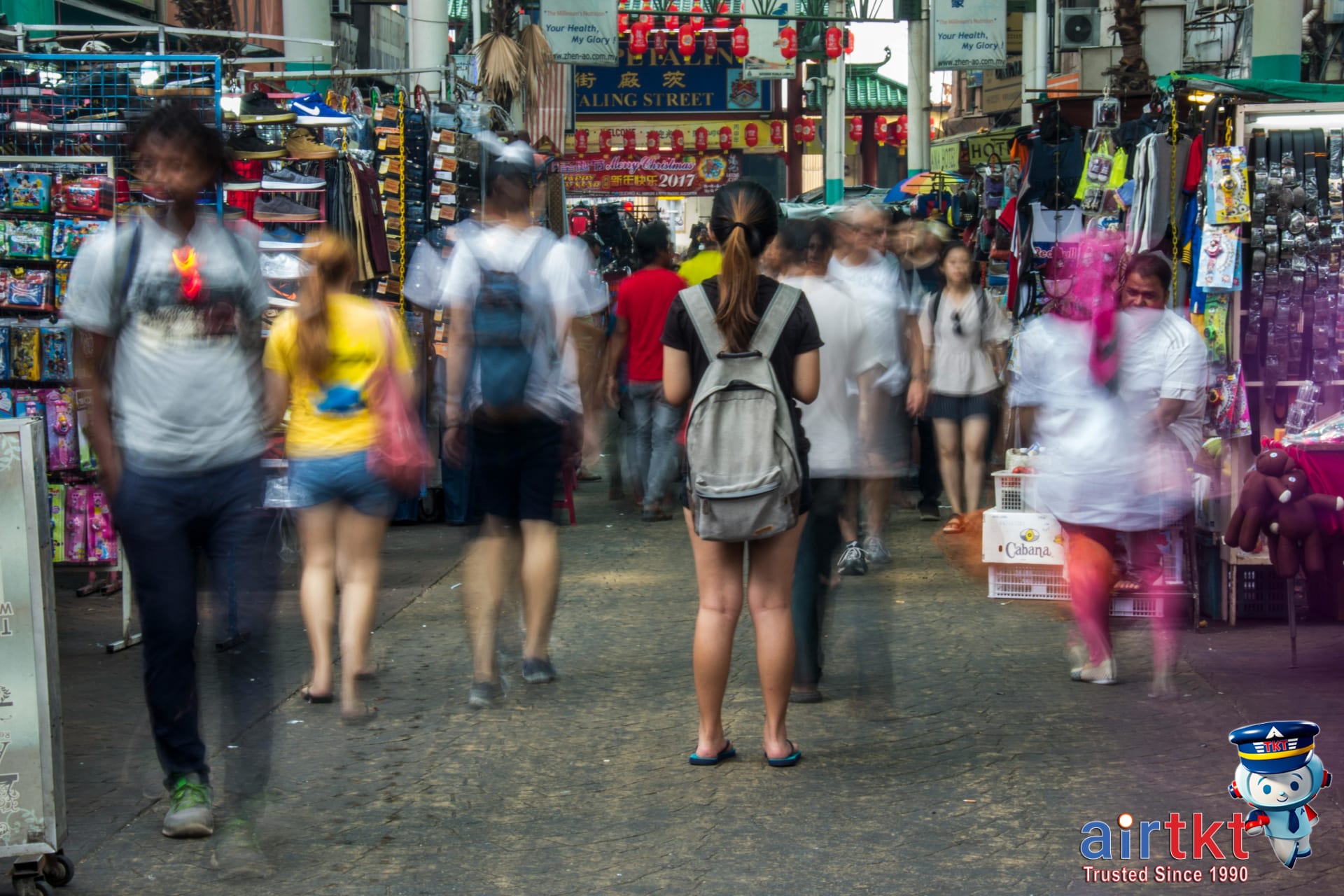
If you’ve ever found yourself shoulder-to-shoulder with strangers in a bustling street market or metro station, you know just how easy it is to lose track of your belongings. Pickpockets tend to target places like crowded markets, busy train terminals, festival grounds, or even those picturesque plazas swarming with tourists. It’s not just the crush of people—distractions from street performers, flashing advertisements, or even someone “accidentally” bumping you can all play into the hands of thieves looking for an easy score.
In my experience, I always keep my senses sharp when navigating busy markets or getting on and off public transit, because these are classic hunting grounds for pickpockets. They often work in teams—one person distracts you while another quietly slips your wallet or phone from an open bag or back pocket. For first-time visitors, the sensory overload makes it even easier to overlook what’s happening right under your nose.
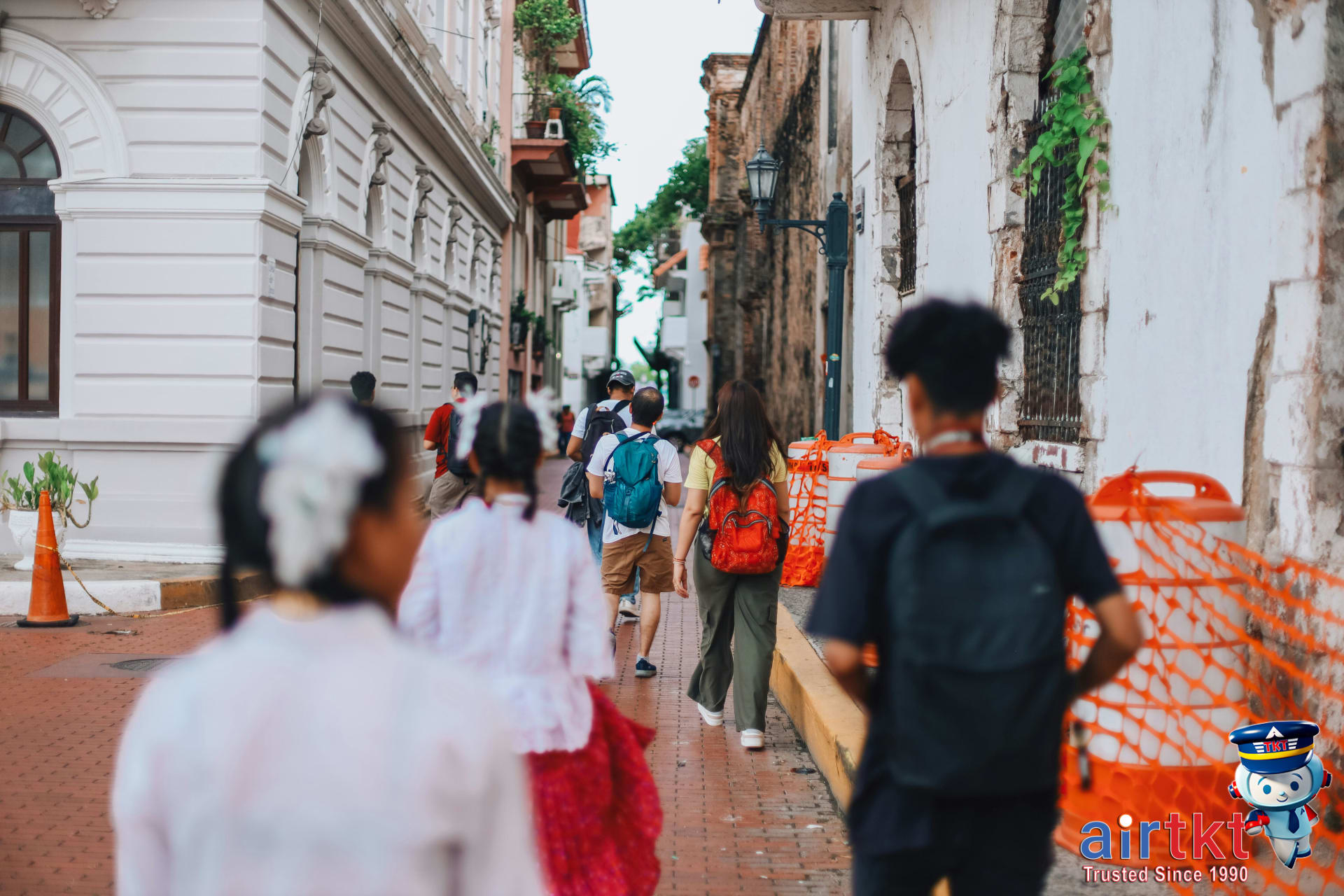
Travelers face extra challenges in these environments: unfamiliar layouts, constantly watching for transportation signs, and the sheer excitement of being somewhere new can all make you lose focus. Bags left unzipped, valuables kept in easy-to-reach pockets, or loose backpacks hanging off one shoulder are all common mistakes. Simple awareness goes a long way, but it’s easy to let your guard down in the moment.
If you want more on travel security, check out our advice on general travel safety and how to boost your travel security awareness for more practical tips beyond just spotting pickpockets.
Essential Anti-Theft Travel Accessories
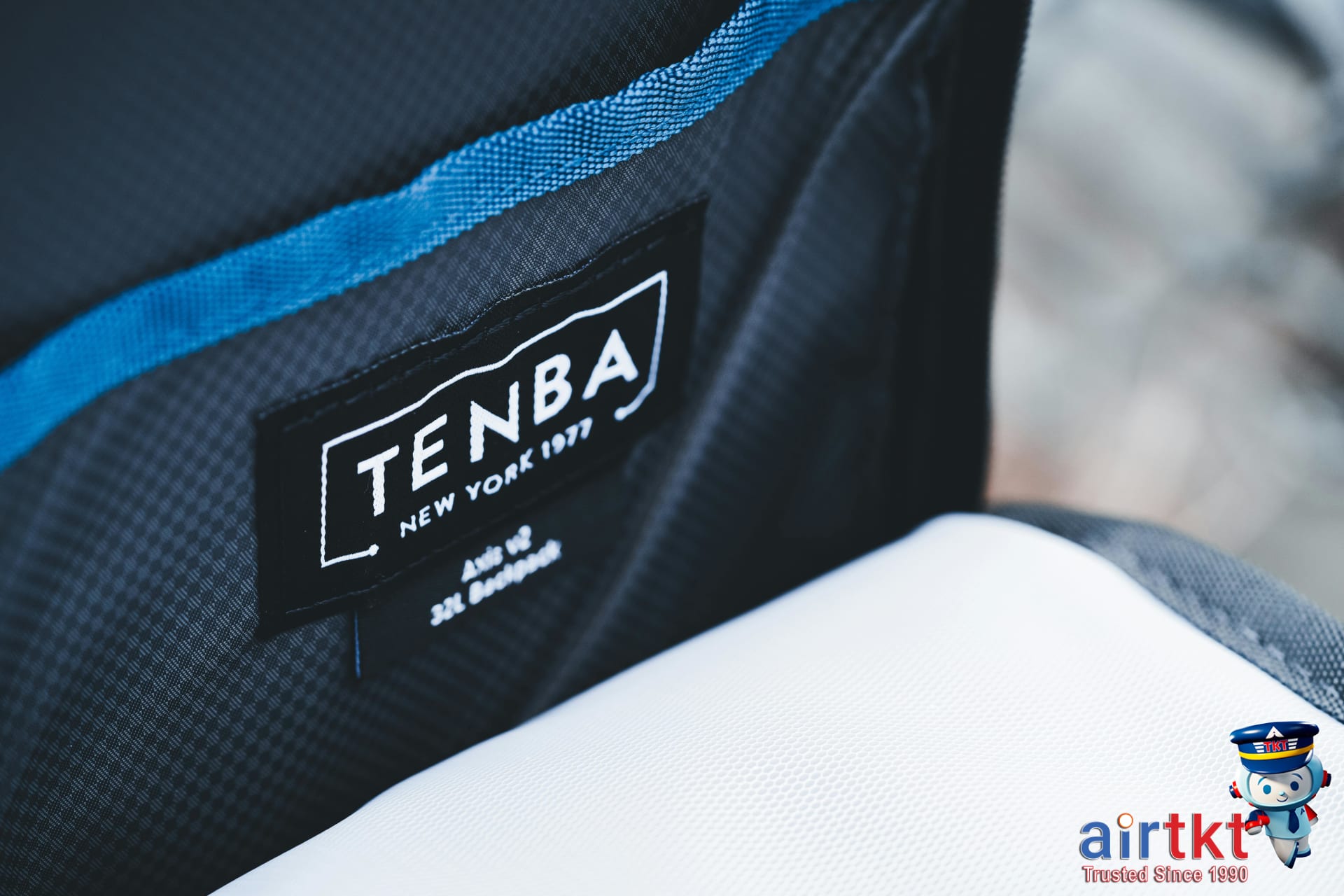
Keeping your valuables secure doesn’t have to be stressful—especially with the right travel gear. Anti-theft backpacks are a smart investment for anyone heading through crowded airports, markets, or city streets. Security features like locking zippers and slash-proof materials can stop quick grab-and-go thefts. I always carry an anti-theft backpack with lockable zippers when traveling through busy train stations, because it gives me real peace of mind that my belongings are protected.
Look for bags with reinforced straps and hidden compartments, which make it difficult for pickpockets to reach your essentials. RFID-blocking pockets add another layer of defense by protecting your credit cards and passport from digital theft. Materials like tightly woven nylon or cut-resistant mesh are especially effective for stopping bag-slashing attempts.
Money Belts And Hidden Pockets
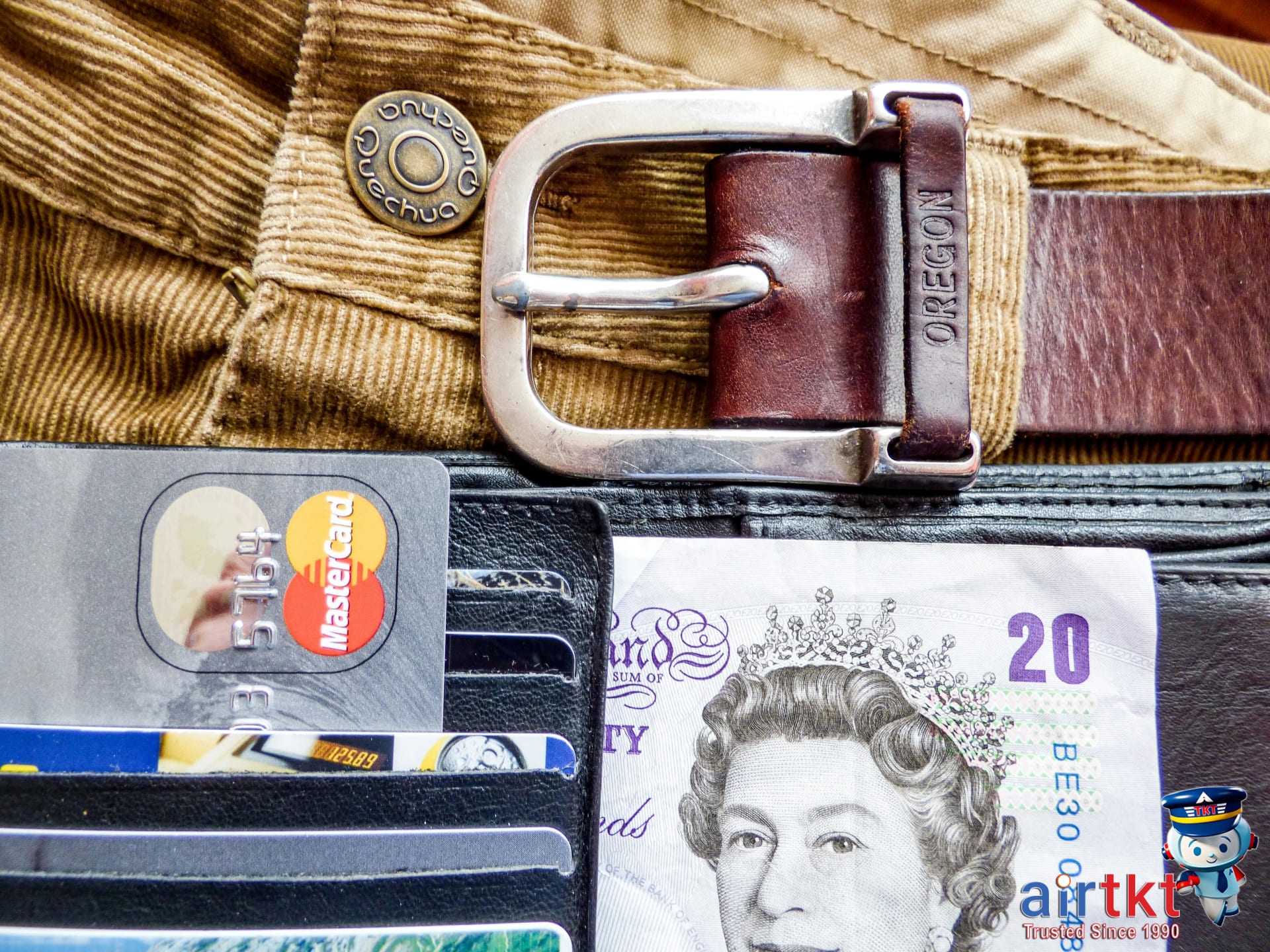
Money belts and hidden inner pockets are my top recommendations for travelers who want to keep cash or passports completely out of sight. Worn under your clothing, a slim money belt makes it nearly impossible for thieves to access your most critical items. Some travel pants and jackets even have secret zippered pockets; these are handy for storing a backup credit card or some emergency bills. You’ll find more specific recommendations in our airtkt.com guides to travel packing essentials and gear checklists.
Staying Alert and Protecting Your Belongings

Crowded attractions and busy public transport can make even savvy travelers vulnerable to pickpockets. Remaining aware of your surroundings is your best defense. I’ve noticed that the simplest habits—like keeping my phone tucked away and my bag in front—make a huge difference in how safe I feel maneuvering through a busy street or festival.
Keep Distractions to a Minimum
It’s easy to get lost in your phone or camera, but that’s exactly what pickpockets count on. Try to put your devices away when navigating crowds. Glance up often and move with purpose, especially in tight spaces. If you need to check something on your phone, find a spot against a wall or away from heavy foot traffic.
Bag Positioning and Pocket Safety
The most effective bag position is directly in front of your body, not slung behind or off your shoulder. Crossbody bags work well, but make sure the zipper faces you. Backpacks should be worn on the chest in dense areas, even if it feels awkward at first—I’ve adopted this technique at major train stations in Europe, and it’s become second nature. Avoid keeping wallets, phones, or passports in loose outside pockets or the back pockets of pants, where they’re easy targets.
Body Awareness in Crowded Spaces
Being aware of how close others are to you is an overlooked but essential part of crowd safety. Notice if someone is pressing in, bumping repeatedly, or moving in sync with you—these are sometimes subtle signs of a pickpocket at work. When possible, stand with your back to a wall in crowded venues or position yourself so your belongings are always within your line of sight.
If you’re planning to visit a particularly busy city or popular festival, it’s worth reading more about city safety tips before you go. Many cities have crowd safety advice tailored to local risks, and I always scan these before traveling somewhere new.
Safe Practices For Wallets And Phones
Stop-and-go city sightseeing, packed trains, and busy markets all put your essentials at risk. That’s why it pays to think ahead about how you carry your wallet and mobile phone. I rely on an RFID-blocking wallet and keep my phone tucked away in busy places—those little habits really help you blend in and thwart opportunistic pickpockets.
RFID Wallets And Smart Storage
Opting for an RFID-blocking wallet adds an extra layer of protection against digital theft, especially when traveling in cities with crowded public transport. These wallets block unauthorized scans of your card details so you’re less likely to fall victim to skimming. Alongside that, I recommend limiting the amount of visible cash you carry—stash only what you’ll need for the day and keep backup funds in a separate, less accessible pocket or safe back at your hotel.
Discreet Phone Use In Crowds
Scrolling maps or snapping photos is tempting, but overt phone use in crowds draws unwanted attention. Instead, use your phone in discreet spots—like inside a café or facing away from busy walkways. When navigating, I’d map my route in advance and keep the phone zipped up or in a hidden pocket. For travelers looking to boost their security even further, check out our travel essentials guide for anti-theft gear and the latest travel tech safety strategies.
Pickpocket Hotspots and Timing Tips
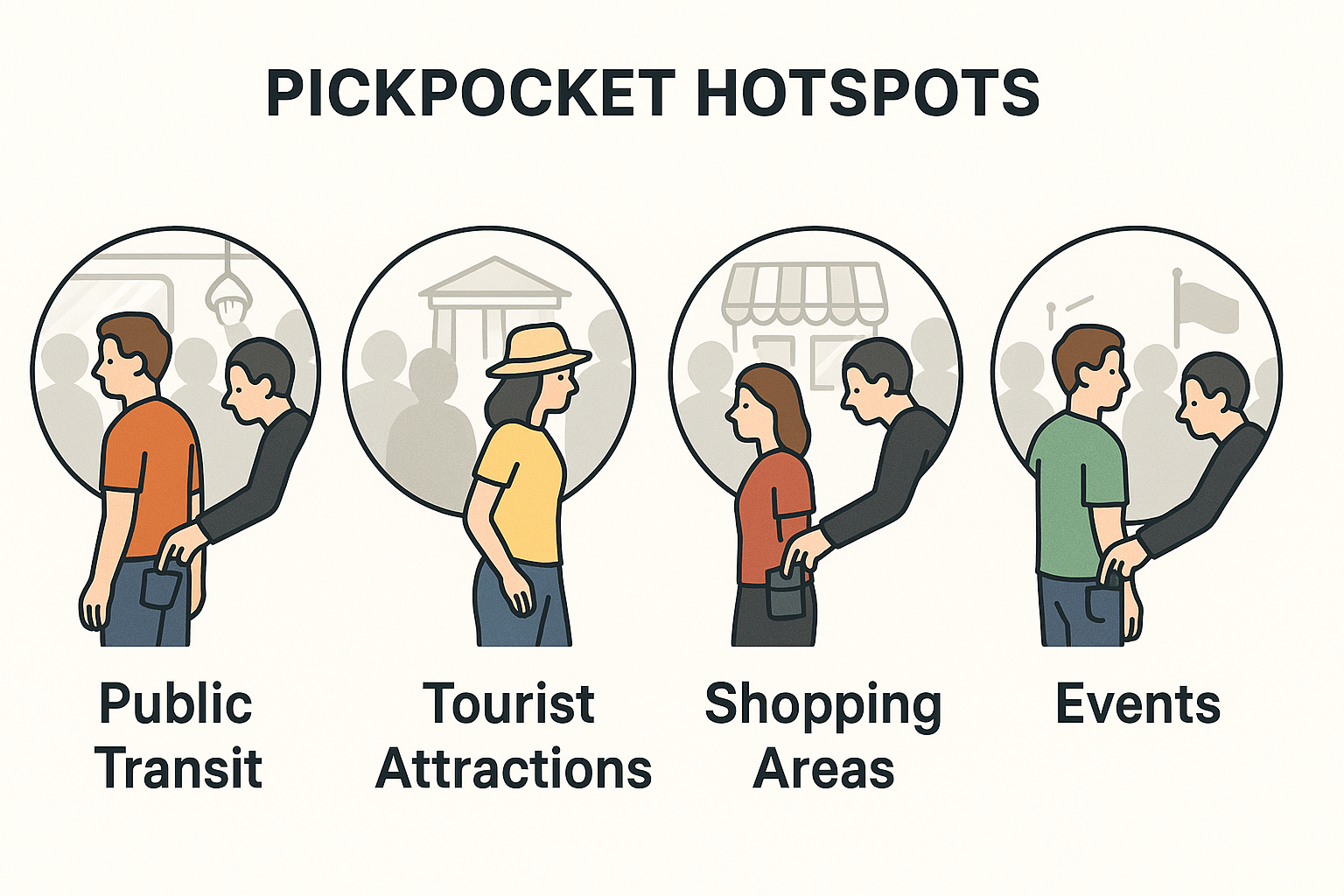
It’s no secret that crowded places present a prime opportunity for pickpockets—especially in busy city centers, bustling transit stations, or during major local festivals. Peak risk times are often weekday rush hours on public transport (morning and early evening) and weekends or holidays in tourist-heavy spots. Special events such as street fairs, parades, and citywide celebrations can also draw big crowds, making them potential hotspots for theft.
If you’re planning to visit popular sightseeing areas, I’ve found that heading out early in the morning or mid-afternoon on a weekday usually means fewer people and less risk of bumping into hidden hands. For instance, I always try to visit local markets right after they open, which helps me enjoy the experience without having to keep one hand on my bag at all times.
Avoiding Crowded and Risky Moments
To lower your odds of encountering pickpockets, consider adjusting your itinerary to sidestep the busiest times. Busy transit lines can be quieter just after the morning rush or before evening commutes. Tourist attractions also tend to clear out around lunchtime or late afternoons. If you’re attending major events or festivals, check city event calendars in advance to see when crowds are expected—official municipal event pages usually include this information.
When navigating a new city, it helps to know transit schedules and peak periods. Many city transit authorities publish detailed guides that show when subways, trams, or buses get busiest. I’d recommend checking these guides online (or from your hotel concierge) to plan your travel during calmer hours. For more details, you can browse local transit guides or event calendars to time your visits wisely.
How To Respond To Pickpockets
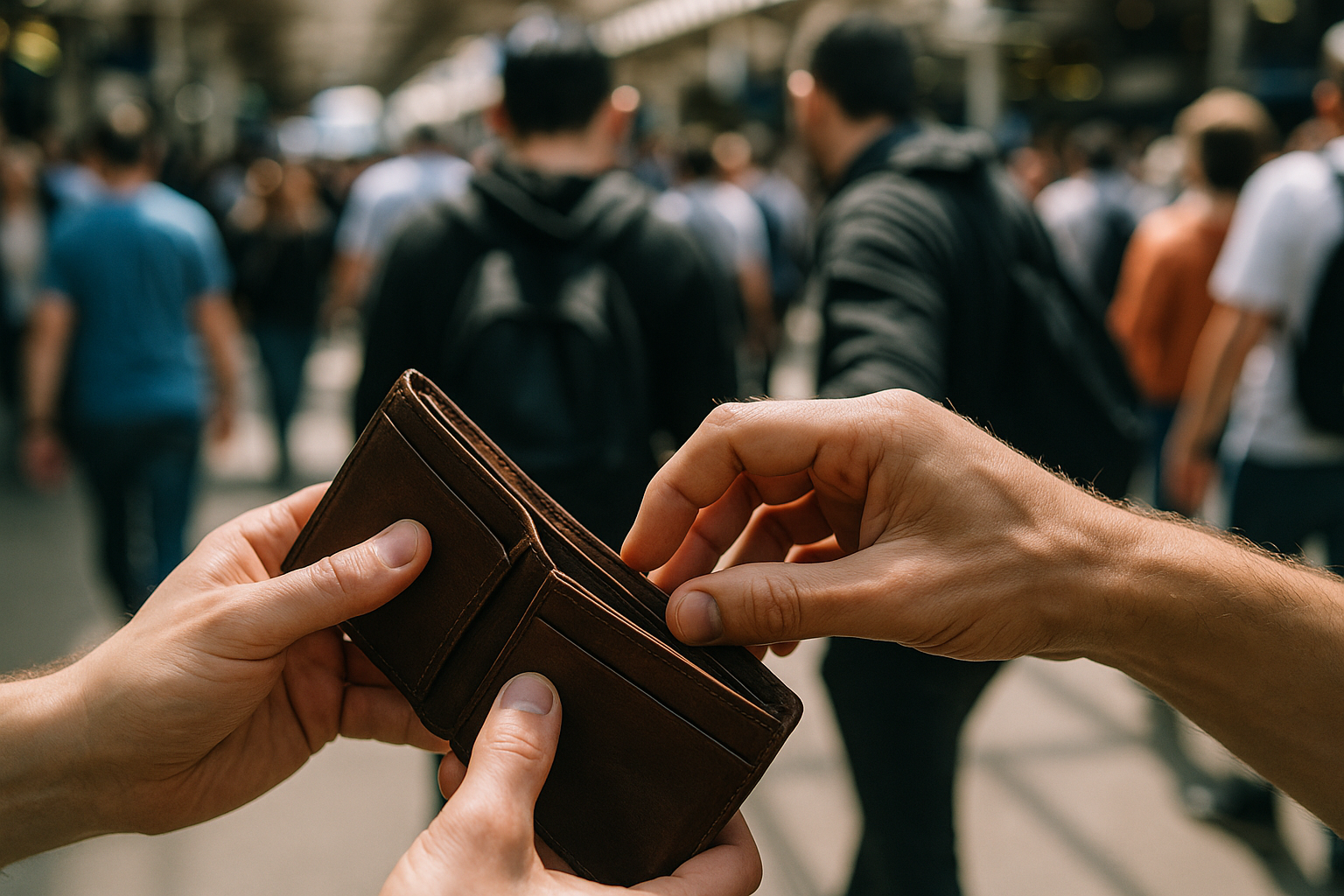
Pickpockets often use distraction techniques—bumping into you, spilling something nearby, or creating a sudden commotion. These tricks are usually paired with close physical contact, especially in crowded places like public transit or busy markets. I’ve learned to trust my instincts; when I sense something isn’t right, I calmly move away from the crowd and stay alert to my surroundings.
If you ever feel like someone is getting too close for comfort, keep your belongings secure and try not to confront anyone directly in the moment. Instead, relocate to a well-lit or busier area. Should you realize something’s been taken, stay calm—panic only clouds your judgment. Immediately notify local authorities or security staff and provide a clear description of what happened and who was involved. In many cities, there are dedicated police units for tourism-related crimes.
Have your emergency numbers—such as local police, your country’s embassy, and your airline—saved on your phone and written on a card. In my travel kit, I always include both digital and paper copies of this info, just in case my phone goes missing. If you need insurance support after a theft, checking your policy coverage and reporting the incident promptly is crucial. For more details, you might review airtkt.com‘s travel safety and insurance advice before you go.
Budget-Friendly Pickpocket Prevention Tips
Keeping your valuables safe doesn’t always require a splurge, but investing in practical anti-theft measures pays off—especially in crowded destinations. I found that prioritizing secure lodging really helps without breaking the bank. Choosing accommodation with lockable storage or an in-room safe may cost a bit more than absolute bare-bones options, but it offers peace of mind that I’m happy to pay for. Here’s a detailed travel budget table focused on expenses for safety-conscious travelers.
| Budget | Mid-range | Luxury | |
|---|---|---|---|
| Accommodation | $30.00 | $80.00 | $240.00 |
| Food | $15.00 | $40.00 | $120.00 |
| Transport | $7.00 | $20.00 | $70.00 |
| Activities | $10.00 | $40.00 | $100.00 |
Cost-Saving Safety Solutions
There’s no need to splurge on every anti-theft gadget, but a simple crossbody bag with hidden zippers (around $15.00) or a basic money belt (about $10.00) makes a noticeable difference. If your budget is tighter, even a regular zippered backpack—worn in front in crowded areas—can help deter pickpockets. I’d compare online guides like our airtkt.com travel safety tips before deciding what gear to buy, especially for higher-risk cities.
Balancing Budget and Security
For me, it comes down to balancing where to spend for the best protection versus cutting costs elsewhere. Secure accommodation is my priority, while I reuse simple safety tools for multiple trips—saving future expenses. Free walking tours and app-based public transport also help keep daily costs low without sacrificing overall safety.
Pickpocket Prevention FAQs for Travelers
- What are the best ways to prevent pickpocket theft while traveling?
The top ways to prevent pickpocket theft include using anti-theft bags, wearing money belts under your clothes, keeping cash divided, and staying alert in crowded places. I find that physically touching my essentials—especially in busy transit stations—reminds me to stay aware at the right moments.
- How can I secure my belongings at tourist hotspots?
Keep valuables close, ideally in zippered bags slung in front of your body. Avoid using back pockets for your phone or wallet. In busy areas, I usually carry only what I truly need for the day, leaving extra cards or passports locked at my hotel if possible.
- Are money belts or neck pouches effective against pickpockets?
Money belts and neck pouches worn beneath your clothing offer a solid layer of protection. While they can feel a bit awkward at first, they’re much harder for pickpockets to access discreetly. I usually carry my passport and extra cash in one, especially in high-risk cities.
- What should I do if I notice someone acting suspiciously near me?
If you spot someone hovering or bumping into you repeatedly, move away calmly and keep your bag in front of you. Sometimes, making direct eye contact can discourage suspicious behavior. Trust your instincts—if something feels off, change direction or enter a nearby store.
- Can pickpockets target groups or only individuals?
Pickpockets often target groups, especially when travelers are distracted by conversation, maps, or photographs. I find it helpful to periodically remind travel companions to check their bags and avoid clustering too tightly, since thieves sometimes use distractions to divide your attention.
- What are the signs of common pickpocket scams at famous landmarks?
Classic signs include people asking for signatures, distracting street performers, or someone pointing out messes on your clothing. Be wary if strangers get unusually close or become pushy. When sightseeing, I always keep my hand on my bag and avoid engaging with aggressive solicitors.
- How can reading pickpocket prevention FAQs help my travel safety?
Reading detailed FAQs before a trip helps reinforce smart habits, remind you of prevention tools, and clarify responses if something goes wrong. I often revisit FAQs before trips to refresh my safety knowledge. It’s like having a checklist for safe travel decisions handy at all times.
If you want more practical safety information, you can always refer back to the FAQs or check the travel safety knowledge base on airtkt.com for additional peace of mind before your next adventure.
Final Thoughts on Staying Safe
Staying safe while traveling truly comes down to a blend of vigilance, preparedness, and the right gear. We’ve covered plenty of practical ways to keep yourself aware of your surroundings—whether you’re navigating crowded cities or more relaxed destinations. Simple tools like a discreet anti-theft bag, a basic first aid kit, and a door stop alarm can make your travels much smoother and offer extra reassurance at key moments.
In my experience, the most effective travelers aren’t anxious; they’re prepared and calm. Carrying essential gear and paying attention to your environment helps you respond instead of react, which is always my preferred approach. Remember, confidence on the road isn’t about ignoring risks—it’s about being ready and sensible, without letting nerves take over.
If you’re looking to dig deeper into travel safety tips, you might find more useful advice in the travel safety guides on the airtkt.com blog. Calm prep and up-to-date guidance really do go a long way toward making any trip more enjoyable.