
Discovering Mardi Gras in New Orleans

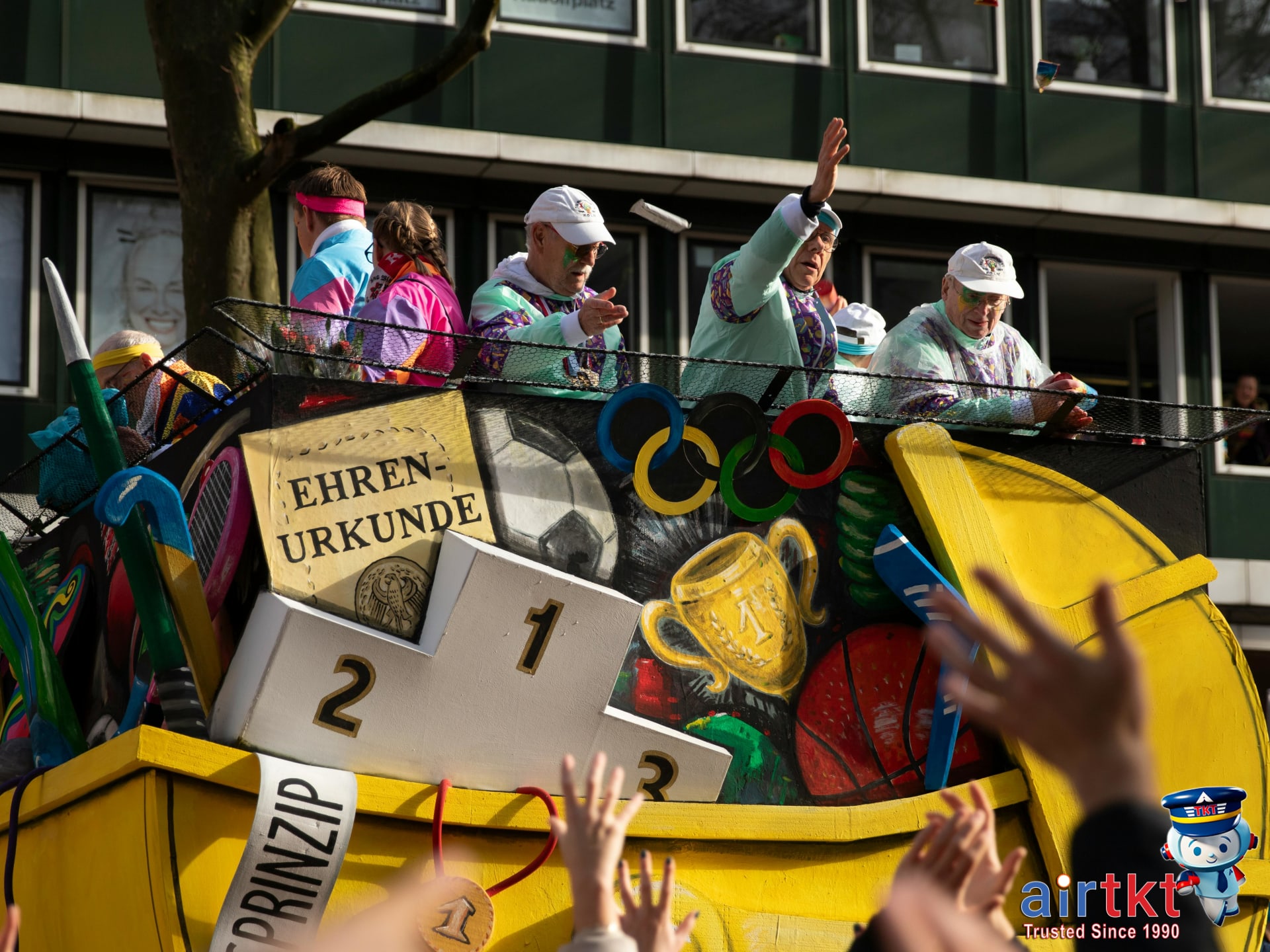
Mardi Gras in New Orleans is more than just a party—it’s the heartbeat of the city’s culture, pulsing with traditions that stretch back centuries. Every February or March, New Orleans becomes a playground of music, dazzling parades, and vibrant costumes as locals and visitors pour into the streets to celebrate this world-renowned festival. The sense of anticipation builds weeks ahead, and by the time you arrive, it’s impossible not to feel swept up by the energy. I still remember stepping off the plane and instantly feeling the city’s electric buzz—marching bands tuning up, bead-festooned balconies overhead, and everyone you meet grinning, ready for the festivities to begin.
As one of the United States’ most iconic and unique carnivals, Mardi Gras draws travelers from around the world. This means demand for flights and hotels skyrockets once parade season is in full swing, and planning ahead becomes crucial. I usually recommend securing flights and accommodation as early as possible, especially if you have your heart set on getting in during the peak days of celebration.
If you’re already picturing yourself at a parade in the French Quarter or catching beads thrown from a float, the time to plan is now. It’s easy to start searching for flights on airtkt.com, where you’ll find booking pages dedicated to New Orleans. Browsing early not only puts you ahead of the crowds, but also gives you the best chance at finding affordable fares and flight times that fit your plans.
Understanding Mardi Gras Parade Routes

Navigating Mardi Gras parade routes in New Orleans can make or break your experience—where you stand matters just as much as the parade you’re after. The three main parade corridors are Uptown, Downtown, and the French Quarter, each with unique vibes that draw different crowds. Knowing the basics of these routes will help you plan exactly where to catch the action.
Uptown Parade Route
The Uptown route runs along St. Charles Avenue and Napoleon Avenue—this is the city’s main parade highway, where most of the largest krewes roll. The streets are wide, so there’s plenty of space for families, ladders, and revelers hoping to snag throws. If you’re traveling with a group or want a festive crowd without extreme rowdiness, Uptown is my go-to recommendation. I once staked out a spot by Louisiana Avenue; arriving before 9 a.m. gave me front-row views and easy access to food vendors.
Downtown Parade Route
Downtown routes, used by a few krewes—especially those starting or ending near Marigny or Bywater—offer a more local flavor. Streets are narrower, and the viewing crowds tend to be younger and more local. If you’re hoping for a lively, less touristy feel, downtown delivers, but space fills up even faster than Uptown.
French Quarter Parade Route
The French Quarter route, mainly used by smaller walking parades, winds through narrow, historic streets. Major floats can’t fit here, so you’ll see more costumed participants and intimate celebrations. This area gets crowded quickly, so expect tight quarters and big characters. If you want classic Mardi Gras images—balcony throws and beads flying overhead—the Quarter’s where to go, but arrive early and travel light.
For a detailed look at street closures, krewe plans, and public transit tips during the holiday, I’d check a New Orleans travel guide before plotting your parade day out.
King Cake Traditions and Significance
King Cake isn’t just a dessert—it’s a Mardi Gras ritual steeped in meaning. Originating from European “Epiphany” cakes, New Orleans King Cake quickly became synonymous with Carnival season. The cake’s traditional circular or oval shape represents unity and the endless cycle of life. Hidden inside is a tiny plastic baby—whoever finds it in their slice is expected to host next year’s gathering or supply the next King Cake. That yearly tradition makes the cake more than just a sweet treat; it’s a community event that brings friends and families together.
Personally, I can’t resist the classic cinnamon King Cake drizzled with icing and shimmered in green, gold, and purple sugar. There’s something festive about those colors—which symbolize faith, power, and justice—and every bite feels like a bite of Mardi Gras itself. My favorite custom is sharing King Cake at an office party and watching everyone nervously cut their slice, hoping they don’t end up with the baby!
If you want a truly authentic King Cake, you’ll want to buy from a renowned New Orleans bakery. Locals swear by places like Dong Phuong Bakery and Manny Randazzo King Cakes for the real deal. For more tips on New Orleans eating—including King Cake season specialties and classic Cajun or Creole dishes—look for curated New Orleans food blogs that dive deep into local cuisine and dessert traditions.
History and Origins of Mardi Gras

Mardi Gras in New Orleans has roots stretching back to the late 17th century, when French settlers introduced “Fat Tuesday” celebrations to the region. Over time, these customs—colorful masks, grand parades, and secret societies (krewes)—evolved into the spectacular festival the city is famous for today. Shaped by French, African, Spanish, and Creole traditions, Mardi Gras grew from intimate masquerade balls to massive public processions that attract revelers from around the world.
New Orleans’ unique blend of colonial history and artistic expression created a Carnival unlike any other. Each year, local krewes meticulously plan themed floats and costumes, building anticipation during the weeks of parades leading up to Mardi Gras day. The festival isn’t just about beads and music; it’s a living expression of cultural pride, resilience, and creativity. I’ve always respected how deeply this tradition is woven into the city’s fabric—it’s not just a party, but a reflection of New Orleans’ spirit.
If you’re interested in digging deeper, learning about the origins of Mardi Gras can truly enrich your visit. Museums like the Backstreet Cultural Museum and the Mardi Gras Museum of Costumes and Culture offer immersive insights into the festival’s evolution, from its early rituals to present-day traditions. For a more hands-on perspective, consider exploring a few local historical walking tours or attending talks at New Orleans’ cultural institutions. These experiences highlight how Mardi Gras has continued to adapt, honoring the past while embracing new influences. If you want to round out your knowledge, I’d suggest checking guides focused on airtkt.com or local historical tourism portals—they frequently spotlight the city’s cultural and Carnival heritage.
Fat Tuesday Street Parties Guide
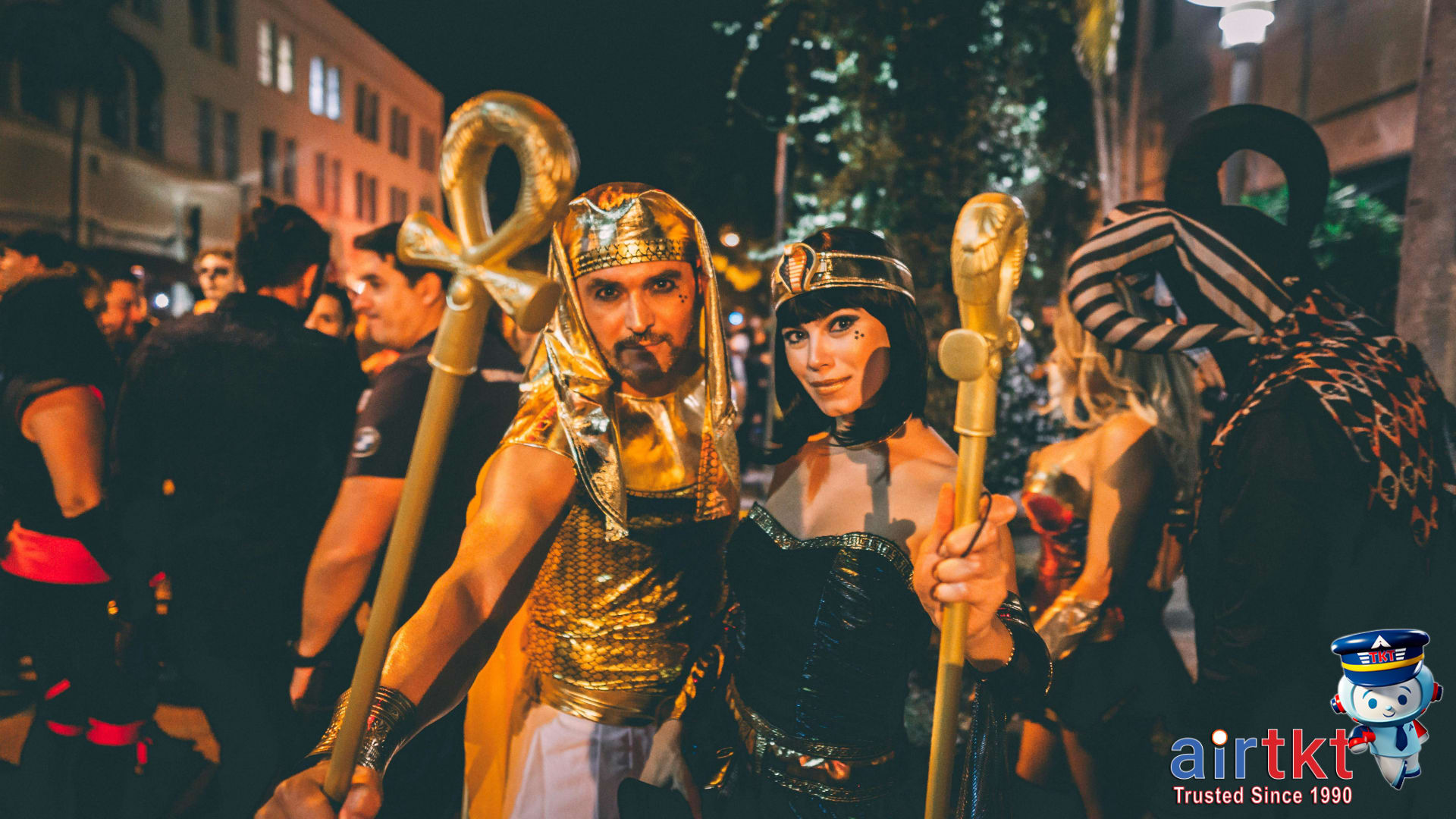
Fat Tuesday in New Orleans is a festival lover’s dream—imagine vibrant crowds spilling into the streets, brass bands filling the air, and an electric energy that rolls down every block. Even before you reach the French Quarter, the pulse of the music and laughter makes it clear this isn’t just another party. I still get a genuine thrill stepping into the colorful chaos of Fat Tuesday, knowing I’ll be part of a tradition that’s equal parts spectacle and community revelry.
Expect parade floats to roll past packed sidewalks, as costumed performers toss beads and hand out trinkets. Street parties break out on nearly every corner, and it’s not unusual for spontaneous dance circles to form outside bars or along parade routes. From daylight until well after sunset, both locals and visitors jump between pop-up concerts, food stalls, and open-air celebrations.
If you want to get the most out of Fat Tuesday, you’ll want to plan for comfort—and a little endurance. Crowds get thick, sidewalks aren’t always even, and it’s easy to put in more miles than you expect just following the music. I always remind myself to pace and take breaks; finding a shady stoop or grabbing water from a street vendor can make the difference between a quick visit and an unforgettable day. For tips on extending your night, check out our guide to New Orleans nightlife and event planning.
Mardi Gras Carnival Traditions and Customs
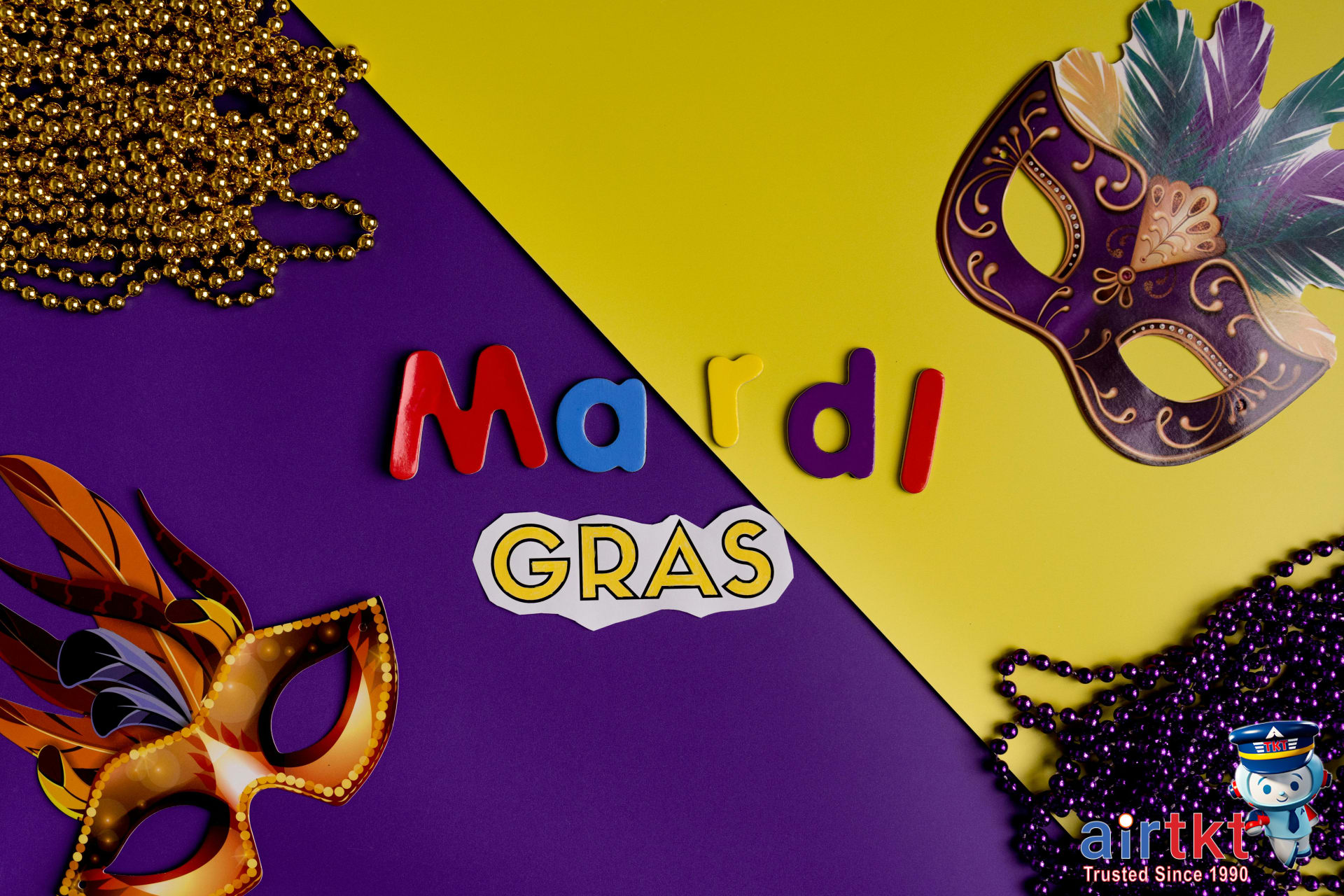
Mardi Gras is packed with lively traditions that make this unique celebration unforgettable. When you think of Mardi Gras, the image of bead throwing usually comes to mind first. Revelers on parade floats toss vibrant bead necklaces, coins, and trinkets—called “throws”—to eager crowds. Catching a set of beads feels like a victory, and many locals and visitors see it as an essential part of the festivities.
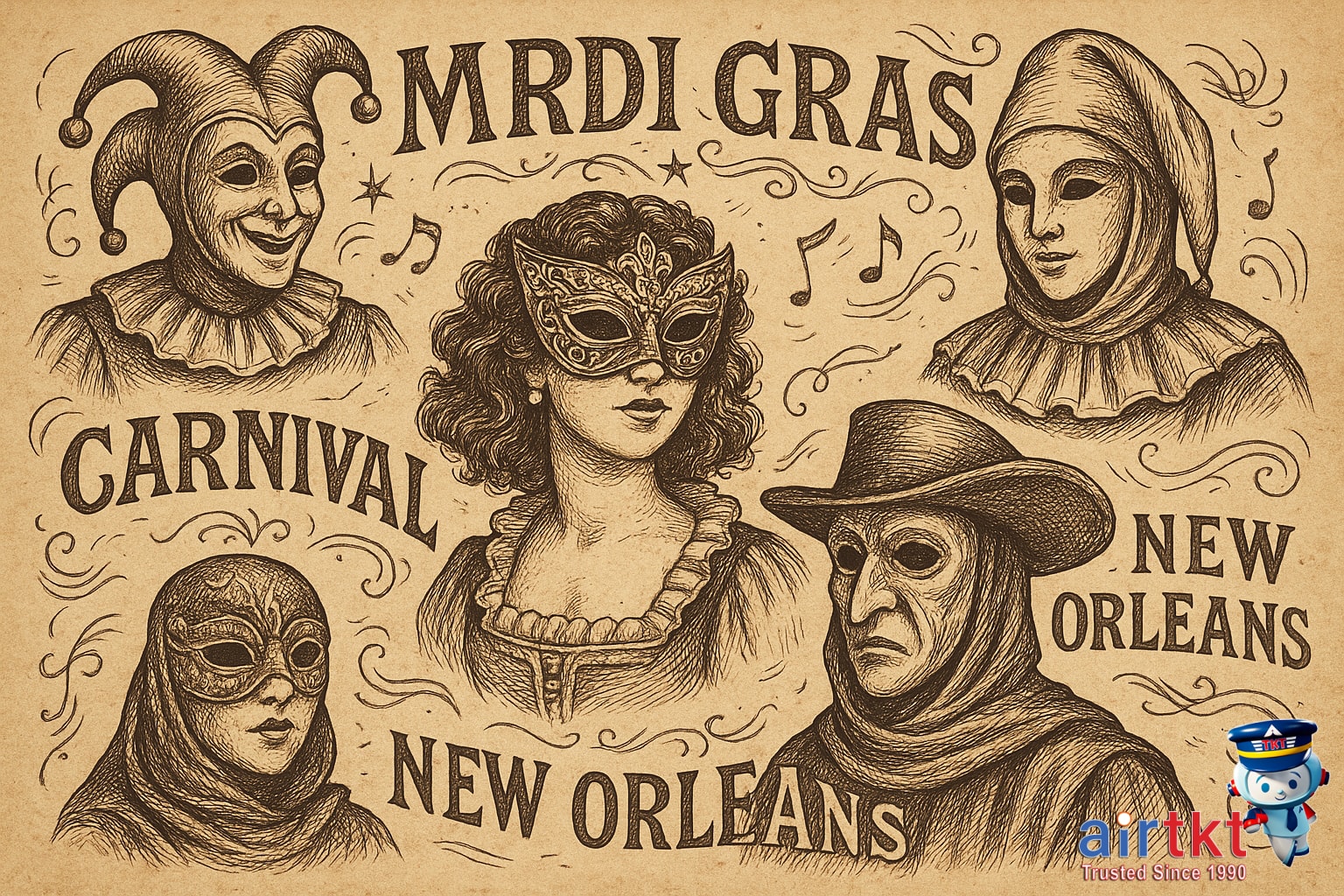
Masks and elaborate costumes are another signature of Mardi Gras. People parade through the streets in bright, creative outfits, channeling everything from historical figures to cheeky contemporary themes. Many join themed balls, which bring together both high fashion and community spirit.
One custom I look forward to every Mardi Gras is sharing king cake. This buttery, cinnamon-filled pastry is decorated in the signature purple, green, and gold colors. Hidden inside the cake is a tiny plastic baby—whoever finds it is “king” or “queen” for the day and hosts the next party. In my experience, this quirky tradition sparks so much laughter and camaraderie that it feels like the true heart of the celebration.
If you’re new to Mardi Gras, it’s worth reading about the history behind these customs. I’ve found that knowing a bit more helps you appreciate everything, from the parades to the food. You can dive into the culture deeper with airtkt.com’s collection of cultural articles on Mardi Gras traditions and celebrations.
Essential Tips For Mardi Gras First-Timers

Mardi Gras in New Orleans is unforgettable, but first-timers can feel overwhelmed by the energy and crowds if they’re not prepared. Safety comes first—big crowds attract pickpockets, so use a slim crossbody or money belt, and leave expensive jewelry at home. The streets can get rowdy well into the night, especially around the French Quarter, but neighborhoods like Uptown feel a bit calmer if you want a different parade experience.
Public transportation fills up fast during parade days. Streetcars and buses are popular, but you’ll want to allow extra walking time since many downtown routes get rerouted. Personally, I packed for comfort, choosing layers and shoes I didn’t mind getting muddy—good call, since you’ll be on your feet for hours and the weather can shift quickly.
What To Wear And When To Go
Dress for variable weather. Think comfortable layers, a rain jacket, and shoes you can stand in all day (and night). Many locals go all out with costumes or colorful accessories—don’t be afraid to join in, but keep it practical for long walks and standing. The main Mardi Gras weekend and Fat Tuesday are big highlights, but if you prefer smaller crowds, arriving a few days earlier lets you catch parades and festivities with more room to breathe.
If you’re flying in, I’d recommend using airtkt.com’s hotel and car rental booking pages ahead of time for the best options near parade routes or public transit stops. Planning these basics before the trip let me focus on actually enjoying the parades and music, instead of scrambling for a last-minute ride or bed.
Planning Your Mardi Gras Budget
Nailing down a practical Mardi Gras budget is one of the best ways to make sure you can enjoy New Orleans without feeling anxious about overspending. I’ve definitely found that setting a clear spending plan before arrival lets you prioritize what matters most—whether that’s music, parades, or that amazing meal in the French Quarter. Here’s a breakdown to help you decide which spending tier fits your travel style.
| Accommodation | Food | Transport | Activities | |
|---|---|---|---|---|
| Budget | $70.00 | $25.00 | $10.00 | $25.00 |
| Mid-range | $150.00 | $45.00 | $20.00 | $50.00 |
| Luxury | $350.00 | $80.00 | $40.00 | $120.00 |
Budgeting Tips For Mardi Gras
Those numbers represent about what you’ll spend per person each day, depending on your preferences. Budget travelers tend to opt for hostels or guesthouses, eat street food or at casual spots, and use public transportation (which is easy in New Orleans). Meanwhile, mid-range visitors might book boutique hotels and splurge on a few sit-down Cajun meals, while luxury travelers usually stay in premium hotels and spring for guided tours or VIP parade experiences.
When I visited for Mardi Gras, I set a daily spending limit, tracked my expenses on my phone, and prioritized one or two special experiences instead of trying to do everything. That helped me soak up the festive atmosphere, eat well, and bring home some souvenirs—without financial regrets. For deals on flights or hotels, I recommend checking the airtkt.com travel deals and discount pages before booking anything major; those offers can really stretch your budget, especially during peak festival season.
Frequently Asked Questions About Mardi Gras
I always find that the fastest way to ease any travel nerves is to get the real answers to practical questions. That’s why I’ve gathered these Mardi Gras FAQs—if you’re curious about how the parades work, what King Cake is all about, or how to plan your trip, you’re definitely in the right place.
- When does Mardi Gras season start and end?
Mardi Gras season in New Orleans begins on Twelfth Night, which is January 6, and closes out on Fat Tuesday. Fat Tuesday’s exact date shifts every year, but it always falls 47 days before Easter. The busiest festivities and parades usually happen in the final week leading up to Fat Tuesday.
- How do I find parade routes and schedules?
Parade routes and schedules can change a little each year, so it’s smart to check official New Orleans tourism websites a few weeks before you travel. Most parades happen along St. Charles Avenue and Canal Street, but some krewes have different starting points or neighborhoods.
- What is King Cake, and should I try it?
King Cake is a colorful pastry sprinkled with purple, green, and gold sugar. Inside, it often has a plastic baby or small trinket. Tradition says whoever gets the baby hosts the next party. I recommend giving it a try—buy one from a local bakery for the freshest flavor experience.
- Are Mardi Gras events family-friendly?
Many daytime Mardi Gras parades are great for families, especially those along St. Charles Avenue. In my experience, families enjoy the lively atmosphere and catch lots of throws. Some nighttime festivities and areas near Bourbon Street, though, are best for adults due to crowds and party culture.
- What’s one must-know Mardi Gras travel tip?
Arrive early for parades—sometimes hours before start time—to grab a good spot. Comfortable shoes are a must because you’ll stand and walk a lot. If you’re booking flights, I recommend comparing options on airtkt.com for the best flexibility, especially around busy event dates.
- Can I catch beads and throws at every parade?
Nearly every Mardi Gras parade features floats tossing beads, cups, and other fun “throws.” Reaching out from the sidewalk, you can catch plenty. For families and first-timers, the Uptown route is friendliest for catching throws without overwhelming crowds, based on local advice and typical parade etiquette.
Final Thoughts for Experiencing Mardi Gras
Mardi Gras in New Orleans is a celebration packed with energy, community, and tradition. By planning your trip around the parades you want to experience, giving yourself time to explore local neighborhoods, trying regional food, and respecting local customs, you’ll get a true sense of what makes this event unforgettable. I always suggest building your itinerary around both classic festivities and hidden local events, since that mix is what makes the experience unique.
If you want to see Mardi Gras in its truest form, start planning well in advance—especially when it comes to booking flights and a place to stay. Getting ahead of the crowds makes your experience smoother and lets you focus fully on soaking in the joy of the season. I genuinely hope you get to experience the colors, sounds, and flavors of Mardi Gras firsthand—there’s nothing quite like it.