
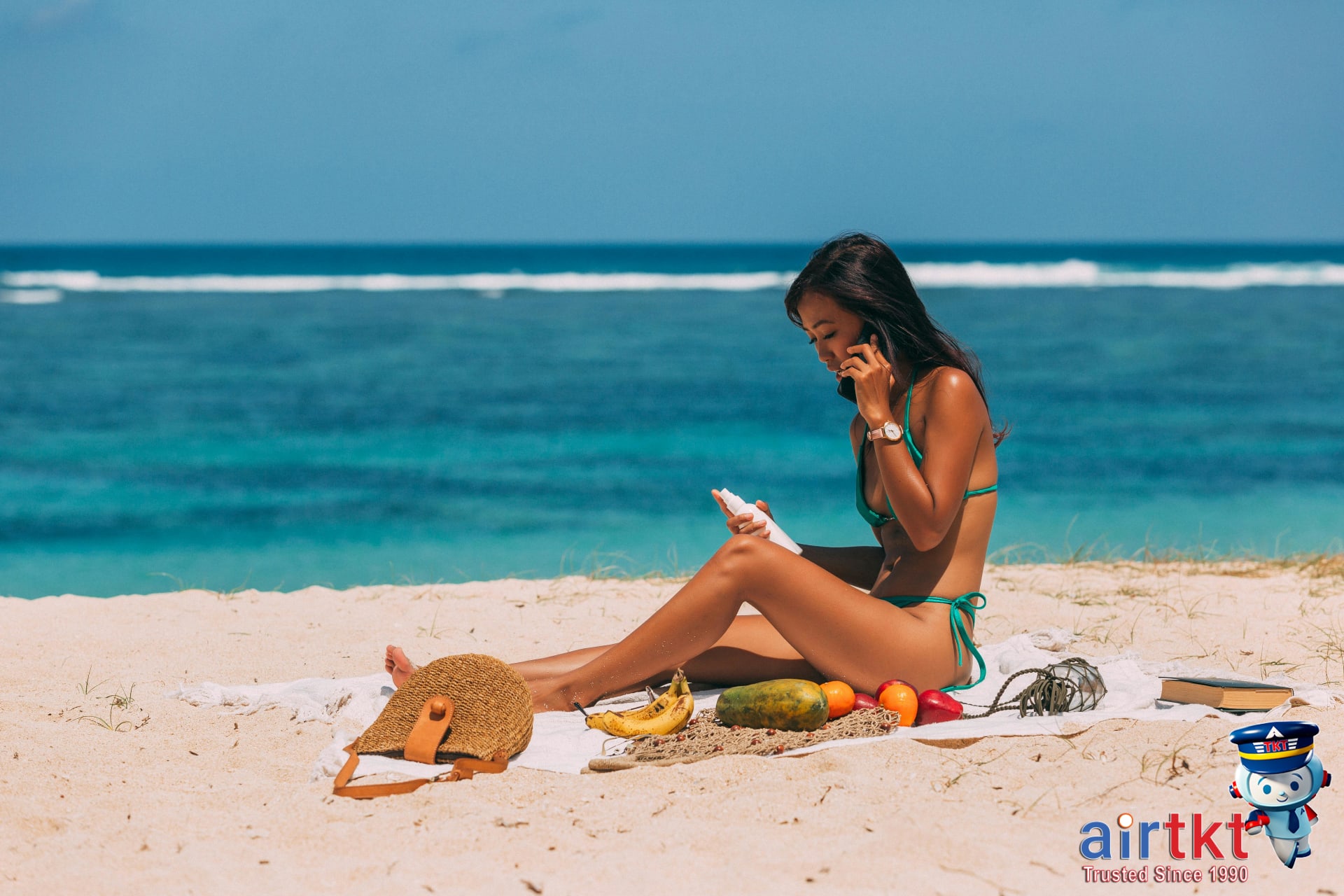
What Makes Tropical Beach Packing Unique
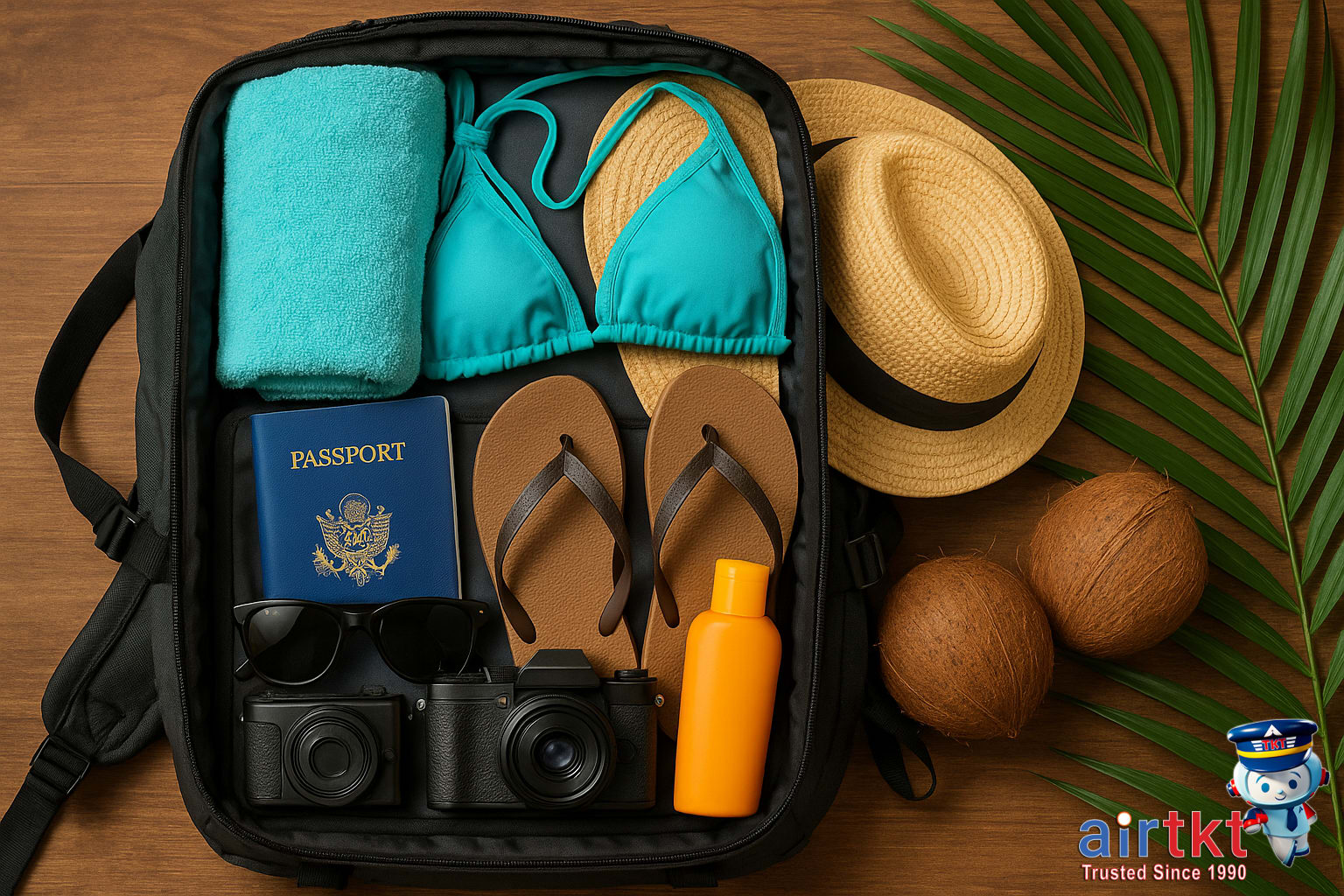
Packing for a tropical beach getaway is a different game than organizing your suitcase for a city break or a chillier mountain retreat. The heat, humidity, and promise of spontaneous swims make it essential to think light, breathable, and water-friendly. I remember the first time I packed for a tropical escape and realized quickly that versatile swimwear becomes your daily uniform, not just something for the pool.
Efficient packing is vital for tropical trips—not only do you need to keep cool under the sun, but you’ll also want to be ready for beach sports, boat tours, and unpredictable rain showers. Forgetting something simple, like a rash guard or extra sunscreen, can be a real headache, especially if you’re far from shops or local prices are steep. The right choices will keep you comfortable, protected, and free to enjoy every sand-between-your-toes moment.
Throughout this guide, I’ll break down what matters most: clothing and accessories for sun safety, swimwear that keeps up with water adventures, must-have toiletries for the tropics, and little extras—like tech, first-aid, and packing cubes—that simplify every day. If you’re planning your trip, check out airtkt.com’s guide to flight deals for tropical destinations to get inspired about where your bag should be headed next.
Essential Swimwear and Clothing Choices
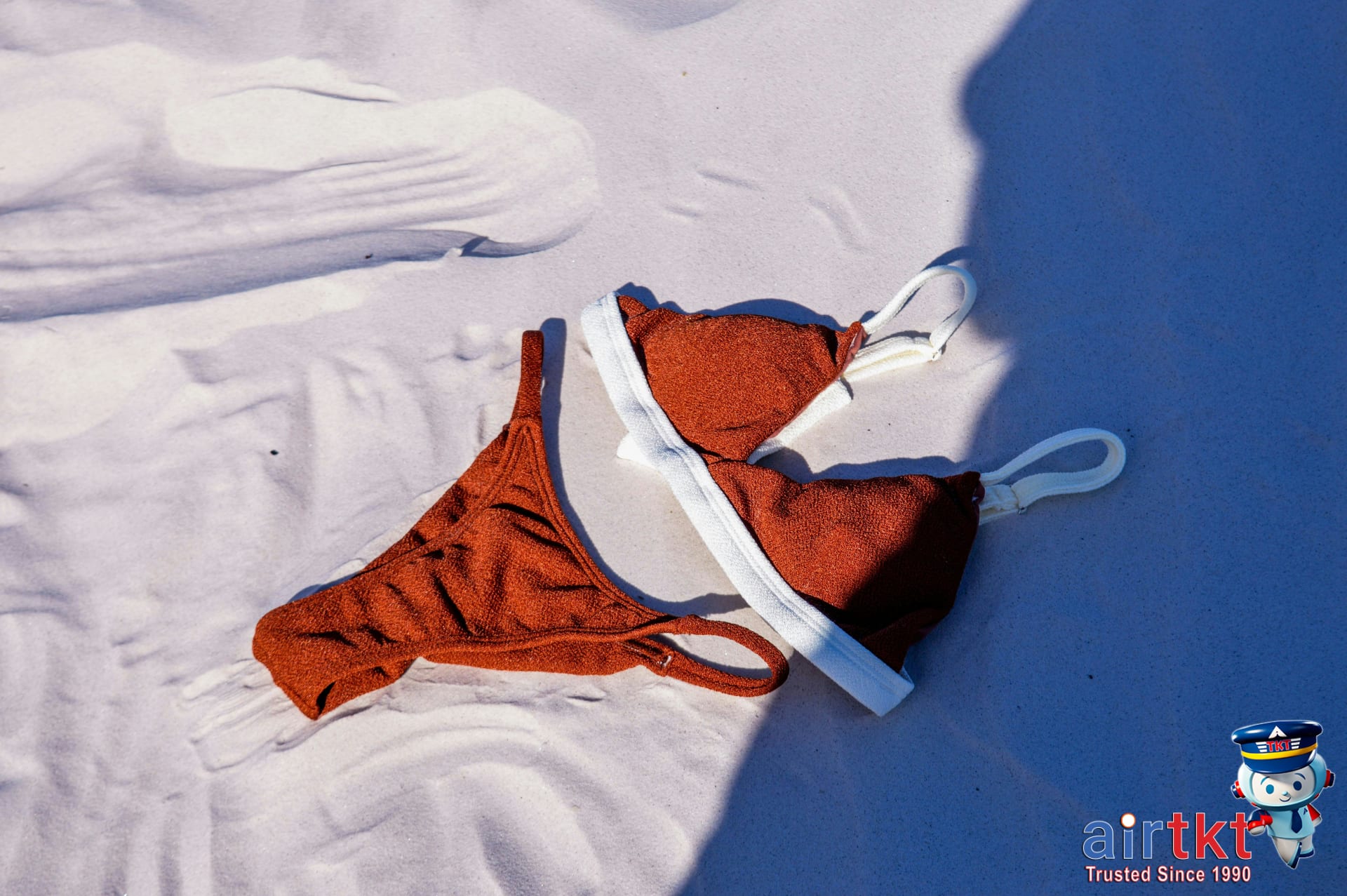
Packing for a tropical beach destination calls for smart swimwear and clothing choices. For swimwear, I always go for quick-dry fabrics—think nylon or polyester blends—because they’re lightweight, breathable, and dry swiftly under the sun. Bikinis are great for tanning, while one-piece suits or tankinis offer more coverage. I’d also recommend packing at least one rash guard if you plan on snorkeling or spending long hours in the water. For men, board shorts made from fast-drying materials double as casual shorts when you’re off the sand. After a trip where I only brought a single swimsuit and ended up wearing a damp suit several days in a row, I now always pack two so one can dry while I’m out adventuring.
Versatility is key for clothing. A breezy cover-up—like a loose button-down shirt or kaftan—allows you to stroll from the beach to a café without a full outfit change. Lightweight dresses and shirts in cotton or moisture-wicking synthetic fabrics will keep you cool during the heat of the day. Quick-dry shorts and tanks can handle both beach play and casual dinners. When evening breezes hit or you want extra sun protection, layering helps: a long-sleeve linen shirt or a thin wrap is enough to keep you comfortable without overheating.
If you’re looking for more specific packing ideas or want to explore sustainable swimwear options, check out the in-depth beachwear packing guide at airtkt.com.
Top Sun Protection Tips And Products
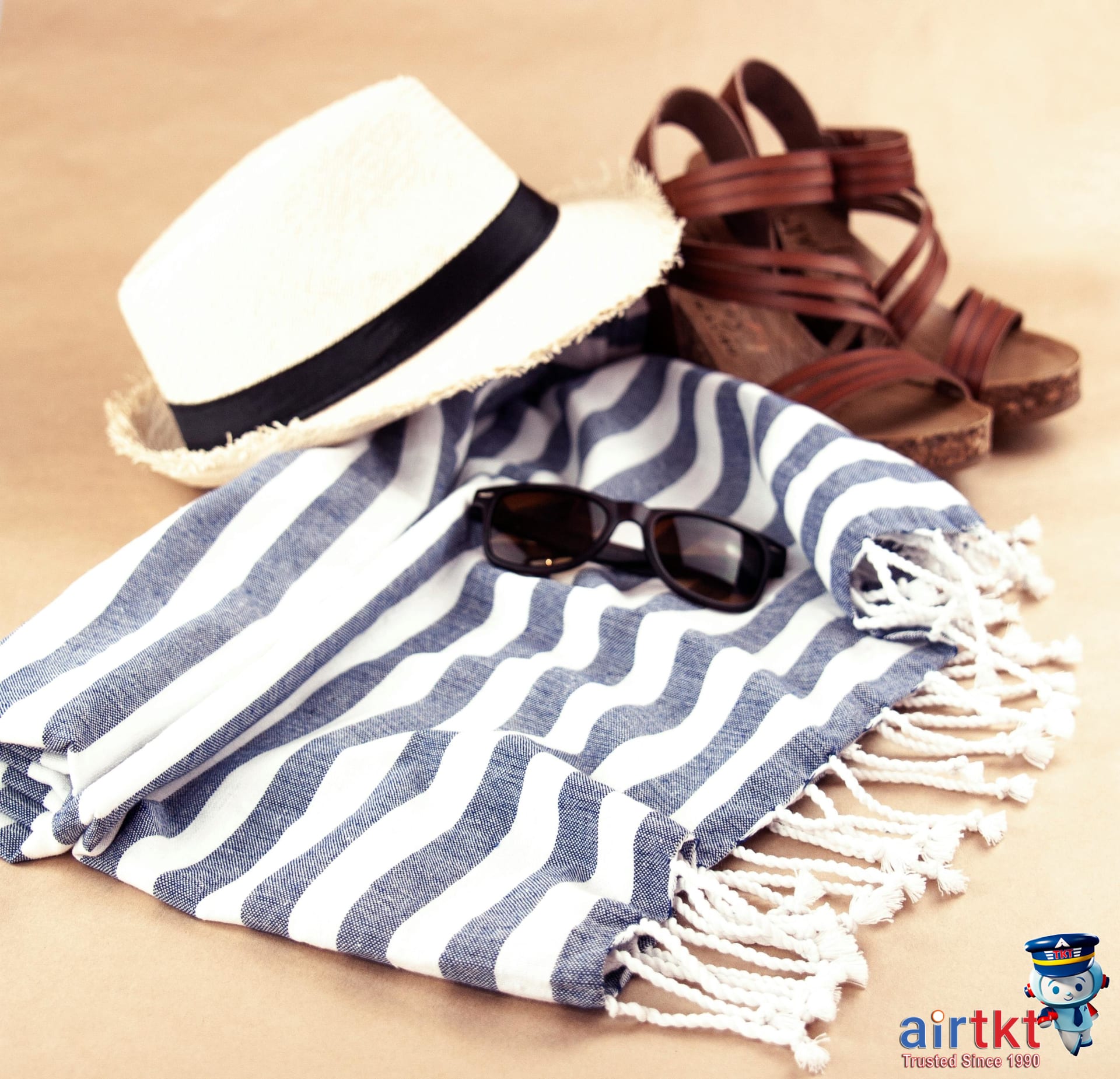
Tropical destinations can be deceptively harsh on your skin, so sun protection isn’t optional—especially if you’re spending time on or near the water. One thing I never leave out of my packing list is a reliable reef-safe sunscreen; I personally prefer the Thinksport SPF 50, as it keeps my skin protected during long days outside and doesn’t harm coral reefs.
Why Reef-Safe Sunscreen Matters
Many chemical sunscreens contain oxybenzone and octinoxate, which can contribute to coral bleaching and disrupt marine ecosystems. To make an eco-conscious choice, look for products labeled as “reef-safe,” and double-check the ingredients list for harmful additives. For a helpful guide on what to avoid—and which certifications are trusted—see the Protect Land + Sea certification, which highlights sunscreens that are genuinely safe for marine life.
Protective Clothing And Accessories
Physical barriers work hand-in-hand with sunscreen. Lightweight SPF-rated shirts and swim leggings shield large areas from direct UV exposure, making them essential for extended outdoor activities. Wide-brimmed hats help cover your ears, scalp, and neck, while sunglasses with full UV protection guard your eyes throughout the day. In my experience, a compact, packable sun hat is just as important as sunscreen for beach and hiking days.
Reapplication And Daily Habits
Even the best sun protection products need reapplying, especially after swimming, toweling off, or heavy sweating. Dermatologists generally recommend reapplying sunscreen every two hours or immediately after getting wet. Pair that with seeking shade during intense midday rays and staying hydrated—you’ll avoid the classic rookie mistakes in the tropics.
For a deeper dive into sustainable, eco-friendly travel essentials, check out airtkt.com’s tips on eco-friendly travel products.
Efficient Packing Tips and Organization
Packing smarter instead of heavier is a lesson I learned the hard way on my first few international trips. Using packing cubes is now non-negotiable—they keep clothes organized by category, and compression cubes or bags really help squeeze out excess air for bulkier items. That way, your suitcase or backpack doesn’t end up bursting at the seams, and I’ve noticed it’s way easier to spot what you actually have.
I always reach for a lightweight, hard-shell carry-on with sturdy wheels, or a quality backpack if I know I’ll be changing accommodations frequently. Durability is key; soft-shell bags tend to flex but can snag more easily, while backpacks need comfortable straps and lots of compartments. If you’re deciding between a suitcase and a backpack, I’d honestly compare both for your trip style—especially if you don’t want to pay checked bag fees. One of my favorite hacks is rolling my clothes instead of folding. It’s helped me fit everything I need in my carry-on, even when I’m packing for a week or more.
Other last-minute packing tricks I swear by: stuff socks inside shoes, use leak-proof mini bottles for toiletries, and tuck a dry laundry sheet in with your clothes to keep everything smelling fresh. To avoid wrinkles, tuck delicate items in between rolled garments and bring a small spray bottle to mist and smooth out any stubborn creases at your destination.
If you’re looking for more advice about what actually fits in a carry-on, check out airtkt.com’s practical guide on packing light and choosing the right luggage for your trip.
Accessories And Footwear Essentials For Beaches
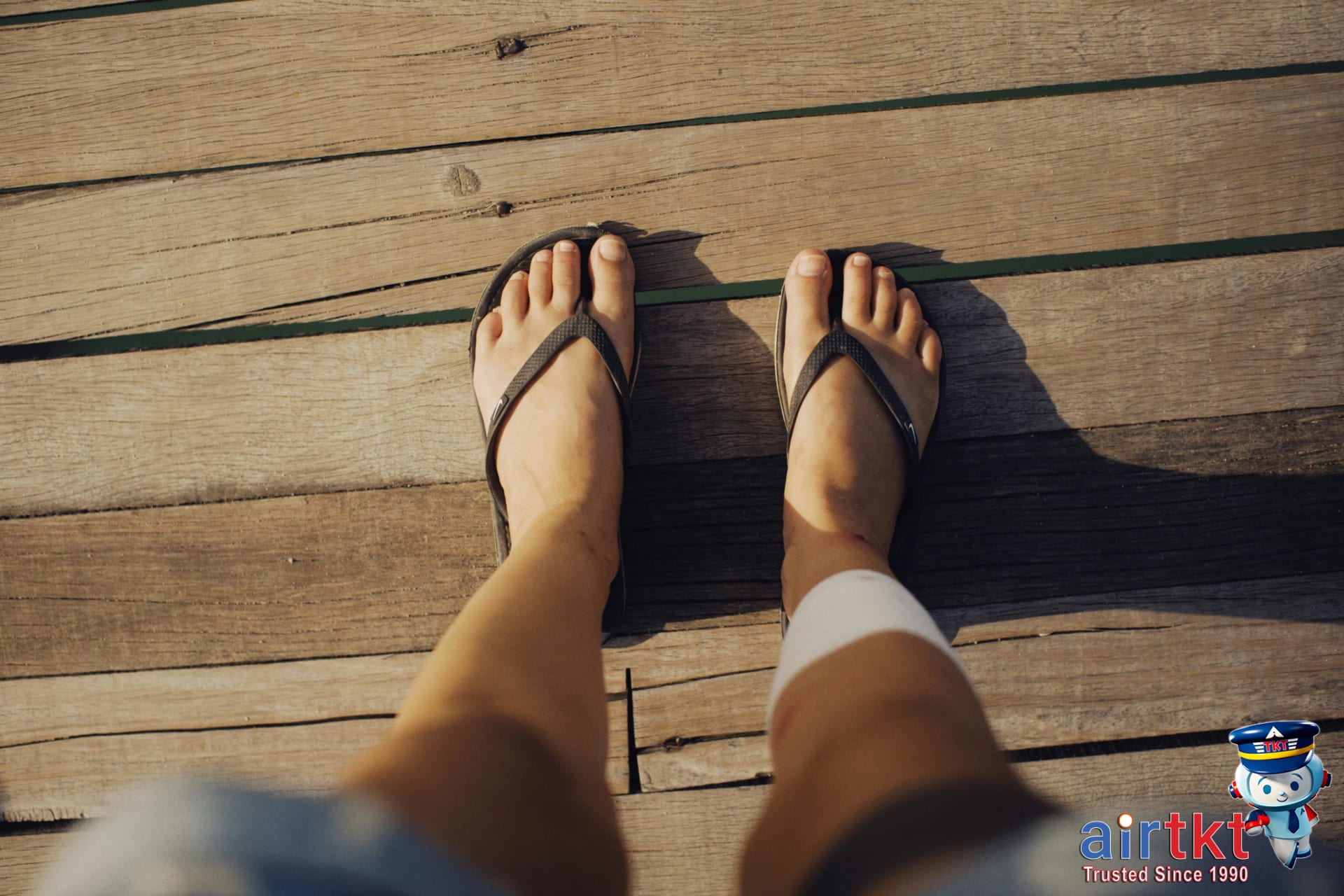
The right accessories can make tropical beach trips far more comfortable. Choosing footwear that works for both sand and pavement is a must—think lightweight flip-flops for quick walks along the shore, plus a pair of sturdy water-resistant sandals for longer strolls or rocky areas. In my experience, grabbing sandals with cushioned soles helped me avoid blisters on repeated shoreline walks.
When it comes to beach bags, I’d suggest a lightweight, water-resistant tote that fits towels, sunscreen, snacks, and a change of clothes, yet is easy to shake sand out of. Look for a style with interior pockets to protect your phone or wallet from the elements—mesh or coated canvas varieties usually hold up well.
Accessory Ideas For The Beach
Beyond footwear, toss in simple jewelry made from non-tarnishing materials (like resin or woven fabrics) for a touch of style without worry. Lightweight scarves work double duty: they shield you from the sun or turn into a wrap for cooler evenings near the water. Broad-brimmed hats are essential for sun protection, and I never regret packing one, even if it takes up a little extra space. For more detailed advice about choosing practical pairs for travel, check out airtkt.com’s guide to summer accessory packing.
Essential Tech for Beach Vacations
Staying connected and capturing those turquoise-water memories depends on having the right technology at your fingertips. In a tropical setting, the mix of sun, sand, and sea air can be tough on electronics, so prepping your gear before you go can save major headaches. Here are the top tech essentials I always make room for in my suitcase—one of my favorites is a lightweight portable charger, which has saved more than a few beach days from dying phones or drained headphones.
Must-Have Gadgets and Protection
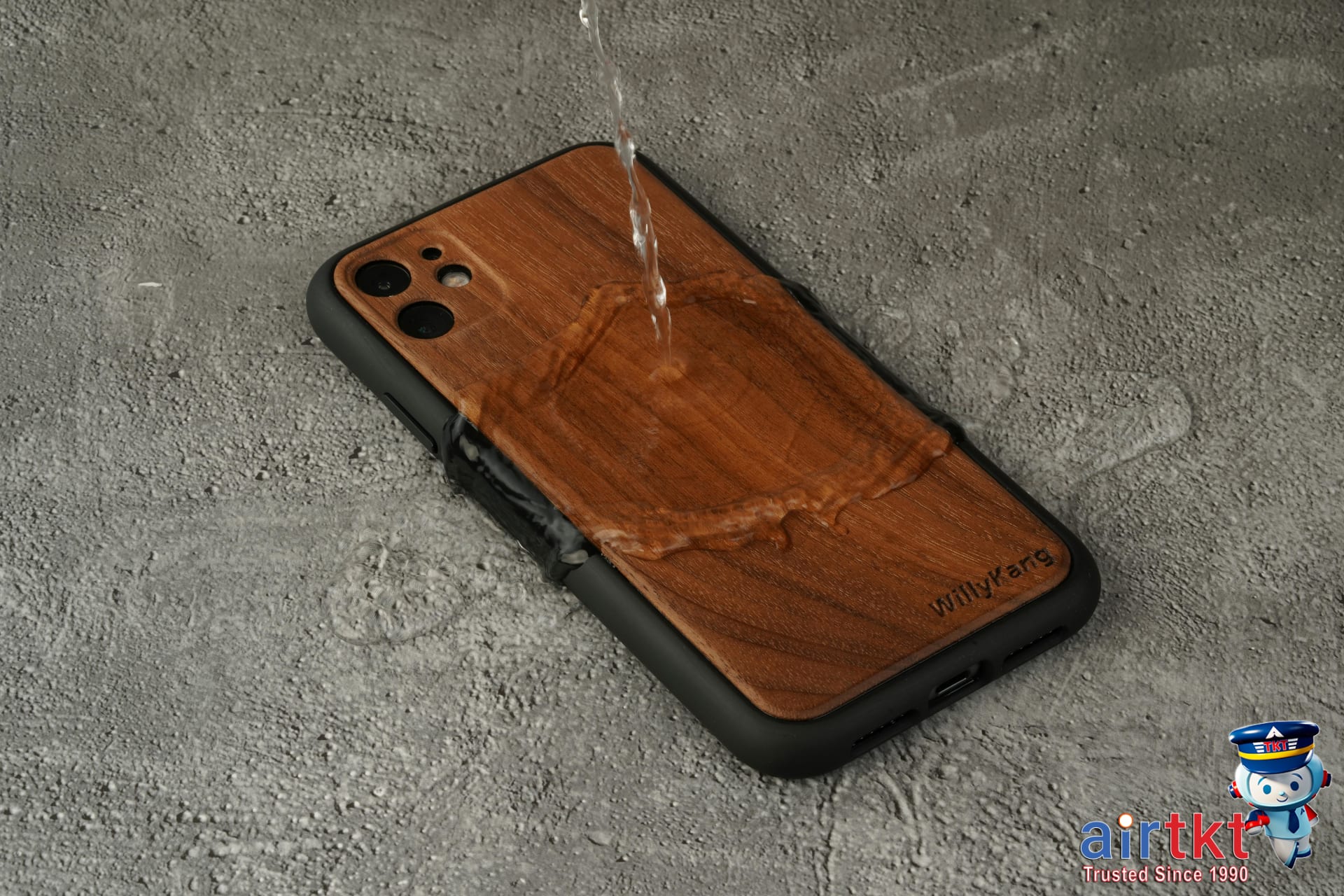
Start with a solid waterproof phone case. It’s a simple investment to guard against sudden downpours or rogue waves. I’d also pack a portable power bank (aim for one with at least two full phone charges), plus a multi-USB cable to keep all devices juiced. Waterproof Bluetooth speakers are great for chilled-out sunsets, just remember to bring one that’s actually rated for immersion rather than just splashes. Action cameras like GoPro, or even compact waterproof point-and-shoots, are ideal for underwater shots—leave the bulky DSLR at home if you’re worried about sand.
Smartphone Apps for Beach Travel
Don’t forget to install some key travel apps. A dedicated weather app gives up-to-the-minute tropical forecasts, while offline navigation tools such as Google Maps (with offline mode activated) can keep you on track even without roaming data. I usually recommend downloading a reliable translation app and storing emergency numbers locally in case cell service drops. For travel safety, apps that let you share your real-time location with family can offer peace of mind.
Charge Management and Data Safety
Power outlets may be scarce in remote beach areas, so carrying a universal travel adapter is wise. I also tend to back up my photos to the cloud daily—it’s easy to lose track at the beach. Use strong passwords and, if possible, avoid connecting to unsecured public Wi-Fi; when you need to, a VPN app can help safeguard your private info.
If you want more ideas about tech-friendly gear or travel app picks, check out airtkt.com’s travel essentials guide for current recommendations.
Health and Safety Items for the Beach
Spending time on a tropical beach means sun, sand, and—if you’re not prepared—a few health surprises. When I pack for any beach destination, insect repellent is non-negotiable. Look for a broad-spectrum product rated for tropical areas and reapply after swimming or heavy sweating. This small effort keeps mosquitoes and sandflies at bay, so you can relax instead of itching through your evening.
It’s smart to bring a compact first aid kit as well, especially if you plan on snorkeling, hiking, or playing beach sports. I learned the value of this the hard way: having a few adhesive bandages and antiseptic wipes once made the difference between a minor cut and an annoying setback during my trip. Essentials like tweezers, a few pain relievers, and aloe gel for sunburn round out the kit for most situations.
Staying hydrated in hot, humid climates is crucial. I recommend carrying a reusable water bottle and, for longer days outside, adding hydration tablets or electrolyte powders. These help you maintain balance and rebound faster if you feel the effects of the heat. For the latest travel health recommendations, I keep an eye on resources like the CDC’s travel packing advice—and if you need more tips, check out airtkt.com’s practical health travel guidance before you go.
Tropical Beach Packing Budget Table

Choosing the right packing gear for a tropical beach trip comes down to finding the balance between what you need, what you want, and your budget. In my travels, I’ve learned not to cut corners on certain essentials, but I also don’t go overboard buying the fanciest versions of everything. Whether you’re traveling light or upgrading your comfort, here’s a look at what you can expect to spend for each packing tier—and where it’s worth stretching your budget.
| Budget | Mid-range | Luxury | |
|---|---|---|---|
| Accommodation (gear) | $30.00 | $75.00 | $170.00 |
| Food (snack gear) | $10.00 | $28.00 | $50.00 |
| Transport (bags & carriers) | $18.00 | $45.00 | $120.00 |
| Activities (beach essentials) | $22.00 | $60.00 | $135.00 |
How to Choose Your Tier
The budget tier outfits you with basics like a simple quick-dry towel, flip-flops, and compact bags. Mid-range adds items such as UV-protective clothing and insulated bottles—nice upgrades if you plan active days. Luxury tiers offer premium waterproof backpacks, high-end rash guards, and specialty snorkeling gear, which suits those who want top comfort and style.
I’d recommend prioritizing items that keep you protected from sun and sand, then spending more where it makes a real impact—like sturdy beach shoes or a reliable daypack. If you’re looking for more tips on aligning your packing expenses with your total trip costs, check out airtkt.com’s advice on travel budgeting.
FAQs on Tropical Beach Packing
I’ve answered these tropical beach packing questions countless times for travelers eager to make the most of their escape. Here’s what people ask most—along with clear, practical answers based on real packing concerns.
- What should I pack for a tropical beach trip?
Start with lightweight clothing, a swimsuit, sun hat, sunglasses, flip-flops, and reef-safe sunscreen. Include a reusable water bottle, a light cover-up, and a small dry bag for electronics. In my experience, a compact medical kit and insect repellent always come in handy for these destinations.
- How can I protect my skin from the sun?
Wear a wide-brimmed hat, UV-blocking sunglasses, and clothing with UPF protection when possible. Apply broad-spectrum sunscreen of SPF 30 or higher every two hours, especially after swimming. I usually remind travelers not to forget after-sun lotion to soothe their skin after long days outdoors.
- Is it better to pack towels or use those provided?
Hotel beach towels are often available, but I’d recommend packing a thin, quick-drying travel towel just in case. They’re useful for day trips or excursions, plus they pack down small. It’s a reliable backup if your accommodation doesn’t supply one or you want an extra layer on the sand.
- What’s the best way to keep electronics safe at the beach?
Bring a waterproof pouch or a sealable zip bag for your phone, camera, and any other valuables. Store these inside your main day bag and avoid exposing them directly to the sun. If you plan to swim, ask someone trustworthy to watch your belongings or leave non-essentials at your hotel.
- How do I avoid overpacking for a beach trip?
Stick to versatile pieces—think neutral shirts and shorts, one swimsuit, and a single pair of sandals. Lay everything out before packing, then remove anything that’s not essential. I always check the weather and planned activities to help decide on non-negotiable items and avoid anything unnecessary.
- What shoes should I bring to a tropical beach?
Flip-flops or comfortable sandals are essential for sand and pool areas. For outings or rocky paths, lightweight sneakers or water shoes help. I generally bring one casual pair and one set of sandals, so my bag stays light but I’m ready for anything—from beach lounging to a spontaneous hike.
- Are there items often forgotten when packing for the beach?
Travelers tend to forget items like chargers, adapters, bug spray, lip balm with SPF, and reusable bags for wet swimsuits. In my experience, a small pack of tissues and a portable charger are surprisingly practical as well. Reviewing your packing list one last time helps minimize these common oversights.
Conclusion and Packing Checklist Summary
Now that you’ve made it through the packing essentials for a tropical beach getaway, here’s a quick recap. The biggest priorities are always swimwear (bring at least two sets), sun protection (like reef-safe sunscreen and hats), and keeping your items organized in your luggage. I’d also double-check electronics—chargers and waterproof pouches have saved me more than once. Health supplies such as bug spray and any prescriptions should be front of mind, and it never hurts to review your travel budget before you zip up your suitcase.
Packing Checklist Must-Haves
- 2+ swimsuits
- Light clothing layers
- Sunhat and sunglasses
- Reef-safe sunscreen
- Flip-flops/water shoes
- Reusable water bottle
- Phone, chargers, waterproof pouch
- Personal medications
- Basic first aid items
- Travel documents (passport, ID, confirmations)
- Cash and a card
- Packing cubes (for easy organization)
In my own travels, sticking to this checklist has made my beach trips far less stressful—no more scrambling for forgotten essentials or wasting time shopping for basics once I arrive. If you’re ready to turn your checklist into a real adventure, you can find tropical destinations and seasonal airfare deals through airtkt.com for a smooth travel start.