
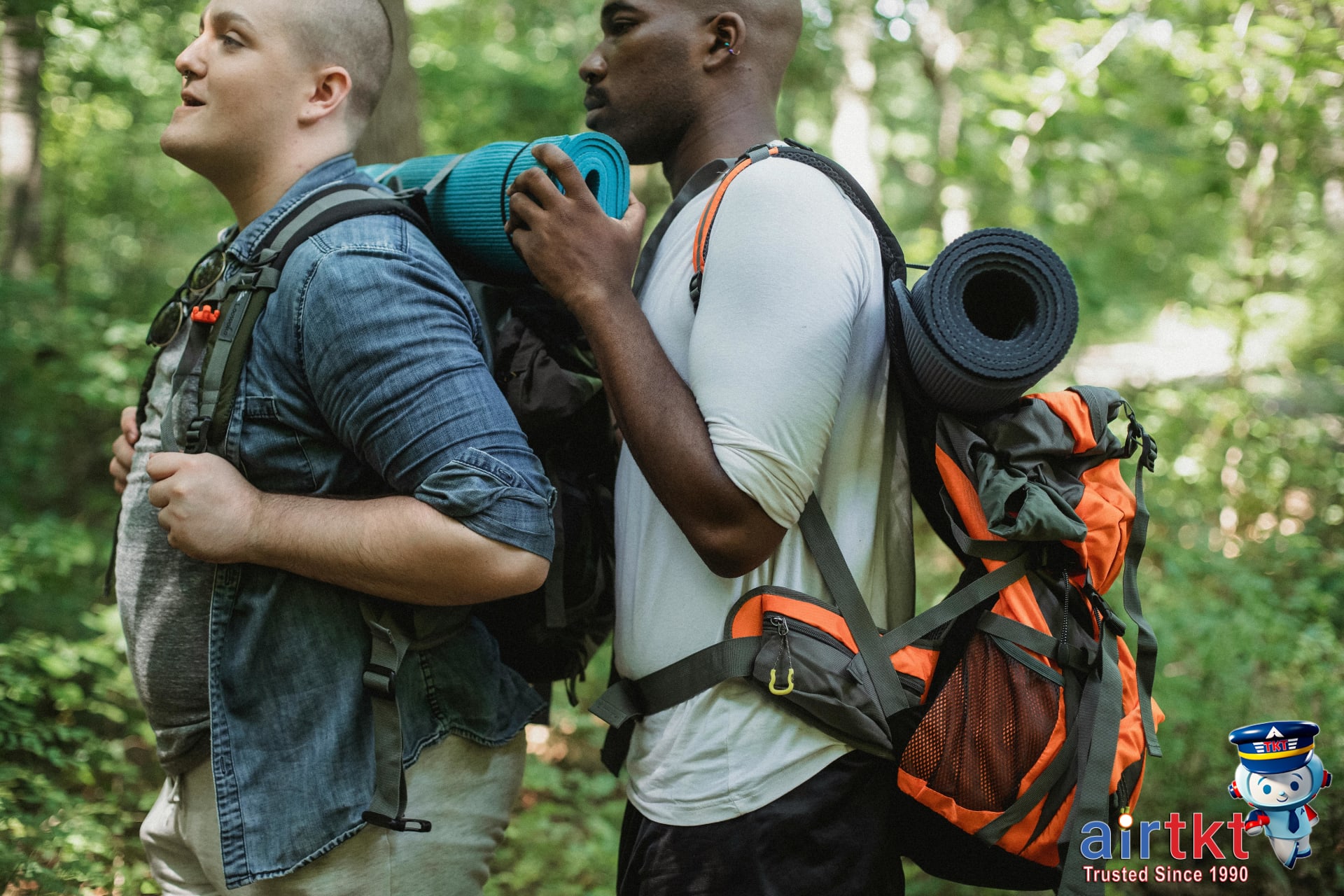
How To Stay Safe With Food
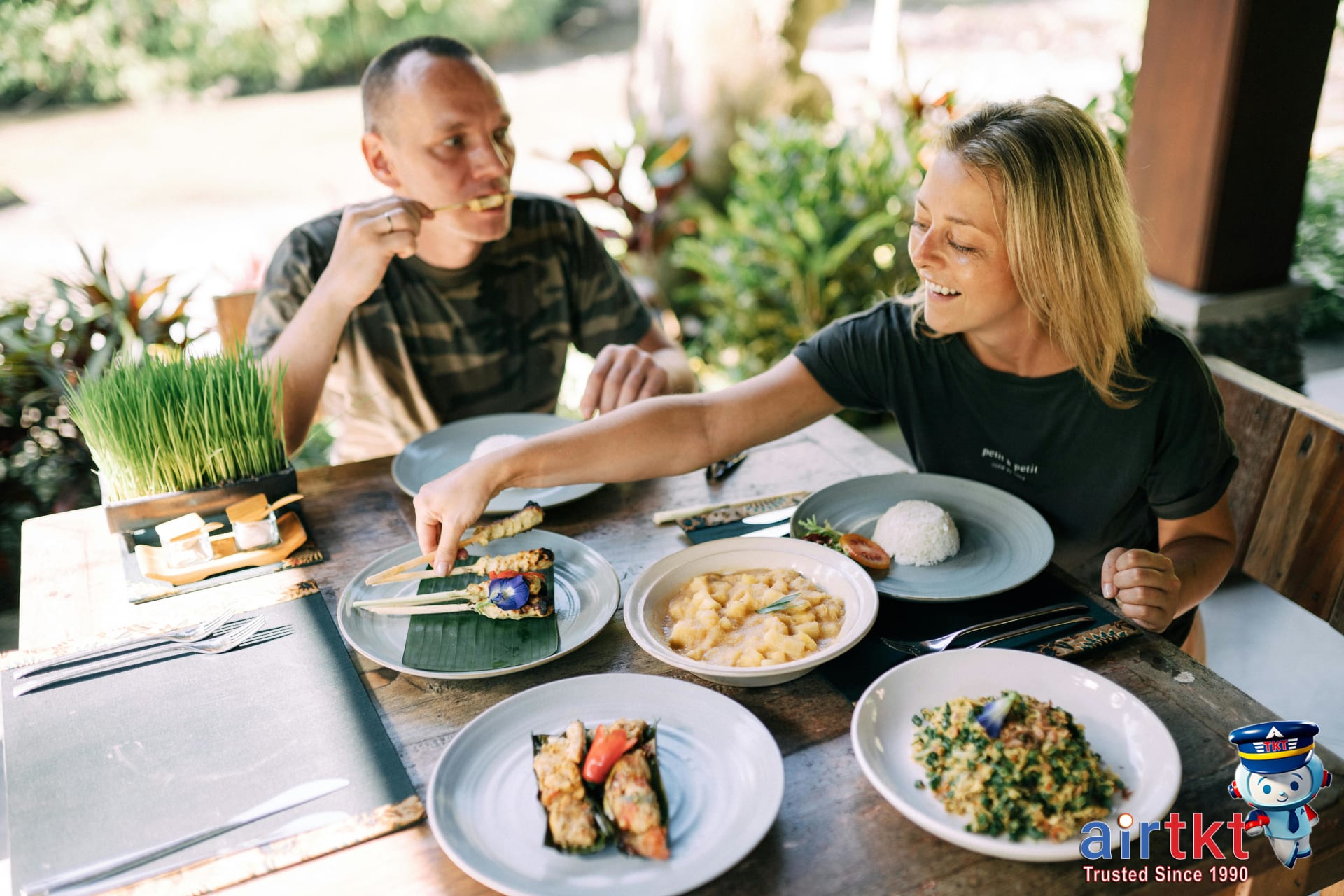
Travel can be a highlight for food lovers, but it also means you need to stay smart about food safety. When I travel, I always check the hygiene reputation of places where I eat—even if the food looks enticing. It’s worth searching for recent online reviews or checking if an eatery appears busy with locals, which can be a good sign that the food is both tasty and handled safely.
Avoiding Street Food Risks
Street food is tempting in so many destinations, but it’s also where many travelers get tripped up. I’ve found it’s best to avoid anything that’s been sitting in the open air for a while, especially if it’s not kept hot or cold as needed. Stick to stalls where you can actually watch your food being cooked fresh to order, and keep an eye on how staff handle ingredients and wash their hands.
Choosing Safe Restaurants
Before sitting down, take a quick glance at a restaurant’s cleanliness. Clean tables, menus, and bathrooms often reflect solid hygiene standards in the kitchen. If you’re unsure, ask hotel staff or other travelers for local tips, or consult guides like our article on healthy travel eating habits for trusted recommendations.
Managing Allergies And Sensitivities
Traveling with allergies makes food choices even more important. Consider carrying an allergy card with your restrictions translated into the local language. I always confirm ingredients before eating and explain my allergy clearly, both to avoid any misunderstandings and to stay safe. If you’re highly sensitive, bringing a few safe snacks from home isn’t a bad idea.
Simple Habits For Healthy Eating
A basic but surprisingly effective strategy: always wash or sanitize your hands before eating, especially if you’ve touched money, public transport rails, or your phone. Bottled water is a sure bet for hydration in destinations where tap water isn’t considered safe, and I usually skip raw salads in places I’m unsure about since they can carry water-borne bacteria.
Safe Water Practices While Traveling
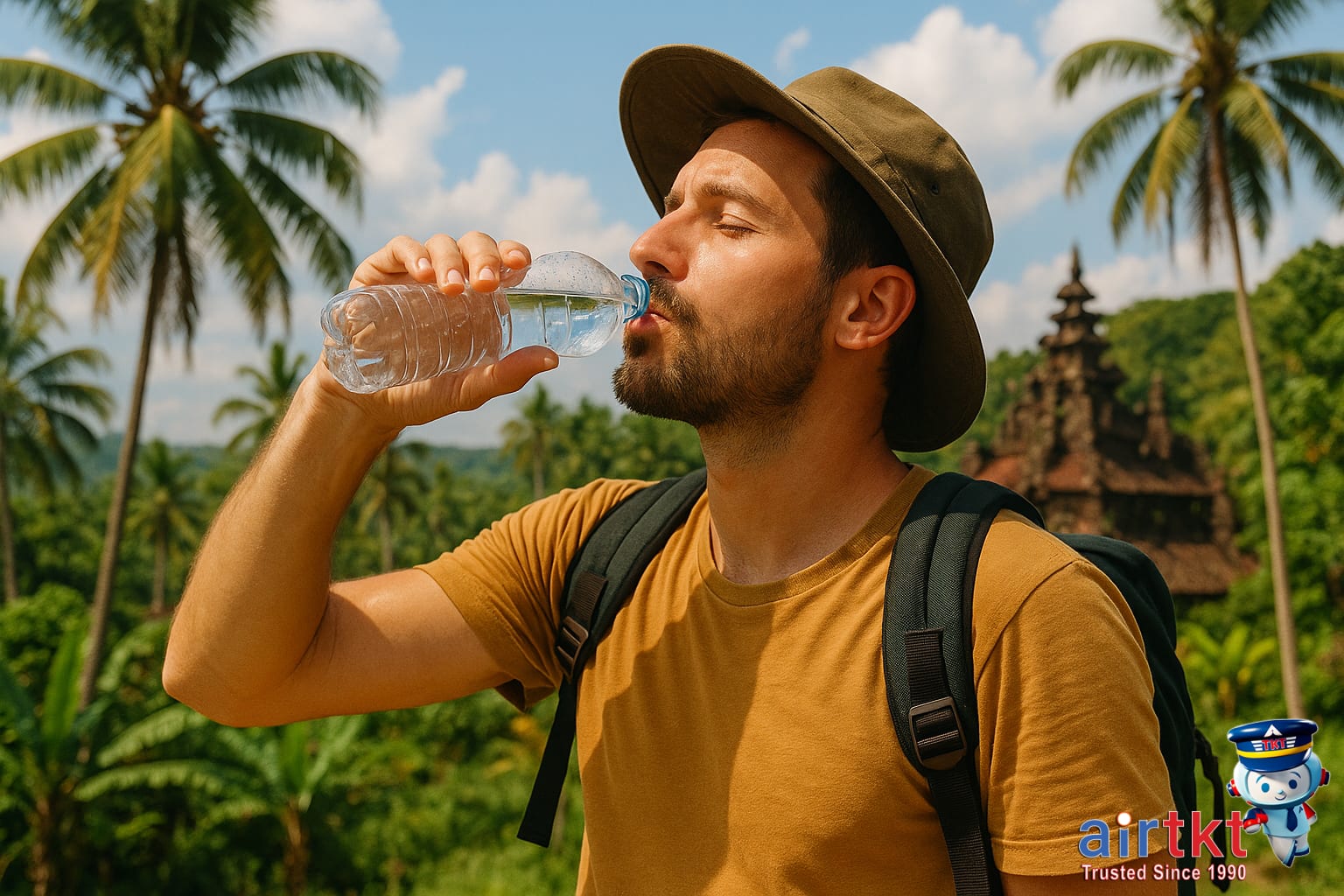
Staying healthy on your trip often comes down to what you drink as much as what you eat. In many destinations, tap water quality isn’t guaranteed and can put you at risk of waterborne illness. I’ve learned to always buy sealed bottled water in unfamiliar countries—the peace of mind is worth it, even when it’s tempting to refill a hotel glass or grab water from a dispenser.
Reusable water bottles can be handy, but only if you know the source is purified. If bottled water is hard to find, carrying portable water purification tablets or a small filter is a smart backup. These tools help you make tap water safer for drinking, brushing your teeth, or making coffee on the go. I usually check in advance if the region I’m visiting has any known water safety concerns—it’s one of those planning steps I never skip now.
Another hidden risk: ice cubes. Even in nice restaurants, ice is often made from tap water. I personally avoid drinks served with ice unless I’m sure the water is safe. The same goes for fresh salads, fruit, or any produce that’s washed but uncooked. When I’m not preparing it myself, I’ll stick to fruit you can peel or cooked vegetables.
Practical Tips For Hydration Safety
- Only drink from unopened, sealed bottled water.
- Use purification tablets or a portable filter if necessary.
- Decline ice unless you know the source is safe.
- Avoid raw produce unless you trust how it was washed.
- Keep a collapsible bottle for emergencies—purify tap water as needed.
Staying hydrated is important, but doing it safely is even more crucial when you travel. If you want a deeper dive into this subject, the airtkt.com guide on water safety while traveling has more practical details.
Wellness Strategies for Long Flights
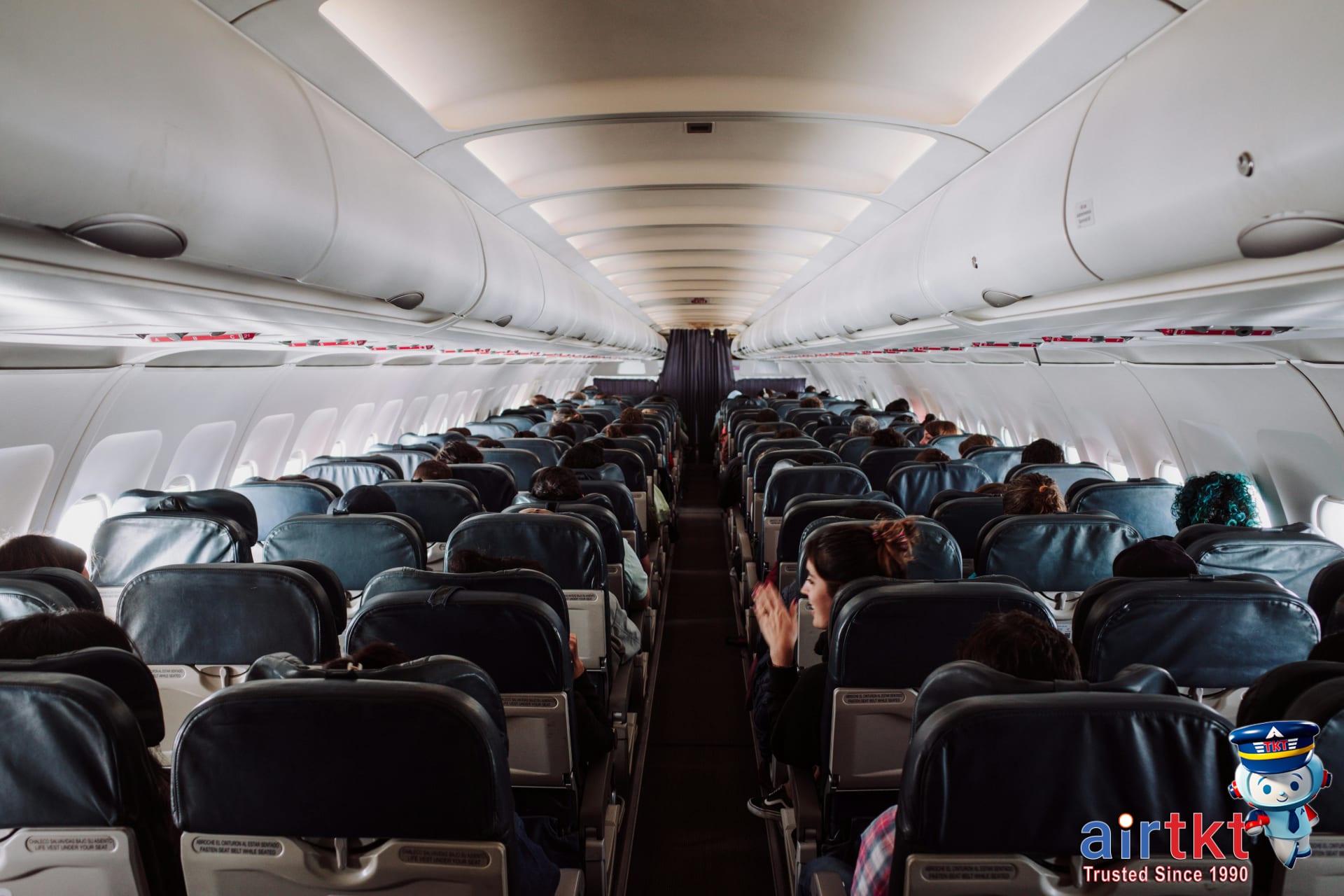
Long-haul flights can take a toll on your body, but a few practical wellness habits can make a big difference in how you feel when you land. I make it a point to get up and stretch every couple of hours—even brief walks up and down the aisle can help prevent stiffness and reduce the risk of circulation issues. Rolling your ankles, stretching your calves, and doing gentle shoulder rotations from your seat can all help keep your blood flowing.
If you’re prone to swelling or want extra circulation support, it’s worth investing in a comfortable pair of compression socks. They’re easy to pack, and I’ve noticed they really help with leg fatigue on longer flights. Look for socks labeled as “graduated compression” and put them on before boarding for maximum benefit.
Hydration plays an even bigger role than most travelers realize. Plane cabins are famously dry, so I always bring a refillable water bottle and try to sip every hour. Keep in mind, though, that both alcohol and caffeinated drinks can dehydrate you. I usually stick to water and herbal tea during flights, saving coffee for either end of my journey.
Getting quality sleep on planes is its own challenge, but there are a few ways to improve your chances. Bring a travel pillow and eye mask to block out light. Noise-canceling headphones or soft earplugs can help you tune out the cabin bustle. If you’re booking a long-haul ticket, choosing a window seat may give you a better chance at uninterrupted rest. For more tips on snagging a comfortable flight, check out airtkt.com’s guide to booking the best long-haul flights.
How To Prevent Travel Illnesses

I always carry hand sanitizer and use it frequently when traveling, especially after touching surfaces in airports or train stations. Hand hygiene is your first line of defense against respiratory infections, colds, and other common bugs that can quickly ruin a trip. Since soap and water aren’t always available, travel-sized sanitizer makes it easy to keep your hands clean wherever you go.
Masks are another simple tool. If you’re in crowded indoor areas—like buses, planes, or busy attractions—a mask adds a layer of protection, especially during flu season or when local health advisories recommend it. I find that packing a few disposable masks in my day bag helps me make quick decisions whenever I encounter a crowded or stuffy space.
Avoiding crowded places reduces your risk of picking up airborne germs. Of course, that’s not always possible, but you can limit exposure by timing visits to markets, museums, or events for off-peak hours. If you feel a space is too packed, stepping outside for fresh air makes a real difference.
Smart Prevention While On The Go
Wiping down tray tables, armrests, and seatbelt buckles with travel-safe disinfectant wipes can help reduce your exposure to germs—especially on planes and trains. I also recommend not touching your face unless your hands are freshly sanitized, which is surprisingly easy to forget when you’re tired or distracted.
For more practical advice that covers everything from packing a travel health kit to understanding destination-specific risks, check out the health tips section from airtkt.com.
Mental Wellness and Stress Management
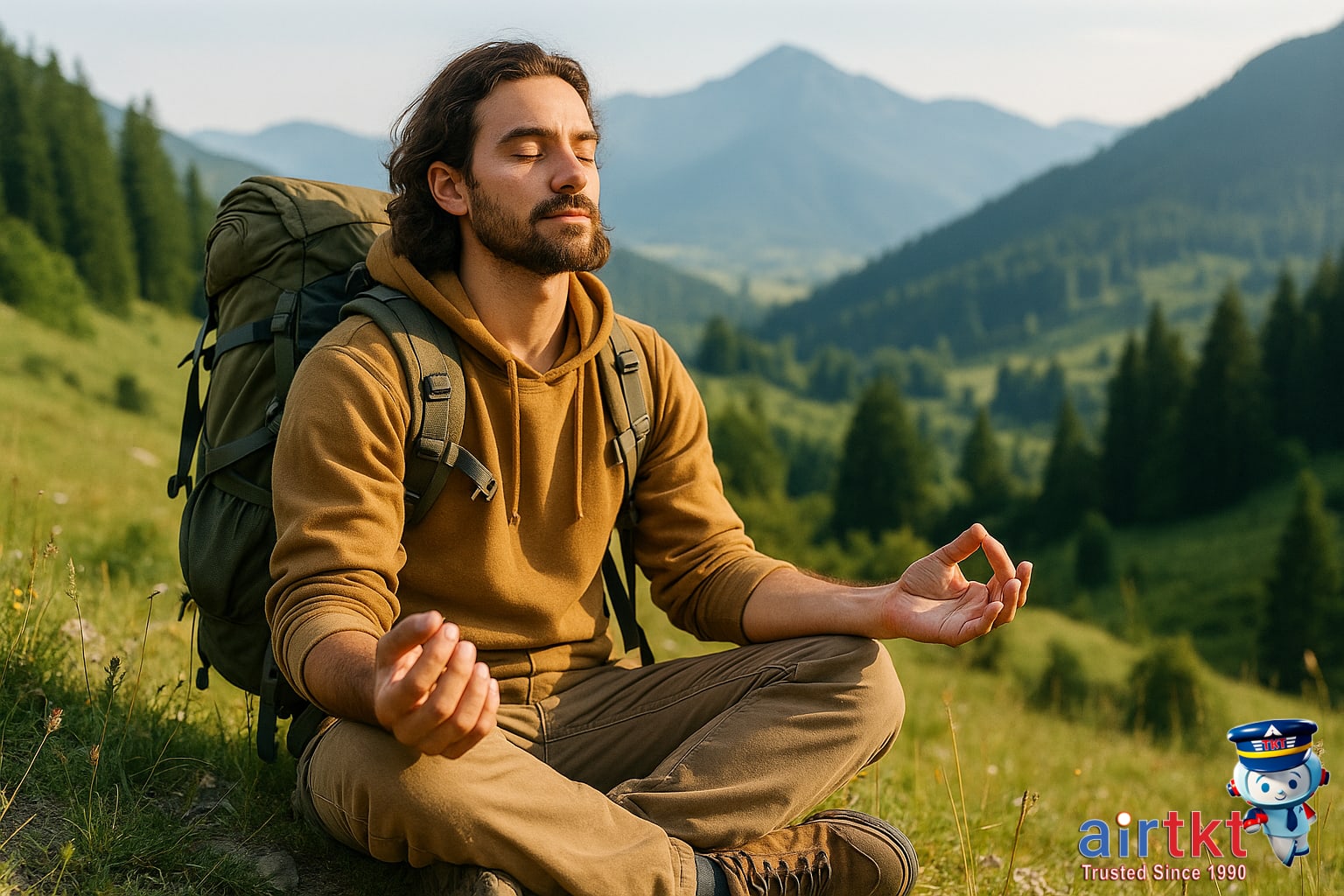
Travel can bring excitement and joy, but it’s easy to let busy schedules and unfamiliar places wear you down. Making time for mental wellness isn’t just about avoiding burnout—it can help you enjoy your trip more fully. I find taking short meditation breaks helps me stay calm on trips, especially when I’m dealing with airport delays or packed days.
Benefits of Mindfulness and Meditation
Incorporating mindfulness and meditation into your travel days can make a noticeable difference. Even just a few minutes of deep breathing or guided meditation can recharge your mind and help you reset after long flights or hectic sightseeing. Taking these moments can improve focus, reduce stress, and help you stay present—making each destination more memorable.
Making Time for Rest Periods
It’s tempting to fill your days with nonstop activities, but building in real breaks is key. Use downtime on trains or between attractions to rest rather than scroll social media. If you’re traveling with others, agree on quiet moments or solo walks to decompress. We’d treat these pauses as planning essentials, not just last-minute extras.
Tools and Apps for Wellness
Meditation and mindfulness apps put support in your pocket. Popular options like Headspace, Calm, or Insight Timer offer guided exercises you can use almost anywhere. There are also simple breathing apps and nature soundtracks to help you wind down at night. Download these before your trip so they work offline—a quick search in your app store can set you up before you board.
Accessing Local Healthcare Abroad
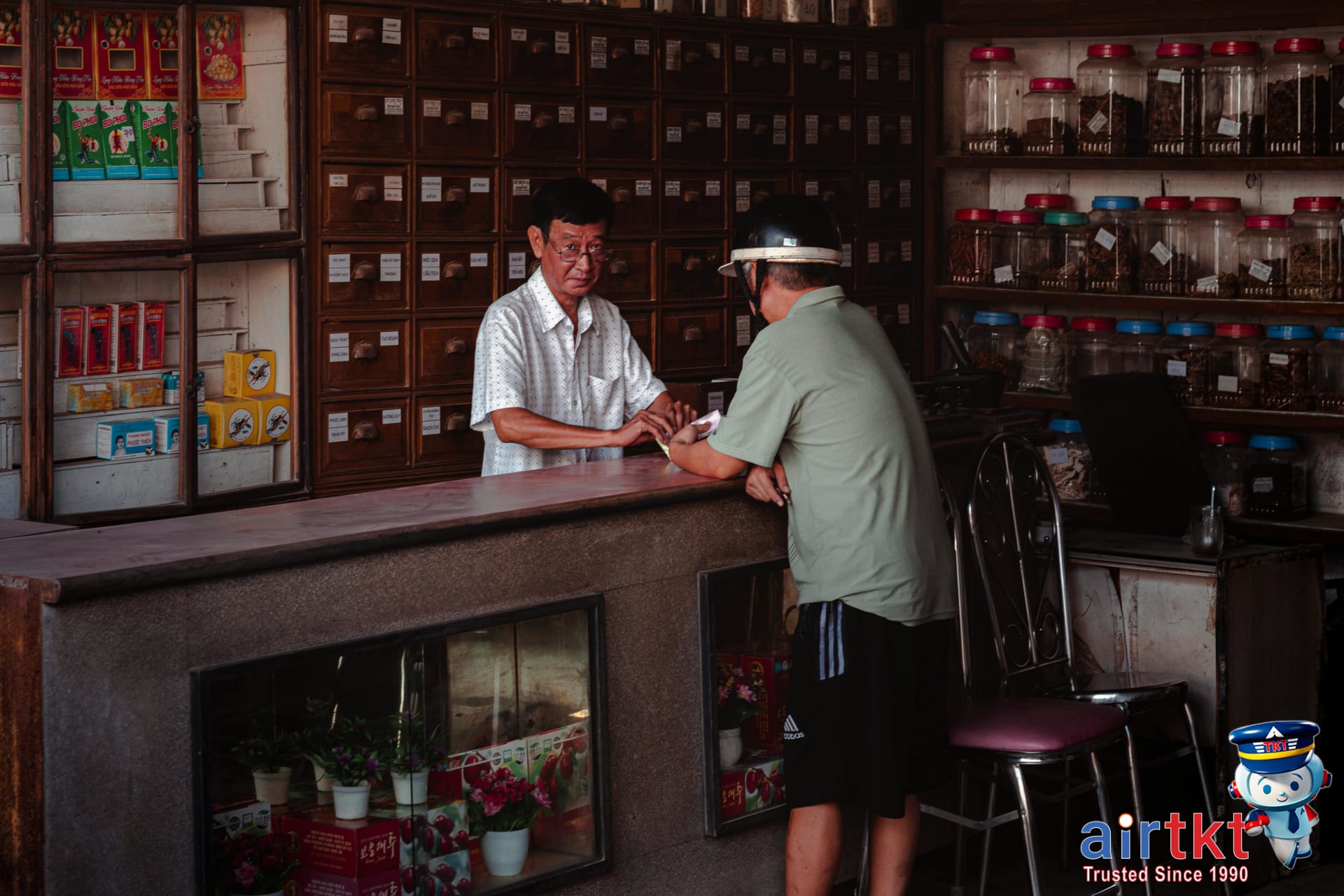
Before I travel, I always research local healthcare options at my destination. Knowing where to find trustworthy clinics or hospitals gives peace of mind and can save time during stressful moments. Look up nearby medical centers, check their reviews if possible, and note whether they offer English-speaking staff. Even in big cities, quality can vary, so it’s worth comparing options in advance—especially if you have specific medical needs.
The next step I prioritize is travel insurance. A good policy typically covers emergency medical care, evacuation, trip interruptions, and more. Double-check the fine print to be sure it addresses your needs, like pre-existing conditions or adventure sports coverage. I suggest starting your search for coverage with airtkt.com’s page on travel insurance options if you want to compare rates and features easily.
Staying prepared isn’t just about insurance. I always recommend making a list of important emergency contact numbers for your destination—think local ambulance, nearest hospital, and even your country’s embassy. Keep these on your phone and printed somewhere in your bag for easy access. Also, bring digital and hard copies of your passport, insurance policy, and essential health documents. If you have allergies or require prescriptions, carry a summary or translation of your needs. This basic prep can help you communicate clearly with healthcare providers if emergencies come up.
Packing Essential Health Items
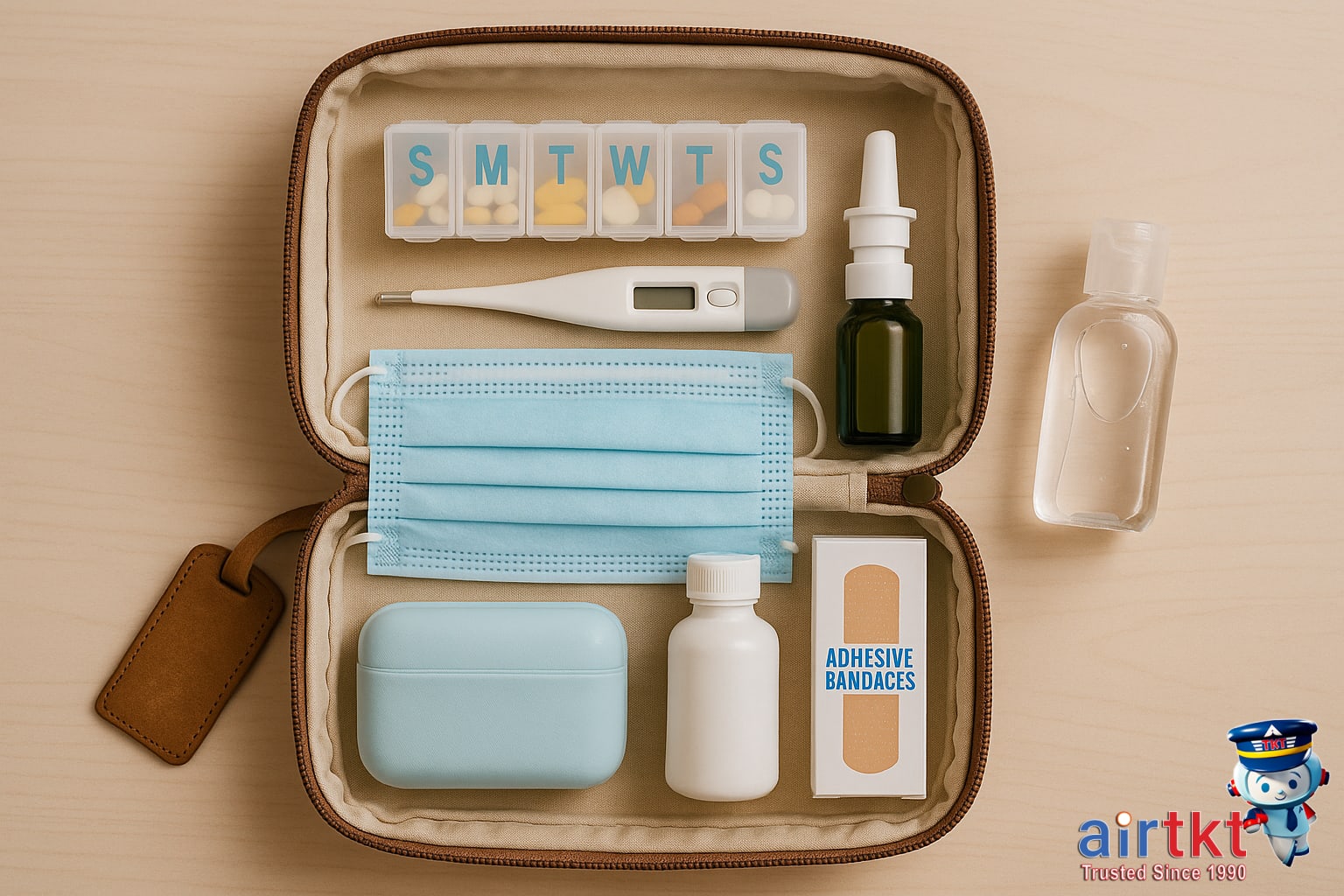
No matter your destination, packing the right health essentials makes travel smoother and safer. I’ve learned that my travel bag always has a well-stocked health kit ready before I even start on my boarding pass. Here’s a checklist you can use to cover your bases:
- All daily prescription medications in labeled containers
- Basic first aid kit (bandages, antiseptic wipes, antibiotic ointment, pain relievers, allergy medicine)
- Hand sanitizer and disinfectant wipes
- Any needed medical devices (inhaler, EpiPen, diabetes supplies, etc.)
- Copies of key health documents and insurance cards
- Prescription copies or doctor’s note for controlled substances
- Spare contact lenses or glasses if needed
Keep Medications Accessible
Always keep essential medications in your carry-on, not your checked bag. This way, you won’t risk being stranded without them if your luggage is delayed or lost. When possible, I place a small supply of medicine in a separate zippable pouch—it’s one less worry going through airport security or customs. Airport regulations sometimes differ, so double-check liquid rules for medications and medical supplies before flying.
Organize Health Documents
Bring paper or digital copies of your prescriptions in case local pharmacists or customs agents need verification. Also, carry a list of allergies, chronic conditions, and emergency contacts. In my experience, having these handy can prevent needless hassles if you ever need medical care away from home. Slip these pages into an organizer or a document sleeve, and consider emailing scanned versions to yourself for backup access.
Managing Jet Lag Effectively
Jet lag can derail your first days abroad if you don’t plan ahead, but there are some straightforward techniques to help your body adjust to time zone changes. I plan my sleep schedule in advance to minimize jet lag every time I fly overseas—it genuinely makes a difference. Here’s how you can do the same:
Shift Your Sleep Gradually
If you know your destination’s time zone, try adjusting your bedtime by an hour earlier or later each night, starting a few days before departure. This gradual change helps your body’s clock shift at its own pace. I’ve found that even a two- or three-night adjustment can ease the shock of a new schedule and help you feel less sluggish on arrival.
Use Light to Reset Your Internal Clock
Light is one of the strongest signals for your circadian rhythm. At your destination, get outside in the morning if you need to wake up earlier, or use sunglasses to block bright light if you want to delay your clock. For long flights, I recommend skipping movies and trying a sleep mask to cut distracting cabin light, which helps train your body for rest.
Stay Hydrated and Use Helpful Apps
Flying dries you out, so keep a refillable water bottle handy and aim to drink water consistently throughout your journey. Dehydration can worsen jet lag symptoms. To layer on modern help, there are apps like Timeshifter and other circadian rhythm trackers that customize sleep and light schedules based on your flight details. You’ll find a more detailed breakdown of jet lag remedies (including handy travel apps) on the airtkt.com blog, which I’d compare before choosing a strategy.
Travel Health Budget Planning Tips
Staying healthy on the road takes more than just good intentions—you’re likely to spend extra on everything from bottled water and first-aid supplies to healthy snacks and the occasional doctor visit. Planning your health-related budget keeps those costs from catching you off guard, especially if you want to add wellness activities or need special meals along the way. I’ve learned that budgeting ahead for health costs gave me peace of mind on my trip, freeing me to focus on the experience instead of surprise expenses.
Sample Health-Related Travel Budget
Use the table below to get a sense of what you might set aside for common health and wellness expenses in your daily travel budget. Values are per person, per day, for easy comparison—just adjust for your trip length and comfort level.
| Budget | Mid-range | Luxury | |
|---|---|---|---|
| Accommodation (with basic amenities) | $35.00 | $100.00 | $250.00 |
| Food (healthy or special diet) | $12.00 | $35.00 | $80.00 |
| Transport (inc. airport shuttles, taxis if ill) | $8.00 | $25.00 | $60.00 |
| Activities (fitness, spa, yoga, etc.) | $10.00 | $30.00 | $90.00 |
Think of these numbers as a starting point—you might bump up your food budget for fresh produce, or add extra for wellness activities in places known for spas or hikes. Even small “luxury” add-ons, like a private yoga class or organic meals, can dramatically shift your daily costs.
Making room in your budget now is a smart way to prioritize both comfort and safety, so you don’t have to compromise if you get sick, crave a nourishing meal, or want to treat yourself to something restorative on the road.
Frequently Asked Questions on Travel Health
- How can I avoid getting sick during travel?
Staying healthy on the road usually comes down to simple habits—frequent handwashing, using alcohol-based sanitizer, and steering clear of uncooked foods in higher-risk areas. I always keep travel-sized sanitizer and wipes in my bag for quick cleanups, especially before meals or after handling money or public touchpoints.
- What vaccines are recommended for travel health?
Recommended vaccines depend on your destination, your health, and recent outbreaks. Routine vaccinations (like tetanus and measles) should be up to date. For trips to tropical or developing regions, consider hepatitis A, typhoid, and sometimes yellow fever—although requirements can shift, so consult a travel clinic at least a month before leaving.
- How do I ensure safe food and water abroad?
Stick to bottled or filtered water, and check that bottle seals are intact. Cooked foods are usually safer than salads or raw seafood. I usually avoid ice in countries where tap water isn’t considered safe, and opt for fruit that can be peeled myself. When in doubt, I play it safe and dine where there’s a good local crowd.
- What are key mental wellness tips for travelers?
Keep your routines balanced: get adequate sleep, take breaks, and allow downtime, especially during long or multi-city trips. I’ve found packing earplugs and journaling helps me decompress. Simple breathing exercises on flights or new destinations can ease anxiety and reset your focus if you start feeling run-down or overwhelmed.
- Why is travel insurance important for travel health?
Travel insurance can cover medical costs for unexpected illnesses, accidents, or emergencies abroad, where your regular health insurance may not work. It also offers handy support for lost prescriptions or emergency evacuations. I wouldn’t travel internationally without at least basic medical coverage—it’s too easy to overlook this until you need it.
- How can I maintain good sleep habits while traveling?
Adjusting to different time zones can make sleep tricky, so I aim to get sunlight in the morning, limit caffeine later in the day, and try to stick to a normal bedtime routine. Packing a sleep mask and earplugs allows some consistency, even when flights or noisy hotels threaten to interrupt rest.
- Are there practical steps for managing jet lag?
To lessen jet lag, I gradually shift my sleep schedule toward my destination’s time zone before departure. Stay hydrated, move around on long flights, and try to spend time outdoors after arrival. Even a quick walk after landing has helped me adapt more quickly and keep my energy up when changing several time zones.
Final Words on Staying Healthy Traveling
As you set out on your journey, it’s always smart to keep your health front and center. Throughout this article, we covered the strategies I rely on—like staying hydrated, washing hands frequently, keeping up with vaccinations, and packing essential supplies. These steps may sound basic, but in my experience, staying healthy during travel has definitely improved my overall trip experience. You don’t need to overhaul your entire routine; just a little practical preparation makes a big difference.
Think of healthy travel as something you build in layers: pack medications you really need, bring a refillable water bottle, and check local health advisories before you leave. If you’re changing time zones or climates, giving your body a little extra care, like stretching on long flights or getting enough rest, helps keep you feeling your best. Don’t forget about food safety—sometimes, sticking to bottled water or thoroughly cooked meals is the safest bet.
By planning ahead, you’ll spend less energy solving unexpected problems and more time enjoying your destination. Maintaining healthy habits can also help you bounce back faster from the little bumps that come with being on the road. If you’re booking flights or accommodations, it’s helpful to use resources like airtkt.com for up-to-date information and flexible options that make it easier to adjust your plans if needed.
Wherever your next adventure takes you, a bit of thoughtful preparation goes a long way toward making sure you stay well and enjoy the journey to its fullest.