
Major Benefits Of Carry-On Only Travel
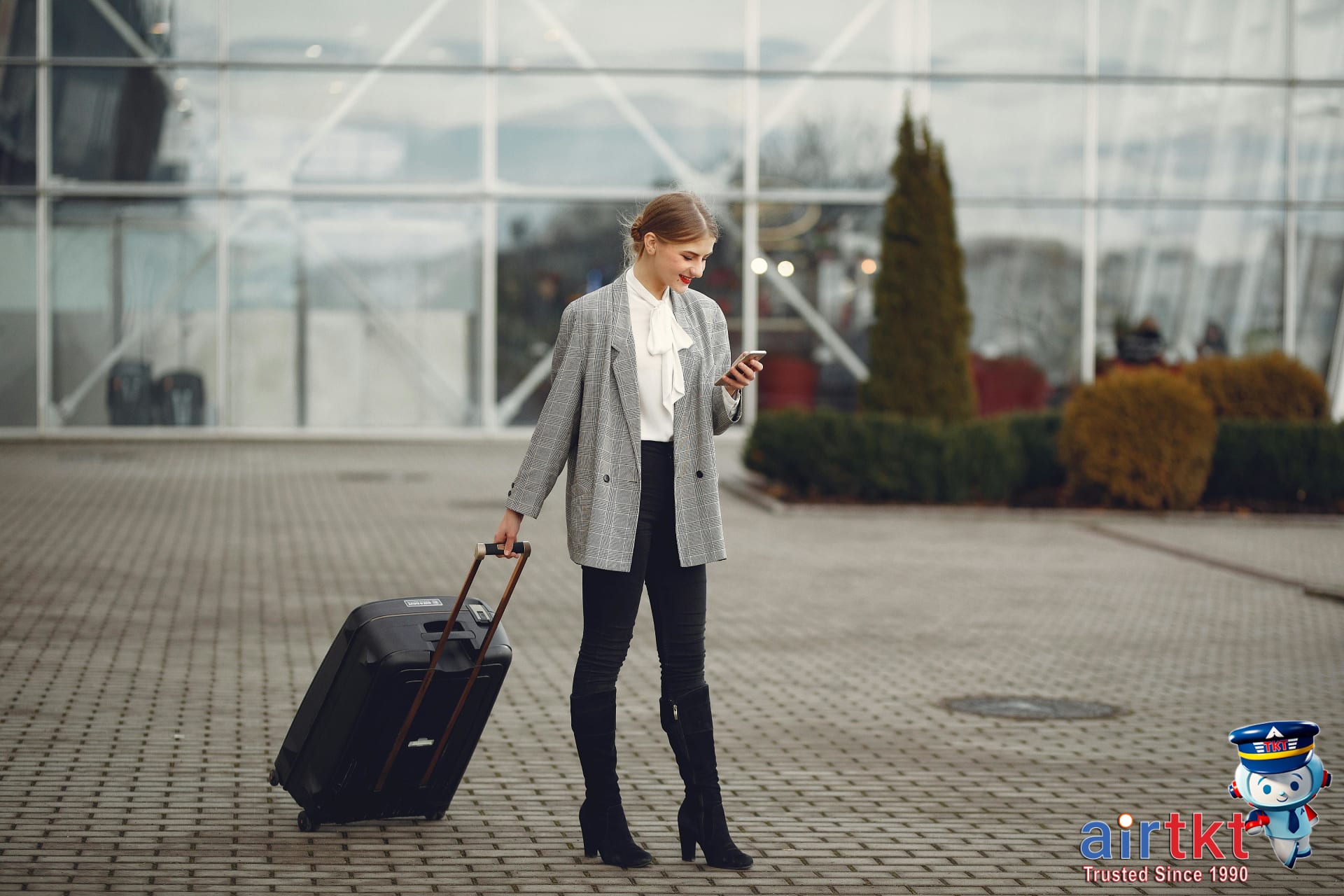
There’s a certain freedom you gain when you travel with only a carry-on. For starters, you immediately avoid checked bag fees, which can add up to about $35.00 per flight leg—meaning real savings before your trip even begins. Skipping checked luggage not only trims your travel costs; it also puts you in control of your time at the airport.
With a carry-on, you can bypass the baggage drop-off lines and head straight to security. On arrival, you’ll be out the terminal doors while others are still waiting at the carousel. I’ve noticed that traveling this way often makes navigating busy airports much less stressful—especially after long flights when I’m ready to get going fast.
Traveling with just a carry-on also means more flexibility, especially if you need to change plans last minute or hop on local transport quickly. There’s less to carry, less to worry about losing, and it’s easier to fit everything you need into overhead compartments or under-seat storage. It’s these little conveniences that make a big difference in how relaxed you feel along the way.
If you want to stretch your trip budget even further, booking through airtkt.com can help you find flights and deals that suit carry-on travelers. For those who want to compare options—like nearby airports or flexible dates—be sure to check out airtkt.com’s booking tips for affordable flight search strategies. Their features really make it easier to build an itinerary where carry-on only travel works best.
Smart Clothing Choices For Carry-On
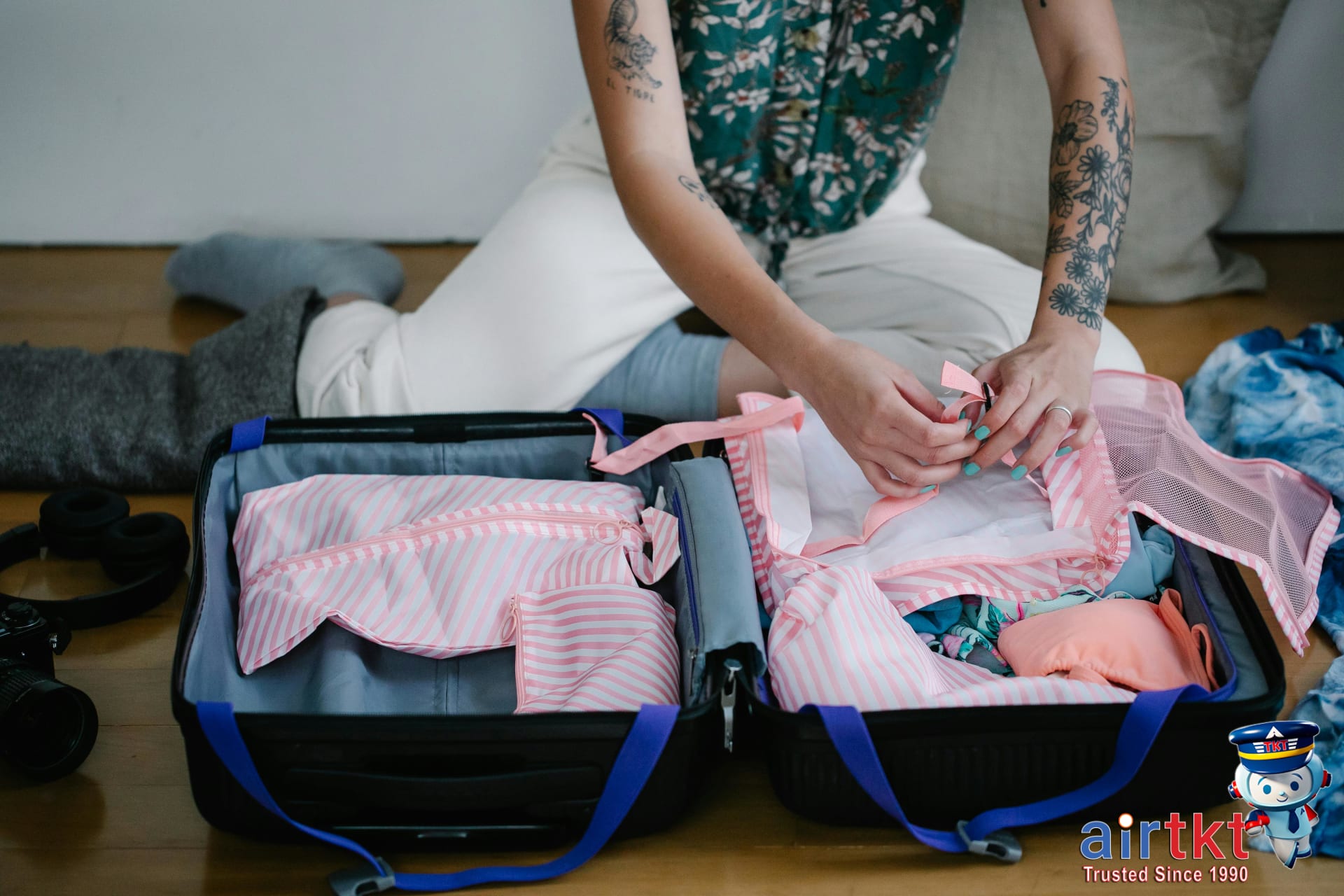
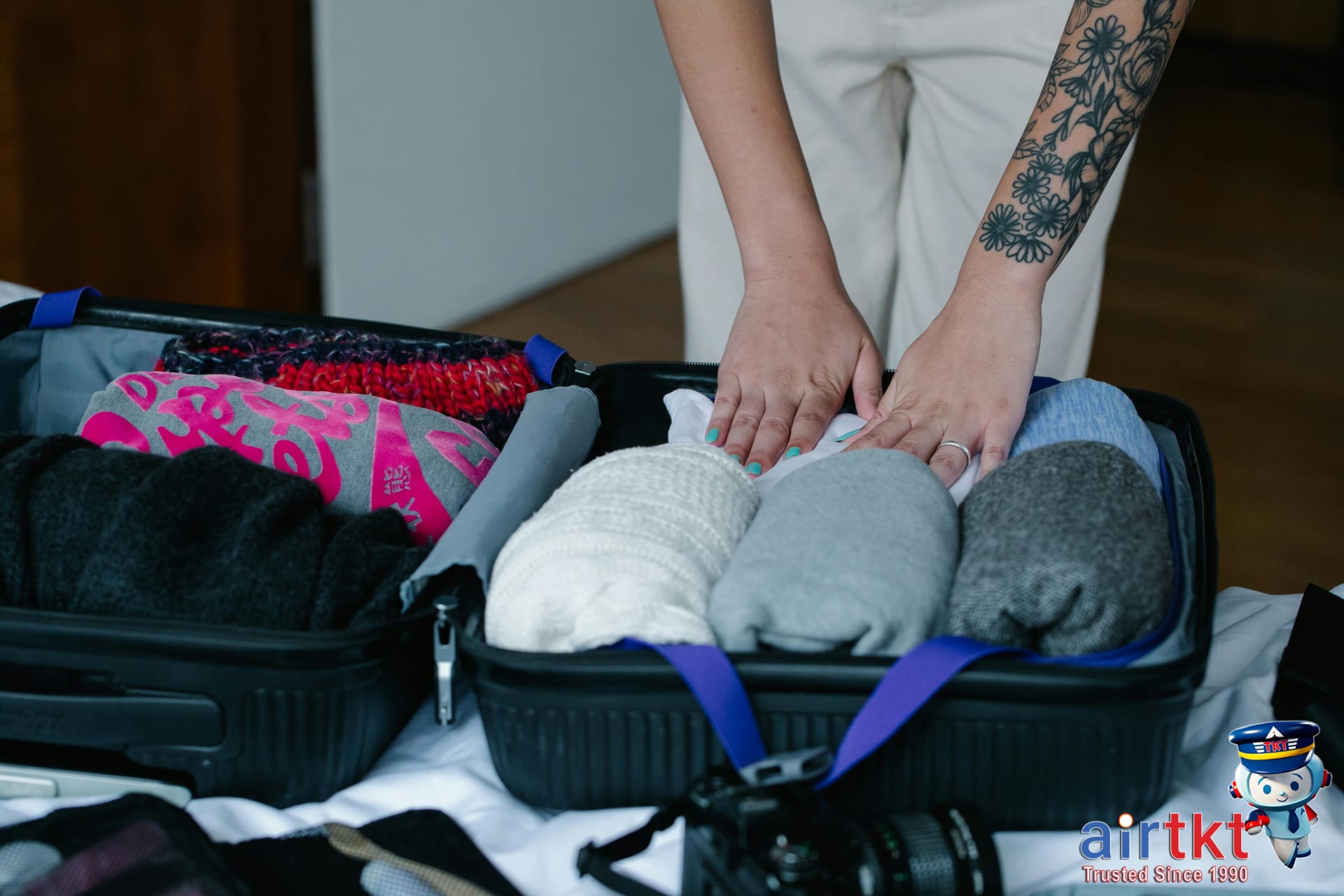
Packing light for carry-on travel means every piece of clothing needs to justify its place in your bag. I’ve learned that focusing on lightweight, quick-drying fabrics—like synthetic blends, merino wool, and technical cotton—makes both packing and washing on-the-road much simpler. These materials keep you comfortable, breathe well, and dry fast after a quick evening rinse in the hotel sink.
Layering is a valuable strategy, especially if you’re visiting destinations with unpredictable weather. Instead of bulky sweaters, I pack a few thin long-sleeve shirts, a short-sleeve tee, and a light jacket or cardigan. This gives plenty of temperature control without taking up precious suitcase space. If you’ll be heading between climates, a packable rain jacket and a thin scarf will adapt your outfits to just about any weather situation.
When it comes to mixing and matching, build your travel wardrobe around a neutral color palette with one or two accent colors for variety. Choose versatile basics—think one pair of dark pants, a couple of tops that layer easily, and comfortable walking shoes that work for both exploring cities and casual dinners. I learned the hard way that eye-catching outfits in photos aren’t much fun if you’re stuck carrying extra pounds all week. Now, I always reach for my most versatile black pants—they look sharp, resist wrinkles, and match almost everything I pack.
If you’re looking for more practical ways to expand your travel wardrobe with fewer pieces, check out the trip-tested packing tips in airtkt.com’s travel clothing guides. It’s surprising how many outfits you can create by rotating a few well-picked items.
Packing Essentials for Carry-On Success
Nailing your carry-on game starts with identifying the essentials you truly can’t travel without. I never leave my carry-on without my passport, a printout of my travel details, and a compact pouch for important documents—these have saved me more than once when digital backups failed. Chargers, especially a portable power bank, earn a guaranteed spot in my bag, since running out of battery on a layover or late-night arrival is a headache I’d rather skip.
For gadgets, focus on multi-use tech: a universal plug adapter, lightweight headphones, and any cords you’ll need in flight or at your hotel. I usually keep my e-reader or tablet handy, loaded with offline books and entertainment, to pass the time comfortably.
When it comes to toiletries, less truly is more. Stick to travel-sized containers (under 3.4 ounces to clear security), and opt for solid versions when possible—like bar soap or shampoo. Multipurpose items, such as a moisturizer with SPF or a tinted lip balm, help conserve precious space and reduce liquid count. I always pack a collapsible, reusable water bottle, which I fill after security—it’s a small move with big benefits for comfort and sustainability.
Don’t forget a few extras for peace of mind: a change of underwear, basic medication, and a small pack of wipes. These are my non-negotiables in case of delays or lost checked baggage. If you want a more detailed checklist and practical packing pointers, I’d suggest checking out airtkt.com’s travel safety and packing essentials resources. Their advice has helped streamline my planning, especially for longer trips where every ounce counts.
Smart Packing Techniques for Carry-Ons
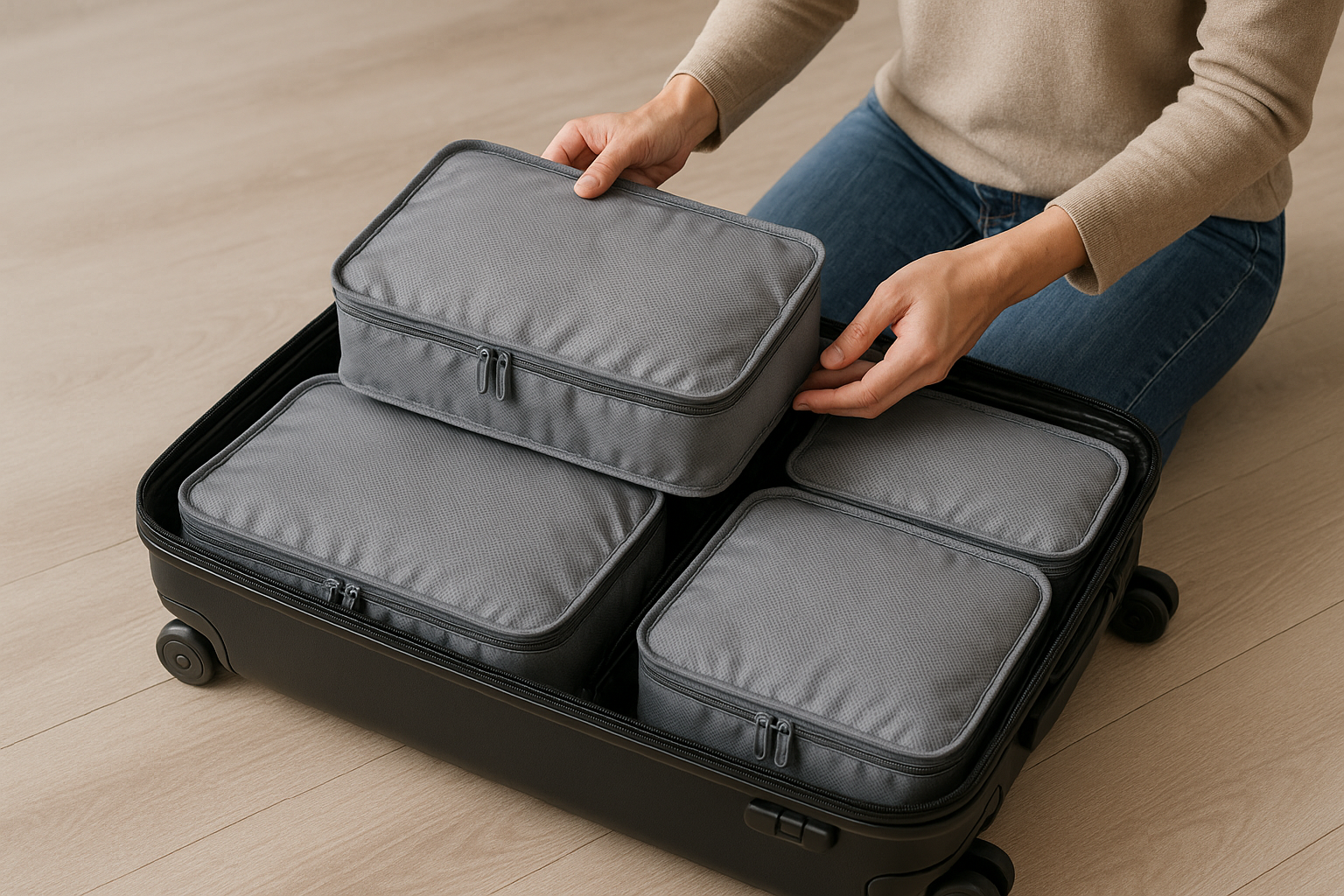
Efficient packing can make any trip less stressful, and carry-on organization is where simple tools can really shine. Packing cubes are my go-to for separating shirts, pants, undergarments, and even electronics, making it easier to find exactly what I need without pulling apart my entire bag. By grouping similar items together, packing cubes don’t just maximize space—they also keep things neat during hectic trips.
Compression bags are another great option, especially when you want to fit bulkier clothes like jackets or sweaters into limited space. They work by pressing out extra air so you can pack more without going overboard. Rolling your clothes before placing them in packing cubes (or directly into compression bags) can save even more space and helps minimize wrinkles.
There’s a big bonus: Organized packing actually speeds up security checks and unpacking at your destination. A well-structured carry-on lets you unzip, show toiletries, or electronics in seconds. I’ve noticed that when I use packing cubes, I spend less time fumbling through my bag at security—and that means less stress and fewer delays. If you want more specifics on breezing through airport checks, check out airtkt.com’s advice on navigating airport security efficiently.
On one memorable trip through Europe, organizing my luggage with two sets of packing cubes made nightly hotel changes a breeze. I could instantly locate fresh clothes, chargers, or toiletries even after late arrivals. That one packing detail made those busy travel days so much more manageable—the difference between a scattered scramble and a smooth transition.
How To Speed Through Security Checkpoints
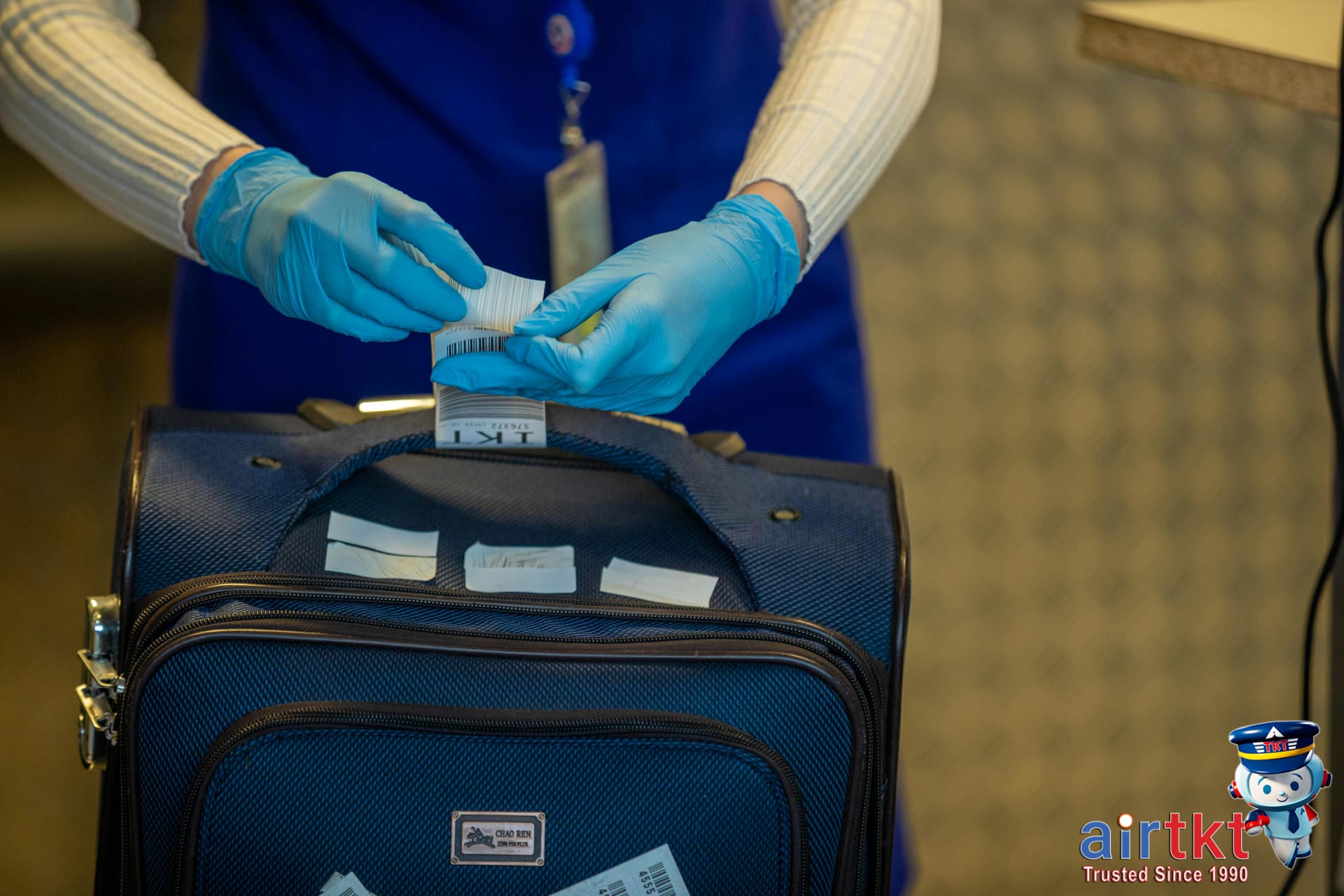
Going carry-on only can make airport security a little less stressful, but preparation is key for a smooth process. Here’s what I do to breeze through security lines, and how you can do it too—especially when you’re just traveling with a carry-on.
First, as you approach the checkpoint, make sure your bag is organized for quick access. The TSA still requires you to pull out any liquids or gels from your carry-on. Remember, all your bottles and tubes must fit in a single quart-sized plastic bag, and nothing can be over 3.4 ounces. I like to keep mine right at the top of my bag, so I’m not fumbling at the last second.
Electronics—laptops, tablets, and sometimes even e-readers—need to come out and go into a separate bin. I’ve learned the hard way that burying a laptop in the middle of my carry-on just slows things down. That’s why I always place my electronics within easy reach before I get in line. This little bit of extra planning can really set the tone for the rest of your trip. When security goes smoothly, I feel so much more relaxed as I head to my gate.
Security officers will usually ask you to remove your shoes, belt, and any metals. Slip-on shoes and minimizing accessories help here. After you’re cleared, take a minute to gather your things thoughtfully—there’s usually a bench if you need to reorganize away from the bins.
If you want more practical ways to prepare, check out the travel safety and security tips articles on airtkt.com. They go into more detail on up-to-date packing and security strategies.
Toiletry Tips for Carry-On Travel
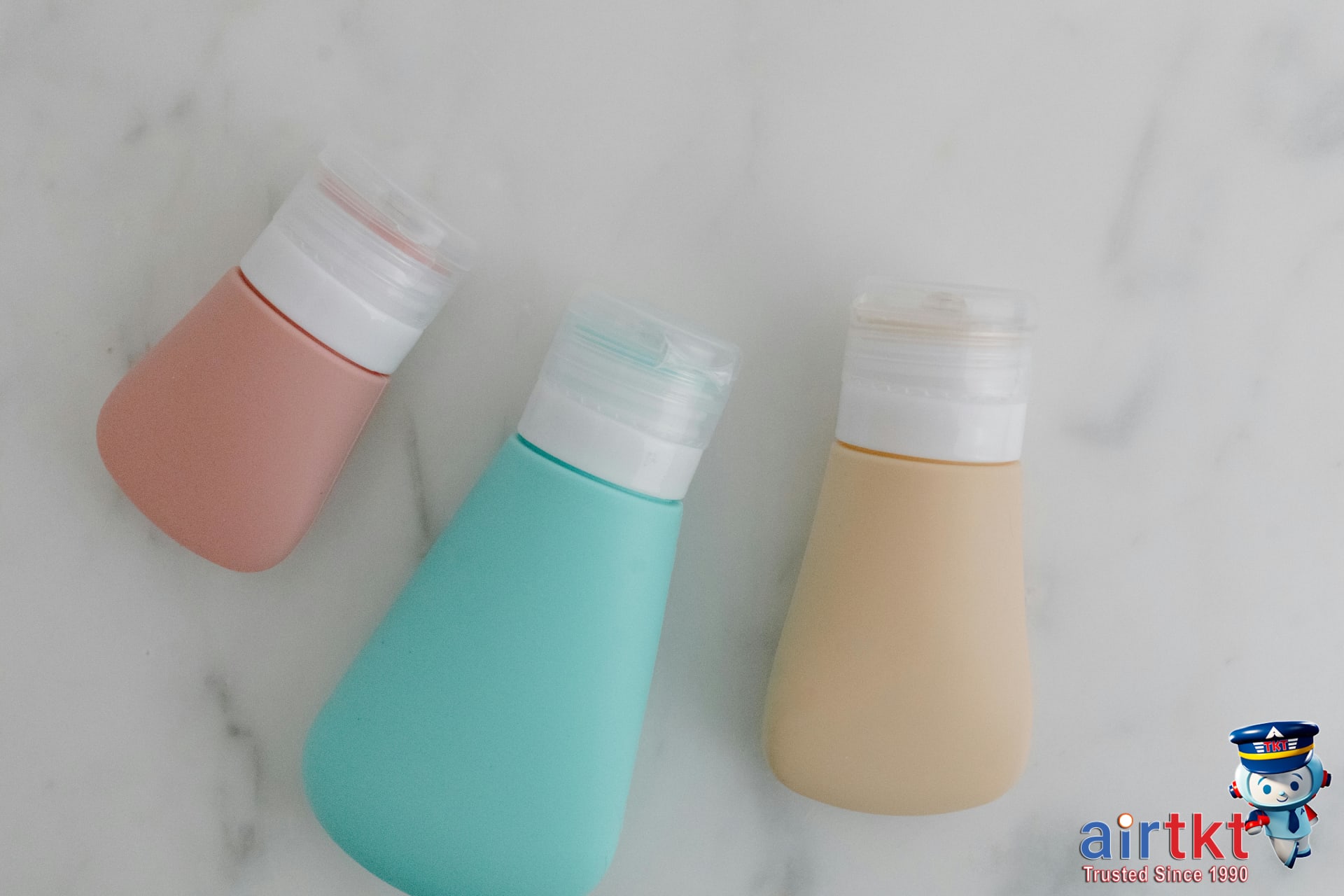
Packing toiletries for a carry-on is all about understanding TSA’s liquid rules and getting smart with your product choices. The TSA allows travelers to bring liquids, gels, and aerosols in carry-ons, but each container must be 3.4 ounces (100 milliliters) or smaller, all packed together in a single clear quart-size zip-top bag. Typically, you’re limited to just one such bag per person, so space is at a premium.
If you want to sidestep liquid restrictions and free up room, solid toiletry alternatives are a game changer. I switched to a shampoo bar for a recent trip and easily fit the rest of my essentials without stressing about spills or airport security checks. Solid shampoo bars perform like liquid shampoo, last longer, and won’t count against your liquid allotment. Toothpaste tablets are another smart swap — just pop one in your mouth, chew, and brush as usual, no tube required. There are also solid deodorants, sunscreen sticks, face cleansers, and even solid perfumes that can make your toiletry kit security-friendly and compact.
Making just one or two of these swaps can really stretch your quart-size bag for things you truly need in liquid form (like lens solution or a small bottle of moisturizer). If you’re new to solid toiletries, try testing them at home before your trip to see which options feel most comfortable for your routine. We dig deeper into more airtkt.com packing essentials in our dedicated guide.
Tech and Travel Accessories to Pack
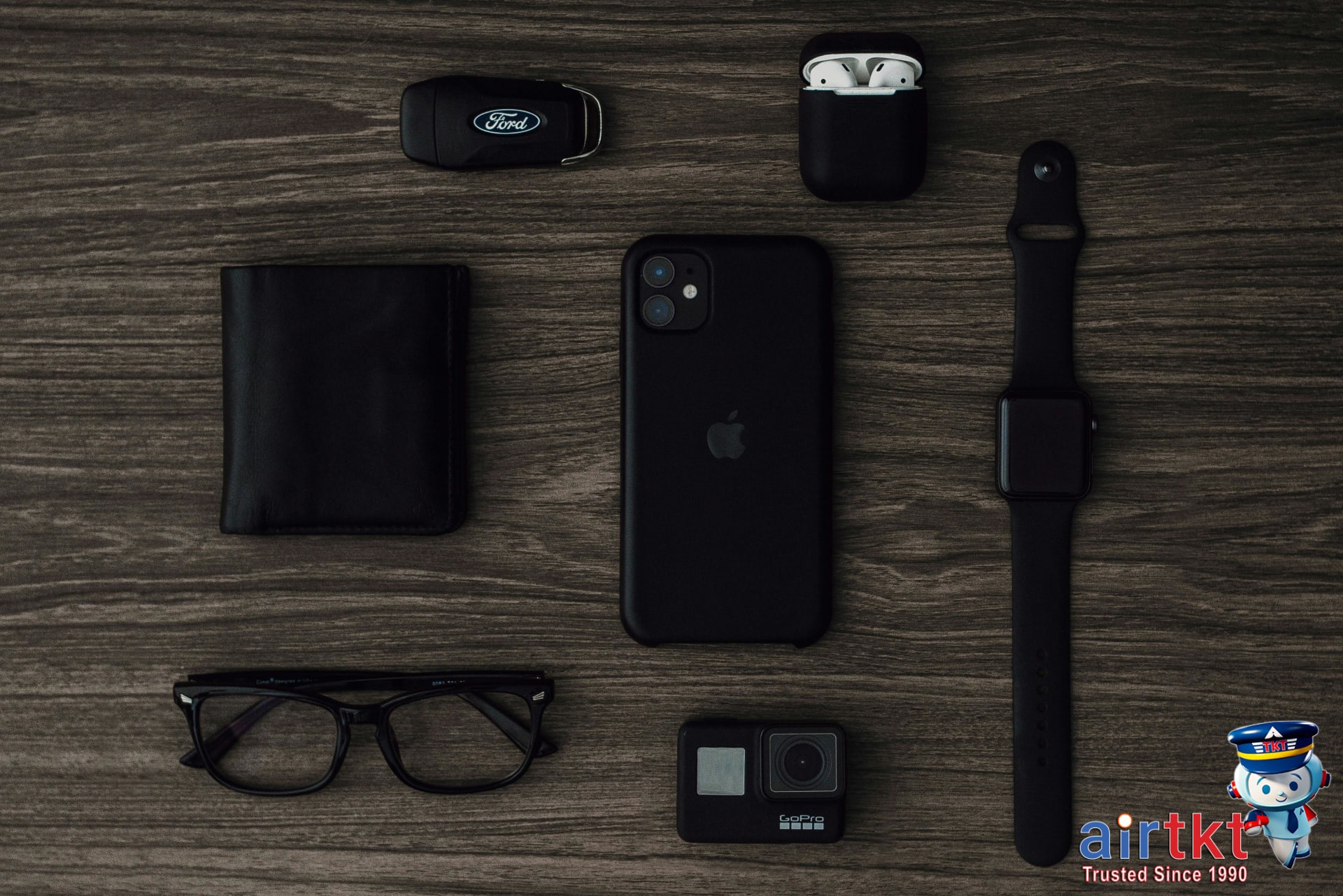
Making your next trip smoother often comes down to the tech accessories tucked into your carry-on. A universal adapter is the first thing I pack for international trips—I learned quickly that plugging in abroad isn’t always straightforward. For staying powered up, a compact charger or power bank is essential, especially for longer journeys or layovers when outlets are hard to find.
If you travel with multiple devices, a multi-port USB charger or a compact power strip is invaluable. It lets you charge your phone, tablet, and e-reader from a single wall socket (and helps avoid battles over limited airport lounge outlets). Noise-cancelling headphones are another item I never travel without; they’re a game-changer for flights, trains, or busy terminals when you want some peace and quiet.
Other Handy Gadgets
Don’t overlook smaller items: a sturdy cable organizer keeps cords from turning into a tangled mess; a lightweight tablet or e-reader can save entertainment space; and a portable luggage scale helps you avoid overweight surprises at the check-in counter. In my experience, these little things add noticeable comfort to any journey.
If you’re looking for updated recommendations or more travel gear picks, check out airtkt.com’s travel gear and technology recommendations. It’s always smart to double-check what’s allowed on board, too—some airlines have restrictions on power banks or lithium batteries.
Packing Shoes And Accessories Wisely
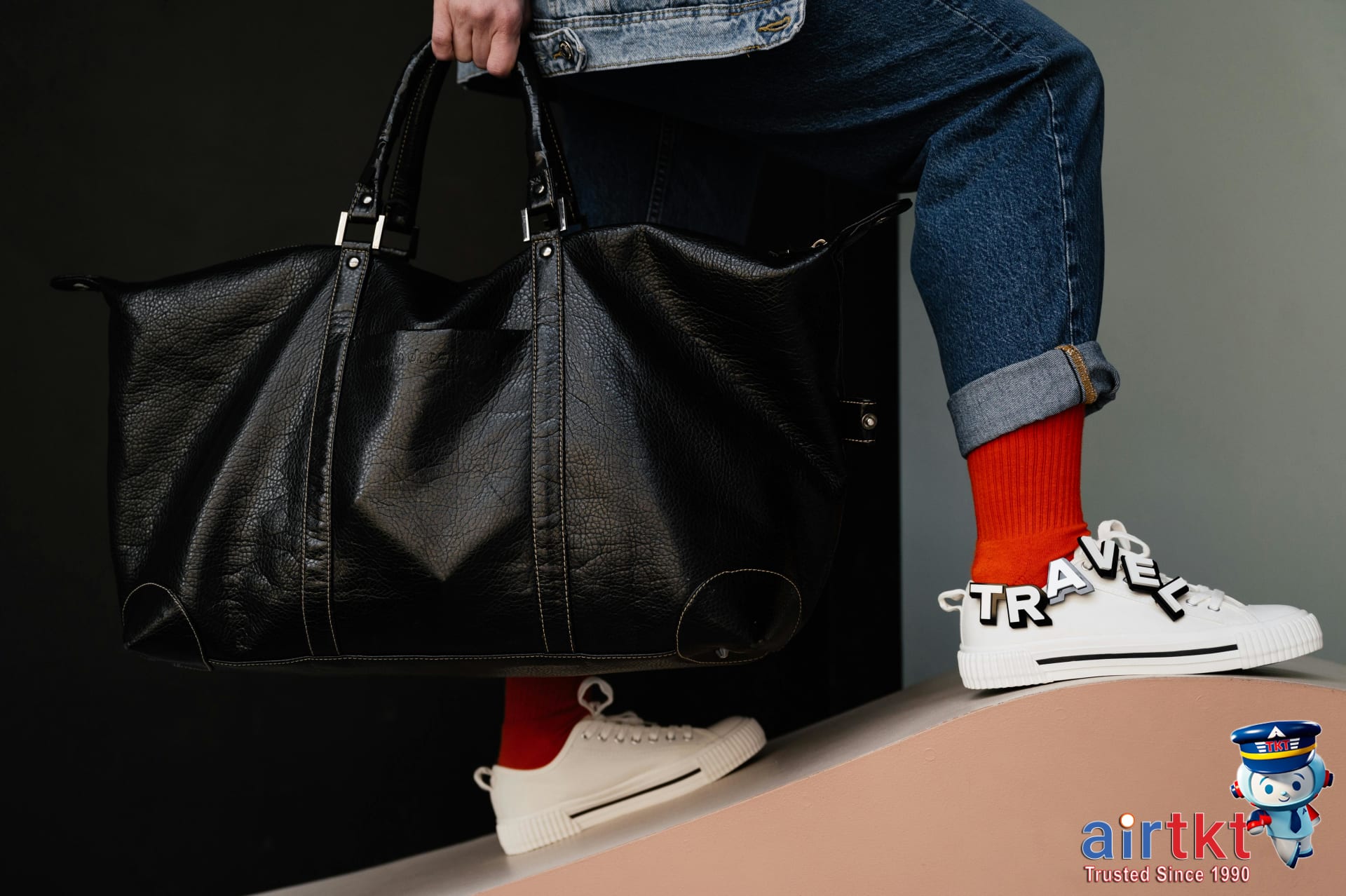
Shoes and accessories are travel essentials, but they can quickly fill up your bag if you’re not strategic. For most trips, I usually choose just two pairs of shoes: one comfortable option for walking or casual activities, and another pair that doubles for dressy meals or evening plans. Versatile styles like loafers or low-profile sneakers work for both day excursions and casual dinners, while a pair of lightweight sandals takes care of warmer weather. Boots are bulkier, so if the trip calls for them, I always wear them on travel days instead of packing them away.
When packing shoes, I slip each pair into a reusable bag or even a hotel shower cap—this prevents the soles from touching clean clothes. Shoes with softer sides can often accommodate small items like socks, chargers, or underwear inside, making use of every inch. Position shoes at the base or outer edges of your suitcase for added structure, and fill space with accessories or rolled-up T-shirts to avoid gaps.
I keep accessories minimal but purposeful: a patterned scarf, a statement necklace, and a small crossbody bag go a long way for switching up looks without taking up space. You’d be surprised how much variety you get from just a couple of simple pieces, especially if you coordinate your travel outfits around a base of neutral colors. If you want further ideas for smart packing, check out airtkt.com’s practical travel packing and style guides for extra inspiration.
Preparing for Departure Day Essentials
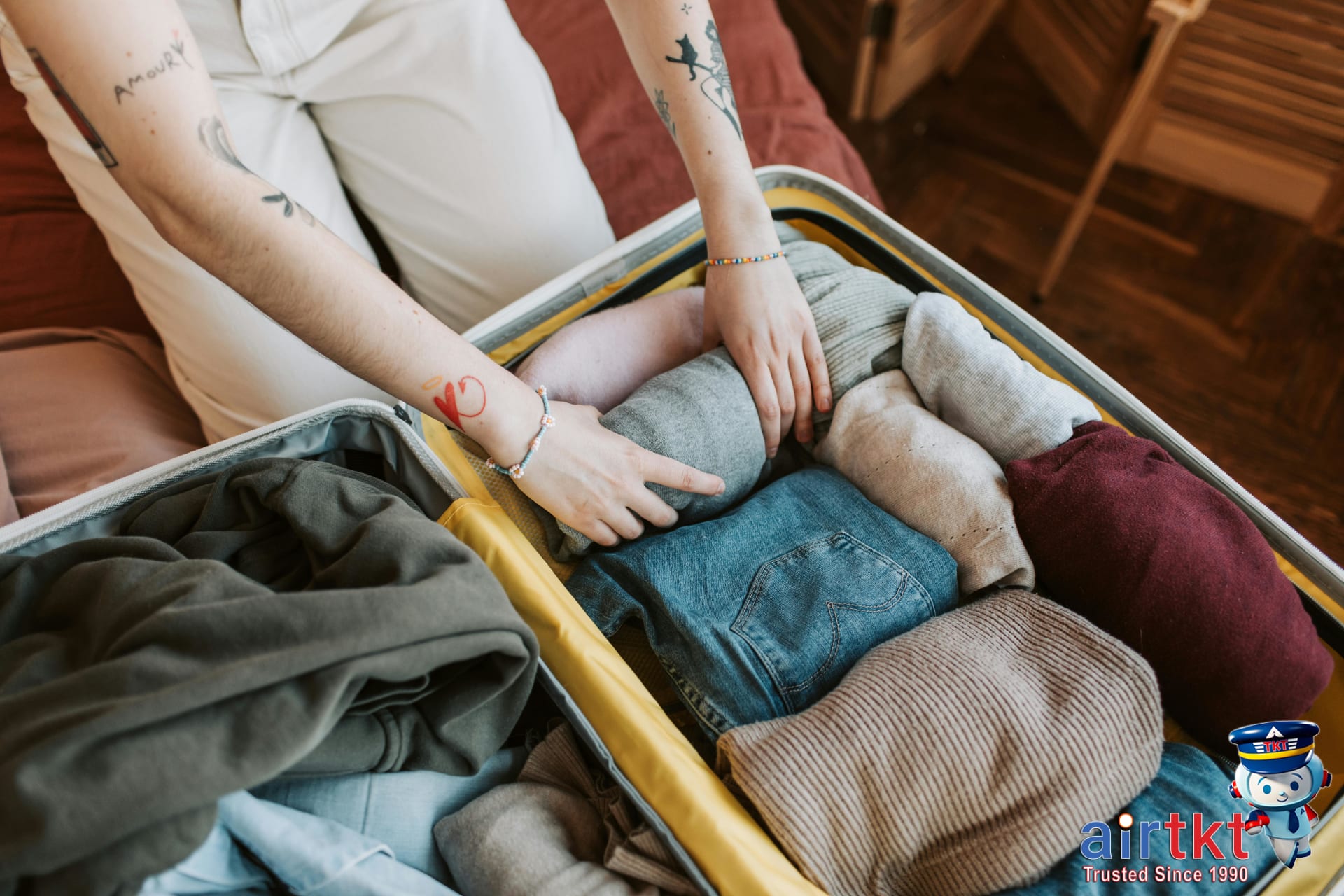
The night before your flight can feel like a whirlwind, but a quick strategy can prevent that last-minute scramble—or forgotten essentials. I’ve found it’s surprisingly easy to overlook things like chargers or travel-size toiletries when my mind is racing with trip details. A simple checklist helps bring order to pre-departure nerves.
Packing And Compliance Checklist
- Start with your essentials: passport or ID, wallet with a payment card, and your printed or digital boarding pass.
- Double-check your airline’s baggage rules—make sure your suitcase size and liquids meet current carry-on guidelines.
- Add any required travel documents, such as visas or vaccine proof, depending on your destination.
- Remember phone chargers, a reusable water bottle (empty until after security), headphones, and a small snack.
- Pack any personal items you’ll want on hand, like medication or glasses, in your carry-on where they’re within reach.
From past experience, I can say my headphones are the item I most often leave in a random drawer—worth a quick check before you zip up your bag. I’d also glance at flight times, terminal, and seat assignments before leaving home, because those details do change occasionally.
Final Confirmation Steps
- Check your flight status online for any schedule changes or gate updates.
- Verify your transportation plan to the airport—account for possible traffic or transit service delays.
- Make sure travel insurance information is accessible, just in case.
For more practical tips on how to organize your travel day and breeze through the airport, I recommend visiting the airtkt.com airport prep page—there’s usually something new to learn, no matter how many flights you’ve taken.
Carry-On Travel Budget Table
Packing carry-on only isn’t just about convenience—it’s a real money saver, especially for anyone traveling on a budget. One thing I’ve noticed in my own travel planning is how quickly checked bag fees add up, sometimes costing almost as much as a decent hotel night or several meals. By skipping those extra charges, you free up more of your budget to spend on things that actually improve your trip, like experiences and good food.
The table below breaks down essential daily travel costs—accommodation, food, transport, and activities—across three spending tiers: Budget, Mid-range, and Luxury. These figures reflect typical U.S. dollar amounts per person, based on my research and hands-on travel experience (and yes, without those frustrating baggage fees).
| Budget | Mid-range | Luxury | |
|---|---|---|---|
| Accommodation | $35.00 | $85.00 | $220.00 |
| Food | $14.00 | $38.00 | $90.00 |
| Transport | $8.00 | $22.00 | $65.00 |
| Activities | $10.00 | $30.00 | $80.00 |
When I switched to traveling with just a carry-on, I immediately saw my total expenses drop—sometimes by enough to cover a city walking tour or an extra night out. For more specific strategies to cut costs, I usually check out airtkt.com‘s budget travel resources and deal alerts before booking.
Common Carry-On Only Questions
- What are the main benefits of going carry-on only?
Choosing carry-on only means faster airport exits, avoiding lost or delayed baggage, and saving on checked bag fees. For me, skipping the baggage carousel after a long flight is reason enough. It also lets you travel lighter and stay flexible if your itinerary changes unexpectedly during a trip.
- How can I pack light enough for carry-on only?
Packing light starts by planning outfits you can mix and match and minimizing bulky items. I recommend rolling clothes to save space and using travel-sized toiletries. Focus on what you’ll actually wear, not “just in case” extras. Limiting shoes to one versatile pair makes a huge difference.
- What’s allowed in my carry-on bag regarding liquids?
Current airline rules only allow liquids in containers no larger than 3.4 ounces, and they all must fit inside a single quart-sized, clear, resealable bag. So, grab travel-size shampoo and toothpaste before you head to the airport. This rule is strictly enforced at security checkpoints in most countries.
- Any travel hacks for flying carry-on only?
One of my best hacks is wearing my bulkiest clothes—including jackets or boots—during the flight to save suitcase space. Packing a compressible tote also gives you a backup bag if you pick up souvenirs. Use packing cubes to stay organized and maximize your bag’s capacity.
- Do airlines really check the size and weight of carry-on bags?
Many airlines will measure and sometimes weigh your bag at the gate, especially budget carriers or on full flights. I’ve seen travelers get asked to fit their carry-on into a sizer more frequently lately, so checking your airline’s rules before heading to the airport is smart.
- What should I know about budget airline carry-on only rules?
Budget airlines often have stricter limits for both the size and weight of carry-on bags, and you usually need to pay separately if you bring more than a small personal item. Double-check the allowed dimensions before booking, or you might face extra charges at the gate.
- How do I fit everything efficiently in a carry-on only bag?
Use packing cubes or compression bags to squeeze more into your carry-on. Place heavier items near the wheels if you’re using a rolling bag and put essentials on top for easy access. Remember, every pocket counts—store chargers, snacks, and small electronics in outer compartments.
Packing Checklist and Final Carry-On Tips
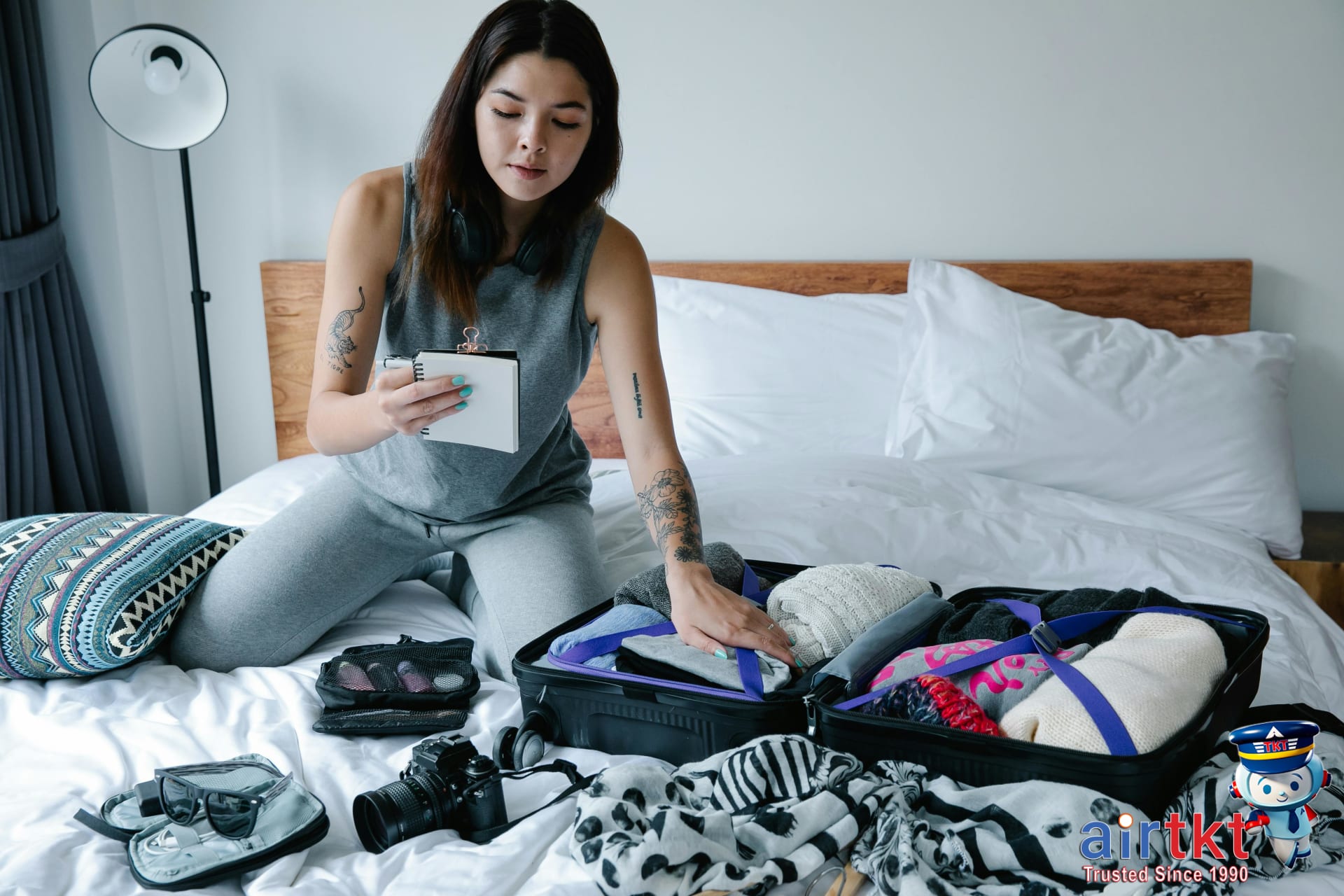
Over time, streamlining my packing routine for carry-on travel changed everything about my trips. There’s genuine freedom in skipping baggage claim, breezing through security lines, and knowing you have everything essential at your side. If you’re after less travel stress and more flexibility, making the most of your carry-on is a smart move.
Carry-On Travel Checklist
- Passport or valid ID
- Boarding passes (digital and/or printed)
- Wallet with credit card and a small amount of cash
- Phone, charger, and charging cable
- Medications, travel-size toiletries (adhering to airport liquid rules)
- 1–2 changes of clothes, compact shoes
- Light jacket or layer
- Headphones or earplugs
- Snacks and reusable water bottle (empty at security)
- Travel documents and emergency contacts
- Reusable tote bag for extras or laundry
- Pen for forms and quick notes
Key Carry-On Tips
- Pack versatile clothing you can mix and match.
- Practice the one-bag rule before your trip—see what truly fits and what you can live without.
- Use packing cubes to maximize space and stay organized.
- Keep essentials easily accessible for security checks.
- Triple-check airline size/weight restrictions to avoid last-minute surprises.
I still remember my first international trip with just a carry-on; it cut my airport stress in half and gave me more time to explore. If you want to maximize your freedom and minimize complications, I’d recommend comparing flight options on airtkt.com—tools like Nearby Airport Search and Flexible Date Search really help you pick flights that align with a carry-on lifestyle. And to stay on top of changing travel regulations, it’s useful to sign up for airtkt.com’s deal alerts or browse their practical travel safety resources before you go.
Traveling light isn’t just about convenience—it’s about knowing that everything truly important can fit right by your side. Here’s to easier packing and smoother travel days ahead!