
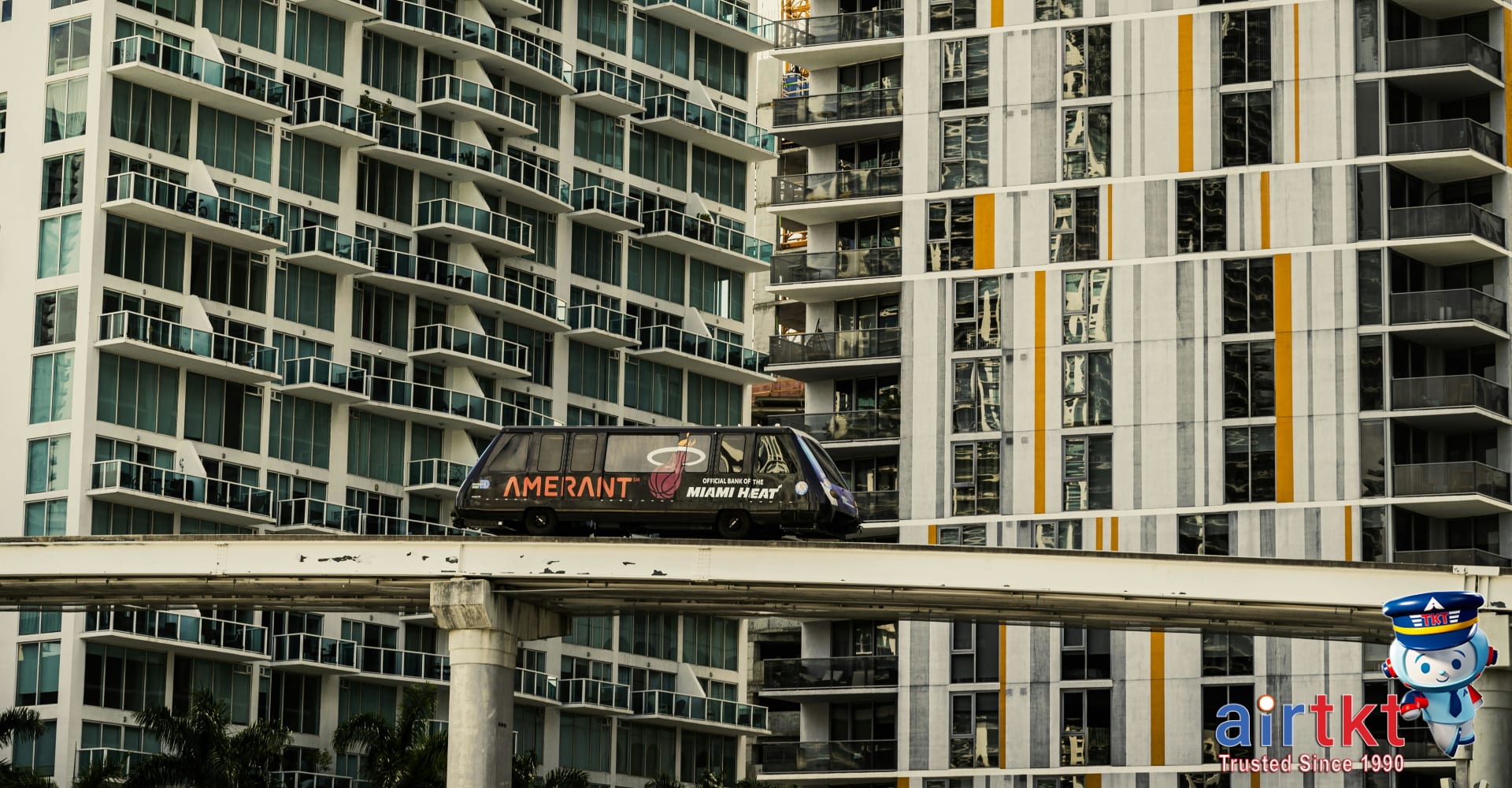
Getting Around: Miami’s Transit Options
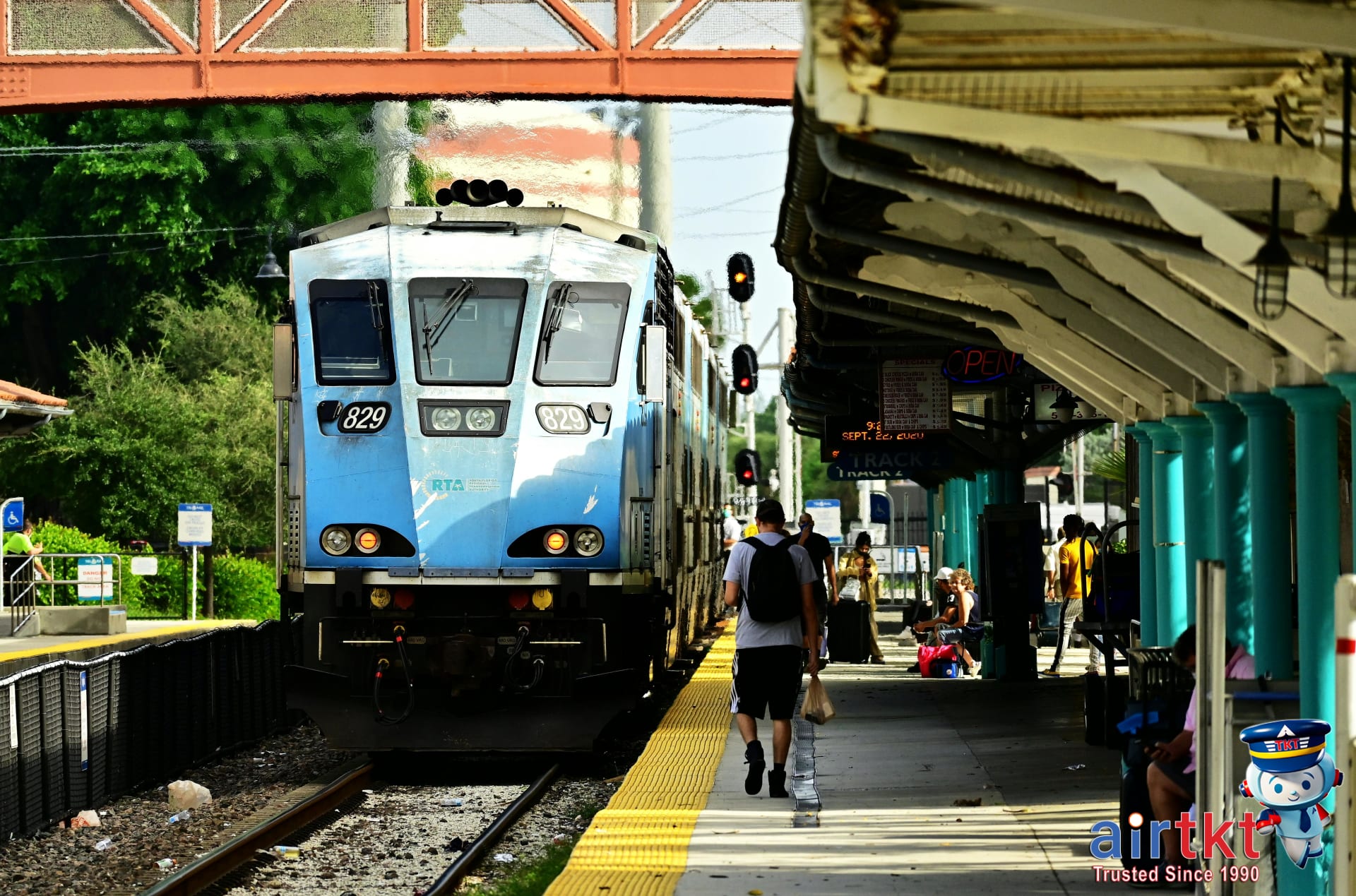
If you want to stretch your budget and avoid Miami’s notorious traffic, public transit is absolutely worth considering. The city’s main options—the Metrorail, Metromover, and a network of free trolleys—each fill a different transportation niche, covering major tourist zones and neighborhoods without the price tag of frequent Uber rides.
Metrorail Basics and Reach
Metrorail is Miami’s elevated heavy rail system, connecting the airport, downtown, Coral Gables, Kendall, and other core neighborhoods. It’s a straightforward way to cover longer distances, and with a flat fare (typically about $2.25 per ride), I’ve found it much cheaper than any rideshare—especially if you’re planning to hop between key city spots.
Metromover: Downtown’s Free Loop
Metromover isn’t just a mode of transit—it’s a free, scenic way to get around downtown’s dense core and the Brickell and Omni districts. This automated people-mover links major hotels, museums, and event venues, meaning you can get around central Miami for $0.00. I never realized how stress-free and affordable exploring this neighborhood could be until I started using the Metromover regularly.
Free Trolleys for Neighborhood Hopping
The city also operates a series of free trolleys with clearly marked routes, connecting areas like Coconut Grove, Wynwood, Little Havana, and Miami Beach. These trolleys make it genuinely easy to visit local shops, eateries, and cultural sites—especially if you’re venturing beyond downtown. All trolleys are air-conditioned and quite convenient for quick hops without minding your wallet.
Compared to Uber or Lyft, which can easily cost you $15.00 or more for a single cross-town trip, Miami’s transit fares are a fraction of the price. Downloading the Miami-Dade Transit app can help you track routes, check schedules, and receive timely service alerts.
If you want even more insight on urban transportation in Miami and other cities, check out the airtkt.com city travel guides for practical tips and up-to-date recommendations.
Miami Metrorail Routes and Rider Tips
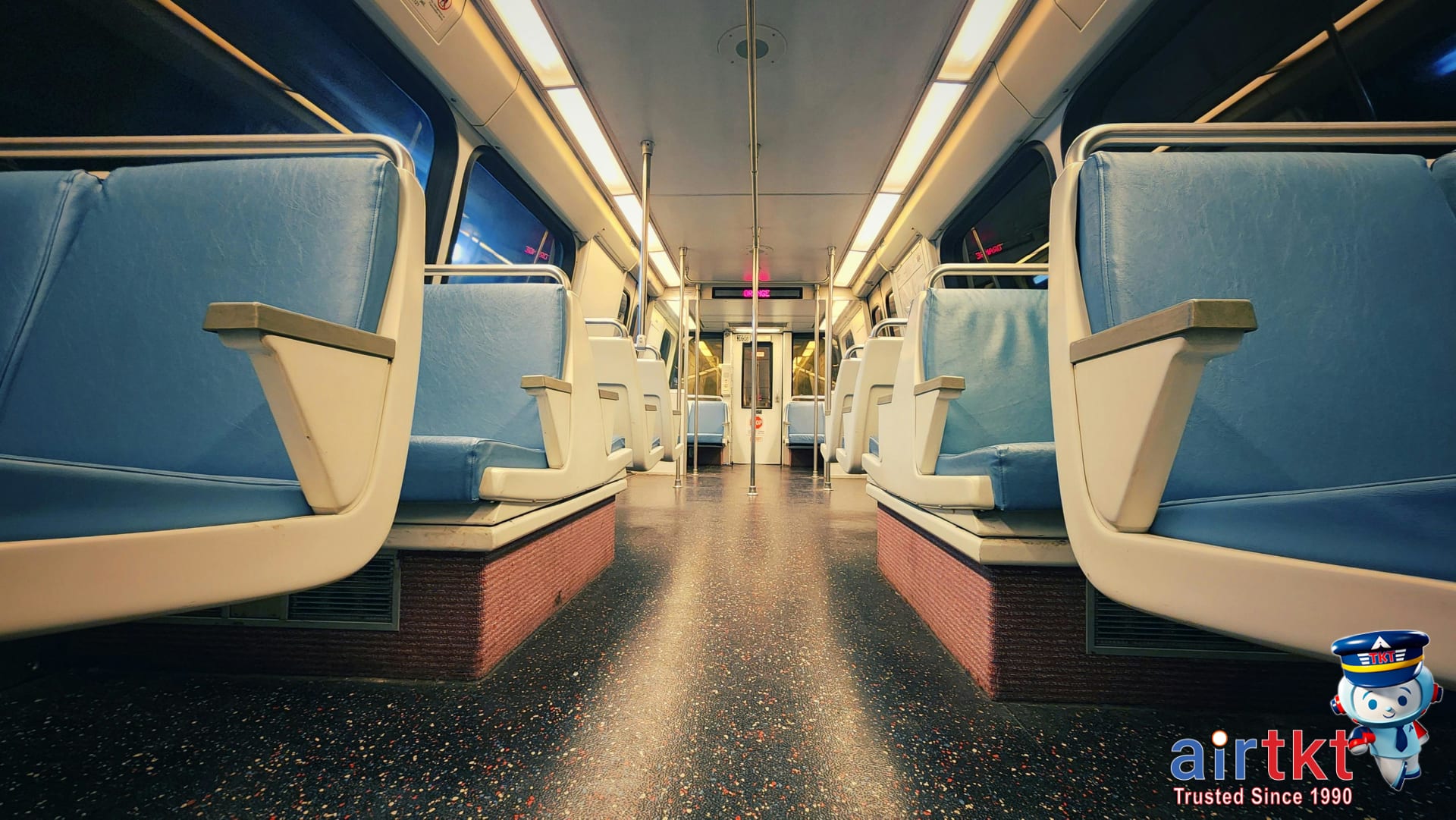
Miami’s Metrorail makes it surprisingly simple to travel across the city without a car, whether you’re commuting or connecting from the airport. The line covers 25 miles with 23 convenient stops, running from Palmetto in the west to Dadeland South. The Orange Line is what you’ll want for Miami International Airport—it takes you straight there, so you can skip the highway traffic and parking stress entirely. If you’re planning a journey to or from the airport, their airtkt.com Miami airport transportation information is worth a look.
Metrorail operates daily, with early morning service stretching into the evening—usually from around 5 a.m. until midnight. Trains generally arrive every 10–15 minutes during peak periods. I learned quickly that catching the Orange Line to the airport on early mornings made my travel days a lot less hectic, and the train was a game-changer for my daily work commute.
Ticketing and Fare Options
Paying for rides is straightforward. Single trips cost about $2.25 each way, but if you’ll be using Metrorail more than a couple times, the Easy Card system opens up far better value. A 1-day Easy Card gives unlimited rides for about $5.65, while a 7-day pass runs around $29.25—both are great if you’ll be hopping on and off or mixing in Metromover and Metrobus rides. I used to buy singles, but switching to a weekly Easy Card saved me both time and cash when my schedule got busy.
Easy Cards are sold at vending machines in all stations and at select retailers. For non-commuters or anyone wanting ultimate flexibility, tap-and-go payments with your contactless bank card or mobile wallet are also supported at station gates. Multi-day passes especially come in handy if your itinerary includes sightseeing or several days of exploring various neighborhoods. You can just swipe and ride—no stress about buying tickets each time.
How to Ride the Cost-Free Metromover
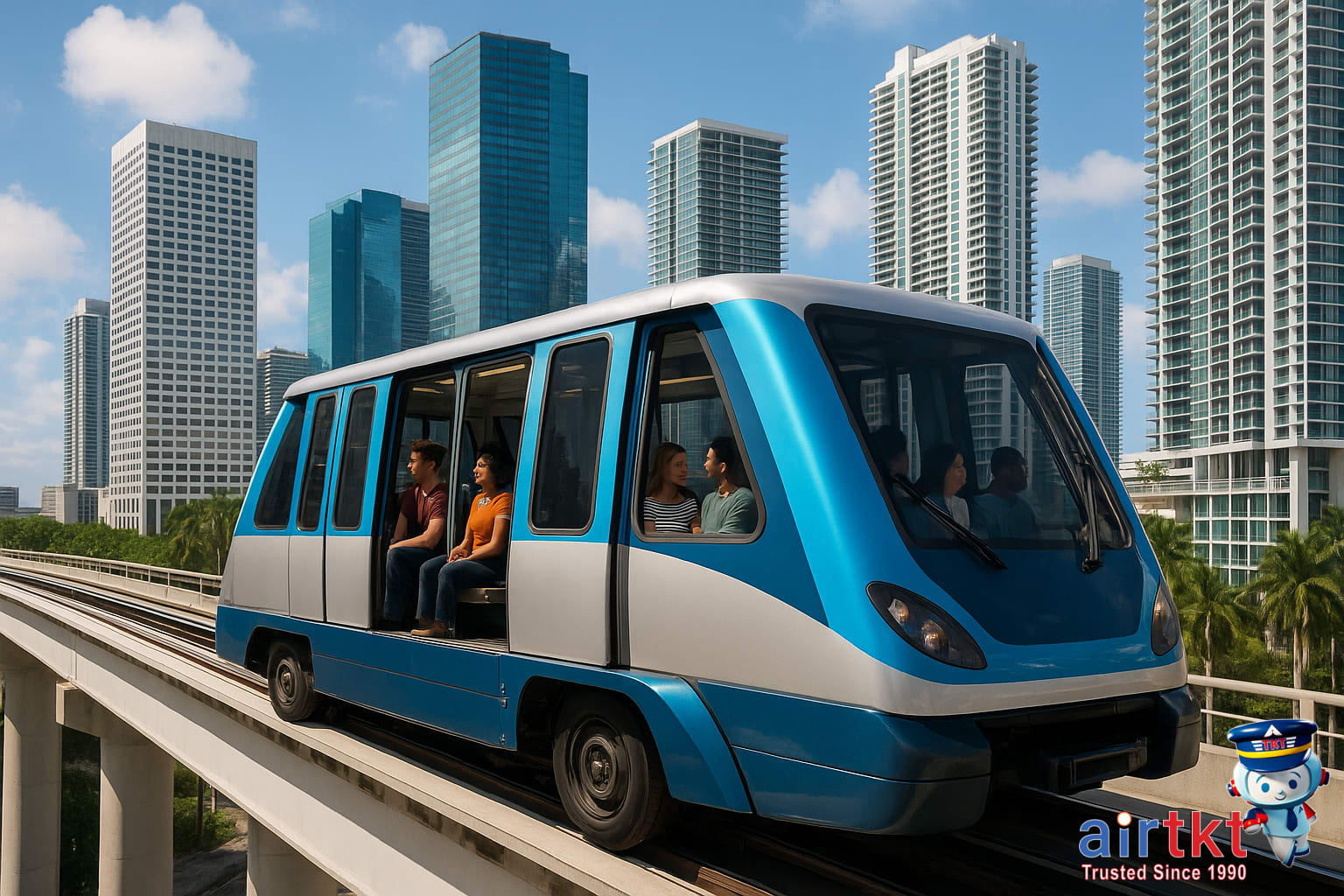
Miami’s Metromover is a true gem for visitors and locals who want to get around downtown easily—and for free. This elevated, driverless train system loops through key districts, making it a go-to for everything from quick errands to sightseeing. If you’re staying or spending time in the city’s urban core, the Metromover provides a stress-free way to avoid traffic and parking headaches.
The Metromover runs three main loops that cover downtown, Brickell, and the Arts & Entertainment District. Major stops include Government Center (where you can transfer to Metrorail), Bayside Marketplace (ideal for waterside dining and shopping), and the Adrienne Arsht Center (handy for event-goers and concert lovers). The Brickell loop connects to a neighborhood packed with restaurants and upscale hotels, while the Omni loop heads north toward the Perez Art Museum and Frost Science Museum— spots that are always on my own Miami sightseeing list.
One of the best parts of the Metromover is that it connects seamlessly with other transit options. At Government Center, you can hop onto the Metrorail for longer journeys or the Metrobus to explore farther-flung Miami neighborhoods and beaches. When I need to cover downtown efficiently, say for a meeting or quick lunch, I’ll use the Metromover to zip between destinations without worrying about fares or parking meters. It really makes getting around much easier if your plans center on the urban hub.
The free fare system is a major perk—just walk on and ride as often as you like, making it an exceptional value for short trips and frequent stops. For travelers planning to check out multiple attractions or even do a self-guided downtown tour, the unlimited free rides can really add up in savings. If you’re plotting out places to visit, it’s especially smart to build your itinerary around stops like Bayside Marketplace or Museum Park. For more ideas on what to see nearby, check out our guide to things to do in downtown Miami.
Travelers should keep an eye on the digital displays inside each Metromover car—these screens show upcoming stops, which helps you stay oriented and anticipate transfers. I find that especially useful when I’m distracted by the city views or trying to map out my route for several stops ahead. The trains arrive frequently, so there’s never a long wait, and you can jump off and on as often as needed.
Getting Around With Miami’s Trolleys
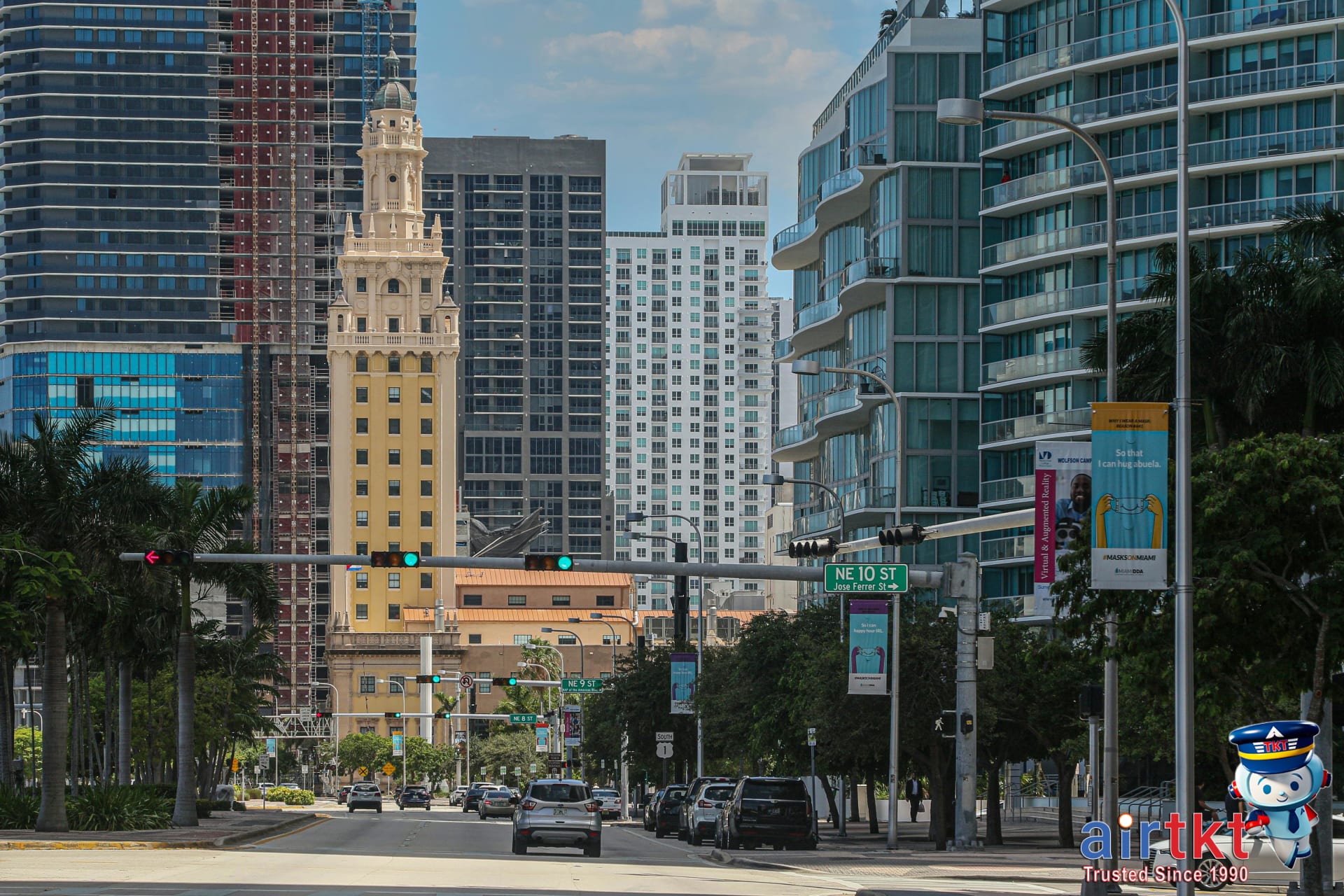
Miami’s free trolley network is a real asset whether you’re a first-time visitor or a local aiming to avoid traffic and parking fees. The trolleys connect key neighborhoods and run frequently enough that you can often just walk to a stop and hop on—no fare required. Popular routes span the colorful streets of Little Havana, the elegant avenues of Coral Gables, the lively Wynwood Arts District, and other hotspots like Downtown, Brickell, Coconut Grove, and Miami Beach.
For me, one of the best parts about using the trolleys is how they make discovering Miami’s diverse neighborhoods both simple and budget-friendly. For example, jumping off in Little Havana to grab a Cuban coffee, then catching the next trolley to Coral Gables’s Miracle Mile, gave me a far broader sense of the city than I’d get just using Metrorail.
Popular Trolley Routes To Try
The Coral Gables Trolley is a favorite for exploring the Mediterranean-style streets and shops near Miracle Mile. The Little Havana Trolley offers direct access to Calle Ocho’s vibrant culture, food, and art. Downtown and Brickell routes link business centers, shopping, and nightlife. The trolley also reaches Wynwood, so you can check out street art and breweries without worrying about parking.
How Trolleys Connect With Other Transit
Trolleys are a handy way to bridge gaps between major transit options like Metrorail, Metromover, and Metrobus. If you’re arriving by train or bus, trolleys can quickly get you into neighborhoods not covered by rail. In my experience, using trolleys as connectors made moving between distant areas far less stressful.
Boarding Tips and Checking Schedules
Most trolley stops are clearly marked, especially along popular tourist corridors. Always check the route map on the official Miami trolley website or app, since routes and frequencies can change for special events or road work. The trolleys are free for everyone—just board and ride—but they can get crowded midday or during major festivals.
If you want to plan your urban explorations around trolley routes, it helps to read up on each neighborhood first. I’d recommend checking out dedicated Miami neighborhood guides to decide which routes to prioritize.
How To Navigate Miami’s Bus System
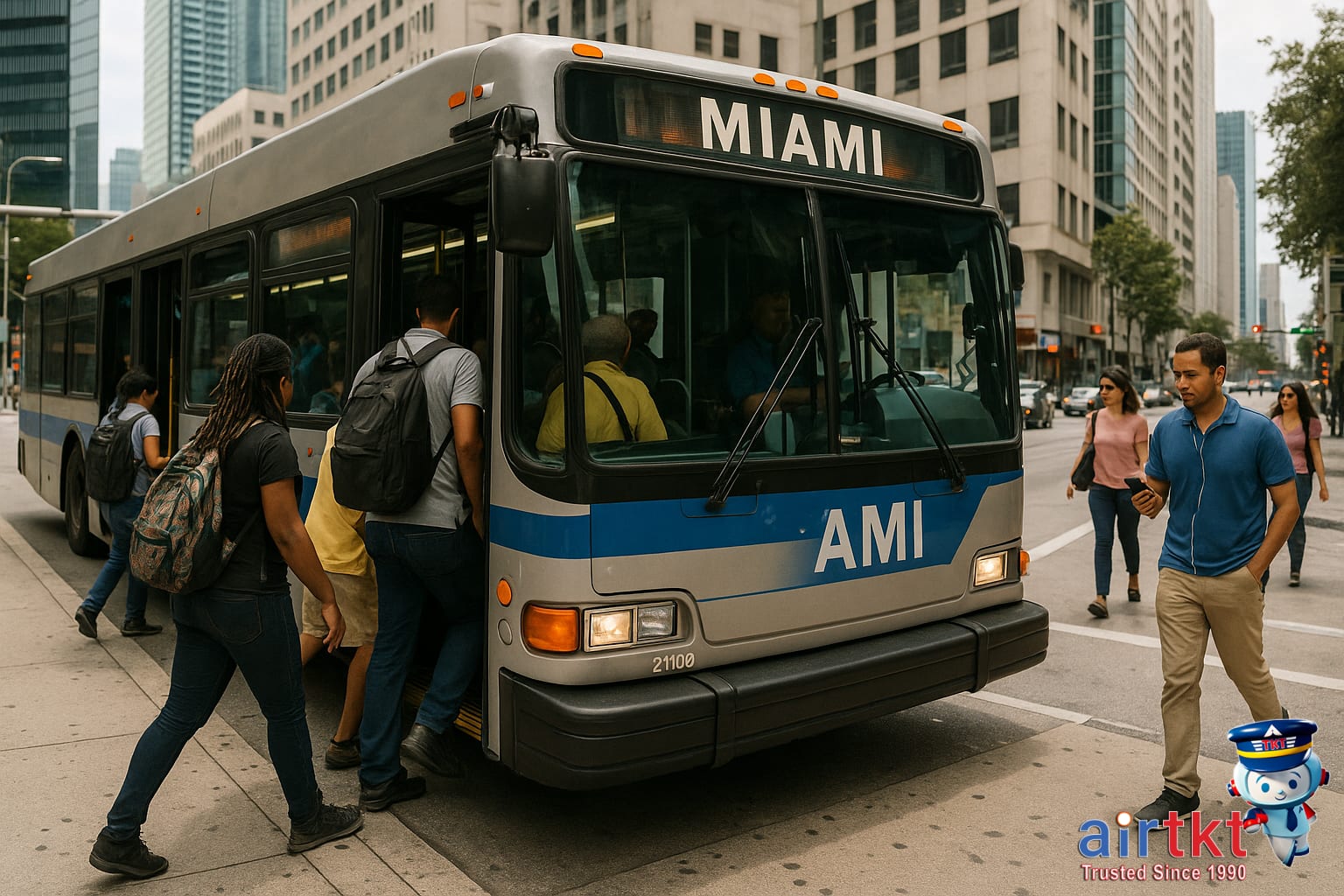
Miami’s bus network is a crucial piece of the city’s public transit puzzle, reaching far more neighborhoods than the Metrorail or Metromover alone. The buses fill in the gaps, helping travelers and locals alike reach coastal suburbs, outer neighborhoods, and major hubs where rail options may not extend. If you plan to explore Miami without a car, familiarizing yourself with key lines and how the bus system integrates with other transit can make a big difference.
Key Bus Routes and Hubs
You’ll notice that several major bus routes—like the 8, 11, and 27—travel east-west or north-south, connecting passengers between downtown, shopping districts, and outlying communities. Important transfer stations include the Government Center and Brickell stations, where you can easily switch between bus and rail. The Airport Station is another major hub if you’re connecting to or from MIA. I’ve often relied on the bus when heading to neighborhoods like Coconut Grove and Little Haiti where rail lines don’t quite reach—having a transit map or app on hand is incredibly helpful.
Seamless Integration With Other Transit
The beauty of Miami’s system is its designed-in connections. Buses often sync schedules with Metrorail and the free Miami Trolley, so you can hop from one mode to the next at the same stop. This integration allows you to cross town without long waits or confusing backtracking. For areas entirely outside rail service, the buses may be your quickest—and sometimes only—direct solution.
Easy Card: One Pass, Many Benefits
Using the Easy Card is one of the simplest ways to save both time and money throughout your Miami travels. The card works seamlessly on city buses, Metrorail, and Metrobus, letting you tap and board any route with one reloadable pass. This means you don’t need to fumble for fare when making quick connections between bus and rail.
Whether you’re new to Miami transit or a repeating visitor, I’d recommend the airtkt.com local transit tips for more advice on making the most of these combined options. The more you know about transfer points and which buses are best for your destinations, the more efficiently you can traverse the city.
Budgeting Miami Transit Costs Effectively

Getting around Miami doesn’t have to eat up your travel budget. If you’re staying near major transit lines, the city’s Metrorail, Metromover, trolleys, and Metrobus systems can help you cut down on daily transportation expenses. Booking centrally located accommodations pays off in saved fare and time—you might spend a little more on where you stay, but you’ll save on every ride.
For many trips I’ve taken, skipping rideshare apps and sticking to Miami’s public transit was a smart move. Over a few days, relying on buses and the Metrorail for airport transfers and beach trips rather than jumping in a taxi freed up extra cash for better meals and activities. If you’ll be in town for more than a day or two, the multi-day Easy Card passes are surprisingly cost-effective, letting you hop between lines and modes without worrying about reloading for every ride.
Sample Traveler Budget Table
| Accommodation | Food | Transport | Activities | |
|---|---|---|---|---|
| Budget | $45.00 | $22.00 | $7.00 | $18.00 |
| Mid-range | $115.00 | $45.00 | $11.00 | $42.00 |
| Luxury | $295.00 | $110.00 | $28.00 | $110.00 |
For transit, those daily budget numbers reflect using an Easy Card and unlimited rides on Miami’s main public transport routes. If you use rideshares or taxis as your standard, prepare to budget significantly more—those individual rides add up fast, especially to or from Miami International Airport.
Personally, I always weigh accommodation location a little heavier in Miami, since being near a Metrorail or major bus stop means I need fewer last-minute rideshares and rarely get hit with surge pricing.
Miami Transit Tips for Newcomers

If you’re new to Miami’s public transit, knowing the basics will make your travels much smoother. My first ride on the Metromover was a little disorienting—I hadn’t realized you need to tap in with an Easy Card before boarding, which left me scrambling at the machine while the train pulled in. Here’s a practical checklist to keep you ahead of the curve as you navigate Miami’s transit system for the first time:
Stay Alert and Travel Confidently
Keep an eye on your belongings at all times, especially during busy periods and at less crowded stations late at night. It’s always a good idea to sit near the conductor or in well-lit areas at stations. If you’re riding after dark, I’d suggest sticking to routes and stops you’re familiar with. Trust your instincts; if something feels off, move to a busier part of the platform or train.
Master Fare Payment and Easy Card
Miami’s public transit uses the Easy Card and Easy Ticket for fare payment. Load value onto your card at kiosks or through official apps before you board. Always tap your Easy Card on the reader when boarding buses and at train station turnstiles—fare evasion comes with fines. Cash payment is still possible on buses, but having the Easy Card speeds up boarding and removes the stress of carrying change.
Avoiding Rush Hour Crowds
Transit gets especially crowded during weekday mornings (roughly 7:00–9:00 a.m.) and evenings (about 4:30–6:30 p.m.). Mid-mornings and early afternoons tend to be quieter, which makes for a more relaxed ride. We’d treat these off-peak windows as your go-to times, especially if you’re new and want to get your bearings without a packed crowd.
Use Transit Apps Effectively
Miami-Dade Transit Tracker, Google Maps, and Transit App all provide real-time updates for Metrorail, Metromover, and Metrobus. Set up push notifications for your usual routes to catch last-minute delays or cancellations. I usually recommend checking both the app and station screens before boarding; schedules can shift quickly during storms or special events.
FAQs on Miami Public Transit
- How does the Miami Metrorail fare system work?
Miami Metrorail uses the EASY Card or EASY Ticket for payments. Riders can load value onto the card at station vending machines. A one-way fare is typically around $2.25, and these cards also work on Metrobus and Metromover. Transfers between these systems are often discounted when you use the card.
- Is Metromover really free throughout downtown Miami?
Yes, the Metromover is completely free. It loops through downtown Miami, Brickell, and the Arts & Entertainment District. Service is frequent during the day, and you can connect with Metrorail at several stations. It’s especially useful for short hops between business, hotel, and entertainment areas in the city center.
- Are there free trolley options in Miami?
The Miami Trolley is a city-run, free-to-ride service with multiple routes covering neighborhoods such as Coral Gables, Wynwood, and Little Havana. The trolleys look like vintage streetcars and operate mostly during daytime and early evening hours. Check local signage for detailed stop information and current route maps.
- What public transit options are accessible for travelers with disabilities?
Metrorail, Metromover, and most Metrobus vehicles are wheelchair accessible. Elevators are available in all Metrorail and many Metromover stations, and both provide audio and visual station announcements. If you need further assistance, Miami-Dade Transit’s Special Transportation Service can be requested for qualifying travelers.
- How late do Metrorail and Metromover operate?
Metrorail and Metromover both have extended service hours, starting early morning and running until late at night, but not always past midnight. Schedules may change on holidays or weekends. For the latest schedule, check Miami-Dade Transit’s official resources or station notices before you head out.
- Can I transfer between bus and rail lines with one pass?
Using the EASY Card or EASY Ticket, you can transfer between Metrobus, Metrorail, and Metromover, often with discounted transfers. For example, transferring from Metrorail to Metrobus usually offers a reduced fare if you use the same card, making connected trips more affordable.
- What’s the best way to plan a Miami public transit trip?
The most reliable way is to use the GO Miami-Dade Transit app or check station maps before you set out. Both options allow you to map routes, check real-time departures, and see service alerts. This helps you avoid missing connections or unexpected service changes during your trip.
Why Try Miami’s Public Transit?

Getting around Miami doesn’t have to be expensive or complicated—public transit really opens up the city, both for your wallet and your itinerary. With options like the Metrorail, Metromover, city buses, and the free Miami Trolley, you can reach Miami’s major hubs, neighborhoods, and attractions for a fraction of what rideshares or taxis would cost.
In my experience, the Metromover’s downtown loop is a favorite for visiting museums, checking out Brickell, or getting a dazzling nighttime skyline view without even paying a fare. No need to stress about parking or traffic after a night out, either—Miami’s trains and trolleys can take you within easy walking distance of many popular spots.
If you’re planning your Miami trip, building your itinerary around the city’s public transit systems just makes sense. The regular schedules and wide coverage mean you can hop between South Beach, Wynwood, and Little Havana with minimal fuss. Transit is perfect for budget-conscious travelers or anyone wanting to experience the city as locals do.
If you want a smooth planning process, check out the practical trip tools on airtkt.com. I find their booking guides—like the tips in this flight and hotel resource—make trip planning less stressful, especially if you’re coordinating flights, hotels, and local transport all at once.
Whatever brings you to Miami, don’t overlook the convenience and reach of public transit. It’s a smart, laid-back way to see the city. Enjoy exploring, travel light, and let the trains or trolleys do the heavy lifting while you soak up the Miami sunshine.