

How Hotel Loyalty Points Work

Hotel loyalty points are rewards you earn by staying at certain hotel chains or booking through their official channels, including travel agencies like airtkt.com. These points accumulate over time and can often be redeemed for complimentary hotel nights, upgrades, or other perks during your travels.
Most hotel groups have their own loyalty programs, where each stay adds a certain number of points to your personal account. Think of these points like a frequent flyer program, but for hotel rooms. The more you stay—and sometimes the more you spend—the more points you earn. I’ve found that understanding loyalty programs can really boost your chances to travel affordably, since those collected points can add up to a free night in destinations where accommodation usually eats up a big part of the travel budget.
To actually turn points into a free stay, you’ll typically log into your account and search for reward nights. Each property and room type “costs” a certain number of points, and the value of your points can stretch quite far depending on how you use them. Savvy travelers pay attention to special promotions or off-peak seasons, where fewer points can secure the same standard room—a smart way to maximize value.
Earning Points Through Hotel Stays

When I stay directly with a hotel brand, I always make sure to book to earn maximum points. Most hotel loyalty programs only reward you with points when you book through their official websites or apps, not a third-party agent. Booking direct often guarantees both your eligibility for rewards and priority for member benefits—or even bonus points promos running for loyalty members. Many hotel brands run special promotions throughout the year, offering extra points for booking during certain periods or for stays at select properties.
It’s also possible to increase your points balance using partner promotions. Some hotel groups collaborate with airlines, car rental agencies, and even credit card companies, letting you earn hotel points when you book a flight, rent a car, or pay with a co-branded credit card. These partnerships are ideal if you already use certain brands frequently. For example, travelers who often fly the same airline and stay at a partnered hotel can double-dip on points for a single trip. I’d compare both the hotel loyalty program and its partners before making a final decision.
Choosing the Right Program
Loyalty programs have different strengths. If you stay mostly at big chains, a global program (like those from Marriott Bonvoy or Hilton Honors) probably delivers the most value. If you prefer boutique hotels or independent brands, look for programs with a wide network of unique properties or those offering flexible point redemption. Ask yourself how often you travel, which destinations you visit, and whether elite perks or free nights matter most. We’d treat this as a planning checkpoint, not a last-minute detail. If you want to review your hotel options, the hotel booking page on airtkt.com lets you compare major brands, independent stays, and filter for loyalty preferences in one spot.
Maximizing Points With Credit Cards
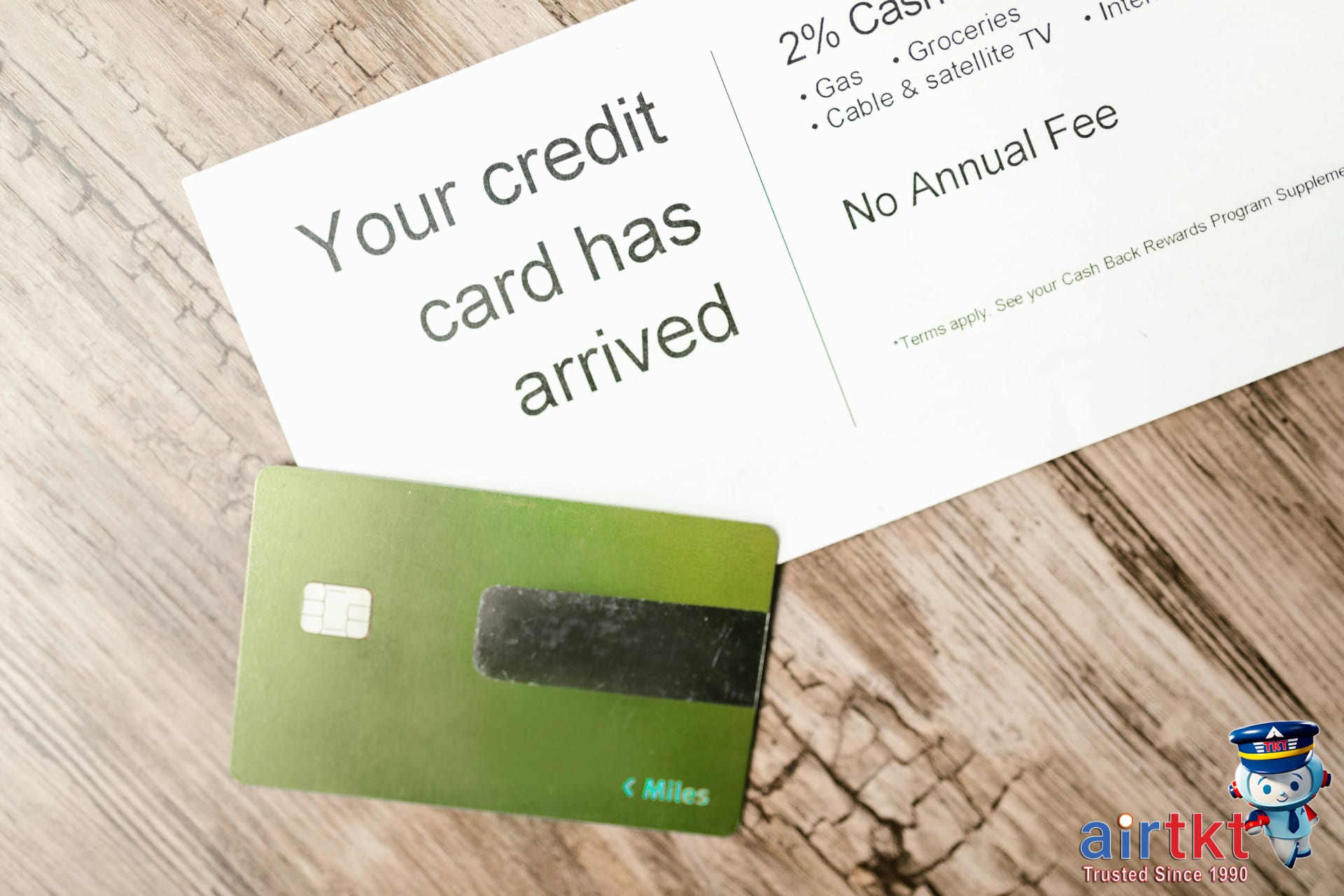
If you want to rack up more free hotel nights or future travel discounts, using the right credit card can make a huge difference. Hotel-branded cards—such as those from Marriott, Hilton, or Hyatt—typically let you earn bonus points for every dollar spent at properties in their network. I use a hotel rewards credit card to accelerate my free nights faster than just staying at hotels alone. Those extra points from paying for nights, food, and extras directly with my card add up surprisingly quickly.
There’s a second strategy you shouldn’t overlook: general travel rewards cards. Cards from banks like Chase or American Express usually offer higher points on broader travel categories, like flights, rental cars, and even non-chain hotel stays. While their point values might work differently from hotel-specific cards, many let you transfer points to hotel and airline partners for even more flexibility. Sometimes, these general travel cards offer a higher base earning rate or sign-up bonuses that actually outpace hotel-branded options for travelers who mix and match airlines and hotels.
So, which should you choose? In my experience, if you’re loyal to a particular hotel chain and want elite perks or free award nights, a hotel-branded card makes sense. If you prefer booking a variety of places—or optimizing value through point transfers—consider a general travel rewards card instead. Comparing the bonus categories, point transfer partners, and annual fees side by side is my usual recommendation. For those interested in the latest card deals that tie directly into your travel savings, the airtkt.com travel savings blog often spotlights new offers that can be especially lucrative for frequent travelers.
Redeeming Points for Free Nights

Once you’ve banked a healthy stash of hotel points, the real excitement is putting them to use for free night stays. Most hotel rewards programs let you book everything from standard rooms to premium suites with points, and sometimes you can even use points to cover taxes and resort fees. I’ve redeemed points for suites that felt like a luxury vacation upgrade—definitely one of the better perks of sticking with a program.
Getting started is usually straightforward: log into your loyalty account, search for your destination and dates, then filter for “Points” as your payment type. You’ll see available rooms along with their redemption rates. Many programs allow you to upgrade to larger rooms or club-level access by using extra points, so it’s worth comparing options before booking. If you’re a little short on points, check if the program offers points + cash stays, which can be handy for making your points go further.
Avoiding Blackout Dates
Availability for free nights can look wide open in some destinations—and seriously limited in others. Blackout dates (days when you can’t use points) are less common on big hotel chains but still pop up, especially during busy holidays or events. Booking in advance is your best move. Sometimes rooms that show “sold out” on points will reappear closer to your stay if other travelers cancel rewards bookings, but waiting carries risk, especially for popular places or dates. I usually lock in free nights as soon as I know my travel plans, then check back for possible upgrades or better room choices as your stay approaches.
If you’re ready to redeem—or want to compare paid options—visit the airtkt.com hotel deals page for current specials and flexible booking choices.
How To Find Bonus Point Promotions

Scoring extra loyalty points on your hotel stays isn’t just luck—it’s about knowing where to look and acting quickly. Most loyalty programs announce bonus point promotions through their member emails, mobile apps, and official websites. I always keep an eye on email alerts for bonus point opportunities, since many offers are released with little advance notice and fill up fast.
Signing up for loyalty newsletters is an easy way to receive exclusive bonus deals straight to your inbox. Many programs release targeted promotions to subscribers or members who’ve opted into alerts, and these emails often highlight double or triple point stays, limited-time offers, or contests. I’d suggest checking your loyalty program dashboard regularly for any “promotions” or “offers” sections. Some hotel apps and travel aggregator apps even let you set push notifications for new deals based on your preferences, so you never miss a points-earning window.
For travelers who like to optimize, consider following your favorite hotel brands or travel programs on social media. Occasionally, they’ll announce flash promotions that don’t always make it to email subscribers. Just remember, some of these bonuses may require registration prior to your stay—so set an alert or reminder when you spot one. Even checking before booking a trip on sites like airtkt.com can help you layer a bonus hotel offer onto your flight plans.
How To Manage Loyalty Points Wisely

If you’re like me and have memberships with multiple airline and hotel programs, keeping everything straight can get overwhelming—fast. Managing my loyalty accounts with an app has saved me from losing points several times. To stay organized, I regularly track my balances and upcoming expirations so I never miss a chance to redeem rewards.
Best Tools For Tracking Points
There are a handful of apps designed specifically for travelers juggling several loyalty programs. AwardWallet and Points.com let you store account numbers, monitor balances, and even receive alerts if any of your points are close to expiring. I’d compare both options before settling on one, but even your phone’s notes app can work as a simple backup for jotting down logins and balances.
Preventing Points From Expiring
The key to keeping your hard-earned points is knowing their expiration policies—each program is different, and some quietly wipe out inactive accounts with little warning. I always recommend setting calendar reminders either in your phone or your email for earning or redeeming points at least once before they’re due to expire. Even a small redemption, like booking a short hotel stay or donating miles, often resets your expiration clock.
Strategies For Smarter Usage
Beyond just tracking, optimize your points value by staying informed about current rewards offers. Sometimes transferring points to travel partners, combining household accounts, or taking advantage of limited-time bonuses can stretch them further. And if you want more travel reward tips, check out this helpful guide on maximizing value from loyalty programs through airtkt.com.
How Free Hotel Nights Add Value

If you’ve ever redeemed points or a booking perk for a free hotel night, you know how quickly the savings add up—especially in popular destinations where lodging can dominate your travel budget. With just one or two well-timed free nights, you can save about $150.00 per night that would have gone straight to accommodation costs. That kind of value can make staying in attractive areas or higher-end properties much more realistic, even if you’re usually a budget traveler.
The freedom you get with free nights goes beyond your wallet. Free hotel nights often make it possible to linger longer in a destination or add an unexpected stopover to your itinerary. Free hotel nights have allowed me to explore destinations I wouldn’t have otherwise visited. I’ve used them to tack extra days onto trips—giving myself more time to enjoy local food, neighborhoods, or a favorite pool. If you ever find yourself tempted by a city you know little about, a free night lowers the risk of trying something new.
Another big bonus: these complimentary stays often put luxury within reach. You might use a free night reward to check into a boutique property with stunning amenities or skyline views—places you’d normally skip due to price. Whether you’re celebrating a special occasion or just want to indulge, using your rewards for a night of upgraded comfort can transform an ordinary trip into something memorable. I’d recommend comparing both standard and aspirational properties when choosing where to redeem your free night for maximum impact.
Budgeting Loyalty Points for Travel

Smart use of loyalty points can bring real savings no matter what kind of traveler you are—but the way you approach budgeting rewards can look quite different depending on whether your style is budget, mid-range, or luxury. I find budgeting my loyalty points helps make every trip more affordable and enjoyable, especially when I match point redemptions to my overall travel spend.
How Your Budget Impacts Point Strategy
If you’re traveling on a budget, maximizing the redemption value of every point really matters. In these cases, I usually aim to cover essentials like accommodation or transport with points and pay cash for lower-cost meals or local activities. For mid-range travel, using points as a strategic supplement often hits the sweet spot—perhaps covering hotel nights during peak dates or using airline miles to upgrade a long flight, then paying cash for experiences that add value to your trip. Luxury travelers can benefit the most by timing redemptions for premium stays or business class tickets, where point values tend to spike.
In every tier, it pays to track where you’ll get the highest cents-per-point value and to keep an eye on blackout dates, redemption fees, or availability issues. I always compare what I’d pay out of pocket versus the points required before booking—sometimes, booking with cash (especially after using fare comparison tools from airtkt.com) is the better deal, saving my hard-earned points for bigger rewards later.
Loyalty Points Budget Table
| Budget | Mid-range | Luxury | |
|---|---|---|---|
| Accommodation | $40.00 | $100.00 | $350.00 |
| Food | $15.00 | $50.00 | $100.00 |
| Transport | $10.00 | $30.00 | $70.00 |
| Activities | $20.00 | $60.00 | $150.00 |
These representative values show what a typical daily spend might look like when using loyalty points to cover major costs—though of course, every destination and redemption is different. Tracking these categories for your trip lets you see exactly where your points deliver the most value and where it makes sense to pay cash instead.
Avoiding Loyalty Points Pitfalls
It’s easy to get excited about earning loyalty points with airlines and hotels, but I’ve learned the hard way that tracking expiration dates is crucial to avoid losing points. The most common mistakes I see travelers make include letting points expire, not paying attention to promotions, and redeeming points for low-value rewards—like merchandise or gift cards instead of free nights or upgrades.
Points expiration varies widely between programs, with some expiring after a certain period of inactivity and others having more flexible policies. The catch? If you’re not paying close attention, months can pass by and all the rewards you’ve built up suddenly vanish. To avoid this, set reminders or calendar alerts a few months ahead of expiration dates. Many major programs allow you to keep points active by making a small qualifying purchase or transferring points between programs—something I’d recommend checking before your points are at risk.
When it comes to redeeming loyalty points, aim for high-value stays or upgrades rather than cashing out for non-travel rewards. I usually look up the cents-per-point value by comparing the cost of a stay with the points required—if the value is underwhelming, I’ll wait for a better opportunity. Also, keep an eye out for bonus point promotions, seasonal redemption discounts, or special partnership deals. Setting up email alerts or checking the promotions page every few weeks can mean the difference between an average redemption and a fantastic deal.
Common Questions on Free Hotel Nights
- How do I earn free hotel nights through loyalty programs?
Most hotel loyalty programs reward you with points when you book rooms directly or through select portals. Accumulate enough points by staying frequently, using partnered credit cards, or joining special promotions, and you’ll be able to redeem those points for free hotel nights at participating properties.
- Can I use free hotel nights at any property?
Not always—many loyalty programs have restrictions on when and where you can redeem free hotel nights. Some luxury properties or peak season dates may have blackout periods or require more points. Always check the redemption rules for your specific hotel chain before finalizing your stay.
- What fees might I still pay when using free hotel nights?
Even when you redeem points for free hotel nights, certain fees might not be covered, such as resort fees, parking, or local taxes. In my experience, calling the hotel before arrival can clarify which charges you’re responsible for so you’re not surprised at checkout.
- How can I get the most value out of my free hotel nights?
I’ve often wondered how to get the most value from free hotel nights. Try to redeem your points at higher-category hotels or during high-demand periods, since the cash price would typically be much higher. Also, look for special promos and book as early as possible when there’s more availability.
- Are free hotel nights transferable to friends or family?
Some hotel programs allow you to transfer points between accounts or book award nights for others, but not all do. Check program rules before planning and get any necessary authorization if booking for friends or family members, since policies can differ depending on the hotel chain.
- Do free hotel nights ever expire if unused?
Yes, in many cases, free hotel night certificates or points expire after a set time if not used. The exact expiration rules vary, but some certificates expire after twelve months or even sooner. Mark expiration dates on your calendar so you don’t lose your hard-earned reward nights.
- What should I check before redeeming free hotel nights?
Before you finalize your booking, look for potential blackout dates and read all the fine print on restrictions for your destination. You don’t want to miss out because of an overlooked policy. For deeper strategies, you might also read the loyalty guide on airtkt.com for tips.
Final Thoughts On Loyalty Points
If there’s one takeaway from exploring hotel loyalty programs, it’s that earning and redeeming points can really enhance how you travel. From complimentary nights to extra perks like late check-out, loyalty points give frequent travelers flexibility and long-term value. Even if you’re just getting started, it’s worth paying attention to your options and tracking points on each trip.
Setting up accounts with major hotel brands doesn’t require much effort, and small choices—like booking directly or using a branded credit card—can gradually build your points balance. Using loyalty points has truly transformed the way I travel; I now find myself looking forward to the extra comforts and savings these programs provide down the line.
My advice: don’t worry about maximizing every single point right away. Instead, keep an eye on your balances, and redeem when it works for you. Over time, you’ll find that having loyalty points ready for your next adventure can open up new travel possibilities and make trips feel a little more rewarding.