
Main Differences Between Airline Types
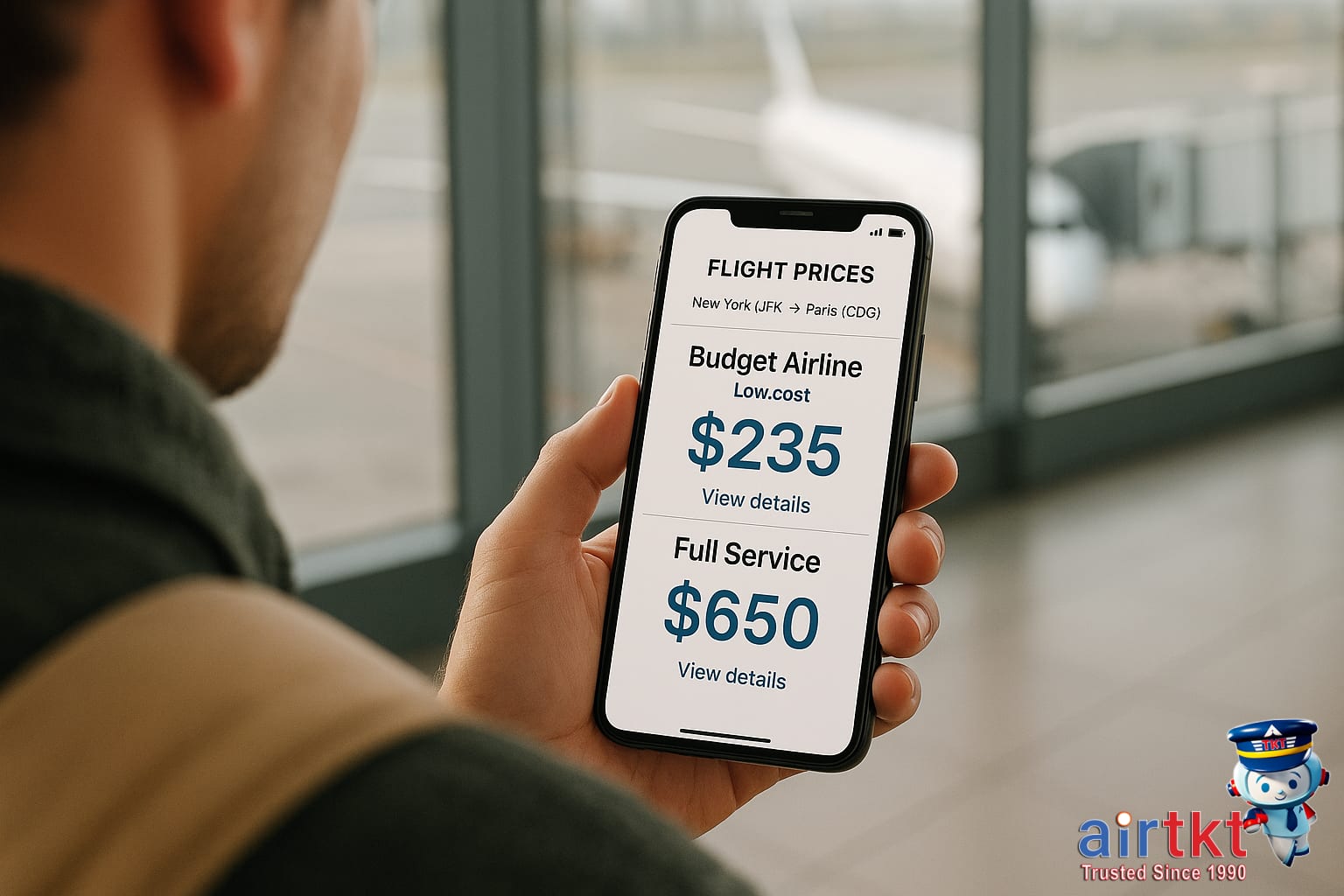
When planning a flight, one of the first choices you’ll make is whether to fly with a budget airline or a full-service carrier. Budget airlines, often called low-cost carriers, are known for their no-frills approach. They keep ticket prices low by skipping extras: basic seats, few (if any) complimentary snacks, and fees for everything from checked bags to seat selection. In contrast, full-service airlines factor more amenities and services into your fare. That usually means a larger seat, meals or snacks, included baggage, and in-flight entertainment—all at a higher upfront cost.
The difference isn’t just about perks. Airline type can reshape your entire travel budget. Budget carriers often offer the lowest fares, but you’ll want to double-check the cost of extras, especially if you need a checked bag or want more legroom. Full-service flights tend to be more comfortable for long trips, especially if you’re carrying luggage or value a smoother airport experience. For short trips with just a carry-on, I’ve found that a budget airline can save me money—but for international journeys where comfort and baggage matter more, I often opt for a full-service ticket.
When booking, I usually weigh my priorities by asking: How long is the flight? Will I need extra bags? If the trip is quick and light on luggage, a budget carrier makes sense. Otherwise, a full-service airline might bring better overall value. You can compare both types easily using airtkt.com flight filters, which also highlight special deals and help you spot what’s really included in the fare.
Budget Airlines Explained Simply and Clearly
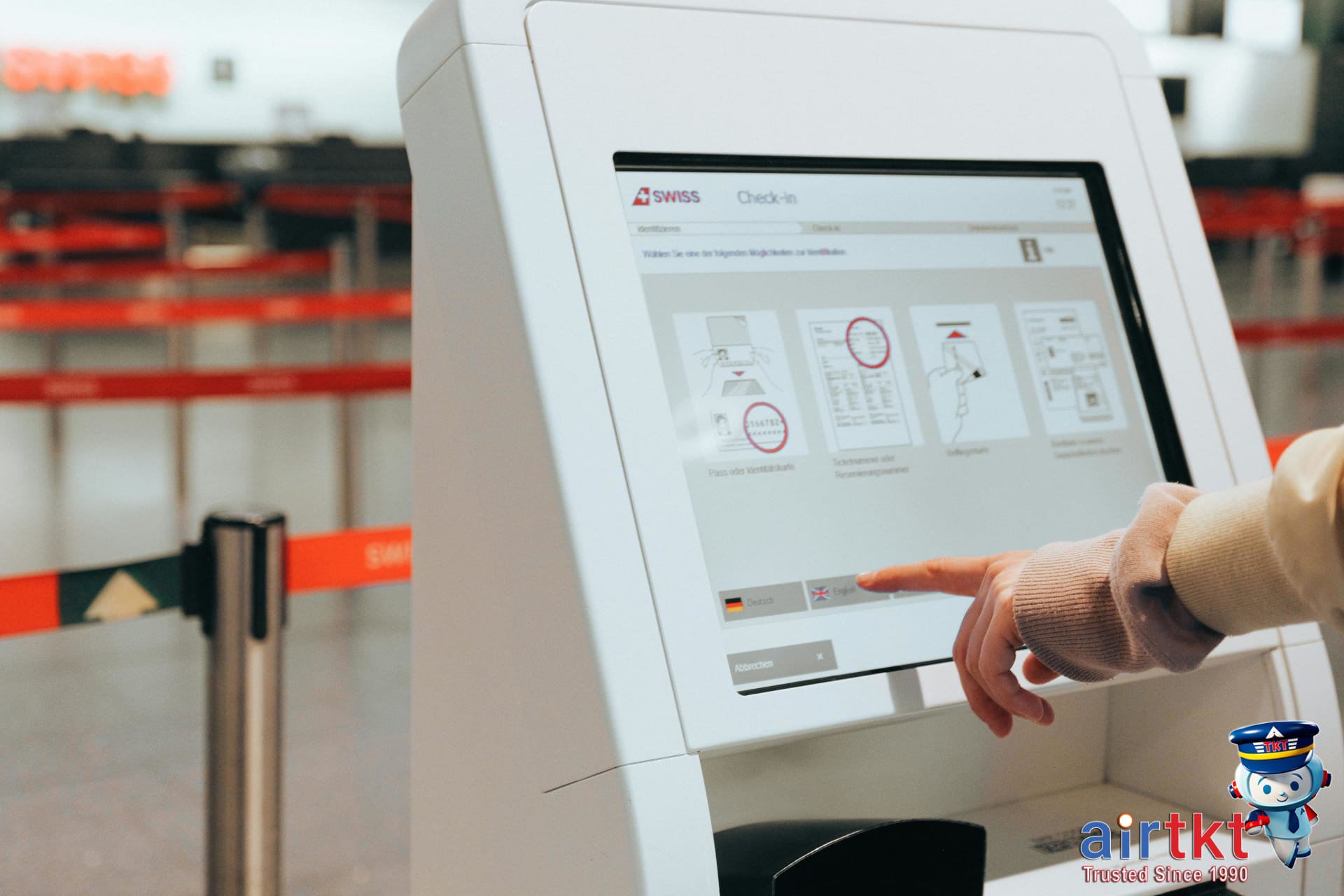
Budget airlines, sometimes called low-cost carriers, focus on getting you from point A to point B for as little as possible, but with fewer extras along the way. That means you’ll often skip things like free meals, dedicated seat-back screens, or even seat selection unless you’re willing to pay for each upgrade. The no-frills approach is all about simplicity and savings, making these airlines attractive for travelers who mainly want a cheap way to fly.
What really sets budget airlines apart is their pricing strategy. Base fares are kept impressively low, but most things beyond the basics—baggage, seat choice, food, early boarding—come at an extra cost. It’s not uncommon to see a ticket priced at about $39.00, but each added service could increase your total. I usually recommend checking every add-on fee during booking; in my experience, those can add up fast if you’re not careful.
Budget airlines typically fly popular short-haul and medium-haul routes, especially between major cities and tourist hubs. They’re great for weekend city breaks or quick getaways since flights are often direct, straightforward, and aimed at keeping turnaround times short. If you’re planning a multi-stop trip or just want to compare the cheapest possible options, I like using the airtkt.com Lazy Fare tool—it helps you find those cheaper routes with layovers that can save even more, but you only pay for the main fare, not the stopover.
Who usually opts for budget airlines? From what I’ve seen, the typical traveler includes students, backpackers, weekend adventurers, and anyone keeping an eye on costs—especially for journeys where comfort takes a back seat to savings. Personally, I’m happy to fly with budget carriers for short trips or when my top priority is stretching my travel budget a bit further. As long as I know what to expect, it’s an easy way to shave dollars off my expenses.
What Full-Service Airlines Include
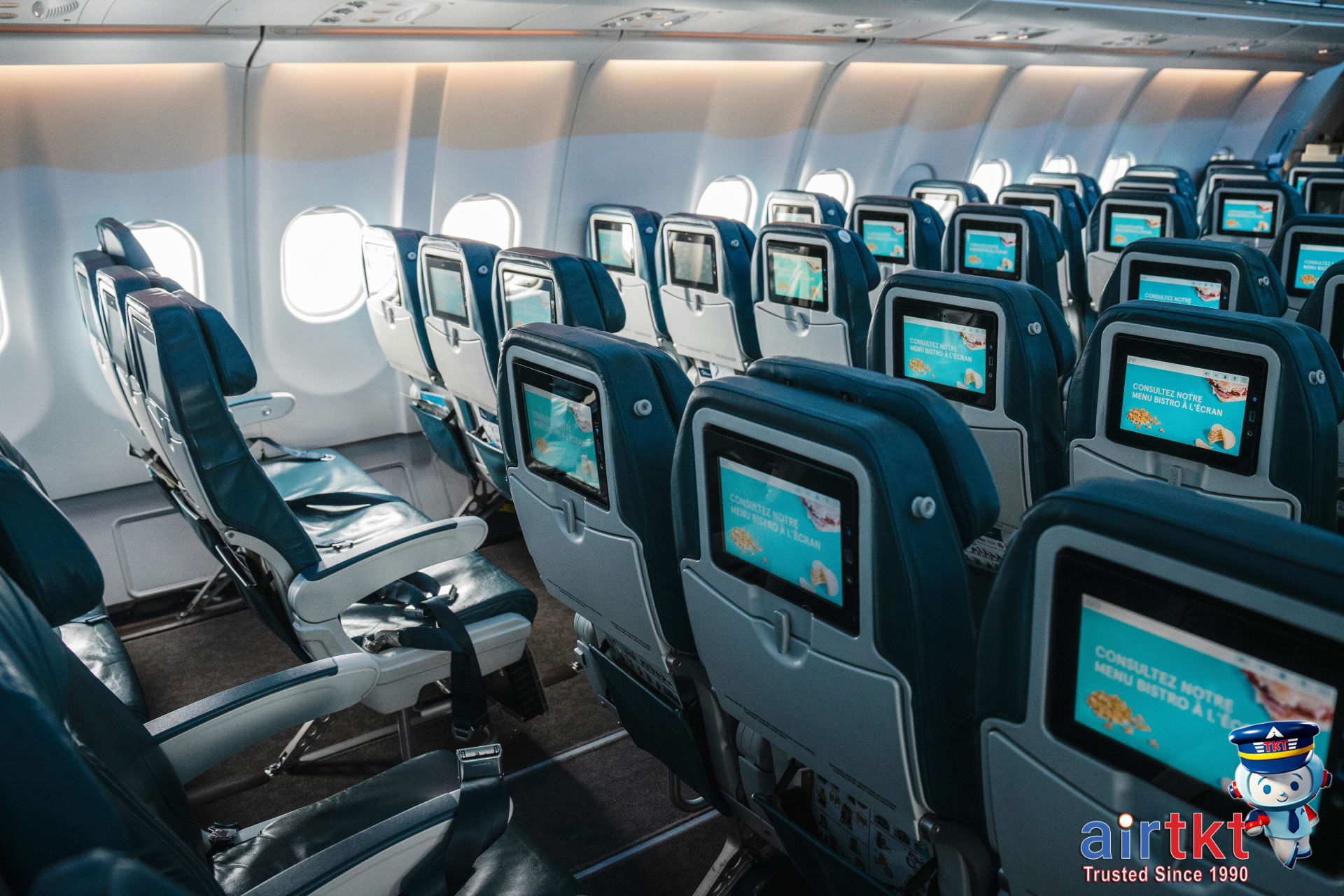
Booking with a full-service airline usually means your fare covers several comfort-enhancing perks that many budget carriers simply don’t offer. These can include checked baggage (often one or two bags at no extra cost), complimentary meals and beverages, in-flight entertainment, and in many cases, a higher standard of legroom and overall seat comfort. Some full-service airlines also offer free seat selection, priority boarding, and access to airport lounges for certain ticket classes or frequent flyer members.
For me, the biggest difference shows up on long-haul flights. Getting a hot meal, having a choice of in-flight movies, and not worrying about luggage fees genuinely takes the edge off long journeys. Access to airport lounges—a perk on many full-service international tickets—can also transform a layover from a drag into a break with comfy chairs, snacks, and showers. Even seemingly small touches, like having a pillow, blanket, or amenity kit on overnight flights, help with rest and recovery, making arrival in a new time zone less jarring.
Full-service carriers also tend to offer a more consistent experience across international partners, making connecting flights smoother and less stressful. Additionally, if you value loyalty points or elite status perks, sticking with a major carrier unlocks mileage earning, upgrade opportunities, and better customer support. I’d compare these benefits when trip planning, especially if you’re debating a no-frills ticket on a long international itinerary.
It’s also worth noting that by using the airtkt.com Nearby Airport Search, you might uncover options for full-service flights at better prices or with more flexible routing from alternate airports just outside your city. This can be a smart strategy when you’re particular about the amenities included in your fare.
Comparing Costs: Fares Vs Hidden Fees
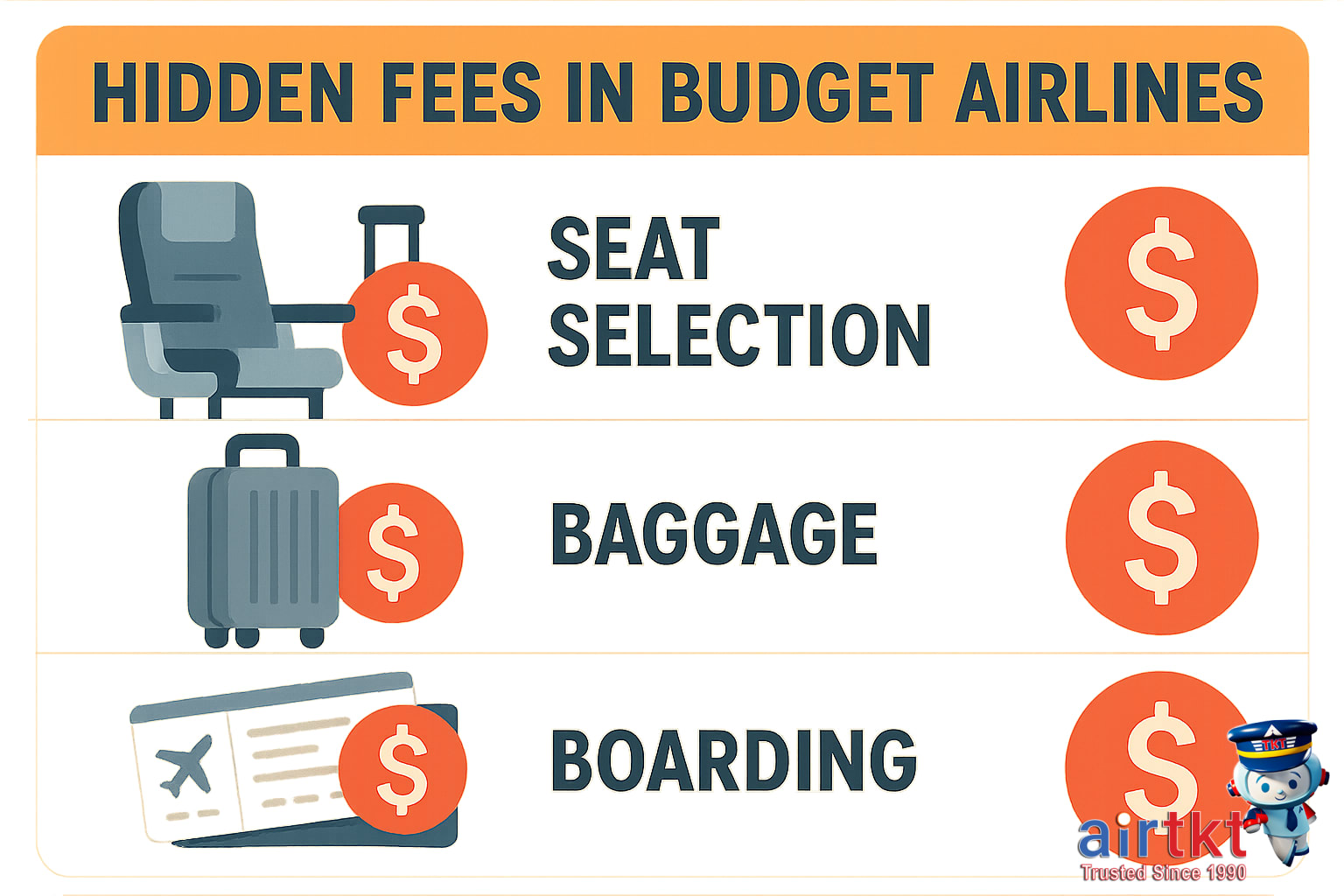
Bargain fares from budget airlines can be eye-catching, but the real price of your flight is rarely just the number you see in big, bold print. Low advertised fares are often stripped down to the essentials, making them look cheaper than they’ll actually end up being. For most travelers, the final total gets pushed much higher by a series of added charges that are easy to overlook during booking.
Some of the most common “hidden” fees I’ve come across include baggage charges (even for carry-on bags on certain airlines), fees for picking your seat, priority or early boarding costs, and onboard food and beverages that aren’t complimentary. There are also sometimes charges for printing boarding passes at the airport or for changes made after booking. Each fee might seem small on its own, but together they really add up.
For example, expect to pay about $35.00 just to bring a carry-on, and around $12.00 for the option to choose a standard seat—sometimes more if you prefer extra legroom or seats near the front. Buying food onboard can mean spending about $10.00 per snack or meal, and if you want priority boarding, the fee is often around $15.00. Suddenly, a simple $60.00 flight can cost double that—or more—by the time you step onto the plane. I learned this the hard way on my first budget flight, when my “great deal” quickly ballooned with just a few basic selections during checkout.
These add-ons can easily throw your travel budget off course if you’re not careful. While mainstream carriers might roll some of these costs into a higher upfront fare, budget airlines often leave them separated—so you’ll need to do the math yourself to see which option really suits your wallet and your travel habits. When I book flights now, I always pause at each stage to check if another charge is lurking before I hit the pay button.
Comparing Comfort Onboard Budget Vs Full-Service

The travel experience can feel worlds apart when you compare budget airlines and full-service carriers, especially once you’re actually onboard. Physical comfort is one of the clearest dividing lines. Budget airlines typically pack more seats into the cabin, which means less legroom and narrower seats. On my last transcontinental budget flight, I remember how the limited recline and cramped space made rest almost impossible—by landing, I was more than ready to finally stretch out. In contrast, full-service airlines generally offer extra inches of legroom, better-padded seats, and headrests you can actually adjust without wrestling them.
Beyond the basics of the seat itself, onboard service is another area where experiences can differ noticeably. Many budget airlines keep fares low by skipping complimentary meals, snacks, or even beverages—everything from a bottle of water to a cup of tea usually costs extra. Full-service airlines, on the other hand, often provide hot meals, drinks, and sometimes even a small amenity kit free of charge, which can make a big difference on longer flights. Simple things, like getting a hot meal or a blanket without needing to pull out a credit card, can really improve how you feel during the journey.
Your overall trip enjoyment isn’t just about physical comfort. Cabin noise levels, boarding processes, and crew attentiveness can also vary. While you might save a significant amount on budget airlines, it’s worth thinking about the real impact that less comfort may have—especially on longer hauls. I usually ask myself if spending a bit more is worth a better night’s rest or a quieter, less stressful atmosphere, and for more than a couple of hours in the air, it often is.
Scenarios Favoring Budget Airlines
There are some clear scenarios where booking a budget airline makes more sense than paying extra for a full-service carrier. If you’re flying a short distance, traveling light with just a carry-on, or your plans are flexible enough to move with flight changes, a budget airline gets you where you need to go without extra frills. I usually look at these options for quick city hops or when I can fit everything I need into one small bag (and avoid those sometimes-surprising baggage fees).
Budget airlines are also great for spontaneous getaways or last-minute weekend trips when flight times matter less than saving money. If you’re the type who doesn’t mind skipping seat selection or meal service, and you’re happy just getting from point A to B, the appeal is obvious. In my case, I once needed to zip out for a family gathering with just a few days’ notice—I grabbed a no-frills fare, packed light, and didn’t miss the extras one bit.
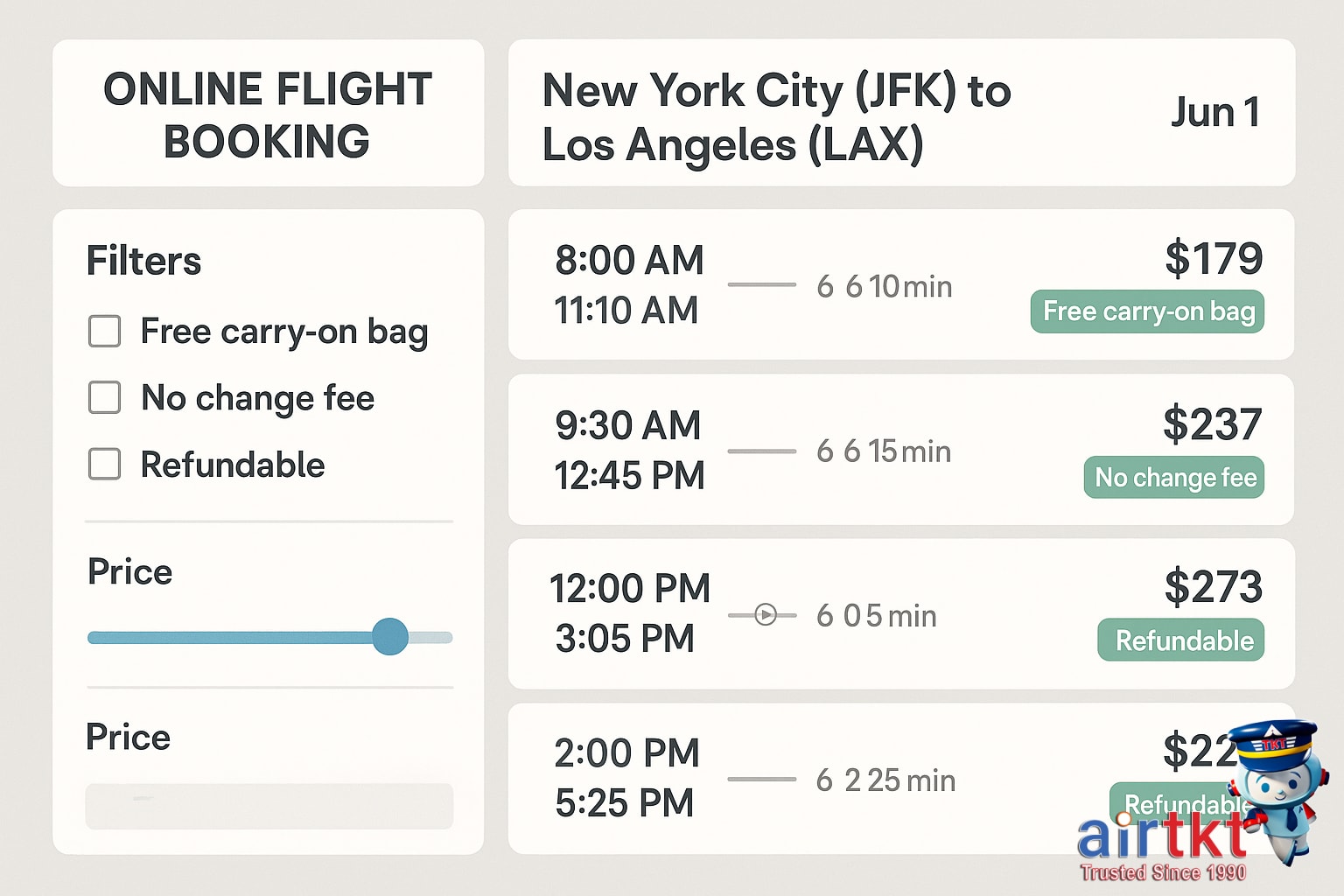
Of course, you pay for every add-on, so the price starts to climb if you need checked bags or extra legroom. Before you book, weigh the base fare against what matters most to you: is spending less worth the tradeoff in comfort or schedule flexibility? If so, platforms like airtkt.com can be helpful, as they surface the lowest no-frills fares upfront, letting you compare easily with regular airlines’ inclusive pricing.
When Full-Service Airlines Are Better

There are plenty of situations where booking with a full-service airline is truly the smarter choice. If you’re planning a long-haul flight—think overnight trips across continents—extra comfort isn’t just a luxury, it can make all the difference in how you arrive. Travelers on business, families with young kids, and anyone who prefers a smoother airport experience often find full-service carriers well worth it.
Perks like larger seats, included checked bags, meals, inflight entertainment, and priority boarding can significantly improve your journey. Frequent travelers should especially take note: major full-service airlines run loyalty programs that offer real, tangible rewards. Earning points with just a few roundtrips can lead to lounge access or an upgrade to a premium cabin. I still remember the time I cashed in miles for a business-class seat on a transatlantic flight—the flat bed, attentive crew, and on-demand dining made crossing the ocean feel almost effortless.
Included extras aren’t limited to the air, either. Many full-service fares include changes or flexible rules that low-cost airlines simply don’t match. If convenience and peace of mind matter more to you than the absolute lowest fare, these benefits add up fast.
I usually recommend comparing nearby airports before you lock in a ticket—sometimes you’ll find a high-quality full-service flight option at a less obvious location. Tools like the Nearby Airport Search from airtkt.com are worth checking if you want to maximize value without sacrificing the travel experience.
Budgeting Your Flight Costs Wisely
Planning your travel budget starts with the flight—usually the single largest expense on an international trip. The class of ticket you book (budget, mid-range, or luxury) will influence what you can spend on everything else from hotels to food. I’ve noticed that breaking down flight costs early—even before booking accommodation—helps me know exactly what I can allocate to other parts of the trip, saving a lot of headaches later.
Airtkt.com’s booking tools make it easier to compare prices across different types of fares, so you can see at a glance how a budget flight leaves extra room for experiences, or how a luxury ticket might mean dialing back on other splurges. Below, you’ll find a straightforward table showing representative daily costs for three different travel styles, so you can put the full trip cost in perspective, not just your ticket price.
| Budget | Mid-range | Luxury | |
|---|---|---|---|
| Accommodation | $35.00 | $80.00 | $250.00 |
| Food | $15.00 | $45.00 | $125.00 |
| Transport | $10.00 | $28.00 | $90.00 |
| Activities | $20.00 | $55.00 | $200.00 |
Choosing a low-cost flight (like those found using Lazy Fare or Flexible Date Search on airtkt.com) can leave you with more cash for unique meals or better accommodation, while a premium ticket may make sense if you value extra comfort above all else. Personally, doing this math has helped me spend on what matters to me—whether that’s a memorable food tour or a convenient hotel location. It always pays to get granular with each category before you book.
FAQs About Budget Vs Full-Service Airlines
- What’s the difference between budget and full-service airlines?
Budget airlines focus on offering the lowest fares and often charge extra for things like checked bags, seat selection, and onboard meals. Full-service airlines typically include these amenities in the ticket price, provide more legroom, and offer perks like in-flight entertainment and frequent flyer points.
- Do budget airlines have hidden fees I should watch for?
Yes, budget airlines often add fees for checked baggage, carry-ons, printing boarding passes at the airport, and choosing seats. Always check what’s included when you book, as these extras can add up and make a once-cheap ticket cost as much as a full-service option.
- Are full-service airlines always more expensive than budget airlines?
Full-service airlines aren’t always more expensive, especially when budget airline add-ons are factored in. Sometimes, you’ll find a full-service ticket with included bags and meals costs about the same as a stripped-down budget fare. I’d compare both options side by side before booking.
- Do budget airlines have frequent flyer programs?
Many budget airlines run their own frequent flyer or loyalty programs, although these are usually simpler and may not offer the same perks as full-service carriers. Points may be earned on flights or through partners, but redemption options can be fewer or more restrictive than traditional airline programs.
- Which airline type is better for long trips?
For longer flights, many travelers prefer full-service airlines because of included meals, entertainment, and increased comfort. Budget airlines may offer lower base fares, but extra charges and less legroom can make long journeys feel less comfortable. For short trips, budget airlines are often more practical.
- How can I truly compare budget vs full-service airline prices?
To compare accurately, total up all mandatory fees for both airlines—checked bags, seat selection, and meals. Sometimes a full-service flight is only about $20.00 more but includes extras that would cost around $40.00 on a budget carrier. Always check details when booking through airtkt.com.
- Is it safe to fly with budget airlines?
Budget airlines must meet the same regulatory and safety requirements as full-service airlines in most countries. The main trade-offs usually concern comfort and service, not safety. Always check airline reviews for punctuality and customer service, especially if you’re using a smaller or unfamiliar carrier.
How To Choose Your Airline Wisely
We’ve covered the essentials: budget airlines often come with lower base fares, but you’ll sacrifice some amenities and might face extra charges for baggage, meals, or seat selection. Full-service airlines tend to be pricier up front, yet they include perks like complimentary snacks, checked bags, and more comfortable seats. Each choice has its own trade-offs, so the real key is knowing what matters most for your trip.
Personally, I’ve learned that comparing both types of airlines before booking—while thinking about travel priorities like total journey time, comfort, and real out-of-pocket costs—has made my travel planning much stronger. This kind of careful evaluation consistently helped me pick the airline that truly fit my budget and expectations, instead of just grabbing the cheapest flight I saw first.
For anyone looking to streamline their comparison, platforms like airtkt.com allow you to weigh all your options at once. Multi-tool booking sites let you see side-by-side pricing, filter by airline quality, and even alert you to flexible date savings—factors that can lead to a more satisfying booking.
Ultimately, being informed about what you’re paying for and taking time to check your options empowers smarter decisions. I always remind myself: a few extra minutes spent comparing can mean a far smoother journey ahead.