
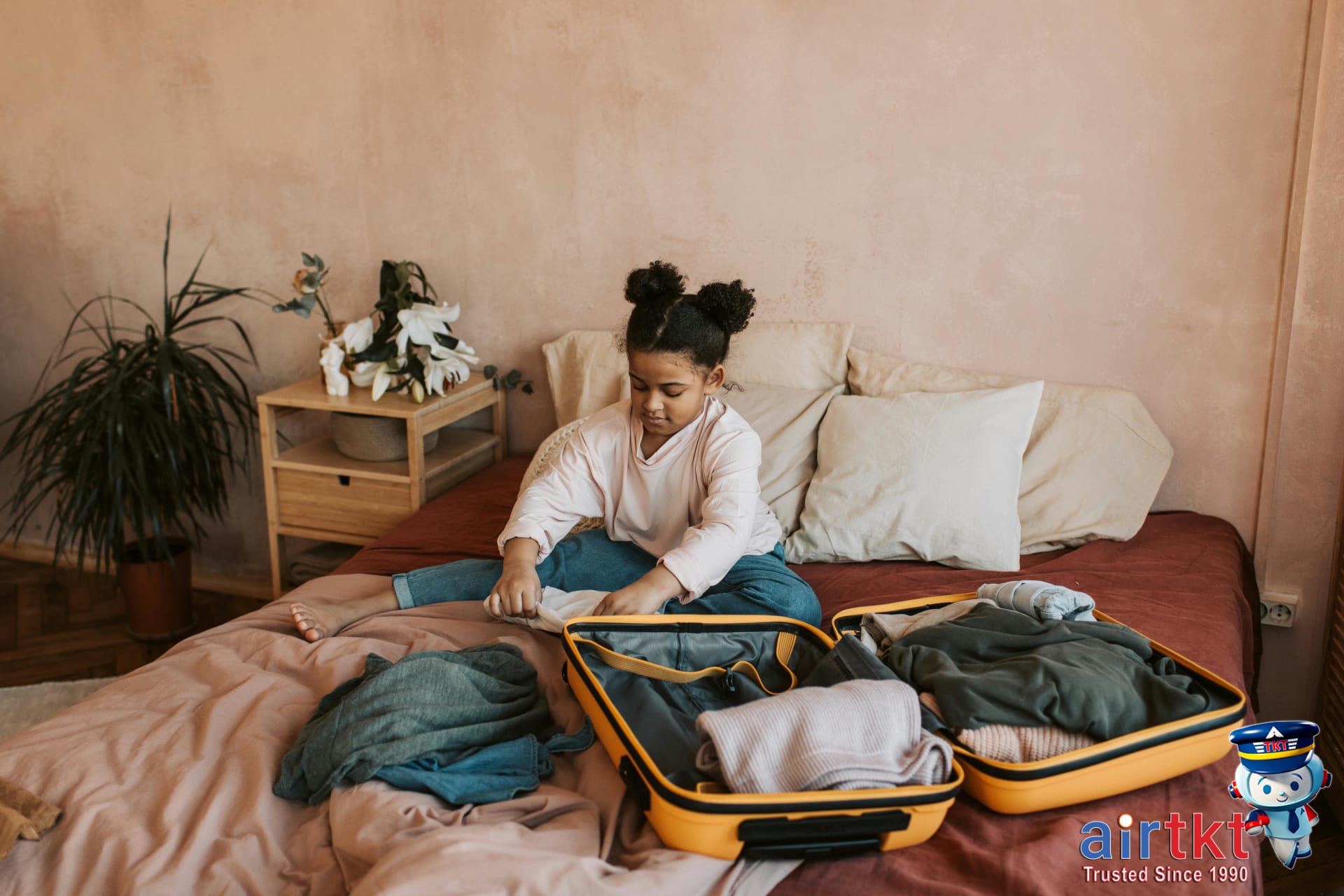
Why Packing For Kids Is Tricky
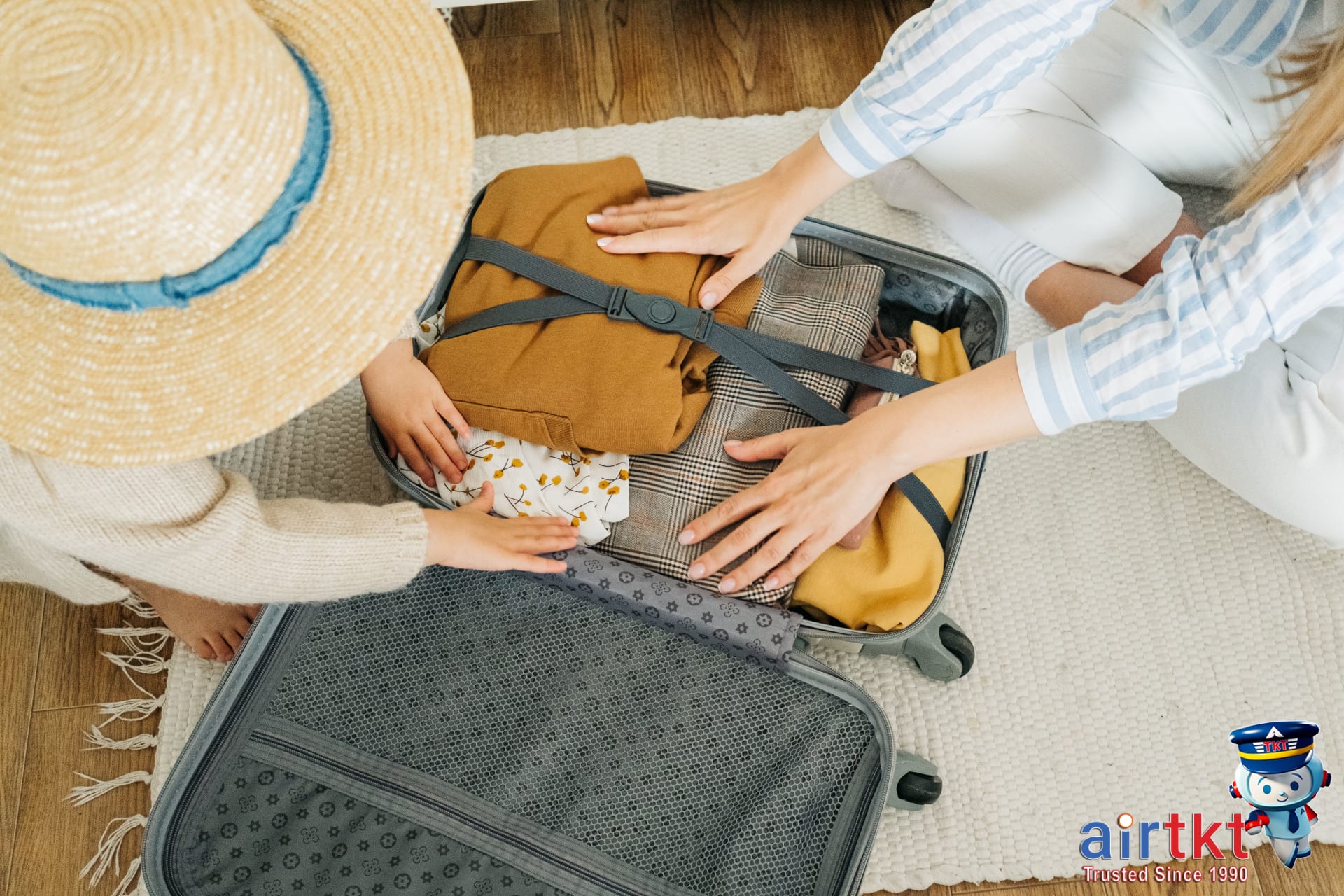
Packing for a family trip can feel like a logistical puzzle, especially when kids are involved. Essentials for children—snacks, comfort items, extra outfits, and all the “just in case” supplies—quickly add up, turning what seems like a small outing into a major organizational challenge. When I travel with my kids, I always face the challenge of balancing enough supplies without overpacking (and risking a mountain of bags to lug through airports).
Unlike solo travel, family trips require tailoring your packing list for very different needs: infants, toddlers, and older children all have unique must-haves. Forgetting even one key item—like a favorite stuffed animal or an extra pair of shoes—can turn an adventure into unnecessary stress. That’s why preparing well in advance and relying on a practical checklist can make a noticeable difference.
If you’re looking for broader family trip advice, I’d suggest checking out our complete family travel planning guide later in the article. In the meantime, let’s break down the step-by-step approach to a smarter, stress-reducing kids travel checklist.
Essential Clothing to Pack for Kids

Packing clothes for kids is one of those travel tasks that look simple — until you factor in unpredictable weather and a limited suitcase. From my own experience, I’ve learned to pack versatile clothing that works for multiple weather scenarios, especially when our destination might be cool in the mornings and warm by lunchtime.
Layering is your friend when it comes to variable climates. I usually start with moisture-wicking basics like T-shirts and leggings, then add a thin long-sleeve shirt or fleece, which easily fits under a lightweight jacket. This way, you can peel clothes off or pile them on as the day changes, and kids stay comfortable throughout the trip. Don’t forget a packable rain jacket or windbreaker, since weather can surprise you wherever you go.
When picking outfits, I look for comfort and versatility. Soft, stretchy materials, elastic waistbands, and pieces that mix and match are my go-to options. Neutral colors and simple patterns also help keep things looking tidy (or at least coordinated) in family photos. Shoes should be easy to slip on or off and suitable for both walking and play. I also recommend packing a sunhat or warm beanie, depending on your destination.
Staying organized makes a huge difference, especially when sharing luggage. Packing each child’s clothes in a large zip-lock bag is my biggest hack — it keeps outfits together, protects clean clothes from spills, and is a lifesaver for those rushed mornings. This method helps kids quickly find their clothes, even if everyone is rummaging for socks at once. If you’re looking for more family travel gear ideas and clever clothing hacks, check out our detailed guide on family packing strategies for kids.
Packing Kids’ Entertainment Essentials
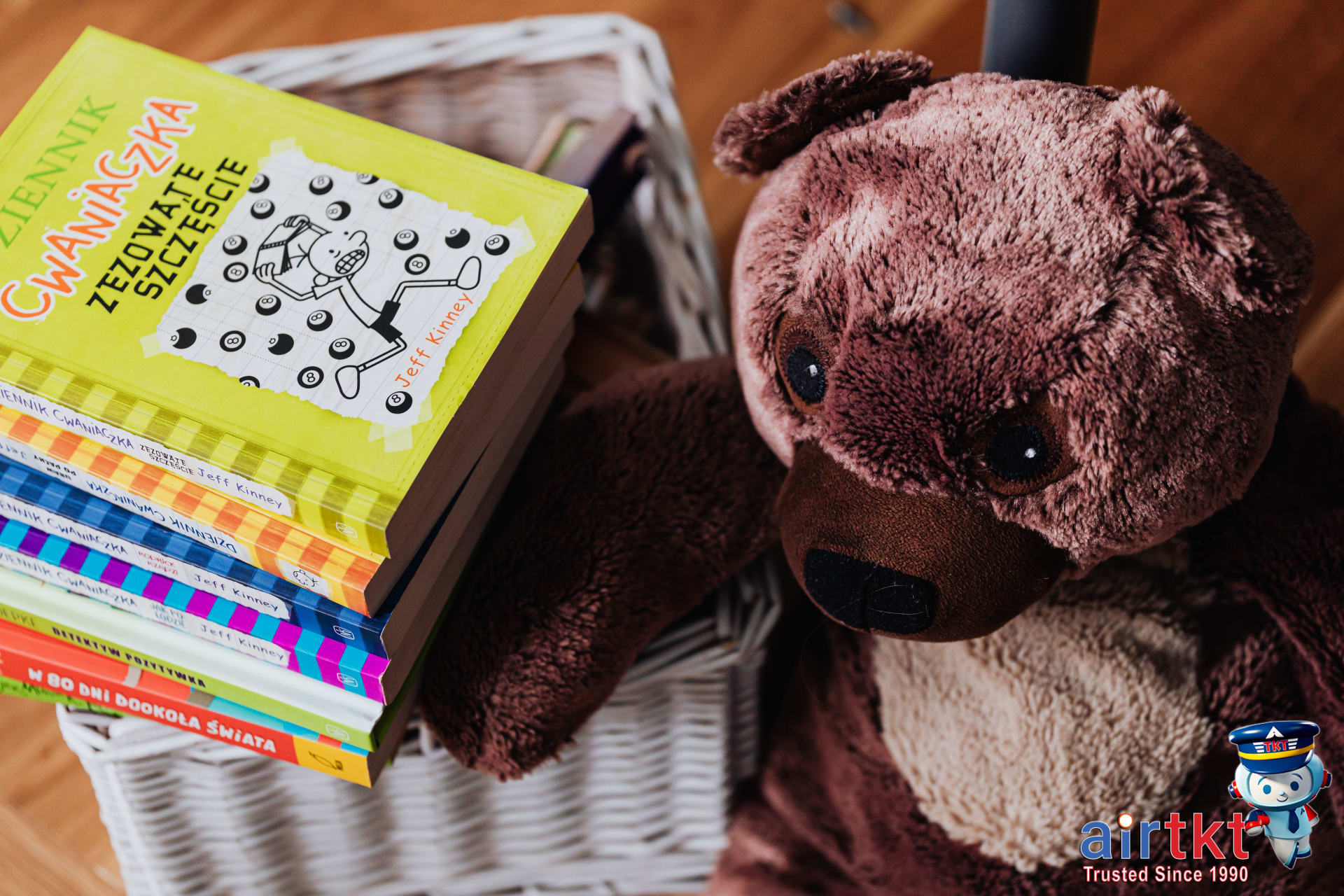
Keeping children entertained while traveling is all about balance and convenience. I always bring a mix of screen-free and electronic entertainment to keep my kids happy. Lightweight toys, like magnetic puzzles or travel-sized board games, fit easily into a backpack and can spark creativity. Coloring books and a small pack of crayons or markers are go-to items for mess-free, quiet fun during flights or car rides.
Tablets loaded with pre-downloaded movies, audiobooks, and educational games are a lifesaver when travel stretches get long. Since relying on airplane or airport Wi-Fi can be unpredictable, I prep content before leaving home. Good-quality, comfortable headphones make a big difference—I recommend choosing volume-limiting ones designed for children’s ears. Switching between screen-free activities and digital options helps prevent meltdowns and keeps kids’ attention fresh throughout the journey.
If you want more ways to keep the whole family entertained on the road, check out our guide to travel activities for families for additional ideas.
Feeding and Snacks for Family Travel

Packing the right snacks can turn a long journey into a much smoother ride for both parents and kids. I find that having familiar snacks on hand makes a huge difference in kids’ moods during travel. Not only do these beloved snacks help keep kids comfortable, but they also reduce the chances of meltdowns brought on by hunger or foods they don’t recognize.
Choose options that are easy for little hands to manage and won’t make a mess in your carry-on—think apple slices, whole-grain crackers, or squeezable fruit pouches. Beyond snacks, it’s equally important to ensure your kids stay hydrated. I always pack a reusable water bottle for each child, as many airports and destinations have water stations you can use to fill up after security. This saves money and cuts down on waste. Plus, a familiar water bottle is more encouraging for children to actually drink throughout the day. If you’re hunting for more inspiration, check out this guide to healthy family travel snacks.
While it’s convenient to bring food from home, remember that airline policies on fresh foods or liquids can vary, especially for international routes. Non-liquid snacks usually pass security, but it’s smart to look up what’s allowed before you pack your bags or stock up at the airport.
Building a Child-Specific Travel Medical Kit
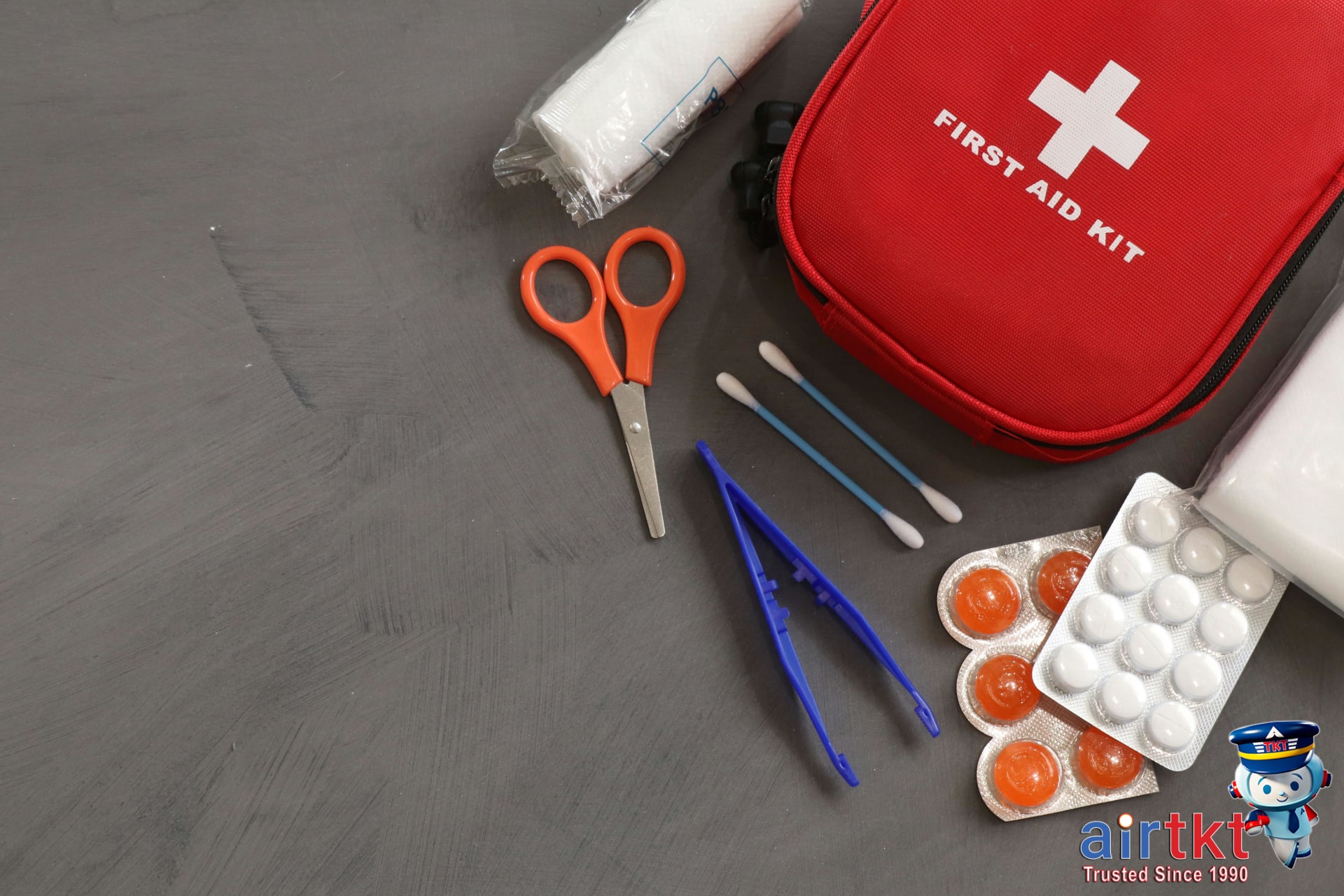
No matter your destination, packing a child-focused travel medical kit is one of the smartest safety steps for traveling families. Accidents and fevers can catch you off guard, especially with kids, and I always triple-check that our travel medical kit is stocked and accessible before departure. Here’s what I include to cover the typical scrapes, sniffles, and surprises that pop up far from home.
Essential Medical and Safety Items
- Assorted Band-Aids: I pack a mix of small and large-sized adhesive bandages since playgrounds and sidewalks abroad aren’t always forgiving.
- Child-Safe Fever Reducers: Liquid or chewable acetaminophen or ibuprofen is easier for little ones to take when they need fever or pain relief.
- Allergy Medicine: A child-appropriate antihistamine is helpful for unexpected bites, stings, or food reactions.
- Digital Thermometer: Knowing if your child actually has a fever is critical—you don’t want to guess in a foreign country.
- Hydration Packets: Oral rehydration salts or electrolyte tabs can help manage minor dehydration.
- Antiseptic Wipes and Ointment: Cleaning cuts quickly reduces infection risk.
- Sunscreen and Insect Repellent: Look for child-safe formulas and pack enough for the trip.
On top of the basics, I never leave without copies of our children’s prescriptions, as well as a card listing local emergency contacts and relevant medical information. Having these at hand, tucked safely in your kit, can speed up care if you’re dealing with a language barrier or urgent situation. I find that a little over-preparation when assembling a travel medical kit always pays off in peace of mind, whatever your itinerary has in store.
Choosing Right Luggage and Bags

When it comes to family travel, selecting lightweight, organized luggage helps me stay efficient with kids on the move. In my experience, the kind of bags you choose can make or break your airport transitions, especially with young children in tow.
For the main family bag, a medium-sized wheeled suitcase is my go-to—it’s easier to navigate airports, and rolling luggage lets you handle one-handed pulls while keeping a free hand for little ones. If your kids are old enough, a kid-sized backpack works well for snacks, entertainment, and a spare outfit. These backpacks foster a sense of responsibility and lighten your own packing load.
For families traveling with toddlers, a diaper bag that doubles as a backpack is a must. Look for a design with multiple compartments so you can quickly grab wipes, bottles, or a favorite stuffed animal. The goal is to distribute essentials smartly between adult carry-ons and kids’ bags, making everything accessible without overloading anyone.
We’d treat efficient packing organization as a checkpoint, not just a last-minute detail. Packing cubes, zip pouches, and outside-access pockets help keep everything sorted—no more digging for airport snacks at the bottom of an overstuffed duffel. If you want more in-depth advice, I’d recommend checking out our luggage guide for travelers for real-world tips on bag options and packing strategies.
Organizing Documents and Travel Extras

Traveling with kids means juggling quite a few important documents and little extras—passports, boarding passes, health cards, and even those beloved travel journals. To avoid frantic searches at the airport, I keep all essential documents in one easy-to-access place to reduce stress. A dedicated travel folder with zipper pockets or a specialized travel app helps corral everything: tickets, ID, and confirmation emails stay together, and I always make sure these are within reach in my carry-on.
If you’re more digital, travel apps can centralize all your PDFs and scans, making them even easier to pull up at security or the gate. However, having a physical backup—like printed copies—is smart, especially with kids in tow. Don’t forget to stash extras like pens, a few kids’ activity sheets, or a favorite small game alongside the documents, since having them ready seems to smooth every transition.
Keeping things organized up front means you spend less time hunting for essentials and more time focused on your family’s journey. If you want more detailed advice, check out our travel planning article that covers document preparation tips for families.
Travel Budget Checklist for Families
Planning a family trip means balancing comfort, fun, and practicality—without letting expenses get out of hand. I always factor in a buffer for surprise expenses when budgeting for family trips, since kids and travel go hand in hand with the unexpected. Here’s a structured budget table that breaks down common costs across three typical spending levels. Use this as a starting point to calculate how much your family will actually need, and don’t forget to leave room for surprises like extra snacks, last-minute activities, or that must-have souvenir at the airport gift shop.
| Budget | Mid-range | Luxury | |
|---|---|---|---|
| Accommodation | $70.00 | $160.00 | $350.00 |
| Food | $40.00 | $100.00 | $220.00 |
| Transport | $25.00 | $70.00 | $180.00 |
| Activities | $25.00 | $80.00 | $200.00 |
Building Flexibility Into Your Budget
Give yourself permission to add at least 10–15% above your core costs for “just in case” moments. That might mean allocating another $50.00 or so per travel day for a family of four, depending on your plans. In my experience, this habit has saved us more than once from stressing about unexpected taxi fares or a dinner splurge when the original plan needed to change. I recommend reviewing your numbers against your actual spending patterns from past trips—especially for food and activities, since those numbers can jump quickly with kids in tow.
If you want more specific guidance, you can check out our detailed article on family travel budgeting strategies for deeper tips and real-world examples tailored to different travel styles.
FAQs About Kids Travel Packing Checklist
- What should go in a kids travel packing checklist?
A solid kids travel packing checklist should cover weather-appropriate clothes, plenty of underwear, comfy shoes, basic toiletries, medications, snacks, entertainment, and one comfort item. I usually double-check for forgotten small things like chargers or favorite stuffed animals—they tend to get missed during the rush.
- How can I keep my child’s suitcase organized?
Packing cubes or Ziplock bags help separate clean clothes, dirty laundry, and small essentials. I find labeling each bag really helps kids (and parents) find what they need faster, especially when you’re unpacking after a long travel day or hunting for pajamas at bedtime.
- What are the most commonly forgotten packing items for kids?
Many families overlook sunscreen, a hat, or enough socks for the trip—I’ve definitely made that mistake myself. A quick run-through of your destination’s activities and weather before closing the suitcase helps jog your memory for these easy-to-miss items.
- How do I decide what toys or games to pack for my child?
Choose compact, quiet toys that can entertain your child in transit and at your destination. Coloring books, small puzzles, and an e-reader or tablet loaded with content are practical. Avoid anything with lots of small pieces or noise—they’re challenging on planes or in hotel rooms.
- How can I keep my kids’ travel essentials easily accessible during the journey?
Keep snacks, wipes, meds, and a spare set of clothes in a parent’s carry-on or easy-to-reach backpack pocket. That way, you’re not digging through luggage at the worst moment. I recommend rehearsing the packing order before your first trip to see if you need to adjust for convenience.
- Why use a kids travel packing checklist for every trip?
Even experienced travelers forget critical items when routines change or you’re dealing with multiple bags. Relying on a checklist, especially one tailored for family travel, reduces that mental load and lets you delegate packing steps to older kids with more confidence and predictability.
- Can I customize a kids travel packing checklist for longer trips?
Absolutely, and you should! For longer vacations, plan for laundry opportunities and adjust clothing quantities. Add extra entertainment, travel-sized detergents, and maybe duplicates of important medications. For more details, check out our in-depth family travel packing article for a printable template and additional tips.
Packing Success Tips for Stress-Free Trips
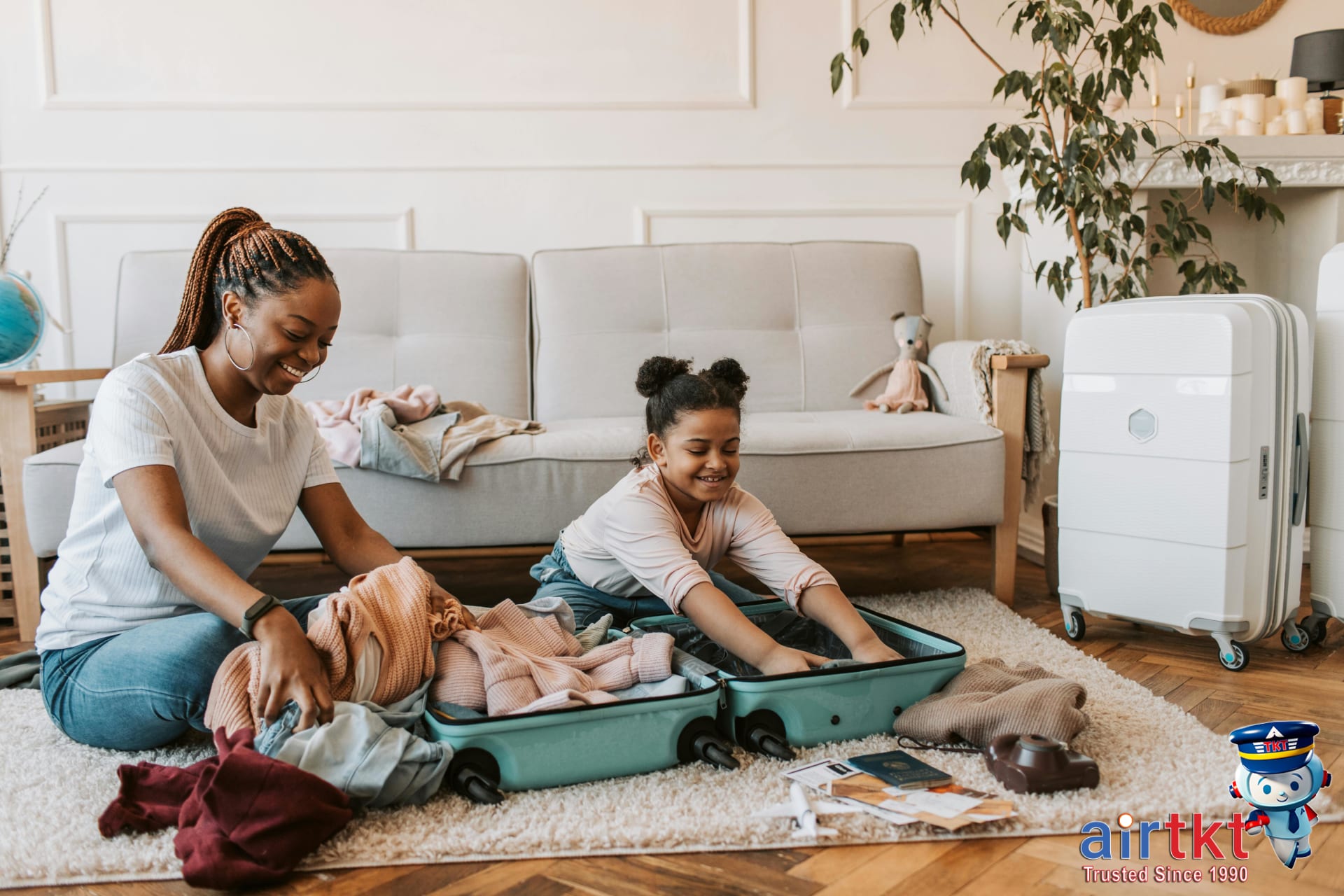
Packing for a family trip can feel like wrangling chaos, but the right strategy really does make all the difference. To recap: I’ve found that using a thorough checklist, organizing by category, and packing several days ahead all lead to less stress. Double-checking your family’s essentials—think snacks, favorite comfort items, and travel documents—pays off at the airport and keeps meltdowns to a minimum.
Packing with kids can be manageable with the right checklist and planning. I always recommend reviewing your checklist at least two days before you leave, so you have time to track down forgotten items or deal with laundry. That final review catches those last-minute “oops, we almost forgot the charger” moments.
If you want even more guidance on organizing family trips or tips for handling unexpected travel hiccups, you’ll find lots of practical advice in our comprehensive family travel planning guide. And if you’re booking flights or hotels, I find it helpful to use airtkt.com for comparing options and coordinating trip logistics.