
Honolulu’s Unforgettable Beaches and Culture
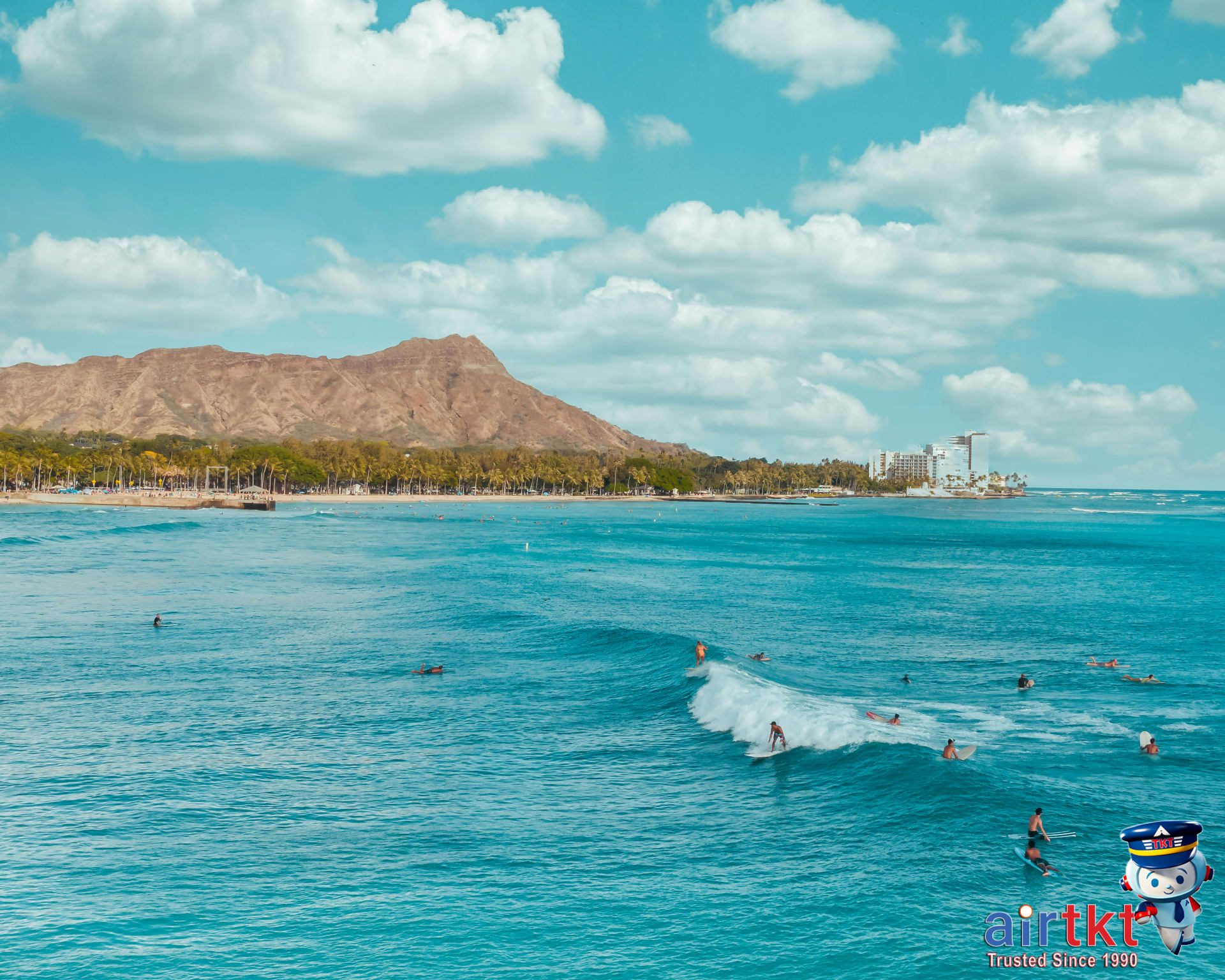
Honolulu draws travelers in as Oahu’s dynamic capital, where modern city energy meets captivating natural backdrops. The city’s heart beats along Waikiki Beach—known worldwide for its golden sands and energetic surf scene. Wander a little inland and you’ll uncover the powerful history of Pearl Harbor, a place that truly brings the past to life, whether you’re a history buff or just curious about Hawaii’s pivotal moments.
One of the city’s most delicious traditions is its famed plate lunch, blending flavors from Hawaiian, Japanese, Filipino, and Portuguese cultures. There’s something genuinely exciting about sitting at a casual lunch spot with a heaping plate of loco moco or kalua pork, feeling the city’s multicultural spirit in every bite. I always look forward to discovering new flavors and learning how Honolulu celebrates its past and present—there’s honestly nowhere else quite like it.
From leisurely afternoons in Waikiki to poignant walks through history at Pearl Harbor, Honolulu offers an incredible range of experiences, all enhanced by its unique local culture and friendly, welcoming vibe. If you’re dreaming about your next trip, I recommend starting with a look at the Oahu flight options on airtkt.com—it’s an excellent way to jumpstart your Hawaii adventure.
Top Activities At Waikiki Beach
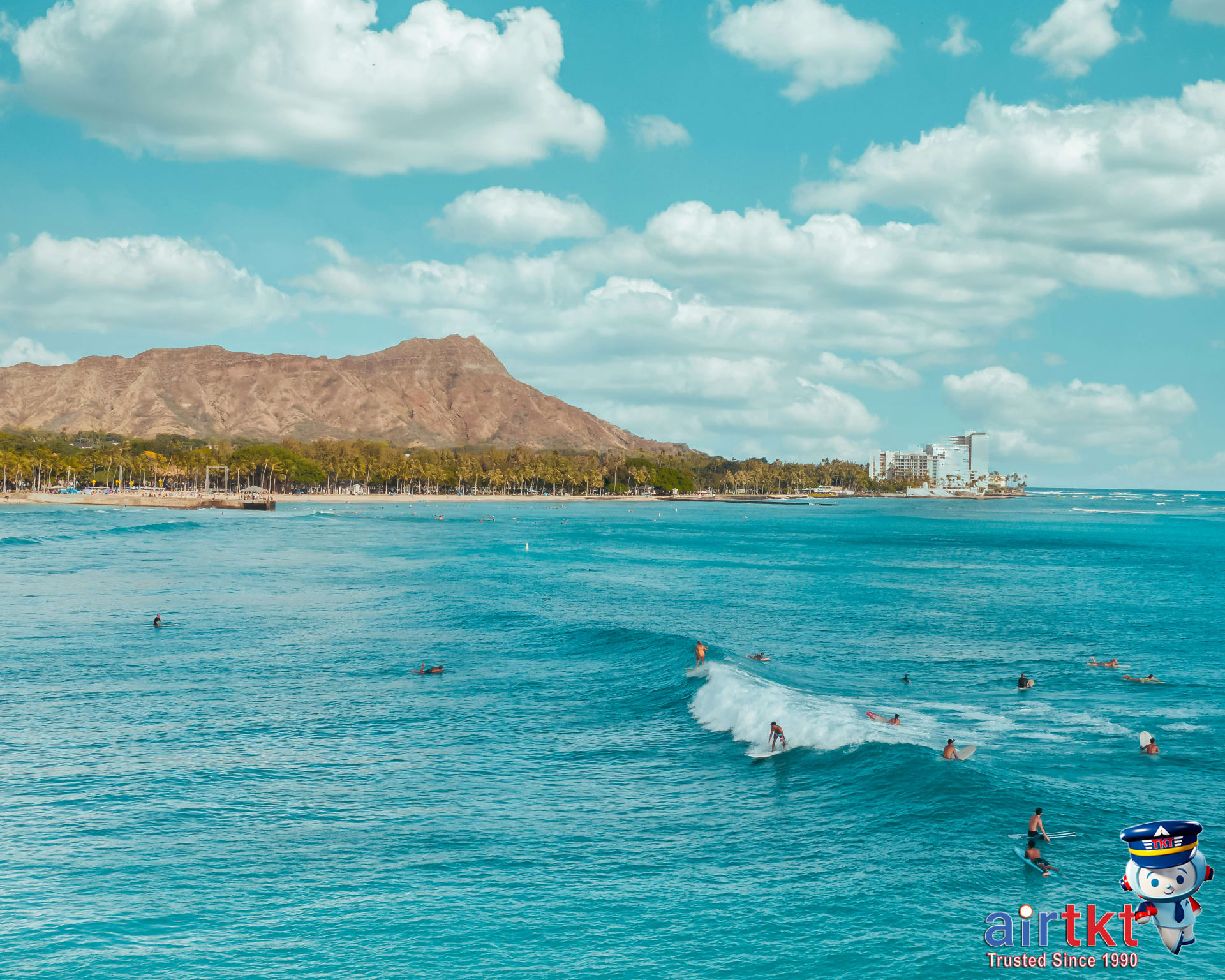
Waikiki Beach never runs out of things to do, and it starts right at the shoreline. Whether you’re a seasoned surfer or just curious to try, local instructors offer lively lessons where you can catch that first gentle wave with the iconic Diamond Head looming in the background. The soft sand is ideal for classic sunbathing—just don’t forget sunscreen, as the midday rays can be surprisingly strong. I’ll never forget the buzz of early morning surfers and paddleboarders slicing through the glassy water, fueling the infectious energy that makes Waikiki so much fun.
If you need a break from the sand, Kalakaua Avenue—Waikiki’s main drag—has you covered. Stroll its sun-drenched sidewalks and you’ll find everything from familiar international brands to quirky local boutiques. I recommend ducking into shaded cafés for poke bowls or lingering over outdoor dinners as the street lights come on. For shoppers, this is the spot to pick up everything from surf gear to souvenirs.
Waikiki is famous for its lively atmosphere, but sometimes you just want a quieter spot to relax. If you walk toward the ends of the main beach, especially closer to Kapiolani Park or the Ewa side near Duke Kahanamoku Lagoon, you’ll notice fewer crowds and a more mellow vibe. In my experience, these edges of Waikiki offer just enough retreat to recharge before jumping back into the action.
For visitors who want to stay close to all the excitement but value extra comfort and convenience, check out airtkt.com’s Hawaii hotel deals page to find accommodations right in the heart of Waikiki.
Explore Pearl Harbor’s Memorials And Museums
Pearl Harbor stands out in American history, not just as a place but as a living memorial. When I planned my visit, I felt a mix of quiet anticipation and respect knowing I’d be walking the grounds where history changed forever. Whether you’re a history buff or just curious about the past, the site offers a moving experience—especially if you take the time to explore its museums and memorials.
Key Sites At Pearl Harbor
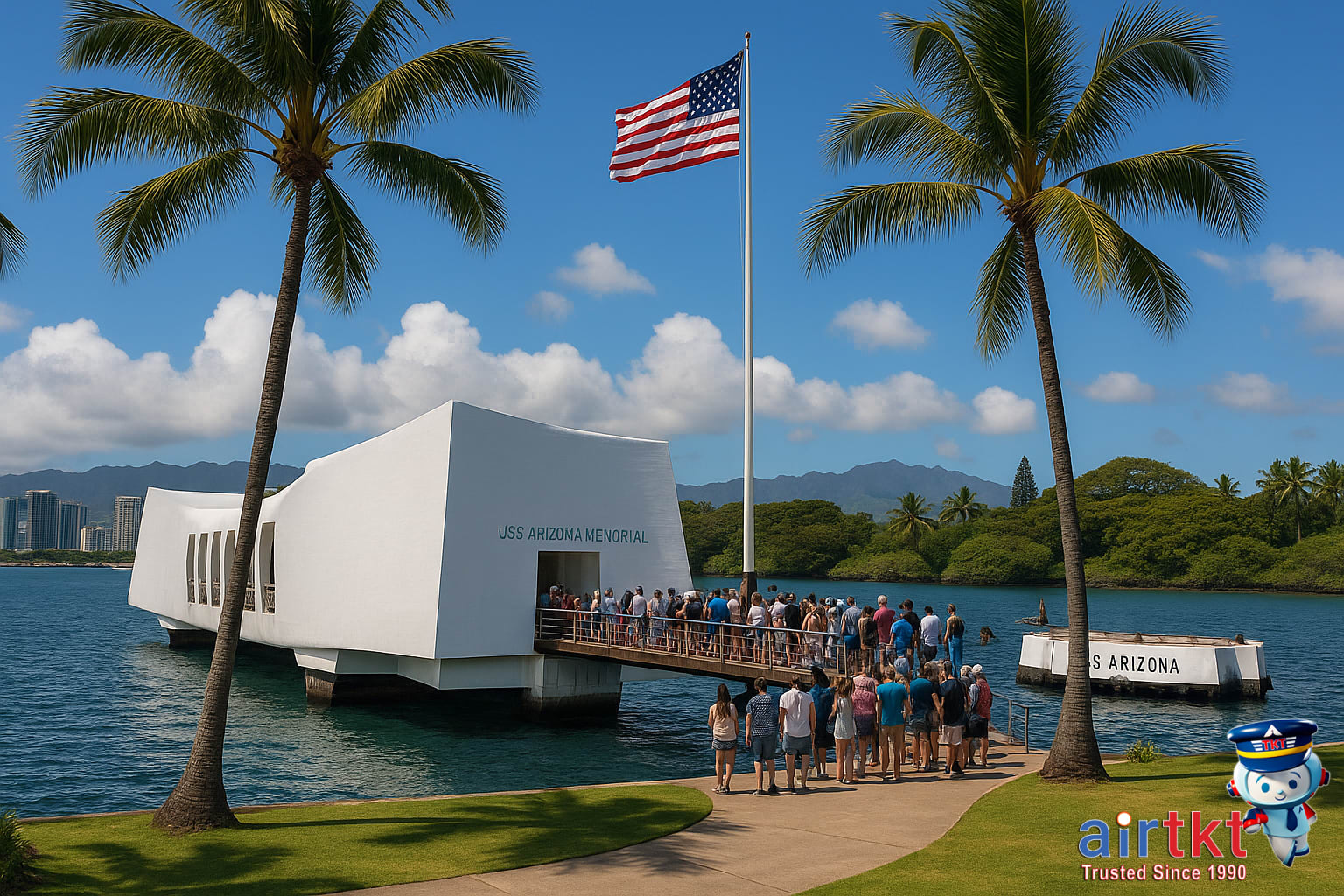
The most famous destination is the USS Arizona Memorial, which straddles the sunken battleship and honors the lives lost during the 1941 attack. Even before stepping onto the ferry out to the memorial, I could sense a solemn shift in mood among visitors—everyone seemed aware they were entering a deeply significant place. Along with the Arizona, the Pearl Harbor Visitor Center introduces you to several smaller exhibits that set the tone: personal stories, photographs, and artifacts help piece together the human story behind the headlines.
After the Arizona, consider the nearby museums: The Battleship Missouri Memorial lets you walk on the deck where World War II ended, while the USS Bowfin Submarine Museum provides a close look at undersea warfare. The Pacific Aviation Museum, housed in original World War II hangars, rounds out the experience by highlighting aircraft and the pilots who flew them. Each stop adds a different angle on the events and aftermath of December 7, 1941.
Practical Tips For Your Visit
Here’s something I learned the hard way: the USS Arizona Memorial and other top attractions are extremely popular, especially during peak travel months. Timed entry tickets for the Arizona often “sell out” well before the day of your visit. Booking your tickets online in advance isn’t just a convenience—it’s often the only way to secure a spot and avoid long standby waits at the harbor.
After you’ve explored Pearl Harbor, you might want to visit other important sites around Hawaii. For more ideas, check out this airtkt.com article on historical sites across the islands.
Experiencing Local Plate Lunch Culture
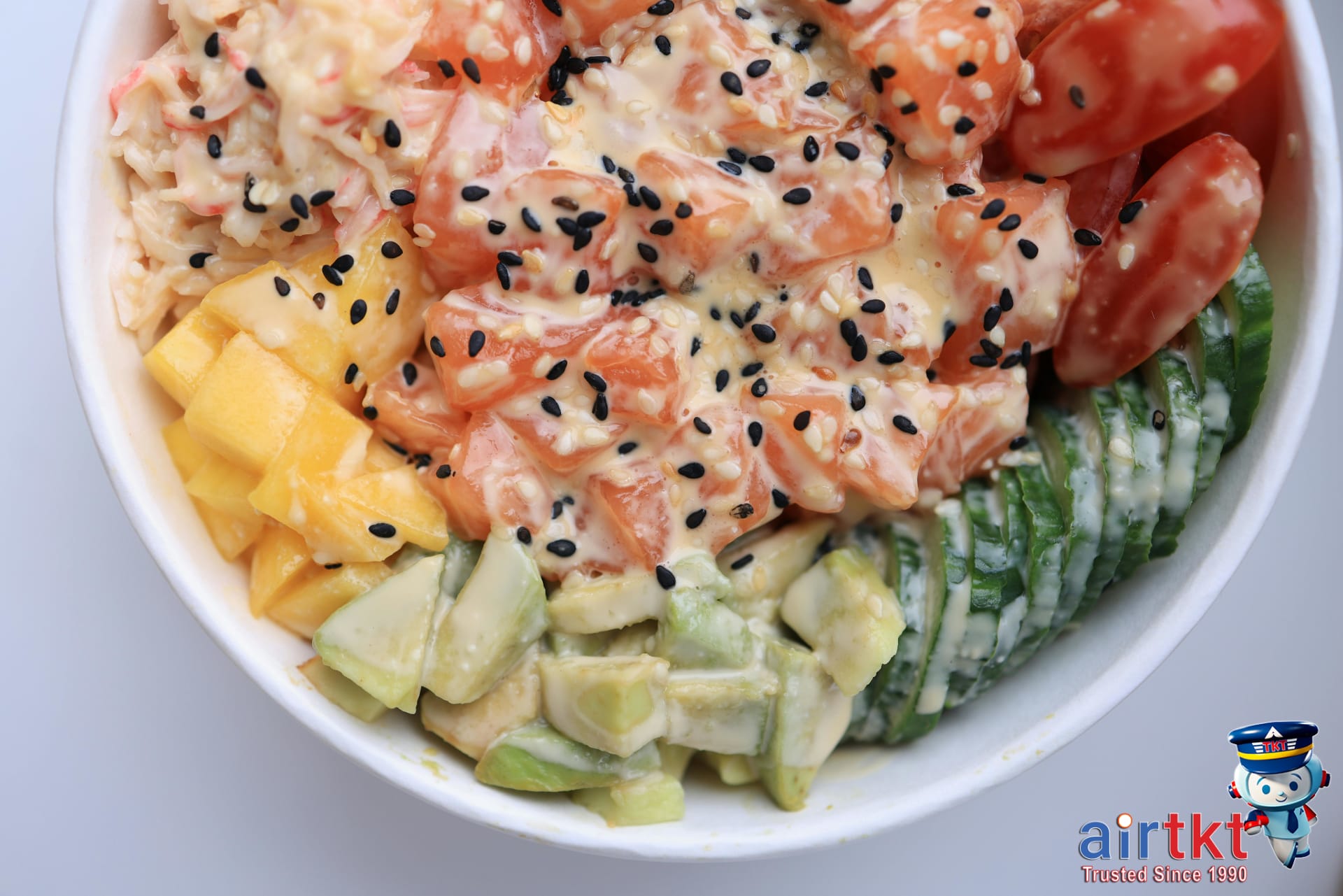
Hawaiian plate lunch is one of those local traditions that you quickly realize is at the heart of everyday cuisine in the islands. This meal isn’t just fuel—it’s comforting, unpretentious, and deliciously diverse. Plate lunches typically feature a scoop of rice, a hearty protein, and creamy macaroni salad, blending flavors from Japanese, Filipino, Hawaiian, and American influences on a single plate. You’ll spot classics everywhere, from cafeteria counters to curbside food trucks.
Among the all-time favorites, loco moco stands out: a savory concoction of rice topped with a hamburger patty, fried egg, and rich brown gravy. It’s the kind of dish that hits the spot whether you’re finishing a beach day or starting a morning hike. On the sweeter side, don’t miss malasadas—pillowy Portuguese doughnuts dusted in sugar, often enjoyed as a post-plate lunch treat.
Finding an authentic plate lunch spot is half the fun. In Honolulu, you’ll see lines for decades-old lunch counters like Rainbow Drive-In, but some of my most memorable meals have come from humble food trucks parked just off the highway. My go-to plate lunch was a hearty loco moco from a roadside truck that felt like a true Hawaiian treat—the kind of meal that sticks with you, both for its taste and the welcoming, casual vibe.
If you’re exploring beyond Oʻahu, look for family-run spots in Maui’s Upcountry or Kauai’s smaller towns, where the menu might include local favorites like laulau (steamed pork or fish wrapped in taro leaves) and kalbi ribs. These eateries keep the tradition alive and often serve up the freshest, most affordable food you’ll find. For a curated look at island flavors, check out airtkt.com’s Hawaiian cuisine travel guides before you go.
Budget Travel Tips For Honolulu
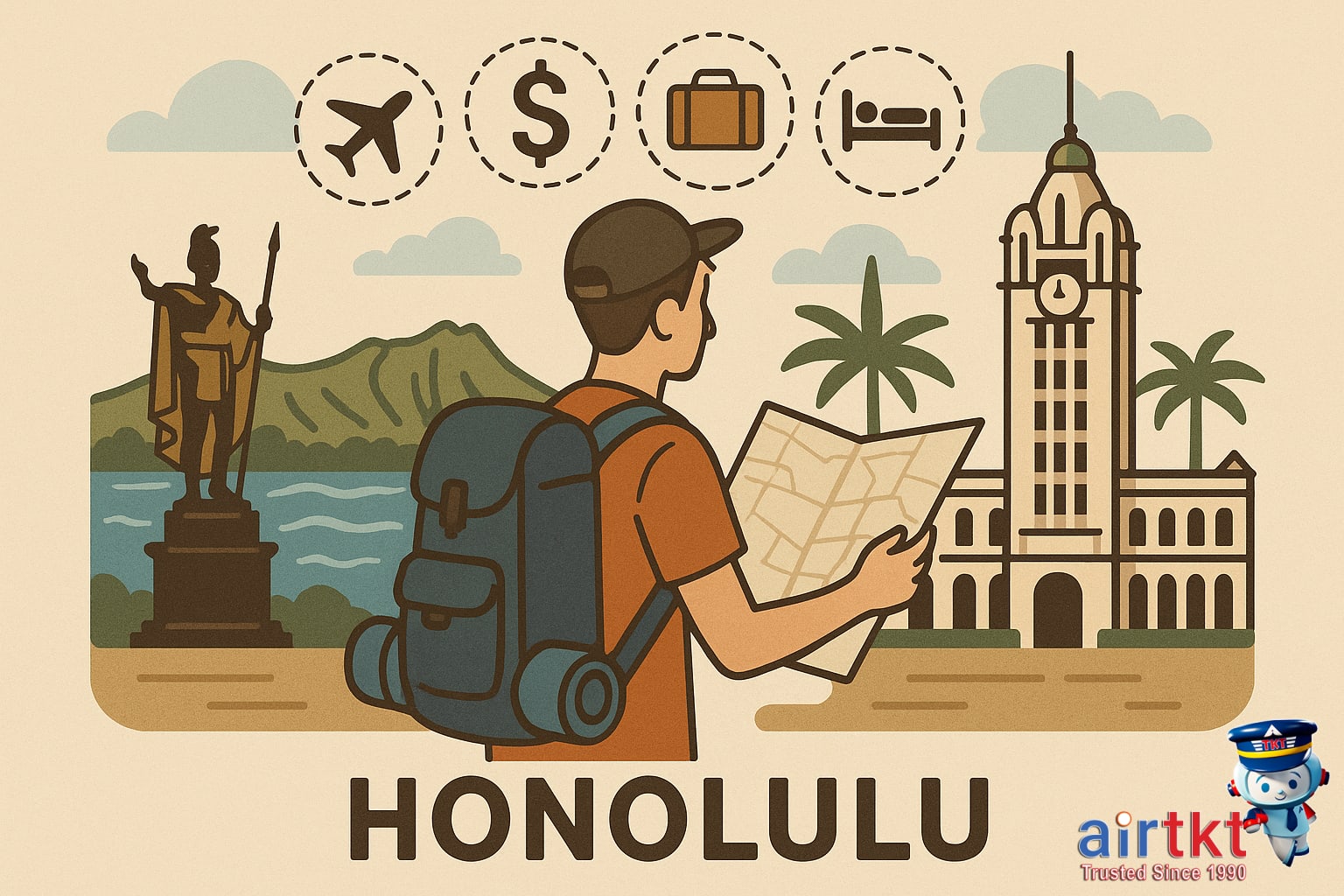
Honolulu can absolutely be enjoyed on a budget if you know where to look and how to plan. One of the biggest cost-savers I’ve learned is to secure my flight well in advance—booking months ahead with airtkt.com once saved me about $150.00, which I ended up spending on extra local food and island activities instead.
For accommodation, don’t feel limited to pricey resorts; seek out hostels, guesthouses, or lower-cost hotels, especially in neighborhoods slightly outside of Waikiki. Places with shared amenities or weekly rates can keep nightly costs around $60.00. I’d compare both private hostel rooms and local budget hotels before booking, since prices and vibes can be surprisingly different.
Eating out gets expensive fast, but you’ll find that food trucks, corner plate-lunch spots, and Honolulu’s farmers’ markets offer authentic meals for around $10.00 a plate. My go-to move for saving on food is loading up at a market in the morning—fresh-cut fruit and local snacks make a full lunch for much less than a sit-down café.
For getting around, Honolulu’s public TheBus system is a highly affordable option. A bus ride usually costs about $3.00 and connects all the major tourist sites, beaches, and even the airport. I recommend downloading the transit app beforehand for smoother transfers, so you never need to rely on expensive taxis or rideshares.
There’s no shortage of affordable (or free) things to do: strolling Waikiki Beach at sunrise, hiking the Diamond Head trail for panoramic city views, wandering the Honolulu Museum of Art on a free admission day, and joining complimentary hula shows or cultural events at local parks. Honestly, some of my best Honolulu memories were made during these spontaneous, low-cost outings.
Top Outdoor Adventures Near Honolulu
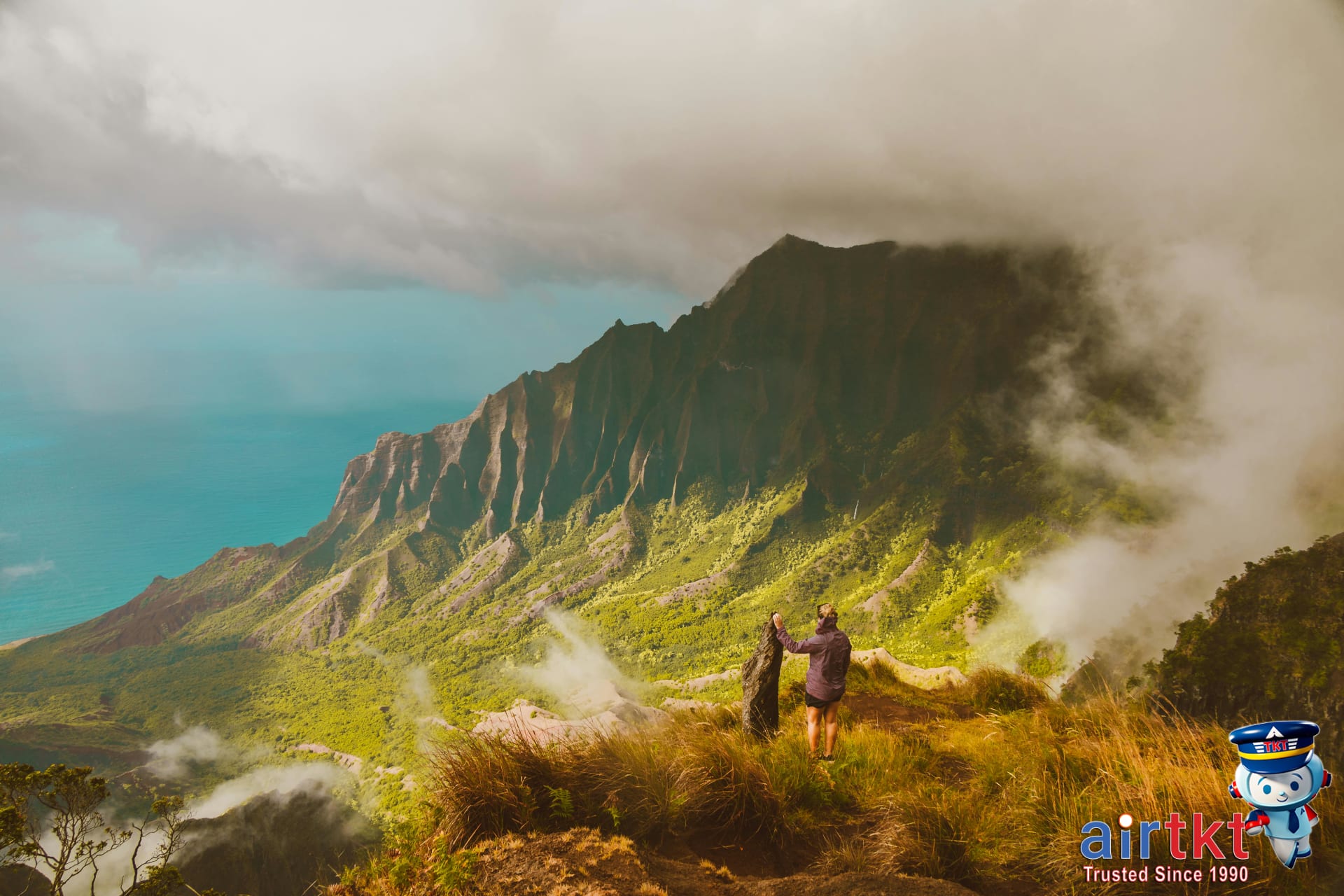
Honolulu isn’t just about city life—some of the island’s most memorable experiences start outdoors. Iconic hikes like Diamond Head offer sweeping views of Waikiki and the Pacific from the edge of an ancient crater. I still remember climbing Diamond Head at dawn; watching the city awaken beneath those orange skies was both peaceful and genuinely thrilling. The path is manageable for most travelers and, once you reach the top, the panoramic rewards make every step worthwhile.
If you’re after a gentler scenic walk, I’d point you toward the Makapu’u Point Lighthouse Trail. The paved trail winds above dramatic cliffs, revealing ocean vistas and the chance in winter and early spring to spot whales breaching. It’s also a favorite for sunrise. In my experience, the gentle ocean breeze here makes it surprisingly relaxing, even on warmer days.
Beyond the trails, Honolulu is just minutes from stellar beach escapes. Hanauma Bay is a well-known spot to snorkel among colorful reef fish and turtles, while quieter stretches like Lanikai Beach offer soft sands for relaxing after an active morning. If you’re new to snorkeling, most local shops rent gear right at the beach.
Whether you crave adrenaline or a slow sunrise stroll, Honolulu’s outdoor playground doesn’t disappoint. For more ideas on adventure, you can browse the outdoor activities section in the airtkt.com guides—they’re packed with practical tips I often turn to myself.
Navigating Honolulu Without a Car
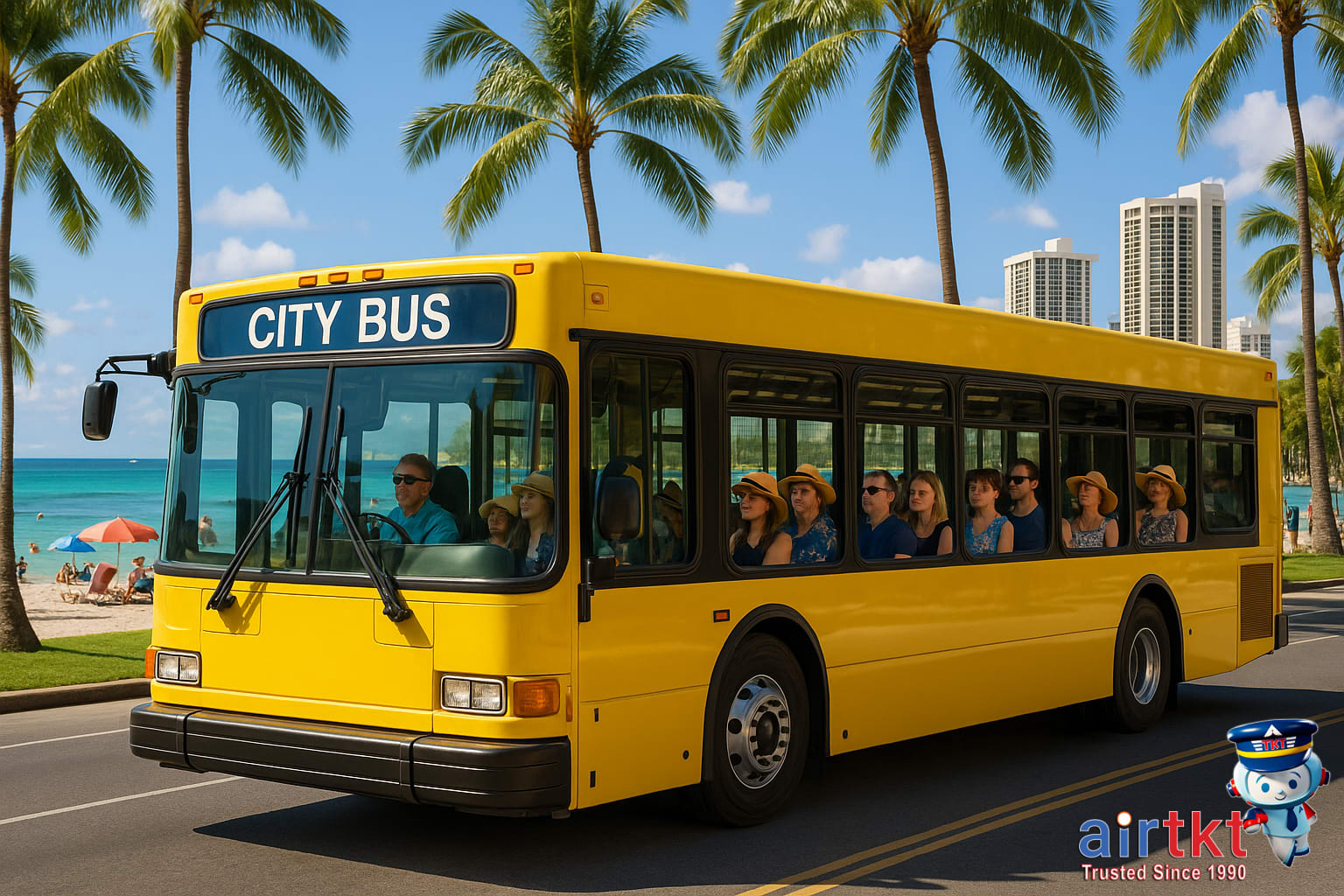
Visitors arriving in Honolulu will notice the island is geared to travelers who favor a range of transport options. The city’s public bus network, called TheBus, is a reliable mainstay for getting around both central Honolulu and greater Oahu. Routes run frequently and cover most major sights, including the airport, Waikiki Beach, the shopping districts, and even out toward the North Shore. It really stands out because you can pay a single, affordable fare—about $3.00—and ride all day using a convenient HOLO card.
On past visits, riding TheBus helped me explore the city’s museums and beaches without breaking my travel budget. It does require a bit of patience during rush hour, but stops are well-marked and routes are easy to understand for newcomers. If your plans include day trips or traveling outside Honolulu’s urban core, you might consider renting a car for extra freedom. For this, I recommend starting with airtkt.com since their car rental search includes a mix of well-known agencies and discounts you sometimes won’t find elsewhere. Keep in mind that parking fees and traffic can add up quickly in Honolulu’s busiest areas.
Biking is another solid option, especially with Honolulu’s Biki bike-share program set up across the city, making it straightforward to rent bikes by the hour. I’ve biked between Ala Moana and Waikiki and found the pace ideal for soaking up ocean views. As for getting around on foot, key neighborhoods like Waikiki, Kaka‘ako, and Downtown are pleasantly walkable—often with shaded sidewalks and frequent pedestrian crossings.
Best Places For Souvenir Shopping
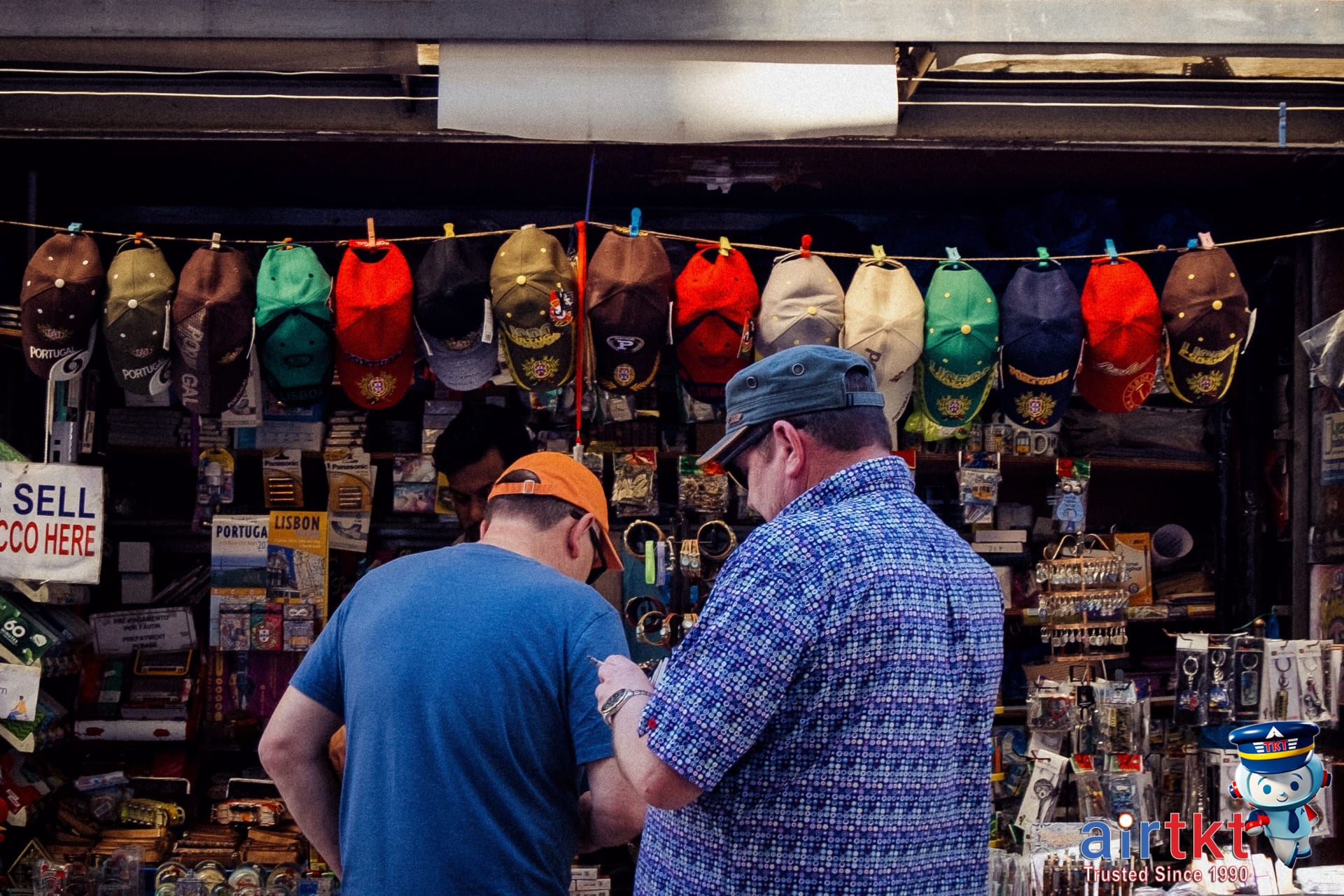
Honolulu is paradise not only when it comes to beaches, but also for unique shopping experiences. Venture beyond the usual tourist strip and you’ll find bustling markets and tucked-away shops specializing in Hawaiian crafts, tropical wear, and authentic keepsakes. The Aloha Stadium Swap Meet is a favorite spot for both locals and visitors—it’s where you can browse dozens of stalls for hand-carved tiki masks, shell jewelry, and colorful sarongs. Neighborhood markets like the KCC Farmers’ Market and the Chinatown Arts District are also packed with vendors offering everything from locally made soaps to hand-quilted Hawaiian blankets.
If you’re hoping to score true local finds, I always look for vendor signage that mentions “Made in Hawaii” and love asking sellers about the origin of their pieces. It’s also wise to check out special sales events or visit late in the day for possible discounts. For example, many Waikiki boutiques rotate end-of-season tropical shirts and dresses at surprising savings—you just have to be willing to dig a little. I treasure the hand-carved wooden bowl I picked up at Honolulu’s KCC market; it’s a daily reminder of the island’s artistry and spirit.
Apparel in Honolulu is a treat—expect to find bold Aloha shirts, breezy dresses, and even retro surfwear labels. Department stores like Ala Moana Center carry upscale local designers, while smaller souvenir shops offer more budget-friendly options. Bargaining isn’t as common as in other destinations, but at open-air markets and craft fairs, it never hurts to ask about a “local’s price”—especially if you’re buying several items.
For more on shopping spots and culinary finds, check out airtkt.com’s latest shopping and dining guides tailored for Honolulu.
Top Neighborhoods for Honolulu Stays
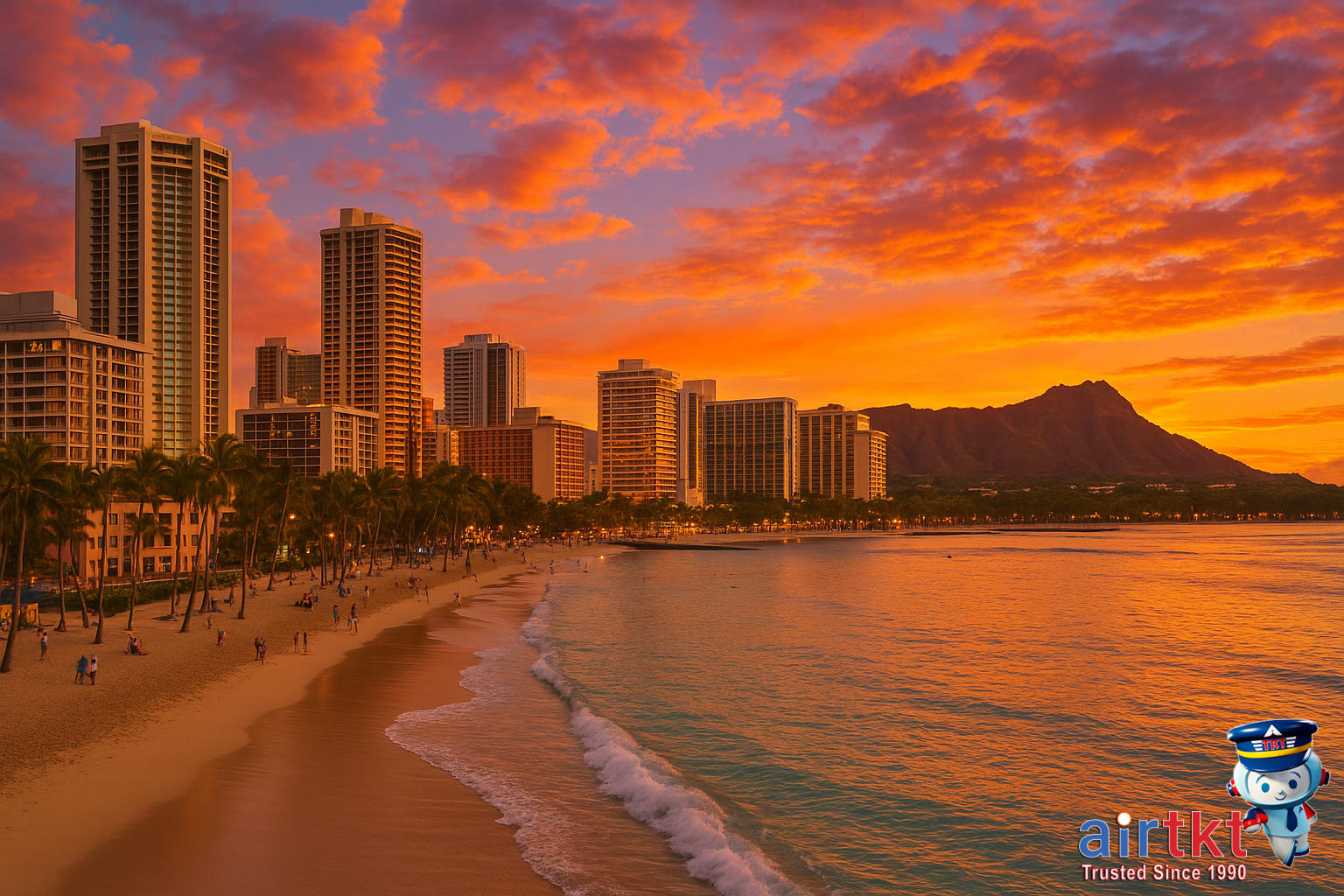
When deciding where to stay in Honolulu, your experience can shift a lot depending on the neighborhood. Waikiki is undoubtedly the most popular base, famous for its long stretch of sand, surf scene, and dazzling nightlife. If you like having everything at your fingertips—shopping, top restaurants, and easy beach access—Waikiki is hard to beat. I enjoyed staying near Waikiki Beach because it put me close to all the action without sacrificing comfort.
For travelers wanting less bustle, Downtown Honolulu offers a taste of local culture and history. This area is close to sites like Iolani Palace and Chinatown, with boutique hotels suited for those who plan to explore museums or sample authentic regional cuisine. Meanwhile, Ala Moana balances Waikiki’s excitement with a more local vibe. It’s centered around the Ala Moana Center—a massive mall with food, shopping, and easy bus connections. You’ll find a mix of mid-range hotels and vacation rentals in this convenient hub.
Accommodation Types Compared
Honolulu’s lodging options cater to all budgets and styles. Full-service hotels and luxury resorts line Waikiki, offering ocean views and on-site amenities. Budget travelers and backpackers gravitate toward hostels or basic hotels—often just a few blocks inland but still near the beach. Vacation rentals, like condos and apartments, are popular for families or groups needing kitchen space or more privacy. I’d compare both hotels and vacation rentals based on your group size or desire for amenities.
If you’re starting your trip planning, the airtkt.com hotel booking section is a handy place to compare options in all these neighborhoods side-by-side.
Nightlife and Evening Activities in Honolulu
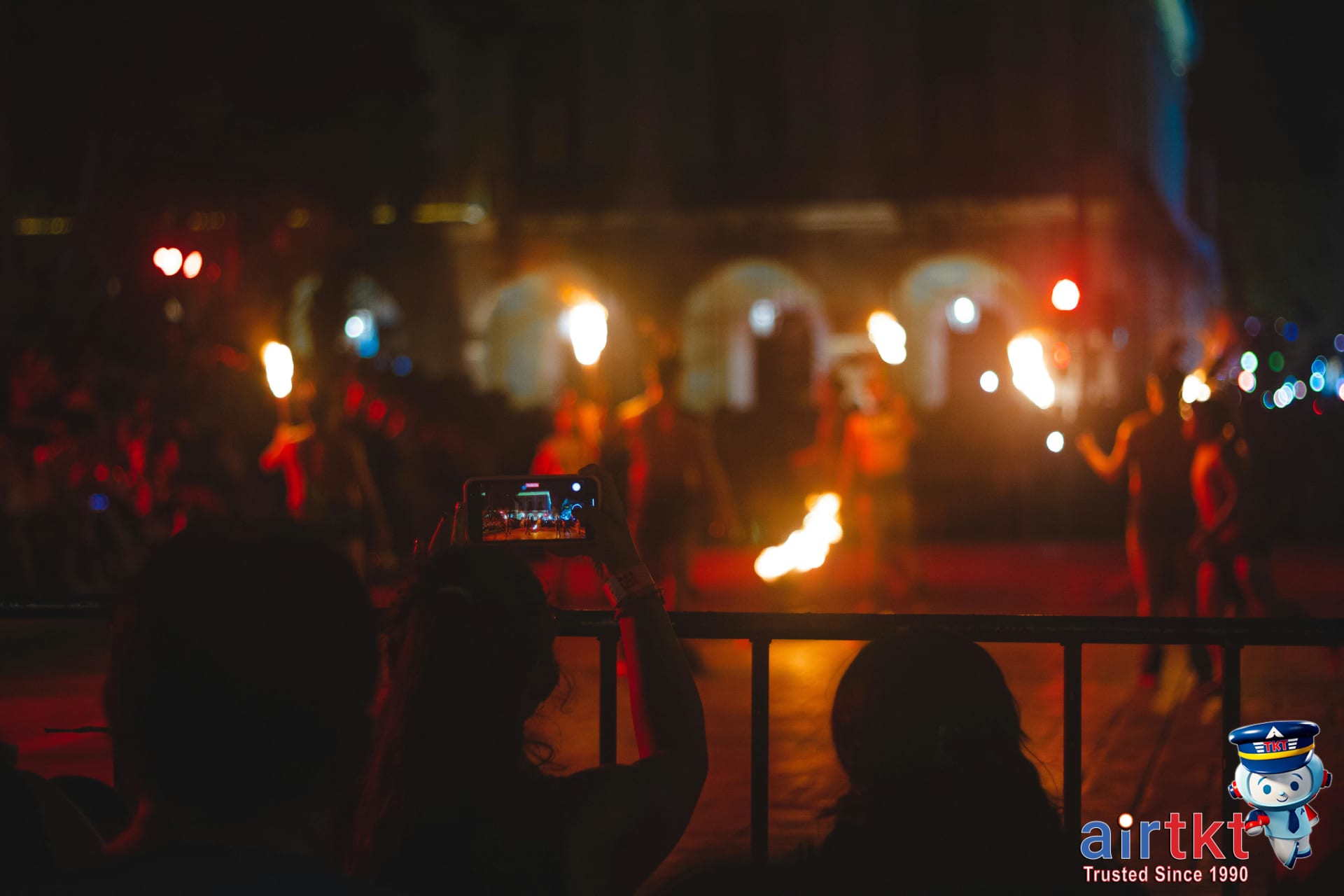
Honolulu’s nights come alive with an energy that’s distinct from its sun-soaked days. Whether you’re chasing a buzzing beach bar, a rooftop lounge with live DJs, or cultural performances that immerse you in Hawaiian tradition, the city offers something to suit every night owl. Waikiki is especially known for its sunset-facing cocktail spots and casual beachside pubs, as well as sleek lounges that feature everything from craft cocktails to local island brews. For live music fans, you’ll find reggae, Hawaiian, and contemporary bands energizing the city’s music venues deep into the evening.
If you want a taste of Hawaii’s soul after dark, attending a traditional luau or cultural show should top your list. These evenings feature fire dancers, hula performances, and authentic Hawaiian cuisine in open-air settings—often right by the shore. The luau I attended was honestly unforgettable: dining on smoked kalua pork and watching the hula dancers perform with torches beneath the stars was the kind of experience that really deepened my connection to the local culture.
For a full-city vibe after dark, Chinatown’s trendy cocktail bars and late-night eateries are always lively, and downtown jazz clubs keep things going late. I usually recommend checking out airtkt.com’s nightlife guides for thoughtful ideas on where to go, since there’s always something new on the scene.
Honolulu Travel Budget Breakdown Table
Getting a handle on real costs made a huge difference for me when I planned my first trip to Honolulu. Knowing what to expect helped me set priorities—so I could splurge on surf lessons without guessing if I was overspending on local food. Here’s a practical budget breakdown covering the essentials: accommodation, food, transport, and activities, separated by travel style. Use these dollar figures as a clear starting point (and adjust depending on your preferences).
| Budget | Mid-range | Luxury | |
|---|---|---|---|
| Accommodation Hostels or shared rooms; think basics over amenities. | $45.00 | $140.00 | $400.00 |
| Food Local plate lunches, food trucks, or basic cafes. | $22.00 | $50.00 | $110.00 |
| Transport Public bus fare or rideshares for most routes. | $6.00 | $30.00 | $85.00 |
| Activities Free hikes or beach days, organized excursions, or guided tours. | $12.00 | $40.00 | $170.00 |
Tracking what I actually spent day-to-day let me adjust my plans without stressing over the unexpected—I definitely recommend jotting things down as you go. If you need help booking flights or accommodations, airtkt.com offers an easy way to compare options, but your daily budget is just as important.
Honolulu Travel Guide FAQs
- When is the best time to visit Honolulu?
Honolulu’s weather is warm year-round, but I usually recommend visiting in April, May, September, or October. These months fall outside of peak tourist season, so you’ll generally find fewer crowds at Waikiki Beach and better hotel rates throughout the city. Summer and winter holidays see much heavier visitor traffic.
- How can I save on Honolulu travel?
To find lower airfares, book your flights in advance and consider using nearby airport searches for alternate routes. For accommodation, staying outside Waikiki or booking early often gets you better deals. Honolulu’s city buses are a budget-friendly alternative to car rentals or taxis for getting around.
- What are the must-see attractions in Honolulu?
Honolulu is home to Pearl Harbor, Diamond Head, Hanauma Bay, and the popular Waikiki Beach. Don’t miss the Bishop Museum if you want to learn about Hawaiian culture, or the Iolani Palace for local history. I’ve found these highlights consistently recommended on every Honolulu itinerary.
- Is Honolulu a good place for family travel?
Yes, Honolulu offers family-friendly beaches with gentle waves, such as Ala Moana Beach Park and parts of Waikiki. The Honolulu Zoo, Waikiki Aquarium, and several easy hiking trails also make it simple for families to find age-appropriate activities. Many resorts offer kids’ programs and oceanfront pools.
- What’s the best budget guide for Honolulu travel?
For affordable Honolulu travel, I suggest focusing on public beaches, free walking tours of historic districts, and casual meals at local plate lunch spots. Many attractions, like street festivals and cultural events, have no admission fee. Plan your larger expenses—like activities and tours—ahead to avoid surprise costs.
- How much should I budget each day in Honolulu?
Daily costs in Honolulu can vary, but a careful traveler might spend about $150.00 on a basic hotel, casual meals, a public transit pass, and a museum or attraction ticket. If you plan to dine out more often or book excursions, your daily total could rise to around $250.00.
- Are there Honolulu travel tips for solo travelers?
Honolulu is generally solo-traveler-friendly. Hostels and budget hotels are available, and joining group tours can be a good way to meet others. Walkable neighborhoods and accessible public transport also make it simple to see the sights independently. I’m often asked about solo safety—just follow usual urban precautions.
Final Thoughts on Visiting Honolulu
Honolulu is the kind of place where you can wander historic districts, swim at world-famous beaches, and still find plenty of affordable ways to enjoy the island. Even if you’re traveling on a tighter budget, there are experiences here—like hiking up Diamond Head, exploring Chinatown, or catching a sunset at Ala Moana Beach Park—that make every dollar count. Free public events, reasonable public transit, and delicious plate lunch spots help make the city surprisingly accessible for all types of travelers.
My trips to Honolulu always leave me inspired by its unique blend of history, vibrant food, and the ever-present aloha spirit. Whether you want the energy of Waikiki or the calm of a hidden garden, it’s a rewarding destination that doesn’t require extravagant spending. If you’re considering a last-minute getaway, I find the booking tools at airtkt.com make searching flexible dates or nearby airports easy—even for a spontaneous trip to Oahu.
Planning your journey with the right tools can take a lot of the stress out of travel. I always appreciate being able to compare multiple flight and hotel options quickly, so I can spend more time exploring—and less time worrying about logistics. Wherever your adventures lead, Honolulu is one city that rewards a little curiosity and a flexible approach to planning.