
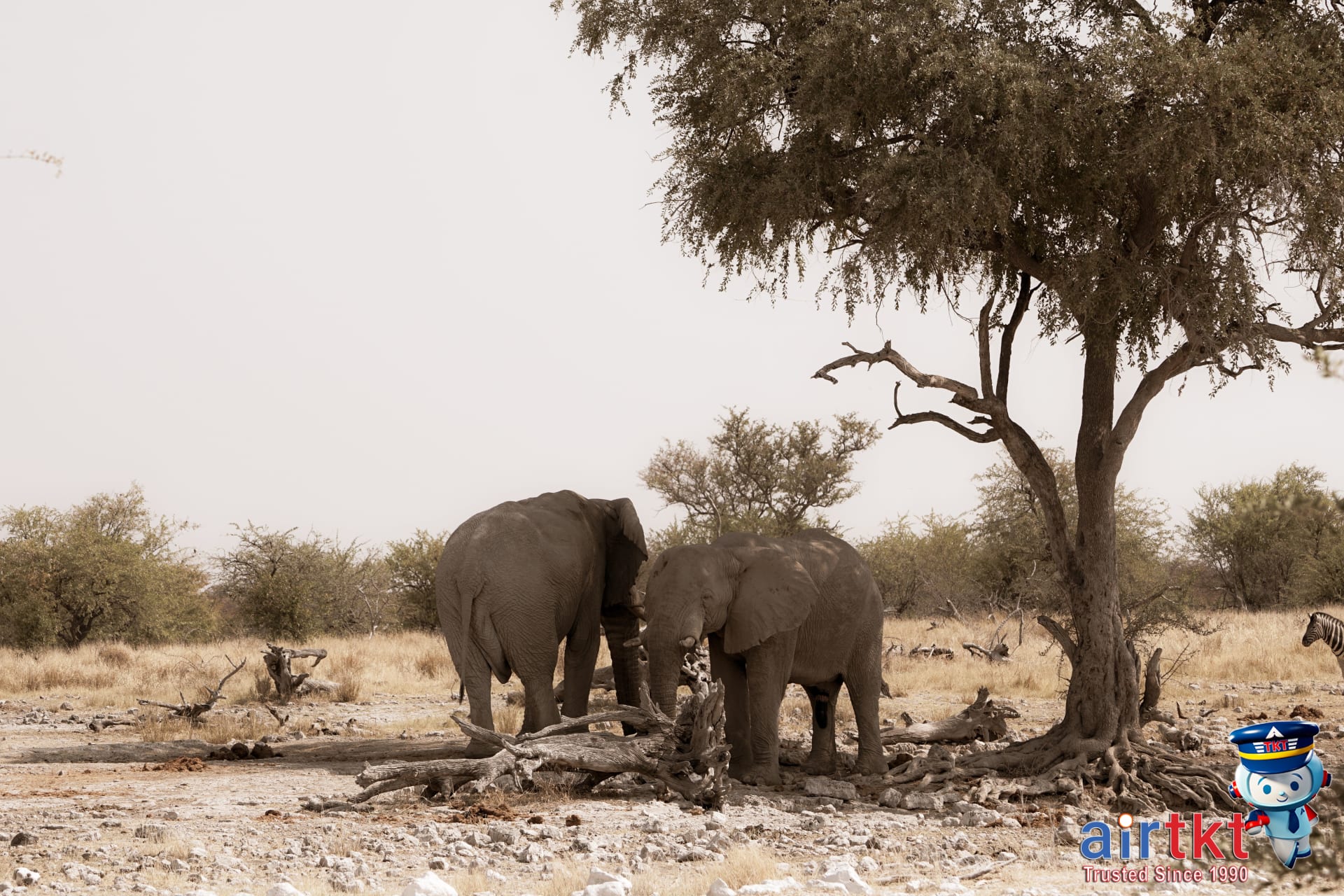
Why Dry Season Safaris Stand Out
There’s a special buzz around the dry season when it comes to planning an African safari. As water sources shrink, wildlife flocks to rivers, waterholes, and remaining streams, making for fantastic viewing opportunities. You’ll often spot elephants, zebras, and big cats gathered in one area, which simply isn’t the case when rain is plentiful. I always look forward to the thrill of seeing elephants and lions gathering around waterholes during this season — it truly amps up the excitement on game drives.
The dry season also works wonders for travelers because roads in reserves and parks become much easier to navigate. During the wet months, muddy tracks and flooded patches can mean slower drives and the occasional missed sighting. In contrast, the dry terrain means camp vehicles can reach more remote corners, and you’re less likely to miss out on that leopard lounging under an acacia or a cheetah sprinting across open plains.
If you’re aiming for the most rewarding safari experiences, Kenya and Tanzania simply can’t be beat in the dry season. Kenya’s Maasai Mara and Tanzania’s Serengeti transform into visual spectacles of wildlife packed around dwindling water sources. The annual wildebeest migration, often visible during these months, adds even more drama and unpredictability. Both countries offer legendary landscapes and animal encounters, whether it’s tracking the Big Five or listening to a chorus of birds greeting the sunrise.
Best Parks to See the Big Five
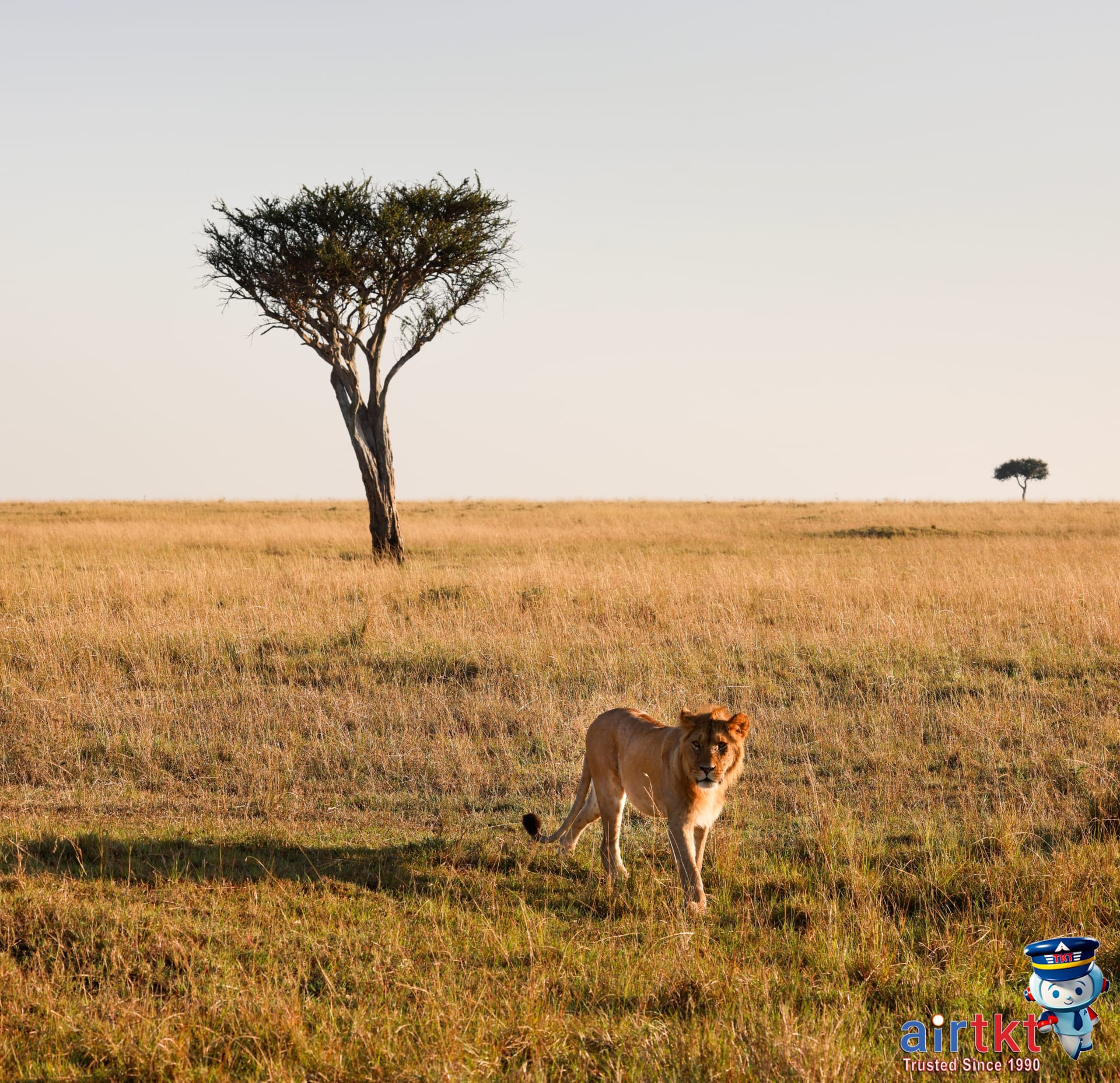
For wildlife lovers, few experiences rival the thrill of spotting Africa’s Big Five—lion, leopard, elephant, rhino, and Cape buffalo—in some of the world’s most legendary parks. Each goes through seasonal cycles, and timing your visit for peak animal activity can really make a difference. I’ve loved spotting lions in Maasai Mara during the dry months when they gather at watering holes, offering surprisingly close-up encounters.
Maasai Mara Seasonal Highlights
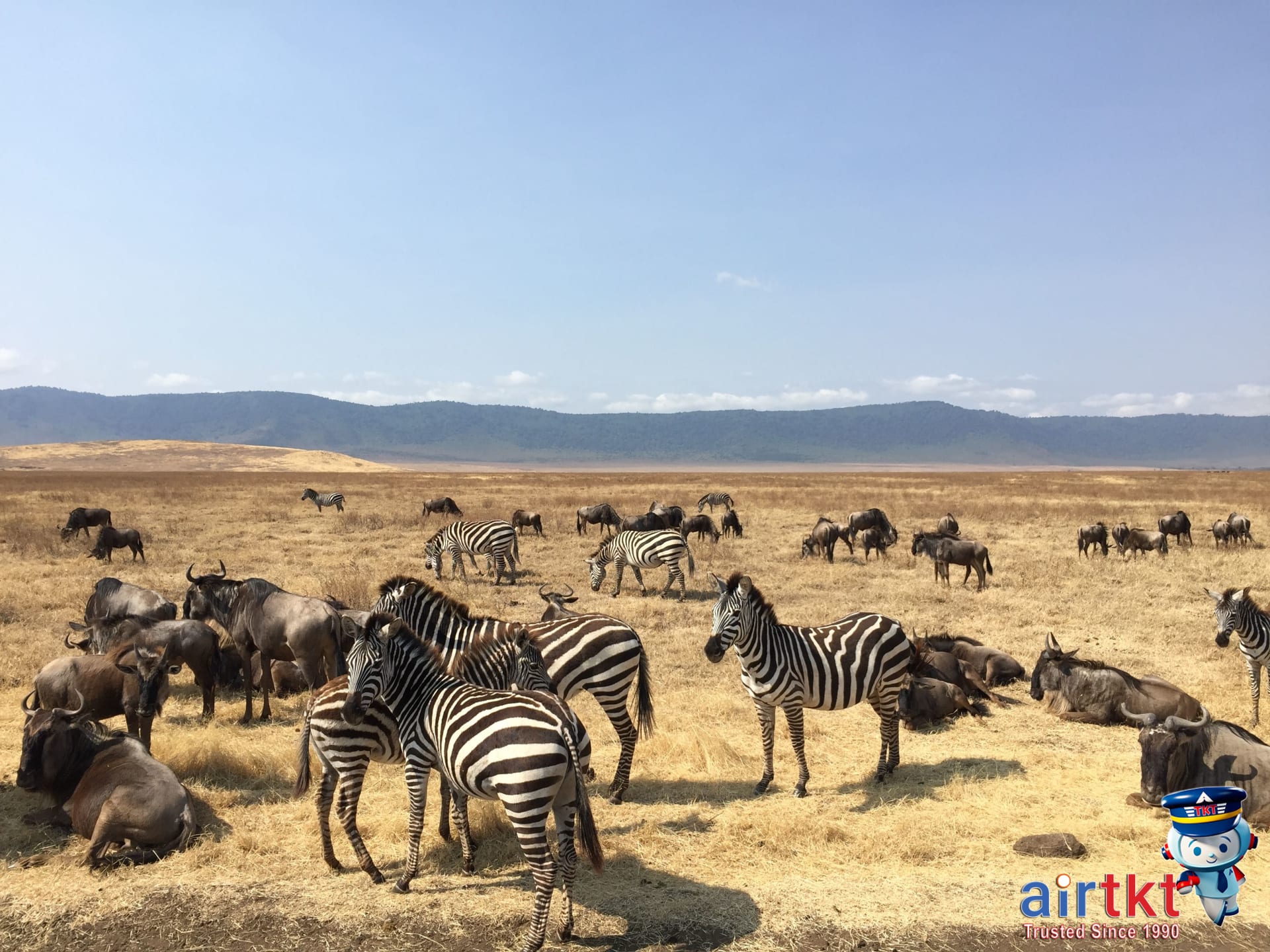
Kenya’s Maasai Mara stands out for Big Five sightings—especially between July and October. During this dry spell, countless wildebeests and zebras migrate through the plains, trailed by hungry lions and hyenas. Elephants and buffaloes often congregate at the Mara River and scattered pools, while elusive leopards sometimes emerge in the early morning when other animals are seeking water. This is an ideal window for seeing multiple species at once since vegetation is sparse and visibility is at its best.
Serengeti Sighting Patterns
Just across the border, Tanzania’s Serengeti offers its own drama. During the dry season (typically June through October), grazers move in large herds across the barren plains, attracting predators. Leopards can occasionally be seen draped in the thorny trees along riverbeds, while elephants blend into dusty landscapes in small family groups. I’ve noticed that game drives just after sunrise tend to reveal both lions out hunting and nervous buffalo gathering around water sources.
Ngorongoro’s Crater Advantage
The Ngorongoro Conservation Area has a unique setup: most of the Big Five are concentrated within the massive crater. Dry season brings animals down to linger near the permanent waterholes and marshes within the caldera. Black rhinos—usually more challenging to see elsewhere—can often be spotted here, along with elephants and mud-wallowing buffalo enjoying the cooler crater floor.
Amboseli’s Elephant Encounters
Amboseli National Park, set against the backdrop of Mount Kilimanjaro, is renowned for its large elephant herds. As the dry season progresses, elephants traverse dusty trails to shrinking marshes, providing excellent viewing opportunities. Lions and buffalo can often be found nearby, especially where water is available. Leopard sightings are less common, but early game drives boost your odds.
If you’re eager for more inspiration beyond these classic reserves, check out our full overview of top Africa safari destinations for an even broader list of unforgettable safari spots.
Wildlife Viewing Tips for Dry Season
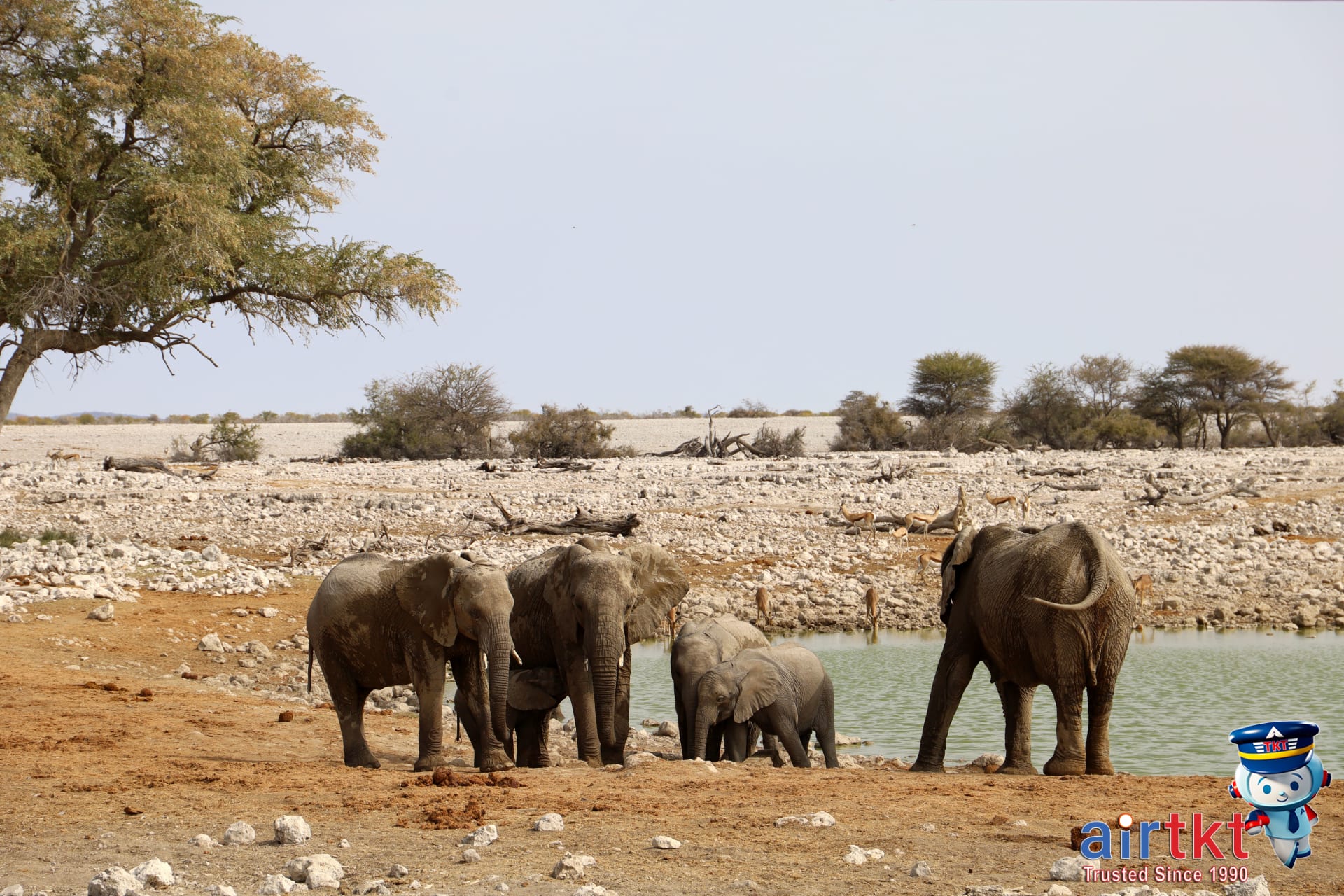
The dry season can be the most rewarding time for wildlife viewing, but it does take a little strategy. As water becomes scarce, animals gather around the remaining waterholes and riverbanks—especially early in the morning and late in the afternoon when temperatures are less punishing. You don’t have to trek far or endure long, bumpy drives; often, patiently waiting near a reliable water source is the key to witnessing impressive animal activity.
Gear plays a huge role during dry season safaris. I’ve found that using decent binoculars made a real difference—I could spot distant herds and subtle animal movements, even when the animals were blending in with the dusty landscape. A camera with a good zoom lens is also essential if you hope to capture detailed shots without getting too close. Remember, maintaining a safe distance is just as important for the animals’ comfort as it is for your safety.
Pack lightweight, breathable clothing in neutral colors to keep cool and avoid startling wildlife. The dry season stirs up plenty of dust, so bring a scarf or bandana to cover your mouth and nose, and consider protective lens wipes or covers for your camera gear. In my experience, setting up a vantage point upwind of a waterhole in the late afternoon has the best chance of producing those memorable photos that capture both the animals and the golden hour light.
For many travelers, these practical touches—gear that extends your view, breathable clothing, and the patience to wait quietly—make all the difference for an outstanding dry season safari. If you’re planning your trip, comparing wildlife destinations is easy with airtkt.com; once you’re on-site, be prepared to let nature come to you.
Best Time To Book Safari Trip
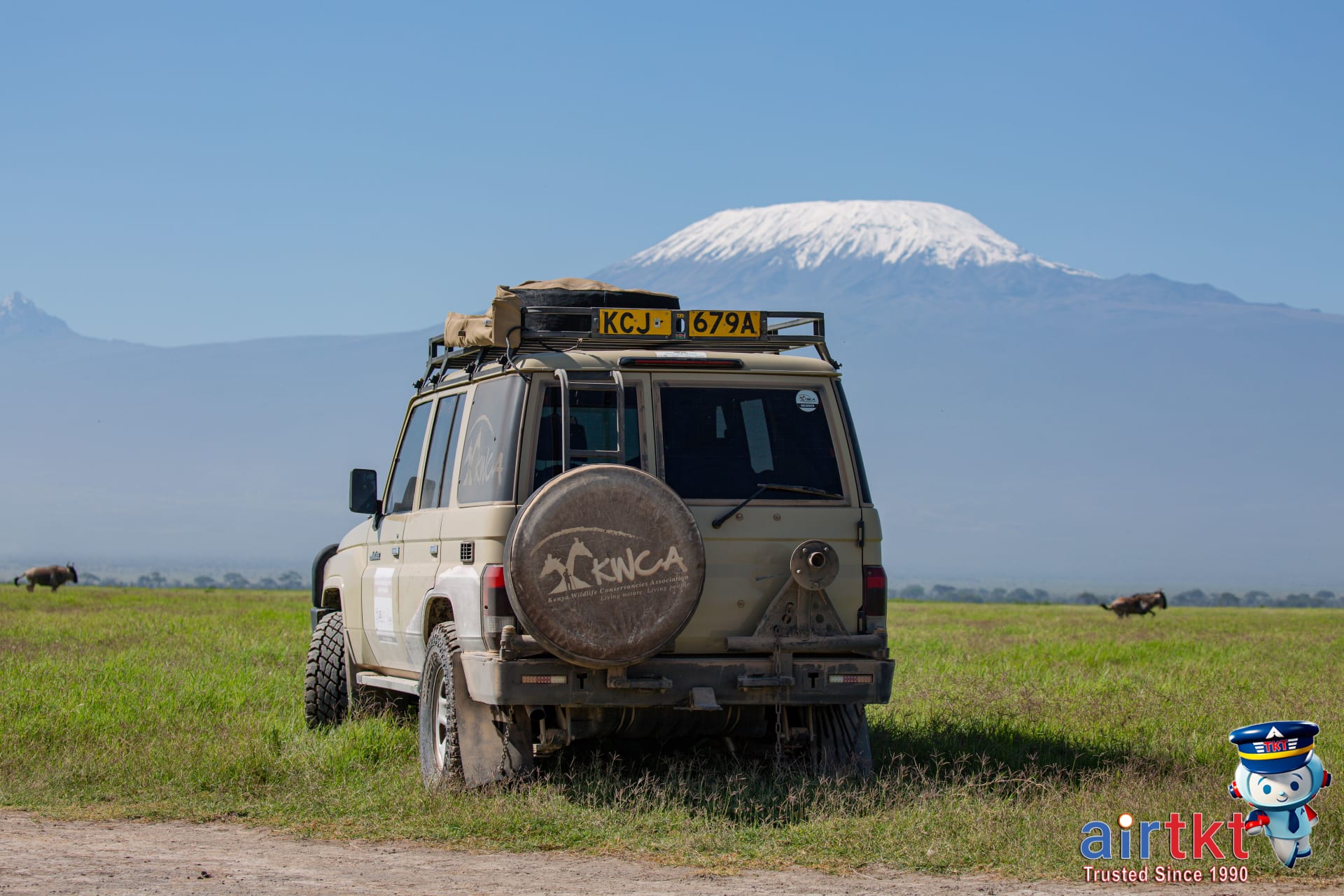
If you’re aiming for a classic safari experience—clear game drives, wildlife at waterholes, comfortable temperatures—you’ll want to focus on the dry season, which usually falls from June through October in Kenya and Tanzania. During these months, the bush thins out and animals gather at fewer water sources, making them easier to spot. In my experience, planning a safari trip several months in advance significantly improves your chances of getting a spot at your preferred lodge and helps nab more affordable flight deals.
However, be aware that these peak safari months are also the most popular. Many lodges and camps fill up fast—sometimes as much as a year ahead—especially near major national parks like the Maasai Mara and Serengeti. If you hold out for last-minute deals, you may find that most good accommodation is fully booked or flights sit at higher prices due to the seasonal rush. I usually recommend locking in your tickets and overnight stays at least six months ahead if you can.
Book Early And Stay Flexible
For those who want to maximize budget and flexibility, the travel tools at airtkt.com can really help. Their Flexible Date Search lets you compare airfares across the weeks surrounding your ideal safari dates, which is useful for spotting when prices dip. Even shifting your flights by a couple of days can often shave off enough for an upgraded bush dinner or an extra park drive.
On top of Flexible Date Search, airtkt.com offers fare comparison for hundreds of airlines and the ability to check prices from alternate departure cities—a small tweak in your route could lead to extra savings. If you want a quick overview of seasonal differences, check out our guide to the best times to visit Kenya or Tanzania for safaris, which can help you pinpoint specific months with fewer crowds and better rates.
Practical Safari Booking Tips To Know
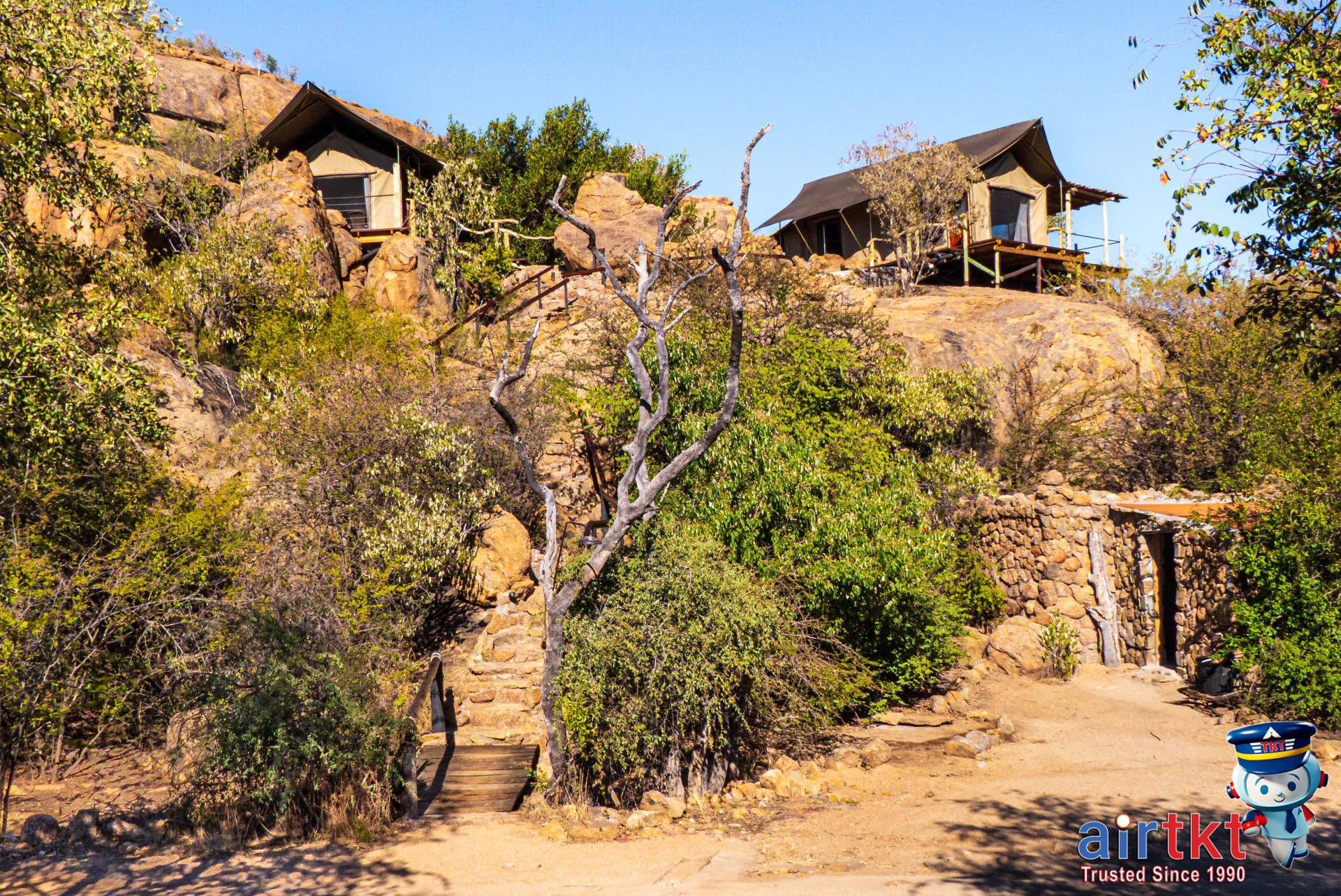
Booking your first African safari is exciting, but it can also feel overwhelming once you realize just how many decisions you need to make. Let’s break down the most practical steps—comparing tour styles, picking your accommodation, and the essential travel prep to get you started.
Private Or Group Safari Tours
Private safaris offer flexibility—you’ll set your own pace, select activities, and enjoy personal attention from guides. This is great if you’re celebrating something special or want privacy, but it does cost more. Group safaris, usually with 6–12 people, are budget-friendly and can be a lot of fun if you enjoy swapping stories and meeting new people. However, schedules and stops are less flexible. Booking with local guides added so much value to my safari experience—they shared insights that made each drive unforgettable. I’d compare both options before choosing, taking both your budget and your comfort around groups into account.
Lodges And Campsite Choices
Lodges come in all comfort levels. Some are rustic, immersed in nature with lantern-lit walkways, while others have pools and gourmet dining. For a memorable trip on a tighter budget, traditional campsites or mobile tented camps get you closer to the wild. If you’re nervous about shared facilities, many campsites offer simple en-suite tents. I usually recommend checking recent reviews and looking through lodge galleries to get a true sense of the vibe before you commit. Remember, the atmosphere changes between dry and green seasons, so look for photos from the month you’re traveling.
Health, Visas, And Travel Insurance
Traveling to most safari destinations in Kenya or Tanzania means checking health advisories first. Vaccinations for yellow fever are sometimes required at entry depending on your route, and malaria prevention is recommended for most areas. I always book a travel medicine appointment several weeks in advance—your doctor can help with advice tailored to your trip and prescription meds. Visa rules are different for each country; up-to-date requirements for Kenya can be found on the Kenya eVisa portal while Tanzania info is at their official government visa site. Comprehensive travel insurance (including medical evacuation) is an absolute must—I’ve met travelers whose plans changed last-minute, and insurance saved them a lot of stress. If you need an easy start, check out the airtkt.com travel tips for Africa packages and visa help as you prep.
Budget Planning for Dry Season Safari
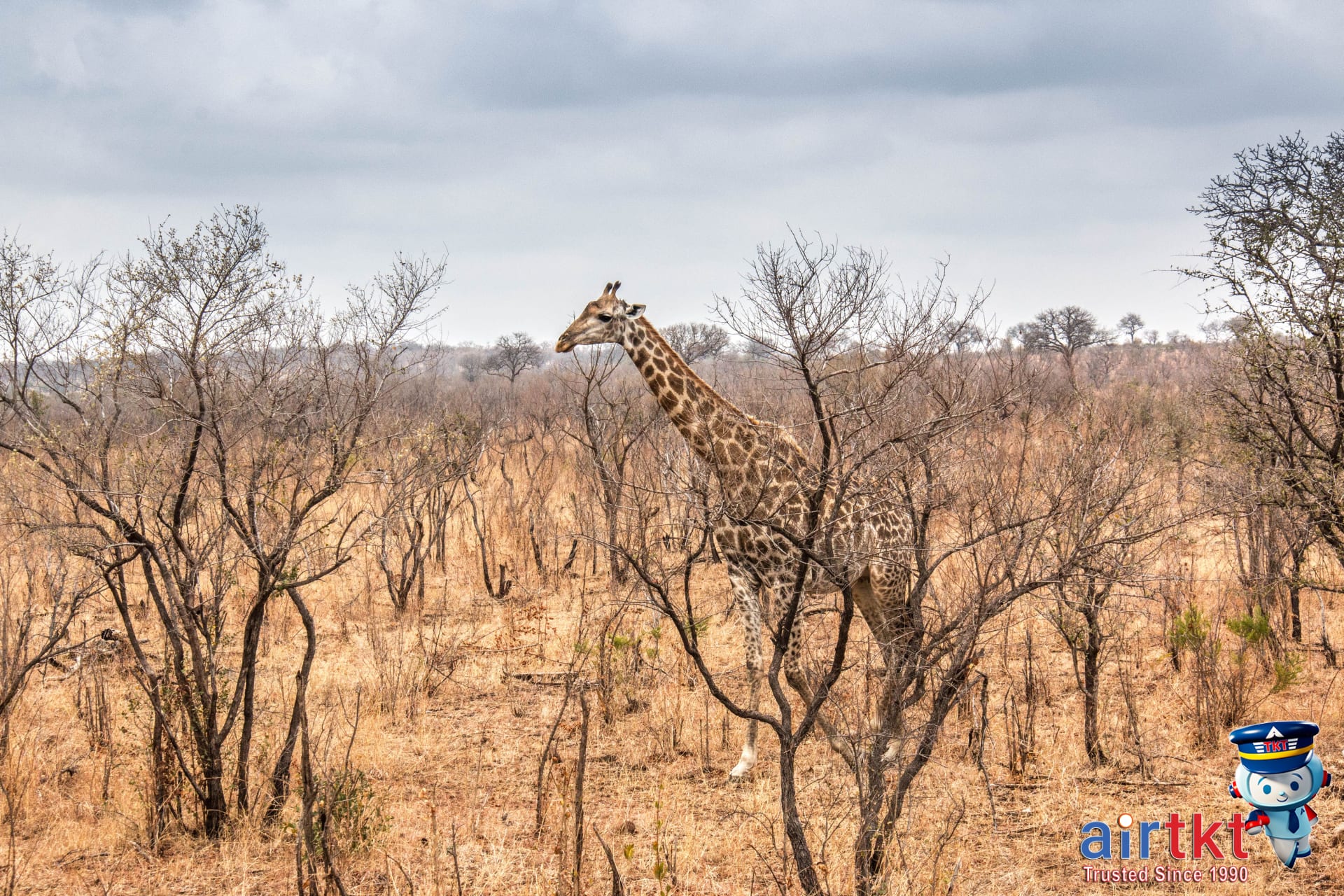
Getting your dry season safari budget right means looking closely at the big cost elements before you book. You’ll want to factor in your flights, safari accommodation (which can vary dramatically in style and comfort), daily food, park entrance fees, guides, and sometimes hidden extras—like airport transfers or special excursions. In my experience, the real balancing act is deciding how much comfort you need without letting your costs spiral out of control. I always suggest weighing the value of mid-range lodges, which often offer the best overall experience for the price, especially if you’re aiming for a memorable trip without excess expenses.
Safari Cost Breakdown Table
Here’s a practical budget framework for a dry season safari. These representative daily costs should help you compare options as you plan. I’ve found that seeing the full breakdown makes it easier to prioritize the things you care about—without cutting corners that could impact your experience. If you need more in-depth guidance on picking the right safari tier, there’s a detailed safari budget planning post on the airtkt.com blog that’s worth a read.
| Accommodation | Food | Transport | Activities | |
|---|---|---|---|---|
| Budget | $55.00 | $20.00 | $35.00 | $30.00 |
| Mid-range | $125.00 | $45.00 | $80.00 | $55.00 |
| Luxury | $410.00 | $95.00 | $210.00 | $110.00 |
The table above shows how your choice of lodging, meals, and even the type of game drives (private vs. shared) can drastically change your daily budget. Personally, I found the mid-range tier hits the sweet spot—hot showers, good food, professional guides, and well-run vehicle arrangements—without paying premium for luxury frills. The dry season is popular, so it helps to book several months out for the best rates.
Cultural Insights Near Safari Parks
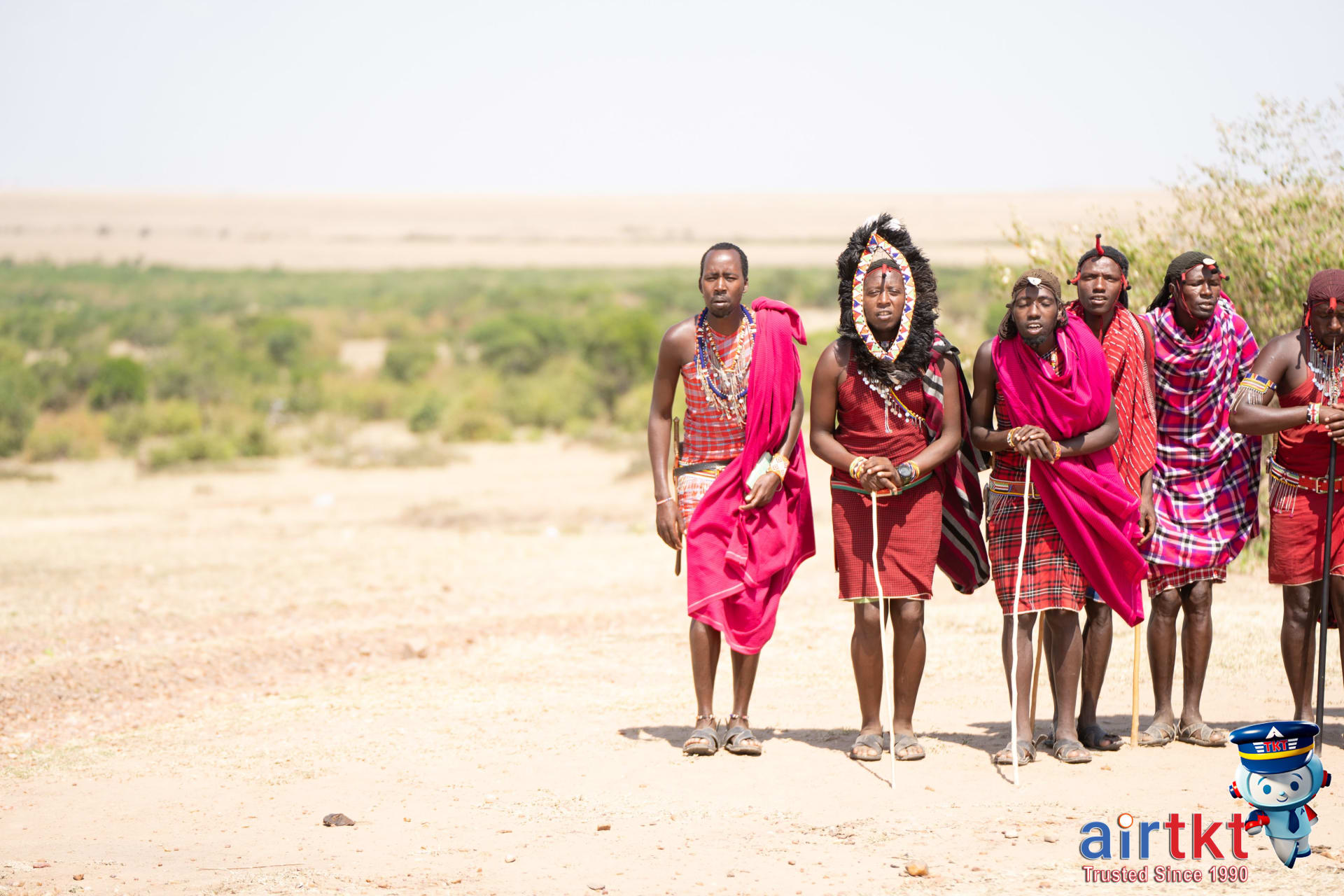
Spending time in the Maasai communities near Kenya and Tanzania’s safari parks can make a wildlife adventure feel infinitely richer. The Maasai are known for their striking red shukas, rhythmic chants, handcrafted beadwork, and welcoming spirit—yet real interaction here is about more than photos and souvenirs. Around the parks, many villages offer structured visits so travelers can observe daily life, listen to stories, and even join traditional dances. Personally, I found that quietly watching elders explain their customs offered a rare moment of connection that stayed with me long after I’d left the savanna.
Guests are usually welcomed, but it’s vital to approach these encounters thoughtfully. Bringing small gifts—like school supplies, notebooks, or simple art materials—is deeply appreciated by local families and schools. Instead of cash handouts, these practical items show your goodwill while supporting education. Always ask your guide for advice on what’s most useful; sometimes, giving directly to a community coordinator is preferred over individual gifts.
Respect guides every exchange. Always ask before taking photos, and be open to learning about local etiquette. For example, it’s common for Maasai leaders to greet visitors first, and showing curiosity in their crafts or traditions is valued over rushing into selfies or bargaining aggressively. I always remind myself that these cultural exchanges aren’t just stops between game drives—they’re a genuine glimpse into a living heritage far older than the safari industry itself.
For more perspective on immersive local interactions, check the airtkt.com blog on cultural experiences in Kenya and Tanzania. For additional etiquette advice, organizations such as the Maasai Association offer guidelines on respectful village visits.
FAQs on Africa Dry Season Safari
- When is the best time for an Africa dry season safari?
The prime months for an Africa dry season safari are typically from June through October, depending on the country. These months bring less rain, cooler temperatures, and animals congregate around shrinking water sources—making wildlife easier to spot. Always check local park and country variations before finalizing your plans.
- What risks should I expect during the Africa dry season safari?
While the dry season has fewer insect-borne diseases like malaria, don’t overlook sun exposure, dehydration, or cool nights. Roads can be dusty, and water scarcity may affect some camps. Insect repellent and sun protection are just as important as during the wet season—pack accordingly to minimize these common risks.
- What essentials should I pack for a dry season safari?
Focus on lightweight, neutral-colored clothing for day and warmer layers for chilly evenings. Sturdy closed-toe shoes, a wide-brim hat, sunscreen, polarized sunglasses, and a reusable water bottle make a difference. I always bring a compact flashlight and personal medications, just to cover unexpected needs in remote safari locations.
- Is it easier to spot animals during the dry season?
Yes, wildlife viewing tends to be better during the Africa dry season safari period. With less water, animals gather near remaining rivers and waterholes. Sparse vegetation also improves visibility. However, popular parks get busier, so early reservations can help ensure a spot on top-rated guided drives or lodging.
- How do I stay safe while on a dry season safari?
Listen to your guide’s instructions, keep a respectful distance from wildlife, and never wander alone at night. Drink plenty of water throughout your safari and cover up during midday sun. Most reputable safari guides are trained in safety, so booking guided excursions is generally a smart move for peace of mind.
- How can I book an Africa dry season safari smartly?
Book early, especially for travel in peak dry season months, as the best camps and guides fill up quickly. Compare reputable booking platforms like airtkt.com to check multiple dates or routes. Flexible dates and airport choices can reveal hidden savings and ideal options for your itinerary.
Final Thoughts on Planning Your Safari
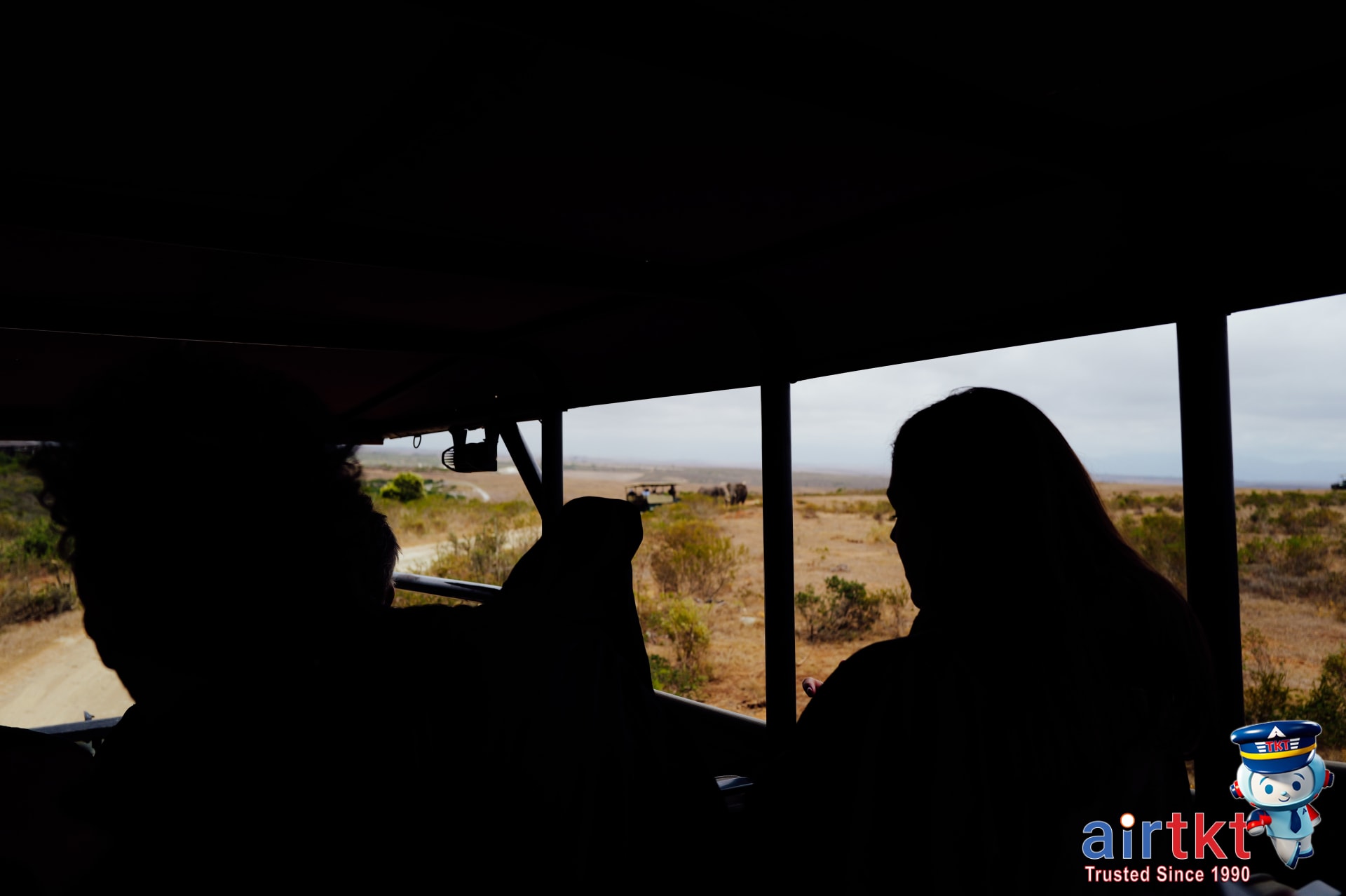
The dry season is a favorite for many safari travelers, and for good reason—wildlife is easier to spot, landscapes are open, and there’s generally less rain to manage on game drives. From making your bookings early to choosing the right parks and packing thoughtfully, a little planning truly sets the foundation for a satisfying trip.
If you’re beginning to map out your next safari, I’d recommend gathering your key details well in advance. Dry season slots at popular reserves fill up fast, and flights sometimes jump in price as departure dates near. I usually compare multiple routes and flexible dates using airtkt.com; their options for nearby airport searches and affordable vacation packages for Africa really streamline the process. You can even check out current African travel deals and vacation package options to see what aligns with your wish list, then lock in accommodations that match your timing and budget.
Remember, solid preparation means you’ll spend less energy worrying and more time immersed in the thrill of observation. Whether collecting your travel documents, double-checking accommodation reservations, or organizing your airport transfers, small details matter. Personally, every time I look at safari possibilities, I get a buzz of excitement—anticipating those first glimpses of big game on the savanna never gets old, and I’m hoping my next journey is just around the corner. Here’s to your own safari dreams taking shape—with everything in order, you’ll be free to focus on the adventure itself.