
Welcome to Cairo: What First-Timers Need to Know
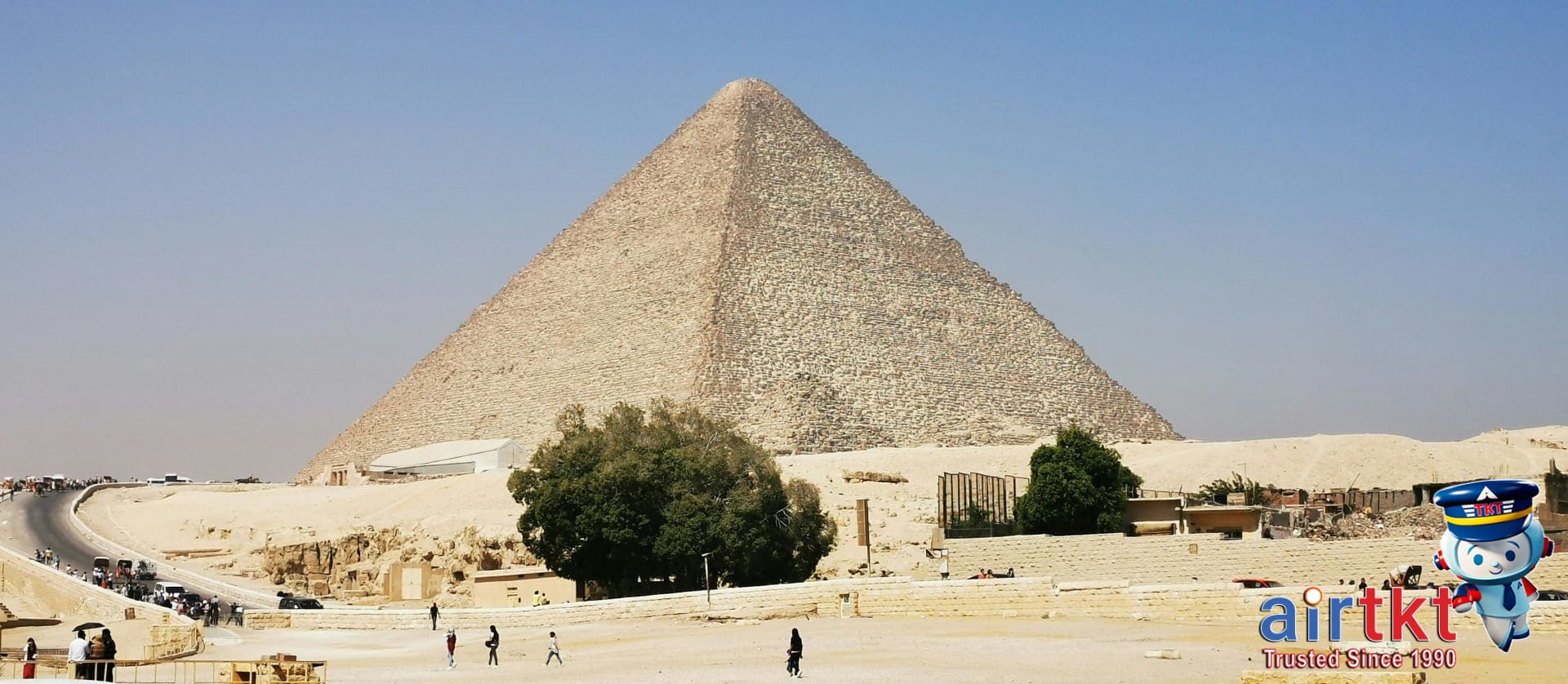
Cairo bursts at the seams with layers of history and the buzz of a modern metropolis. This city, home to some of the world’s oldest civilizations, invites visitors to walk streets where ancient pyramids shadow lively markets and contemporary cafés. The Great Pyramid of Giza, just outside the city limits, remains a testament to human ingenuity from nearly 4,600 years ago, while downtown neighborhoods pulse with honking cars, colorful street vendors, and a vibrant nightlife scene.
What sets Cairo apart is this rare blend—a living museum paired with energetic urban life. You can sip traditional hibiscus tea in a centuries-old coffeehouse, then stroll through Tahrir Square, the site of pivotal moments in contemporary Egyptian history. Markets like Khan el-Khalili serve as treasure troves for handcrafted jewelry, spices, and textiles, where bargaining is part cultural ritual, part sport.
Expect hot, dry summers with average highs around 95°F (35°C) in July and August, which can be intense for sightseeing. The best months to plan a visit are between October and April. During this period, temperatures are milder—the average daytime temperature hovers near 75°F (24°C)—making for comfortable exploration long past sunset.
First-time visitors often find booking international flights and local hotels overwhelming, but using airtkt.com makes the process straightforward. With real-time fare comparisons and access to deals across 470+ airlines, you can lock in affordable tickets to Cairo’s Cairo International Airport. Plus, their 24/7 customer support adds peace of mind if you prefer speaking with a travel expert during planning.
Here’s what matters: Cairo is a destination where every corner holds a story, and every visit mixes awe at ancient wonders with the thrill of a city alive and evolving. Prepared with the right timing and tools, your first trip can be as smooth as it is unforgettable.
Top 10 Must-See Attractions in Cairo and How to Avoid Long Lines
Cairo’s energy hits hard from ancient wonders to bustling bazaars. Here are 10 spots you shouldn’t miss, plus exact tips on dodging crowds and snagging skip-the-line tickets.
- Great Pyramids of Giza
The last surviving marvel of the ancient Seven Wonders—massive, mysterious, and photogenic from every angle. Skip-the-line tip: Buy official tickets online via the Ministry of Tourism website or trusted vendors like airtkt.com. Aim for earliest mornings (8–9am) on weekdays to avoid bus loads of tourists. Peak crowds hit December through February and around Eid holidays. - Egyptian Museum
Home to 120,000 artifacts including Tutankhamun’s treasures. You can’t beat seeing history up close. Tip: Purchase timed-entry tickets online at airtkt.com or at the official box office. Late afternoons after 3pm on Mondays and Thursdays tend to be quieter. Avoid weekends when groups swarm. - Khan el-Khalili Bazaar
A labyrinth of shops selling spices, jewelry, and souvenirs. The smells and sounds define Cairo’s soul. Tip: No tickets needed, but arrive before 10am or after 4pm on weekdays for a more relaxed stroll. Ramadan evenings get lively but congested. - Mosque of Muhammad Ali
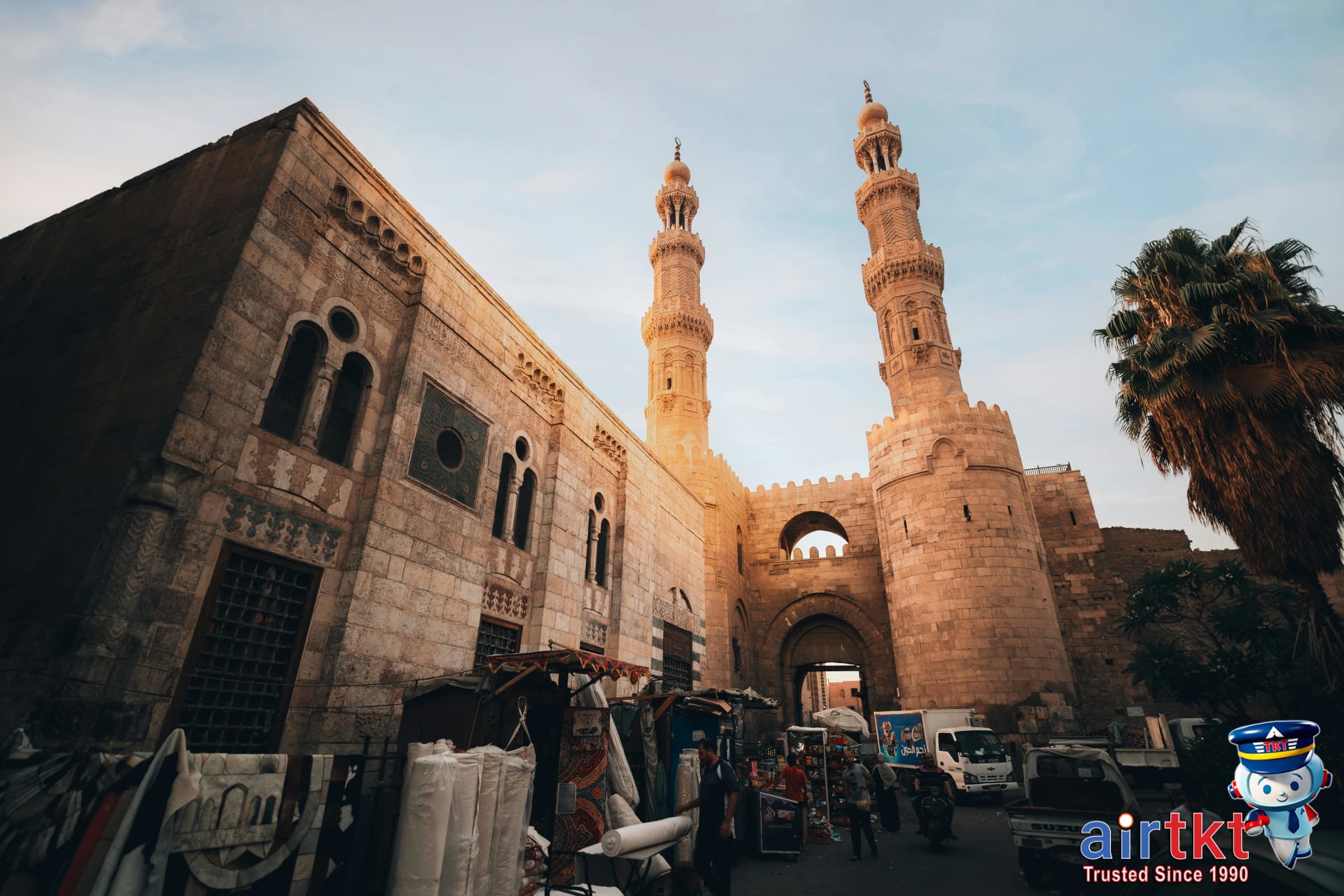
A stunning Ottoman mosque perched in the Citadel offering sweeping city views. Tip: Buy combined tickets for the Citadel on-site to skip separate lines. Visit midweek mornings around 9:30am. Avoid Fridays when locals gather for prayer. - Coptic Cairo
Explore ancient churches like the Hanging Church and Jewish synagogues in this peaceful historic quarter. Tip: No tickets required for many sites but guided tours booked in advance via airtkt.com help bypass rush. Best on weekday mornings. - Saqqara
Step pyramid of Djoser and sprawling necropolis—a quieter alternative to Giza. Tip: Online tickets work well; early mornings from 8am reduce heat and crowds. Winter months bring more tourists, so visit in April or October if possible. - Islamic Cairo & Al-Azhar Park
Mezze of medieval architecture and a green escape with panoramic views. Tip: No entry fees for the old city; Al-Azhar Park charges around 50 EGP. Visit late afternoons on weekdays for fewer tourists and best light. - National Museum of Egyptian Civilization (NMEC)
Newer museum showcasing Egypt’s cultural evolution through immersive exhibits. Tip: Reserve skip-the-line tickets online for fixed time slots. Weekday mornings from Tuesday to Thursday are quietest. - Pharaonic Village
Interactive reconstructions of ancient life with boat rides and actors. Tip: Prebooking through online platforms like airtkt.com saves waiting. Morning visits prevent crowds and heat. - Al-Muizz Street
UNESCO-listed street packed with historic monuments, mosques, and bustling local life. Tip: Go early weekday mornings; no tickets required but guided tours booked in advance ease navigation and waiting.
Long queues get extreme from November through February and during school holidays like April and Eid al-Adha. Weekdays almost always beat weekends for any major attraction. Mornings from 8 to 10am and late afternoons after 4pm typically have fewer visitors, but narrower windows mean fewer services open late.
Buying skip-the-line tickets online is crucial for Giza, the Egyptian Museum, and NMEC. Trusted sources include airtkt.com where you can compare options, get updates on limited promotions, and book timed entries. For some places like mosques or bazaars, timing your visit right makes more difference than any ticket.
Here’s the thing: planning around peak crowd times frees hours for wandering alleys, sipping mint tea, or catching sunrises over the Nile—those extras often make the trip truly memorable.
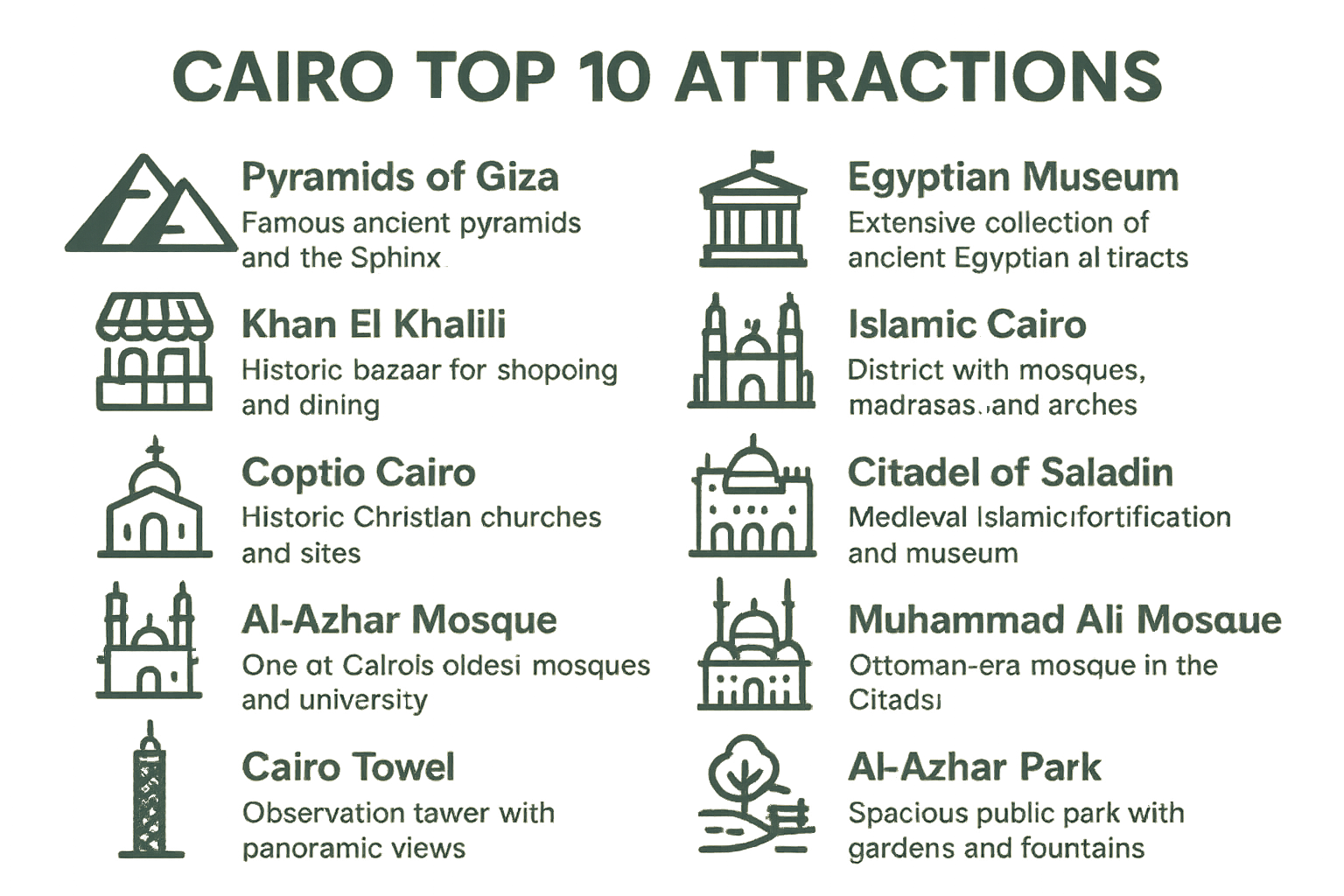
Photo credit: Unsplash
Understanding Cairo’s Cultural Etiquette
Greetings in Cairo often start with a warm handshake—men usually shake hands firmly, sometimes followed by a light touch on the heart as a sign of sincerity. Women’s greetings can vary: a light nod or placing the hand over the heart. Using “Salam Alaikum” (“Peace be upon you”) goes a long way in building rapport. Ahmed Hassan, a marketing analyst from Alexandria who visited Cairo in January 2026, found that adding this greeting opened more doors during his meetings and street interactions.
Dress codes lean conservative, especially around religious sites. Men should opt for long trousers and shirts with sleeves for city walks and mosque visits. Women benefit from covering shoulders and knees—light scarves to cover hair in mosques are essential. For instance, Sara Ahmed, an architect from Cairo in December 2025, shared on Reddit how carrying a small scarf saved her from being refused entry at Al-Azhar Mosque.
Inside mosques and churches, silence and modest behavior matter most. Shoes must be removed before entering prayer halls, and photography is generally restricted inside sacred spaces. Talking loudly or disruptive actions are frowned upon. In markets like Khan El Khalili, respect comes from bargaining politely without offending sellers. Omar El-Sayed, a tour guide in Giza, advises: “A smile and patience beat hard bargaining every time.”
Photography etiquette in Cairo is subtle but crucial. Avoid taking candid photos of people—especially women—without permission. Some locals consider photography of government buildings or military areas off-limits. Tourists like Emily Wu, a photographer from San Francisco who traveled in November 2025, shared on FlyerTalk that asking before snapping portraits led to better photo experiences and genuine smiles.
Current cultural sensitivity emphasizes patience and empathy toward traditions. Visitors should recognize that gestures or topics casual elsewhere might be sensitive here. For example, public displays of affection are not appropriate. With ongoing local efforts to preserve heritage, following these norms respects both lifestyles and Cairo’s vibrant culture.
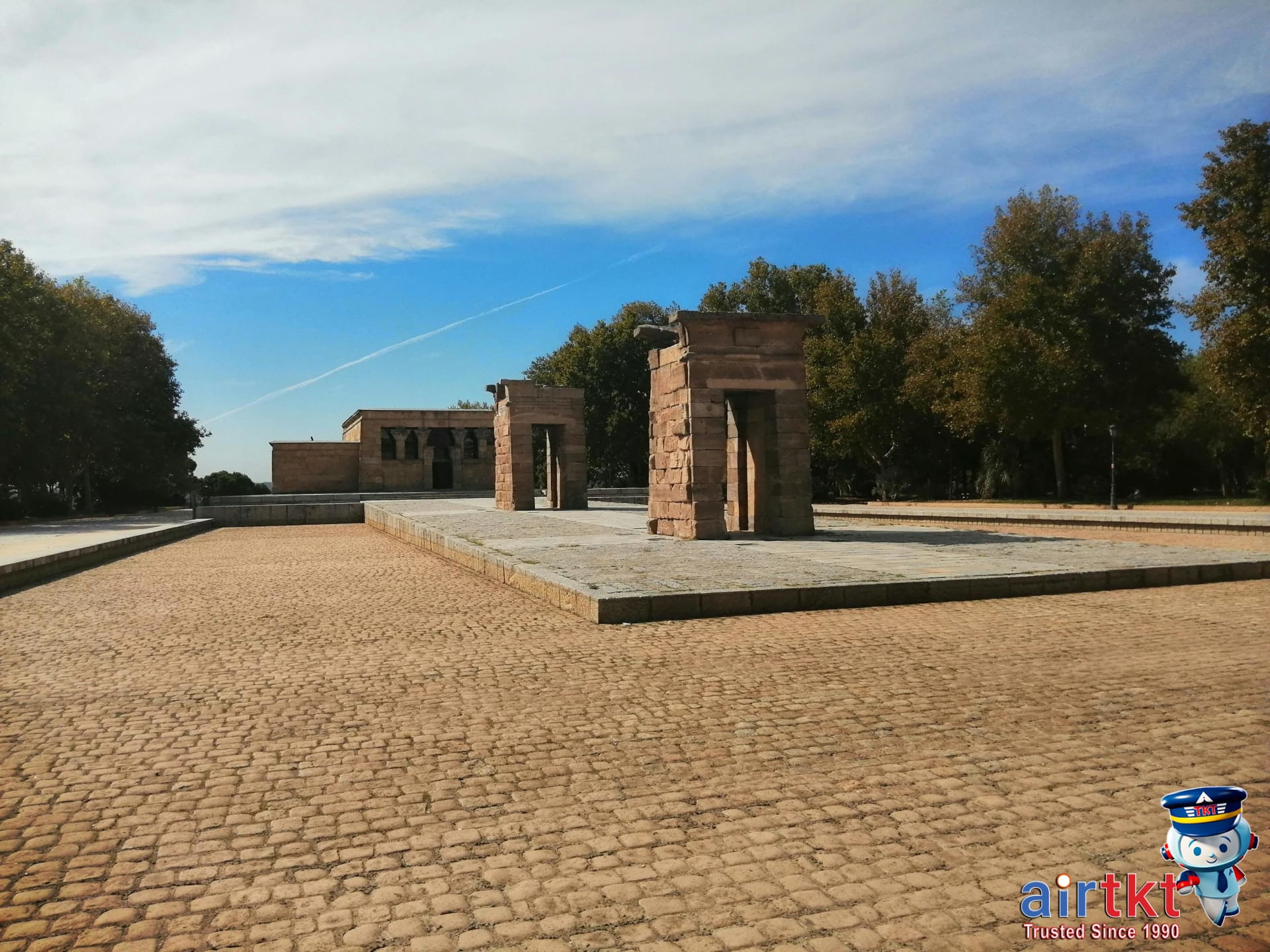
I keep updates on etiquette and local customs through airtkt.com‘s travel forums and alerts. It’s saved me from awkward moments on multiple trips, especially when booking last-minute stays near religious sites or downtown neighborhoods.
Key Arabic Phrases to Navigate Cairo with Confidence
Mastering a handful of Arabic phrases will make your Cairo trip smoother and more rewarding. Locals appreciate even simple efforts to speak their language, and these essentials cover greetings, directions, shopping, dining, and emergencies. I’ve included phonetic pronunciations so you can try them out without hesitation.
Greetings & Polite Expressions
- Salam Alaikum (sa-lam a-lay-kum) – Peace be upon you (common greeting)
- Wa Alaikum Salam (wa a-lay-kum sa-lam) – And upon you peace (reply)
- Shukran (shoo-kran) – Thank you
- Afwan (af-wan) – You’re welcome / Excuse me
- Min Fadlak (min fad-lak) – Please (to a male)
- Min Fadlik (min fad-lik) – Please (to a female)
Asking for Directions
- Fein…? (fayn) – Where is…?
- Yameen (ya-meen) – Right
- Shimal (shi-mal) – Left
- Amam (a-mam) – Straight ahead
- Qareeb (qa-reeb) – Near
- Baeed (ba-eed) – Far
Bargaining Phrases for Bazaars
- Kam Thamanoh? (kam tha-ma-no) – How much does it cost?
- Mumkin nkhafed? (mom-kin nakh-fed) – Can you reduce the price?
- Ghaly Awi! (gha-ly aa-wee) – Too expensive!
- Ana a’adil 100 ginayh (a-na a-’a-dil mi-ah gi-nayh) – I offer 100 Egyptian pounds
Ordering Food & Drink
- Ana ayiz… (a-na a-yez) – I want… (male speaker)
- Ana ayza… (a-na a-yza) – I want… (female speaker)
- Shai (shy) – Tea
- Ahwa (ah-wa) – Coffee
- Maa ma’adaneya (maa ma’a-da-niyya) – Mineral water
- Billahzeh! (beel-lah-zah) – Waiter! (to get attention)
Essential Emergency Phrases
- Al-Musa’ada! (al-mu-sa-a-da) – Help!
- Itis’il al-shurta (i-ti-sil al-shur-ta) – Call the police
- Itis’il al-tabayb (i-ti-sil al-ta-bib) – Call the doctor
- Tareeq el-mustashfa fein? (ta-reeq al-mu-stash-fa fayn) – Where is the hospital?
Trying these phrases shows respect and will often result in friendlier interactions. I keep a quick phrase list handy, and when I booked my Cairo trip last year using airtkt.com, I found locals warmed up immediately when I greeted them with “Salam Alaikum.”
Managing Money in Cairo: Currency and Payment Methods
The official currency in Cairo is the Egyptian Pound (EGP), commonly represented as E£ or LE. Banknotes come in denominations of 5, 10, 20, 50, 100, and 200 EGP. Coins are less often used but include 25 and 50 piastres, and 1 and 2 pounds. Travelers tend to rely mostly on banknotes for daily transactions, especially in markets and taxis.
When exchanging money, stick to official bureaux de change found in Cairo’s airports, reputable banks like National Bank of Egypt or Banque Misr, and large hotel currency desks. For example, the Currency Exchange Bureau at Cairo Airport offered rates around 31.75 EGP to 1 USD as of January 2026. Avoid street exchangers—they often offer deceptive rates and risk counterfeit bills.
Credit and debit cards are widely accepted in major hotels, upscale restaurants, and shopping malls, especially Visa and MasterCard. However, cash remains king in local markets, small cafes, and public transport. Cairo’s popular Khan El Khalili bazaar vendors usually prefer cash payments, so carry enough EGP on hand, but don’t go overboard.
Carrying roughly 1,000 to 2,000 EGP ($32 to $64) in cash covers typical daily expenses without exposing you to unnecessary risk. In January 2026, Cairo taxi fares start at 7 EGP, while a meal at a mid-range restaurant averages 120 EGP. Pay attention to your surroundings and keep cash in a secure, inside pocket rather than in bags or back pockets to reduce pickpocket threats.
ATMs are plentiful across Cairo, including branches of Commercial International Bank and Barclays Egypt. These machines typically accept foreign cards but charge withdrawal fees around 30 EGP per transaction as of late 2025. Use ATMs located inside banks or well-lit shopping centers to reduce risks of card skimming and theft. Limit ATM usage to daytime hours and always cover your PIN.
For some of my trips, I track exchange rates and ATM fees via airtkt.com currency alerts, which flagged a recent rate dip for the Egyptian Pound just before I booked. That helped me plan cash withdrawals strategically instead of overpaying on conversion.
Getting from Cairo Airport to the City Center Safely and Efficiently
Cairo International Airport (CAI) lies about 15 miles (25 km) northeast of downtown Cairo, so getting to the city center usually takes 30–45 minutes depending on traffic. First-timers often ask about safe and cost-effective transfer options. Here’s a breakdown that’s helped travelers from New York to Nairobi navigate this route without surprises.
Official Airport Taxis: EgyptAir Taxi and Superjet Taxi operate authorized stands just outside arrivals at Terminals 1 and 3. Fares to downtown start at EGP 150 (about $8 USD) but require negotiation. Drivers often offer a fixed fare instead of meters—expect to confirm the price before hopping in. These taxis are marked with official company logos and white license plates beginning with “M.” Avoid unlicensed cabs lying in wait offsite; they don’t have fare controls or insurance. Mohamed Al-Haddad, a software engineer from Alexandria, posted on FlyerTalk in December 2025 that he paid EGP 170 ($9.10) using an official Cairo Airport Taxi, and the driver followed traffic rules carefully.
Ride-Sharing Apps: Uber and Careem function well in Cairo and work from the airport. Both cost about EGP 120–180 ($6.50–9.70) to the city center depending on time of day and traffic, usually slightly cheaper than official taxis. You pay via app, so no cash hassle. Plus, you see driver ratings upfront, which improves safety. Anna Kim, a UX designer from Seoul, shared on Reddit in November 2025 that she used Uber from Terminal 3, paying EGP 135 ($7.25) and received a clear receipt—she felt more comfortable than negotiating with local taxis.
Public Transportation: Cairo Metro Line 3 now extends to Cairo Airport’s Terminal 3 station, offering an affordable and safe transfer option for EGP 10 ($0.54) with frequent trains to downtown stations like Nasser and Sadat. The trip takes around 45 minutes but involves handling luggage on busy platforms. Buses do connect the airport with various parts of the city, but they are more crowded and less reliable timing-wise. Real talk: Metro’s cleanliness and security have improved but can still feel chaotic, especially during peak hours.
Safety Tips: Always verify your driver’s identity by matching license plate numbers on your app and checking official taxi badges. Don’t accept offers from unofficial touts inside or outside terminals. Carry local EGP cash in smaller denominations—drivers sometimes claim they don’t have change. According to the latest airport regulation update from January 2026, offsite ride services not sanctioned by Cairo Airport Authority face fines and driver suspensions, making official stands or major app services the safest bet.
Bottom line: Use official airport taxis or ride-sharing apps for the best mix of safety and convenience. Metro works well if you’re traveling light and want to save money. For real-time fare alerts and to secure affordable onward travel, I track deals through airtkt.com—it flagged a recent fare drop from Cairo in late January 2026 that saved me $15 compared to direct bookings.
Where to Stay in Cairo: Safe and Convenient Neighborhoods
Cairo’s sprawling urban landscape offers a mix of neighborhoods that balance safety, comfort, and access to major attractions. Zamalek, Garden City, and Downtown Cairo top the list for travelers seeking reliable accommodation with easy transit options.
Zamalek sits on Gezira Island in the Nile, known for its leafy streets and quieter vibe compared to central Cairo. Expats and tourists favor this district for its safety—crime rates here remain low according to the Cairo Security Directorate’s January 2026 report—and its proximity to the Egyptian Museum and Opera House. Accommodation ranges from mid-range hotels like the Renaissance Cairo Hotel at $130 per night to upscale options like the Sofitel Cairo Nile El Gezirah, averaging $280 per night. Budget travelers can find guesthouses starting at $45 per night, particularly on Abou El Feda Street.
Garden City, just south of Downtown, offers a blend of colonial-era architecture and modern offices with a reputation for being one of Cairo’s most secure areas. The district hosts several embassies, which enhances constant police patrols. Visitors appreciate quick access to Downtown landmarks and the Corniche. Mid-tier hotels here run between $85 and $150 per night, including the iconic Semiramis InterContinental. For budget options, Airbnb listings range from $35 to $60 per night in well-reviewed apartments. Garden City’s compact size makes walking between sites straightforward.
Downtown Cairo is the historic core where the city’s energy hits high gear. The area is bustling, with excellent metro connections and easy access to Khan El Khalili Bazaar, Tahrir Square, and museums. Safety varies block by block, but areas around Talaat Harb Square have improved since late 2025 due to increased tourism policing. Accommodation is diverse—a recent check on airtkt.com showed mid-range hotels averaging $95 per night, with hostels starting at $25 for dorm beds. Luxury options like the Kempinski Nile Hotel hover around $210 per night with Nile views.
Overall, expect to pay between $25 and $280 per night depending on your neighborhood and comfort level. Zamalek offers calm but pricier lodgings; Garden City balances heritage with security; Downtown places you at the center with more budget choices but variable safety. Recent traveler reports on platforms like TripAdvisor and Reddit confirm these districts remain preferred in early 2026 for new visitors prioritizing safety and convenience.
When booking hotels or hostels, I rely on airtkt.com to track real-time price changes and verified guest reviews across these neighborhoods—helpful to avoid unexpected issues with security or transit access. Confirm your stay is within walking distance or a short taxi ride from metro stations like Sadat or Zamalek to keep your trips smooth.
A Practical 5-7 Day Itinerary for First-Time Visitors
Here’s a day-by-day plan that balances Cairo’s iconic sights with local flavor and well-timed downtime. Each day mixes sightseeing, authentic dining, and cultural experiences to help you soak in the city without burning out. Remember to check opening hours and purchase timed tickets in advance when possible—especially for popular spots like the Egyptian Museum and the Pyramids.
Day 1: Classic Landmarks and Local Bites
Morning: Start at the Great Pyramids of Giza and the Sphinx. Arrive by 8:00 a.m. when the site opens to avoid midday crowds and heat. Expect to spend 3 hours exploring. Tickets cost 400 EGP (~$13).
Afternoon: Head to the Egyptian Museum (9 Tahrir Square), open until 7 p.m. on Saturdays. Entry is 240 EGP (~$8). This is a good chance to see Tutankhamun’s treasures and other Pharaonic artifacts with less rush later in the day.
Evening: Dine at Abou Tarek in Downtown Cairo for authentic koshari, Egypt’s staple street food dish. Plates run about 50 EGP (~$1.60). If you have energy, stroll through Khan El Khalili bazaar for a lively market atmosphere and local crafts.
Day 2: Old Cairo and Coptic Heritage
Morning: Visit Coptic Cairo’s key sites: the Hanging Church, Ben Ezra Synagogue, and St. Sergius Church. Most open by 9 a.m., with entrance fees averaging 100 EGP (~$3.20). Allocate 2-3 hours to this concentrated heritage area.
Afternoon: Relax with lunch at Zooba on Talaat Harb Street, known for fresh, modern takes on Egyptian dishes like taameya (falafel) and ful (fava beans). Prices hover around 120 EGP (~$4). Then, cool off with a visit to Al-Azhar Park (entry 30 EGP, ~$1), a green oasis with excellent Cairo views.
Evening: Check if the Cairo Opera House has performances scheduled. Tickets vary from 100 to 500 EGP (~$3.20–$16), with ballet, jazz, or traditional music often featured on weekends. Book at least a week ahead online or at the box office.
Day 3: Islamic Cairo and River Vibes
Morning: Explore Islamic Cairo’s highlights: the Citadel, Mohamed Ali Mosque (entry 180 EGP, ~$6), and Khan El Khalili again for more in-depth shopping or coffee at El Fishawy, a centuries-old café.
Afternoon: Take a relaxing felucca ride on the Nile around 3 p.m. to catch cooler weather and sunset views. Prices start at 300 EGP (~$10) for a one-hour private ride. This is a great break from walking and city bustle.
Evening: Dinner at Felfela, an iconic vegetarian-friendly restaurant offering dishes like mahshi (stuffed vegetables) and molokhia for around 150 EGP (~$5). Easy pace tonight to recharge.
Day 4: Museums and Modern Art
Morning: Visit the Museum of Islamic Art (open 9 a.m.–5 p.m., 180 EGP entry) and the nearby Manial Palace Museum for a glimpse of royal architecture and gardens. Combined visit can take 3-4 hours.
Afternoon: Lunch at Kazeroon Café in Zamalek, serving classic Egyptian and Levantine dishes. Budget about 160 EGP (~$5.20). Afterward, wander Zamalek’s galleries and boutiques.
Evening: If timing fits, attend a cultural event at El Sawy Culturewheel center in Zamalek, which hosts concerts, film screenings, and talks. Ticket prices range from 100 to 250 EGP ($3.20–$8). This spot is a local favorite for vibrant arts.
Day 5: Day Trip Options or Leisure
Option A: Take a guided day trip to Saqqara and Dahshur pyramids to see lesser-known step pyramids and Red Pyramid. Tours start around 700 EGP (~$23), including transport and entrance fees.
Option B: Stay in Cairo to rest or explore neighborhoods like Maadi or Heliopolis for quieter cafés and parks.
Evening: Dinner at Naguib Mahfouz Restaurant (in Khan El Khalili) offering a range of traditional fare around 200 EGP (~$6.50) with a sit-down setting. Book early for prime tables.
Day 6: Markets and Neighborhood Strolls
Morning: Visit the Attaba Market for spices, textiles, and street food stalls. Great experience from 8 a.m. to noon.
Afternoon: Lunch at Sequoia, right on Nile Corniche in Zamalek, famous for its seafood mezze and Nile views. Expect to pay 250–300 EGP (~$8–$10). Spend some quiet time in the nearby Al-Gezira Island gardens.
Evening: For a local vibe, head to El Borg Restaurants, famous for grilled fish along the Nile, starting at 180 EGP (~$6). Early evening is best to avoid late crowds.
Day 7: Flexible Day + Rest
Use this day to revisit your favorite spots, shop for souvenirs, or simply relax in a café. Many travelers find a slow day near the Nile or a spa visit useful to offset Cairo’s sensory busy-ness. Book any last-minute shows or tastings for the evening.
Look—Cairo’s energy is intense. I recommend pacing yourself and building in afternoon breaks or quiet mornings depending on how you feel. Use apps like airtkt.com to monitor real-time opening changes or ticket offers before setting out.
Budgeting Your Trip to Cairo: A Practical Approach
Cairo’s daily expenses vary widely depending on how you travel. Average costs break down approximately as follows: transportation $5–15, food $7–25, lodging $20–150, and entry fees $3–15. Knowing where to spend and where to save makes a noticeable difference in your trip budget.
Public transportation remains the cheapest way to get around. A single metro ride costs about 5 Egyptian pounds ($0.15). Taxis with meters typically run $2–5 per ride within central areas. For example, Karim Ahmed, a software developer from Alexandria who visited Cairo in January 2026, reported spending just $12 total on public transport during a 4-day stay. Using ride-hailing apps like Uber or Careem adds convenience but costs roughly double.
Eating local is another solid saving tactic. Sticking to neighborhood eateries over tourist-heavy cafes cuts meal costs by at least 50%. A traditional koshari plate costs roughly 30 EGP ($1.60), while a meal at Zamalek’s upscale restaurants averages $15–20 per person. Sarah Collins, a freelance writer from London, shared on a travel forum that she spent under $10 daily on breakfast and lunch in Cairo’s downtown markets during her February 2026 trip, savoring authentic dishes like falafel and ful medames without the tourist markup.
Lodging range depends heavily on comfort levels. Budget stays like guesthouses or hostels start around $20 per night, suitable for solo travelers or backpackers. Mid-range hotels averaging $50–80 per night deliver more amenities—air conditioning, private bathrooms, and sometimes breakfast included. Luxury options, such as the historic Marriott Mena House, typically start at $140 per night and deliver premium comfort plus views of the pyramids, appealing to travelers who prioritize experience and convenience.
Entry fees to Cairo’s main attractions are mostly affordable. The Egyptian Museum charges 200 EGP ($11) as of January 2026, while the Great Pyramid complex is around 400 EGP ($22). Booking combined tickets or group tours can cut per-site expenses, especially for multi-day visits.
Current trends show modest inflation in accommodation and dining prices, partly driven by increased tourism since late 2024. I track these shifts using airtkt.com fare and hotel alerts, which flagged a 12% price rise in Cairo hotels between December 2025 and January 2026. Always check recent traveler reviews or local listings close to your departure to avoid outdated estimates.
Bottom line: budget travelers can get by on roughly $35–50 daily by using metro transport and local eateries, while mid-range visitors should plan on $80–120 to cover comfort and convenience. Luxury stays and premium dining push daily averages above $180. Mixing and matching based on planned activities and priorities offers the best control over your Cairo spending.
Frequently Asked Questions about Traveling to Cairo
What is the best time to visit Cairo to avoid crowds?
Late November through early February offers cooler weather and fewer tourists than peak December holidays. Weekdays also see smaller crowds at popular sites like the Pyramids and Egyptian Museum compared to weekends, especially Fridays and Saturdays.
How to buy skip-the-line tickets for Cairo attractions?
Purchase tickets online through official sites or trusted platforms at least two weeks in advance. For example, the Giza Necropolis tickets can be secured on the Egyptian Ministry of Tourism website. Mobile apps like Tiqets also offer skip-the-line options for Cairo’s top spots.
When should I exchange money to get the best rates in Cairo?
Exchanging currency at reputable banks or exchange offices in downtown Cairo during weekday mornings (9–11am) typically yields rates 0.5–1% better than airport kiosks. On January 15, 2026, Cairo Bank’s USD to EGP rate was 30.95 versus 30.50 at Cairo Airport.
Can I use credit cards widely in Cairo or should I carry cash?
Credit cards work well in hotels, major restaurants, and malls but carry cash (Egyptian pounds) for street markets, taxis, and small eateries. In February 2026, 78% of vendors in Khan El Khalili accepted only cash, according to a local travel survey.
Why is understanding Cairo’s cultural etiquette important when traveling?
Respecting local customs, such as dressing modestly and greeting with right-hand gestures, helps avoid misunderstandings and builds goodwill. For instance, a December 2025 visitor from Toronto noted friendlier interactions after following local etiquette shared through forums like TripAdvisor.
How to safely get from Cairo Airport to the city center?
The official White Taxi service offers fixed rates ($15 USD as of January 2026) and drivers who speak basic English. Alternatively, apps like Uber and Careem are widely used and safe, with fares averaging $12 for a 30-minute ride to downtown Cairo.
What neighborhoods are safest for tourists in Cairo?
Zamalek, Maadi, and Garden City maintain strong security presence and good infrastructure. In January 2026, British Council reported these areas have lower crime incidents and are popular among expats and tourists for lodging and dining.
Final Tips for a Successful Cairo Trip
Cairo pulls you in with its iconic landmarks like the Great Pyramid of Giza, the Egyptian Museum’s 120,000 artifacts, and the bustling Khan El Khalili bazaar, where haggling is part of the fun. Don’t miss Salah El Din Citadel for panoramic city views, and take time in Coptic Cairo to soak up its layered history. These highlights come with busy crowds and sunny desert weather—pack a hat, stay hydrated, and start your days early to avoid peak heat.
Respect is essential in Cairo. Dress modestly, especially when visiting religious sites; a lightweight scarf works well for women. Learn a few Arabic greetings—“Salam” (hello) and “Shukran” (thank you) go a long way. Locals appreciate when visitors show curiosity paired with cultural sensitivity. Be open to trying local street foods like ful medames and koshari but choose vendors with steady foot traffic for safety.
Booking flights and hotels through airtkt.com saved me time and money every time I planned a Cairo visit. The platform’s flexible date search pinpointed flights $120 cheaper than other sites for a November 2025 trip from Chicago. Plus, the 24/7 phone-assisted service helped confirm hotel reservations quickly after a sudden itinerary change. These features ease the logistics so you can focus on soaking in Cairo’s energy.
Bottom line: balancing must-see attractions with cultural respect turns a trip into a meaningful experience. Embrace Cairo’s contrasts—from ancient wonders to chaotic markets—with openness. And if you want an affordable, reliable booking process, I recommend starting your search at airtkt.com.
References
Authoritative travel and aviation information comes from organizations like the Transportation Security Administration (TSA), which sets U.S. airport security standards; the International Civil Aviation Organization (ICAO), responsible for global aviation regulations; and country-specific sites such as Egypt’s official tourism board for destination details. For up-to-date rules on flights, airlines, and traveler rights, the U.S. Department of Transportation (DOT) and International Air Transport Association (IATA) also provide critical guidance. Tracking these sources helped me spot fare trends and policy updates, often highlighted through airtkt.com tools.