
Carry Travel First Aid Kits
Whether you’re setting off on a family holiday, a solo adventure, or a crucial business trip, packing a travel first aid kit is an essential step no traveler should overlook. Medical emergencies can strike unexpectedly, and not all destinations provide easy access to pharmacies or medical facilities. By carrying a compact first aid kit, you ensure readiness to manage minor injuries and common health issues on the go, preventing small problems from escalating into travel disruptions.
Travelers often face ailments such as cuts and scrapes, insect bites, sunburn, headaches, or minor stomach upsets. According to the Centers for Disease Control and Prevention (CDC), these incidents are frequent and can usually be treated effectively with basic first aid supplies. The World Health Organization (WHO) also highlights common travel-related health concerns like dehydration and allergic reactions, which a well-stocked kit can help mitigate. Items like adhesive bandages, antiseptic wipes, pain relievers, antihistamines, and oral rehydration salts are invaluable for quick relief and care.
Beyond practical treatment, carrying a first aid kit offers profound peace of mind. For families with children, it means managing minor scrapes during outdoor activities without panic. For solo travelers exploring remote areas, it provides a critical safety net. Business travelers benefit from the convenience of handling unexpected health issues discreetly and swiftly, ensuring their schedules remain intact. This preparedness reduces stress and fosters confidence, allowing travelers to focus on enjoying their trip.
Core Travel First Aid Kit Components
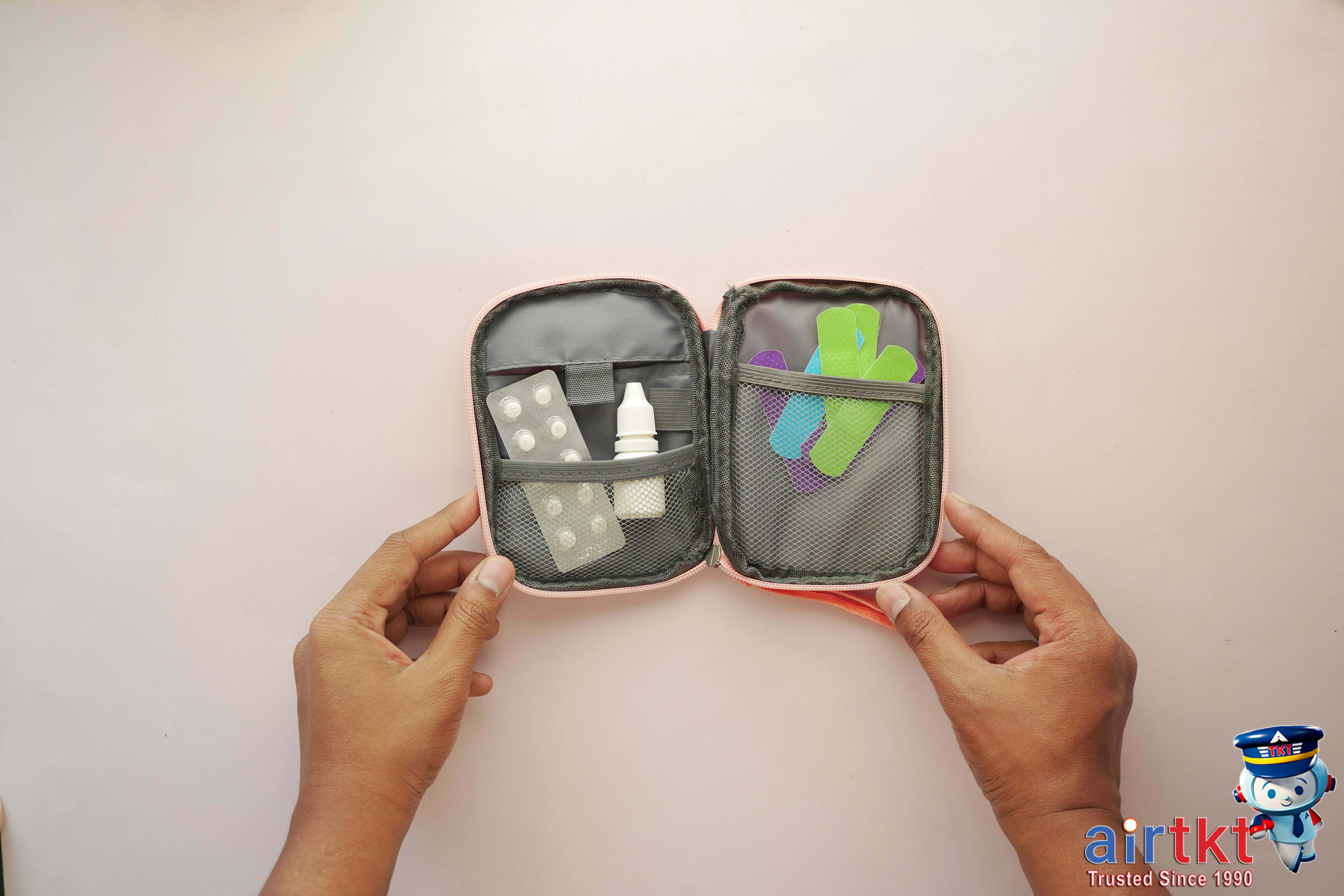
Every traveler should pack a reliable first aid kit to handle common health issues on the go. A well-stocked kit prevents minor problems from turning into trip-ruining emergencies. Here’s a detailed breakdown of essential first aid items and their practical uses during travel.
Must-Have Items and Their Uses
- Assorted Band-Aids: Protect small cuts, blisters, or scrapes from infection and dirt. Different sizes and shapes accommodate fingertips, joints, and larger wounds.
- Antiseptic Wipes: Clean wounds or hands when water isn’t available to reduce infection risk after cuts, insect bites, or handling contaminated surfaces.
- Cotton Swabs: Useful for applying ointments to precise areas, cleaning minor wounds, or removing debris from cuts.
- Pain Relievers (Acetaminophen, Ibuprofen): Manage headaches, muscle aches, fever, or inflammation caused by strenuous travel activities or jet lag.
- Anti-Diarrheal Medicine: Quickly control symptoms from traveler’s diarrhea or food-related digestive upset, preventing dehydration and discomfort.
- Antihistamines: Treat allergic reactions such as hay fever, insect stings, or food allergies, reducing symptoms like itching, swelling, or sneezing.
- Motion Sickness Pills: Help prevent nausea and dizziness when traveling by car, plane, boat, or train, making long journeys more comfortable.
- Tweezers: Remove splinters, thorns, or insect stingers safely to avoid infection or irritation.
- Thermometer: Monitor body temperature in case of fever to decide if medical attention is needed.
- Gloves: Disposable gloves protect you and others when administering first aid, especially when dealing with open wounds.
Practical First Aid Checklist with Brand Suggestions
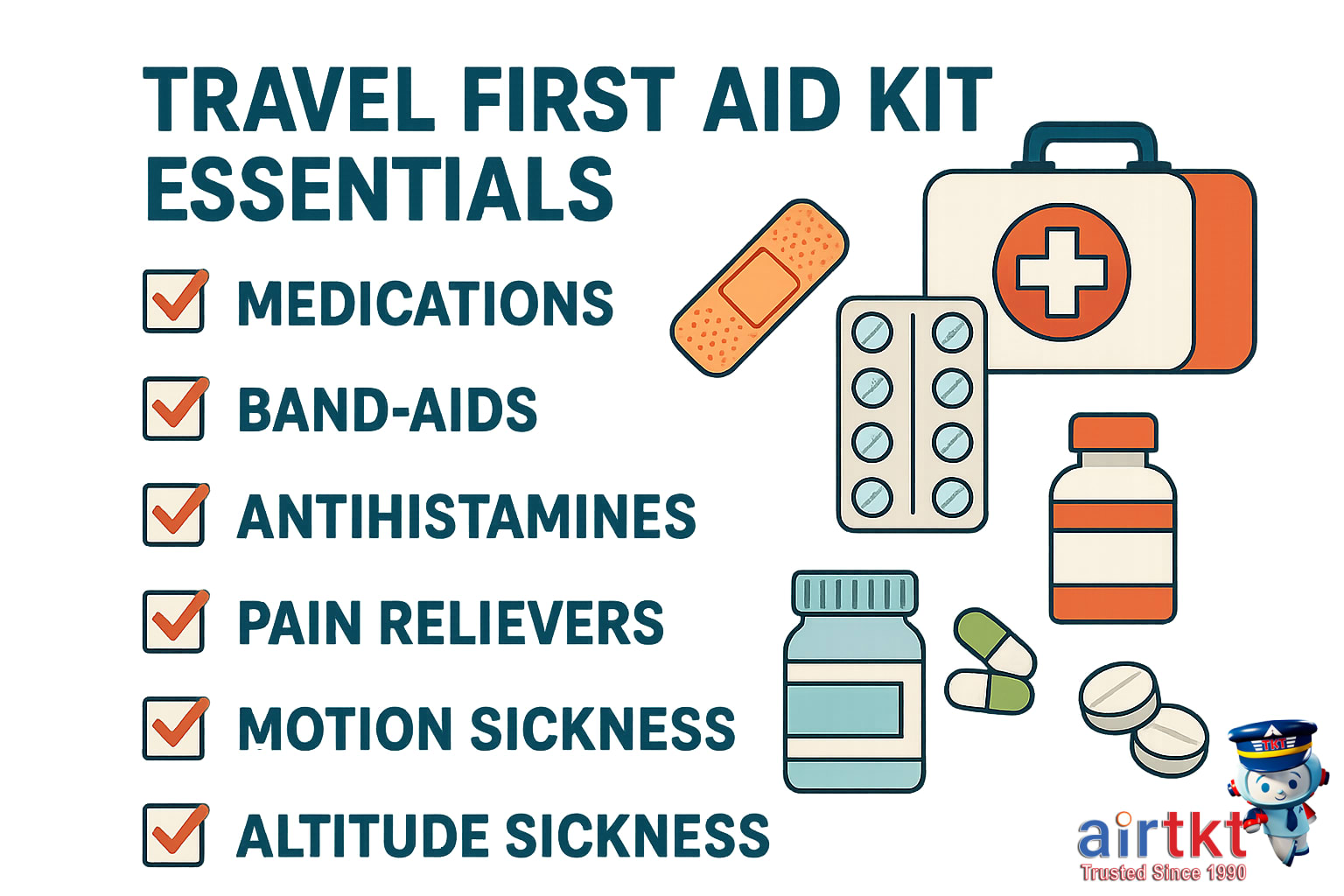
To simplify your packing, here’s a checklist of core items travelers rely on. Consider trusted brands or generic alternatives that meet safety standards:
- Assorted Band-Aids – Band-Aid Brand or generic latex-free strips
- Antiseptic Wipes – Dettol or alcohol-based sterile wipes
- Cotton Swabs – standard medical-grade cotton buds
- Pain Relievers – Tylenol (acetaminophen), Advil (ibuprofen)
- Anti-Diarrheal – Imodium or store-brand loperamide
- Antihistamines – Benadryl or generic diphenhydramine tablets
- Motion Sickness Pills – Dramamine or meclizine
- Tweezers – stainless steel pointed or slanted tip
- Thermometer – digital, compact models for ease of use
- Disposable Gloves – nitrile or latex-free to avoid allergies
Medication Storage and Safety Tips
Storing medications properly while traveling is essential to maintain their effectiveness and ensure easy access:
- Keep pills in their original containers with clear labels to avoid confusion and meet airport security requirements.
- Carry copies of prescriptions for medications to facilitate customs checks and emergency refills abroad.
- Store liquids and gels in sealed bags to prevent leaks.
- Pack first aid kits in accessible compartments to reach them swiftly in emergencies.
With these essential first aid items and smart packing tips, you’ll be prepared for common travel health issues and can focus on enjoying your trip. For more travel planning tips and affordable flight bookings, visit AirTtkt.
Customize Kit by Destination and Duration
When preparing a first aid kit for your travels, one size does not fit all. The length of your trip and the destination’s specific health risks play crucial roles in determining the contents of your kit. For longer journeys, you’ll need larger supplies or the option to replenish essentials, while different regions demand tailored medications and precautions.
For trips extending beyond a week, stock enough basic supplies like bandages, antiseptics, pain relievers, and any personal medications to cover the entire duration. Consider packing extra items in case of unexpected delays or emergencies. It’s also wise to research local availability of medical supplies at your destination, so you can plan for replenishing your kit if needed.
Destination-specific risks should also influence your kit’s contents. For example, if you’re traveling to tropical areas where malaria is a concern, include antimalarial pills as prescribed by your healthcare provider. In mountainous or high-altitude locations, adding remedies for altitude sickness like acetazolamide can help prevent symptoms such as headaches and nausea, ensuring a more comfortable trip.
Researching current health advisories before traveling is essential. Reliable resources like the CDC travel site and official government health portals provide up-to-date information on disease outbreaks, vaccination recommendations, and safety precautions for specific countries or regions. Checking these sources can alert you to necessary vaccinations or medications that should be included in your travel kit.
Vaccine documentation requirements are another key consideration. Many countries require proof of certain vaccinations for entry—yellow fever is a notable example. Always verify these requirements well ahead of time and carry documentation alongside your kit to avoid complications during your journey.
By thoughtfully customizing your first aid kit based on trip duration and destination, you can be better prepared for health issues that might arise. This proactive approach reduces stress and helps you handle minor illnesses or injuries confidently while enjoying your travels.
Store First Aid Kits for Easy Access
Keeping your first aid kit within reach during travel can make a significant difference in managing minor injuries or medical needs quickly. For optimal convenience, always carry your first aid kit in your carry-on luggage or daypack. This approach ensures you have immediate access whether you’re onboard, navigating airport terminals, or exploring local attractions.
As of 2024, the TSA regulations allow travelers to bring medications and essential liquids in carry-ons. Liquid medications and gels must comply with the standard 3.4-ounce (100 ml) size limit unless prescribed. It’s crucial to declare any larger liquid medicines or medically necessary items during the security screening to avoid delays. This makes storing your first aid essentials close at hand both a practical and compliant choice.
Another useful tip is to carry both digital copies and physical printouts of your prescriptions. Presenting these during security checks helps clarify the necessity of particular medications or medical supplies, speeding up the process and preventing misunderstandings. Many travelers overlook this preparation, so being proactive can save time and stress at busy checkpoints.
Durable, waterproof storage solutions keep your first aid kit intact and organized. Compact zippered pouches made of sturdy materials provide protection against spills, humidity, and rough handling. These pouches often feature multiple compartments, allowing you to separate bandages, ointments, and pills neatly. Their compact design also fits easily into carry-ons or backpacks without adding bulk.
Use First Aid Kits Confidently on Trips
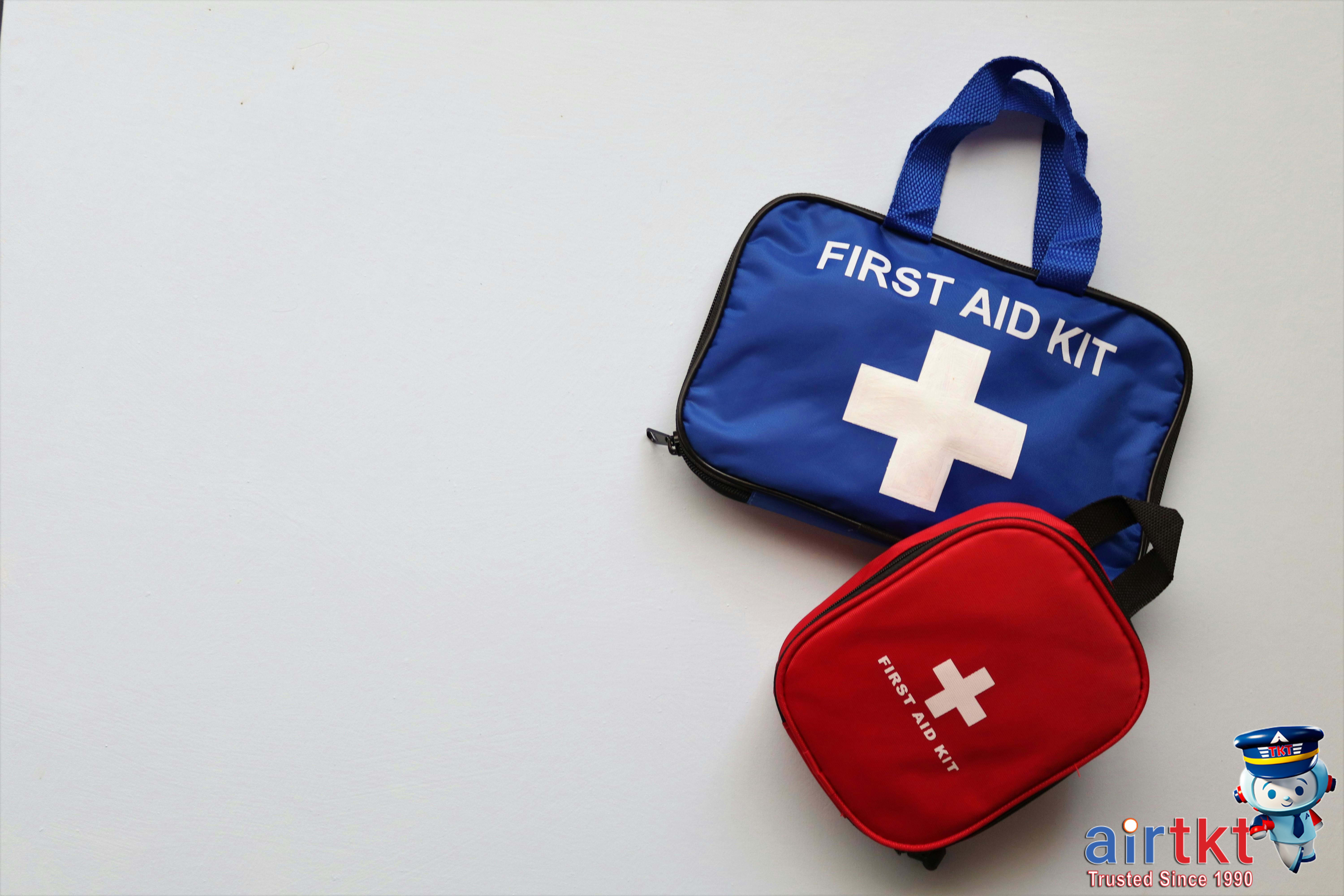
Traveling can bring unexpected scrapes, allergies, or mild fevers that require prompt attention. Knowing how to efficiently use your first aid kit builds confidence and safety on the road. Here’s a clear, step-by-step guide to essential first aid procedures you can perform yourself, plus advice on when it’s critical to seek professional care.
Clean Wounds Properly
Start by washing your hands thoroughly to avoid infection. For minor cuts or scrapes, rinse the wound gently with clean running water to remove dirt and debris. Use sterile gauze or a clean cloth to pat the area dry without rubbing. Apply an antiseptic solution or ointment to prevent bacterial growth. Finally, cover the wound with an appropriate adhesive bandage or sterile dressing to keep it protected.
Use Antiseptics Correctly
Antiseptics like iodine, hydrogen peroxide, or alcohol wipes are powerful but should be used cautiously. Apply them sparingly; excessive use can irritate the skin and delay healing. Avoid using antiseptics deep inside wounds or on large burns. Instead, focus on cleaning the wound edges and surrounding skin. Always follow the instructions on your antiseptic products to ensure safe use.
Manage Allergic Reactions
If you experience mild allergic symptoms such as itching, swelling, or a rash, use antihistamines if available in your kit. For insect bites or stings, apply a cold compress to reduce swelling. However, if you or a fellow traveler show signs of a severe allergic reaction—such as difficulty breathing, swelling of the face or throat, or dizziness—seek emergency medical help immediately. Carry an epinephrine injector if prescribed and know how to use it.
Monitor and Manage Fevers
Keep a digital thermometer in your first aid kit to monitor body temperature accurately. For a mild fever, ensure hydration and rest. You can use over-the-counter fever reducers like acetaminophen or ibuprofen, following dosage instructions carefully. Be vigilant: if the fever surpasses 102°F (39°C), persists beyond two days, or is accompanied by severe symptoms like confusion or persistent vomiting, professional medical evaluation is necessary.
When to Seek Medical Attention
- Deep, uncontrollable bleeding or large wounds
- Signs of infection: increased redness, warmth, swelling, or pus
- Severe allergic reactions or difficulty breathing
- Suspected broken bones or head injuries
- High or persistent fever with other serious symptoms
Don’t hesitate to visit the nearest healthcare facility if you’re uncertain. Early professional intervention can prevent complications.
Avoid Common Traveler First Aid Mistakes
- Using expired medications: Always check expiry dates before packing your kit.
- Overpacking unnecessary items: Prioritize essentials to keep your kit lightweight and manageable.
- Ignoring personal allergies: Include any prescription meds and note allergies clearly for yourself and travel companions.
- Neglecting to restock used supplies: Replenish kits promptly after any use to stay prepared.
Simple First Aid Action Checklist
- Wash hands before treatment
- Clean wound with water and antiseptic
- Apply appropriate dressing or bandage
- Administer antihistamines or cold compress for mild allergies
- Monitor fever and use medication as directed
- Seek professional help for serious symptoms
Travel First Aid Kit FAQs
Can I pack prescription medications in my carry-on?
Yes, you can and should pack prescription medications in your carry-on bag. This keeps them accessible during your journey and reduces the risk of loss or damage. Always carry them in their original containers with prescription labels for security checks and to prove legitimacy.
What is the best way to store travel first aid supplies?
Store your first aid supplies in a compact, waterproof case to prevent damage and keep items organized. Use clear compartments or labeled pouches to quickly find essentials during an emergency. Keep the kit in an easily accessible spot within your luggage or carry-on.
When should I adjust kit contents for my destination?
Adjust your first aid kit based on your destination’s climate, activities, and local health risks. For example, include insect repellent for tropical areas or altitude sickness remedies for high elevations. Research your destination’s common health concerns before packing.
Why is carrying a travel first aid kit important?
Carrying a travel first aid kit ensures you can manage minor injuries or illnesses promptly, especially when medical help is not immediately available. It offers peace of mind and can prevent small issues from worsening, keeping your trip safe and enjoyable.
How to handle expired medications when traveling?
Avoid using expired medications as they may be ineffective or unsafe. Check expiration dates before your trip and replace any outdated items. If you encounter expired medication while traveling, dispose of it properly and seek fresh supplies if necessary.
What are recommended core items for travel first aid kits?
Core items include adhesive bandages, antiseptic wipes, pain relievers, tweezers, medical tape, allergy medication, and any personal prescriptions. Adding sunscreen and anti-diarrheal medicine can also be valuable, depending on your travel plans.
Can I bring liquids like antiseptics through airport security?
Yes, but liquids must comply with TSA regulations: containers should be 3.4 ounces (100 ml) or less and fit inside a single quart-sized clear bag. Consider packing antiseptics in small travel bottles or buying them at your destination to avoid restrictions.
Carry Travel First Aid Kits for Peace
Having a well-stocked and personalized first aid kit is a crucial component of any traveler’s packing list. It not only addresses minor injuries and common ailments but also instills peace of mind throughout your journey. A first aid kit tailored to your specific destination, health concerns, and trip length equips you to confidently handle unexpected situations without scrambling for pharmacies or medical help in unfamiliar environments.
Before every trip, it’s essential to perform routine checks of your first aid supplies. Replenishing expired medications, replacing used items, and adjusting contents based on the season or travel activities ensures your kit remains reliable. This simple habit helps you avoid last-minute stress and guarantees that your kit meets your current health needs.
Proper first aid preparedness directly enhances overall travel safety. Knowing you have the right tools to manage injuries or illnesses naturally builds confidence, allowing you to focus more on enjoying your experience. Whether hiking remote trails or navigating busy cities, having a trusted first aid kit fosters a safer, more secure mindset.
As you plan safer and smarter trips, consider AirTtkt your go-to partner for affordable flights and comprehensive travel resources. Alongside competitive airfare, AirTtkt offers valuable health and safety tips, helping you prepare thoroughly before takeoff. Combining financial savings with practical travel advice keeps your journeys secure and enjoyable from start to finish.