Experience the Northern Lights Bucket List
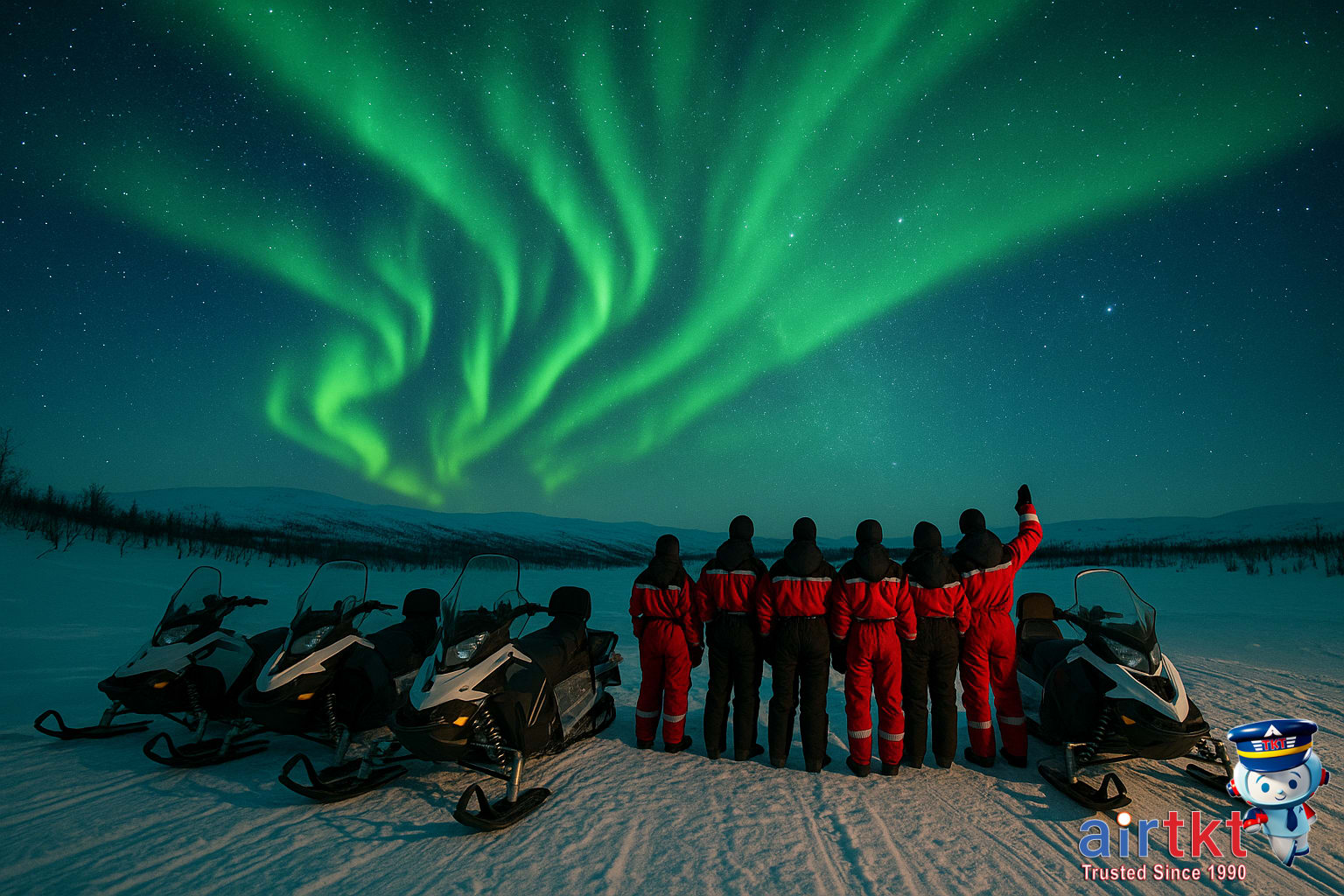
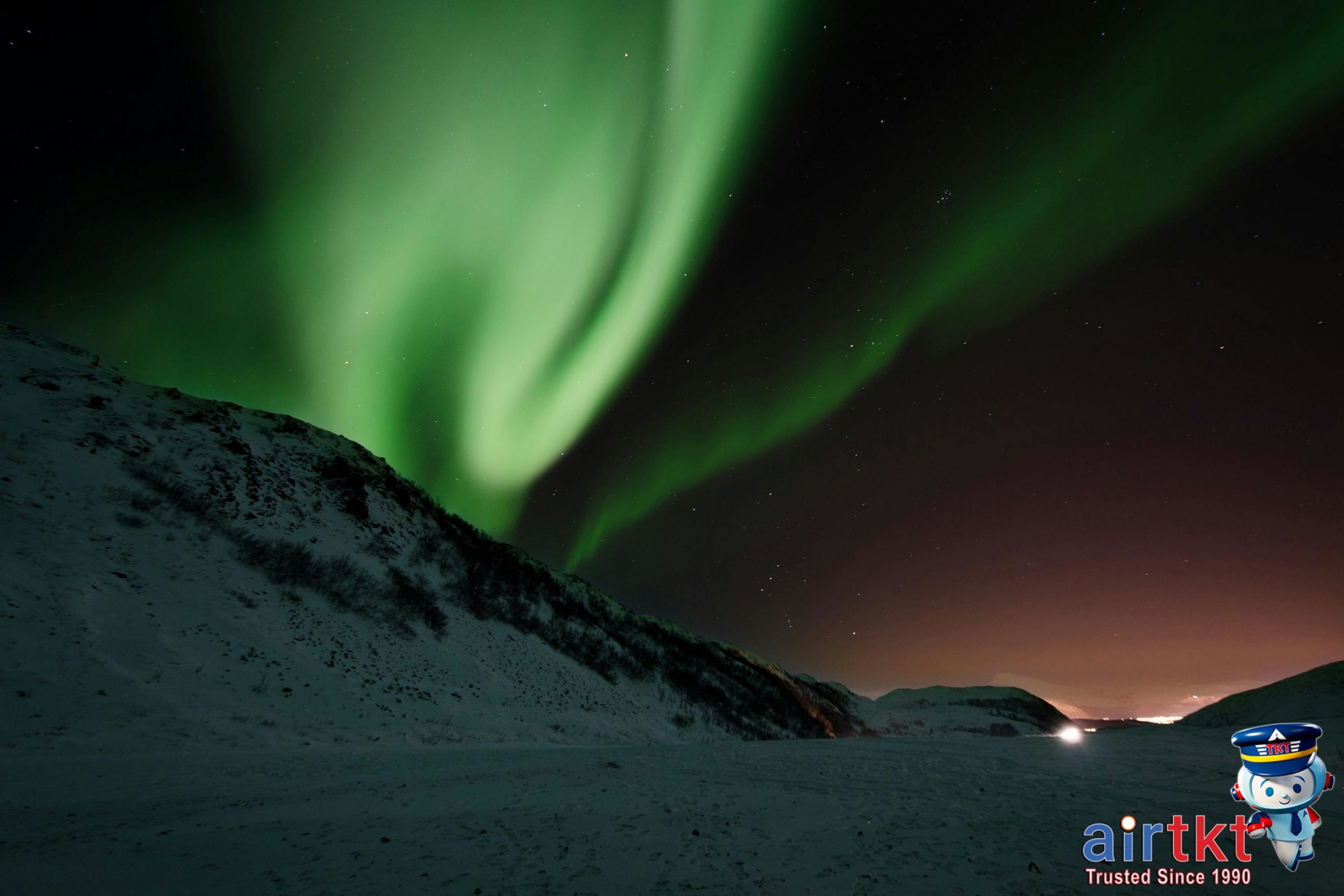
The Northern Lights, or aurora borealis, represent one of nature’s most enchanting displays—an ethereal dance of vibrant colors weaving across the night sky. This mesmerizing spectacle has captured the imagination of travelers worldwide, earning a coveted spot on many bucket lists. The elusive beauty of the lights promises a magical experience that feels both otherworldly and deeply connected to our planet’s natural forces.
Scientifically, the aurora borealis occurs when charged particles from the sun collide with Earth’s atmosphere, setting off dazzling light shows near the magnetic poles. These solar winds interact primarily with oxygen and nitrogen molecules at altitudes between 60 and 250 miles above the surface, producing the familiar greens, pinks, and purples. This natural phenomenon not only illustrates complex space weather but also reminds us of the dynamic relationship between our planet and the sun.
This article aims to serve as your comprehensive guide to witnessing the Northern Lights. We’ll walk you through the best destinations known for consistent aurora sightings, outline the ideal times of year and night to maximize your chances, and provide practical travel tips to help you plan your adventure smoothly. Whether you’re eyeing Iceland’s frost-kissed landscapes or the remote wilderness of Alaska, you’ll find tailored advice for an affordable and unforgettable trip.
It’s important to keep in mind the unpredictable nature of the aurora. Despite selecting prime locations and optimal seasons, the visibility of the lights depends on solar activity and weather conditions, which can be highly variable. Preparing yourself with realistic expectations ensures that you’ll appreciate the entire experience—from crisp, star-filled skies to stunning natural surroundings—even if the lights play coy. With smart planning and a little luck, your quest for the Northern Lights will become a treasured memory.
Top Northern Lights Viewing Destinations
Chasing the Northern Lights is a dream for many travelers, and selecting the right destination can make all the difference. Here are five exceptional spots that combine stunning aurora displays with unique local experiences and accessible travel options.
Tromsø, Norway: Urban Comfort Meets Aurora Magic
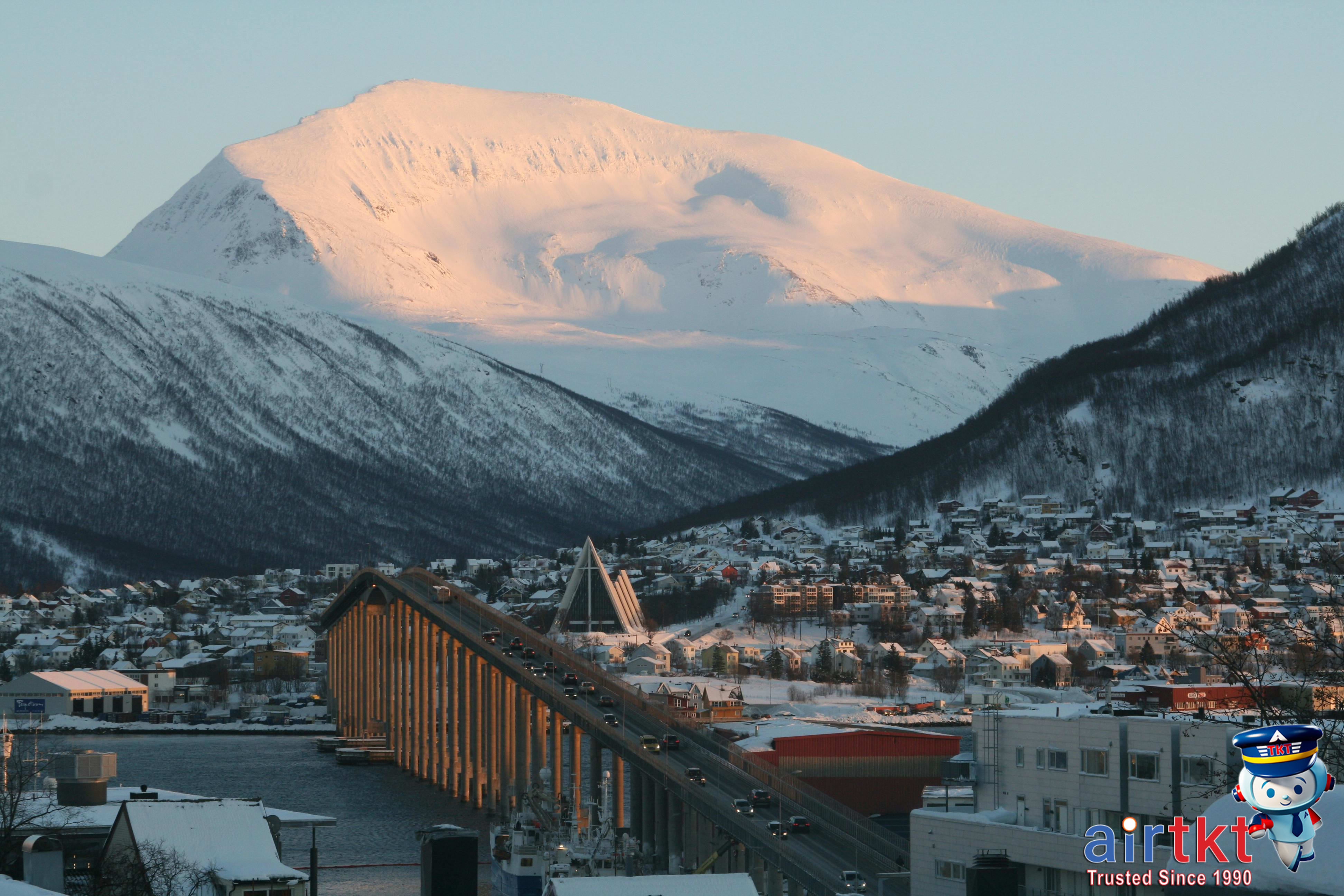
Tromsø offers the perfect blend of city conveniences and spectacular Northern Lights viewing. Known as the “Gateway to the Arctic,” Tromsø sees frequent and vivid aurora activity from September through April. The city is serviced by Tromsø Airport (TOS), just 5 km from downtown, making arrival and transfers simple. Despite its Arctic location, Tromsø’s coastal climate is relatively mild but cold, with winter temperatures averaging between 20°F and 30°F (-6°C to -1°C). Visitors enjoy vibrant nightlife, museums, and guided aurora tours in safely warmed vehicles.
Reykjavik & Northern Iceland: Geothermal Wonders Under the Lights
Iceland’s capital, Reykjavik, combines geothermal marvels with strong Northern Lights potential. Flights arrive at Keflavik International Airport (KEF), approximately 50 km from the city center. Aurora visibility is variable and best during the dark winter months, from late September to mid-April. Weather can be unpredictable, with rugged conditions including snow and wind. For optimal viewing, travelers often venture north to quieter spots like Akureyri or the Westfjords. The chance to soak in hot springs before or after lights sightings adds a memorable twist to this trip.
Fairbanks, Alaska: Clear Skies and Aurora Tours
Fairbanks boasts some of the clearest skies in the aurora belt, offering an almost guaranteed view during its peak season from late August to early April. Fairbanks International Airport (FAI) lies just 6 km from downtown, enabling quick access to lodgings and tours. Expect subzero temperatures, often dropping below 0°F (-18°C), demanding proper winter gear. This destination excels at aurora-focused activities like guided snowmobile rides, dog-sledding, and visiting the nearby Chena Hot Springs for a warm reprieve.
Yellowknife, Canada: Frequent Lights and Rich Culture
Yellowknife in Canada’s Northwest Territories is renowned for some of the most frequent and intense aurora displays worldwide. The city’s position on the edge of the auroral oval delivers reliable activity from mid-August through April. Yellowknife Airport (YZF) is located just 10 km from town, facilitating easy travel connections. The subarctic climate means cold, snowy winters with temperatures often plummeting below -20°F (-29°C). Beyond the lights, travelers can immerse themselves in indigenous culture and winter festivals.
Scottish Highlands & Southern Greenland: Emerging Aurora Hotspots
Less traditional yet promising, the Scottish Highlands and Southern Greenland offer unique landscapes for aurora viewing. The Scottish Highlands experience occasional aurora, particularly during high solar activity and clear nights. Inverness Airport (INV) serves the region, with onward travel needed to remote viewing sites. Southern Greenland, reached via Nuuk Airport (GOH) or Kangerlussuaq Airport (SFJ), is rising in popularity for its pristine Arctic wilderness. Seasonally, aurora activity peaks during long winter nights but requires flexible travel plans due to challenging weather.
Accessibility and Aurora Activity Comparison
| Destination | Nearest Airport | Typical Aurora Activity | Accessibility | Climate |
|---|---|---|---|---|
| Tromsø, Norway | Tromsø Airport (TOS) | High | Very accessible | Cold, coastal Arctic |
| Reykjavik & Northern Iceland | Keflavik Intl (KEF) | Moderate to high | Accessible, some remote spots | Rugged, snowy |
| Fairbanks, Alaska | Fairbanks Intl (FAI) | Very high | Very accessible | Cold, clear skies |
| Yellowknife, Canada | Yellowknife Airport (YZF) | Very high | Accessible | Subarctic |
| Scottish Highlands & Southern Greenland | Inverness (INV), Nuuk (GOH), Kangerlussuaq (SFJ) | Moderate | Less accessible, seasonal | Varies: temperate to Arctic |
Best Times to See Northern Lights
The prime season to witness the mesmerizing Northern Lights spans from late September through early April. This timeframe offers the longest nights and deepest darkness, essential for spotting the aurora’s vivid colors. As the sun dips below the horizon earlier and stays hidden longer, the sky becomes a natural canvas where the lights can truly shine.
Weather plays a critical role in visibility. Clear, crisp skies with minimal cloud cover create ideal conditions. Typically, aurora-chasing destinations experience cold temperatures during these months, often accompanied by dry air that reduces haze and fog. Low clouds can obscure the spectacle, so choosing nights with forecasted clear skies increases your chances of an unforgettable sighting.
Solar activity is the heart of aurora displays. Driven by an approximately 11-year solar cycle, periods of heightened solar flares and sunspots intensify the lights’ brightness and frequency. When the sun is active, charged particles collide with Earth’s atmosphere more energetically, leading to spectacular aurora pulses. Tracking solar forecasts can help plan your trip during these peak activity windows.
Each top aurora destination has unique peak viewing periods shaped by latitude, weather patterns, and daylight. For example, Alaska and northern Canada boast prime viewing from late November to March, while Iceland and Norway’s best windows stretch October through March. Finland’s Lapland offers consistent opportunities from September until early April, with darkest months in December and January often being the most captivating.
Seasonal variations in daylight also influence your experience. Polar nights—when the sun barely rises—create extended darkness perfect for the Northern Lights, but can pose travel challenges. Conversely, shoulder months with some daylight give a balance of sightseeing during the day and aurora watching at night.
Travel costs fluctuate with demand during peak aurora seasons. Flights tend to be more expensive in December through March when many flock to high-latitude destinations. Booking early through AirTtkt can uncover discounted fares and special promotions. Consider mid-week travel or slightly off-peak dates to save money while still experiencing great aurora displays.
Flexible planning is key. Monitoring fare trends on AirTtkt allows travelers to capitalize on last-minute deals or price drops. Combined with strategic timing aligned with solar activity and weather, you can enjoy awe-inspiring Northern Lights without overspending.
Tips for Planning Northern Lights Travel
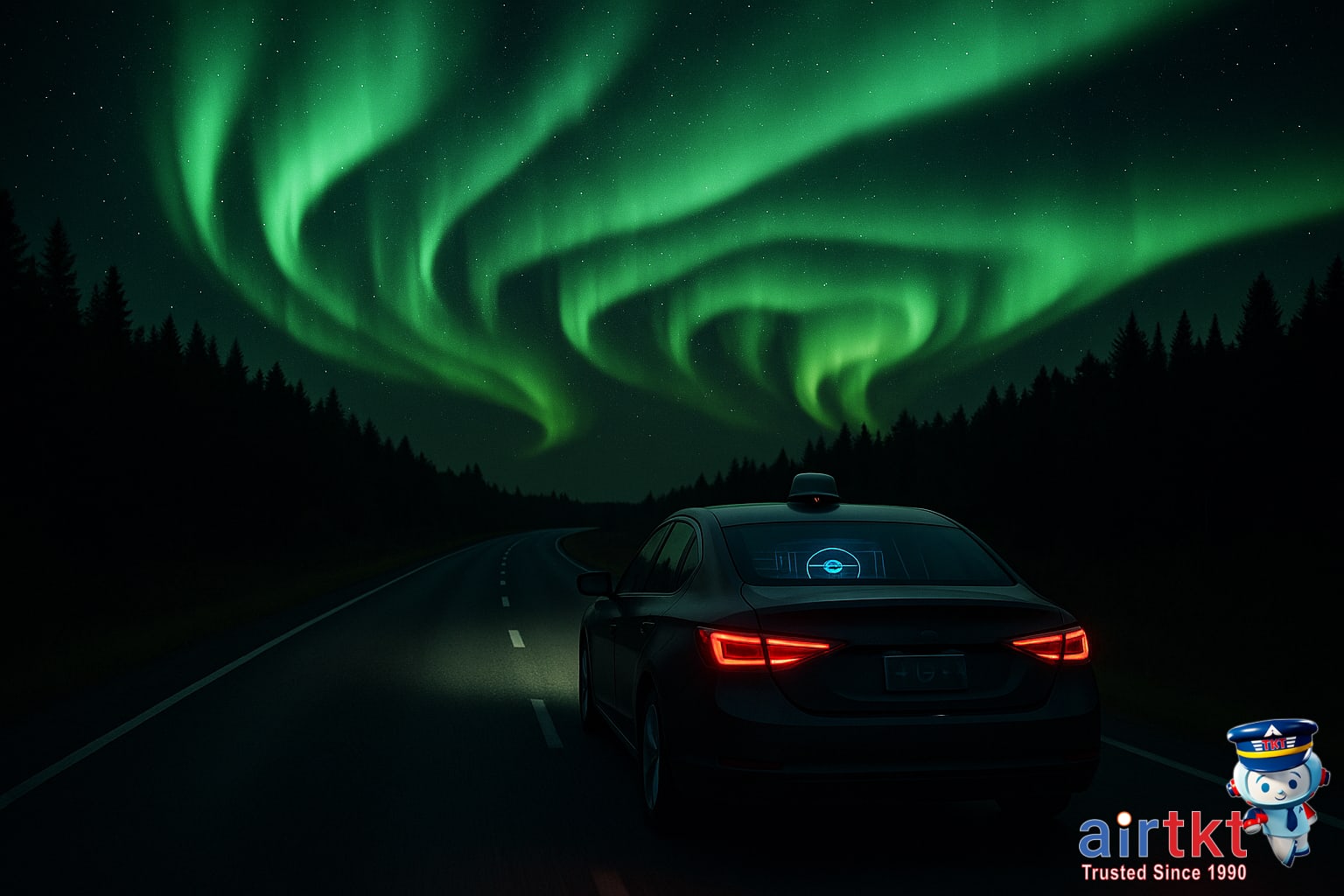
When chasing the Northern Lights, travelers often face a key decision: book a local guided tour or venture out on a self-driving adventure to remote dark-sky locations. Guided tours offer safety and expert knowledge of prime viewing spots, along with transportation that lets you relax and focus on the experience. However, tours can be less flexible with schedules and routes. On the other hand, self-driving gives you freedom to explore at your own pace and chase clear skies, but it requires careful planning, winter driving skills, and can be risky in harsh weather conditions.
Choosing between these options depends on your comfort with winter driving, desire for flexibility, and willingness to handle logistical challenges. Many travelers find guided tours ideal for first-timers seeking convenience, while experienced adventurers enjoy the autonomy of self-driving to capture unique moments under the auroras.
Prepare Essential Cold-Weather Gear
Proper clothing is crucial for comfort when waiting outdoors in freezing temperatures. Dress in layers starting with a moisture-wicking base layer to keep sweat away. Add insulating mid-layers like fleece, and top off with a waterproof, windproof outer shell. Don’t forget insulated, waterproof boots with good traction, and warm gloves or mittens, plus a hat that covers your ears.
For photography enthusiasts, a sturdy tripod and camera with manual settings are must-haves to capture crisp aurora images. Spare batteries are essential, as cold drains power quickly. A remote shutter release can also prevent camera shake for sharper photos during long exposures.
Manage Expectations and Stay Patient
The Northern Lights are a natural phenomenon and sightings cannot be guaranteed nightly. Weather conditions, solar activity, and light pollution affect visibility. To avoid disappointment, approach your trip with patience and an open mind. Keep track of aurora forecasts but don’t rely solely on them.
Plan to spend multiple nights in prime viewing areas to increase your chances. When conditions aren’t favorable, focus on the unique winter atmosphere and local culture. Maintaining a positive mindset transforms the experience into a memorable adventure regardless of how many aurora displays you witness.
Enjoy Complementary Local Activities
When the skies are blanketed in clouds, seize the opportunity to explore other winter activities and cultural experiences. Many Northern Lights destinations offer dog sledding, snowmobiling, or cross-country skiing that highlight the region’s natural beauty. Visiting local museums, indigenous cultural centers, and cozy cafés provides insight into the heritage and lifestyle of Arctic communities.
Unique Experiences Beyond Aurora Viewing
While the Northern Lights captivate travelers worldwide, the destinations that showcase this natural wonder offer so much more. Embracing local culture, savoring unique cuisines, and exploring outdoor adventures greatly enrich your trip. Consider extending your journey with these unforgettable experiences that complement aurora viewing.
Explore Sami Culture in Tromsø, Norway
Tromsø is a gateway to authentic Sami culture, the indigenous people of Northern Scandinavia. Here, you can learn about traditional reindeer herding, listen to joik chanting, and try Sami handicrafts. Participate in cultural tours that offer insight into their centuries-old customs and vibrant heritage, making your visit deeply meaningful beyond the aurora spectacle.
Relax in Iceland’s Geothermal Baths and Cuisine
Near Reykjavik, geothermal spas like the Blue Lagoon provide soothing warmth in the crisp Arctic air. After soaking, indulge in Icelandic cuisine featuring fresh seafood, lamb, and skyr—a creamy dairy delight. These culinary experiences reveal the country’s rich food traditions, blending perfectly with your Northern Lights adventures.
Dog Sledding and Wilderness in Fairbanks, Alaska
Fairbanks is a prime spot for thrilling outdoor activities. Dog sledding offers an exhilarating way to traverse snowy landscapes and experience Alaska’s wilderness firsthand. Guided tours often include storytelling about native history and survival skills, creating a dynamic blend of adrenaline and education during your stay.
Discover Indigenous Heritage and Wildlife in Yellowknife, Canada
Yellowknife invites travelers to engage with the culture of Canada’s First Nations communities. Participate in guided wildlife tours to spot bison, moose, and arctic foxes while learning about the local indigenous people’s deep connection to the land. These experiences broaden your understanding of the region’s ecology and history.
Savor Whisky and Scenic Views in the Scottish Highlands
While not a traditional Northern Lights destination, the Scottish Highlands occasionally offer the chance to glimpse auroras. Here, complement your visit with whisky tastings at world-renowned distilleries surrounded by dramatic landscapes. Exploring ancient castles and wandering glens enhances your adventure with history and flavor.
Northern Lights Travel FAQ
How to maximize chances to see the Northern Lights?
Choose clear, dark skies away from city lights and plan to stay for several nights to increase viewing odds. Check local aurora forecasts and be prepared to travel to spots with minimal light pollution. Patience and flexibility boost your chances of witnessing the spectacle.
What is the best time to visit for aurora viewing?
The optimal period is between late September and early April, with peak activity often in winter months. Long nights and cold, clear weather improve visibility. Avoid summer months when daylight hours obscure the lights.
When should I book flights to Aurora destinations for best prices?
Book flights 2-3 months in advance to secure the best deals, especially for high-demand winter months. Use tools like AirTtkt to compare fares and monitor price drops for last-minute specials.
Why is it hard to predict the Northern Lights appearance?
The aurora depends on solar winds interacting with Earth’s magnetic field, which fluctuates unpredictably. Forecasts are only accurate a few days ahead, making it difficult to guarantee sightings in advance.
Can I drive myself to remote viewing spots safely?
Yes, if you’re experienced with winter driving conditions and have a suitable vehicle. Always check road conditions and weather reports, carry emergency supplies, and inform someone about your itinerary for safety.
What clothing and gear are essential for aurora trips?
Layered thermal clothing, insulated boots, warm gloves, and a hat are vital. Bring hand warmers, a flashlight with red light, and a tripod for camera use to capture the phenomenon in cold, dark conditions.
How do I enjoy the trip even if no lights appear?
Explore local culture, winter activities like dog sledding, hot springs, and scenic hikes. Plan for cozy lodge stays and enjoy the natural beauty and tranquility of aurora destinations beyond just the lights.
Plan Your Northern Lights Adventure with AirTkt
Chasing the mesmerizing Northern Lights requires smart planning and a bit of patience. Top destinations like Tromsø in Norway, Iceland’s remote countryside, and Canada’s Yukon offer prime viewing opportunities. The best time to witness the aurora borealis generally spans from late September to early April, when nights are longest and skies darkest. Remember to dress warmly, keep your schedule flexible, and allow multiple nights to maximize your chances—you never know when the sky will truly come alive.
That’s where AirTtkt simplifies the process. Their user-friendly platform lets you compare flight fares across airlines, ensuring you secure the most cost-effective options. Beyond flights, AirTtkt offers seamless booking for hotels, car rentals, and tours—all in one place, saving you time and hassle as you organize your trip.
Flexibility is key. Weather conditions and solar activity are unpredictable, so allow room in your itinerary for spontaneous excursions. Use AirTtkt’s 24/7 customer support for any changes or last-minute needs to keep your trip smooth and stress-free. Their reliable service helps you adapt and seize those perfect moments when the northern skies ignite with color.