
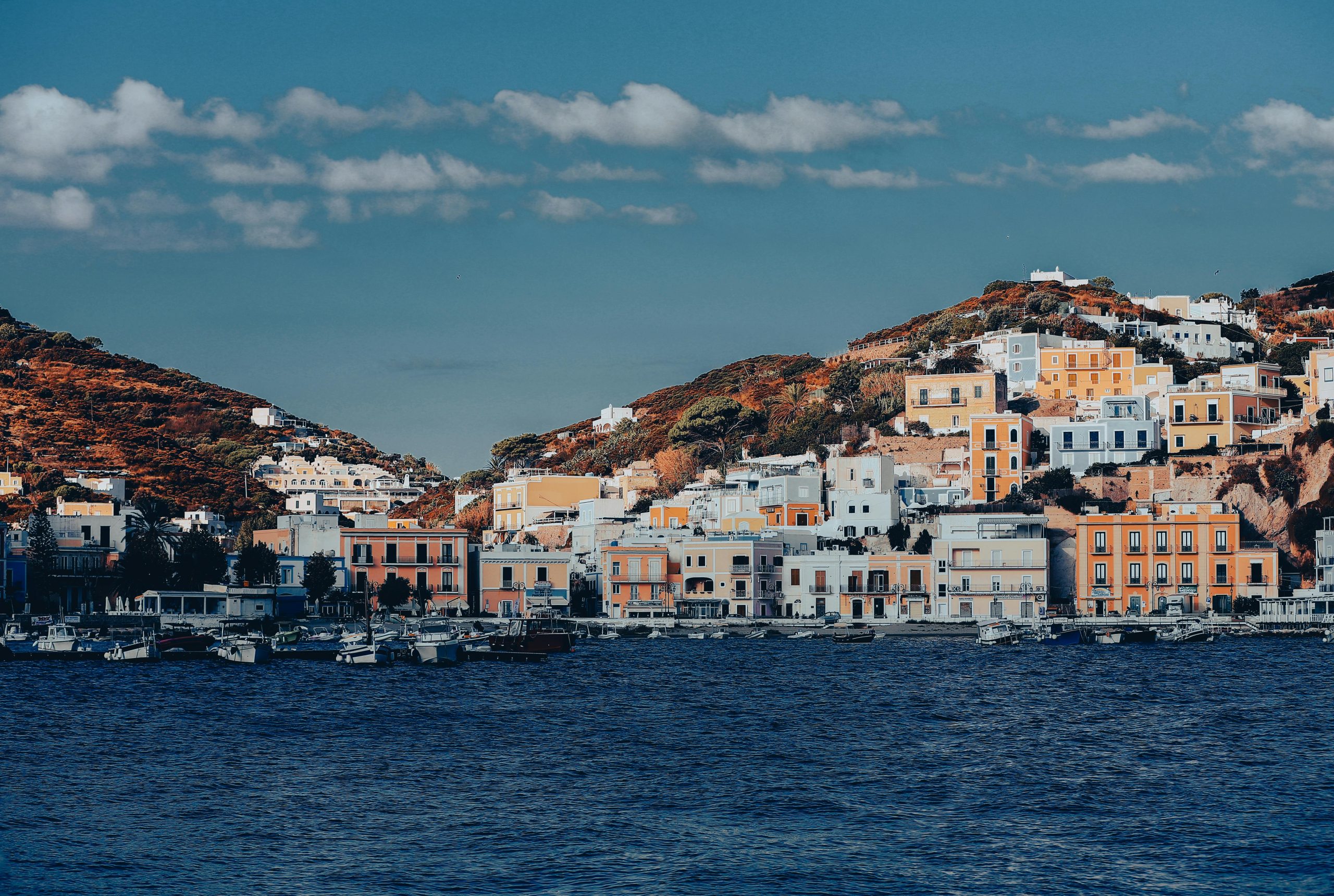
Discover Authentic Italy Beyond Major Cities
Italy’s iconic cities—Rome, Florence, and Venice—naturally draw the majority of tourists with their renowned landmarks, rich history, and vibrant art scenes. However, this popularity often leads to overcrowded streets, long lines, and experiences that can feel more staged than genuine. While these hubs are undeniably spectacular, they may not offer the authentic, immersive atmosphere that many travelers crave.
For those seeking a deeper connection with Italy’s culture, exploring the country’s smaller towns unlocks a treasure trove of charm and tranquility. Places like Matera, Alba, or Orvieto offer picturesque streets, local traditions, and culinary delights without the overwhelming tourist crowds. These hidden gems preserve their authentic pace of life, where locals go about their daily routines, and visitors can savor genuine hospitality and discover stories often missed in guidebooks.
Travelers who benefit most from venturing beyond the typical routes include culture enthusiasts, slow travelers, and budget-conscious adventurers. Families and solo travelers looking for a relaxed environment, away from tourist throngs, will find these destinations ideal for meaningful experiences. Smaller towns often have more affordable accommodations and dining, making them perfect for those trying to maximize their travel budgets without sacrificing quality.
That’s where AirTtkt comes in. This user-friendly travel booking platform empowers you to find affordable flights and accommodations to Italy’s lesser-known destinations quickly and confidently. With real-time fare comparisons, exclusive discounts, and 24/7 customer support, AirTtkt helps you create a personalized itinerary that highlights authentic Italian culture beyond the well-trodden path. Exploring Italy’s hidden treasures has never been more accessible or affordable.
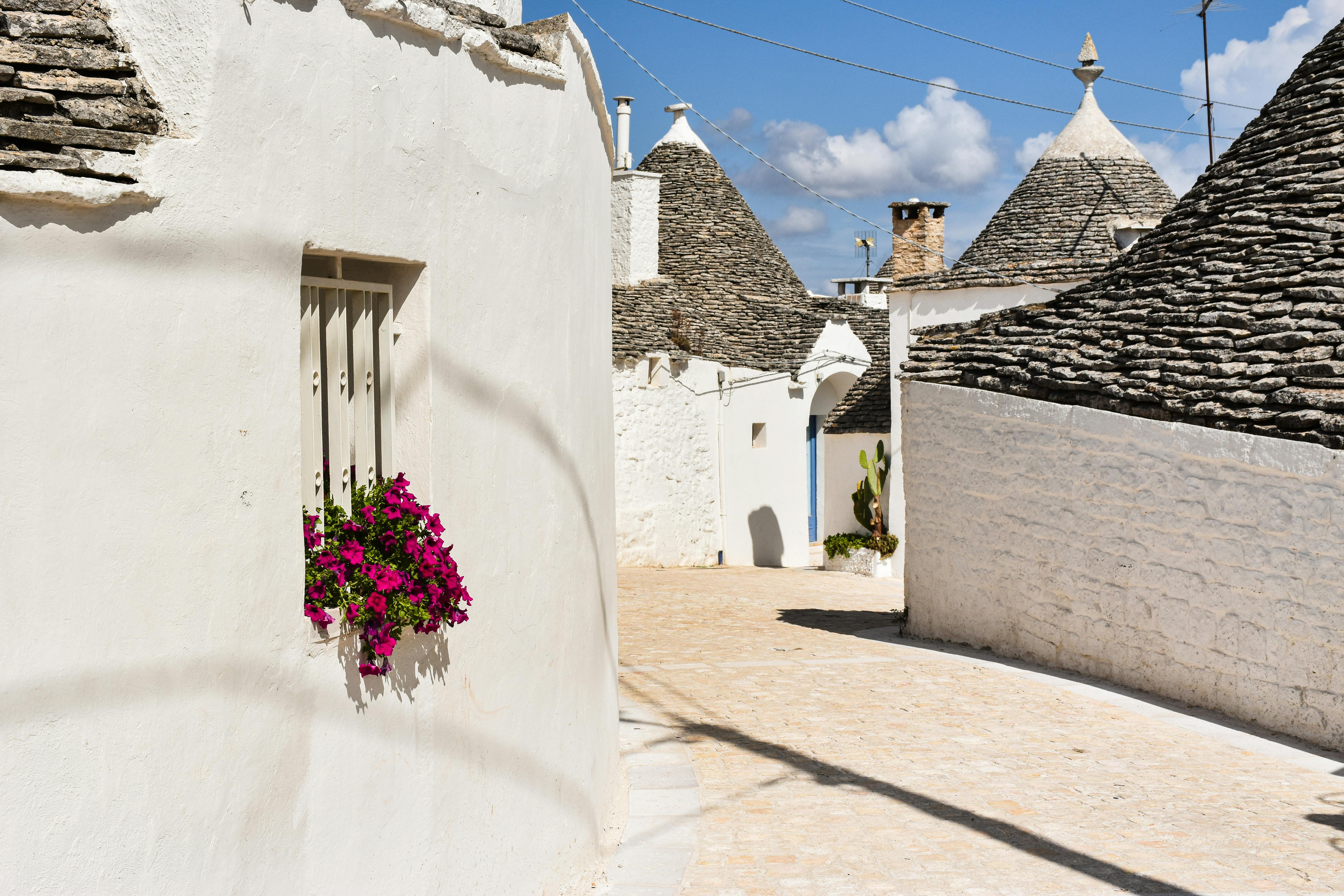
Explore Alberobello’s Unique Trulli Houses
Alberobello, a charming town tucked in Italy’s Puglia region, is world-famous for its unique trulli houses—ancient stone dwellings built using dry stone without mortar. These cone-shaped structures date back to the 14th century, originally constructed to avoid property taxes. Locals could quickly dismantle the trulli to give the impression of temporary shelters, cleverly circumventing tax laws. Today, this architectural ingenuity has earned Alberobello a coveted UNESCO World Heritage designation, celebrating its cultural and historical significance.
The trulli stand as enduring symbols of regional pride and identity. Their simplistic yet striking design combines practicality and tradition, reflecting the resilience of Puglia’s rural communities. Preserving these homes connects modern visitors to centuries-old craftsmanship and a slower, harmonious way of life, unlike typical urban environments. Alberobello’s narrow streets lined with trulli invite travelers to immerse themselves in local culture, where history is visible at every turn.
For the best experience, plan your visit during the shoulder seasons—April to June or September to October—when the weather is mild and the crowds are thinner. Summers can get hot and congested with tourists, while winters are quiet but cooler. Morning or late afternoon walks reveal the trulli’s textures in beautiful natural light and offer a peaceful atmosphere to admire the architecture without rush.
Getting to Alberobello is straightforward. If you’re flying into Bari airport, the town is about a one-hour drive by car, offering scenic views of the Apulian countryside. Alternatively, take a train from Bari Centrale to Alberobello station, which usually requires a connection in Bari or Putignano. Trains run several times a day, making it a convenient and budget-friendly option for those booking through AirTtkt.
Once in Alberobello, the best way to explore the trulli clusters is on foot. Walking tours through neighborhoods like Rione Monti and Aia Piccola reveal the trulli’s varied structures and vibrant local life—artisan shops, quaint cafes, and lively markets. Guided walking tours are available to deepen your understanding of the history and stories behind these iconic buildings. Either way, walking lets you soak in the atmosphere at your own pace and truly connect with this captivating UNESCO town.
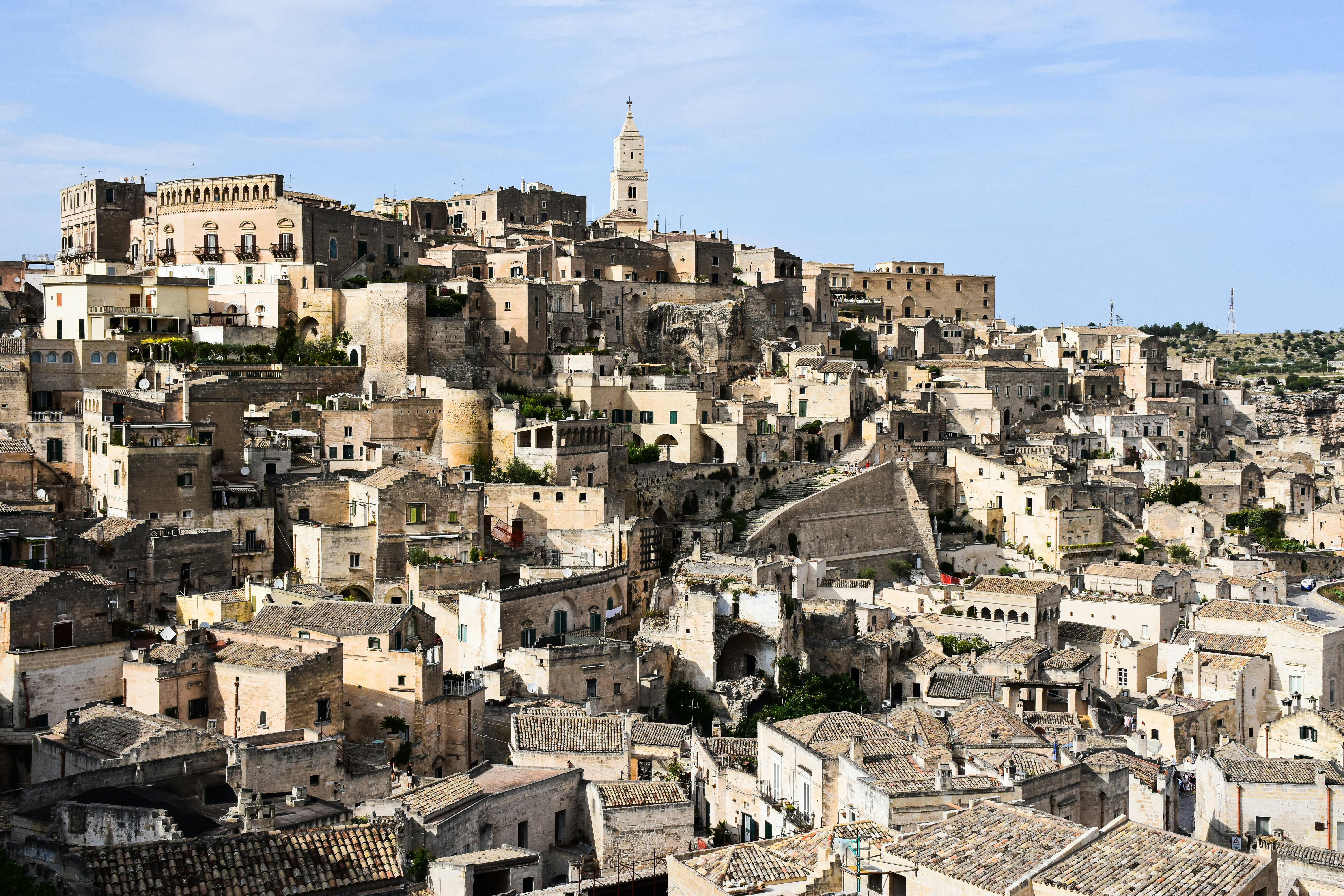
Visit Matera’s Ancient Cave Dwellings
Known as “The Cave City,” Matera’s unique charm lies in its ancient Sassi—cliffside cave dwellings carved directly into limestone rock over millennia. These prehistoric homes represent one of the world’s oldest continuously inhabited settlements, showcasing early human ingenuity in adapting to the environment. Walking through narrow alleys lined with these stone homes feels like stepping back to a time when people lived in harmony with nature, making Matera a captivating destination for history enthusiasts and curious travelers alike.
Once facing decline and depopulation, Matera’s Sassi underwent a remarkable revitalization effort. Starting in the late 20th century, restoration initiatives focused on preserving this cultural heritage, culminating in UNESCO designating the area as a World Heritage site in 1993. Today, Matera thrives as a vibrant cultural hotspot, where the ancient merges with modern life through art galleries, boutique hotels, and innovative cafés nestled within the caves. This transformation attracts visitors eager not only to explore history but to experience a living, evolving community.
Throughout the year, Matera hosts a bustling calendar of cultural events and exhibitions. Highlights include the Matera Film Festival in July, which screens movies in outdoor cave theaters, and various art installations spread across the city’s dramatic landscape. Seasonal celebrations like the Living Nativity in December enliven the caves with festive charm, offering immersive experiences that deepen visitors’ connection to this extraordinary place.
Getting to Matera is accessible from major airports such as Bari and Naples. From Bari, travelers can take a 1.5-hour direct bus or rent a car for a scenic drive. Naples offers train connections to Bari, followed by local buses to Matera, or guided tours that streamline the journey while providing rich historical context. Many tour operators offer day trips departing from these cities, ideal for those who prefer hassle-free planning and expert insights into Matera’s heritage.
When planning your visit, consider seasonal factors. Spring and fall boast the best weather and fewer crowds, making it easier to secure accommodations in the heart of Matera’s historic district. Summer, while lively with festivals, tends to be busier and pricier, so early booking is advisable. Winter is off-peak and quieter, though some cultural events provide rewarding experiences despite cooler temperatures. Note that the cobblestone streets and uneven terrain in the Sassi may require comfortable footwear, and visitors with limited mobility should check accessibility options in advance.
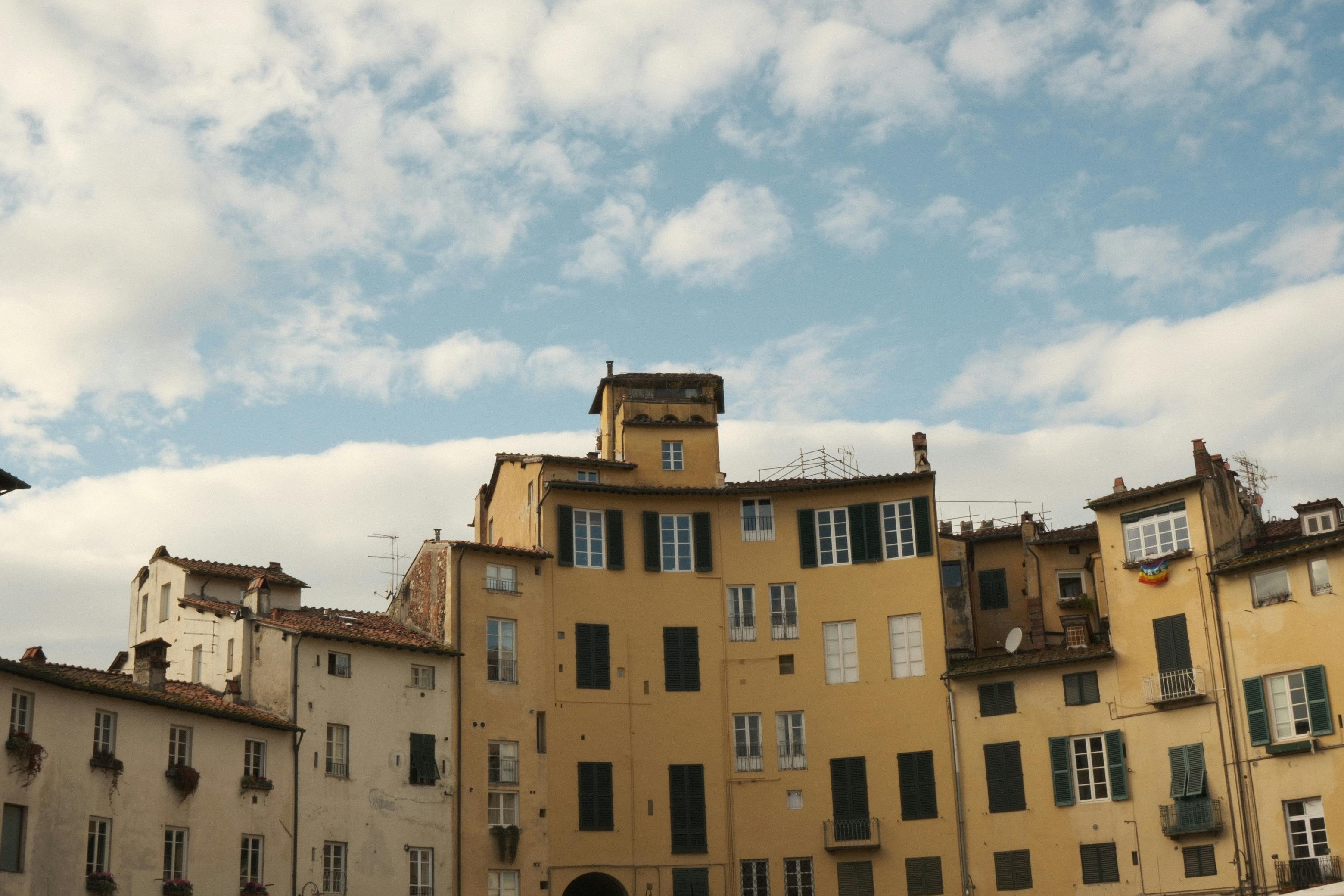
Discover Lucca’s Renaissance Walls and Arts
Lucca, a gem in Tuscany, remains famously encircled by its intact Renaissance walls, an extraordinary feat of preservation. Unlike many Italian cities where walls have disappeared or been replaced, Lucca’s fortified barriers stretch for nearly 4 kilometers and remain a defining feature of the vibrant historic center. Walk or bike atop these broad ramparts, soaking in panoramic views of red-tiled rooftops and cobbled streets, a perfect blend of history and lively local life.
Within these walls lie several must-visit attractions that highlight Lucca’s rich cultural tapestry. Piazza dell’Anfiteatro, once a Roman amphitheater, captivates visitors with its elliptical shape and charming cafes set along its perimeter. Nearby stands the imposing Guinigi Tower, easily recognizable by the ancient oak trees growing atop its summit—climbing this tower rewards you with breathtaking vistas over the city and the surrounding Tuscan landscape.
The San Martino Cathedral, with its intricate gothic facade and notable artworks inside, is a testament to Lucca’s religious and artistic heritage. Art lovers must also visit the Puccini Museum, dedicated to the town’s most famous native son, composer Giacomo Puccini. This museum not only celebrates his life and works but also hosts occasional concerts, enriching the appreciation for Lucca’s historical role in the world of music.
Lucca’s connection to Puccini underscores its artistic importance. The city has inspired musicians and artists for centuries. It hosts various festivals and performances, often held in historic venues, keeping the creative spirit alive. Exploring the narrow alleys, visitors can encounter galleries, artisan shops, and studios that highlight contemporary interpretations of Lucca’s rich heritage.
Getting to Lucca is convenient for most travelers. By train, frequent regional services connect Lucca to Florence and Pisa, each journey lasting about 30 to 40 minutes. This makes Lucca an excellent day-trip or multi-day destination for those based in larger Tuscany cities. For visitors preferring to drive, Lucca is accessible via the A11 motorway, with parking available near the historic center.
When planning a visit to this enchanting town, consider using AirTtkt to find affordable flight options into nearby Florence or Pisa airports. From there, seamless train or car connections make reaching Lucca simple and stress-free. Exploring the Renaissance walls and immersing yourself in its arts scene will make your Tuscan experience truly unforgettable.
Experience Siena’s Medieval Charm and Traditions
Siena enchants visitors with its remarkably preserved medieval architecture, offering an authentic glimpse into Italy’s past. The city’s heart, Piazza del Campo, stands out as one of Europe’s most stunning medieval squares. Its unique shell shape hosts cafés and markets, while the surrounding buildings—with their terracotta hues and gothic windows—transport you back centuries. Nearby, the Siena Cathedral (Duomo di Siena) captivates with its striped marble facade, intricate mosaics, and remarkable artworks by Renaissance masters including Donatello and Michelangelo.
Adding to Siena’s rich heritage is the Palio di Siena, a legendary horse race that pulses through the city’s narrow streets twice each summer, on July 2 and August 16. This fiercely competitive event pits Siena’s seventeen contrade (districts) against each other, fostering pride and tradition that date back to the 17th century. The Palio isn’t just a race; it’s a cultural phenomenon filled with pageantry, colorful costumes, and passionate local supporters, making it a once-in-a-lifetime experience for visitors fortunate enough to witness it.
Beyond the Palio and major landmarks, Siena offers a wealth of historic museums and sites that explore its artistic and religious legacy. The Museo dell’Opera del Duomo displays stunning statues and frescoes from the cathedral, while the Palazzo Pubblico on Piazza del Campo houses the famous Sala dei Nove frescoes. Other notable stops include the Pinacoteca Nazionale, featuring an extensive collection of Sienese paintings, and the Santa Maria della Scala complex, a former hospital turned museum presenting archaeological exhibits and contemporary art.
To make the most of your visit, plan your trip during the shoulder seasons of late spring (April to June) or early autumn (September to October). These months offer pleasant temperatures and lighter crowds, allowing you to explore comfortably without the summer tourist rush. During these times, accommodations and flights are often more affordable, perfect for budget-conscious travelers booking through AirTtkt.
Reaching Siena from Florence is straightforward, with several daily options. The train journey takes about 1.5 hours and involves a transfer at Empoli, combining comfort and scenic views. Alternatively, direct regional buses run frequently between Florence and Siena, typically in about an hour and a half. Both the bus and train options provide reliable, cost-effective routes that fit well within day-trip itineraries or longer Tuscan explorations.
Savor Bologna’s Culinary and University Vibe
Bologna stands out as a true foodie paradise, celebrated across Italy for its rich culinary traditions and authentic flavors. Renowned for iconic dishes like tagliatelle al ragù (often known internationally as Bolognese), tortellini, and lasagne verdi, the city invites visitors to indulge in handmade pastas paired with locally sourced ingredients. Exploring Bologna’s vibrant food markets, such as Mercato di Mezzo and Mercato delle Erbe, offers an immersive experience where you can sample fresh cheeses, cured meats, and seasonal produce alongside the city’s hardworking chefs and residents.
Beyond its gastronomic appeal, Bologna’s thriving university scene fuels a lively and youthful atmosphere. Home to the University of Bologna, founded in 1088 and recognized as the oldest university in the Western world, the city buzzes with students who bring energy and creativity to its streets, cafes, and nightlife. This dynamic blend of history and youthful vigor gives Bologna a distinctive cultural heartbeat, different from the tourist-heavy hubs of Rome or Florence.
Despite its vibrant offerings, Bologna remains a quieter alternative to Italy’s more famous cities. While Rome and Florence often feel overwhelmed by tourists, Bologna’s visitor volume is more manageable, allowing travelers to enjoy authentic experiences without the crowds. This off-the-beaten-path charm makes it an appealing choice for those seeking Italy’s culture, food, and history with a relaxed pace.
Getting to Bologna is straightforward with a well-connected international airport, Guglielmo Marconi Airport (BLQ). It offers direct flights to major European hubs and connections to other continents, making it accessible whether you’re traveling from within Europe or overseas. Upon arrival, the city’s compact layout facilitates easy local travel. Options include shuttle buses linking the airport to the city center, a reliable public bus network, taxis, and convenient bike rentals for the eco-conscious traveler.
Planning ahead with AirTtkt helps budget travelers find affordable flights to Bologna, ensuring you can dive into its rich culinary and cultural scenes without breaking the bank. With real-time fare comparisons and exclusive deal options, your trip to Bologna’s captivating university vibe and world-class food becomes both seamless and affordable.
Explore Northeastern Italy’s Trieste and Udine
Trieste stands out as a fascinating crossroads where Italian, Slavic, and Austrian cultures converge. Nestled on the Adriatic coast, this vibrant port city radiates a unique multicultural charm visible in its diverse architecture, cuisine, and traditions. Walking along the waterfront, you’ll witness striking views of the bustling harbor where historic ferries and modern ships collide, symbolizing Trieste’s long-standing role as a gateway between Central Europe and the Mediterranean.
Just a short distance inland, Udine offers a contrasting yet equally captivating experience. Known for its well-preserved old town, Udine showcases stunning Venetian-era architecture that transports visitors back to the days when the Republic of Venice influenced this region. Narrow cobblestone streets, quaint piazzas, and the imposing Udine Castle provide a picturesque setting to soak in the history and charm of this less-traveled northern Italian gem.
For travelers planning to explore both towns, train travel presents a convenient and efficient option. Regular regional trains connect Venice and Venice Marco Polo Airport directly to Trieste and Udine, making either city easily accessible as a day trip or an overnight destination. The journey to Udine takes roughly an hour and a half, while Trieste is typically reached in about two hours, both offering scenic views of the northeastern Italian landscape.
With their rich cultural heritage, historical allure, and straightforward transport connections, Trieste and Udine provide an ideal way to experience the lesser-known beauty of northeastern Italy without straying far from Venice. Whether you’re drawn by Trieste’s cosmopolitan vibe or Udine’s Venetian charm, both destinations promise rewarding explorations that suit budget-conscious and adventurous travelers alike.
Relax on Ischia’s Volcanic Island Getaway
For travelers seeking a peaceful alternative to the bustling island of Capri, Ischia offers a serene volcanic retreat. Famous for its dramatic volcanic landscapes, Ischia is dotted with lush greenery, rugged cliffs, and thermal springs that have been celebrated for their healing properties since Roman times. The island’s natural hot springs feed into numerous thermal spas, creating a haven for relaxation and wellness. Visitors come to soak in mineral-rich waters known to relieve stress, improve circulation, and rejuvenate the skin.
Beyond its therapeutic waters, Ischia boasts charming seaside villages that invite slow-paced exploration. Towns like Sant’Angelo encharm with narrow cobblestone streets, historic churches, and waterfront cafes perfect for leisurely afternoons. Quiet beaches such as Maronti or Citara provide ample space for sunbathing or swimming without the crowds typical of more famous islands. Unlike the lively nightlife of Capri, Ischia nurtures tranquility, making it ideal for travelers craving rest and rejuvenation in a laid-back atmosphere.
Accessing Ischia is straightforward and convenient, especially from Naples, a major travel hub. Frequent ferries and hydrofoils connect Naples’ Molo Beverello and Calata Porta di Massa ports to Ischia Porto and Casamicciola Terme docks. Travel time ranges from 40 minutes on fast hydrofoils to around an hour on conventional ferries. It’s best to book tickets in advance during peak summer months, as services can fill quickly. Off-peak travelers will enjoy shorter wait times and quieter ferry rides, making spring and early autumn particularly pleasant seasons to visit.
Ischia’s combination of natural beauty, healing thermal waters, and peaceful coastal villages makes it a must-consider destination for travelers looking to unwind away from crowded tourist spots. Whether you arrive for a day trip or an extended stay, this volcanic island offers a uniquely calming experience paired with genuine Southern Italian charm.
FAQs About Italy’s Lesser-Known Towns
What is the best way to reach Alberobello from major airports?
To reach Alberobello, fly into Bari or Brindisi airports. From Bari, take a train to Bari Centrale, then transfer to a local train heading to Alberobello. The journey totals about 1.5 to 2 hours, offering a scenic route through Apulia’s countryside.
How can I experience authentic culture beyond Rome and Florence?
Explore small towns like Matera or Lucca, where traditions thrive. Visit local markets, attend festivals, and dine in family-run trattorias. Immersing yourself in everyday life away from tourist hubs offers genuine insights into Italy’s rich cultural tapestry.
When should I visit Matera to avoid heavy crowds?
Visit Matera during shoulder seasons—April to June or September to October—when crowds thin and weather stays pleasant. Early mornings are ideal for sightseeing popular cave dwellings before tourist influx begins later in the day.
Why is Bologna considered a foodie’s paradise with fewer tourists?
Bologna boasts rich culinary traditions known for fresh pasta and cured meats. While it remains less crowded than Florence or Venice, it attracts food lovers eager to savor authentic flavors in bustling markets and historic osterias off the typical tourist path.
Can I easily travel between Trieste and Venice by train?
Yes, trains connect Trieste and Venice frequently, with high-speed options reducing travel time to around two hours. Booking tickets via AirTtkt ensures competitive pricing and access to last-minute deals for smooth travel.
What are the top attractions in Lucca I shouldn’t miss?
Don’t miss Lucca’s Renaissance walls, the Guinigi Tower with its rooftop garden, and the charming Piazza dell’Anfiteatro. Cycling atop the city walls offers unique views and highlights the town’s quiet charm beyond typical tourist spots.
How do seasonal changes affect travel plans to Ischia?
Ischia thrives in spring and early fall when weather is mild and crowds are smaller. Summer brings higher prices and busy beaches, while winter is quiet with fewer services. Plan accordingly for resorts and ferry schedules when booking your trip.
Choose Hidden Italian Gems for Richer Travel
Exploring lesser-known Italian towns offers a unique chance to escape the typical tourist crowds and experience the country’s authentic charm. These hidden gems provide peaceful surroundings where you can connect with local culture, enjoy slower-paced days, and truly immerse yourself in Italy’s rich heritage without the usual hustle. Avoiding crowded hotspots means savoring quieter streets, local cuisine, and genuine interactions that transform your trip into a memorable adventure.
Each of the towns highlighted offers something distinctly special—whether it’s ancient architecture steeped in history, breathtaking natural landscapes, or vibrant traditions preserved over centuries. From small medieval villages perched on hillsides to serene coastal retreats, these destinations showcase Italy’s diverse allure beyond the popular cities. Visiting these places not only enriches your travel experience but also supports communities that benefit from sustainable tourism.
AirTtkt makes it simple and affordable to visit these off-the-beaten-path locations. With competitive prices on flights, hotels, and car rentals all in one place, you can tailor your journey to fit your budget and schedule. Whether booking a direct flight to a nearby regional airport or arranging car rentals to explore scenic routes, AirTtkt offers flexible options and exclusive deals that take the stress out of planning.
Discovering Italy’s hidden gems is easier than ever when you use AirTtkt to coordinate your travel needs. From instant fare comparisons to 24/7 customer assistance, they ensure you get the best price and support throughout your booking process. This seamless experience lets you focus on what matters most—uncovering Italy’s secret treasures and creating unforgettable memories in peaceful, authentic settings.