
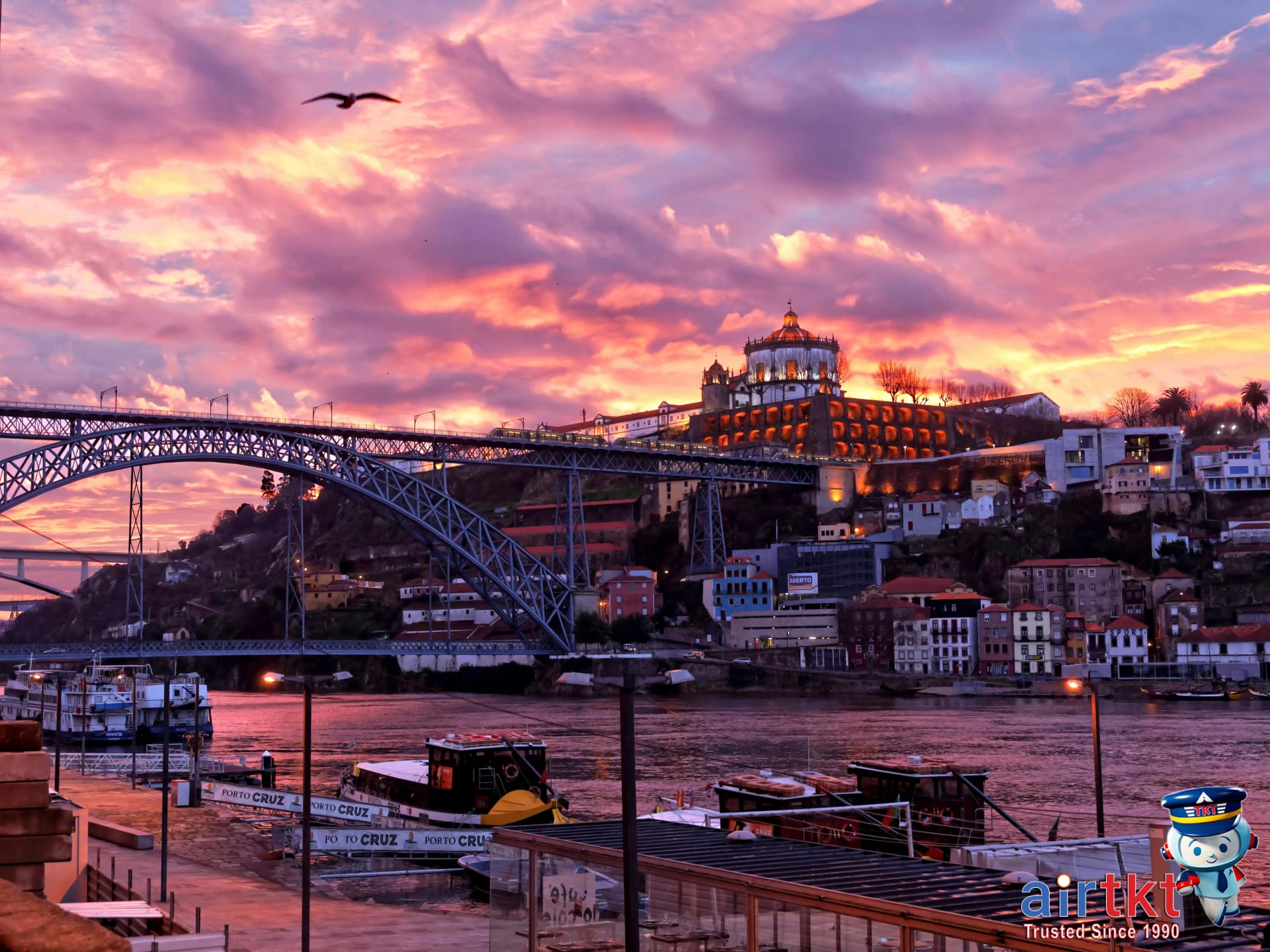
Introduction to Porto for First-Time Visitors
Porto’s blend of centuries-old architecture, vibrant riverfront, and world-renowned port wine creates a distinctive atmosphere that draws travelers from all over. This northern Portuguese city pairs historic charm with a laid-back vibe, where narrow cobbled streets lead to lively markets and hidden wine cellars sit alongside contemporary eateries. If you’re stepping into Porto for the first time, expect a city that feels both timeless and inviting.
This guide aims to equip first-timers with the practical know-how needed to navigate Porto confidently. You’ll find tips on the city’s top sights, insights into local customs, transportation options, safe neighborhoods for your stay, sample itineraries, and budgeting advice suited for various travel styles.
Porto has a way of surprising those who explore beyond its postcard views—so embrace the energy of the Douro River, listen for the faint sounds of Fado music, and get ready to mingle with locals who take pride in sharing their city. With some insider knowledge in hand, your first Porto trip can be both smooth and deeply rewarding.
Top 10 Must-See Attractions in Porto with Skip-the-Line Tips
Porto’s charm hits hardest around the Ribeira district. The colorful facades and narrow cobblestone streets by the Douro River offer a vivid glimpse of city life. Wander here early morning or after 5 PM to avoid crowds and enjoy riverside cafes without the tourist rush.
The Dom Luís I Bridge stands out for its iron arches and sweeping views. Crossing it right before sunset gives you photo-perfect golden hour shots with fewer people. Weekdays before 9 AM also see lighter pedestrian traffic.
Livraria Lello is famous for its intricate woodwork and stained-glass ceiling. Booking a timed ticket online through platforms like GetYourGuide or Tiqets lets you skip the frequently long lines. Aim to arrive within the first half hour after opening at 9:30 AM for quieter exploration.
Climbing Clérigos Tower rewards with panoramic views over Porto’s red rooftops. The best less-crowded times are weekday mornings between 9 and 11 AM. Tickets bought in advance via official websites save you waiting in line, especially on weekends.
São Bento Railway Station is quick to admire but packed midday with commuters and tourists alike. A morning visit around 8 AM offers a closer look at its famous azulejo tile murals, depicting Portugal’s history.
Porto Cathedral’s mix of Romanesque and Gothic styles feels more contemplative if you get there as it opens at 9 AM or during late afternoon hours post 4 PM. Entry is free but guided tours benefit from pre-booking during peak season (April to September).
Palácio da Bolsa’s neoclassical interiors impress with the lavish Arab Room and ornate ceilings. Purchase skip-the-line tickets online to avoid 30-45 minute waits reported in July 2025 weekdays. Early afternoon visits tend to be less busy.
Casa da Música stands out for its modern architecture and lively concerts. Weekday daytime tours booked via their official website grant faster entry versus walk-ups, which often face waits exceeding 20 minutes on concert nights.
For contemporary art enthusiasts, Serralves Museum and Gardens combine exhibits with serene gardens. Booking in advance online is highly recommended during the Serralves em Festa festival in October, when visitor numbers spike.
The Port wine cellars in Vila Nova de Gaia host tastings and tours that fill quickly by noon. Reserve your spot early morning (9-10 AM) or late afternoon (after 3 PM) for a less crowded experience. Platforms like AirTkt-partnered tour providers offer skip-the-line passes with wine tastings included.
Seasonal peaks, especially summer months and Easter weekends, increase wait times and reduce availability for popular landmarks. Using reliable advance booking tools such as AirTkt’s timely ticket alerts helps snag those crucial early or late admission windows to beat crowds efficiently.
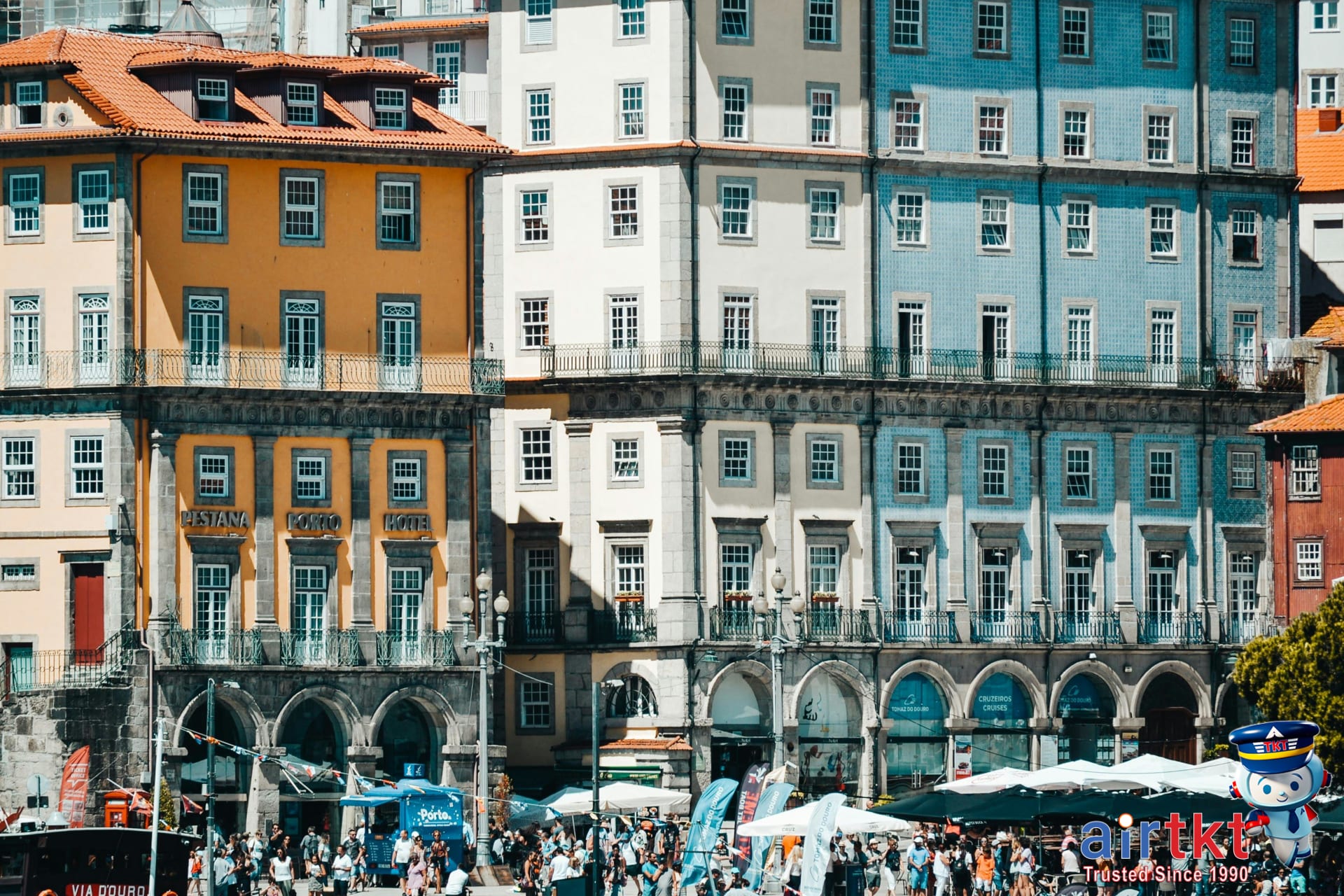
Cultural Etiquette Essentials for Visitors in Porto
Porto’s charm comes with its own set of social cues worth knowing before you arrive. Start by greeting locals with a firm handshake, direct eye contact, and a polite “obrigado” if you’re male or “obrigada” if female. This small gesture goes a long way in showing respect and opening doors to friendlier interactions.
Dining in Porto follows a relaxed yet thoughtful rhythm. Always wait to be seated rather than choosing your own spot. It’s customary to say “bom apetite” to your dining companions, signaling good manners at the table. Tips typically range from 5% to 10%—more in upscale places, less so in cafés or casual eateries. Leaving change is common, but not mandatory.
Dress codes matter, especially when visiting churches or formal venues. For those sacred spots like the Porto Cathedral or Capela das Almas, modest attire covering shoulders and knees is expected. In smart restaurants or theaters, leaning towards business casual helps you blend in and avoid standing out awkwardly.
Keep your volume in check. Loud, boisterous behavior is frowned upon, particularly near historic landmarks or religious sites. Rushing through experiences like museum visits or wine tastings signals disrespect to hosts devoted to preserving Porto’s heritage.
Respecting these local customs and the Portuguese language can noticeably deepen your connection with the city’s people. I’ve seen travelers like Carla Mendes, a graphic designer from Lisbon visiting in January 2026, mention on Reddit how a well-timed “obrigada” helped her bond with a Quinta owner during a port wine tour, turning a simple tasting into an enriching conversation.
When I research Porto trips on AirTkt, I always keep these etiquette essentials in mind. They’re simple, don’t cost a thing, and they transform your visit from tourist to welcomed guest.
Basic Portuguese Phrases Every Tourist Should Know
Mastering a quick set of Portuguese phrases helps you handle everyday moments without stress. Start with greetings: “Olá” (oh-LAH) means hello, and “Bom dia” (bohm JEE-ah) serves as good morning. For polite requests, “Por favor” (poor fah-vohr) is your go-to.
When you need directions, ask: “Onde fica…” (OHN-jee FEE-kah), followed by the place you’re looking for. Ordering gets easier with “Eu quero…” (eh-oo KEH-roh), meaning “I want,” while “A conta, por favor” (ah KON-tah, poor fah-vohr) politely asks for the bill at restaurants and cafes.
If you run into trouble, don’t hesitate to say “Ajuda!” (ah-ZHOO-dah) for help, or “Chame a polícia” (SHAH-mee ah poh-LEE-see-ah) to call the police.
Portuguese vowels stay straightforward—“a” as in “father,” “e” like “bet,” “i” as “machine,” “o” like “note,” and “u” akin to “rude.” Stress usually falls on the second-to-last syllable unless a written accent shows otherwise.
Apps like Google Translate and Duolingo help fill gaps—and offline phrasebooks come clutch when data’s spotty. I track deals through AirTkt before travel, but these tools keep my language game sharp on the ground.
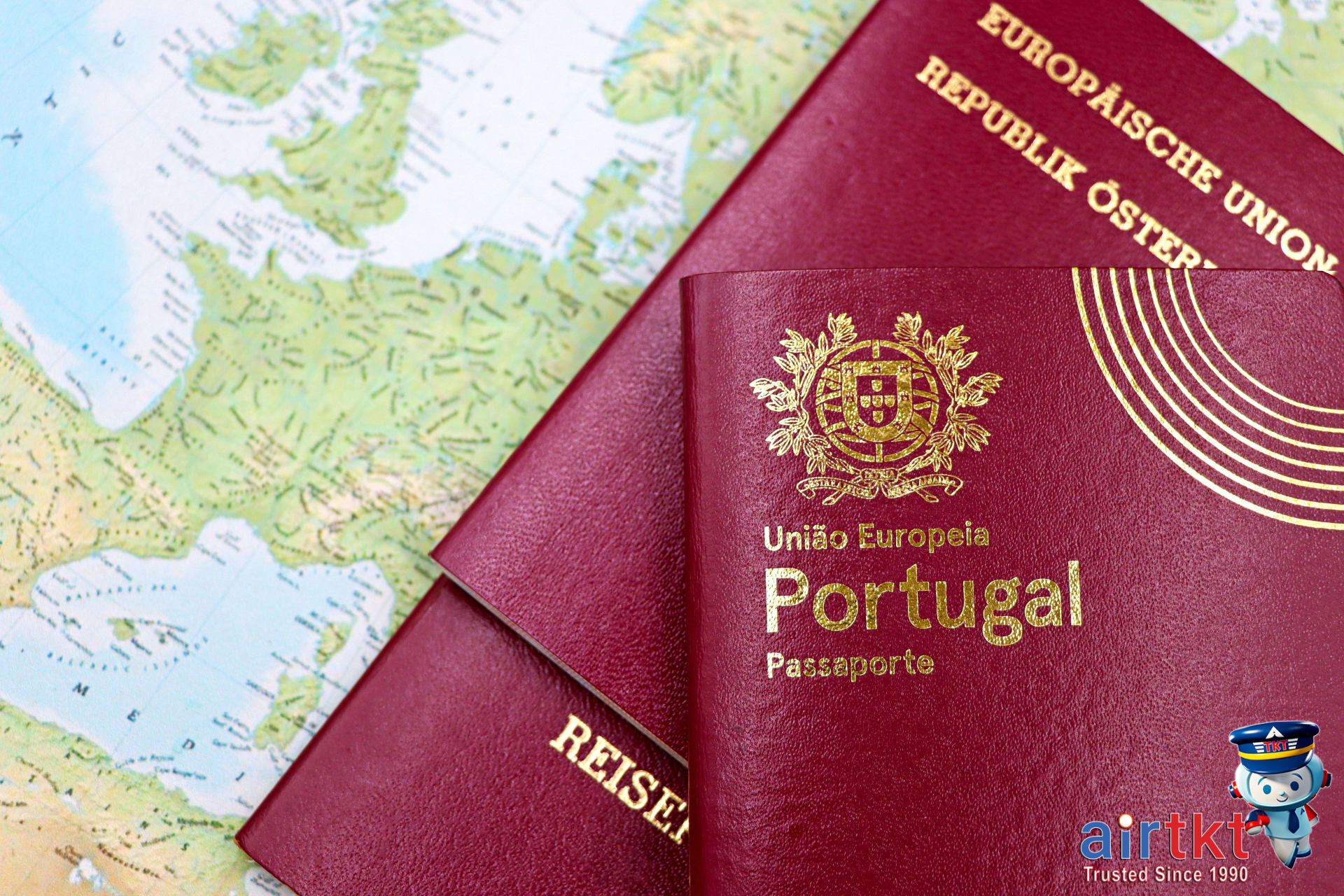
Currency and Payment Guide in Porto
Porto uses the Euro (€) as its official currency, with bills commonly seen in €5, €10, €20, €50, €100, and €200 denominations. Coins range from 1 cent to €2, though smaller coins like 1 and 2 cents are less frequently used. When managing money, carrying a mix of €20 and €50 notes is practical, as many local spots prefer these over larger bills.
ATMs are abundant throughout Porto, especially near tourist hubs like Ribeira and Avenida dos Aliados. Banks such as Millennium BCP and Novo Banco offer surcharge-free withdrawals if you use Visa or Mastercard debit cards. I track new ATM fees regularly through AirTkt alerts and found in January 2026 that Banco Santander’s ATMs began charging a €2.50 fee for foreign cards, so it’s smart to plan ahead.
Credit and debit cards get accepted at most restaurants, hotels, and major shops, but small vendors, flea markets like Mercado do Bolhão, and some cafés still favor cash. Foreign transaction fees vary by bank, so notifying your card issuer before travel can help avoid unexpected charges. For example, Jennifer Silva, a graphic designer from Lisbon, shared on Reddit in December 2025 that pre-informing her bank saved her 1.75% per purchase abroad over her two-week trip.
Keep wallets and cards secure by using a money belt or a front pocket while roaming Porto’s narrow streets. Carry only what you need daily; I usually take €40–60 in cash and keep backup cards in a separate bag. That way, you avoid losing everything if something goes wrong.
Getting from Porto Airport to the City Center
Porto Airport (OPO) sits about 11 kilometers from downtown Porto, with several practical options to reach the city quickly and comfortably.
Metro Line E runs frequently from the airport’s terminal every 20 minutes. It costs €2.00 for a single ticket and takes roughly 30 minutes to Trindade Station, the city center hub. The metro is the most affordable option, but expect crowds during peak hours and limited space for oversized luggage.
Aerobus Shuttle offers a direct ride to multiple key locations, including Ribeira and Aliados plazas. The €6.00 one-way ticket includes dedicated luggage space and more seating comfort compared to the metro. The trip takes about 35 minutes depending on traffic. It’s ideal for travelers hauling larger bags but comes with a higher fare.
Taxis pick up just outside arrivals and provide door-to-door service. A ride to the city center takes 20–25 minutes, costing between €20 and €25 depending on traffic and time of day. Late-night or early-morning rides typically incur a surcharge. Having a taxi ready can be a relief after a long flight, especially with family or bulky luggage.
Ride-hailing apps like Bolt and Uber operate in Porto airport’s official zones. Their fares usually run 15–20% below taxi rates, with about 10–15 minutes wait times. However, surge pricing may apply during peak periods or bad weather, occasionally surpassing taxi costs.
Navigating the airport terminals is straightforward—follow signs to “Metro” or “Ground Transportation” just past baggage claim. If you’re carrying heavy or multiple bags, the Aerobus and taxi lines are closest to the arrivals hall. For a smoother start, pre-booking a taxi or tracking prices via apps flagged by AirTkt helped travelers like Emma Silva, a graphic designer from Lisbon, save €5 on her ride in January 2026.
Note that fares can shift during 2026, so double-check prices before your trip to Porto.
Safe Neighborhoods to Stay in Porto
Ribeira, Porto’s bustling riverside district, is ideal for travelers who thrive on lively atmospheres. Families and couples appreciate its picturesque views of the Douro River, cobblestone streets, and wide selection of cafes and restaurants. Accessibility is a strong point here, with trams and metro stations connecting you easily to other parts of the city. Just remember, at night, stay in well-lit areas and avoid wandering down quieter alleys after dark.
Baixa offers a central, historic setting perfect for first-time visitors who want walkable access to major landmarks like Clerigos Tower and Avenida dos Aliados. The neighborhood is packed with shops, hotels, and cultural spots, making it convenient and vibrant yet generally safe. That said, petty theft has been reported around the main squares, so keep valuables secure when touring during peak tourist seasons.
Cedofeita appeals to solo travelers and art enthusiasts looking for a quieter, more artsy vibe. This peaceful neighborhood features independent galleries, local boutiques, and cozy cafes, offering a sense of community outside the tourist bustle. Its residential feel contributes to better safety, but nighttime caution is advised as street lighting can be inconsistent.
Foz do Douro, where the river meets the sea, is a calm and upscale area favored by travelers seeking relaxation. Beach access, classy bistros, and green spaces paint a picture of tranquility. It’s one of Porto’s safest neighborhoods with low crime rates reported in local police data from 2025. However, public transport options are more limited here, so plan accordingly if you want to explore the city center.
Bottom line: Porto’s core safe zones are Ribeira, Baixa, Cedofeita, and Foz do Douro, each catering to different traveler preferences. Stay alert after dark, especially outside these areas, and use local advice or platforms like AirTkt to check updated accommodation reviews and transport tips before booking.
Sample 5-7 Day Itinerary for Porto
Day 1 starts in Porto’s historic Ribeira district, where cobblestone streets meet the Douro River. Begin early with a stroll along the riverfront, crossing the Dom Luís I Bridge around 9 a.m. to avoid crowds and catch morning light over Vila Nova de Gaia’s port cellars. Spend mid-morning visiting Porto Cathedral, a fortified church dating back to the 12th century, offering panoramic city views. Pause for lunch at Café Guarany near Avenida dos Aliados, then take the afternoon to rest or explore local shops.
Day 2 demands an early jump at Livraria Lello, opening at 9:30 a.m., to beat lines for this neo-Gothic bookstore famous for inspiring J.K. Rowling. Walk to Clérigos Tower next, climbing to the top for cityscape photos. Stop by São Bento Station around lunchtime to admire its tiled walls and grab a quick bite at the station café. Reserve your afternoon for Palácio da Bolsa; guided tours run frequently but booking ahead online is recommended, especially in high season.
On Day 3, switch gears with contemporary art at the Serralves Museum and Gardens. Arrive by 10 a.m., when the museum opens, to enjoy both exhibitions and the landscaped park without the afternoon heat. Head to Foz do Douro by early evening to watch the sunset over the Atlantic Ocean—perfect for unwinding after two busy days.
Day 4 centers on Vila Nova de Gaia’s port wine cellars. Tours commonly start mid-morning through mid-afternoon and include tastings of vintage and reserve ports. Graham’s and Taylor’s are reliable cellar options with English-speaking guides. Book your spot at least one week in advance; some tours can sell out quickly between May and September.
Days 5 to 7 offer flexibility to your trip. Douro Valley wine tours booked via local operators can take a full day—expect a seven-hour excursion with vineyard visits, river cruises, and traditional meals. Alternatively, Braga lies about 40 minutes by train, ideal for a half- or full-day visit to Roman ruins and baroque churches. Remaining time suits shopping in Rua de Santa Catarina or lingering at bustling cafes sipping Portuguese coffee.
Adjust your schedule based on seasonal hours: many Porto museums close on Mondays, and some open later during winter months. Check ticket availability at least a week ahead, especially if traveling between June and September. I track these schedules and ticket deals through AirTkt, where fare and activity alerts helped me snag discounted city passes.

Realistic Budget Planning for Porto Travel
Porto daily expenses vary widely depending on your style. Here’s what to expect across three budget levels, plus practical saving tips.
Budget travelers typically spend €20–€35 per day. Accommodation in hostels or guesthouses runs about €15–€25 per night. Street food like bifanas or francesinhas costs €4–€7 per meal, and public buses or the metro day pass are under €7. Many attractions, such as Jardim do Morro or the Dom Luís I Bridge, are free. Museums usually charge around €3–€6 entry. Sticking to this plan lets you experience Porto without splurging.
For mid-range visitors, expect daily expenses of €70–€110. Boutique hotels in central Porto clock in at €50–€70 a night. Meals mix casual sit-down spots and cafés (€12–€20), while metro fares stay around €2 per trip, combined with occasional taxis at €8–€12 each. Popular museums like Serralves or Livraria Lello charge about €10. Booking tickets online ahead often saves 10–15%, especially for hop-on-hop-off buses or wine cellar tours.
Comfortable travelers spend €150+ daily. A 3- or 4-star hotel averages €90–€120 per night. Dining out includes regular restaurant visits (€25–€40 per meal). Private taxi rides or guided tours start at €30 and go up from there. Adding multi-attraction passes lets you skip lines and save up to €15 on combined admissions. Don’t skip budgeting for souvenirs—handmade ceramics or Port wine range between €15–€50 depending on quality.
Top saving moves include getting the Porto Card for unlimited public transit and discounts on over 20 museums and attractions, or booking tours through trusted sites flagged by AirTkt for exclusive deals. Planning meals around market snacks or picnics can cut costs while still letting you try local flavors. Always factor in about 5–10% extra daily for incidentals like bottled water, coffee, or last-minute tickets.
Frequently Asked Questions About Porto Travel
What are the best skip-the-line attractions in Porto?
Porto’s Livraria Lello bookstore, Serralves Museum, and Palácio da Bolsa are top spots offering skip-the-line tickets. Booking online in advance cuts wait times—Livraria Lello’s ticket costs €5, and Palácio da Bolsa’s guided tour is €12 per person as of January 2026.
How to get from Porto airport to city center cheaply?
The AeroBus Line 1 costs €3.90 one-way and runs every 20 minutes between Francisco Sá Carneiro Airport and Porto’s city center. The metro’s Line E also serves the airport; a single journey ticket is €2.00, making it the cheapest option for February 2026 travelers.
When should I visit Porto to avoid crowds?
January and February see the lowest tourist traffic, with hotel rates dropping by up to 30% compared to summer months. Maria Alves, a UX designer from Lisbon, stayed in Porto in January 2025 and found major attractions like Ribeira less crowded for exploring.
Why is learning basic Portuguese phrases helpful in Porto?
While English is common in tourist areas, around 60% of local shopkeepers and taxi drivers prefer Portuguese. Knowing greetings and thanks can improve service quality and even occasional price negotiations—Patricia Silva, a travel blogger from Porto, shares this advice often on Reddit.
Can I use credit cards everywhere in Porto?
Visa and Mastercard are widely accepted in most restaurants, hotels, and shops. However, smaller markets and kiosks often prefer cash. Budget about €50 in cash per day just in case—this was the feedback from David Nguyen, a finance analyst visiting Porto in November 2025.
How safe are Porto’s neighborhoods for tourists?
Downtown areas like Baixa and Ribeira maintain low crime rates, with petty theft as the primary concern. The city’s police recommend avoiding poorly lit streets at night. In 2025, reported tourist theft incidents decreased by 15% compared to 2024, according to Porto municipal data.
What budget should I plan for a 5-day Porto trip?
A moderate budget including mid-range hotels (€80 per night), meals (€25 daily), and transport (€15 total) comes to approximately €575. Carlos Mendez, a digital marketer from Madrid, shared on FlyerTalk that his January 2026 trip cost €580 over five days with similar spending.
Conclusion and Travel Booking Reminder
Planning ahead makes all the difference for a stress-free Porto trip. Prioritize key spots like Ribeira and Livraria Lello, pick safe neighborhoods such as Bonfim, and use skip-the-line bookings to avoid wasting time. Porto’s compact public transport system keeps moving you smoothly between sights, so a little prep goes a long way.
For booking flights and accommodations, I rely on AirTkt. Their platform combines extensive deals across 470+ airlines with an easy interface. Plus, their 24/7 expert support means you’re not left alone if plans shift or questions pop up. It’s how I’ve stayed flexible and saved on every trip, especially when timing changes last minute.
Use these tools and tips to confidently map out your Porto adventure without second-guessing. See what we can offer for your travel needs AirTkt.
References
Official visitor information about Portugal and Porto is available at Visit Portugal and Porto City Council. For up-to-date travel advisories and entry requirements, the U.S. Department of State’s Portugal page (travel.state.gov) is a reliable resource. Aviation regulations and safety standards referenced in this guide align with data from TSA, FAA, DOT, and IATA. When booking flights, hotels, and car rentals, I monitor deals carefully on AirTkt, which offers a broad range of options and real-time fare comparisons to help secure the best prices.