
Value of Local Public Transportation
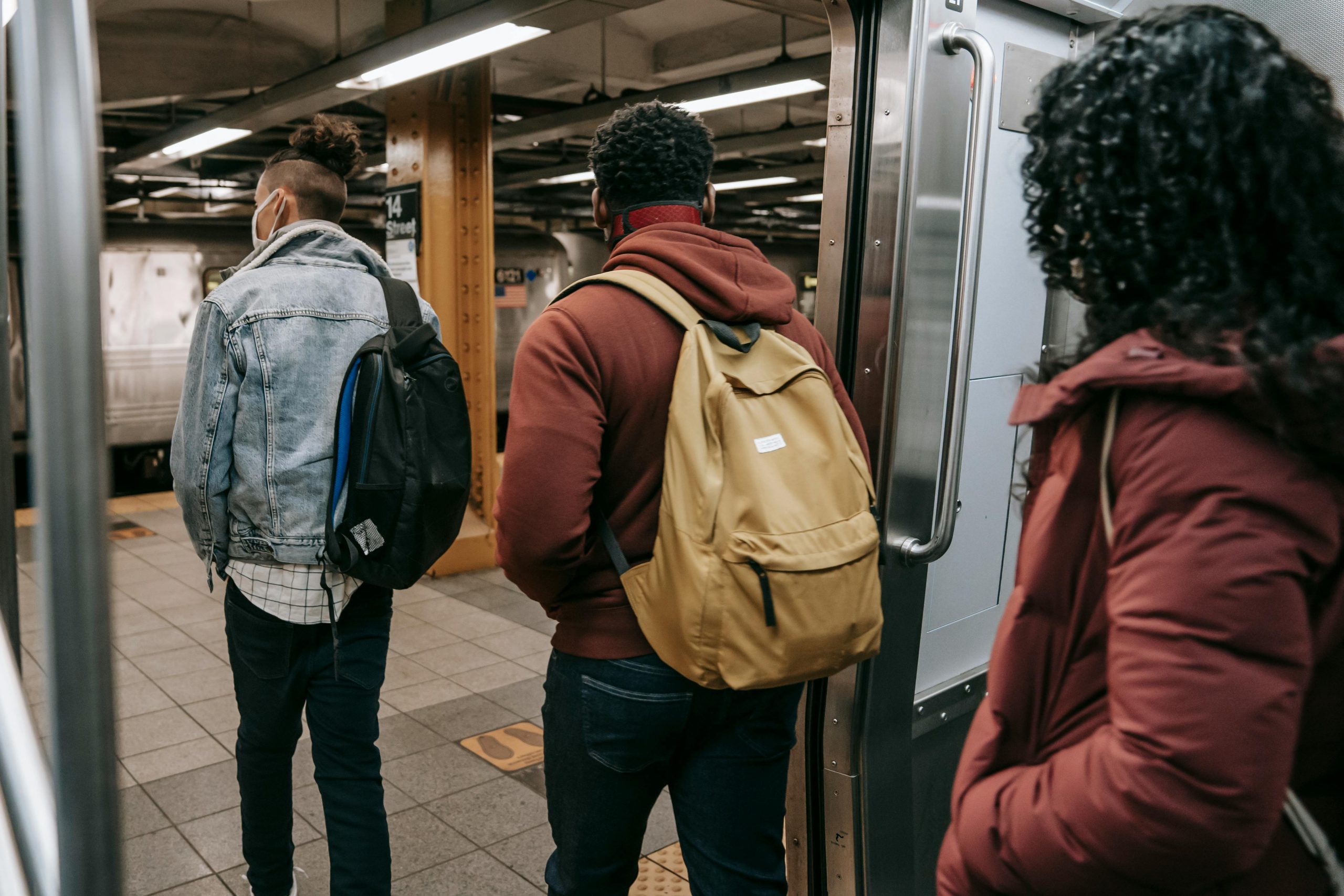
Traveling on a budget doesn’t mean you have to miss out on authentic experiences. Local public transportation—such as buses, trains, subways, and trams—offers an affordable and immersive way to explore cities like a true local. Besides slashing transportation costs dramatically, these options provide a genuine perspective of daily life that taxis or rideshares often miss.
Consider a typical taxi ride costing $15 to $25 for a short city trip. By contrast, a local bus or subway ticket might cost as little as $2 or $3. Over several days, these savings add up, freeing more of your budget for dining, attractions, and unique experiences. In some cities, single-ride tickets can be swapped for unlimited-ride transit passes that lower per-trip costs even further.
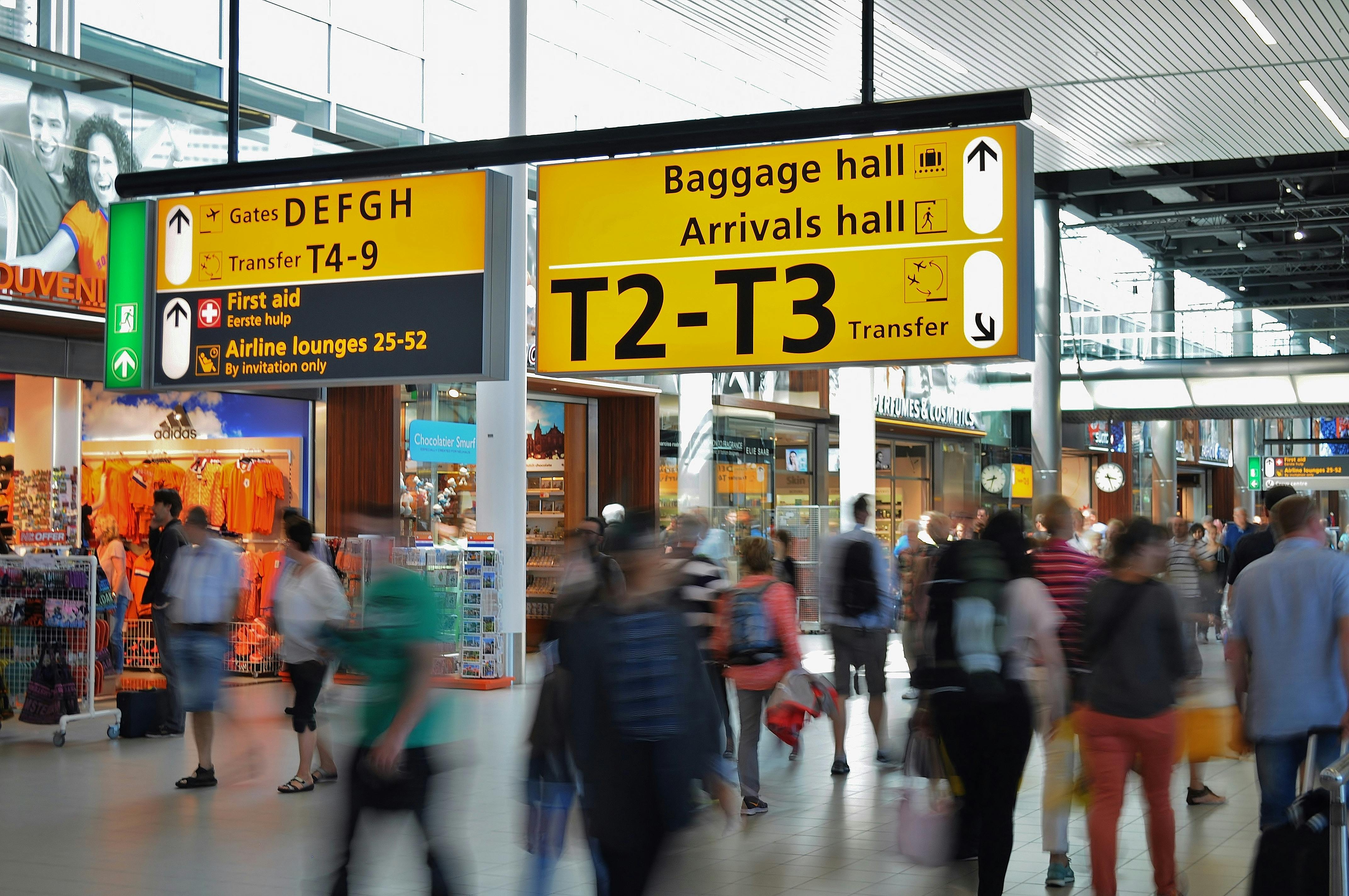
Local transit modes vary worldwide, but most urban areas will offer a mix of buses, trains, subways, and sometimes trams or trolleys. These systems connect key neighborhoods, tourist sites, and transit hubs efficiently, making navigation convenient once you understand the routes. Using local public transit promotes sustainable travel while immersing you in the rhythm of the city.
This article will cover practical tips on researching and purchasing transit cards or passes, understanding ticket types, and addressing common safety and etiquette concerns. You’ll also find highlights of standout transit systems famous for their affordability and ease of use. By choosing public transportation over taxis, you not only save money but also enhance your travel perspective.
Example: In cities like Berlin or Tokyo, daily unlimited transit passes costing under $10 can replace multiple taxi trips, potentially reducing your ground transportation expenses by 70% or more during your stay. This can be the difference between stretching your travel budget or cutting essential experiences short.
Research Transit Cards Before Traveling
When preparing for a trip, understanding a city’s public transit system can save you both time and money. Transit cards like London’s Oyster, New York City’s MetroCard, and Tokyo’s Suica offer travelers a convenient, cost-effective way to navigate urban transportation networks. These cards streamline the process of paying for subways, buses, and even some trains, often providing discounted fares compared to single-ticket purchases.
Different types of transit passes cater to varying travel needs. Single-ride tickets are ideal for occasional trips, while daily and weekly passes offer unlimited travel within a specific time frame. For example, London’s Oyster card allows you to pay as you go, or you can purchase a Travelcard for unlimited journeys over one to seven days. New York’s MetroCard offers Pay-Per-Ride options and unlimited 7-day or 30-day passes. Tokyo’s Suica card combines stored electronic money with transit access, making it a versatile choice for single rides or multiple trips over several days.
Purchasing transit cards in advance is often the best way to avoid queues and ensure immediate use upon arrival. Many cities now enable online purchases through official transportation websites or authorized vendors, allowing travelers to have cards mailed home or ready for digital activation. For instance, you can order London’s Oyster card or New York’s MetroCard before your trip and pick them up at the airport or central stations. Alternatively, cards can be purchased at ticket machines, kiosks, or transit offices upon arrival. Just keep in mind some cards may require a refundable deposit or registration for online top-ups, adding convenience for longer stays.
| City | Card Name | Single Ride Cost | Daily/Unlimited Pass | Purchase Options |
|---|---|---|---|---|
| London | Oyster Card | Starting at $3.40 | $15.20 for 1-day Travelcard; $50.00 for 7-day | Online, airports, stations |
| New York City | MetroCard | $2.75 | $34.00 for 7-day; $127.00 for 30-day unlimited | Online vendors, subway booths, airports |
| Tokyo | Suica Card | Starting at $1.50 (variable by distance) | No unlimited passes; pay-as-you-go with stored value | Airports, station counters, online (limited pre-order) |
Taking time to research transit card options for your destination ensures seamless travel from day one of your trip. With updated 2024 pricing and an understanding of pass types, you’ll avoid unnecessary costs and maximize convenience. Planning ahead also reduces stress, letting you focus on enjoying your adventure rather than figuring out transportation on the fly.
Navigate Ticket Buying Options
When traveling abroad, knowing the variety of ticket purchasing methods available can save both time and money. From self-service kiosks to mobile apps and onboard sales, each option offers different conveniences. Understanding how to use these options effectively will help you secure your tickets quickly and confidently.
Use Kiosks and Vending Machines
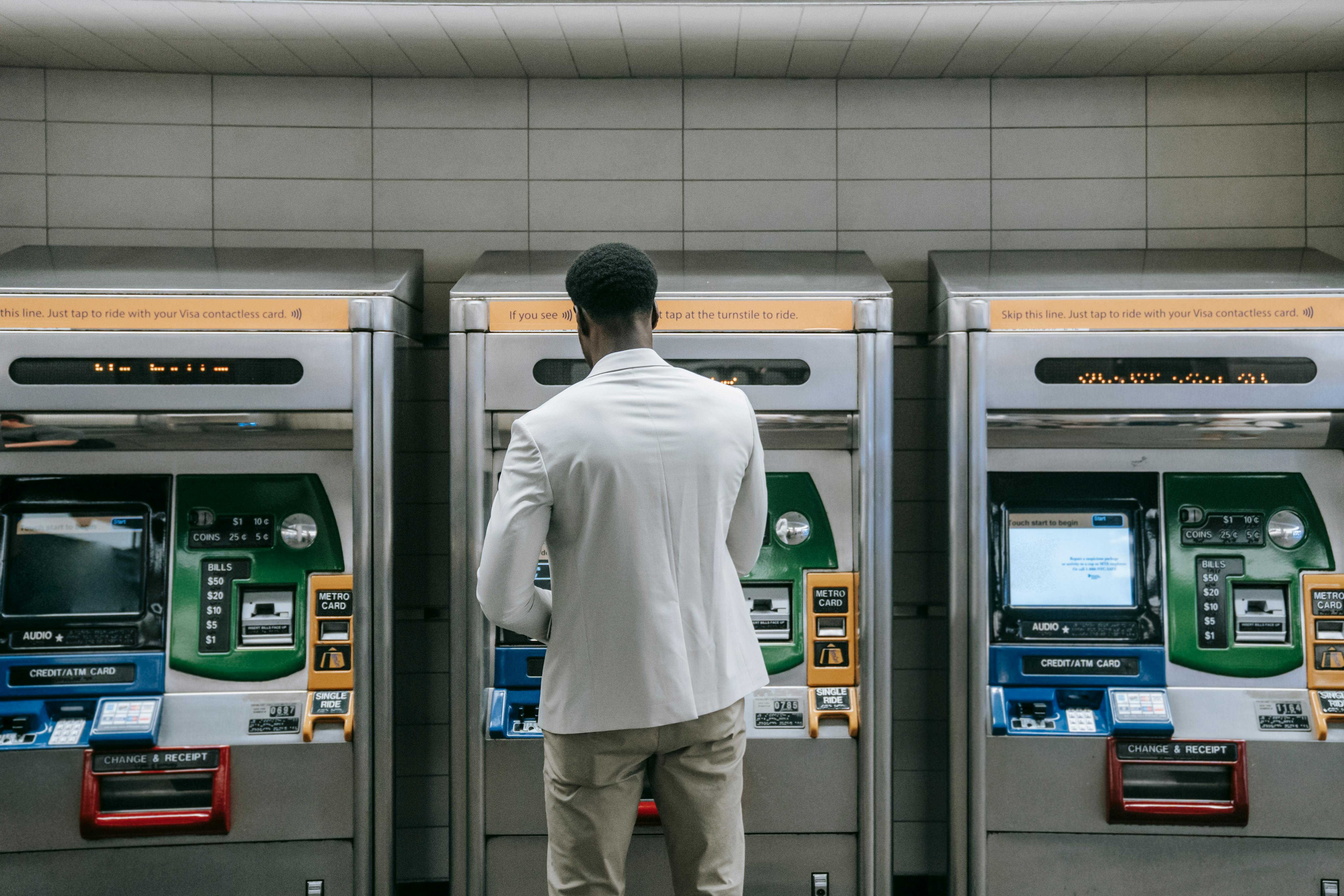
Kiosks and vending machines are common at bus stations, train terminals, and subway entrances worldwide. They offer a fast, paperless ticketing experience without queuing for a staffed counter. Here’s a simple step-by-step guide to using them:
- Step 1: Approach the machine and select your preferred language.
- Step 2: Choose your destination, travel date, and ticket type (single ride, return, day pass).
- Step 3: Confirm your selections on the screen.
- Step 4: Use the provided payment options: insert cash, swipe a credit/debit card, or tap a contactless device.
- Step 5: Retrieve your printed ticket or digital receipt to show when boarding.
Most machines support multiple payment forms and offer on-screen help if needed. They reduce wait time and are user-friendly even for travelers unfamiliar with the local language.
Purchase Tickets via Mobile Apps
Many transit systems and airlines now offer official mobile apps for ticket purchases. These apps enhance convenience by allowing you to buy and store tickets directly on your smartphone. Popular apps include:
- City subway or bus apps tailored to local public transit systems
- International airline apps for booking and managing flights
- Third-party travel apps like those integrated with AirTtkt that compare and book tickets instantly
Mobile apps often provide features like fare information, route planning, and real-time updates. Simply download the app, create an account, choose your trip, and pay using saved cards or mobile wallets like Apple Pay or Google Wallet.
Buy Tickets Onboard
Onboard ticket purchase remains a handy fallback, especially in regions where kiosks and apps are less widespread. Bus drivers, train conductors, or ferry staff might sell tickets directly. However, onboard tickets are sometimes costlier and may only accept cash. It’s best to have small bills or coins ready. This method is convenient in rural or less-developed areas but plan accordingly to avoid delays or premium prices.
Use Contactless Payments
Contactless payments have revolutionized ticket buying abroad. Near Field Communication (NFC) technology powers fast, secure transactions using contactless credit cards or mobile wallets. This method minimizes physical contact and speeds up boarding:
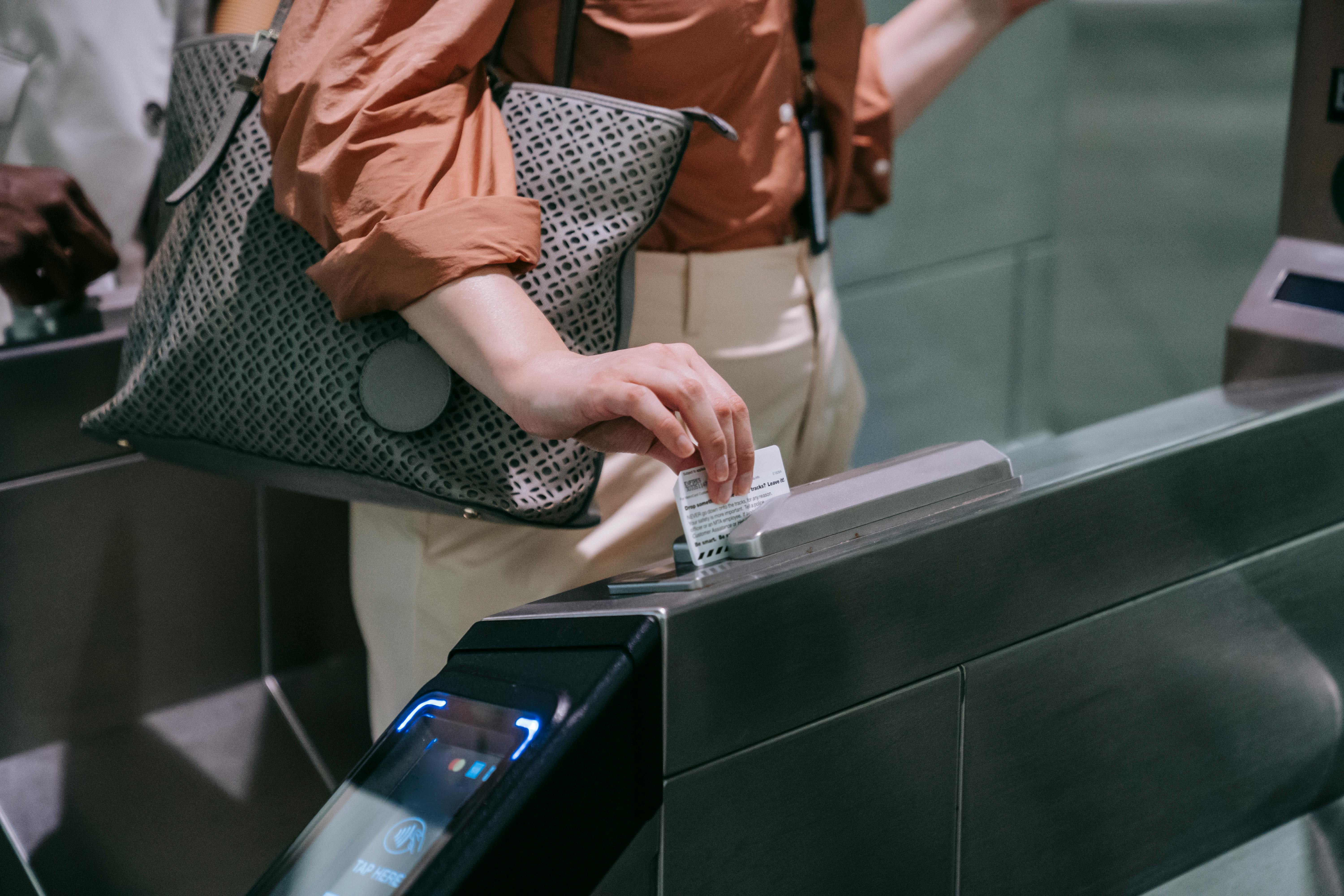
- Contactless Cards: Simply tap your Visa or Mastercard on the payment terminal.
- Mobile Wallets: Use Apple Pay, Google Pay, or Samsung Pay to complete payment via your phone or smartwatch.
Many transit systems accept contactless payments without needing to buy a separate ticket. Check local guidelines to see if this is available to you.
Keep Digital Tickets Accessible and Backed Up
Using digital tickets makes your journey smoother but requires preparation. To avoid issues, keep these tips in mind:
- Save tickets on your device’s native wallet app or take screenshots for offline access.
- Forward the ticket email to a secondary account as a backup.
- Ensure your device is charged or carry a portable power bank.
- Familiarize yourself with where to find tickets quickly, especially when boarding or passing checkpoints.
Effective digital ticket management prevents last-minute confusion and helps you enjoy stress-free travel.
Learn Key Transit Phrases and Apps
Navigating public transportation in a foreign city can be challenging, but mastering a few essential local phrases can significantly ease the experience. When buying tickets or asking for directions, simple expressions like “Where is the nearest metro station?” or “How much is a ticket?” in the local language can open doors and save time. It’s helpful to learn phrases such as:
- “Ticket, please”
- “Which bus goes to [destination]?”
- “How much does it cost?”
- “Is this the right platform?”
- “I don’t speak [language] well”
Memorizing these phrases or having them on a note app can make interactions smoother and more pleasant.
Alongside language preparation, equipping your smartphone with reliable transit apps ensures hassle-free travel. Global favorites like Google Maps and Citymapper offer real-time transit schedules, route planning, and alerts. Citymapper, in particular, excels at integrating multiple transit options such as buses, subways, and bike shares. For country-specific travel, installing local apps — such as Transport for London or Paris RATP — can provide up-to-date information tailored to that city’s system.
To conserve mobile data and avoid connectivity issues, use offline map features available on most navigation apps. Before your departure, download maps and transit routes in advance. For example, Google Maps lets you select specific city areas for offline access, allowing you to navigate without internet. Offline capabilities can be a lifesaver when traveling through subway tunnels or in regions with poor service.
Practical app setup tips include:
- Download transit apps and offline maps while connected to Wi-Fi.
- Create accounts where necessary to save preferences and itineraries.
- Familiarize yourself with app features like route planning, alerts, and favorite stops.
- Check if your phone supports multi-SIM or international data plans for seamless switching.
Proper prep ensures your smartphone becomes a trusted travel companion rather than a source of stress. Combining local phrases with effective apps lets you move confidently through unfamiliar transit networks, securing a smoother, more affordable trip.
Stay Safe and Protect Your Belongings
When traveling by public transit, safety risks like pickpocketing and crowded vehicles are common challenges. Busy trains, metro systems, and packed buses create prime opportunities for thieves to target distracted travelers, so awareness is vital. Always expect crowds during rush hours or popular sightseeing routes and plan accordingly.
Carrying a small bag with secure zippers is highly recommended. Bags designed with anti-theft features, such as slash-proof straps or locking compartments, offer extra protection. Use hidden pockets beneath clothing to store valuables like passports, cash, and credit cards—this reduces the chance of opportunistic theft while keeping essentials close.
Stay alert and vigilant at all times. Avoid distractions like constantly checking your phone or wearing headphones loudly, which can lower your guard. Regularly scanning your surroundings helps you keep tabs on your belongings. Clutch your bag close and position it in front of you, especially in crowded or unfamiliar places.
Understanding transit etiquette also helps prevent misunderstandings and keeps you safe. Practices vary by region, so doing a bit of research before traveling is worthwhile. For example:
- Europe: Avoid loud conversations on trains and yield seats to elderly or disabled passengers.
- Asia: Stand in designated lines and avoid eating on public transit in countries like Japan and South Korea.
- Latin America: Maintain personal space when possible, but expect crowded vehicles during peak hours.
Respecting local customs reduces the risk of drawing unwanted attention and demonstrates cultural awareness. Simple gestures like greeting the driver or offering seats can go a long way in establishing courteous interaction.
By anticipating risk areas, securing your belongings with appropriate gear, maintaining alertness, and following transit etiquette, you can enjoy safer, smoother journeys. For unbeatable travel deals matched with practical advice, visit AirTtkt to plan your trip confidently and securely.
Understand Famous Transit Systems
Navigating iconic transit systems can save time and money while enriching your travel experience. For example, the Paris Metro is known for its clear zones and fare structure, making it a model worth understanding. Paris is divided into concentric fare zones from 1 to 5. Most popular tourist spots, such as the Louvre and Eiffel Tower, fall within zones 1 and 2, so a standard single ticket costing about $2.00 covers trips here. However, traveling to outer zones like Versailles in zone 4 requires a more expensive ticket or a day pass. Understanding these zones prevents overpaying and makes your travel smoother.
The fare structure includes single tickets, carnet packs of 10 tickets at a discount, and various day or multi-day passes offering unlimited rides, ideal for heavy users. For instance, if you plan several stops or longer transit days, opting for the “Paris Visite” pass can be more economical.
Across Latin America and Asia, transit customs include signaling buses by waving or standing in a particular way to indicate you want them to stop. For example, in many parts of Mexico City or Manila, buses operate on a flag-stop basis. If you don’t wave, the bus might pass by empty. This simple gesture ensures you’re flagged down and helps drivers manage their routes efficiently. In Japan, meanwhile, many buses require passengers to press a button when it’s time to get off—so being familiar with these unique practices helps avoid confusion.
When visiting popular tourist attractions, use transit maps strategically. Look for express or limited-stop services that save time during peak hours. For example, in London, the Tube’s Zone 1 Circle Line connects central spots swiftly, while in Tokyo, lines like the Yamanote loop circle key districts. Knowing which lines offer shortcuts can maximize sightseeing time instead of wasting it on slow transfers.
Familiarizing yourself with each system’s quirks before you travel means less stress and more confidence navigating unfamiliar cities. Whether it’s understanding the Paris Metro’s zoned fares or mastering bus signaling customs across continents, a little preparation goes a long way. For budget-savvy travelers, learning these details ensures you won’t waste money on wrong tickets or miss buses, making your journey both efficient and enjoyable.
For seamless travel planning, AirTtkt helps you secure affordable flights and accommodations, so your focus stays on exploring new places without transit headaches.
Public Transit FAQs for Travelers
Navigating public transit in foreign cities can seem daunting, but knowing the basics can save time and money. The best way to buy public transit tickets abroad is usually through official transit apps or kiosks at stations. Many cities offer convenient vending machines that accept credit cards, eliminating the need to carry local cash.
Transit cards like London’s Oyster or Japan’s Suica simplify city travel but often have limited use outside their regions. If your destination uses such cards, consider purchasing or recharging them at airports or major transit hubs. Check whether your card is accepted on connecting lines or buses before relying solely on it.
Buy transit passes before your trip or immediately upon arrival for the best value, especially if you plan multiple rides within a day or week. Many cities offer tourist-friendly passes that provide unlimited rides and sometimes discounted entry to attractions.
Safety on public transit is crucial. Keep personal belongings secure and stay alert, particularly in crowded areas. Avoid empty carriages or stops at night when possible. If something feels off, trust your instincts and move to a safer location or vehicle.
Transit apps are valuable tools while traveling, but their reliability depends on internet access. Download offline maps and schedules in advance to ensure you have access even when connectivity is limited. Some apps also offer real-time updates via SMS or local SIM cards.
In several countries, buses only stop when flagged down. To do this effectively, extend your arm clearly and make eye contact with the driver. Watch for local customs like standing near bus stops or timing your signal to avoid missing the bus.
Using public transit often costs significantly less than taxis. For example, a day pass on many metro systems ranges between $5-$15, while a single taxi ride can easily exceed $20. Public transit is an economical choice for budget-conscious travelers looking to stretch their trip dollars without sacrificing convenience.
Empower Confident Public Transit Use
Choosing public transit over taxis can transform your travel experience, offering affordable fares and a genuine glimpse into local life. To make the most of buses, trains, and subways, start with thorough research on transit cards and ticket options. Knowing where and how to purchase your tickets in advance simplifies your journey and helps avoid last-minute hassles. Remember, staying vigilant about safety by keeping your belongings secure and being aware of your surroundings ensures peace of mind throughout your travels.
Public transit often saves you considerable money compared to private rides while immersing you in the authentic rhythms of your destination. Navigating city streets on a subway or hopping on local buses connects you with everyday commuters, enriching your cultural understanding beyond typical tourist experiences.
To build confidence, download relevant transit apps for real-time updates and route planning. Learning a few key phrases in the local language can ease communication and foster positive interactions with transit staff and fellow travelers. Observing local customs, such as queuing etiquette or fare payment procedures, further smooths your way and helps you blend in seamlessly.
Integrating flights with public transit routes makes travel more efficient and cost-effective. When booking your next trip, use AirTtkt to find affordable flights that connect effortlessly with your public transportation plans. This saves time and money, enabling hassle-free transfers from airport to city center using buses, trains, or subways.
By preparing ahead—researching transit services, purchasing the right tickets, and embracing local travel customs—you’ll unlock a world of savings and enriching experiences. Step outside the taxi line and enjoy authentic travel confidently and economically with public transit options.