
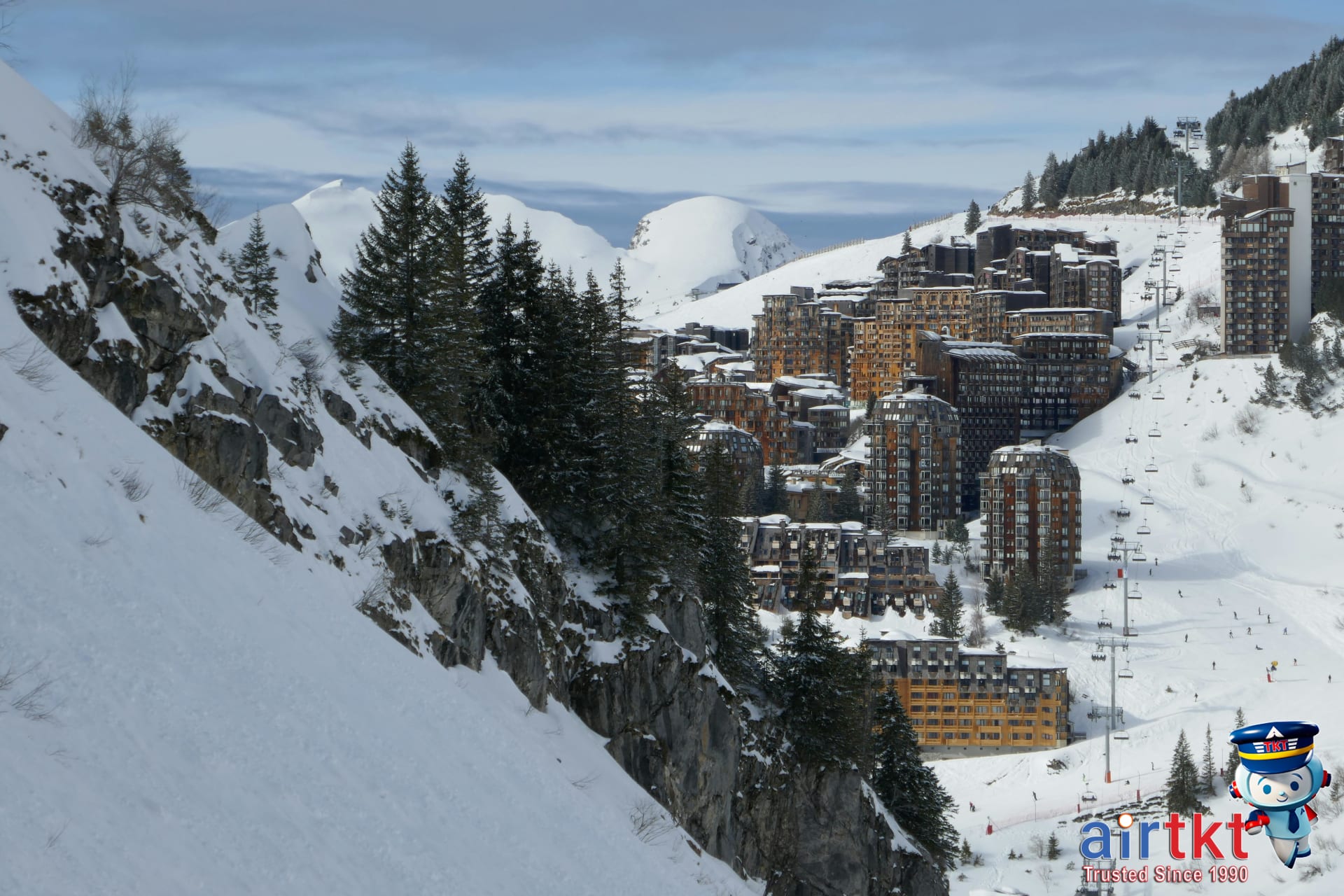
Welcome to Skiing the Alps Experience
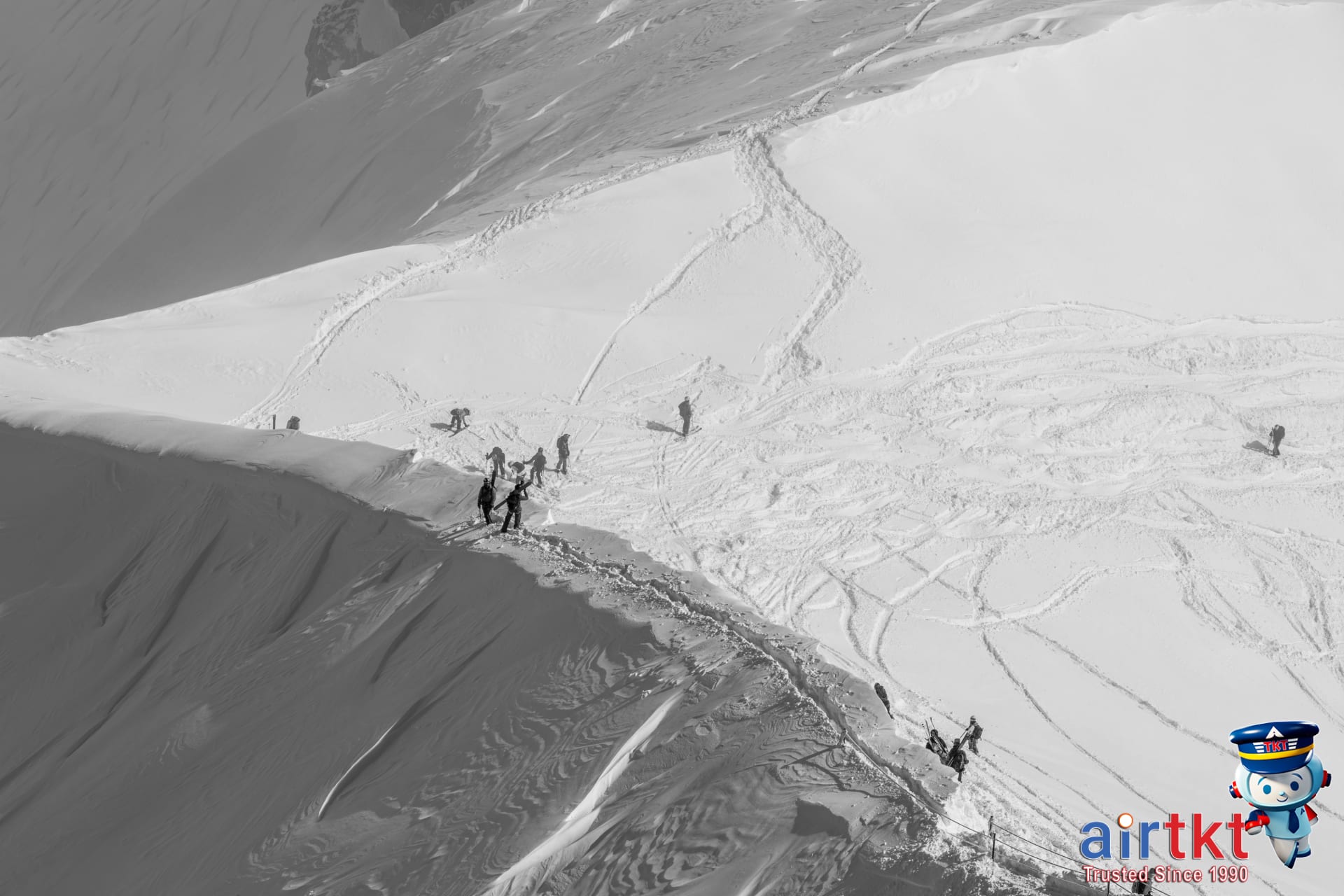
If you’re picturing dramatic peaks, endless runs, and lively mountain towns, you’re in the right place—the Alps remain the heart of European skiing. Stretching across France, Switzerland, and Austria, this legendary range is where both beginners and experts find exactly what they’re looking for, from gentle slopes for first-timers to iconic off-piste terrain for the truly adventurous.
Whether it’s the extensive mega-resorts of France like Chamonix, the chocolate-box villages of Austria such as St. Anton, or Switzerland’s famous slopes in Zermatt, the Alps offer a range of experiences that few regions in the world can match. The après-ski scene deserves its own spotlight too, with cozy huts, vibrant bars, and hearty local food just steps from the lifts.
I have to admit, few feelings match the rush of skiing down a sunlit Alpine slope with snow-capped peaks all around—it’s why I keep coming back. This article will guide you through the standout resorts worth your time, plus where to unwind after a day on the mountain with classic Alpine après-ski experiences.
Best Ski Resorts in France
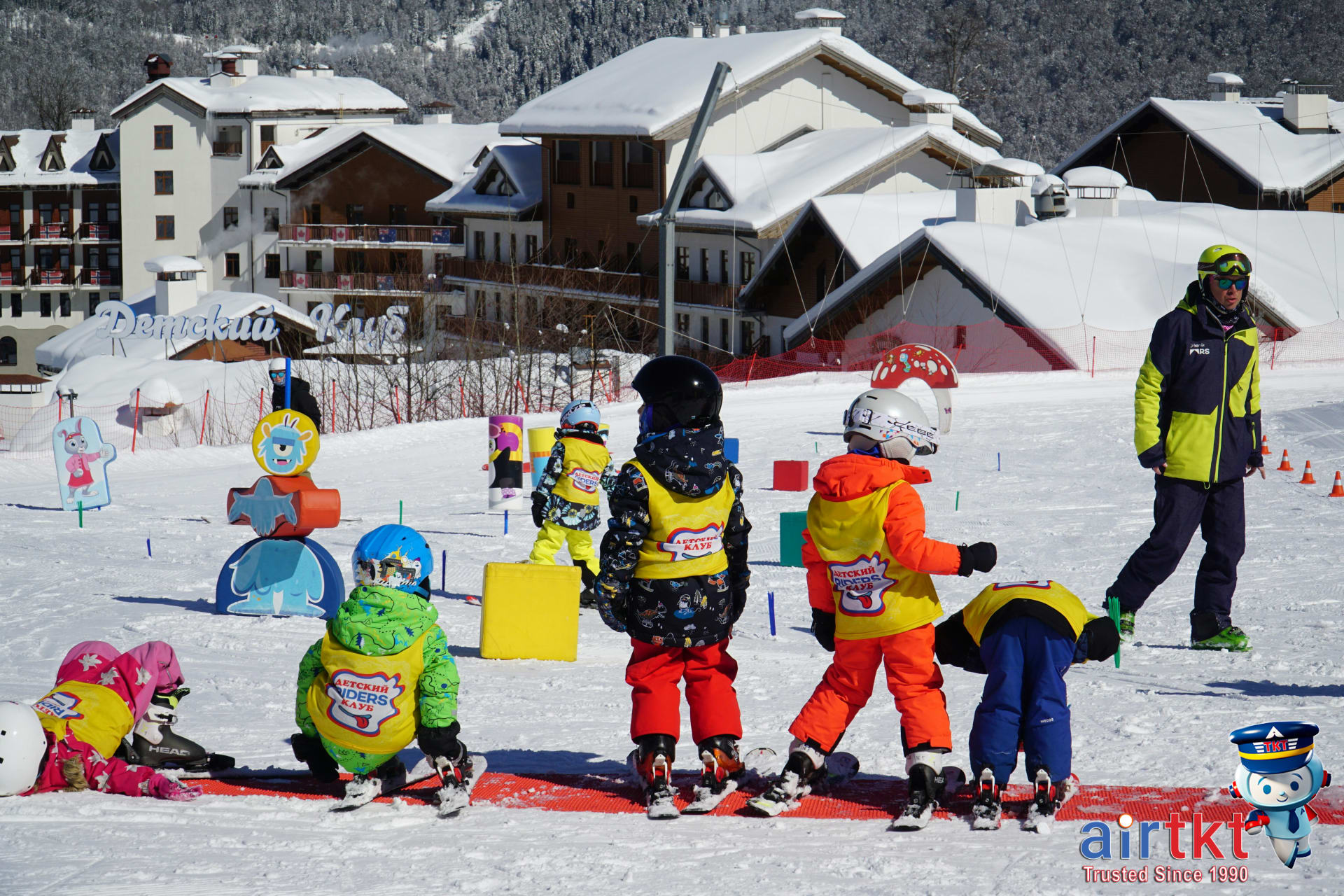
France is legendary in the ski world, and some of its resorts regularly top the wish lists of winter travelers. Chamonix, Val d’Isere, and Courchevel stand out for their unique personalities and diverse terrain. Chamonix, set against the dramatic Mont Blanc massif, attracts seasoned skiers and adventurers with its steep, challenging off-piste options. It’s also surprisingly lively in town for après-ski.
Val d’Isere, meanwhile, forms part of the Espace Killy area, boasting an incredible network of interconnected trails ideal for every skill level. This is the place to find long runs, reliable snow, and a range of slopes—from gentle blues for cautious intermediates to technical reds and blacks.
Courchevel is famous for both its glamor and its family-friendly approach. As part of the expansive Three Valleys area, Courchevel gives access to more than 370 miles of pistes. Each village level (1550, 1650, 1850) caters to different vibes, with Courchevel 1850 shining for luxury seekers and Courchevel 1550 and 1650 offering more laid-back and affordable bases—plus gentle beginner areas and excellent ski schools for kids.
Family-Friendly French Ski Picks
If you’re skiing with family, resorts like Les Gets, La Plagne, and Avoriaz offer excellent ski schools, child-friendly slopes, and plenty of off-slope activities. I often recommend these spots to families looking for reliable snow, cute Alpine villages, and a welcoming, low-stress vibe. In my experience, Avoriaz stands out with its car-free resort center and playful on-mountain features for little ones.
Personally, my favorite French ski resort is La Plagne. Its vast terrain offers just enough variety to keep everyone—from beginners to experts—happy, and the relaxed feel of the villages always appeals to me after a long day on the slopes.
For more ideas on how to plan your winter escape, including tips on snow destinations and France’s best seasonal highlights, don’t miss our airtkt.com guide to winter travel in France.
Top Swiss Ski Resorts Guide
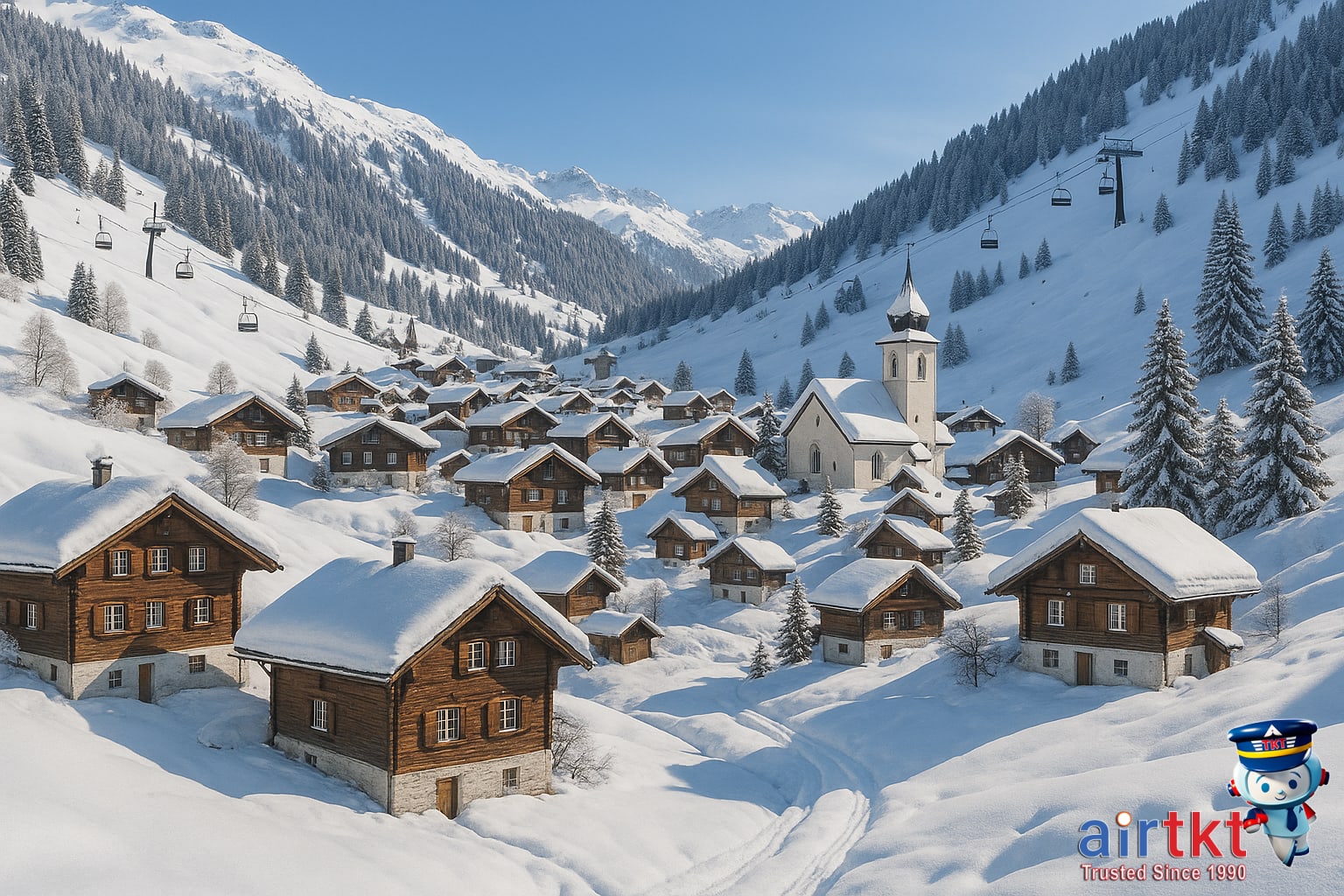
When it comes to alpine ski adventures, Switzerland is hard to top. Three standout resorts—Zermatt, St. Moritz, and Verbier—have earned global reputations not just for their scenery but for remarkable snow quality and high-altitude advantages.
Zermatt: Iconic Peaks and Snow
Zermatt is nestled below the Matterhorn, offering dramatic views and reliable snow on slopes that reach up toward 12,800 feet. The village itself is car-free, which helps maintain its peaceful, fairy-tale vibe. For skiers focused on long runs and steady conditions, Zermatt’s glacial terrain is a unique draw throughout the season.
St. Moritz: Glamour and High Altitude
St. Moritz might be synonymous with exclusivity, and it’s not hype: think sleek lakeside hotels, boutique shopping, and two Winter Olympics to its name. But there’s substance behind the style—the resort sits at roughly 6,000 feet, allowing for dry, powdery snow that’s a joy to carve and plenty of sun-soaked days out on the trails.
Verbier: Challenging Terrain for Experts
If you love big-mountain skiing, Verbier’s legendary off-piste routes and diverse slopes will not disappoint. The resort is part of Switzerland’s famed 4 Valleys ski area, with challenging descents, a lively après-ski scene, and impressive vertical drops. Verbier’s reputation for exclusivity also comes from its bustling nightlife and stylish chalets.
Personally, I find Swiss resorts irresistible for their textbook snow conditions, breathtaking settings, and a sense of alpine tradition that always feels authentic and welcoming. It’s genuinely special to step off the train and immediately soak up that fresh mountain air before hitting world-class slopes.
For more on organizing your trip—including tips for booking trains, local transport, and accommodations—check out these Switzerland travel booking tips on airtkt.com.
Leading Austrian Ski Resorts Guide
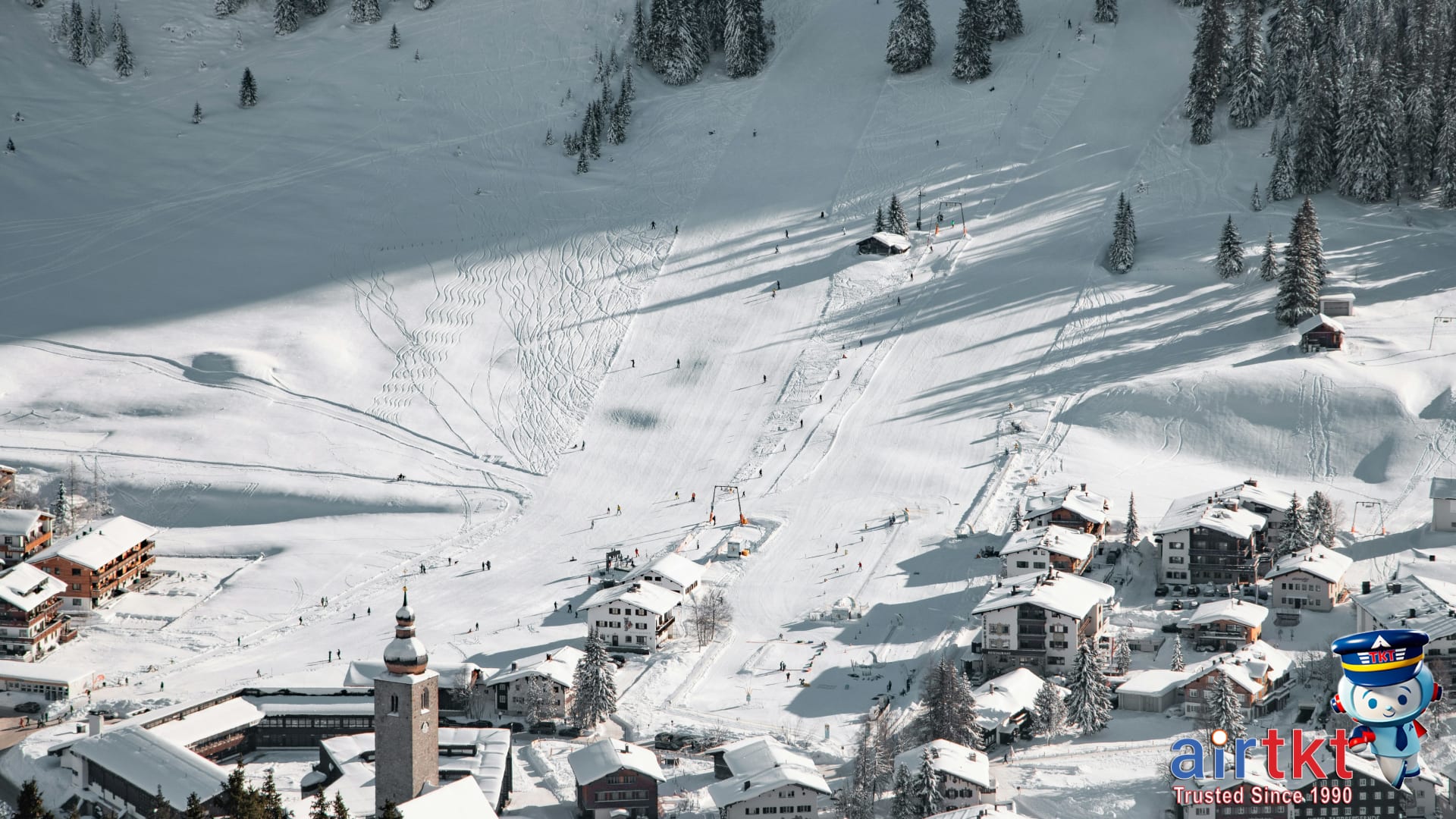
Austria’s ski resorts are famous not just for their impressive slopes, but also for their legendary après-ski culture. Resorts such as St. Anton am Arlberg, Kitzbühel, and Ischgl are top choices for travelers searching for more than just skiing — each offers an electric social atmosphere after the lifts close.
St. Anton is often described as Austria’s après-ski epicenter. Its lively bars and slope-side huts pack out every afternoon, with music and dancing that carry long into the evening. Places like MooserWirt and Krazy Kanguruh are household names among skiers who come as much for the party as for the pistes.
Kitzbühel, famed for its classic alpine charm, blends high-energy nightlife with elegant historic streets. You’ll find everything from cozy wine bars to modern clubs. The town’s mix of traditional and contemporary venues means there’s something for both mellow evenings and high-spirited nights out.
Ischgl stands out for its vibrant après-ski concerts, hosting international artists for open-air shows right on the snow. The resort’s nightlife pulses through vibrant bars, clubs, and lounge venues, attracting a young-at-heart crowd eager for memorable nights.
What I enjoy most about Austrian après-ski is how welcoming and communal it feels — it’s easy to join the celebration, whether you’re clinking glasses over schnapps or swapping stories by a fireplace.
If you’re considering a trip and want to experience all these lively resorts, you can compare Austrian ski vacation deals and packages at airtkt.com.
How To Plan Your Ski Trip
Planning a ski trip can feel overwhelming at first, but breaking it down into practical steps always helps me keep things on track. The first thing I look at is the ski resort itself—your skills and interests should really drive this choice. Beginners will feel at home at resorts known for gentle slopes and high-quality instructors, while advanced skiers might prefer destinations featuring deep powder and more challenging terrain. If you’re traveling with family or a mix of abilities, look for resorts that offer a range of runs and off-slope activities like snowshoeing or spa facilities.
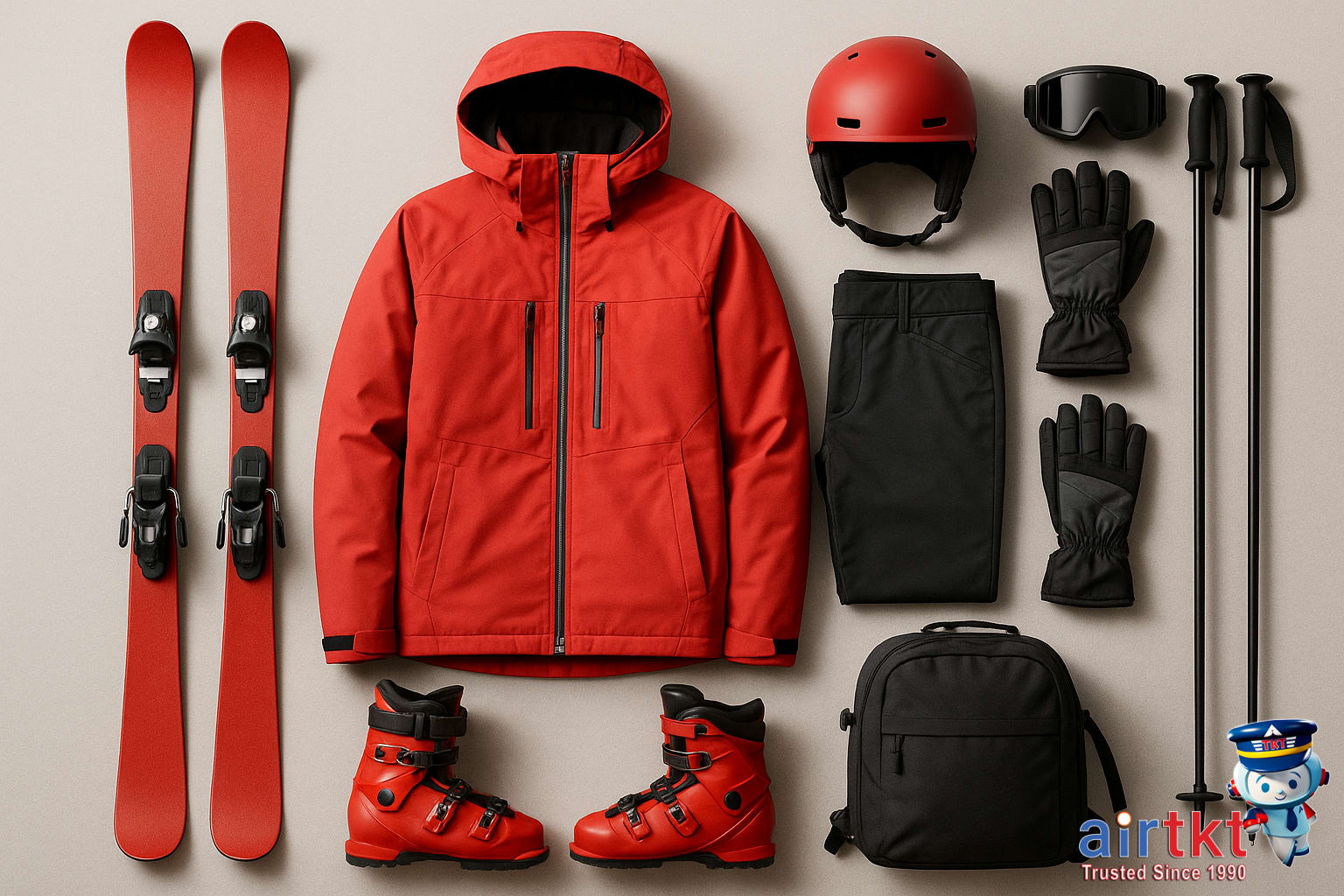
Packing is another area where a little preparation goes a long way. Essentials include waterproof outerwear, base layers, thermal socks, quality gloves or mittens, goggles, and a helmet. I also make room for a power bank, sunscreen (the sun reflects off snow even on cloudy days), and plenty of layering options. If you plan to rent skis and boots at your destination, you can save suitcase space, but I always recommend bringing a few familiar items, like your own helmet or favorite thermal wear, for comfort and hygiene.
Next up: transport and lodging. Direct shuttle services are common from major airports to top ski resorts, but renting a car offers more freedom, especially if you want to explore smaller, less crowded mountain towns. For accommodations, options range from ski-in/ski-out hotels—great for maximizing slope time—to cozy lodges in nearby villages with characterful après-ski scenes. In my experience, booking early and checking the location on a map can prevent surprises about distances or shuttle availability.
Here’s my personal ski trip checklist that I use to keep things simple before I leave:
- Reserve accommodations as soon as I lock in dates
- Book flights and check nearby airport options for better rates
- Arrange rental gear or check ski equipment fees with airlines
- Download local transport apps or note shuttle schedules
- Start packing early—always double-check gloves, goggles, and chargers
- Buy travel insurance that covers winter sports
One under-the-radar step, in my opinion, is considering alternate airports. airtkt.com has a really handy Nearby Airport Search tool for this. Sometimes, flying into a less obvious but close airport can save a considerable amount on fares or reduce travel time to the resort.
If you want more tips on booking smarter and staying organized, check out the general travel planning resources at airtkt.com. A bit of prep up front can make your ski vacation a smooth, memorable adventure—and less time stressing means more time enjoying the slopes.
Ski Trip Budget Breakdown Guide
| Budget | Mid-range | Luxury | |
|---|---|---|---|
| Accommodation | $75.00 | $180.00 | $450.00 |
| Food | $30.00 | $60.00 | $130.00 |
| Transport | $20.00 | $40.00 | $100.00 |
| Activities | $40.00 | $90.00 | $250.00 |
This budget table breaks down estimated daily costs for ski trips, adaptable to destinations across North America and Europe. Use it as a baseline: add up the category totals for your target number of days and compare across tiers based on your comfort level. In my experience, planning ahead with a clear budget meant I could enjoy skiing without the stress of surprise expenses later.
If you want to stretch your dollar further, remember to consider local options for food and public transport—these can shift you closer to the budget end, even if you splurge a bit on accommodation or activities. The categories are a flexible guide: you might want to swap a day on the slopes for a spa treatment or special meal, and the table will help you see where to adjust.
Budgeting upfront can genuinely free you up to focus on the slopes and the scenery, not the receipts. I always recommend cross-checking these estimates with your own priorities and researching the current rates for your destination. For even more ways to save—especially on flights and hotels—take a look at the airtkt.com package deal offers for additional value.
Top Apres-Ski and Nightlife Spots
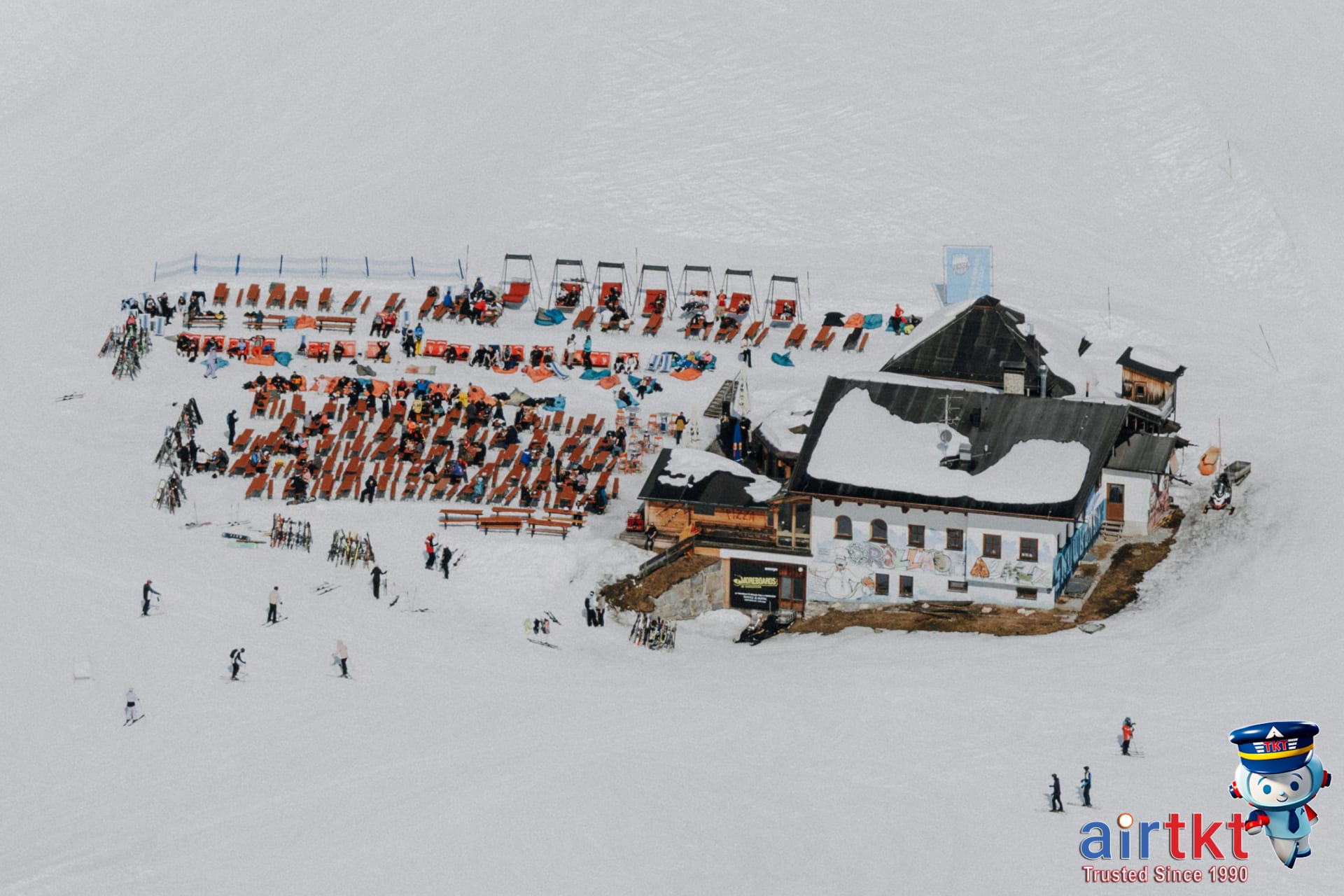
One of the highlights of skiing in the Alps is the lively apres-ski and nightlife scene, which varies by country but always delivers a mix of fun, music, and plenty of stories by the fire. In France, resorts like Val d’Isère and Méribel set the standard for big terrace parties—expect DJ sets, signature cocktails, and sunset views at La Folie Douce or Le Rond Point, where you might find yourself dancing in ski boots by late afternoon. The French take on apres-ski leans social and energetic, with friendly staff and a party atmosphere that spills from slopeside bars into the cobblestone village streets.
Switzerland offers something a bit more laid-back but with equal charm. In Zermatt, the Hennu Stall and Papperla Pub fill up quickly with skiers fresh off the mountain. The Swiss style favors cozy, rustic interiors, hearty snacks like cheese fondue, and live folk music or local bands. I usually recommend checking which bars are hosting events ahead of your visit, as some places fill up fast—especially on weekends when the après-ski lineup can include everything from torch-lit descents to themed evenings.
If you love a more traditional, high-spirited vibe, Austria is impossible to beat. Towns like St. Anton and Ischgl are world famous for their classic umbrella bars and après-ski singalongs. MooserWirt and Krazy Kanguruh in St. Anton might be the most well-known, and from personal experience, few things compare to sharing a round of Austrian schnapps with fellow travelers after a long day on the slopes. The energy here ramps up even before sunset, with a mix of local tunes and international hits and plenty of laughter as the alpine air cools.
No matter which country you choose, the après-ski culture is just as much a part of the mountain experience as skiing itself. If you’re booking a trip and want advice on where to stay for nightlife or how to snag event tickets, I’d check airtkt.com for ideas and possible reservations. Some of my best travel memories have started on a snowy terrace with new friends, great music, and the Alps as the perfect backdrop.
Ski Travel FAQs for the Alps
- When is the best time for ski travel in the Alps?
The prime skiing season in the Alps usually runs from early December through April. Snow conditions tend to be reliable between January and March, while December and April can offer quieter slopes and potential savings. I usually recommend checking snowfall reports before booking to time your trip well.
- What type of ski pass should I buy for the Alps?
You’ll find region-wide ski passes covering multiple resorts and lift networks, as well as local passes valid for a single ski area. If you want to explore several valleys or resorts, a regional pass is usually the most flexible option. Compare both before you commit, especially for longer stays.
- How can I get to popular ski resorts in the Alps?
Major airports like Geneva, Zurich, Milan, and Munich provide good access to Alpine resorts. From there, trains, buses, private transfers, and car rentals are all common. In my experience, checking train schedules early is smart since some smaller towns have infrequent service, especially on weekends.
- What kind of weather should I expect during ski travel in the Alps?
Alpine weather can be unpredictable, with conditions ranging from heavy snowfalls to sunshine and sudden temperature drops. Dress in layers and always pack waterproof clothing. Even if the valleys feel mild, higher slopes may be much colder or windy. Monitoring local forecasts is essential for daily planning.
- Is ski travel in the Alps suitable for beginners?
Many Alpine resorts cater to all levels, including beginners, with dedicated nursery slopes and English-speaking instructors. Choose well-known beginner-friendly destinations, double-check lesson availability, and consider booking ski school slots in advance during peak holiday weeks. Resorts’ official websites often provide up-to-date slope and lesson information.
- Are there direct flights to the Alps’ main ski gateways?
Plenty of international direct flights serve gateway cities like Geneva, Zurich, and Milan. Booking flights through airtkt.com can help you compare options, including nearby alternate airports you may not have considered. Always verify onward ground transport availability before finalizing your arrival airport.
- How early should I book my ski trip to the Alps?
For peak season travel—especially during holidays or major school breaks—booking flights, accommodations, and ski passes several months ahead is wise. I’d treat this as a planning checkpoint, not a last-minute detail, since the most popular hotels and resorts fill up fast during the high season.
Conclusion: Experience the Alps
Skiing in the Alps truly stands out—from France’s sweeping powder runs to Switzerland’s dramatic peaks and Austria’s charming alpine villages, you’re guaranteed world-class slopes and vibrant après scenes. Whether you’re a seasoned skier or a first-timer, each region offers something memorable, from diverse terrain to rich local culture.
If you’re ready to plan your alpine getaway, finding affordable flights and ski packages on airtkt.com makes it easy to start your adventure. I recommend checking out some of airtkt.com’s other travel guides for ideas on pairing your ski trip with destinations like Munich, Geneva, or Paris for a truly well-rounded European escape.
Personally, I can say there’s nothing quite like gliding down a fresh slope in the Alps—the scenery and atmosphere stay with you long after your trip ends.