
Understanding Canadian Etiquette for Travelers
Traveling anywhere gets a lot smoother when you take the time to learn about local customs—and Canada is no exception. Canadians are known for their politeness, but behind the reputation are genuine cultural norms that shape daily interactions. Understanding these can help you feel comfortable, avoid awkward moments, and even open doors to more authentic experiences.
I’ve always appreciated how welcoming Canadians can be, especially given the country’s amazing cultural diversity. Whether I’m in bustling Toronto or a small town in Quebec, it’s clear that respect and friendliness are stitched into daily life. Small gestures like a simple “hello” can lead to surprisingly warm connections.
One tip I keep in mind is that greetings matter. In most of Canada, a friendly “Hello,” “Good morning,” or “How are you?” in English is the standard way to start a conversation, even with strangers. In French-speaking regions, such as Quebec, using “Bonjour” or “Salut” shows you’ve made the effort to acknowledge local language and culture. Swapping these basic greetings in, even if you aren’t fluent, is seen as a sign of respect by locals.
Of course, taking the time to learn these small nuances pays off—especially if you’re planning a trip and want to feel at ease from the moment you arrive. If you’re looking for affordable ways to explore Canada, airtkt.com has dedicated Canada travel deals to help you get started with your planning.
Navigating Canada’s Bilingual Culture
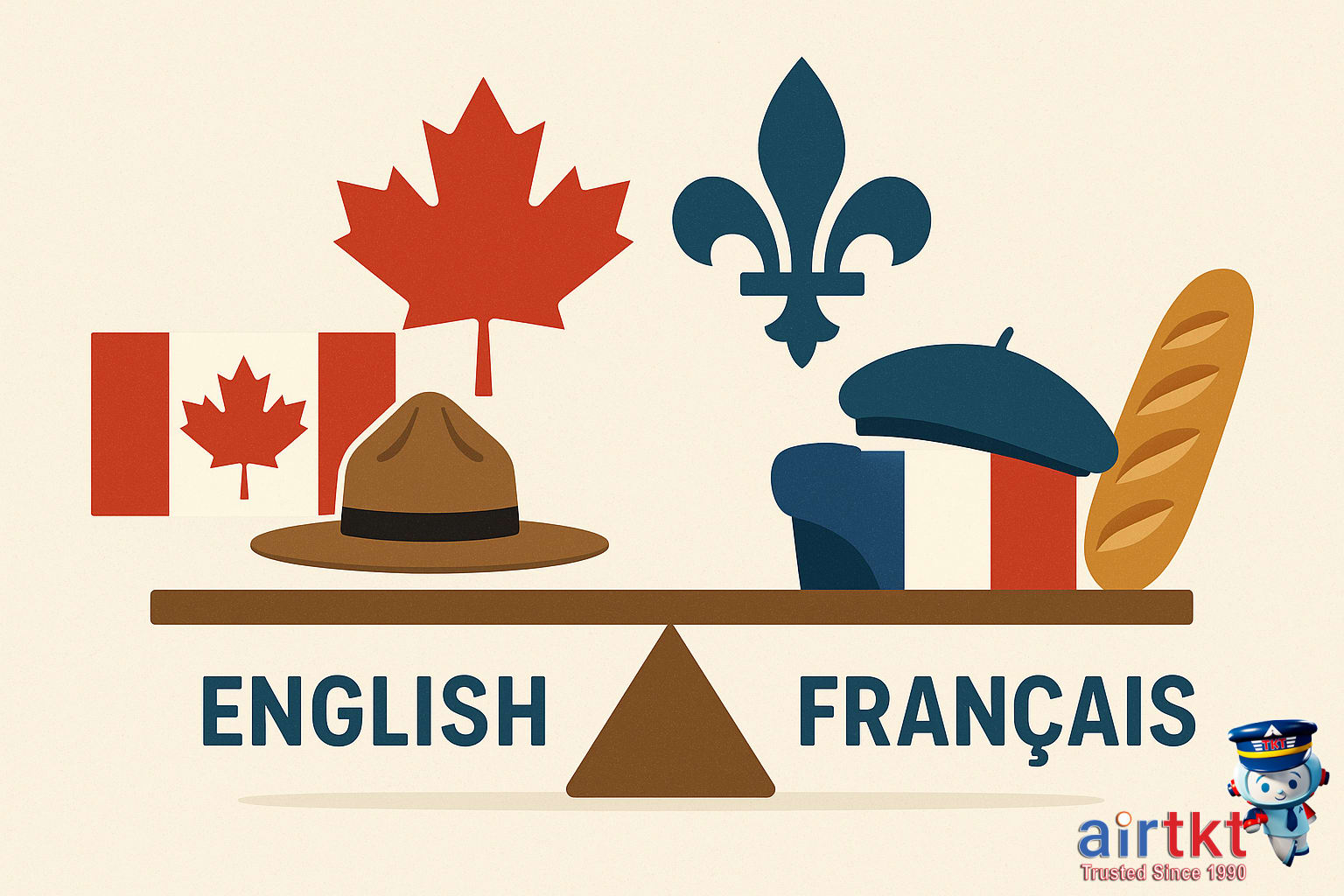
Canada stands out globally for its official bilingualism—English and French are recognized across the country. This dual-language status isn’t just on paper; it really shapes day-to-day life. You’ll find signs, announcements, and government services offered in both languages, especially in places like airports, hotels, and public transit hubs. I’ve found that seeing both English and French everywhere can be comforting for travelers, but it also means a little preparation goes a long way depending on where you’re headed.
The regional dominance of languages plays a big part in your experience. Most of Canada’s provinces function primarily in English, but Quebec is the major exception. In Quebec, French dominates—street signs, menus, and even casual conversations lean heavily francophone, especially in Montreal or Quebec City. New Brunswick is officially bilingual, with a more balanced mix, while Manitoba and parts of Ontario have visible French-speaking communities too, though English remains common.
When visiting Quebec or smaller French-speaking towns, even basic French phrases can make a difference. Politeness goes a long way, and people appreciate when travelers make the effort, even with just a simple “bonjour” or “merci.” Adjusting to situations where both languages are used felt a bit intimidating at first, but I quickly realized most locals are happy to help you bridge any gaps. Travelers often get by with English in large cities, though I usually recommend brushing up on a few essentials if you’re planning to explore more local areas.
If you’re planning a trip focused on Quebec or want more details about traveling in French-speaking areas, I’d check out the Quebec travel tips available on the airtkt.com blog. Understanding the local language dynamics ahead of time really helps make your journey smoother and more enjoyable.
Tipping Practices to Know in Canada

Grasping tipping etiquette is key for a smooth travel experience in Canada. The country shares some similarities with U.S. tipping culture, but there are distinct expectations, particularly in hospitality and service industries. If you’ve visited countries where service charges are already included, Canadian customs might feel a bit different at first. I remember needing a few meals out before the habit of calculating and leaving a tip felt natural—especially when paying by card instead of cash.
Typical Tipping Percentages
- Restaurants: 15%–20% of the pre-tax bill is the norm for table service. Some locals round up with small change if grabbing a coffee or fast food.
- Bars: $1–$2 per drink, or roughly 15%–20% of the total tab.
- Taxis/Rideshare: 10%–15% is typical. Many apps now include a tipping option, but it’s still common to add cash for short journeys.
- Hotels: For bellhops and bag handlers, $2–$5 per bag is standard. Housekeeping staff often receive a few dollars per night, left daily or at the end of your stay.
- Other Services: Hairdressers and spa staff are normally tipped 15%–20% of the service price.
Cash vs. Card Tipping
In most restaurants and taxis, you can add a tip directly to your credit or debit card payment. However, some service workers appreciate cash tips—especially in smaller towns or at independent businesses—since they receive it immediately and in full. I’d compare both methods before deciding, but I noticed cash often sparks a genuine thank you.
Cultural Expectations to Watch For
In Canada, tipping is seen as part of the earnings for many workers in service roles. Not leaving a tip at full-service restaurants or after good service can be taken as a sign of dissatisfaction. While tipping above the norm for exceptional attention is welcomed, there’s rarely pressure to go above 20%. For travelers wanting to avoid awkward moments, it helps to look at what others around you are doing or ask discreetly if unsure.
If budgeting is a focus, factoring tips into your travel expenses makes a difference. For more planning guidance, check out the helpful tips on airtkt.com before your Canadian trip.
How Social Etiquette Varies Across Canada
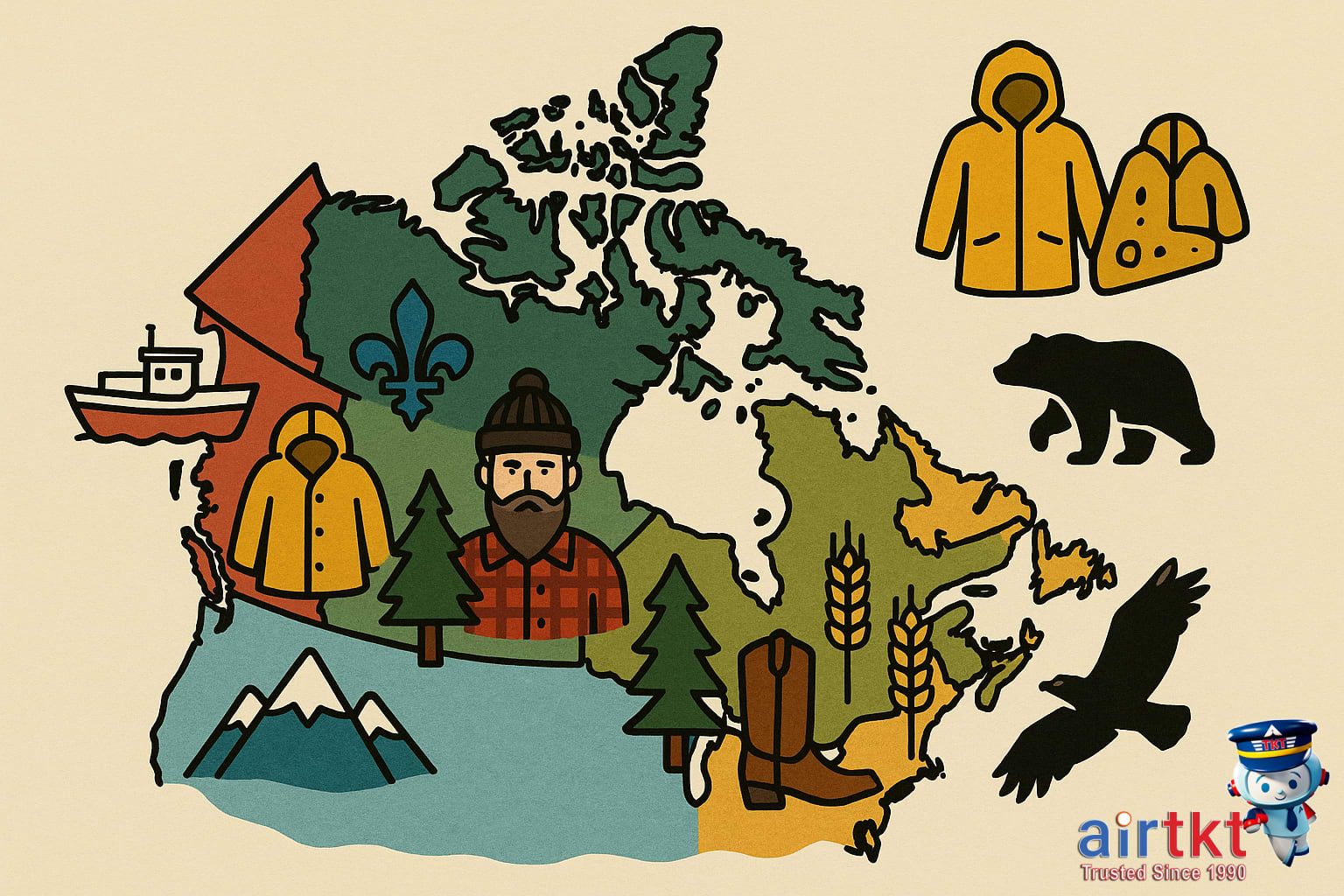
Canada’s reputation for politeness has truth to it, but as you travel through its regions, you’ll notice etiquette shifts from coast to coast. Even something as routine as greeting someone or holding a conversation can have a different tone in each province. I’ve found that adapting to these subtle differences makes it much easier—and more enjoyable—to connect with locals.
Ontario and Urban Formality
In cities like Toronto or Ottawa, you’ll encounter a generally formal and reserved approach. Greetings are polite but not overly effusive. Punctuality is valued, especially in business settings, and people often keep a noticeable amount of personal space. When addressing someone new, using “Mr.” or “Ms.” is common until invited to use first names.
The Easygoing West: Alberta
Alberta, and much of Western Canada, tends to favor a more relaxed, direct style. Locals are friendly and outgoing, with conversation often flowing easily, even with strangers. In my experience, a firm handshake and a casual “Hi” are the norm, and people generally appreciate plain speaking over formal small talk.
Distinctive Traditions in Quebec
Quebec’s Francophone culture sets it apart. French greetings—“Bonjour” on arrival and “Au revoir” on departure—are strongly preferred, and a light kiss on both cheeks can be a standard greeting among friends or in social settings. Punctuality is important, but there’s more flexibility with casual visits than in business.
Warmth in the Maritimes
The Maritimes (Nova Scotia, New Brunswick, Prince Edward Island, and Newfoundland & Labrador) are famous for their warmth and hospitality. Expect more informal greetings, like a friendly wave or even being called “dear” or “love” in conversation—something that felt unusual but endearing when I visited.
If you want to get a head start on regional etiquette, I recommend checking a general Canadian travel guide on airtkt.com—they’re especially helpful for travelers planning multi-province trips.
Everyday Social Etiquette in Canada
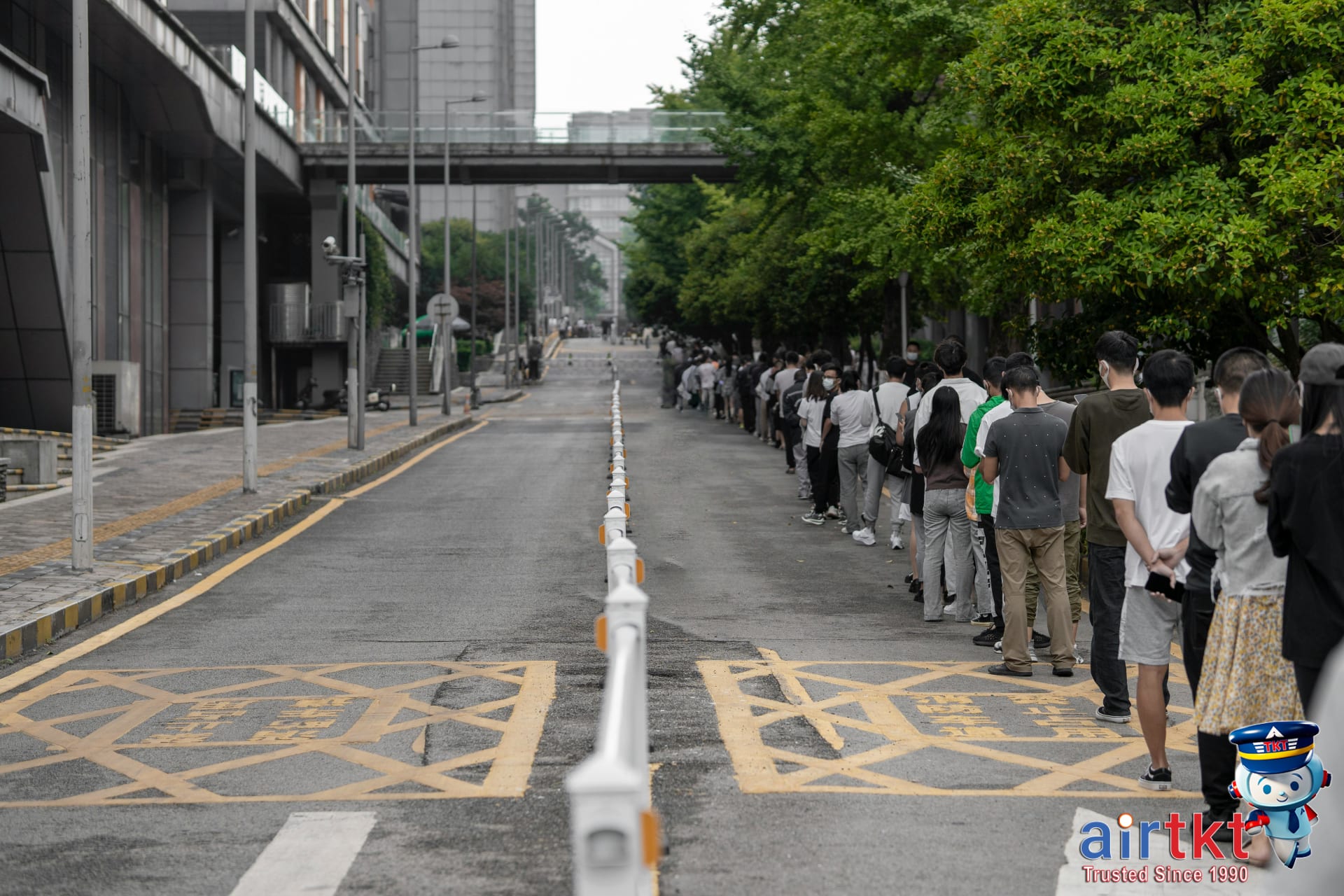
Daily life in Canada is shaped by a strong sense of consideration and politeness. Greetings are typically warm but not overly enthusiastic—expect a friendly “hello,” “hi,” or “how are you?” when you meet someone, and don’t forget a smile. In my experience, taking a moment for these simple courtesies can instantly make local interactions feel more comfortable and welcoming.
Queuing is practically a national tradition; Canadians take waiting in line very seriously, whether it’s for public transport, coffee, or the restroom. Always join the end of a line and wait your turn. Cutting in or crowding someone is met with disapproval, even if it’s unintentional.
When it comes to conversation, Canadians are often described as direct but tactful. You’ll notice that while people usually speak plainly, they avoid being blunt. It’s common to soften requests or opinions with “please,” “thank you,” or “sorry.” I usually recommend checking yourself if you’re used to a more assertive communication style—it goes a long way in Canada.
Another unspoken rule is respecting personal space. Canadians value a bit of distance during interactions—about an arm’s length is standard when speaking. Physical contact should be minimal unless you know someone well, and things like standing too close or touching strangers can make people uncomfortable.
Practicing these customs consistently has made my travels in Canada noticeably smoother and friendlier. By showing respect for local habits, I’ve found most people respond with even more warmth and helpfulness. For more on respecting cultural customs while abroad, you can check out additional travel tips from airtkt.com.
Budgeting Your Canadian Trip with Etiquette

Setting a realistic budget for your Canadian trip isn’t just about flights and hotels—it’s also about planning for the small, everyday etiquette expenses that can add up fast. Tipping is expected in restaurants, bars, taxis, and for hotel staff across Canada, and these costs can easily surprise travelers who haven’t set aside daily funds for gratuities.
| Budget | Mid-range | Luxury | |
|---|---|---|---|
| Accommodation | $50.00 | $140.00 | $310.00 |
| Food | $25.00 | $55.00 | $120.00 |
| Transport | $8.00 | $30.00 | $95.00 |
| Activities | $18.00 | $45.00 | $120.00 |
One detail that’s easy to forget is how standard tipping practices push your daily costs a bit higher. In most restaurants, tipping 15-20% is customary, and hotel staff (like porters or housekeepers) often expect a few dollars per service. Taxi drivers also appreciate a similar percentage. When these expenses are ignored, it’s easy to spend more than planned and risk awkward situations. I budgeted for daily tips on my last trip, and it really reduced my stress whenever the check arrived or when it came time to thank hotel staff.
Factoring etiquette costs into your travel budget has another benefit: it keeps your interactions respectful. Canadians appreciate it when visitors honor local customs, and tipping is an important part of that. You’ll avoid embarrassment or rushed ATM runs after a meal. If you want more help with travel planning, I’d suggest visiting the airtkt.com budget travel section for more practical tips and resources on managing your Canadian trip costs.
FAQs About Canadian Etiquette
Do you need to tip in Canada?
Yes, tipping is expected in most service industries in Canada. For restaurants, a 15% to 20% tip on the pre-tax bill is the usual standard. It’s also customary to tip taxi drivers, hairdressers, and hotel staff. I always set aside some small bills to make tipping easier throughout my visit.
How important is bilingualism when visiting Canada?
Canada has two official languages: English and French. While English is spoken everywhere, French is dominant in Quebec and parts of Eastern Canada. Visitors don’t need to be fluent, but polite attempts—like saying “Bonjour”—are appreciated, especially in Quebec. Most tourism services will accommodate English speakers.
What is the typical greeting in Canada?
Canadians usually greet each other with a friendly “hello” or “hi,” and a handshake is common in business settings. Hugs or cheek kisses are rarely used except among close friends or family. If you’re unsure, a smile and a simple greeting almost always work well.
Is punctuality valued in Canadian culture?
Punctuality is considered a sign of respect in Canada. Being on time for meetings, appointments, or social gatherings is expected, especially for business or professional events. Arriving late without warning can come across as inconsiderate. Planning a time buffer has always saved me from unexpected surprises.
What should travelers know about business etiquette in Canada?
Canadian business culture is polite, direct, and values modesty. Formal titles and last names are used until invited to switch to first names. A firm handshake, steady eye contact, and clear communication are important in meetings. Dressing conservatively is generally safe for most business occasions.
Are there regional etiquette differences within Canada?
Yes, there are subtle etiquette differences, especially between English-speaking provinces and Quebec. In Quebec, more formal manners and a few basic French phrases show respect. Across Canada, friendliness and consideration are universal. For more on traveling smart in Canada, I recommend reading Canadian travel tips at airtkt.com.
Embracing Canadian Customs Thoughtfully

Wrapping up your Canadian adventure means not only seeing jaw-dropping landscapes but also immersing yourself in the customs that shape the country. Canada’s blend of English and French adds extra warmth to even a simple greeting—don’t be surprised by a hearty “bonjour” or “hello.” Tipping in restaurants and taxis is customary, and a kind 15-20% is appreciated. Daily courtesies—holding the door, saying “sorry” liberally, and respecting personal space—genuinely do make a difference, especially in close-knit regional communities. I’ve found that small things, like joining in local traditions or adapting to bilingual signage, make travel much more enriching.
However, etiquette isn’t just a checklist. Every province has its unique quirks, so travel with curiosity and an open mind. Canadians will notice and appreciate the effort. If you’re planning your journey, explore the latest flight and hotel options at the airtkt.com Canada travel deals page—it’s an easy way to prepare for an authentic and comfortable trip.
Learning to recognize and respect Canadian customs has given me a deeper appreciation for subtle cultural differences and left me with some truly memorable travel moments. Travel is so much more rewarding when you bring thoughtful curiosity along for the ride.