

Why Realistic Travel Budgets Matter
It’s easy to get inspired by a destination and start booking hotels and flights, only to realize you’re spending more than you expected. That’s exactly why setting a realistic travel budget matters—it helps you see the big picture, stay relaxed, and focus on your trip instead of unexpected costs. When I planned my last trip, setting a clear budget made all the difference. It kept my plans grounded and my wallet intact, especially when tempting upgrades or must-try foods popped up.
It’s not just about keeping your spending in check. A practical budget gives you flexibility to shape your journey. Instead of worrying about running out of money halfway through, you can decide what matters most: maybe that’s a special dinner, a memorable excursion, or simply knowing you have enough for comfortable accommodations each night.
This article will walk you through four key steps to simplify your budgeting process: setting travel goals, allocating your funds wisely, tracking what you spend as you go, and finding smart ways to cut costs without missing out. If you need more help mapping things out, airtkt.com has excellent booking tips and destination guides to make planning even smoother.
Setting Your Budget Goals Clearly

Before you get carried away by exotic destinations or dreamy activities, it really pays to set your budget goals with intention. The first decision to make is how long you want to be away—trip duration has a huge impact on costs. Next, list the places you want to visit and be specific about the kind of trip you’re planning. Are you aiming for city exploration, relaxing beach time, or a mix of both? The details here matter, because each choice affects how your budget stretches.
I always start by listing my must-do experiences and factoring their costs. For instance, if exploring a UNESCO World Heritage site or tasting a unique local dish is non-negotiable, I’ll pencil in those expenses before anything else. This way, I know which experiences are worth prioritizing—and what I can skip if my funds get tight later.
Research Trip Costs Strategically
To build a realistic budget, you’ll want to gather average prices for essentials like accommodation, dining, transportation, and entry tickets for attractions. I like to check multiple sources: official tourism sites, recent travel blogs, and especially fare comparison tools. For flights, the fare search and deals pages on airtkt.com make it easy to check what’s typical for your route and season. Their Flexible Date Search is handy for spotting the most affordable days to fly, while Nearby Airport Search often reveals lower fares from airports you might not have considered.
Don’t forget to dig into destination-specific costs too, such as metro fares, museum tickets, or guided day trips. Sticking to averages (rather than one-off bargains) helps set realistic daily spending goals and keeps surprises to a minimum when you’re actually traveling.
How To Divide Your Travel Budget

Breaking your travel funds into categories is one of the simplest ways to avoid running out of money halfway through a trip. Most travelers start with the five main areas: accommodation, transportation, food, activities, and a miscellaneous buffer for the unexpected. It’s a good idea to list these out before any spending begins so you have a clear plan.
If you’re looking for a typical breakdown, here’s an easy sample based on a $2,000.00 total budget:
- Accommodation: 35% ($700.00)
- Transportation: 20% ($400.00)
- Food: 20% ($400.00)
- Activities: 20% ($400.00)
- Miscellaneous: 5% ($100.00)
Of course, these aren’t rigid rules. I usually allocate a bigger share to accommodation when visiting cities, especially if I want to stay somewhere central or well-rated for comfort. However, if you love spending your budget on unique tours or outdoor adventures, boosting the activities category might make more sense for you.
Transportation needs also vary. On a road trip, it’s likely you’ll need to set aside more for car rentals and gas. For urban getaways, getting around by public transport can keep this category lower. If you’re booking both hotels and car rentals, I’d recommend checking ideas on the airtkt.com hotel and airtkt.com car rental pages before finalizing your numbers—it’s helped me spot where I can adjust my allocation for better value.
This kind of planning is especially helpful if you’re traveling with others—everyone has different priorities, and discussing budget splits in advance can save a lot of headaches. Make sure to adjust figures depending on whether food or experiences matter more, and always leave a small buffer for unexpected costs, because they nearly always come up.
Practical Ways To Track Travel Expenses
Keeping tabs on your spending can mean the difference between stress-free adventures and a budget headache. There are a few reliable options you can use—each with its own perks—so you can pick the one that fits your style and trip.
Apps, Spreadsheets, Or Notebooks
Budgeting apps are my go-to for on-the-fly tracking. They quickly log meals, taxis, and tickets, and some even convert currencies automatically—super handy if you’re hopping countries. Download popular travel-friendly options before you leave, or check out suggestions in the airtkt.com travel planning blog if you’re looking for feature comparisons and recommendations.
Others prefer classic spreadsheets, which you can prep ahead with planned categories and fill in daily. If you enjoy a tech-light approach, a basic notebook works too. Just jot down amounts as you go, and total things up each night. I keep a daily log of every expense to avoid surprises; it’s become a habit that helps me stay within my budget without much effort.
Tactics For Accurate, Stress-Free Monitoring
Consistency is key. Enter each expense as soon as you pay it—whether it’s coffee at the airport or a souvenir at the market. Review your totals nightly, especially if you’re splitting bills with a friend. If you notice you’re edging close to your trip’s limit, it’s easier to make small adjustments early on—such as opting for a local eatery instead of a pricier spot.
If you ever feel overwhelmed, break your budget into categories like food, transport, and entertainment to see where you can tweak things. A little discipline early on means fewer surprises later, and you’ll have a clear picture to help plan your next getaway.
Smart Ways To Cut Travel Costs
One of the most effective ways to cut travel costs is by getting a bit more creative with how you plan. Small adjustments—like reviewing alternative airports, being flexible with travel dates, and seeking out free experiences—can lead to real savings without having to compromise the quality of your trip.
Try Alternative Airports
Flying in or out of a nearby airport, rather than the largest or most obvious one, can often mean lower fares. I usually recommend using airtkt.com’s Nearby Airport Search when comparing tickets. Even flying a short drive from your original destination can sometimes shave $45.00 off a round-trip ticket. If you’re open to a quick shuttle ride or a minor detour, this strategy can really pay off.
Book Off-Season and Be Flexible
There’s a reason you’ll hear seasoned travelers talk about shoulder season deals. Planning your trip just before or after peak travel times—when the weather is still pleasant but crowds are down—is smart budgeting. Personally, I find that flexible flight dates help me save a lot; just last spring, shifting my trip by four days reduced my airfare by about $120.00. The built-in Flexible Date Search at airtkt.com makes it much easier to spot these windows of savings. If you like hunting for personal bargains, I recommend checking their discount deals and seasonal offers before you lock in your trip.
Maximize Free and Low-Cost Activities
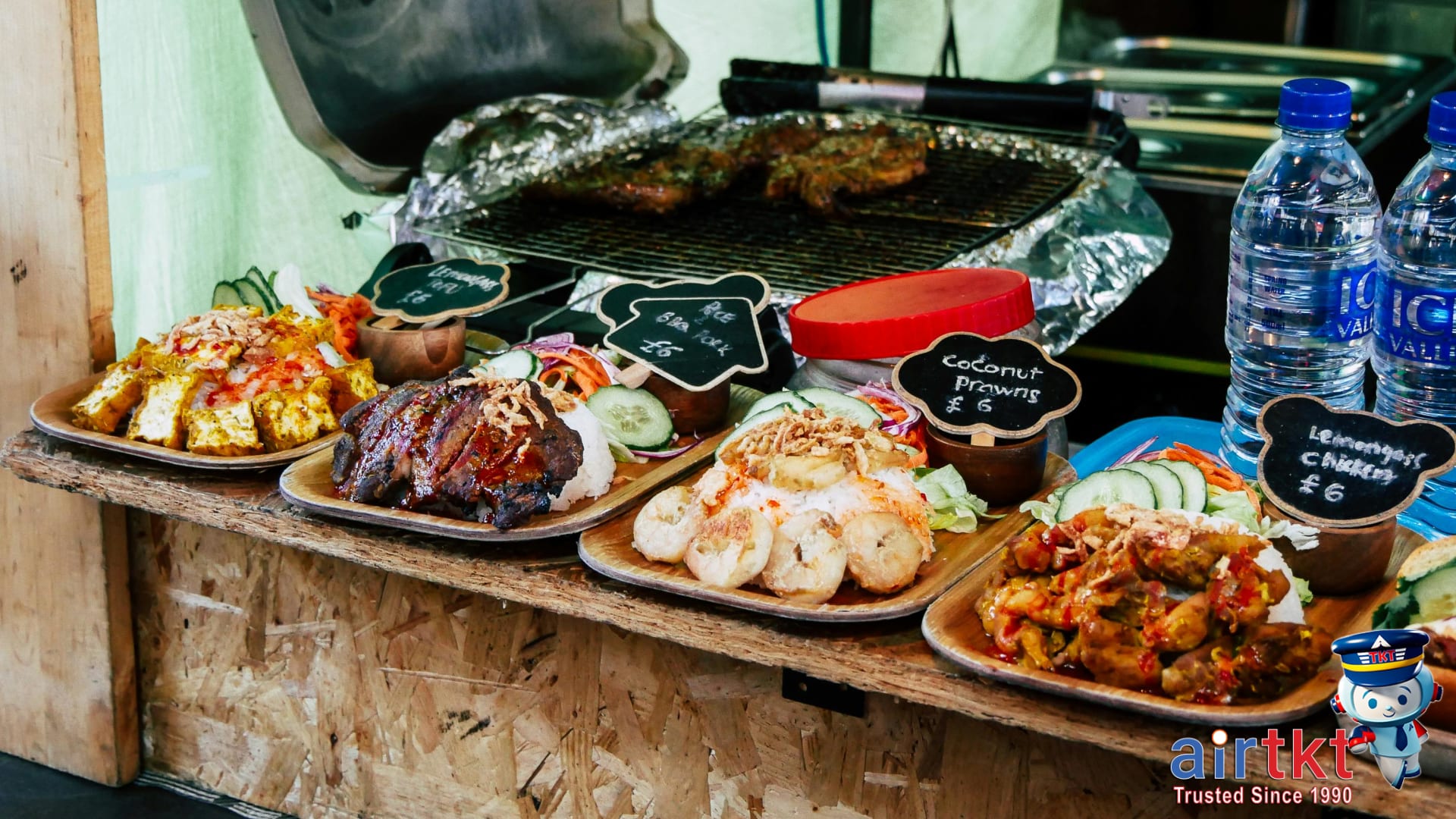
One of my favorite ways to travel richer on less is to prioritize local experiences that don’t require pricey tickets. Think walking tours, free museum days, city parks, and bustling food markets—spending a couple of afternoons exploring neighborhoods and snacking at street vendors can be just as satisfying as premium attractions and usually costs around $5.00 for authentic local eats. Many cities even have public art trails and no-cost events that let you experience more for your money.
Travel Budget Breakdown By Tier
Building a realistic travel budget is all about knowing where your money goes and how you can adapt as your plans take shape. I find it less stressful to map out expenses in tiers—budget, mid-range, and luxury—so I can see where it makes sense to save or indulge. Creating budget tiers helped me understand where to splurge and save, and it took a lot of uncertainty out of my planning.
Here’s a breakdown table for the core travel categories: Accommodation, Food, Transport, and Activities, each with a clear price point for three spending styles. This isn’t a one-size-fits-all template, but it’s a solid starting point to compare costs and set daily or trip-long estimates. It’s especially useful when you’re considering trade-offs like a nicer hotel versus extra activities.
| Budget | Mid-range | Luxury | |
|---|---|---|---|
| Accommodation | $30.00 | $80.00 | $250.00 |
| Food | $15.00 | $40.00 | $120.00 |
| Transport | $10.00 | $30.00 | $80.00 |
| Activities | $20.00 | $60.00 | $180.00 |
Using tiers helped me spot where I could downgrade, like taking local buses instead of taxis, or where I wanted to upgrade, such as booking a special dinner. In my experience, it’s easier to stick to your target if you estimate thoughtfully at first, then adjust as you learn local prices or spot deals on airtkt.com or other travel platforms.

Travel Budget Frequently Asked Questions

When I draft or review travel budget FAQs, I always notice that confusion usually comes from overestimating how much a “daily budget” will actually cover. For travelers taking the time to estimate costs, it’s worth revisiting core questions like these before every trip. Below, I’ve tackled the ones I get asked most.
- How do I create a realistic travel budget?
Start with major expenses like flights, accommodation, and activities, then estimate daily costs for food and public transport. Research average costs for your destination. I recommend building in a little extra for unexpected expenses to avoid surprises mid-trip. Being honest about your preferred comfort level helps keep things realistic.
- What are the best budgeting tips for travel?
Track spending daily, use cash for discretionary expenses, and prioritize needs over wants. Staying flexible with travel dates or destinations can also save money. Sticking to your plan is easier if you bring snacks, walk whenever possible, and use tools like those found in the advice section at airtkt.com.
- How can I monitor and stick to my budget during a trip?
Review your transactions every night, either with a budgeting app or a basic notes file. Set checkpoints—like a mid-trip review—to ensure you’re pacing well. If you notice you’re overspending on meals, adjust upcoming days accordingly, such as choosing street food or free attractions to help stay on track.
- What common mistakes lead to going over budget?
It’s easy to underestimate transport costs, overindulge in spontaneous activities, or forget foreign transaction fees. I’ve seen travelers forget to plan for tips, local taxes, or emergencies. Double-check your estimates before the trip and avoid rounding down costs for things like daily meals, which can quickly add up.
- Is there a recommended daily budget for travel?
Recommended daily travel budgets vary based on location and comfort preferences. For many destinations, a reasonable starting point might be around $100.00 per day, covering basic accommodation, meals, transport, and a modest activity or two. Check specific advice for your target city using helpful resources from airtkt.com.
- How can I cut travel costs if my budget is tight?
Consider staying in hostels or guesthouses, prepare some meals yourself, use public transit, and look for free walking tours or museums. Booking flights with flexible dates can uncover cheaper fares. I recommend tracking every purchase—small costs like bottled water and snacks can sneak up on you over time.
How To Keep Your Travel Budget On Track
Staying disciplined with your travel budget isn’t just about setting numbers before the trip—it’s about keeping a steady hand once you’re on the road. In my experience, those daily decisions add up fast. I remind myself to check my budget daily to avoid overspending, even if it means taking a moment each evening to tally receipts or glance at my banking app.
Carry that awareness with you. It helps to break your trip budget into daily portions, factoring in accommodation, food, and activities. If you overspend one day, shave off slightly from the next. Use notes on your phone to track expenses on the go or try a basic travel budgeting app for quick reference.
It also helps to set a clear boundary for impulse purchases. I find it’s easy to get swept up in the excitement of markets, souvenir shops, or unplanned nights out, but a moment’s pause and a look at your daily budget can save you from regret later. If something isn’t in your daily plan, consider skipping it or adjusting your spending elsewhere.
If you need to tweak flights or accommodation due to weather, delays, or a change of plans, reach out for help right away. airtkt.com offers 24×7 booking support—for example, their customer support page covers last-minute changes, cancellations, or questions about fees, so you can avoid unexpected costs and keep your plans (and finances) steady.
By building the habit of simple daily budget checks and using travel resources thoughtfully, you’ll find it much easier to enjoy your trip without stress. Stick to these habits and your spending will stay right where you want it.
Travel Smart To Save More

Thoughtful budgeting doesn’t just stretch your travel dollars—it makes the entire experience more enjoyable and less stressful. When I started keeping track of my travel spending and set realistic budgets, I noticed my trips felt more rewarding because I wasn’t worried about overspending every time I grabbed a meal or booked an excursion.
Planning ahead with a clear budget helps you make informed choices, from picking affordable hotels to deciding when splurging on that special experience is worth it. It also means fewer unpleasant surprises when you check your bank balance after returning home. In my experience, budgeting made my trips more enjoyable and less stressful because I felt in control and free to actually enjoy the moment.
It’s easier than ever now to find tools and platforms that help you stick to your budget. If you’re looking to compare fares or search for special rates, airtkt.com is a user-friendly place to start—especially with features that surface discounted flights, flexible date options, and even nearby airports you might not have considered. Checking their travel deals page can give you a few more ways to save before you book your next adventure.
As you plan your next journey, remember: a realistic budget is one of the simplest tools to boost your travel enjoyment and keep stress at bay. Taking a little time to plan your spending lets you make the most of your adventures.