
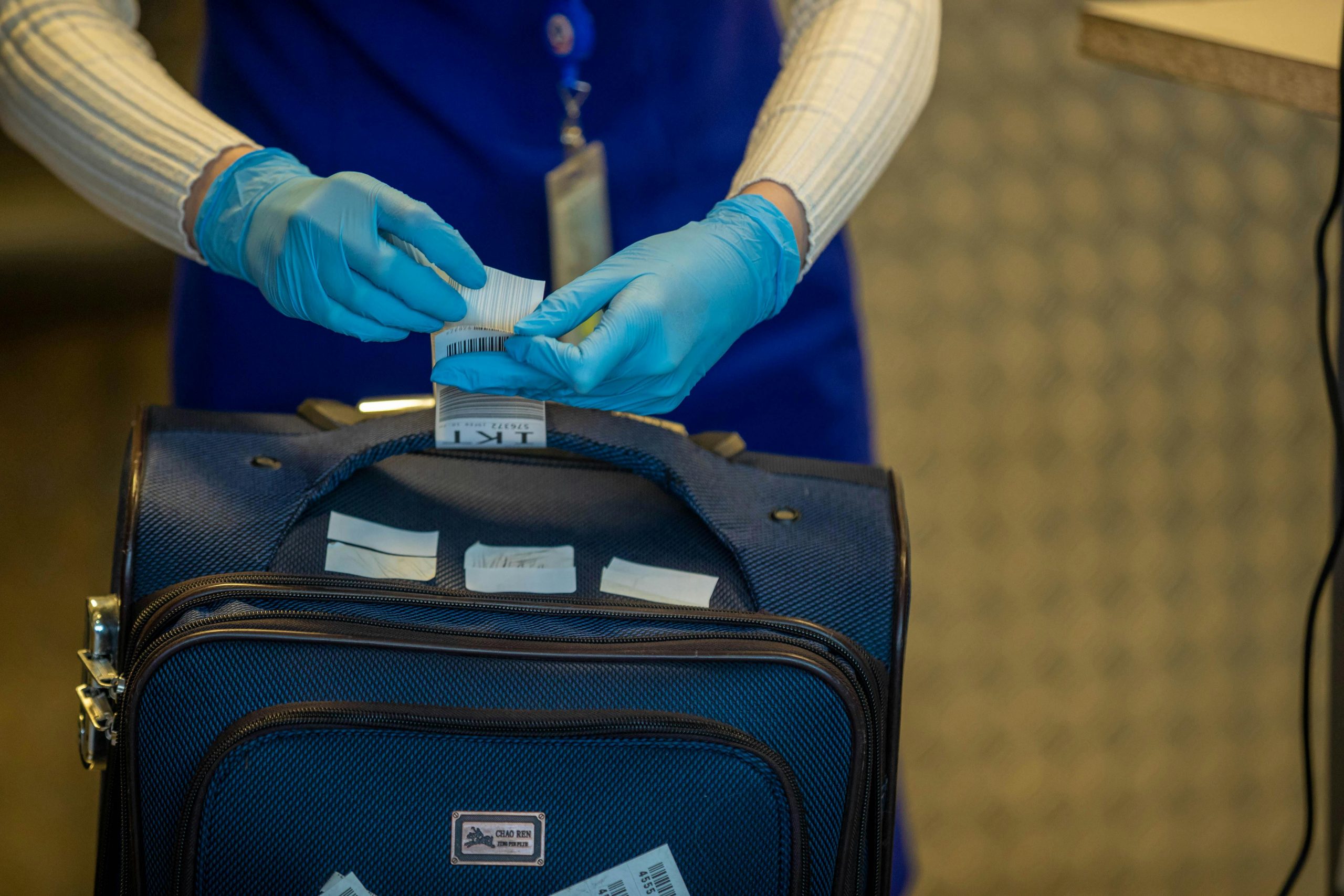
Real ID Act Overview and Importance
The Real ID Act is a federal law passed in 2005 with the crucial objective of standardizing identification requirements across the United States. Its primary purpose is to enhance security by establishing uniform criteria for state-issued driver’s licenses and identification cards. These standardized IDs are essential for verifying identities in various scenarios, particularly for air travel and accessing federal facilities. This act was introduced in response to security concerns highlighted after the events of 9/11, aiming to prevent identity fraud and ensure that IDs used for boarding flights meet rigorous verification standards.
Although initially set to take effect earlier, the enforcement deadline for the Real ID Act has been extended multiple times to give states and residents ample time to comply. The current nationwide enforcement now begins on May 7, 2025. Starting from this date, all travelers boarding federally regulated commercial aircraft within the U.S. must present identification that meets Real ID standards. Traditional driver’s licenses or state IDs that are not Real ID-compliant will no longer be accepted by Transportation Security Administration (TSA) checkpoints.
Understanding the Real ID requirements is essential for any domestic traveler. Without a compliant ID, passengers risk being denied boarding, which could disrupt travel plans and lead to additional costs or delays. Families, frequent flyers, and occasional travelers alike must prepare by ensuring their identification meets the new federal criteria ahead of the deadline. This preparation avoids unnecessary stress at the airport and smoothes the security screening process.
This article will cover everything you need to know about the Real ID Act—from understanding what constitutes a Real ID-compliant license to important enforcement dates and how to obtain one. We’ll also discuss the documentation required during the application process, such as proof of identity and residency. Moreover, if you prefer to use an alternative form of federal identification, we’ll review options like passports and passport cards that remain acceptable for domestic air travel.
What Is Real ID and Its Identification Standards
A Real ID is a state-issued driver’s license or identification card that meets federally mandated security standards. To distinguish these cards, Real IDs prominently feature a gold star or another federally authorized symbol in the upper corner, signaling their compliance with the Real ID Act. This visual marker is crucial for travelers since, starting May 2025, only Real IDs or other approved forms of identification will be accepted for boarding federally regulated commercial flights.
Real ID cards are designed with enhanced security and verification measures. To qualify for issuance, applicants must provide multiple forms of documentation proving identity, lawful U.S. presence, and state residency—such as birth certificates, Social Security cards, and utility bills. Beyond the documentation process, the physical cards themselves incorporate advanced security features to deter counterfeiting and fraud. These include holograms, embedded digital chips, microprinting, and ultraviolet ink, making them much more secure compared to standard driver’s licenses.
The Real ID standards originated as a response to security vulnerabilities highlighted by the September 11, 2001 attacks. In 2005, Congress passed the Real ID Act to establish consistent nationwide guidelines for state-issued identification, improving national security while streamlining identity verification. The law set deadlines for states to comply, promoting safer air travel and access to federal facilities.
Adoption of Real ID requirements has been gradual. While many states quickly implemented compliant licenses, some initially delayed due to procedural and technical challenges in upgrading systems and training staff. Today, most states issue Real IDs, but it remains essential for travelers to verify their home state’s participation before booking flights or entering federal buildings. This helps avoid disruptions at airport security checkpoints or federal entrances.
Recognizing Real ID markings varies by state, but common features include a gold or black star, a gold circle with a star, or the wording “Real ID” displayed prominently on the card. For example:
- California: A gold bear star in the upper right corner
- New York: A gold star inside a circle near the photo
- Texas: A black-and-gold star with the words “Real ID” printed
Knowing these identifiers will help travelers quickly identify compliant license cards. Carrying a Real ID ensures smoother travel planning and avoids last-minute issues at the security gate.

Real ID Enforcement Timeline and Impact
The Real ID Act enforcement has seen several delays since its inception, but there is now a firm deadline travelers should prepare for. Effective May 7, 2025, all passengers boarding federally regulated domestic flights must present a Real ID-compliant form of identification or an approved TSA alternative, such as a valid passport or military ID. This enforcement date marks the end of multiple extensions granted to states and the traveling public.
While the May 2025 deadline initiates the requirement for Real ID at airport security checkpoints, the Department of Homeland Security plans a phased implementation through May 5, 2027. This means full enforcement, including other federally regulated activities like entering military bases and nuclear power plants, will become mandatory by that later date.
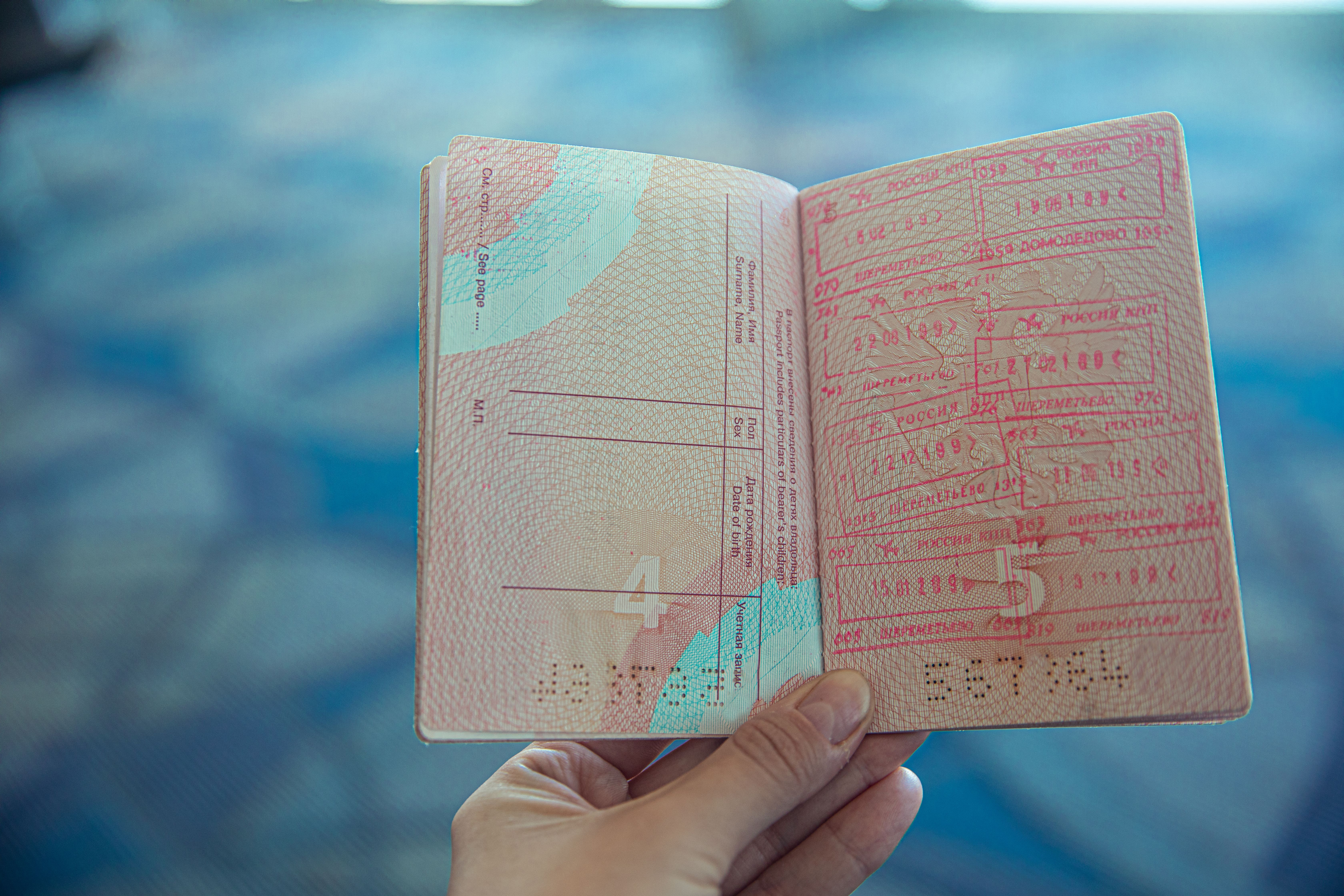
What Travelers Will Experience at TSA Checkpoints
Beginning May 7, 2025, TSA officers will carefully verify IDs against federally established Real ID standards during security screening. If travelers present IDs that are not Real ID-compliant or TSA-accepted alternatives, they may be denied boarding on domestic flights. While the security screening process itself won’t change drastically, officers will closely examine the ID’s features such as the star marking that signifies Real ID compliance.
Travelers should anticipate extra time at the checkpoint as TSA agents validate IDs more thoroughly. This makes it essential to arrive earlier than usual to avoid last-minute delays. Airports may also increase signage and staff to assist passengers unfamiliar with the new rules.
Official TSA Enforcement Dates and Guidance
The enforcement schedule is clearly outlined by the Transportation Security Administration (TSA) and Department of Homeland Security (DHS). TSA’s official Real ID enforcement date for boarding federally regulated commercial flights is confirmed as May 7, 2025. These government sources provide detailed FAQs and guidance for travelers to prepare well in advance, including how to obtain compliant IDs.
In practical terms, this means anyone without a Real ID or accepted alternative will need to bring additional documentation or risk being denied access to their flights. Families, frequent flyers, and last-minute travelers alike should check their identification several months before the deadline to avoid disruptions.
How to Obtain a Real ID from State DMV
Each state issues Real IDs through its Department of Motor Vehicles (DMV) or a similar agency, and obtaining one requires an in-person visit. You cannot complete the application online because the process involves verifying your identity with original documents. This mandatory step helps ensure Real IDs meet federal standards for enhanced security on domestic flights and other federal purposes.
Before heading to the DMV, prepare the necessary documents carefully. You will need:
- Proof of Identity: Such as a valid U.S. passport, certified birth certificate, or permanent resident card.
- Social Security Number Verification: Your Social Security card or a W-2 form showing your SSN.
- Proof of Residency: Two documents like a utility bill, lease agreement, or bank statement with your current address.
- Lawful Status Documentation: Non-U.S. citizens must show immigration documents confirming lawful presence, such as a visa or permanent resident card.
Organizing these documents in advance is vital. Place all originals and any required photocopies in a folder to avoid last-minute scrambling. Additionally, many DMVs allow appointment scheduling online, which significantly reduces wait times. Look for ‘Real ID appointment’ options on your state’s DMV website. If scheduling isn’t available, try to visit early on weekdays when offices are less crowded.
Costs for obtaining a Real ID vary widely depending on the state and the type of ID or license you are updating or replacing. Typical fees range from $30 to $60. Some states charge an additional processing fee or require payment for a new driver’s license if you are applying for one combined with your Real ID. Check your state DMV website for exact pricing and acceptable payment methods.
For the most current requirements and detailed instructions specific to your state, visiting official DMV websites is essential. These sites provide step-by-step guidance, lists of acceptable documents, fee details, and appointment booking links. Staying informed helps avoid surprises and ensures your visit goes smoothly.

Alternatives to Real ID for Domestic Air Travel
While the Real ID Act establishes a stricter standard for identification at airport security checkpoints, travelers have several valid alternatives for domestic air travel identification. A U.S. passport remains one of the most widely accepted and convenient options. Unlike the Real ID, a standard passport is valid for both domestic and international flights, making it a versatile choice for all travelers.
Besides passports, the Transportation Security Administration (TSA) also approves several other forms of identification that serve as lawful alternatives to Real ID cards. These include:
- Passport Card: A wallet-friendly, less bulky alternative to the traditional passport book, valid for domestic air travel and land or sea crossings with Canada, Mexico, the Caribbean, and Bermuda.
- Military ID: Active-duty military members, dependents, and retirees can use their military identification cards for TSA screening.
- Trusted Traveler Cards: Cards such as Global Entry, NEXUS, and SENTRI provide expedited TSA screening and are acceptable forms of ID at airport checkpoints.
Each option comes with distinct advantages and disadvantages depending on your travel needs and current possessions. Real ID cards often offer a straightforward and dedicated proof of identity tailored for government travel requirements. However, obtaining one can involve additional trips to state offices and associated fees, which vary by state.
Alternatively, a U.S. passport—while sometimes more expensive upfront—can serve a broader purpose and is traditionally accepted across all security settings, making it a valuable travel document beyond domestic flights. Passport cards and trusted traveler cards typically provide expedited lanes and streamlined security, providing convenience but may require applications and background checks.
When deciding between these options, consider your travel frequency, budget, and whether you already possess valid identification documents. For frequent travelers, programs like Global Entry or NEXUS may provide both convenience and security benefits, while occasional travelers might find a passport or Real ID card sufficient. Regardless of your choice, staying informed about TSA policies helps guarantee a smooth security screening experience.
Real ID Frequently Asked Questions
What is a Real ID and why do I need one to fly domestically?
A Real ID is a federally compliant driver’s license or identification card meeting enhanced security standards. Starting May 2025, it’s required for boarding domestic flights and accessing certain federal facilities to ensure traveler identity verification and improve airport security nationwide.
How do I get a Real ID and what documents are necessary?
To obtain a Real ID, visit your state’s DMV with proof of identity (like a birth certificate or passport), proof of Social Security number, and two proofs of residency (utility bills or lease agreements). Requirements may vary by state, so check local DMV guidelines before applying.
When should I apply for a Real ID to meet the May 2025 deadline?
It’s best to apply for your Real ID several weeks to a few months before May 2025 to avoid processing delays and long lines at the DMV. Early application ensures you have valid identification in time for the enforcement of new TSA requirements at airports.
Why is the Real ID Act important for airport security?
The Real ID Act enhances airport security by requiring more stringent identity verification, reducing fraud risks and unauthorized access. It ensures the IDs used for air travel meet nationwide security standards, protecting travelers and staff from potential threats.
Can I use my passport instead of a Real ID to board flights?
Yes, a valid U.S. passport or passport card is an acceptable alternative to a Real ID for domestic air travel. If you have a passport, you won’t need a Real ID to pass TSA checkpoints after May 2025.
Are there fees or wait times involved in obtaining a Real ID?
Most states charge a fee to issue a Real ID, typically similar to a standard driver’s license fee. Expect wait times at DMV offices, especially near the deadline. Booking appointments and applying early can minimize delays.
What happens if I don’t have a Real ID or alternative ID by the enforcement date?
Without a Real ID or acceptable alternative like a passport, you will not be allowed to board federally regulated commercial flights in the U.S. after May 2025, potentially disrupting your travel plans.
Plan Ahead for Real ID Travel Requirements
Starting May 7, 2025, travelers flying within the United States will need a compliant Real ID or an acceptable alternative from the TSA to board domestic flights. This federal mandate means that without a Real ID, state-issued driver’s licenses or identification cards won’t be accepted at airport security checkpoints unless accompanied by other approved forms of ID. Understanding and preparing for this change well in advance is crucial to avoid unexpected travel disruptions, delayed security lines, or even being denied boarding.
Early planning is the best way to ensure a smooth airport experience. Since obtaining a Real ID involves visiting your state’s Department of Motor Vehicles (DMV), providing necessary documentation, and sometimes waiting for the card to arrive, it’s wise not to delay this process. Many states allow you to start the application online, but scheduling an appointment soon can spare you from last-minute headaches. Being proactive will make travel days far less stressful and help you breeze through TSA checkpoints.
For the most accurate and up-to-date information, check official sources such as the TSA Real ID page and your state DMV’s website. These resources provide guidance on documentation requirements, exceptions, and timing for obtaining a Real ID. Staying informed ensures you won’t miss any deadlines or overlook critical steps in the application process.
AirTtkt understands that travel planning can be complex, especially with evolving requirements like Real ID. Our platform not only offers affordable flight options but also provides valuable preparation tips that align with current regulations. Whether you’re booking well in advance or searching for last-minute deals, AirTtkt supports travelers navigating the new Real ID rules to ensure every trip is hassle-free.