
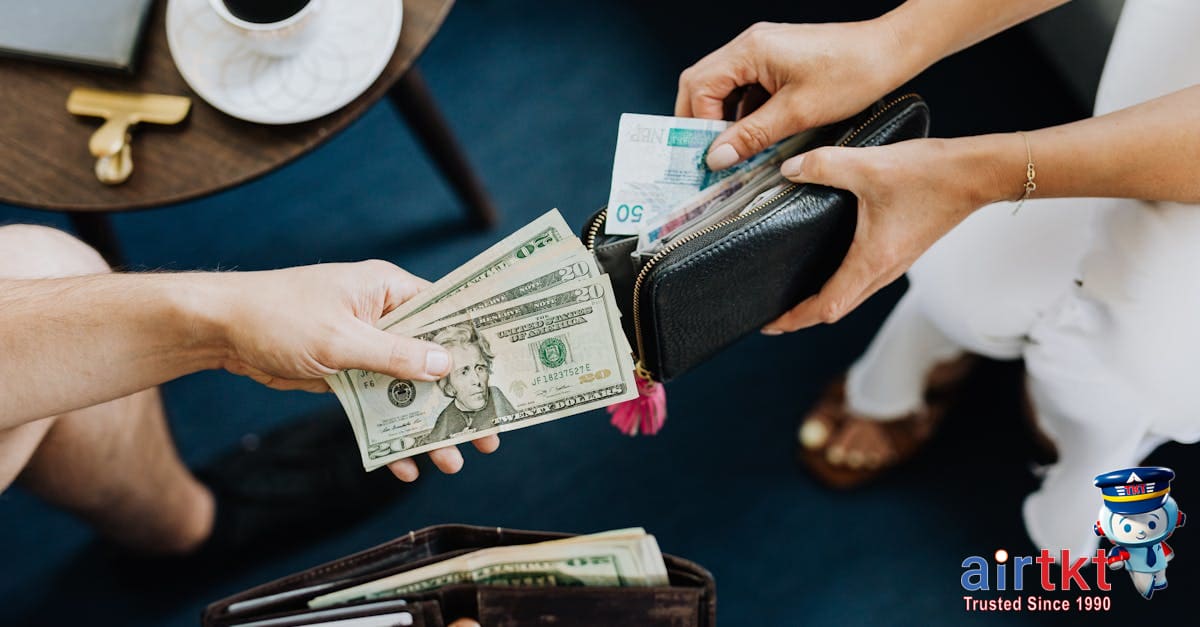
Choosing Cash or Card While Traveling
Deciding whether to pay with cash or card is one of those classic travel dilemmas that pops up the moment you land somewhere new. I still remember standing at a bakery counter in Rome, second-guessing whether my debit card would work or if I needed euros – and wishing I’d thought about it sooner. Knowing when to use cash or card isn’t just about convenience; it can also help you avoid hidden fees, access the best exchange rates, and feel more prepared in unexpected situations.
This article will walk you through the practical pros and cons of using cash and cards in different destinations, with real-world tips for handling everything from taxis and street markets to hotels and restaurants. My goal is to help you avoid those last-minute payment surprises and give you actionable advice for managing your money wherever you go, whether you’re heading overseas or booking your next international flights through airtkt.com.
Why Paying With Cash Saves Money
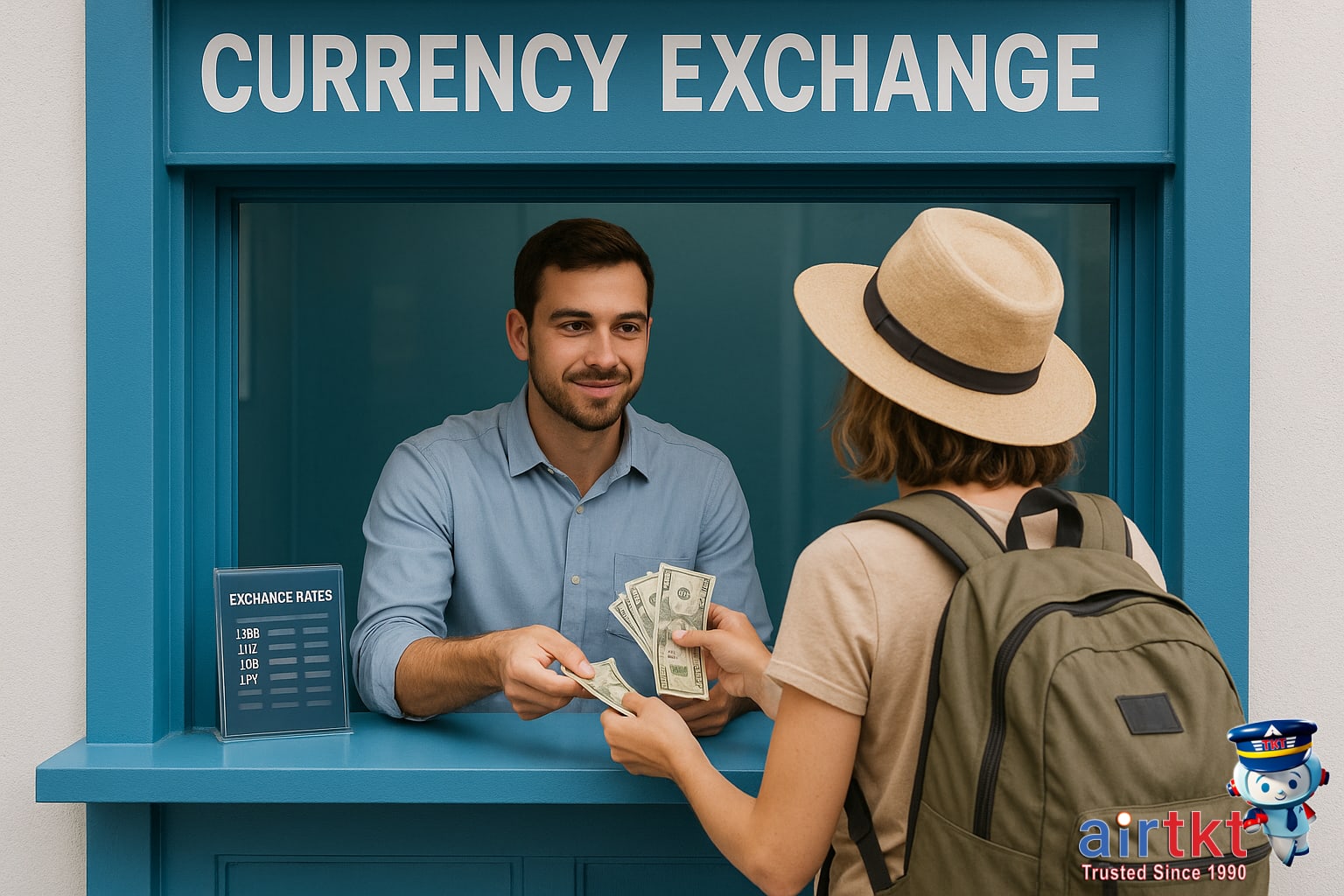
Paying with cash when traveling abroad often means avoiding additional costs you might not expect. For example, many credit cards tack on foreign transaction fees, typically around 3% of every purchase. Plus, when paying by card, some shops and terminals offer “dynamic currency conversion”—letting you see the total in U.S. dollars but quietly adding a worse exchange rate and sometimes extra fees. In my experience, the local price in cash is almost always the better deal.
Cash can also open doors to authentic travel experiences. I often prefer cash when visiting local markets to negotiate better prices; haggling tends to work best when you’re paying in the local currency. Street vendors and small family shops frequently accept only cash, and in many destinations, tipping restaurant servers, hotel staff, or taxi drivers is handled more smoothly this way. Having local bills means you can handle these moments without scrambling for an ATM or risking awkwardness over card acceptance.
Small denominations work in your favor, especially in bustling markets, on local buses, or when buying snacks from roadside stalls. Offering exact change can speed up transactions and sometimes even help with bargaining. If you want advice on managing your money abroad, I’d check out airtkt.com’s tips for currency exchange before you depart.
Why Using Cards Abroad Makes Sense
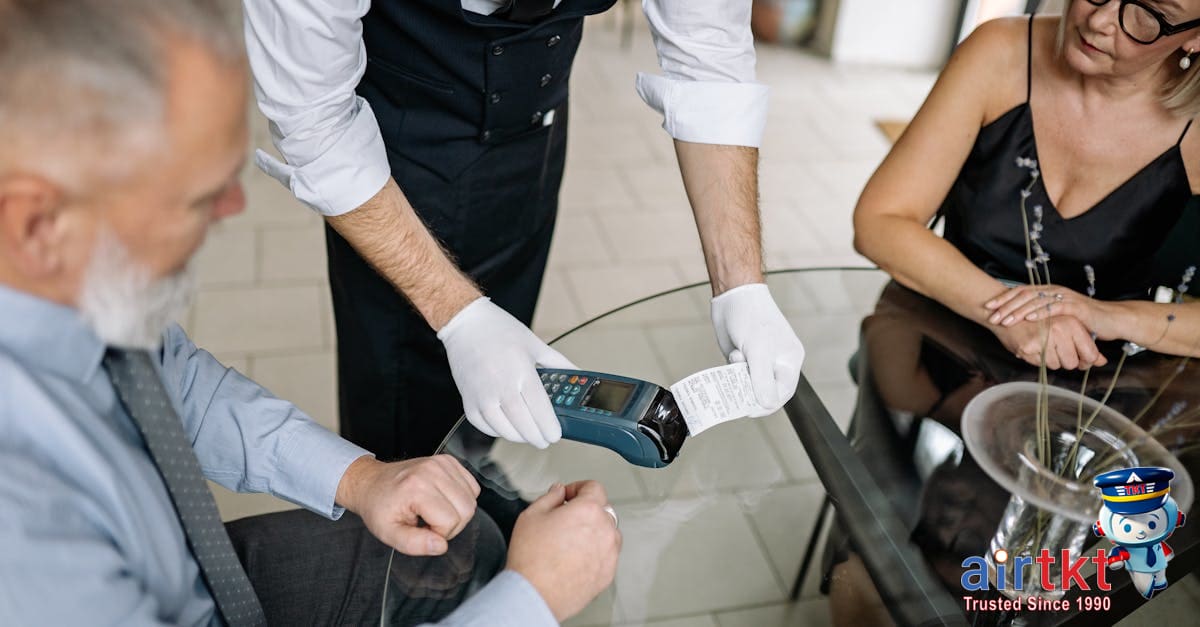
Paying by card while traveling internationally has become easier and more secure than ever before. Relying on cashless payments means you don’t have to carry large amounts of local currency, and if you have a contactless credit or debit card, you can make quick payments with a tap—no fumbling with unfamiliar coins or change. Using my credit card abroad helps me keep better track of my travel expenses, since every transaction is itemized and viewable online.
Beyond convenience, cards offer safety advantages that cash simply can’t match. Major card issuers monitor for fraud and send instant alerts about unusual transactions. In my experience, this is one of the best defenses if your card is ever lost or stolen, especially since many cards have built-in protections and zero liability policies for unauthorized charges.
There are also rewarding financial perks. Many travel-friendly cards earn you rewards points or airline miles with each purchase, and some come with bonuses like rental car insurance, delayed baggage coverage, or access to airport lounges. These perks can turn your everyday spending abroad into valuable benefits that add up over time. If you prefer easy budgeting or want to maximize points, it’s smart to compare options before your trip—airtkt.com’s airtkt.com booking tools make it simple to align your flight and hotel choices with your favorite rewards programs.
Common Fees and Charges to Expect
Hidden fees can sneak up quickly when you’re using cash or cards abroad, so it’s worth knowing what to watch out for before your trip. I always check my bank’s fee schedule to avoid surprises, especially when it comes to ATM withdrawals and foreign transaction charges.
Typical Travel Money Fees
Common costs you may encounter include:
- ATM withdrawal fees: Many foreign ATMs charge an extra fee—sometimes from the local bank and also your home bank. This means withdrawing cash can cost about $5.00 per transaction if you’re not careful.
- Foreign transaction fees: Some banks add a fee (often around 3%) to every card purchase made in a different currency. This can add up quickly for frequent purchases.
- Dynamic currency conversion (DCC): When offered to pay in your home currency at an overseas terminal, it often sounds convenient but tends to use a poor exchange rate with extra fees built in.
Lowering and Avoiding Extra Charges
To keep more money in your pocket, use these simple strategies:
- Withdraw cash from ATMs that are part of your own bank’s international network, if available. This can reduce or avoid out-of-network charges.
- Look for credit or debit cards that waive foreign transaction fees—these are more common now, especially on travel-focused cards.
- Refuse dynamic currency conversion at payment. Always choose to pay in the local currency for better rates and fewer surprise costs.
- Before you travel, review practical money advice in airtkt.com’s money-saving guides for more tips specific to your destination.
When Cash is King Abroad
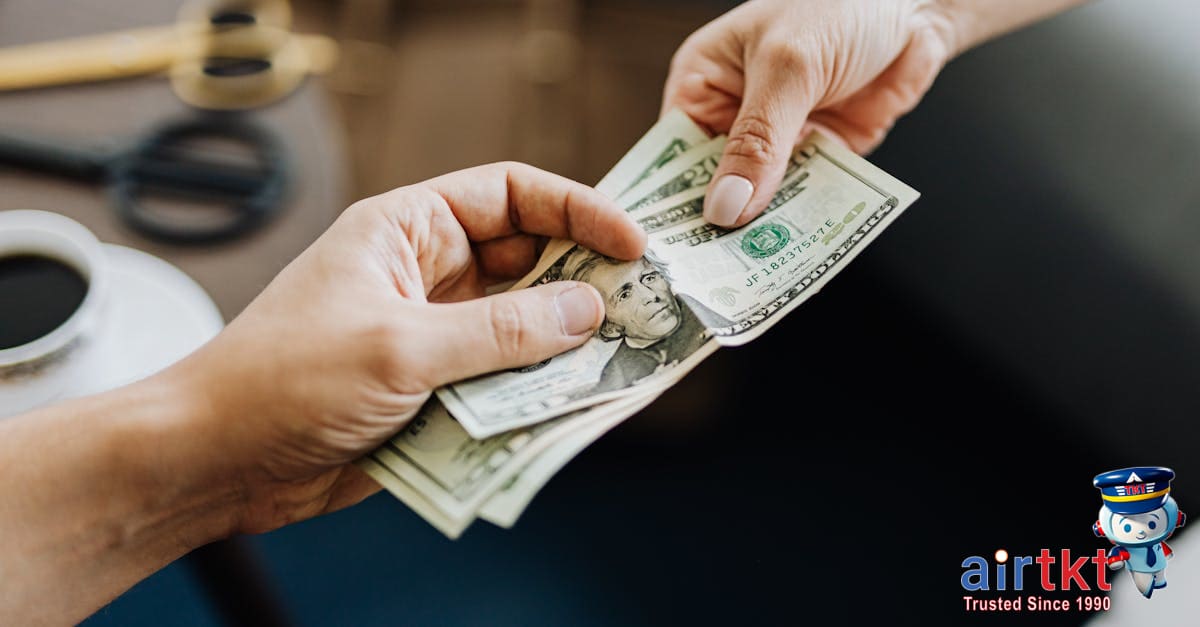
Even as credit cards become more widely accepted overseas, there are still plenty of situations where having cash on hand makes travel much smoother. Street food stalls, small local markets, or bus and tuk-tuk rides in many countries often operate on a cash-only basis. Tipping for bellhops, guides, or drivers is also easier with small bills. I’ve found that, especially in rural areas or less-developed parts of Southeast Asia, South America, or parts of Africa, cash can be the only practical way to pay.
Some countries, like Vietnam, Morocco, or certain places in Central America, frequently limit card acceptance to larger hotels or tour agencies. In remote villages, low-tech islands, or among roadside merchants, you can expect most payments to be cash-based. Even in some European destinations, public restrooms, outdoor vendors, or local ferries may only take coins or small notes.
Traveling in rural areas, I always carry enough cash to avoid inconvenience. Making sure you have cash before heading out saves you from frantic ATM searches or having to skip that irresistible snack or unique souvenir. It’s also smart to be ready for the odd power outage or a temporary disruption in card networks. If in doubt, check out the destination insights in the airtkt.com destination guides for up-to-date details about local habits and preferred payment methods.
When Card Payments Shine Abroad
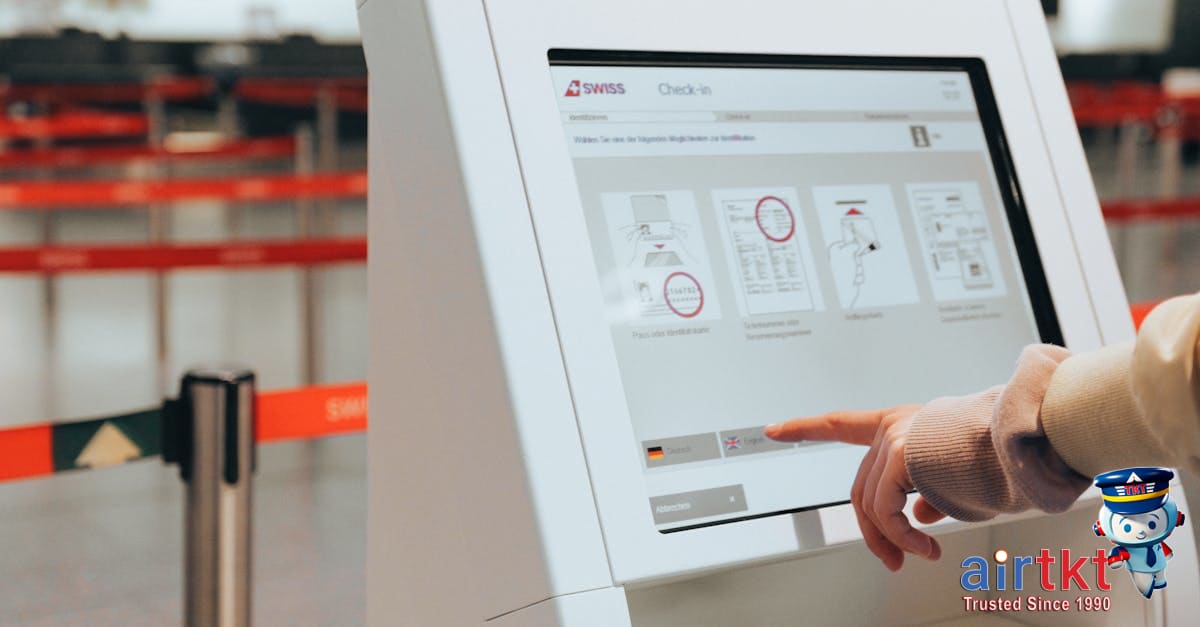
Some travel scenarios practically invite you to reach for your card instead of cash. When booking flights, hotels, or tours—either online or at a kiosk—card payments are not only accepted, but often the smoothest and safest way to pay. I rely on my card for big purchases and booking flights to earn rewards, especially through platforms like airtkt.com where I can compare fares and secure bookings in just a few clicks.
Major international hotel chains, airport check-in kiosks, large retailers, and even car rental counters expect credit or debit cards for payment and deposits. Not only are cards convenient for handling those large expenses, but they offer an extra layer of security—purchases can be disputed if there’s an error or issue, and your liability for fraud is often limited compared to carrying cash around.
If you use a travel-focused card, the benefits go beyond convenience. Many cards award points, miles, or cashback on major travel and shopping expenses, and some provide insurance for trip delays or lost baggage. Tracking your expenses is much simpler, too; you’ll have a clear record of what you spent on your trip, which makes settling up or filing reports easier when you get home.
When spending on flights or hotel stays, especially through sites like airtkt.com, using a card often unlocks special protections and travel perks that you’d miss out on if you paid in cash. It’s one of those travel basics I won’t skip.
Budgeting Travel Money: Cash and Card Strategies
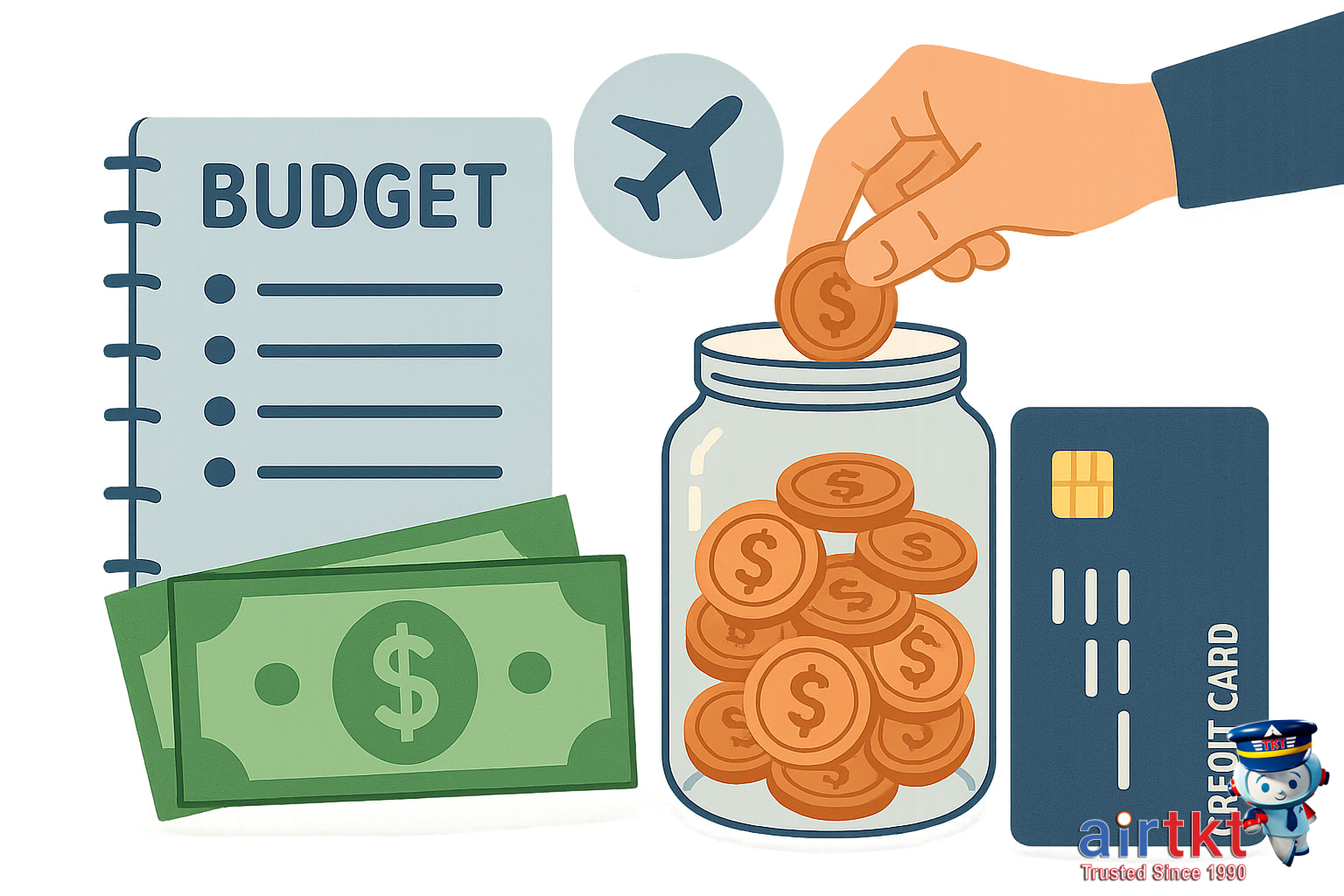
Having the right mix of cash and card on any trip really depends on where you’re headed and how you travel. In my experience, I plan my budget carefully to balance cash and card usage—carrying just enough local currency for small expenses, while leaning on cards for most bigger purchases and hotel payments.
Choosing Cash or Card Abroad
For destinations where digital payments are common (think Europe or major U.S. cities), you can rely on debit or credit cards for restaurants, shopping, and transit. Always keep some cash for taxis, tips, markets, or in case a small vendor doesn’t accept cards. Meanwhile, in regions with limited card acceptance, it’s smart to withdraw a reasonable cash amount at a local ATM and use cards sparingly and securely.
Managing Your Spending Efficiently
Before your trip, set a daily spending goal for food, activities, and unplanned extras. Digital budgeting tools—like Trail Wallet, Splitwise, or even a simple spreadsheet—make it easy to track expenses in different currencies and avoid overspending. I find it helpful to log purchases right after paying so nothing falls through the cracks. Remember to enable travel alerts for your cards and check for foreign transaction fees before you go.
If you’re booking flights or hotels in advance, using airtkt.com’s tools can clarify costs up front, which helps planning your overall travel budget.
| Budget | Mid-range | Luxury | |
|---|---|---|---|
| Accommodation | $30.00 | $80.00 | $200.00 |
| Food | $15.00 | $40.00 | $120.00 |
| Transport | $8.00 | $25.00 | $70.00 |
| Activities | $10.00 | $35.00 | $100.00 |
Safety Tips for Carrying Cash Abroad
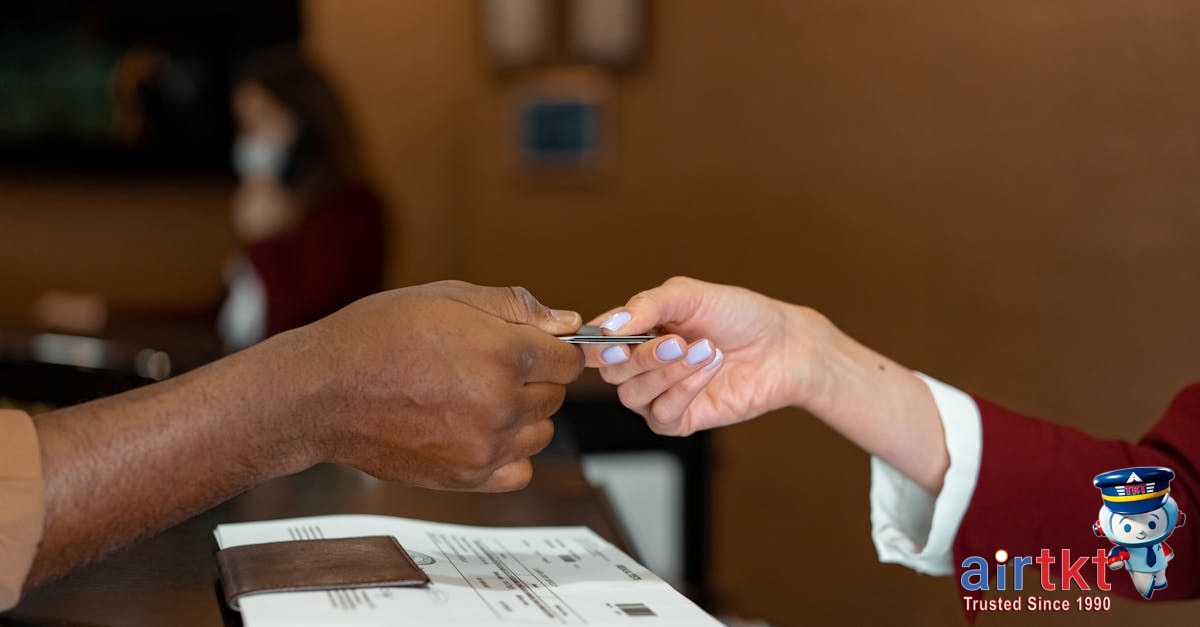
Handling money and cards safely while traveling can help you avoid headaches, whether you’re exploring busy markets or relaxing at a café. I always carry a backup card in case of emergencies, and I recommend splitting your cash—keeping a small amount in your wallet and stashing the rest in a more secure spot, like a hotel safe.
Protect your cards from skimming by using RFID-blocking wallets or sleeves and keep an eye on your surroundings when withdrawing cash. Don’t let your card out of sight, especially in unfamiliar shops or restaurants. If your card is lost or stolen abroad, contact your bank immediately to freeze or cancel it. Many banks offer international collect-call numbers just for this reason. It’s also smart to keep copies of your card numbers and your bank’s contact info (but never your PIN) somewhere safe.
To avoid scams, remain alert to common tricks: pickpocketing in crowds, distraction tactics, or someone offering “help” at an ATM. Avoid flashing large amounts of cash and use ATMs inside banks when possible. Carry a small emergency stash—about $100.00—in a separate spot, so you’re covered if your primary cards are compromised.
For more guidance on travel security, you may want to check out the traveler resources page at airtkt.com—it covers additional safety tips for your trip.
Digital Payment Methods on the Rise
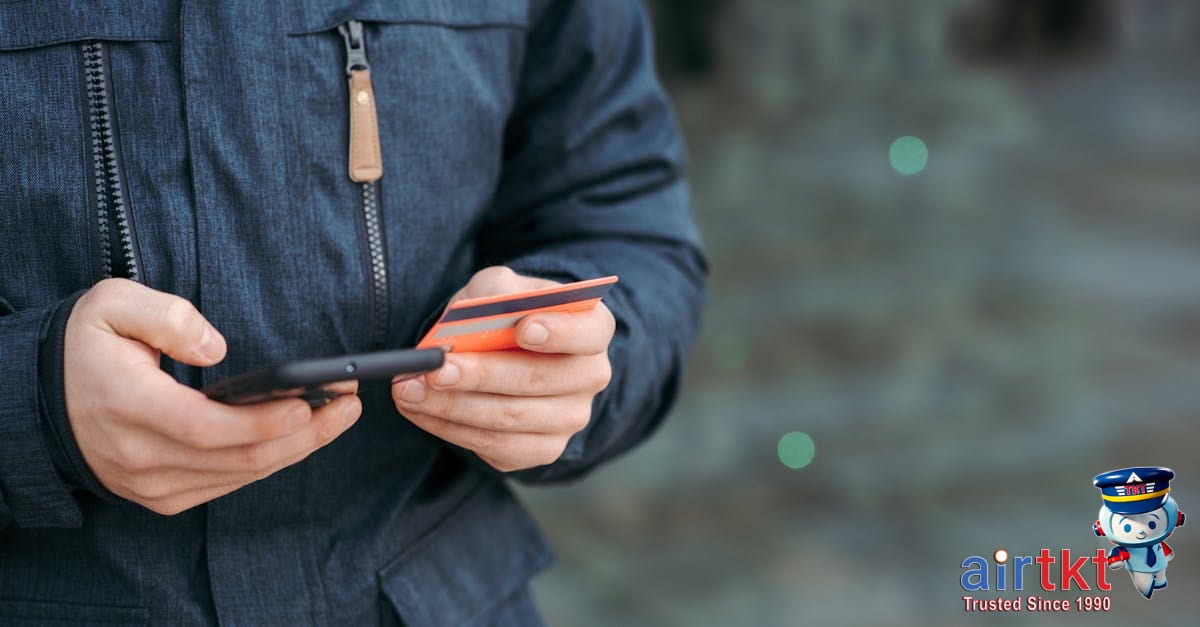
Travelers are tapping into the ease of mobile wallets and contactless payments more than ever, whether it’s Apple Pay, Google Pay, or local alternatives. I’ve started using mobile payment apps for convenience in many countries—being able to pay with just my phone instead of fumbling for cash or cards makes everyday transactions a breeze, from coffee shops to trains.
Mobile wallets offer excellent security: your card details are tokenized, making it tougher for fraudsters if your phone gets lost. Contactless payments also reduce the need to handle unfamiliar currency, which feels safer and more hygienic when you’re abroad. The catch? Some places—especially small shops, open-air markets, or taxis—still operate almost exclusively in cash or may process only local cards.
That’s why I’d always double-check whether digital payments are widely accepted at my destination and keep a physical card or some cash as backup. Traditional cards remain reliable, and cash is useful for minor expenses or emergencies. Still, using mobile wallets can streamline your experience at modern hotels, airports, and big retailers.
If you want more on practical travel tech, check out airtkt.com for articles on digital travel tools and tech-savvy travel tips—these guides can help you better prepare for your next trip.
FAQs About Cash and Card Abroad
- Which is better: cash or card abroad?
Most travelers use a mix of both. Cards are convenient for hotels, large shops, and online bookings, but cash is needed for markets, local taxis, and places that don’t accept cards. Bring a debit or credit card plus some local currency to cover your bases during your trip abroad.
- How do I avoid foreign transaction fees?
Using a credit card designed for international travel can help, since many major banks now offer cards with no foreign transaction fees. Also, try withdrawing cash from ATMs in the local currency for a competitive rate, but check if your bank charges for international ATM withdrawals.
- What should I do if my card is lost or stolen overseas?
Contact your bank or card issuer immediately to block the card and request a replacement. Many banks have global hotlines for emergencies. Always keep a backup card stored separately and know your issuer’s contact information before heading abroad to avoid additional stress if this happens.
- Are cards accepted everywhere around the world?
Cards are widely accepted in developed cities and tourist hotspots but less common in small towns, rural areas, and local markets. Regions with unreliable internet might require cash as well. Having a little cash on hand is smart if you’re heading outside larger cities or tourist areas.
- How much cash should I carry when traveling abroad?
Carry only the cash you’ll need for a few days—enough for transportation, meals, and emergencies. For many destinations, around $100.00 in local currency is enough to start, keeping most funds secure in your hotel while carrying a small daily amount in your wallet.
- Is it safe to use mobile payments abroad?
Mobile payments are generally safe if you use secure apps and keep your phone locked. Apple Pay, Google Pay, and others work in many countries, but not everywhere. Always have a backup payment method ready, and enable security features like fingerprint or facial recognition where possible for added protection.
Smart Payment Mix For Every Trip
As you plan your travels, it’s worth remembering the practical tips covered earlier—know your destination’s payment landscape, check for international card fees, and identify when cash is still necessary. I’ve found that thoughtfully combining cash and card makes my trips smoother and more affordable, especially when local transport or small shops only accept bills. A little bit of cash stashed away can really save you stress if you run into unexpected card issues.
Before you go, make a quick checklist: Which cards have the lowest foreign transaction fees? Does your bank require travel notices? Will you need cash for tips, markets, or transit? A balanced approach isn’t just about convenience—it can actually help you avoid extra costs and awkward money moments abroad.
If you’re still booking your flights, take a look at the airtkt.com deals page. It’s a straightforward way to review options and save some time on your next getaway.