
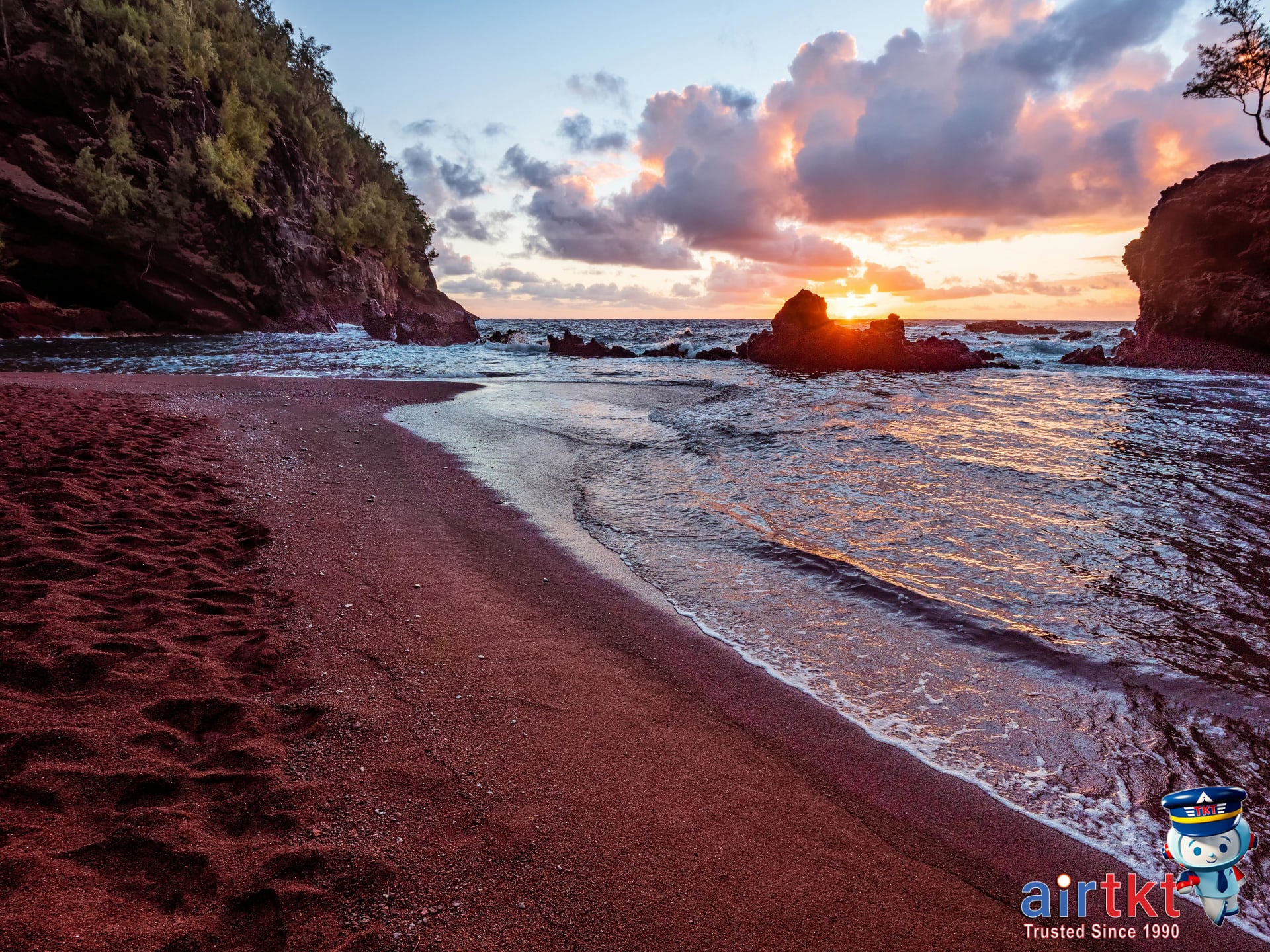
Why Maui Is A Beach Paradise
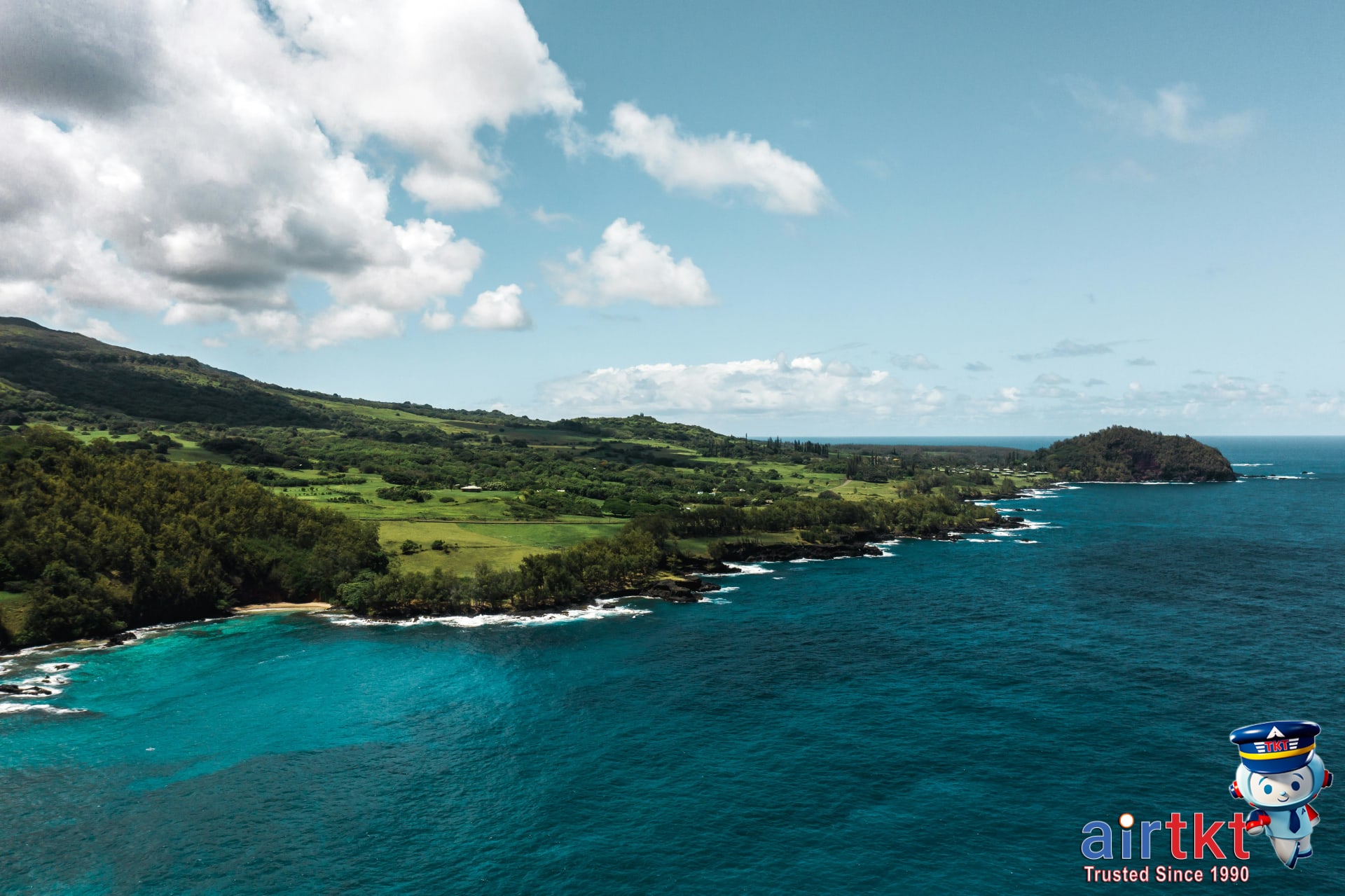
Maui stands out as one of Hawaii’s most beloved islands, drawing travelers in with golden beaches, dramatic coastal cliffs, and a lush landscape perfect for exploring. Whether you’re searching for a quiet cove to unwind or want to adventure deep into the island’s vibrant rainforests, Maui offers the kind of natural beauty that’s hard to rival. For many visitors, signature experiences like driving the winding Road to Hana and snorkeling over vibrant coral reefs become the highlights of the entire Hawaii trip. The blend of top-notch beaches with unforgettable outdoor adventures is a big reason why people return to Maui again and again.
I’ll never forget my first walk along Kaanapali Beach, when the sunset seemed to light up every inch of the coast—at that moment, I understood why Maui has a devoted following. Beyond beautiful stretches of sand, spending a day navigating the Road to Hana opens up wild waterfalls and secret beaches, while snorkeling at spots like Molokini gives even longtime swimmers a new appreciation for marine life. Maui’s relaxed pace, paired with its endless opportunities for discovery, keeps the island fresh every time you visit.
If you’re planning a trip, I usually recommend checking Maui flight deals on airtkt.com well in advance, especially if you hope to avoid the heavier tourist crowds that arrive during summer and winter holidays. Generally, late spring (April to early June) and fall (September to mid-November) offer a sweet spot—there’s warm weather for the beach, but resorts and attractions feel more peaceful and laidback. That combination makes it easier to snag a great spot on the sand, book kayaking or snorkeling tours, and enjoy all those island sunsets with a bit more breathing room.
Planning Your Road to Hana Adventure
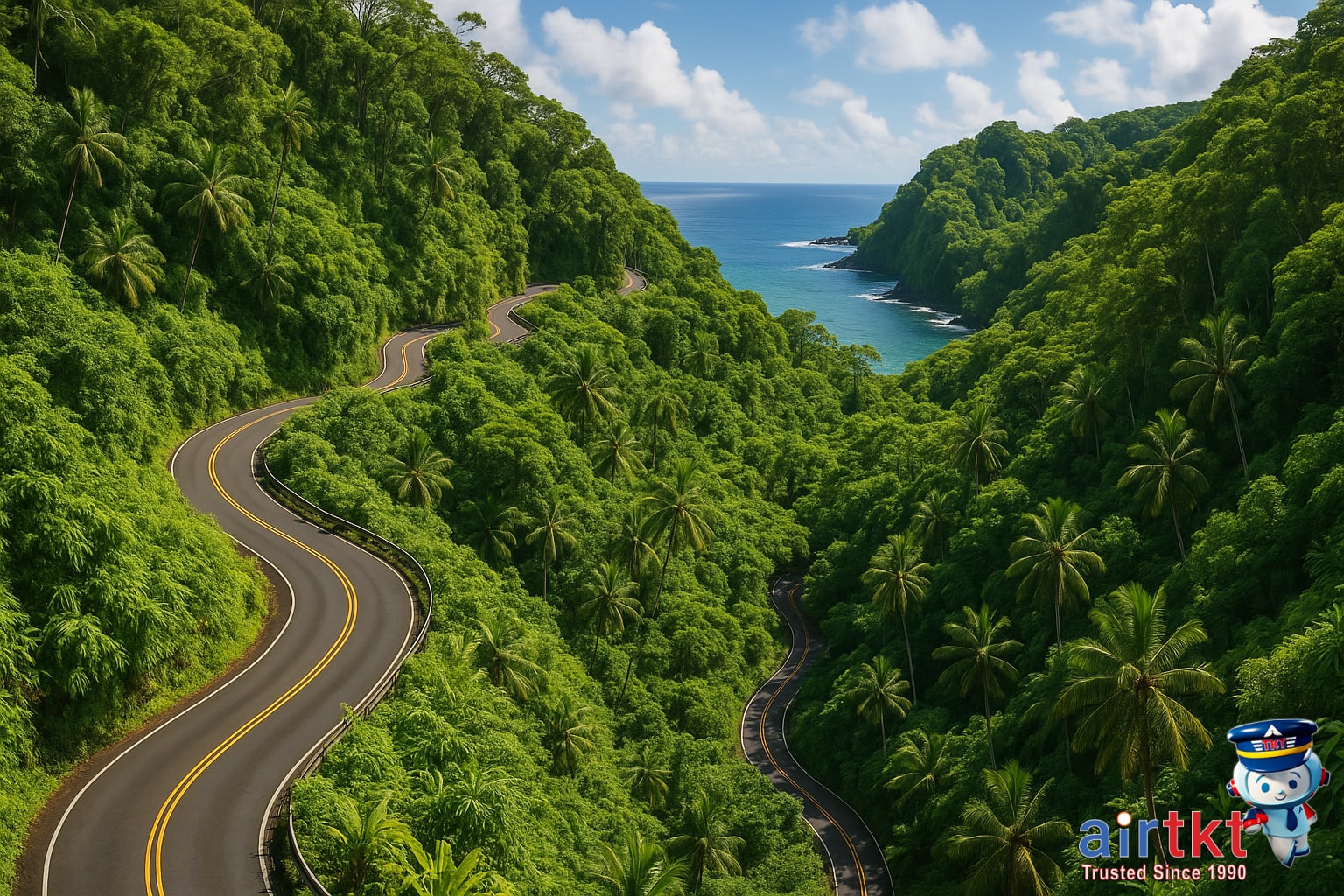
If you’re heading to Maui, driving the Road to Hana is one of those memorable experiences you really shouldn’t rush. Planning ahead helps you make the most out of every waterfall, roadside fruit stand, and jaw-dropping lookout. Since the route is filled with more than 600 curves and nearly 60 one-lane bridges, I found the drive both exhilarating and peaceful—almost meditative as the scenery shifted from deep jungle greens to sweeping ocean blues.
Essential Stops and Waterfalls
Start your morning early in Paia so you’re ahead of the crowds. Don’t skip Twin Falls, the first notable set of cascades—perfect for a short hike and a refreshing dip. As the road winds further, you’ll come across the Garden of Eden Arboretum, which delivers panoramic views and lush rainforests worth a stroll. Another major highlight is the cascading Wailua Falls, easily photographed from the roadside and one of the most picturesque stops along the route.
Breathtaking Rainforest and Lookouts
The real magic of the Road to Hana is its wild coastal rainforest character. The drive hugs the cliffs, with bamboo forests, gigantic ferns, and bursts of tropical flowers lining the edge. At many points, the road narrows, revealing sudden, heart-stirring glimpses of the Pacific Ocean—a dramatic reminder of how remote this winding stretch really is. We’d usually treat each scenic turnout as both a photo op and a chance to stretch our legs.
Some travelers choose to overnight in Hana, but if you’re making it a day trip, plan your timing so you’re not coming back in the dark. Checking driving conditions or booking a local car rental is smart. For ease, I recommend booking in advance on the airtkt.com Maui car rentals page—saving time at pickup so you can hit the road right away.
Exploring Maui’s Volcanic Wonders On Foot
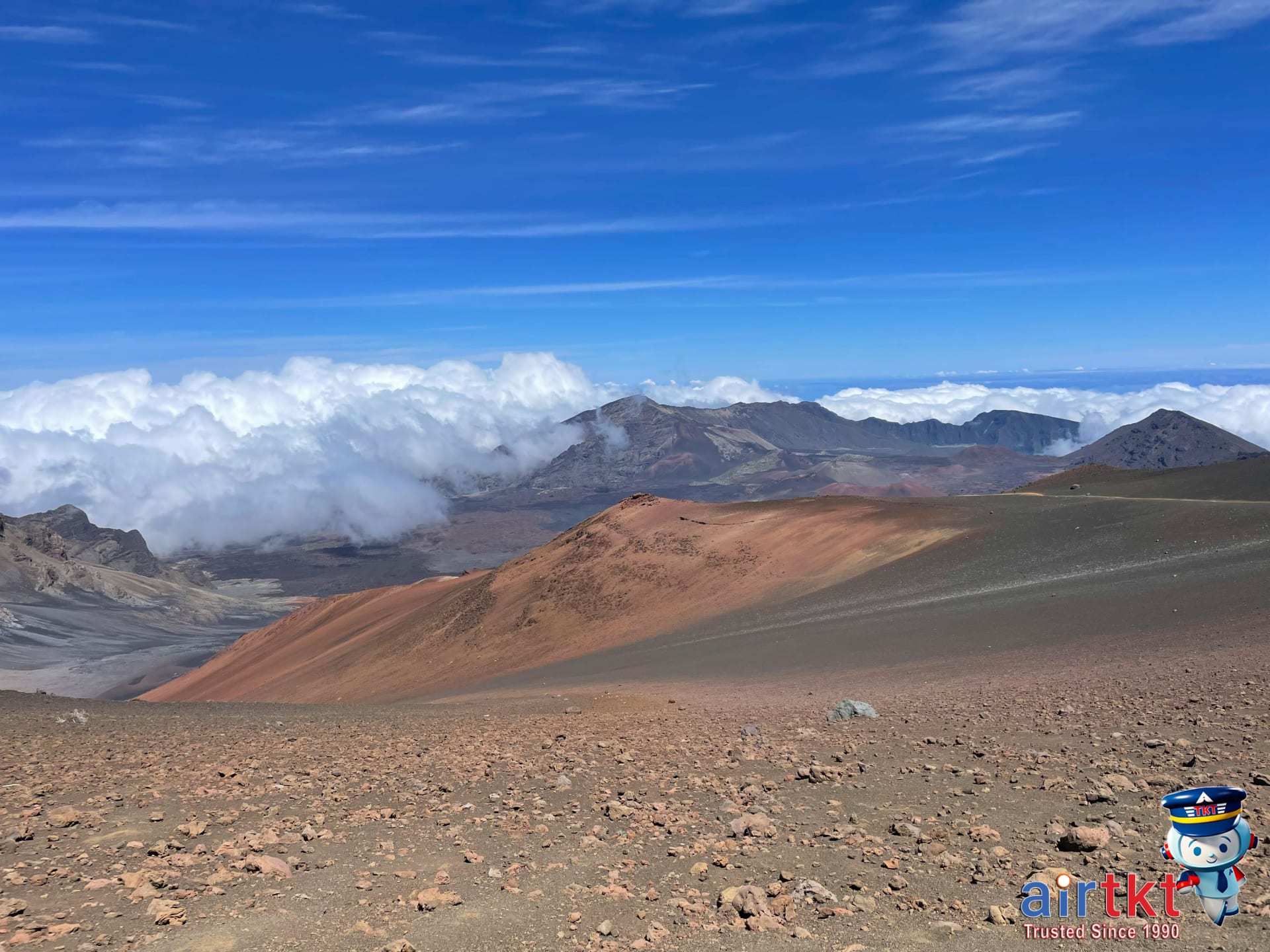
Maui’s volcanic heart beats within Haleakala National Park, a place where rugged lava rock, sweeping vistas, and dormant craters shape some of the island’s most unforgettable scenery. The park’s centerpiece, Haleakala Volcano, towers above the island and draws travelers seeking otherworldly landscapes and a sense of raw natural power. Trails crisscross hardened black lava and cinder cones, with every switchback offering a fresh panoramic view—sometimes all the way down to the Pacific coastline far below.
If you love hiking, you’ll find the paths here as varied as the terrain. The Sliding Sands Trail descends into the caldera’s Martian landscape, where silvery clouds cast moving shadows over red-and-black volcanic earth. Shorter walks from the visitor center reveal a surreal world of twisted lava and native silversword plants that survive only at these heights. I’ll never forget watching the Haleakala sunrise, shivering in layered clothes as the crater slowly filled with color—it was a travel moment that truly lives up to the hype.
The dramatically cooler summit temperatures catch many people off guard, and sunrise or stargazing trips mean pre-dawn or late-night starts. If you want maximum convenience and don’t want a long uphill drive in the dark, I’d check out the airtkt.com accommodation listings near Haleakala—staying close makes those early mornings a lot easier to manage.
Top Snorkeling Spots in Maui
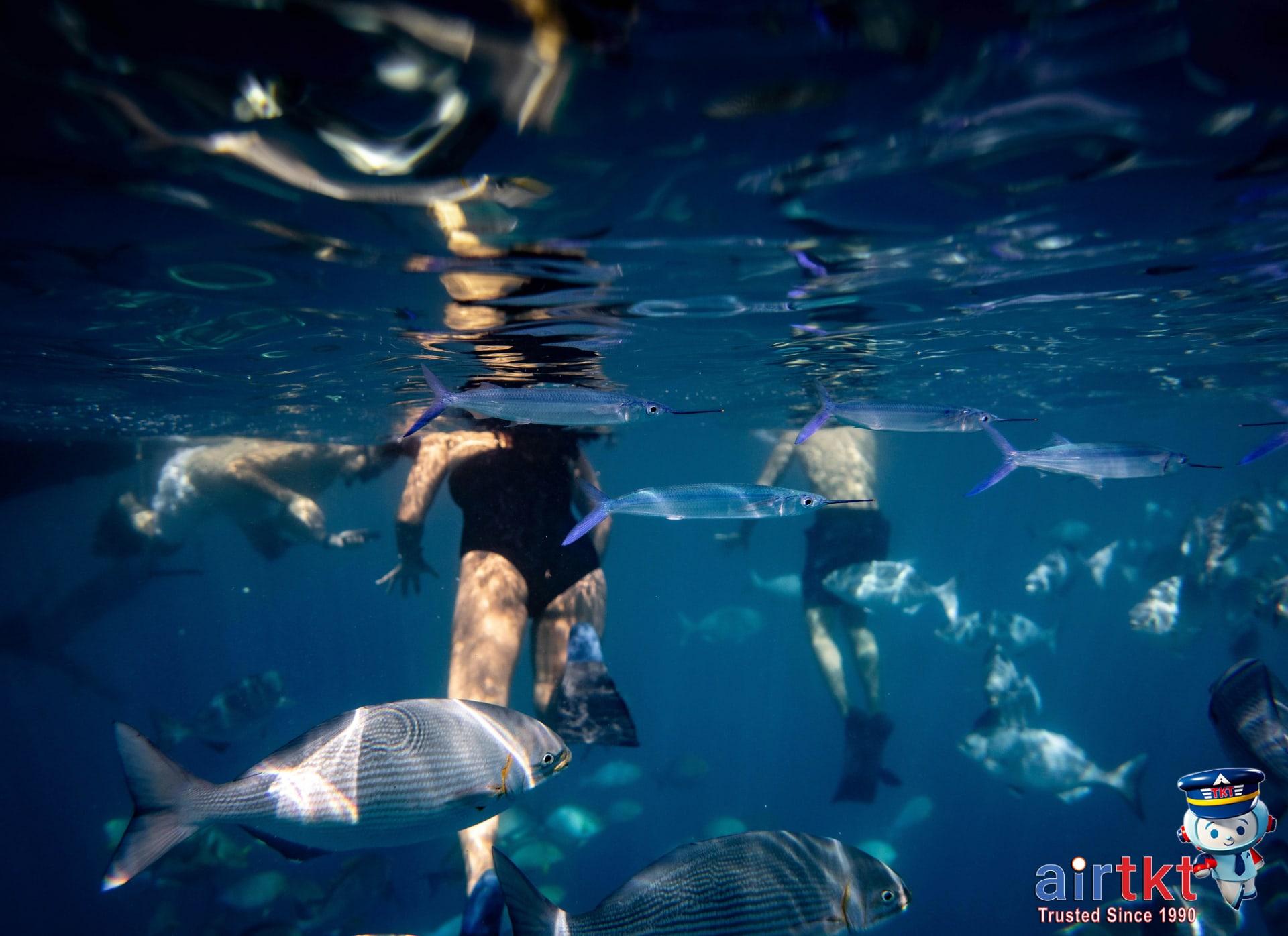
Maui is a paradise for snorkelers, with some of the clearest waters and most vibrant marine life in Hawaii. If you’re dreaming about gliding over coral gardens and swimming alongside tropical fish, you’re in the right place. Let’s dive into the top snorkeling locations on the island and what makes each one unique.
Molokini Crater Highlights
Molokini Crater, a partially submerged volcanic crescent three miles off Maui’s coast, is a must for anyone serious about seeing marine life. Thanks to its protected shape and location, the water clarity here can be stunning—I remember snorkeling here and feeling like I’d entered an underwater garden painted in every shade of blue and green. You’ll often spot butterflyfish, parrotfish, octopus, and sometimes gentle reef sharks. Because the currents are typically mild within the crater, this spot is beginner-friendly, though it’s reached only by boat tour.
Honolua Bay Marine Life
Honolua Bay, located on the northwest tip of Maui, is famous for its abundant sea turtles and healthy coral reefs. The summer months offer the calmest conditions, making snorkel exploration safer and more rewarding. Water clarity can be excellent after a few dry days and you’re almost guaranteed to encounter colorful tangs, triggerfish, and eels winding through the coral. I usually recommend wearing water shoes here, since the entry can be a bit rocky near shore but it opens up into wide, coral-filled underwater vistas just a few strokes out.
Other Top Maui Snorkel Sites
Don’t skip Napili Bay if you want gentle waves and easy beach access, especially if you’re traveling with kids. At Black Rock in Ka’anapali, strong swimmers can see large schools of fish and maybe even spot graceful eagle rays. Kamaole Beach Parks in Kihei offer convenient snorkeling right off the sand with coral patches filled with wrasse, goatfish, and the occasional turtle coming up for air.
Water safety on Maui is generally good at these main sites, especially mid-morning when waves are low. Still, always check local conditions before heading out, and stick close to shore if you’re new to snorkeling. For up-to-date guidance and preservation rules, the State of Hawaii’s official site explains Molokini’s special protections—worth reviewing before you go.
If you want inspiration for more island adventures, the airtkt.com Maui activities and tours page includes plenty of ways to fill your itinerary beyond snorkeling, whether it’s hiking, boat tours, or hidden beaches.
Top Maui Beaches for Every Traveler
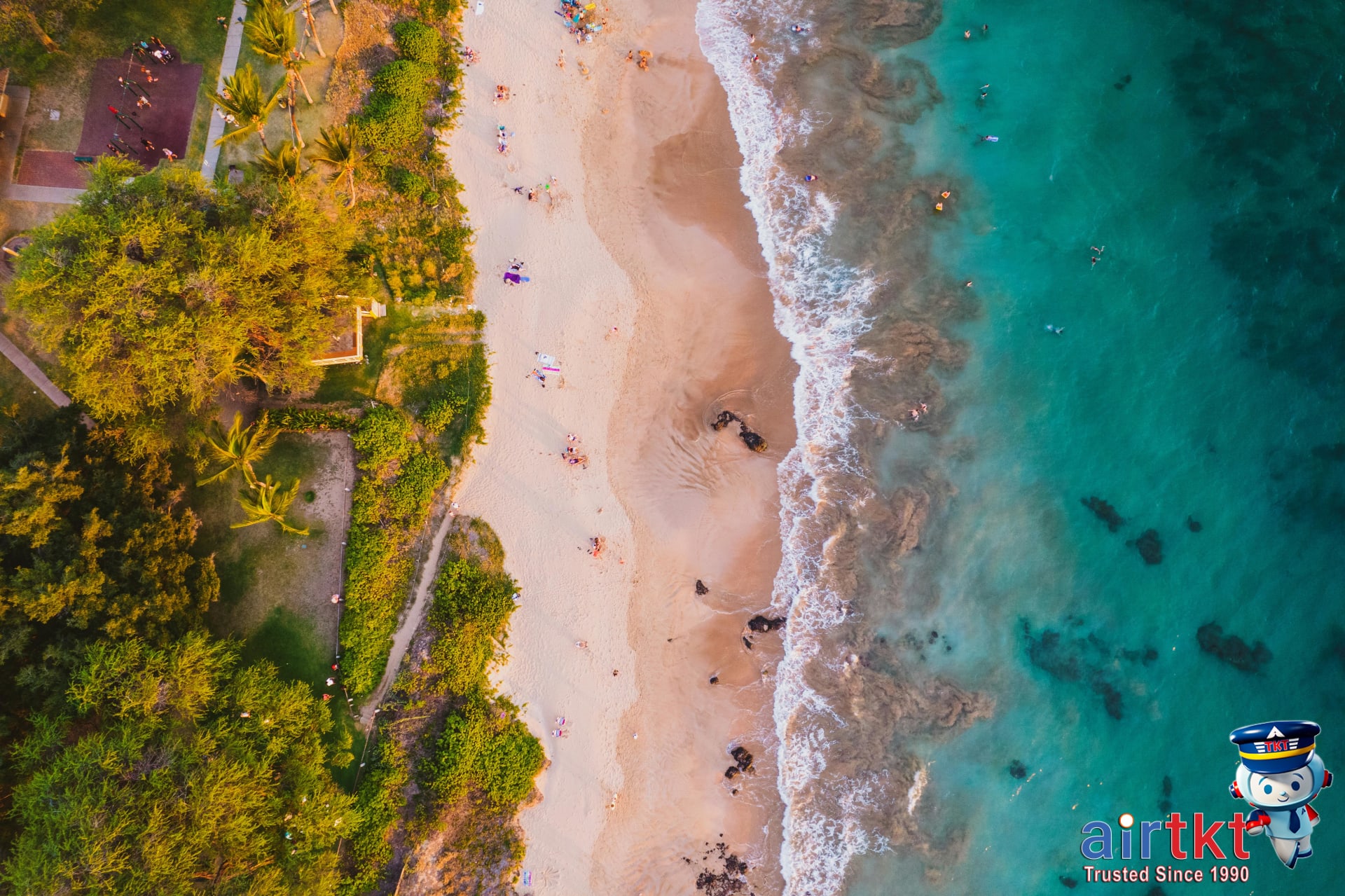
Maui’s coastline is dotted with some of the world’s most inviting beaches, each offering its own style of relaxation and fun. Whether you’re after calm waters for swimming, soft white sand for sunbathing, or lively surf for hitting the waves, Maui truly delivers. Here’s a closer look at the island’s best-known beaches organized by favorite activities.
Maui Beaches for Swimming
For relaxed swimming and float time, Kāʻanapali Beach is a classic choice. Its long stretch of powdery sand and generally gentle waves make it a family favorite. Wailea Beach is another standout, known for calm mornings and clear, turquoise water that looks even more stunning in person. Both are perfect for swimmers who don’t want to fight the surf or for families with younger kids.
Best Sunbathing and Scenery
If you’re craving sun and endless white sand, Big Beach (Makena) is easy to fall in love with. Its wide, golden shoreline leaves plenty of space to spread out, and the background views of volcanic outcrops set a mellow vibe. I’ve whittled away plenty of lazy Maui afternoons here, just basking and unwinding—sometimes it’s good to let the world drift by with nothing on your mind except which snack to reach for next.
Surfing and Beach Adventure
Looking for bigger waves and classic surf town atmosphere? Honolua Bay is cherished by experienced surfers thanks to its powerful winter swells, but even if you just want to watch, the headland views are breathtaking. Ho‘okipa Beach Park on the north shore is the island’s epicenter for windsurfers and kiteboarders, especially when the tradewinds pick up. Both places have a livelier feel, with spectators and athletes mingling on the sand.
Beaches for Families and Kids
Families often gravitate toward Kama‘ole Beach Parks in Kihei, which are divided into three beach areas (I, II, and III). Each one offers gentle surf, lifeguards, picnic tables, and shaded lawns. It’s common for kids to spot turtles just offshore or join a pick-up game of beach volleyball. If you’re planning a multi-day visit, it’s worth exploring resort options nearby—check the airtkt.com hotels page for easy Maui resort listings and booking details.
Local Food and Roadside Treats
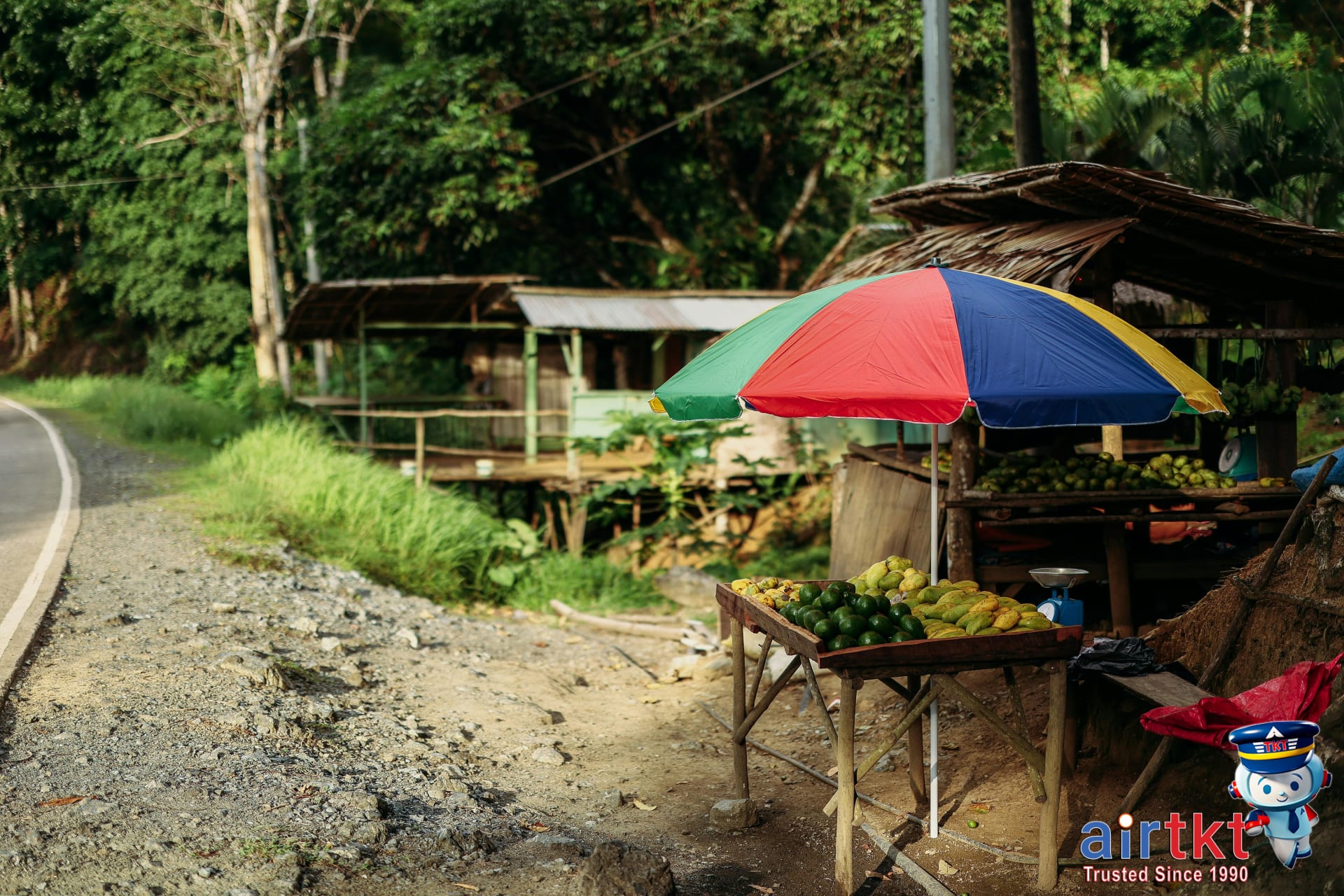
If you’re driving the Road to Hana, sampling Maui’s local food is basically part of the adventure. The roadside fruit stands scattered along the highway are impossible to miss—wooden stalls brimming with fresh lilikoi (passion fruit), guava, and ripe mangoes picked just hours earlier. There’s nothing quite like tasting a just-cut pineapple or sipping coconut water in the shade, surrounded by the scent of plumeria and the sound of the ocean nearby. I always make time to pull over and try whatever fruit or treat is being offered; it’s such an authentic way to experience Maui’s flavors.
Beyond the fruit, local eats along the Road to Hana frequently spotlight iconic Hawaiian snacks. Don’t leave without trying banana bread—warm and moist from a humble roadside kitchen—or a pack of sweet butter mochi. Look for places serving plate lunches, often stacked with kalua pork, coconut rice, and tangy pickled veggies. Shave ice is another classic: rainbow-hued and refreshing after hours of curvy roads. Even snacks like crack seed, dried mango strips, or taro chips make for tasty road fuel.
In smaller villages, family-run kiosks and small cafés often pop up by the main road, offering poke bowls made with local ‘ahi (tuna) or laulau wrapped in ti leaves. In my experience, these low-key spots serve up some of the most flavorful and memorable meals on the island. If you’re interested in a deeper food dive, I’d suggest checking out local dining guides on airtkt.com—especially their Maui food tours for curated, food-centric experiences.
Practical Budget Planning for Maui
Building a realistic daily budget makes Maui enjoyable, whether you’re all about saving or ready to splurge on vacation comfort. For most travelers, costs fall into four main categories: accommodation, food, transport, and activities. From past trips, I’ve learned setting a daily limit upfront keeps spending in check—especially when you’re tempted by Maui’s surf lessons or shaved ice stands.
| Accommodation | Food | Transport | Activities | |
|---|---|---|---|---|
| Budget | $60.00 | $25.00 | $30.00 | $20.00 |
| Mid-range | $150.00 | $60.00 | $55.00 | $45.00 |
| Luxury | $400.00 | $130.00 | $150.00 | $120.00 |
Choosing Where to Save or Splurge
If you’re looking to save, consider hostels or guesthouses (which typically run about $60.00 a night) and make use of local food trucks for meals. Renting a compact car split with friends can keep transport costs down to around $30.00 per day. Many Maui hikes and beaches are low-cost or free, so your activities budget can go a long way with a bit of research.
Mid-range travelers often prefer boutique hotels and some seated dinners, while luxury seekers can enjoy resort stays and guided private tours. I’d compare accommodation types before booking—sometimes paying a bit more means a better location and included breakfast. Whatever your tier, prioritizing what matters to you—like splurging on a snorkel tour or a sunset luau—keeps spending aligned with your interests.
Don’t forget, flights are a big-ticket item for any Maui trip. I always recommend booking airfare well in advance through airtkt.com for access to seasonal deals and real-time comparisons. Sticking to a set budget for each major category protects you from those vacation spending surprises.
Frequently Asked Questions about Maui Travel
I’ve noticed many travelers stumble on the same questions as they start planning a Maui trip, so here’s a collection of real answers to the things I get asked most.
- What is the best time to visit Maui?
Many travelers wonder if there’s an ideal season. Maui’s weather is pleasant year-round, but April through early June and September to mid-December are often recommended for fewer crowds. Consider what activities matter most to you—whale watching peaks in winter, while summer is great for beach time and family travel.
- Where are the best snorkeling spots on Maui?
Maui is a snorkeler’s haven. Molokini Crater is famous, but I personally like Kapalua Bay and Honolua Bay for easy access and colorful fish. The mornings usually offer calmest conditions. If you have your own snorkel gear, you’ll have more flexibility exploring the island’s different reefs.
- How should I prepare for the Road to Hana?
The Road to Hana is breathtaking but can be winding and slow due to many curves and stops. I suggest downloading offline maps, starting early, and packing snacks, water, and cash for roadside stands. Avoid rushing—some of the best moments come from spontaneous stops at waterfalls or fruit stands along the way.
- Is it necessary to book Maui activities in advance?
Booking ahead is smart for popular Maui activities such as sunrise at Haleakala, snorkeling tours to Molokini, or luaus. These can fill up far in advance, especially during school breaks. For low-key beach days you can just show up, but I usually recommend reserving guided tours before you arrive.
- What are Maui’s must-try local foods?
Maui’s food scene includes fresh poke, loco moco, plate lunches, banana bread from roadside stands, and spam musubi. Don’t miss shave ice for a sweet treat on a hot day! Some food trucks near Kihei and Kahului serve authentic local dishes, so I always try a few places while exploring.
- Do I need a rental car on Maui?
A rental car gives you the freedom to explore Hana, Upcountry, and less-touristed beaches at your own pace. While shuttle buses and limited taxis exist, they’re not the most convenient. I’d compare car rental options early, since availability can run out quickly during busy periods.
Final Reflection on Maui’s Natural Wonders
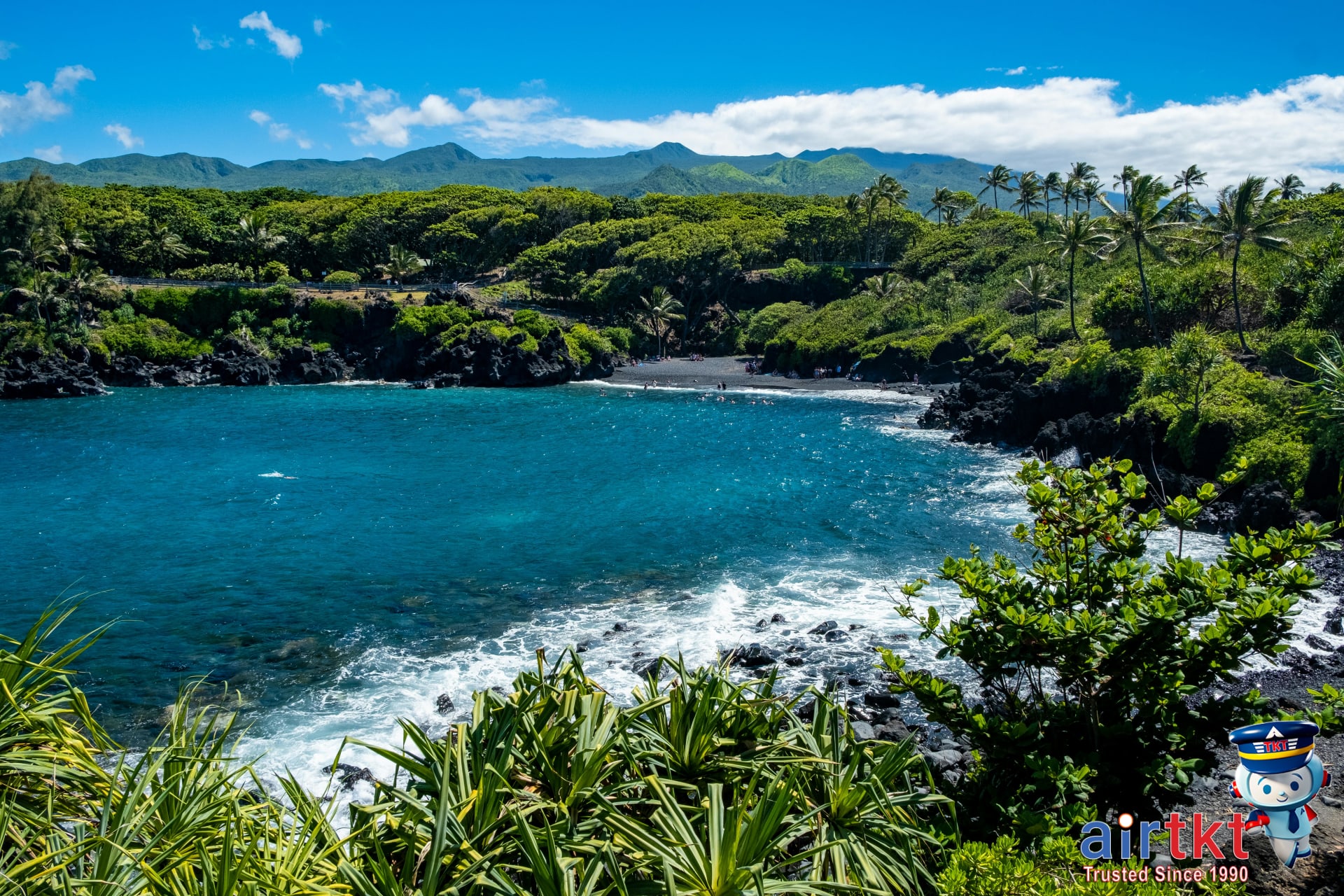
Maui’s beaches and wild places really do leave a mark. From twisted rainforest highways like the Road to Hana to coastline snorkeling, the island packs both adventure and peace into one awe-inspiring package. Standing on the black sand at Waiʻanapanapa State Park or gazing down coral reefs, it’s easy to see why Maui continues to call travelers back.
Personally, on my last visit, I felt the real magic of Maui away from the crowds—hearing waterfall spray along hidden trails and drifting over a sea turtle by sunrise. If you love planning a trip around nature, consider bookmarking both airtkt.com for flight deals and the Maui hotels page for finding a place near the best beaches.
Ready to start sketching your own journey? The island fits all kinds of adventures—whether you paddle out for a first snorkel, pack hiking shoes for lush valleys, or simply catch a sunset on golden sand. For more help planning, I’d also check out this Hawaii travel tips page to get grounded before you go.