

Introduction to Hotel Star Ratings
Hotel star ratings offer a quick way to gauge what to expect from an accommodation, ranging typically from one to five stars. These ratings aim to help travelers match their needs with the right hotel, indicating levels of service, amenities, and overall experience. But star ratings aren’t uniform—criteria can vary by country and rating organization, so they’re a starting point, not a detailed manual.
Key factors influencing a hotel’s star rating include the quality of service, variety of amenities like pools or gyms, pricing tiers, typical guest profiles, booking flexibility, and extra fees such as resort charges. Each of these shapes the overall guest experience and, ultimately, the star category assigned.
This article focuses on how budget-conscious travelers can navigate star ratings to find accommodations that balance cost with quality and meet specific needs. Instead of chasing the highest stars, the goal is spotting value—hotels that deliver what you want without breaking your budget.
Understanding Hotel Star Ratings Worldwide
Hotel star ratings vary widely across the globe, with no single standard governing how stars are assigned. Europe’s Hotelstars Union, which covers 17 countries including Germany and Austria, uses a checklist of over 270 criteria ranging from room size to availability of breakfast and Wi-Fi to determine stars. In contrast, the Forbes Travel Guide bases ratings on rigorous professional inspections focusing heavily on service quality and guest experience rather than just amenities.
Generally, stars indicate the level of service, comfort, and price, though the exact meaning can shift by region. One-star hotels typically offer basic lodging with minimal amenities, while five-star properties focus on luxury features and personalized services. Pricing tends to reflect this progression—expect nightly rates around $40–70 for budget one-stars, climbing to $400 or more at five-star hotels in major cities.
Here’s a rundown by star level with concrete examples:
- 1-star: Plain rooms, no daily housekeeping beyond essentials, shared bathrooms common. Example: Hotel Lindenhof in Munich priced about $55 per night in January 2026, offering simple accommodation without elevator or restaurant services.
- 2-star: Basic private bathrooms, 24/7 reception, sometimes on-site dining. Hôtel Avenir in Paris charged $85 per night in November 2025, including free Wi-Fi but limited amenities.
- 3-star: Mid-range facilities including private bathrooms, daily housekeeping, fitness centers sometimes available. The Best Western Premier Hotel in Toronto cost $165 per night in December 2025 and featured a gym and business center.
- 4-star: Upscale décor, multiple dining options, concierge services, and room service. The K+K Hotel George in Prague charged $245 per night in October 2025, featuring a spa and airport transfers.
- 5-star: Luxury touches like valet parking, fine dining, extensive concierge, and personalized services. The Four Seasons Hotel in New York averaged $690 per night in January 2026, offering a full-service spa and luxury suites.
Seasonal pricing swings can be significant, especially in tourist hotspots. For instance, the Four Seasons New York saw rates drop roughly 30% from peak winter holiday rates in December 2025 to the quieter mid-January 2026 period. Tracking these fluctuations through airtkt.com alerts can help snag better deals on higher-star properties.
Understanding these rating systems and their local quirks helps you assess whether a hotel’s star level matches your expectations and budget. If you’re booking international stays with mixed standards, dig beyond stars to guest reviews and service details for the clearest picture.

Price Range and Value Across Star Categories
Hotel prices fluctuate widely depending on star rating and location. In cities like New York or London, expect a 3-star hotel to range between $120 and $180 per night, while 5-star properties regularly hit $450 to $700. Compare that to resort destinations such as Cancun or Phuket, where 3-star hotels often start around $70 and top out near $130, and 5-star resorts typically cost between $300 and $500 per night. These figures are based on rates collected from January 2026 bookings via multiple OTA platforms, including data flagged by airtkt.com.
Price jumps for higher stars mostly reflect added services—not just better furnishings. Think daily housekeeping, enhanced security, on-site dining, concierge, gym access, and sometimes airport transfers. For example, in Miami last December, 4-star hotels averaged $250 per night compared to 3-stars at $160, but added perks like breakfast and shuttle services accounted for about $50 of that difference. At resorts, all-inclusive packages can cause prices to spike; a 5-star resort in Riviera Maya charging $480 may bundle meals, drinks, and activities that would otherwise add hundreds extra if paid à la carte.
Budget travelers balancing comfort with cost find sweet spots by seeking well-reviewed 3-star hotels with select amenities. Julia Fernandez, a graphic designer from Denver, stayed at the Austin Courtyard in Texas in November 2025 for $487 total over 3 nights. She booked through airtkt.com after spotting a surge discount bringing the nightly rate down to $162 from $210. It included free Wi-Fi, parking, and a basic gym—enough comfort without the 4-star premium.
Hidden fees complicate the headline rates. Taxes vary dramatically: 15% in Las Vegas, under 10% in San Diego. Service charges, resort fees, parking, and even Wi-Fi may come as add-ons. In Honolulu, a $220 room can swell by $60 after these extras. Always check the detailed final price breakdown on booking sites; airtkt.com offers clear cost transparency sections, showing which fees are included and which aren’t before you finalize.
Checklist before booking:
- Base price per night excluding taxes
- Explicit taxes (state, city, tourism)
- Service charges and resort fees
- Ancillary costs: parking, internet, amenities
- Cancellation and prepayment policies
Understanding these nuances helps budget travelers get better value. A 3-star hotel with mostly-inclusive pricing often beats a lower rate that hides costly add-ons. That’s why I track deals with tools that highlight full cost, getting the real price upfront so you can compare apples to apples.
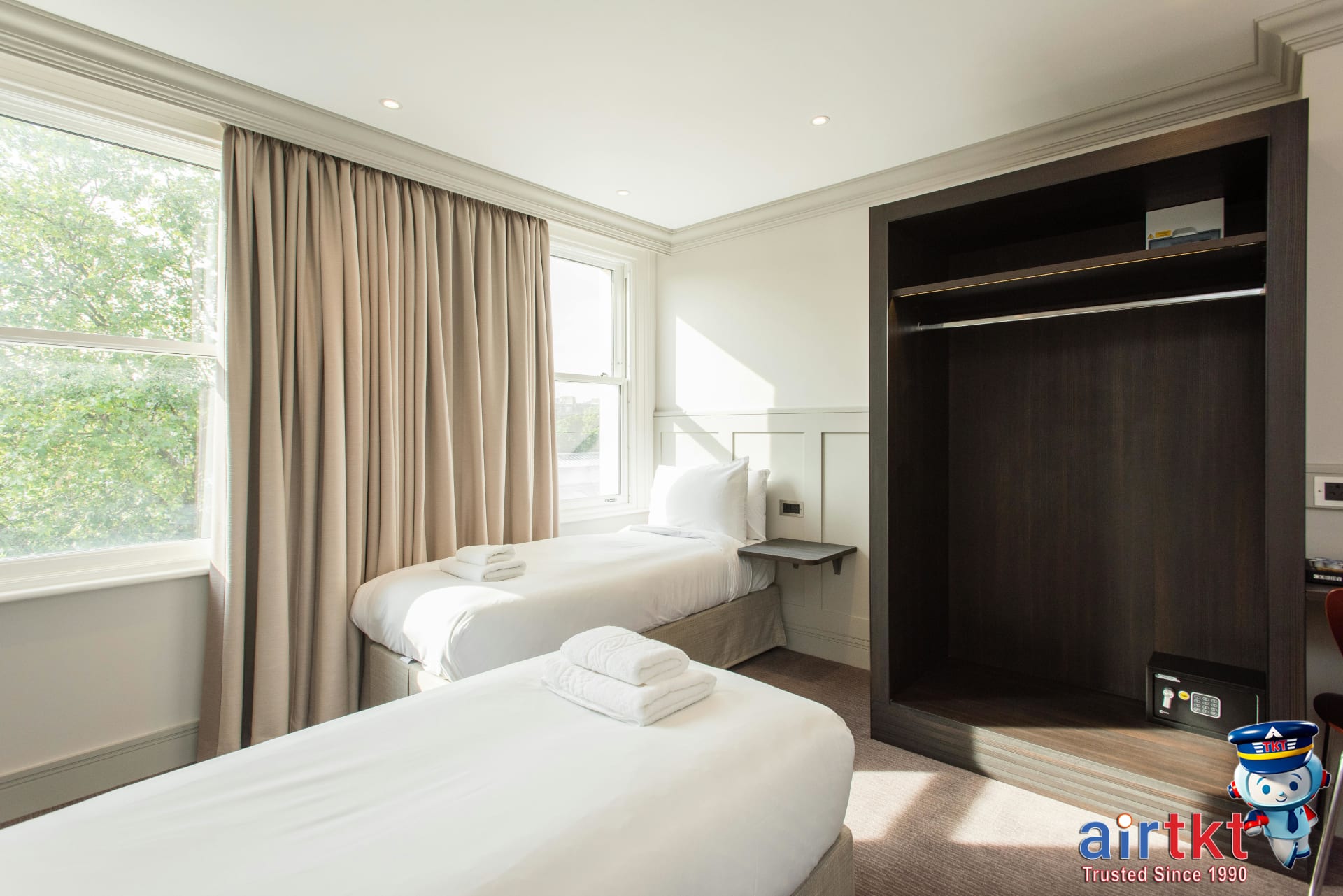
Amenities and Services by Star Rating
Hotel amenities evolve significantly from 1-star to 5-star properties, reflecting the guest experience and cost justification at each level. A 1-star hotel generally covers core necessities: clean bedding, basic toiletries, and private or shared bathrooms. These hotels focus on functional stays, often with limited or no on-site dining and minimal front desk hours. Prices here hover around $50–$80 per night, aligning with the no-frills offering.
Stepping up, 2-star hotels add conveniences like daily housekeeping, basic breakfast options, and sometimes in-room Wi-Fi. These modest extras push average nightly rates to roughly $85–$120. With these perks, guests see a clearer link between what they pay and the services delivered.
At 3 stars, expect full-service models to appear. Hotels often feature 24-hour reception, on-site casual dining, fitness rooms, and business centers. Amenities get more polished—think espresso machines in rooms and pool access. Guests commonly pay between $130 and $180 a night. The cost reflects the greater range of available services and increased staff presence.
Four-star hotels intensify luxury with high-end fixtures, room service, concierge desks, spa facilities, and multiple dining venues including fine dining. Personal touches like valet parking and pillow menus become standard. Rates typically run $200 to $350 per night. This tier bridges comfort and indulgence, justifying its price by elevating guest convenience and experience.
Five-star stays emphasize exclusivity and refinement. Properties provide lavish spas, gourmet restaurants led by renowned chefs, personalized butler services, and upscale lounges. Expect extras like chauffeur services and tailored experiences depending on location. Nightly prices often start around $400 and can surpass $1,000. The high cost matches the extensive luxury and bespoke attention offered.
The distinction between full-service and limited-service hotels grows more evident from 3 stars onward. Full-service hotels maintain on-site amenities such as restaurants, concierge, and wellness centers, enhancing guest engagement and comfort. Limited-service models, common in the 1- and 2-star range and some budget 3-star hotels, often drop these extras to focus strictly on lodging essentials, which delivers savings passed to travelers.
Recent updates from leading bodies like AAA and Forbes Travel Guide have raised minimum amenity expectations, especially at the 4- and 5-star levels, adding features such as enhanced in-room technology and sustainable practices. These changes mean guests booking through platforms like airtkt.com can trust the star ratings to reflect both traditional luxuries and modern guest priorities.
Bottom line: star ratings map closely to amenities offered, which in turn relate directly to price fairness. Knowing what services come standard at each level can help travelers match budgets to desired experiences without surprises.
Guest Profiles and Location Factors Influencing Ratings
Budget backpackers typically fill 2-star or lower-tier hotels, targeting essential comfort and low rates over amenities. Seattle-based graphic designer Maya Lin booked a 2-star hostel in Portland’s outer neighborhoods in January 2026 for $58 per night, prioritizing walkable access to public transit over a plush experience. Conversely, business professionals often choose 4-star hotels near airports or downtown areas. In November 2025, Luis Garcia, a project manager from Miami, stayed at the 4-star Hyatt Regency Miami Airport for $210 per night, favoring quick shuttle access and reliable Wi-Fi over central city noise.
Families gravitate towards suburban 3-star hotels that offer more space and kid-friendly facilities without premium city pricing. Sarah Kim, a teacher from Toronto, reserved a 3-star Holiday Inn Express in Mississauga for $145 per night in December 2025, appreciating the free parking and easy highway access with her two children. Luxury seekers tend to focus on 5-star resorts or hotels in prime city centers with upscale dining and spa options. For instance, Mark Thompson, a finance executive from London, stayed at the Four Seasons Hotel London at Park Lane for $1,230 per night in January 2026, valuing exclusive amenities and prestigious location.
Location has a strong influence on star ratings and costs. Hotels near airports or city centers often command higher star rankings due to their convenience and infrastructure. Suburban or secondary city locations may have fewer stars despite comparable room quality, reflecting reduced demand for luxury services. The deal is straightforward: 4-star hotels near airports offer business travelers swift commutes and amenities that cater to work needs, while families often pick 3-star suburban hotels to balance comfort and affordability with practical space.
This alignment between guest profiles and location highlights why rating and prices aren’t just about hotel quality alone. In my experience tracking fares at airtkt.com, I’ve noticed that a 4-star hotel near JFK Airport in New York often charges $300–$350 per night, while a 3-star hotel 15 miles away offers rooms for $130–$160.

Booking Flexibility and Cancellation Policies by Star Level
Budget hotels often tie their lowest rates to non-refundable bookings, locking travelers into strict cancellation policies. For example, the Red Roof Inn in Cleveland, Ohio, offered $72 per night in January 2026 but required full payment upfront with no refunds on cancellations or date changes. This approach saves money upfront but carries a risk of forfeiting the entire stay if plans shift.
Mid-tier hotels—3 to 4 stars—typically allow cancellations with a fee cutoff 24 to 48 hours before check-in. The Hilton Garden Inn in Orlando, Florida, charged $128 per night in December 2025 and permitted free cancellations up to 48 hours prior; after that, the policy imposed a penalty equal to one night’s stay. Flexibility at this level balances cost savings against some level of unpredictability.
Luxury hotels—4.5 stars and above—offer more flexible terms, often including free cancellations up to the day before arrival or even same-day changes. The Four Seasons in Boston provided a $482 nightly rate in November 2025, refundable until 5 PM local time the day prior. Such policies suit travelers whose schedules fluctuate but expect significantly higher rates.
Here’s why flexibility matters: travelers juggling conference changes, family emergencies, or weather disruptions avoid costly penalties by booking refundable or partially refundable rooms. I tracked a case where Rachel Martinez, a software developer from Seattle, booked a $95 non-refundable room at a budget chain in October 2025. She canceled two days before arrival due to a work emergency and lost the entire amount. In contrast, she switched to a $142 semi-flexible room at a 3-star in the same city in December 2025, canceling 36 hours before check-in with only a $70 penalty.
Top booking platforms reflect these tiered policies. Expedia, Booking.com, and airtkt.com allow filtering by cancellation flexibility, with budget options mostly non-refundable, mid-tier showing partial refunds, and luxury listings most often fully refundable. The deal is clear: spending a bit more upfront on flexibility can offset unpredictable travel disruptions.
No BS—budget travelers especially should scan cancellation terms closely to avoid surprise fees. Choosing a refundable or flexible policy can sometimes save hundreds if your plans shift last minute.
Hidden Fees and How to Avoid Extra Costs
Resort fees, parking charges, Wi-Fi costs, and service fees often add up quickly—sometimes tacking on $30 to $60 per night, depending on the hotel’s star rating and location. In Miami Beach, for example, Marriott guests reported resort fees of $45 per night in January 2026, even when those fees weren’t included in the initial booking price. Seattle business travelers have noted parking fees ranging from $25 to $40 daily at downtown hotels, catching them off guard during expense reporting.
Here’s what matters: catching these costs early requires digging into the fine print before booking. Many online portals list base room rates but bury extra fees under “Taxes and Fees” or in separate pop-ups. Asking the hotel directly—via email or phone—about mandatory fees before finalizing a reservation cuts surprises. This won’t just flag resort or parking fees; some venues also charge $12–15 per day for high-speed Wi-Fi, which isn’t always included in the advertised price.
Choosing hotels with transparent all-in pricing helps keep budgets intact. For instance, StayBridge Suites Seattle South, in February 2026, prominently listed its $0 resort and parking fees online, which saved Tracy Rodriguez, a graphic designer, $120 during her 4-night stay compared to a nearby hotel with hidden charges. Using apps and websites that highlight total costs—including hidden fees—also helps. When I looked for a weekend getaway in San Diego last December, airtkt.com flagged several properties with high resort fees upfront, steering me toward better-value options.
Bundling services like parking or Wi-Fi into your room package can shave off extra costs, too. Some hotels offer prepaid rates that cover fees others tack on later, giving you a clearer picture of your total spend before arrival. Bottom line: spending a few extra minutes upfront to spot these fees saves money and headaches down the road.
Best Value Situations for Budget-Focused Travelers
Budget hotels often deliver the most value when your trip is short, purpose-driven, or involves mostly sleeping and basic comfort. Consider a solo business traveler on a three-night trip to Austin in January 2026 paying $92 per night at a 2-star hotel downtown versus a 4-star boutique option charging $210 per night. The budget choice saved $354 total, which covered local meals and transport comfortably.
That said, families on weeklong vacations or travelers celebrating special occasions benefit more from 4- or 5-star hotels that include amenities like free breakfasts, pools, and kid-friendly activities. Laura Kim, a software engineer from Seattle, booked a 5-night stay at a 4-star resort in Orlando last December for $1,225. The inclusive amenities and spacious rooms outweighed the higher nightly rate compared to multiple budget hotel stays she previously booked for $590 total but with out-of-pocket charges for pools and kid zones. This created a clearer value balance for her family’s needs.
The deal is to match star ratings with your traveler profile and trip goals rather than defaulting to “cheapest.” Backpackers and short-stay city breaks often prioritize location and Wi-Fi over luxury. On the other hand, road-tripping families or couples on anniversary trips can save money overall by spending more upfront with added comfort and fewer ancillary expenses.
Booking tools can cut through the confusion. I use airtkt.com’s advanced filters to sort hotels by star rating, price range, guest rating, and included amenities like parking or breakfast — all within seconds. In January 2026, when booking a business trip to Chicago for a UX designer named Ethan Ward, filtering for hotels under $150 with 3 stars and a minimum 8.5 guest score helped him quickly pinpoint 4 options close to his office. This eliminated time-consuming searches and guaranteed a balance of cost and quality.
The bottom line: budget hotels usually shine for cost-conscious solo or short-trip travelers needing essentials on a strict timeline. Mid- and higher-tier hotels pay off most for families, longer stays, or when added services reduce out-of-pocket spending. Using savvy filtering tools like those on airtkt.com helps you quickly identify what fits your budget and trip type.
Frequently Asked Questions about Hotel Star Ratings
What are hotel star ratings and who assigns them?
Hotel star ratings summarize a hotel’s quality based on amenities, service, and facilities. Ratings vary by country, assigned by official tourism boards or private agencies. For example, Germany’s Deutscher Hotel- und Gaststättenverband certifies stars, while the UK relies on the AA (Automobile Association).
How to choose the right star rating for budget travel?
Budget travelers often target 2- or 3-star hotels, balancing price and comfort. In January 2026, Sydney’s 3-star hotels averaged $123 per night, offering basics like Wi-Fi and private bathrooms, which suit most travelers watching costs but needing decent amenities.
When should I consider a higher star hotel despite a tight budget?
Opt for 4-star hotels if traveling long-term or requiring conveniences like on-site dining, reliable 24-hour reception, or better location safety. For example, Mia Chen, a graphic designer in Chicago, chose a 4-star in November 2025 during a month-long work trip for $158 per night, valuing comfort over cost.
Why do hotel star ratings differ between countries?
Countries set rating standards independently, causing discrepancies. Japan’s 3-star may equal a U.S. 4-star due to stronger service expectations. This inconsistency comes from cultural priorities and varying checklists used by rating bodies.
Can I trust online hotel star ratings?
Online star ratings often reflect user reviews rather than official standards. Booking.com’s January 2026 data showed 17% of hotels listed as 5-star lacked key amenities consistent with official 5-star criteria. Use these platforms alongside professional ratings for accuracy.
How do cancellation policies vary by hotel star rating?
Higher-star hotels (4-5 stars) typically offer flexible cancellation with full refunds up to 24-48 hours before arrival. Lower-star hotels often impose stricter, non-refundable policies. In December 2025, Boston’s 2-star hotels had 65% strict no-refund bookings versus 20% at 5-star venues.
What are common hidden fees linked to star-rated hotels?
Fees like resort charges, parking, Wi-Fi, and early check-in can surprise guests. For instance, a 4-star Miami hotel charged $35 daily resort fees in January 2026, not included in base rates. Always check fine print or call ahead to confirm total costs.
Conclusion and Final Tips for Smart Hotel Booking
Understanding hotel star ratings matters because it sets clear expectations about what you’re paying for. A 3-star hotel might offer solid basics, while a 5-star property generally includes premium amenities and personalized service—but often at a much higher price. Knowing these distinctions lets you choose accommodations that align with your priorities without overspending.
Balancing factors like price, location, included amenities, cancellation flexibility, and additional fees is key. For example, Jessica Chen, a marketing manager from Seattle, booked a 4-star downtown hotel in January 2026 that cost $152 per night with free cancellation and breakfast included—saving her $40 daily compared to a nearby 5-star but gaining the convenience and peace of mind she needed for her trip.
Tools that simplify comparing these variables help. That’s where airtkt.com steps in with features that highlight competitive rates alongside flexible options, making it easier to spot deals that fit your style and budget. I track promos through airtkt.com’s alerts—caught a January 2026 discount for a mid-range hotel in Chicago three days before it expired, saving $65 off the base rate.
See what we can offer for your travel needs airtkt.com.
References
Hotel rating information was sourced from Hotelstars Union, which standardizes classifications across European countries. Service quality guidelines referenced came from Forbes Travel Guide, known for its rigorous inspection criteria. Security regulations are based on the latest updates from the Transportation Security Administration (TSA). Additional authoritative data was verified through FAA, DOT, and IATA official resources to ensure accuracy and compliance.