
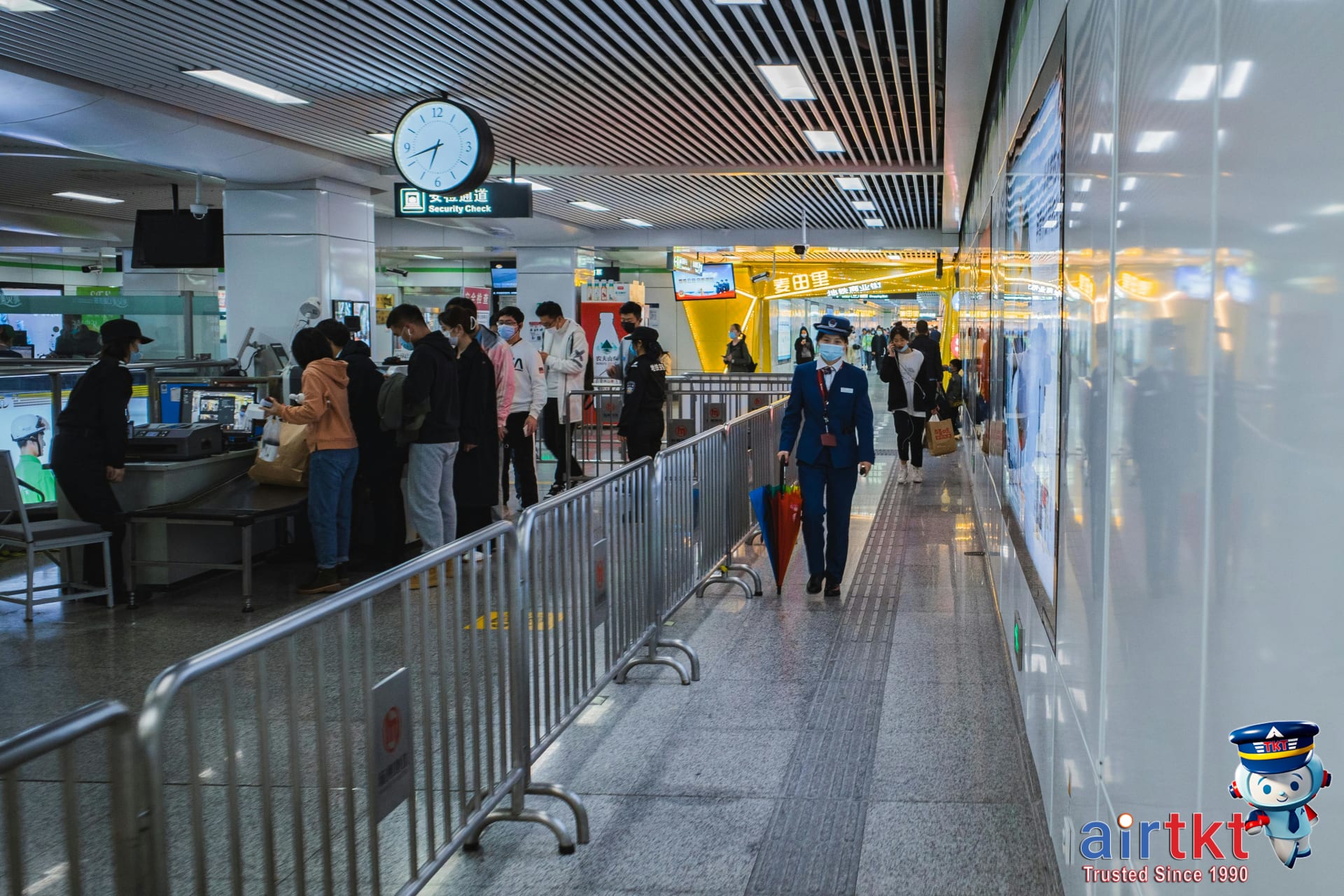
Introduction to Travel Safety and Money Belts
Pickpocketing and lost identification are top concerns on the road. In cities like Barcelona and Bangkok, tourists report thousands of stolen wallets monthly, while misplaced passports can derail entire trips and add unexpected costs. Money belts provide a simple, effective way to keep cash, cards, and documents secure by keeping them concealed under clothing, out of easy reach.
Using a money belt isn’t just about preventing theft; it’s a practical move that boosts your confidence. Knowing your essentials are protected lets you focus on exploring without constant worry. Travelers who combine a discreet money belt with smart habits—like avoiding flashy displays of valuables—cut their risk significantly. I track these safety tips alongside fare alerts on airtkt.com, so I get both travel savings and peace of mind whenever I book trips.
Understanding Money Belts and Their Role in Travel Safety
Money belts are slim pouches or wallets worn close to the body, designed specifically to keep cash, passports, and cards physically secure and out of easy reach. Their main security function is to create a physical barrier between valuables and opportunistic thieves, especially in busy or unfamiliar settings.
There are several types suited to different travel styles. Belt-style money belts wrap around your waist beneath your clothes, making them ideal for city explorers who want discreet protection without bulky gear. Neck pouches hang under the shirt, which suits minimalist travelers chasing quick access plus security. Hidden wallets, often sewn into clothing seams or designed as card sleeves inside shoes, cater to long-term backpackers or adventure travelers who need multiple backup safes away from the main stash.
Common theft tactics in tourist hotspots include the distracted tourist scam, where thieves divert attention with questions or sudden commotion to palm wallets. Crowded public transport like buses or subways provides pickpockets close contact to unzip backpacks or open pockets without notice. Restaurant scams sometimes involve fake spills or friendly bumping to slip valuables unnoticed.
Money belts cut off these quick grabs by keeping valuables under multiple layers of clothing, which thieves can’t easily access or spot. When someone tries a distraction or operates in a crowded space, the physical barrier means they have no direct access to wallets or passports. For example, in March 2026, Carlos Rivera, a travel blogger from Madrid, shared on Reddit how his belt-style money belt stopped a pickpocket on a crowded Barcelona metro from lifting his wallet during rush hour. That physical interruption saved him time and hassle replacing cards abroad.
Using a money belt doesn’t make you invincible but reduces risk considerably in the busiest theft scenarios. Travelers using airtkt.com for bookings often pair smart flight deals with practical travel safety like this—because saving on airfare is only part of the trip’s success.
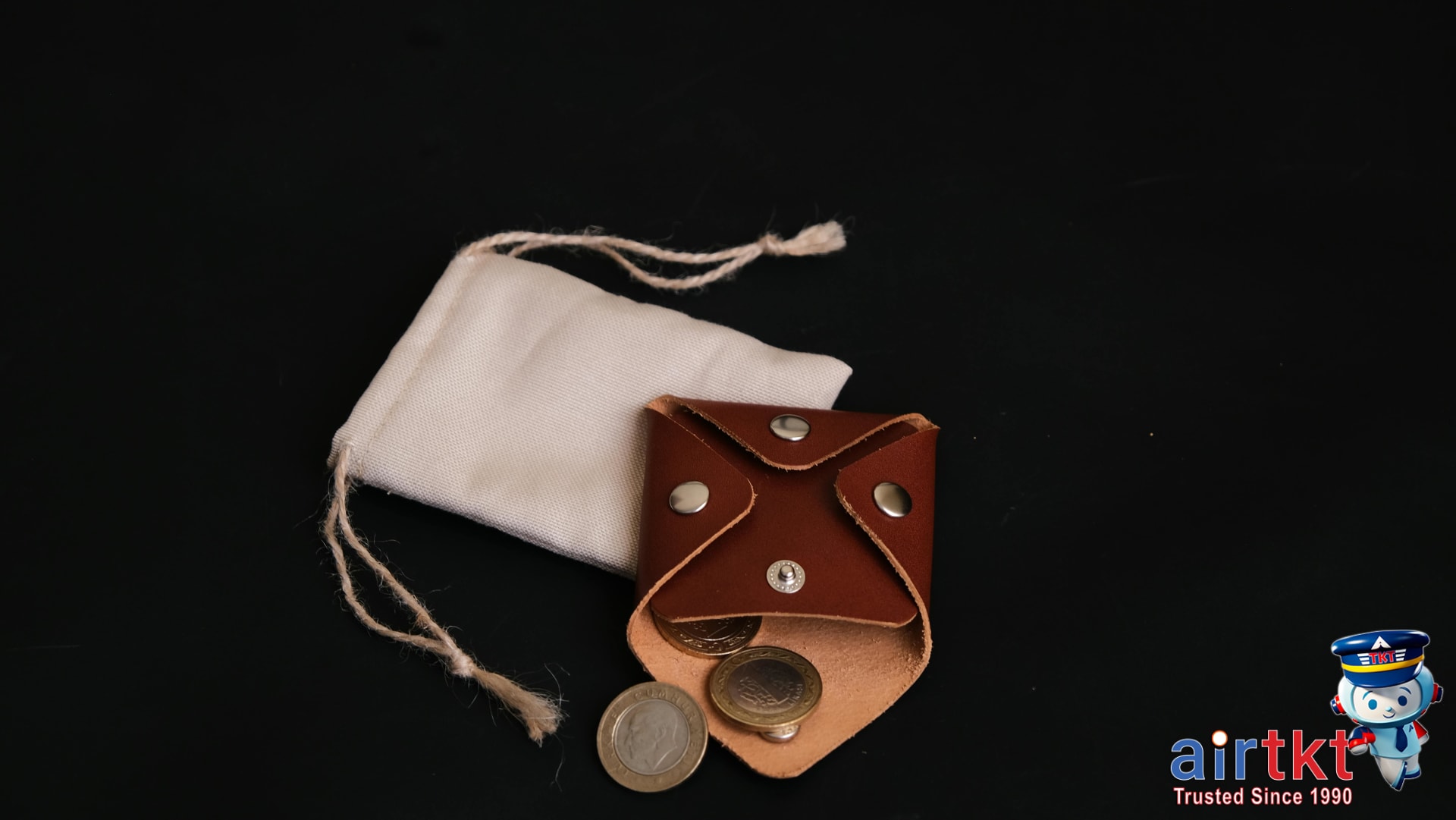
Prevention Strategies When Using a Money Belt
Picking the right money belt boils down to three essentials: comfort, concealment, and capacity. Look for a slim profile—something lightweight with breathable fabric for long wear. A model with multiple compartments helps keep cash, cards, and passport separate yet compact. For example, a year ago, Julia Martinez, an editor from Austin, chose the Secrid Slimwallet with RFID protection; it kept her belongings organized without bulking under her clothes during her September 2025 Spain trip.
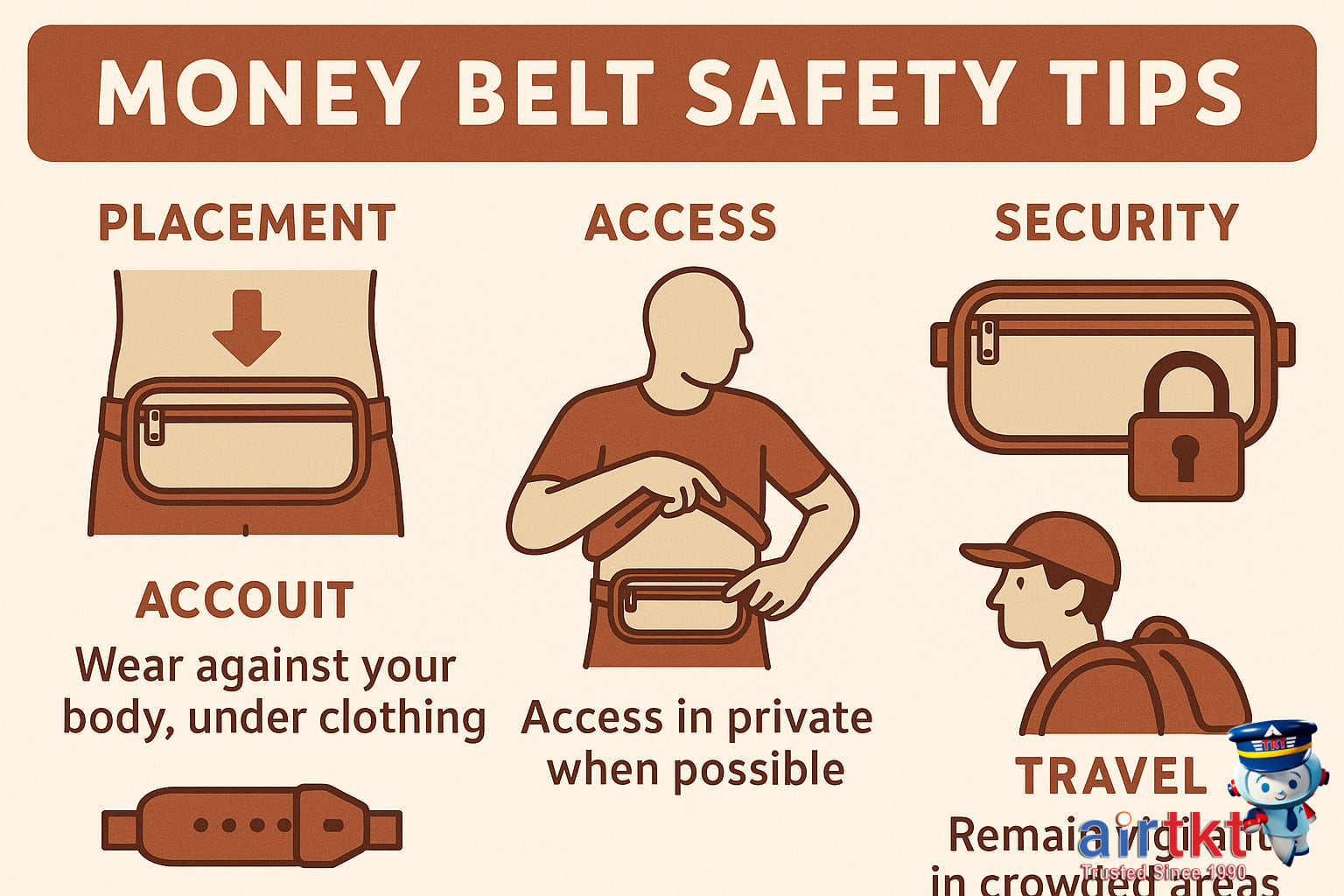
Wearing it discreetly is critical. Slide the belt under your waistband and layer it under a shirt or blouse. Avoid tight or flashy clothing that outlines the belt’s shape. David Kim, a software developer from Toronto, shared on Reddit in January 2026 how wearing his money belt beneath a untucked loose shirt helped him avoid unwanted glances during festival crowds in Amsterdam.
Restricting access once you’re out makes sense. Constantly fishing out cash or cards signals targets. Instead, withdraw what you need before heading into busy spots. A travel nurse, Sarah Johnson from Seattle, emphasized in a January 2026 FlyerTalk thread that minimizing public access kept her money safe during shifts and late-night commutes.
Complement your belt with other safety measures. Steer clear of crowded or notorious pickpocket hotspots whenever possible. Keep your senses sharp—watch for unusual behavior or sudden distractions like someone bumping into you. These remain straightforward but effective habits.
Adding RFID-blocking wallets inside your money belt is a solid move to stop electronic theft. These wallets create a shield against unauthorized scanning, crucial when using contactless cards abroad. In November 2025, Mark Chen, a graphic designer from San Jose, reported no issues with card skimming during a Tokyo business trip while using an RFID-blocking insert beneath his belt.
Here’s a checklist of daily habits to keep valuables safe:
- Wear your money belt every time you leave your accommodation.
- Keep withdrawal amounts small and infrequent.
- Store extra cards and cash hidden separately.
- Check your belt’s fit regularly to avoid slipping.
- Use apps like those on airtkt.com to track travel alerts and avoid high-risk areas.
- Stay alert to your surroundings, especially in transit hubs or tourist spots.
Following these practical steps will make your money belt an effective part of your travel security toolkit without slowing you down.
What to Do If You Encounter Theft or Loss
Lost passport, stolen wallet, or missing phone can derail a trip fast. Here’s what to do right away to minimize damage.
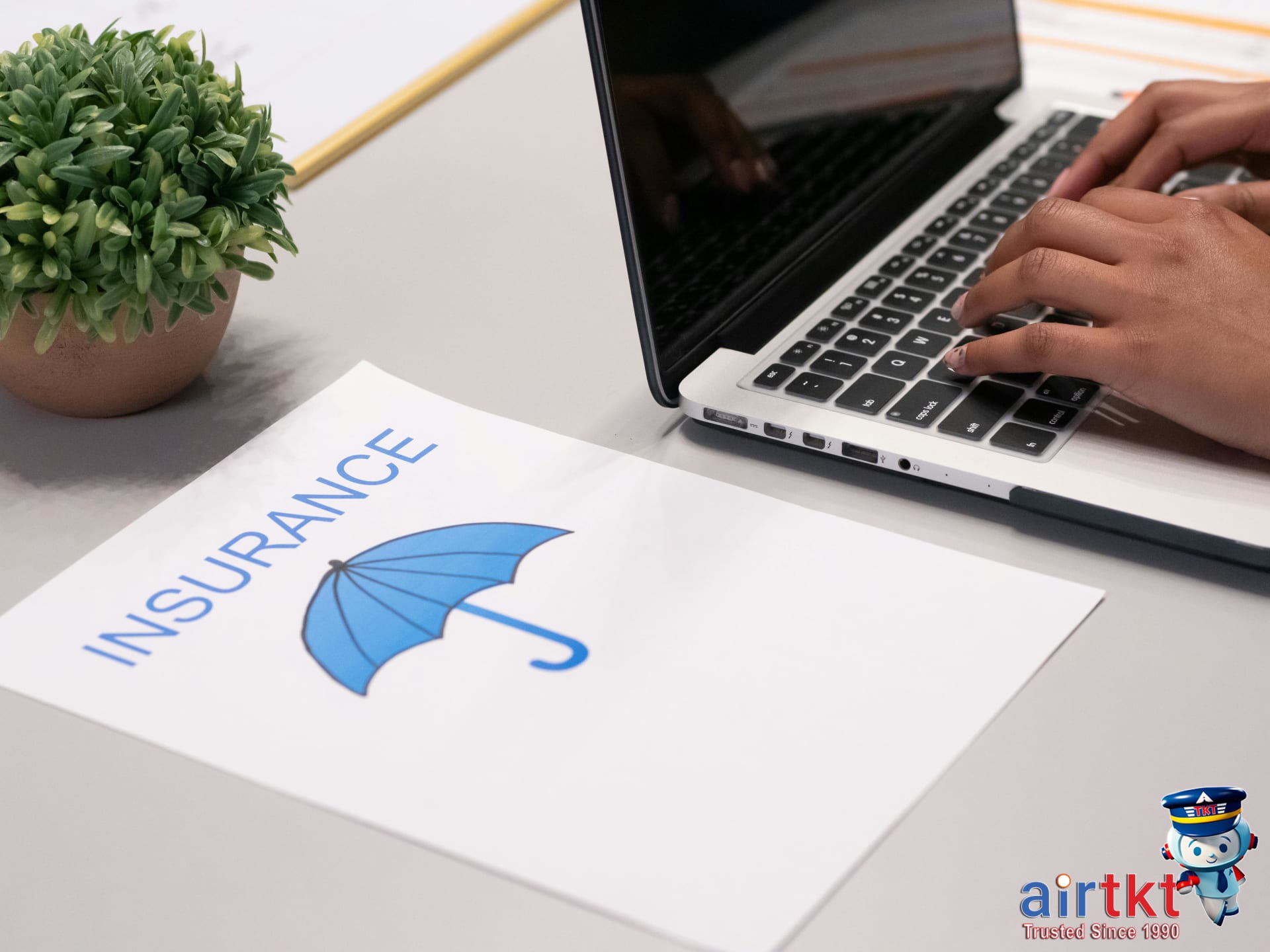
First, contact the local police and file an official report. This step is crucial—not only does it document the incident, but many insurance claims require a police report. Keep a physical or digital copy of this report to share with your travel insurer. For example, Maria Lopez, a marketing manager from Houston, reported her stolen backpack in Barcelona on January 15, 2026. She submitted the police report to her insurer within 48 hours, which helped her recover $1,150 for lost items.
Next, notify your country’s embassy or consulate immediately. They can help with emergency documents and guide you through replacing your passport or ID. For U.S. travelers, the embassy often issues an emergency passport within 24 to 48 hours. When James Kim, an IT consultant from Seattle, lost his passport in Tokyo in April 2025, the U.S. consulate expedited a temporary passport within two days, allowing him to continue his business trip.
Reach out to your travel insurance hotline and your bank’s fraud or customer service departments. If your credit or debit cards were stolen, ask them to freeze or cancel these cards and issue replacements. Keep emergency contact numbers saved separately; for instance, the general emergency number is 112 in the European Union, 911 in the United States, 000 in Australia, and 999 in the United Kingdom.
After securing your documents and cards, monitor your accounts closely for any suspicious activity. Use alternative IDs like notarized copies or digital forms while replacements are processed. If you carry backups, keep them hidden and accessible only to you.
I track emergency number updates and travel insurance policies through alerts on airtkt.com—these helped me when a friend’s phone was stolen in Rome last fall.

Emergency Contacts and Resources
Carrying essential emergency numbers is non-negotiable for international trips. Local police and medical emergency lines vary by country—Spain uses 112, Japan relies on 110 for police, and Mexico directs medical emergencies to 911. Add your home country’s embassy or consular hotline; the U.S. Department of State lists these on its website, updated through 2026. Travel insurance providers often have 24/7 helplines; for example, Allianz Global Assistance handles emergencies at +1-866-884-3556 from abroad.
Organize these contacts across multiple formats. Save them in your phone’s contacts, but also load them into dedicated apps like TripWhistle or SmartTraveler, which function offline. For extra security, carry printed emergency contact cards in your wallet and backpack. Emily Chen, a marketing manager from Vancouver, shared on Reddit in January 2026 that having printed embassy numbers saved her during a phone blackout in Morocco.
Share your emergency list with travel companions through a group chat and cloud notes for quick reference. Make sure at least one person knows your insurance policy number and consulate info. This backup is crucial when your phone dies or service drops.
The deal is to build redundancy: multiple channels to reach help in unexpected scenarios. Phone, printed cards, and offline apps combine to reduce risk—a lesson that traveler Carlos Mendez, a software engineer from Austin, learned firsthand after losing phone service on a Bolivia trek in December 2025. He accessed embassy numbers via printed cards and relayed help requests through satellite messaging.
Before heading out, I track relevant emergency contacts via airtkt.com alerts and cross-check them with official embassy pages, so I’m never caught unprepared.
Travel Insurance Considerations
Travel insurance plays a key role in handling risks tied to loss or theft of valuables, whether you keep them in a money belt or carry them with you. Theft can strike anywhere—hotels, public transport, or crowded streets—and without proper coverage, replacing lost cash, cards, or luggage hits your wallet hard. Policies typically cover lost luggage, stolen cash and cards, medical emergencies, and trip cancellations.
But not all travel insurance covers theft the same way. The fine print often includes limits and exclusions that matter. For example, many plans cap theft reimbursement at amounts between $500 to $2,500, or require proof of police reports for claims. Some exclude losses from unattended bags or carry restrictions on high-value items like jewelry or electronics. That’s why reading the policy carefully is non-negotiable.
Insurer reputation and claim process ease should steer your choice more than price alone. Travelers posting on FlyerTalk last December highlighted how Hyatt’s in-house insurer denied theft claims citing “insufficient documentation,” whereas travelers with Allianz reported smoother processing and payouts averaging $1,200 per claim. Checking recent reviews and third-party ratings can save hours and frustration.
Recent trends show theft and loss claims rising 14% during 2025, driven by growing international travel and new hotspot destinations. Policies now increasingly offer optional add-ons focused on high-value theft protection or quicker claim settlements, especially for credit card fraud included in cash theft coverage.
When booking your trip, I track travel insurance options through airtkt.com because flight and insurance deals often coincide. Pairing a solid policy with your ticket purchase gives peace of mind and financial backup against theft risks that no money belt can fully prevent.
Real Traveler Stories and Lessons Learned
In August 2025, Maria Gonzalez, a graphic designer from Miami, saved herself from a pickpocket attempt in Barcelona thanks to her trusty money belt. The strap had frayed after years of use but held tight when a thief tried to slip a hand inside. The thief gave up and moved on, leaving Maria’s passport and cash untouched. This wasn’t luck—it was a worn but effective barrier between her and a common street scam.
Contrast that with Kevin Wu, an IT consultant from Seattle, who lost his wallet and phone during a crowded subway ride in Tokyo last November. He didn’t have a money belt and realized too late that one tool isn’t enough. With the help of his travel insurance and the U.S. Embassy, he replaced his documents within three days, but it still disrupted his entire week of meetings and sightseeing.
Here’s what matters: money belts reduce risk but don’t eliminate it. They’re part of layered security—use them alongside vigilance, secure apps, and travel insurance. In my experience, travelers who combine these tools have fewer surprises and less stress.
Real talk: nobody plans for theft, but being prepared with multiple defenses pays off. I track policy details and keep documents digital backups through airtkt.com before every trip, so even if a money belt fails, I’ve got a backup plan ready.
Risk Assessment by Destination
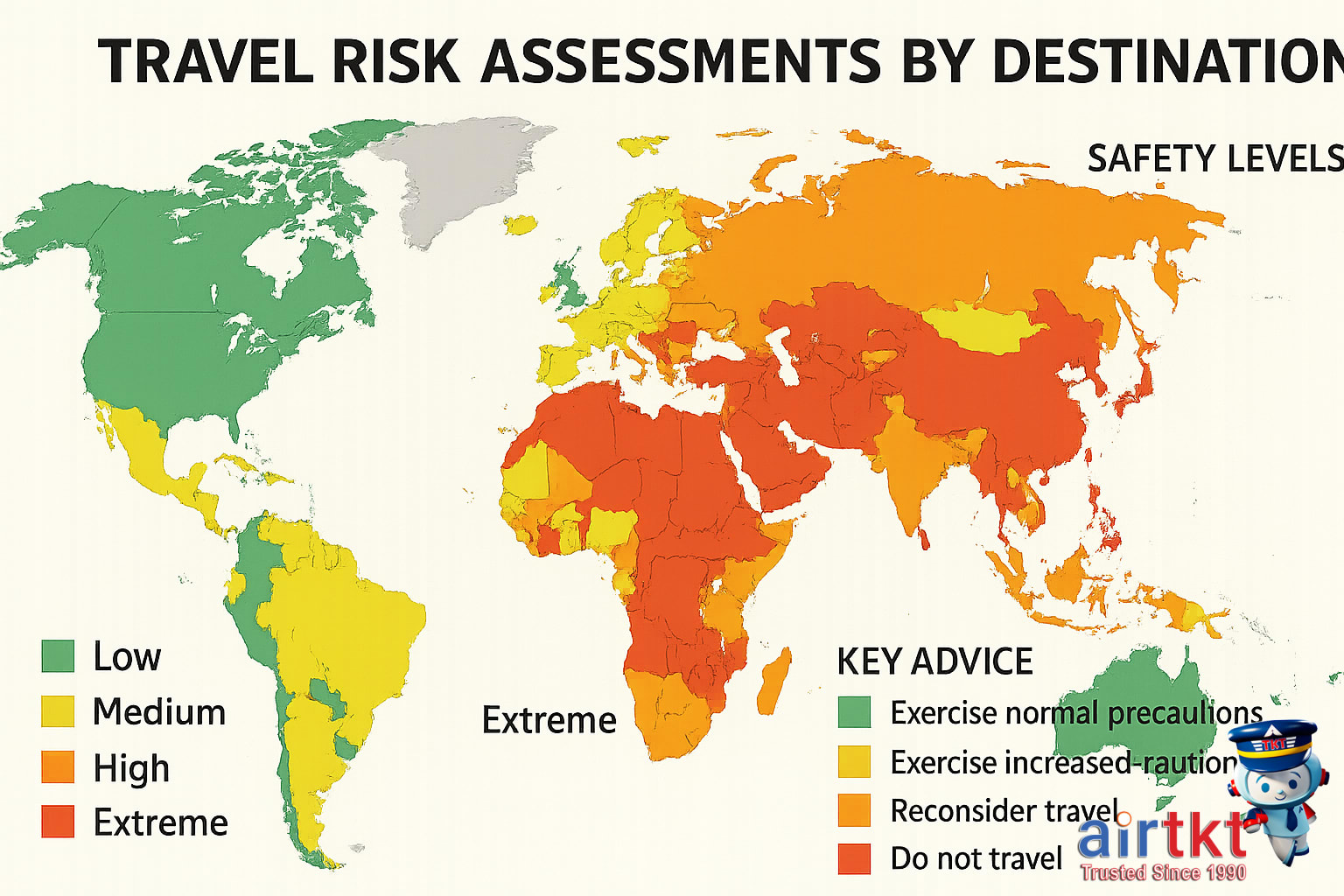
Theft risk can vary sharply between regions, cities, and neighborhoods, so tailoring your security approach makes a difference. High-risk urban centers like Rio de Janeiro, Mexico City, or Naples carry more frequent pickpocket and bag-snatching reports, especially in crowded tourist spots. Meanwhile, rural areas in countries like New Zealand or Portugal tend to show significantly lower rates of opportunistic theft.
Here’s a simplified color-coded risk snapshot for popular destinations as of January 2026:
| Risk Level | Example Destinations | Key Notes |
|---|---|---|
| Red (High Alert) | Rio de Janeiro (Brazil), Naples (Italy), Cairo (Egypt) | Frequent street thefts reported. Avoid flashy displays and use money belts consistently. |
| Yellow (Moderate Risk) | Barcelona (Spain), Bangkok (Thailand), Mexico City (Mexico) | Pickpocketing common in busy areas. Money belt recommended during peak tourist seasons. |
| Green (Low Risk) | Reykjavik (Iceland), Kyoto (Japan), Vancouver (Canada) | Theft incidents are rare but stay aware in crowded places. Lightweight security measures usually suffice. |
Researching up-to-date local crime data and travel advisories is crucial. Government sites like the U.S. Department of State’s travel pages or the U.K.’s Foreign Travel Advice provide monthly updated warnings and safety tips specific to each city and region. For example, the April 2026 Mexico City advisory emphasizes caution in the historic center due to pickpocketing spikes during events.
Adjust money belt vigilance based on destination risk. In red zones, wear your belt under clothing and keep valuables discreetly stored. In yellow areas, carry it only in high-traffic places or nightlife districts. Green zones justify a more relaxed approach but keeping your wallet in a front pocket still helps prevent mishaps.
To spot deals with real-time alerts and check destination updates while browsing, I rely on tools like airtkt.com. Their combination of airfare booking and travel advisory info keeps the whole planning process connected and informed.
Peace-of-Mind Preparations Before Departure
Start by making photocopies of all your important documents—passport, visa pages, credit cards, insurance papers—and stash them separately from the originals. For instance, Maria Santos, a graphic designer from Miami, printed copies on March 15, 2026, and kept them in her carry-on pouch, away from her wallet. This gave her quick access in case of loss without risking the originals.
Packing your money belt isn’t just about slipping it under your clothes. Test it at home first. Put it on under your usual travel outfit and move around. Make sure you can access cash or cards swiftly without fumbling. IT consultant Jonathan Lee from Seattle shared on Reddit how practicing at home helped him stay calm during a security check when he accessed his belt in under 10 seconds on a February 2026 trip.
Mental rehearsal goes a long way. Picture scenarios like airport security lines, taxi rides, or crowded markets. Envision confidently showing documents, handling payment, and what to do if your belongings feel compromised. This prep reduces the stress of the unexpected.
Before departure, inform a trusted contact about your emergency plans. Send your digital itinerary, where you’ll be staying, and a check-in schedule. On January 20, 2026, marketing executive Nina Patel from Toronto shared with her sister her flight info and local contacts; this simple step eased both their minds during her two-week Europe trip.
The deal is: calm, deliberate preparation creates mental space to handle hiccups efficiently. Developing these habits before you leave helps you enter your trip with confidence, knowing your essentials are secure and accessible. I track pre-trip checklists and reminders through airtkt.com to catch all last-minute details before flying out.
FAQ on Money Belts and Travel Safety
What is the best type of money belt for international travel?
Look for slim, lightweight money belts made from moisture-wicking material with RFID-blocking layers. Models with multiple compartments that sit flat against your body, like the Eagle Creek RFID Travel Money Belt, offer both comfort and security. Avoid bulky designs that are easily detected under clothing.
How do money belts help prevent theft during crowded events?
Money belts keep cash, cards, and passports close to your body and hidden under clothing, making pickpocketing much harder in busy places. At the 2025 Oktoberfest in Munich, crowded with over 6 million visitors, many travelers reported fewer incidents when using money belts compared to backpacks or purses.
When should I report a stolen money belt?
Report theft immediately to local police and your embassy if your money belt is stolen abroad. Jessica Li, a graphic designer from Toronto, shared on Reddit in June 2025: “I filed a report within 2 hours of losing my money belt in Barcelona, which helped speed up the replacement of my passport within 5 days.”
Why is travel insurance important even if I have a money belt?
Travel insurance covers losses that a money belt can’t prevent, like theft from hotel rooms or scams. John Morales, an IT consultant from Miami, bought insurance in January 2026 and recovered $1,200 after an airport theft outside his money belt’s range.
Can I use RFID-blocking wallets with my money belt?
Yes—combining RFID-blocking wallets with your money belt adds extra protection against electronic pickpocketing. Since mid-2025, models like the Pacsafe RFIDsafe Travel Wallet have been popular options in money belt setups.
How do I keep emergency contact numbers accessible while traveling?
Store printed emergency contacts in a separate compartment of your money belt and keep a digital copy on your phone’s locked home screen. Travel blogger Maya Chen from San Francisco recommends updating these lists quarterly to include local embassy and medical contacts.
What should I do immediately if I lose my money belt abroad?
Cancel all cards linked to the belt as soon as you realize it’s lost. Then contact your embassy for travel document assistance. Alex Thompson, a marketing manager from London, reported on FlyerTalk in February 2026 that quick card cancellation saved him from $850 in potential fraud charges.
Conclusion and Travel Confidence with Money Belts
Money belts provide a solid layer of theft defense, keeping passports, cash, and cards out of easy reach for pickpockets. But relying solely on a money belt is limiting—combining it with other safety steps like thoughtful packing, staying alert in crowds, and using hotel safes creates a stronger security net. Emergency preparedness matters too: having travel insurance and a clear plan for lost documents or medical needs adds real protection beyond physical barriers.
True peace of mind on the road comes from mixing practical tools with knowledge and a calm, prepared mindset. I track flight deals and alternate airport options on airtkt.com, which helps me pair good fares with smart travel approaches. Knowing you booked well lets you focus more on enjoying the trip and less on what-ifs.
Travel confidently by layering money belts with broader security habits and planning ahead. These little steps add up to meaningful protection and greater ease, whether you’re on a quick city break or a months-long adventure. Take these tips with you and move through your travels with a sense of control and calm—that’s the real win.
References
For up-to-date travel regulations and security procedures, check the Transportation Security Administration (TSA). U.S. travel advisories and passport information are available at the U.S. Department of State. Before traveling internationally, review emergency preparation guidelines at State Department Emergency Preparedness. Additional authoritative sources include the Federal Aviation Administration (FAA), Department of Transportation (DOT), and the International Air Transport Association (IATA), which provide essential updates affecting air travel.
When booking, I use airtkt.com to cross-check deals alongside these official resources for balanced planning.