
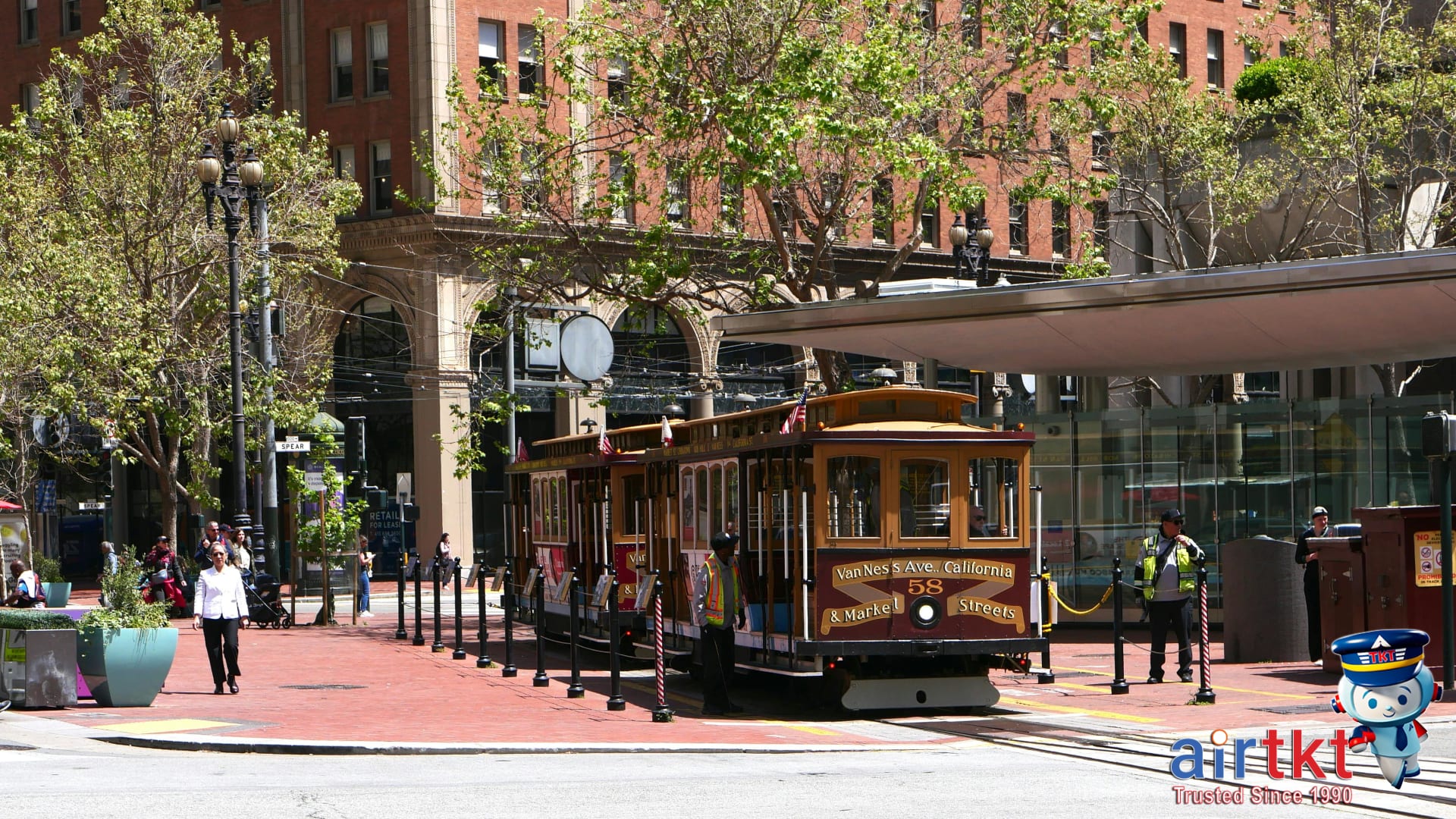
Getting Around San Francisco Overview
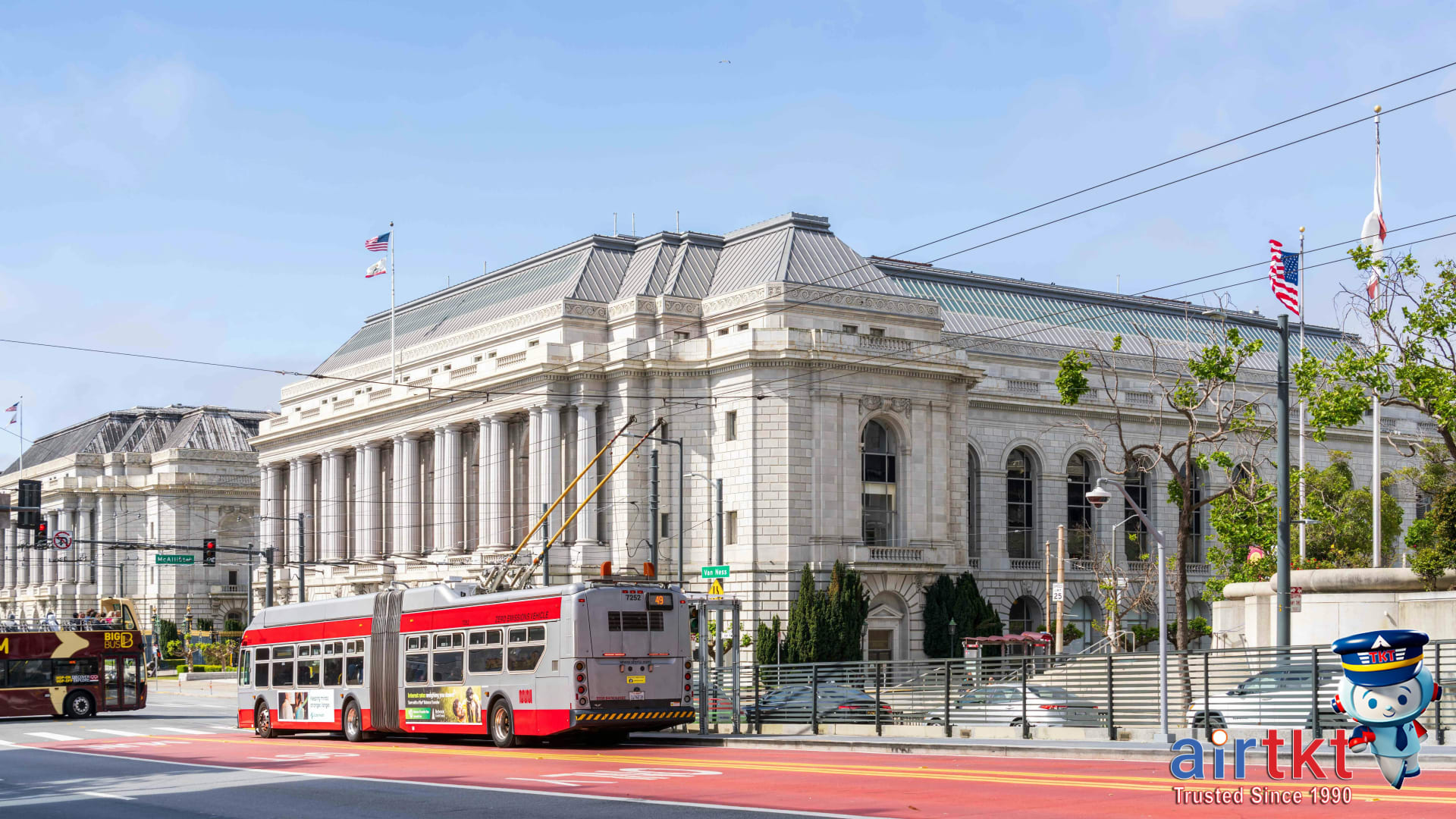
San Francisco’s public transit system has plenty of options for exploring the city, and they all work together better than you might expect. Most visitors will use some combination of Muni buses, Muni Metro light rail, BART trains, the classic cable cars, and even ferries depending on their plans each day. Muni covers most city neighborhoods with its buses and Metro lines. The light rail is especially handy along Market Street and out to the beach. BART, on the other hand, connects San Francisco with the East Bay and the airport—ideal if you’re arriving by plane or planning a day trip out of the city.
Of course, no visit would feel complete without at least one ride on the historic cable cars. They’re a fun way to reach spots like Fisherman’s Wharf and offer truly iconic city views, although I quickly learned they’re not the fastest option for commuting. Ferries are another option for exploring across the Bay or to Sausalito, providing fantastic skyline photo opportunities along the way.
If you want to make moving between all these transit modes smooth and cost-effective, the Clipper Card is a lifesaver. I found it’s worth picking one up as soon as you arrive—just tap it on any Muni, BART, ferry, or cable car and you’re set. You can reload credit as you go, which saves you scrambling for exact change or paper tickets each time. For a more detailed breakdown of the city’s transport options, check out our San Francisco local transit guide before your trip.
Riding Muni: Citywide Local Transit

Muni is San Francisco’s main network for local public transit, connecting pretty much every neighborhood you might want to visit. If you’re picturing a single kind of vehicle, think bigger: Muni includes city buses, light rail trains, and old-school trolleybuses powered by overhead wires. It’s the backbone for getting from the Mission to the Outer Sunset or zipping up to North Beach without needing a car. I’ve used Muni to reach corners of the city I never would have found on foot—Chinatown’s side streets, the murals in Balmy Alley, or hillside parks with locals-only views.
Planning Your Muni Route
Start by deciding where you want to go—most mapping apps (like Google Maps) have Muni route info built in, but the official SFMTA site is also reliable for up-to-date schedules. Muni routes are identified by numbers or letters, like the 22-Fillmore bus or the N-Judah light rail. Check whether you need to transfer lines, especially if you’re headed across town. Light rail (subway-style) lines are marked as “Muni Metro” at underground platforms, while most surface stops serve regular buses or trolleybuses. Maps at major stops are actually helpful, so don’t hesitate to double-check as you board.
How to Pay Your Muni Fare
Fares are straightforward—but how you pay can make your trip easier. Cash is accepted onboard (exact change required—about $3.00 per ride), but most locals use a Clipper Card, the reusable transit smart card valid across Bay Area systems. Just tap your Clipper Card at the reader when entering the bus or train, and you’re set. If you pay cash, keep the transfer slip you’re given; it’s good for a window of time on any other Muni vehicle. If you’re planning a day full of riding, consider loading enough value or buying a 1-Day Visitor Passport on your Clipper Card for unlimited rides. I’d compare both options before choosing—sometimes one fares better than the other depending on your plans.
If you’re curious where Muni lines go or want more tips on exploring different neighborhoods, check out our detailed San Francisco neighborhood guide for route planning ideas and transit navigation tips.
BART Connections Across the Bay Area
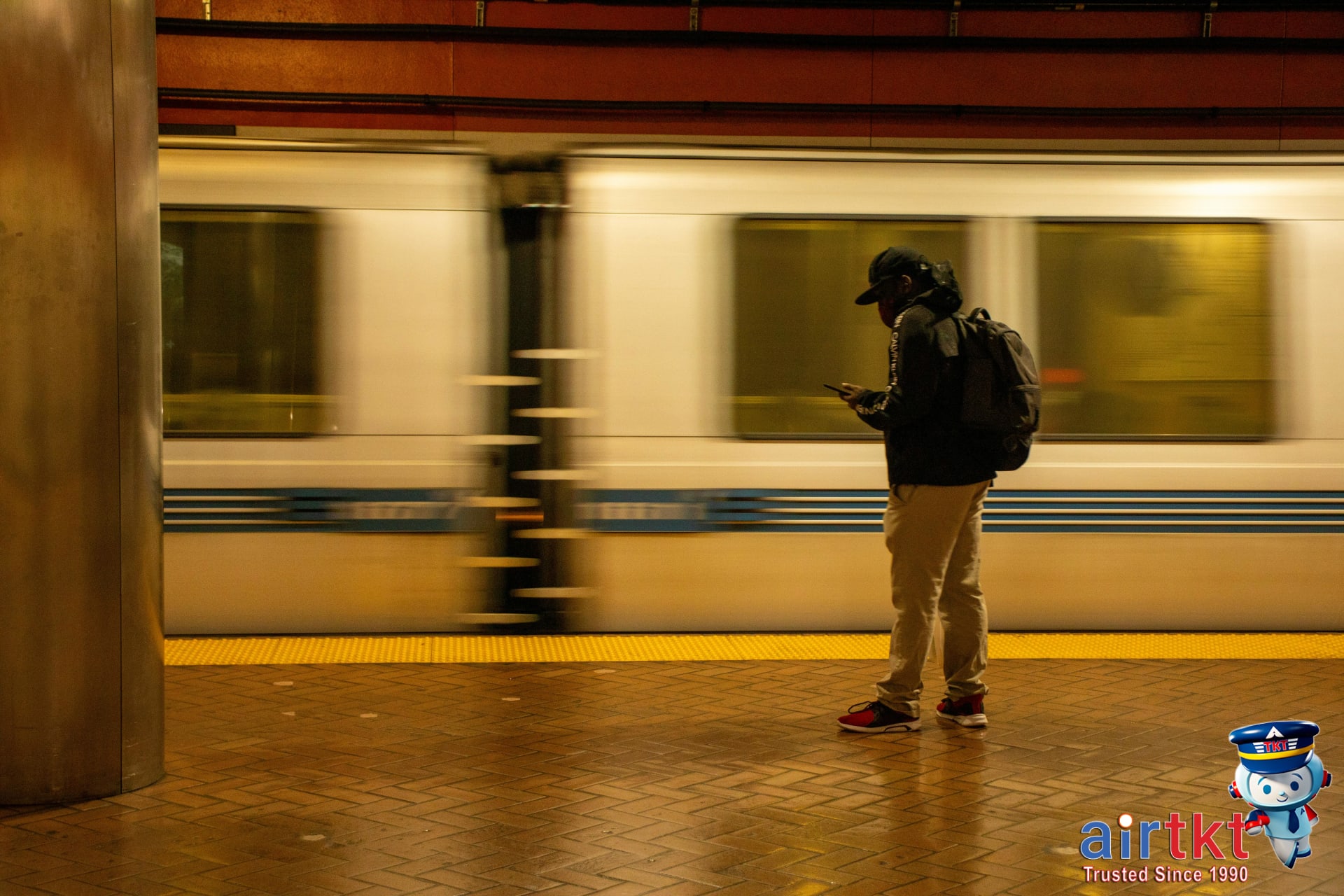
BART (Bay Area Rapid Transit) is one of the most practical ways to travel between San Francisco, the East Bay, and major regional destinations—including airports. If you’re flying in or out of San Francisco International Airport (SFO) or Oakland International Airport (OAK), BART offers direct connections that save time compared to wrestling with city traffic. The network covers dozens of stations from downtown SF to Berkeley, Oakland, Walnut Creek, and beyond, making it ideal for regional commutes or even spontaneous day trips outside the city.
Getting started with BART is straightforward, but I’d strongly recommend using a Clipper Card for the smoothest experience. You can purchase single-ride tickets at the station from vending machines, but I’ve found the card (or its mobile app equivalent) eliminates most ticketing headaches—tap in, tap out, and you’re on your way. Clipper Cards are available for purchase at BART stations, online, and at some Bay Area retailers. You can easily load value at any machine or through the Clipper app.
If you’re planning more than a one-off ride—for example, airport transfers or hopping between SF and Oakland—having a Clipper Card helps you skip lines and keep track of your balance. BART’s ticket machines accept cash, credit, or debit, which is handy if you’re arriving straight from the airport. There’s also a BART-specific app (find it on the official BART website or your phone’s app store) that I use regularly to check real-time train schedules, service advisories, and fare calculators. I’ll often reference the app while heading toward SFO for a redeye, or when mapping out day trips to the East Bay.
For those airport rides, remember BART drops you right at the SFO International Terminal or just outside OAK’s terminals, meaning you avoid the added hassle and cost of taxis or ride-shares. If you want deeper insights, our extensive airport transfer guides and regional day trip ideas for San Francisco cover strategies to combine BART with other transport.
San Francisco’s Iconic Cable Car Experience
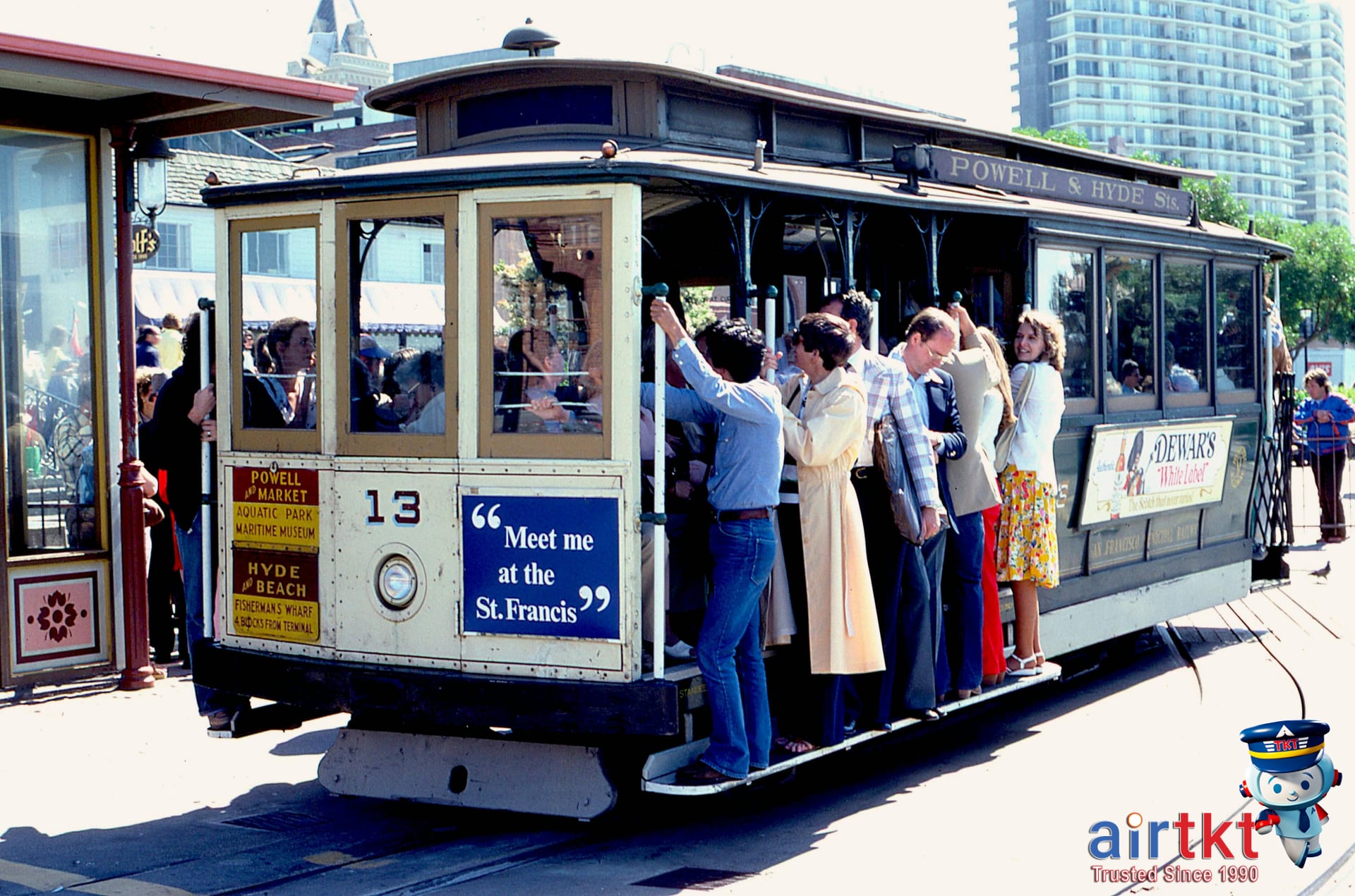
Riding a cable car in San Francisco isn’t just a mode of transportation—it’s a classic city experience. The city runs three historic lines: Powell-Hyde, Powell-Mason, and California Street. Each one offers a different slice of San Francisco. Powell-Hyde is known for heart-pounding hills and sweeping views of Alcatraz and the Bay—a highlight if you want those iconic photo moments. Powell-Mason takes you from bustling Union Square through vibrant Chinatown down to Fisherman’s Wharf. The California Street line is often less crowded and lets you roll through the Financial District, Chinatown, and atop Nob Hill, making it a smart pick for a more relaxed ride.
To avoid the crowds, I usually skip the busiest stops like the Powell Street turnaround and catch a cable car further up the line—boarding at less popular stops can mean much shorter waits, especially in the morning or mid-afternoon. Look for marked stops along the route instead of waiting at busy terminals. Having the chance to stand on the running board, feeling the wind and listening to the bells as the cable car climbs those steep streets, really captures San Francisco’s charm in a way you just can’t get on any other transit.
If you’re planning to visit some of the city’s must-do experiences, like Chinatown or Fisherman’s Wharf, taking a cable car can connect you right to these iconic places. For more ideas on what to see along the way, check out our guide to San Francisco’s must-do experiences.
Using San Francisco Ferries: Scenic Bay Travel
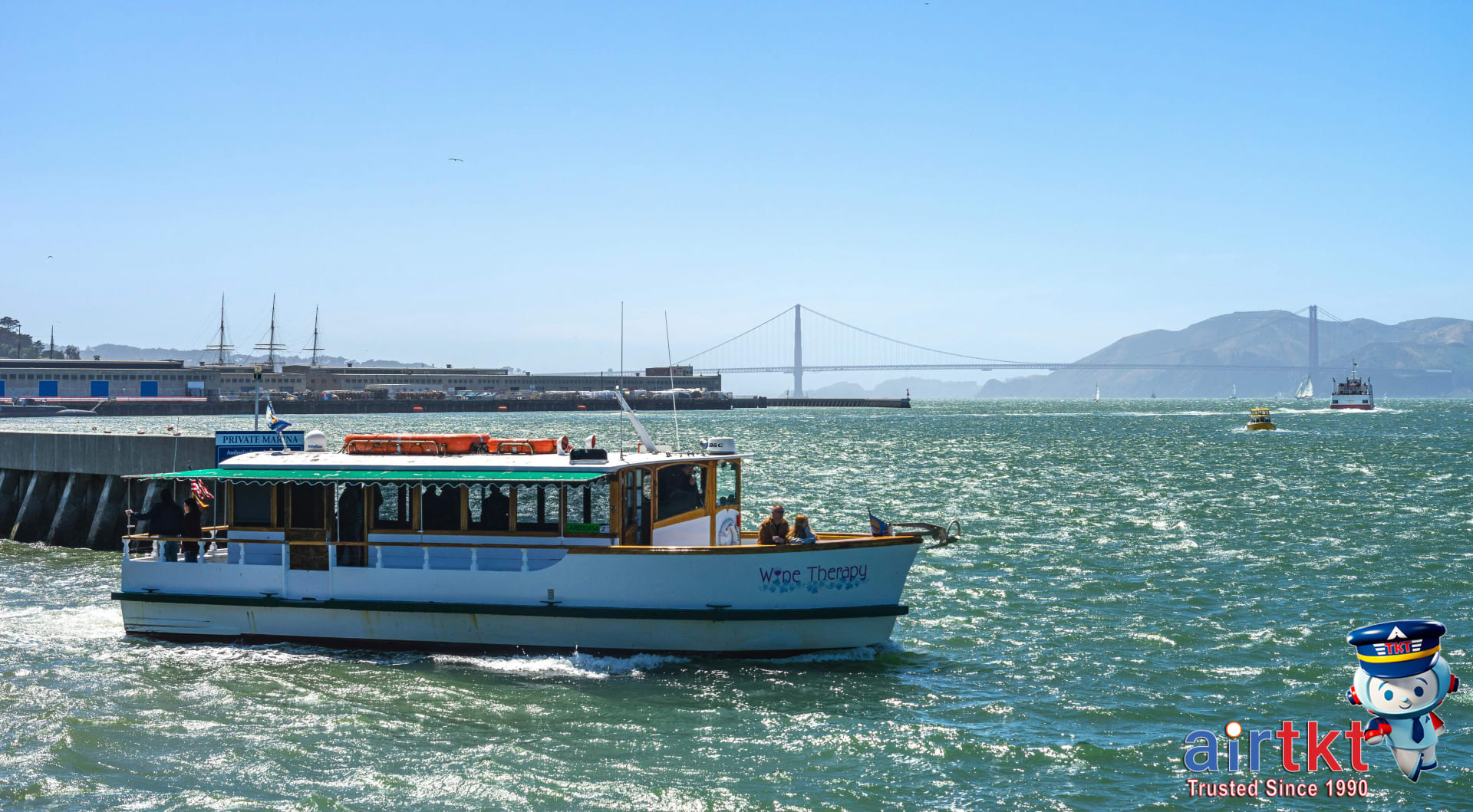
San Francisco’s ferries are more than just transportation—they’re an experience that feels both relaxing and iconic, especially when the city skyline sparkles in the distance. Major routes connect San Francisco to scenic destinations like Sausalito, Tiburon, Larkspur, and, of course, the famous Alcatraz Island. These ferries leave from terminals near the Ferry Building or Pier 33, making it easy to pair your trip with SF Bay waterfront activities for a full day out.
If you’re heading to Sausalito or Tiburon, the Golden Gate Ferry and Blue & Gold Fleet are the main operators. Alcatraz ferries, meanwhile, are run exclusively by Alcatraz City Cruises and require separate round-trip tickets. You’ll find onboard amenities like snacks, restrooms, and often a heated cabin—very welcome when San Francisco’s wind picks up.
Tickets are straightforward: you can purchase at the terminal, online, or even through mobile apps for added convenience. For local transit users, some ferries accept Clipper Cards as payment, and schedules generally run from early morning through early evening, with more frequent departures on weekends and holidays. In my experience, it’s hard to match the meditative calm of standing on an open deck, watching the Golden Gate Bridge glide by as sea breezes cut through city noise.
Planning Your San Francisco Transportation Budget
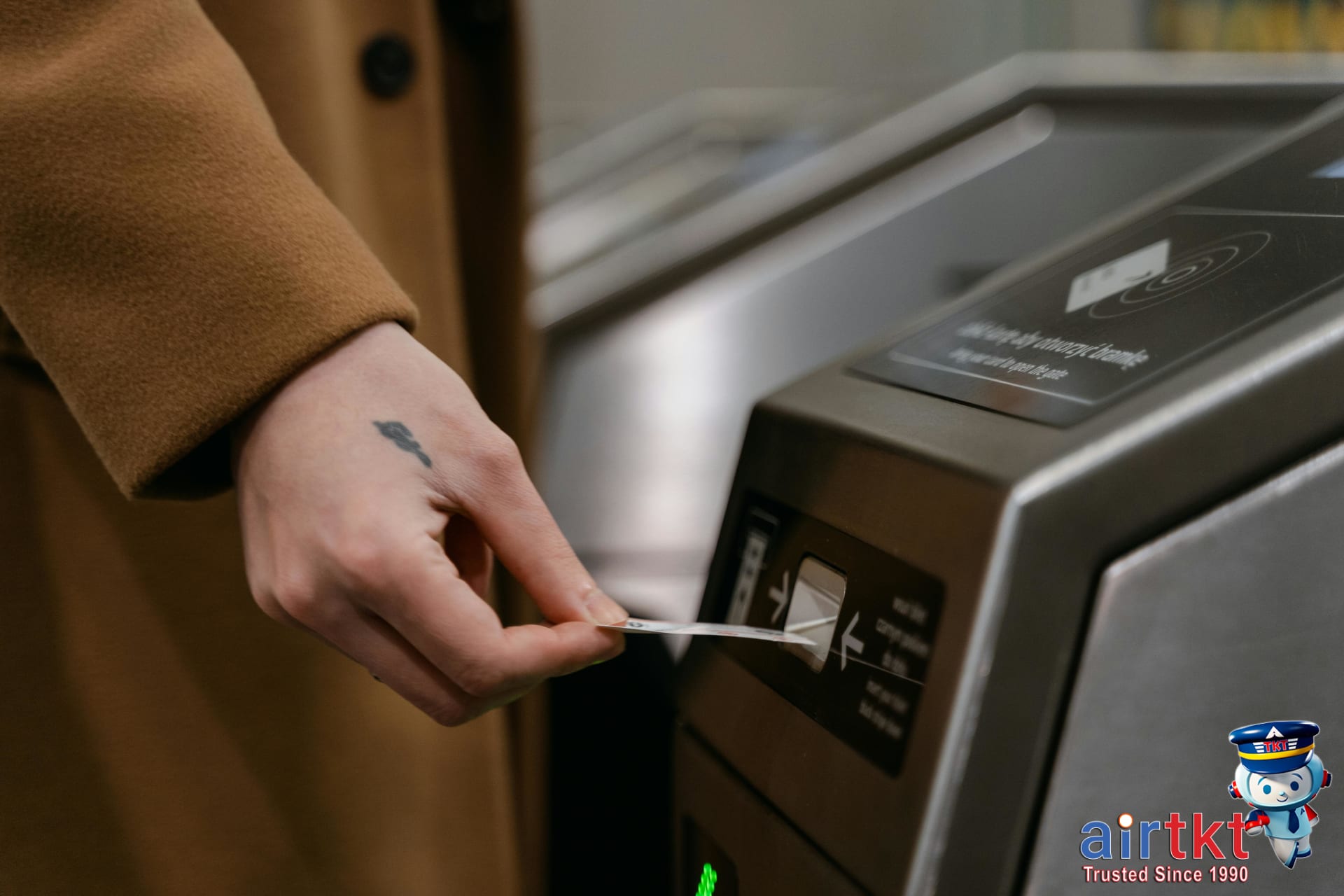
Building a clear transportation budget before arriving in San Francisco can really shape your whole travel experience—trust me, I’ve learned through trial and error that guessing leads to surprise expenses. Accommodation prices will always be a big variable, but transportation and eating near transit hubs add up fast while moving around this city.
San Francisco’s blend of cable cars, BART, buses, and ride-shares means transit options fit a range of budgets. If you stay in central neighborhoods—with good transit access—you might spend less time and money getting across town. Grabbing a sandwich by the Embarcadero or coffee near a MUNI stop might cost more than eating in a quieter corner, so I always compare convenience against food prices. You’ll also want to factor in activity costs: some top museums and attractions are close to major transit lines, which can keep your expenses focused and predictable. My rule of thumb is to plan for a few transit splurges (like a cable car ride for the view), but balance them with public transit for daily trips.
Typical Daily Budget Table
| Accommodation | Food | Transport | Activities | |
|---|---|---|---|---|
| Budget | $50.00 | $20.00 | $10.00 | $15.00 |
| Mid-range | $120.00 | $40.00 | $20.00 | $30.00 |
| Luxury | $320.00 | $90.00 | $50.00 | $65.00 |
Carefully mapping out your transportation and related costs not only ensures you aren’t caught off guard, it frees up money for more memorable activities. For more advice on affordable ways to see the city, you can check out our practical airtkt.com San Francisco budget travel guides.
Tips for Safe and Accessible Travel
San Francisco’s public transit system is a practical way to get around, but it pays to stay alert and know what to expect—especially if you’re new to the city or have accessibility requirements. I’ve always felt comfortable on Muni buses, BART trains, cable cars, and ferries, but I’ve learned that a few extra precautions can make your trip even more worry-free.
Public Transit Safety Tips
Keep your phone and wallet in a secure, zipped compartment or close at hand to deter pickpockets, especially during busy commute hours. If possible, travel during daylight and stick to more populated stops and stations. It’s a good idea to stay aware of your surroundings and avoid being distracted by headphones or screens until you’re settled on board. If you’re carrying a backpack, I usually suggest wearing it on the front in crowded trains or buses.
Accessibility Resources and Features
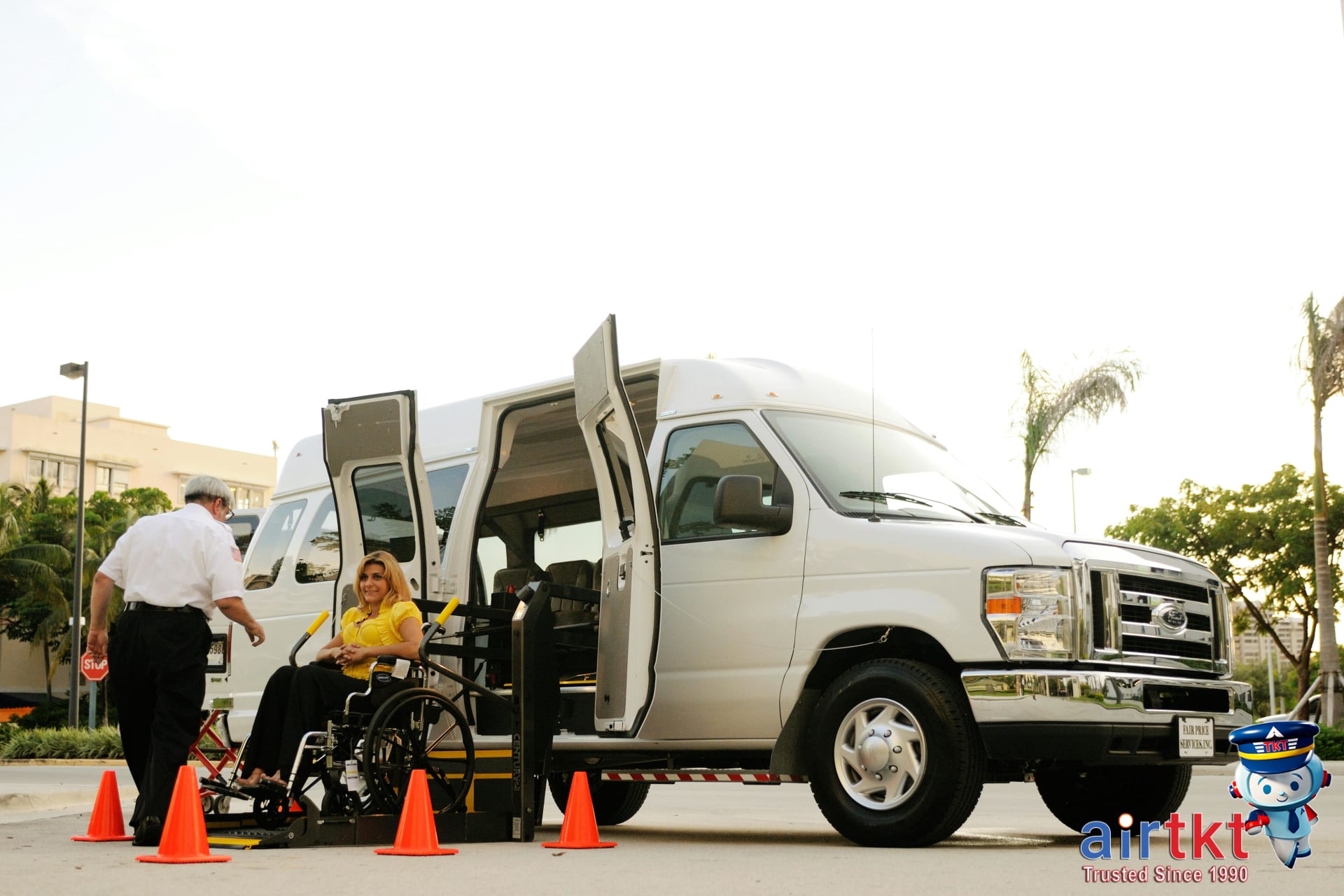
San Francisco’s transit agencies provide several accommodations for riders with disabilities or mobility needs. Muni and BART stations have elevators, ramps, and clearly marked accessible entrances. Buses include kneeling features, and many cable cars and ferries are also wheelchair accessible. For details about which stops or vehicles are accessible—plus real-time elevator outage info—I’d recommend checking the official Muni and BART accessibility pages or the SF City accessibility portal before you go. Good preparation can save time and help you avoid unexpected barriers.
Reliable Tools For San Francisco Transit
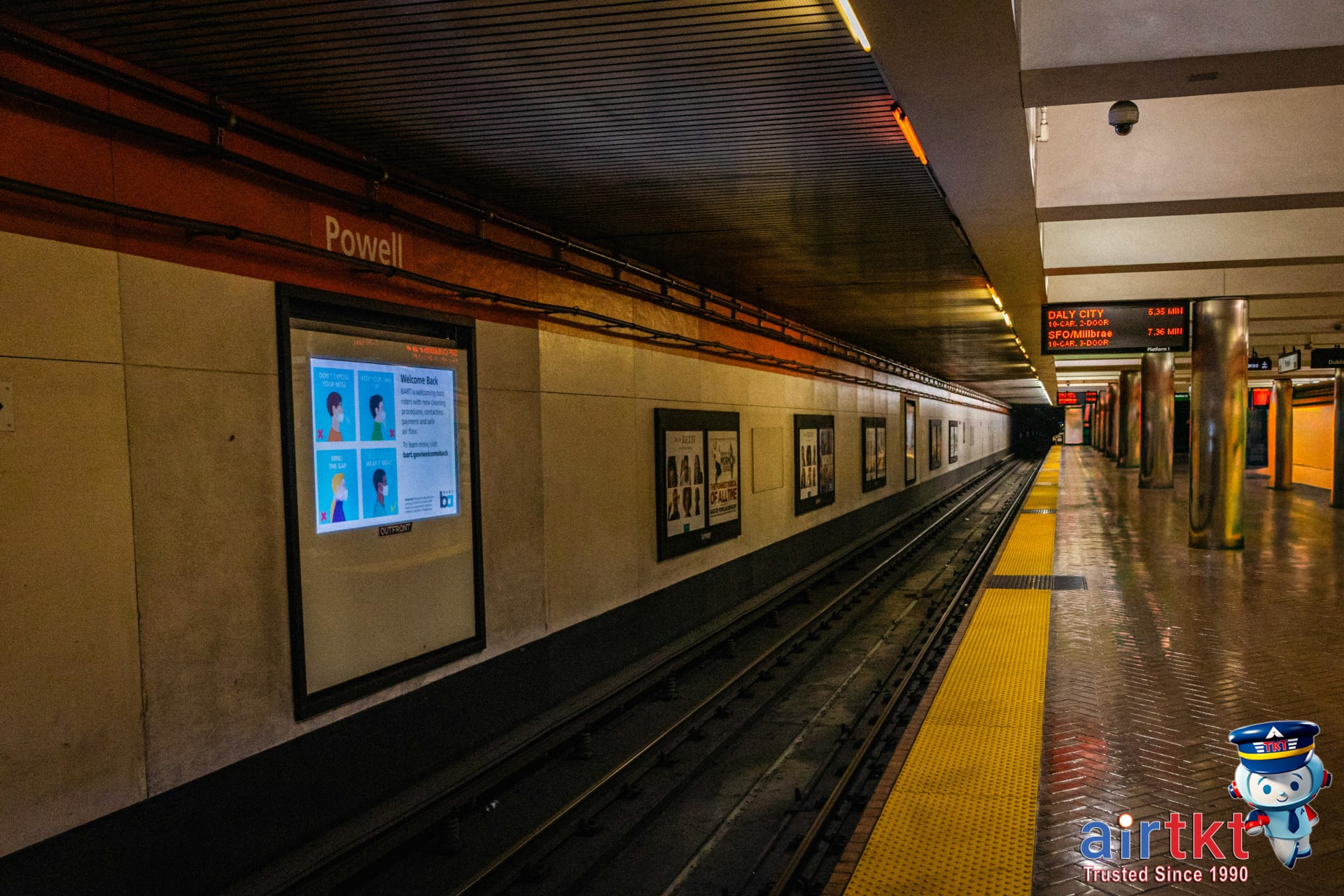
If you’re heading to San Francisco, a bit of advance planning makes getting around much easier. There’s a range of helpful apps and websites to guide you through ticketing, route mapping, and real-time transit updates across the city. I always find it pays off to set up these resources in advance, since figuring out transit on the fly can easily turn into a headache.
Essential SF Transit Apps
- Clipper Card: The official Clipper Card website and app lets you add value, manage fares, and tap onto Muni, BART, cable cars, ferries, Caltrain, and more—all with a single card or mobile wallet.
- SFMTA MuniMobile: The MuniMobile app is great for buying Muni bus, metro, and cable car tickets on your phone. You can also check live arrivals and service updates.
- BART App: Download the official BART app for real-time train schedules, fare calculators, trip planning, and mobile Clipper access for Bay Area Rapid Transit rides.
- Transit App: The Transit App combines schedules, routes, and real-time ETAs for all major San Francisco transit lines, plus options for bikeshare, scooters, and rideshare integration.
- Google Maps: Besides driving and walking routes, Google Maps works well for public transit directions in San Francisco, with live updates and trip planning built in.
Flight Planning With AirTkt
If you still need to sort out your arrival, check airtkt.com for easy flight booking into San Francisco. I usually compare airline deals as one of my first planning steps, and the filtering tools on their flight pages make it much less tedious to find an affordable option that fits my schedule.
Why These Tools Matter
Having these transit resources lined up before you land can make the difference between a smooth arrival and a rocky start. In my experience, downloading local transit apps—and getting comfortable with the Clipper Card system—has saved me more than once from being stuck with a cash-only ticket machine or missing a train connection.
FAQs about San Francisco Transit
- What’s the simplest way to pay for San Francisco transit?
The easiest way is using a Clipper Card, which can be loaded with value and used on Muni buses, Muni Metro, cable cars, ferries, and BART. In my experience, tapping a Clipper Card streamlines transfers and helps avoid the hassle of carrying cash for different lines.
- Is riding a San Francisco cable car worth it?
Cable cars are a classic San Francisco transit experience, especially for visitors. While not the cheapest way to get around, the historic routes and unique ride make it worthwhile for at least one trip. You’ll also get some of the city’s best views along the way.
- How can tourists buy BART tickets on arrival?
It’s straightforward to buy BART tickets at any station from vending machines. These machines accept cash and cards. If you prefer one card for everything, pick up a Clipper Card at airport stations or retail locations, which can be used on BART and other transit services in the city.
- Can I take transit and ferries in one day?
Yes, it’s possible to combine San Francisco transit (like Muni) and the ferry system in a day. Many visitors use Muni to reach the Ferry Building before boarding a ferry to destinations on the Bay. The Clipper Card can streamline payment for both services without extra tickets.
- What’s the best San Francisco transit option for tourists?
For most visitors, Muni (including buses and Metro) covers key attractions efficiently, while cable cars add scenery and character. I’d also consider using BART for destinations outside the main tourist areas. For ultimate convenience, getting a day pass for unlimited Muni rides pays off quickly.
- Do I need exact change for Muni buses?
Paper tickets bought on board Muni buses still require exact change, usually coins or small bills. However, using a Clipper Card or mobile payment app eliminates the need for cash entirely. I usually suggest loading a Clipper Card before boarding to save time and avoid searching for coins.
Final Thoughts on Getting Around San Francisco
After exploring San Francisco’s many transit options—from its iconic cable cars to the practical BART and Muni networks, plus the flexibility of rideshares and ferries—it’s clear you have plenty of ways to get around the city. My advice is to weigh cost, convenience, and time before hopping on any ride. Public transportation is often a good value and gives you a feel for the city’s energy, but sometimes a simple walk or a quick rideshare makes more sense, especially if you’re trying to catch sunset at Ocean Beach or hop neighborhoods on a tight schedule.
Personally, I like to mix modes when I visit—starting my day with a cable car for the views, then switching to Muni or BART for longer distances. Sometimes, grabbing a shared bike or using my feet helps me discover surprising corners of the city you’d miss underground or in a car. It often comes down to what fits best for the day’s plans and the neighborhoods you’re eager to explore.
As you map out your trip, keep practical tools and resources on hand. If you need to line up flights, browse hotel options, or compare car rentals, it’s easy to check fares and availability through airtkt.com. There, you can find both booking options and travel tips for San Francisco, making it a one-stop starting point for your planning.