
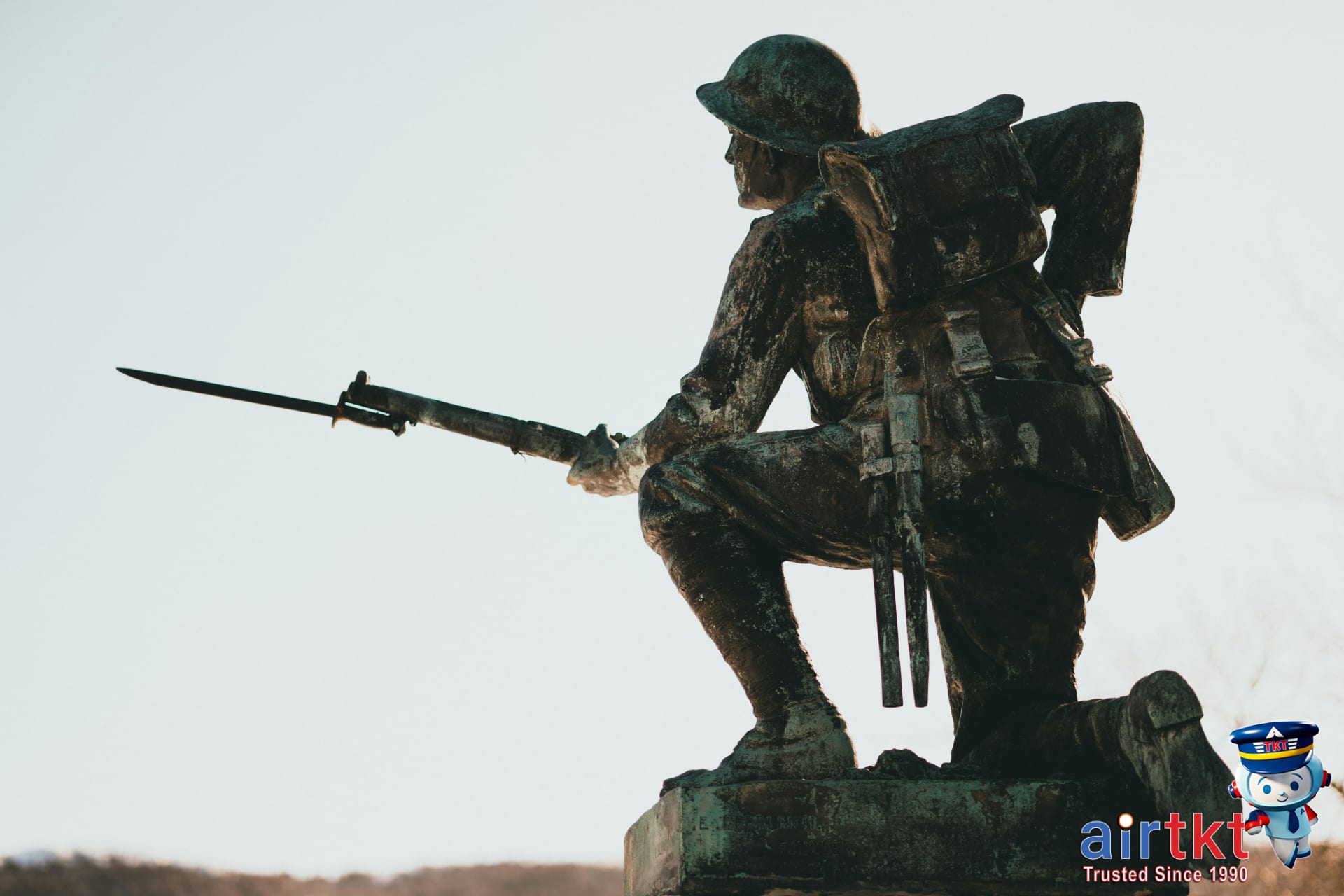
Why Visit Philippines WWII Sites
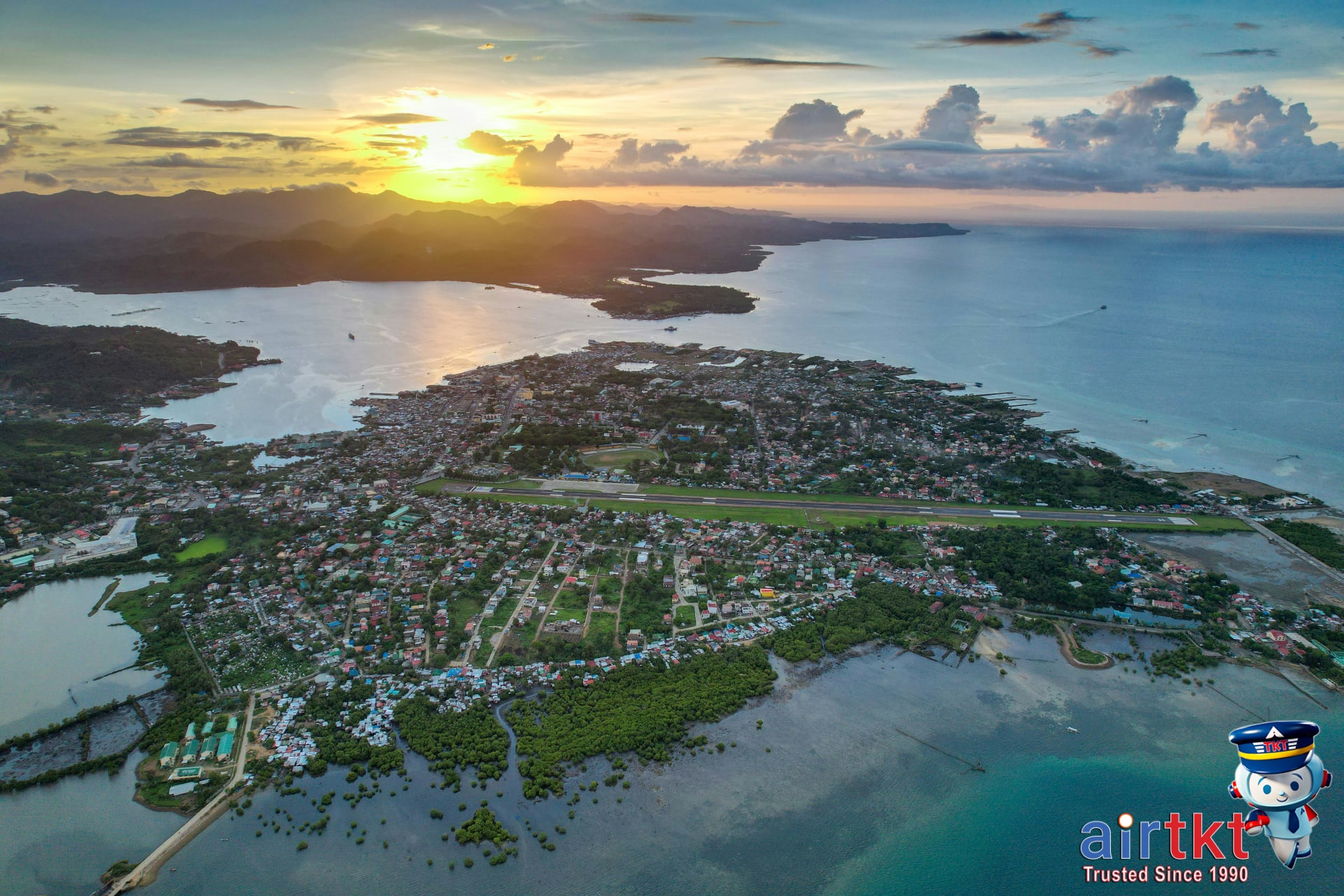
Walking through the old battle-scarred grounds of the Philippines on Araw ng Kagitingan—also known as the Day of Valor—left a deep impression on me. There’s something powerful about physically being in places where so much courage and sacrifice unfolded. For me, retracing the history on foot made these stories feel vivid and immediate, far beyond what you get from textbooks or documentaries.
Araw ng Kagitingan is one of the Philippines’ most significant national commemorations, held on April 9 each year. This day honors the bravery of Filipino and American soldiers who defended Bataan and Corregidor during World War II. After months of resistance, their eventual surrender marked the start of the Bataan Death March—an event that remains woven into the nation’s collective memory of loss, endurance, and hope.
Many WWII sites in the country carry the weight of those memories, but two stand out for their historical importance and visitor experience: the Bataan Peninsula and Corregidor Island. The bunkers, memorials, and ruins you’ll see at these sites offer a tangible link to the past, and spending time there is a humbling reminder of how close history can feel.
WWII Significance of Bataan and Corregidor
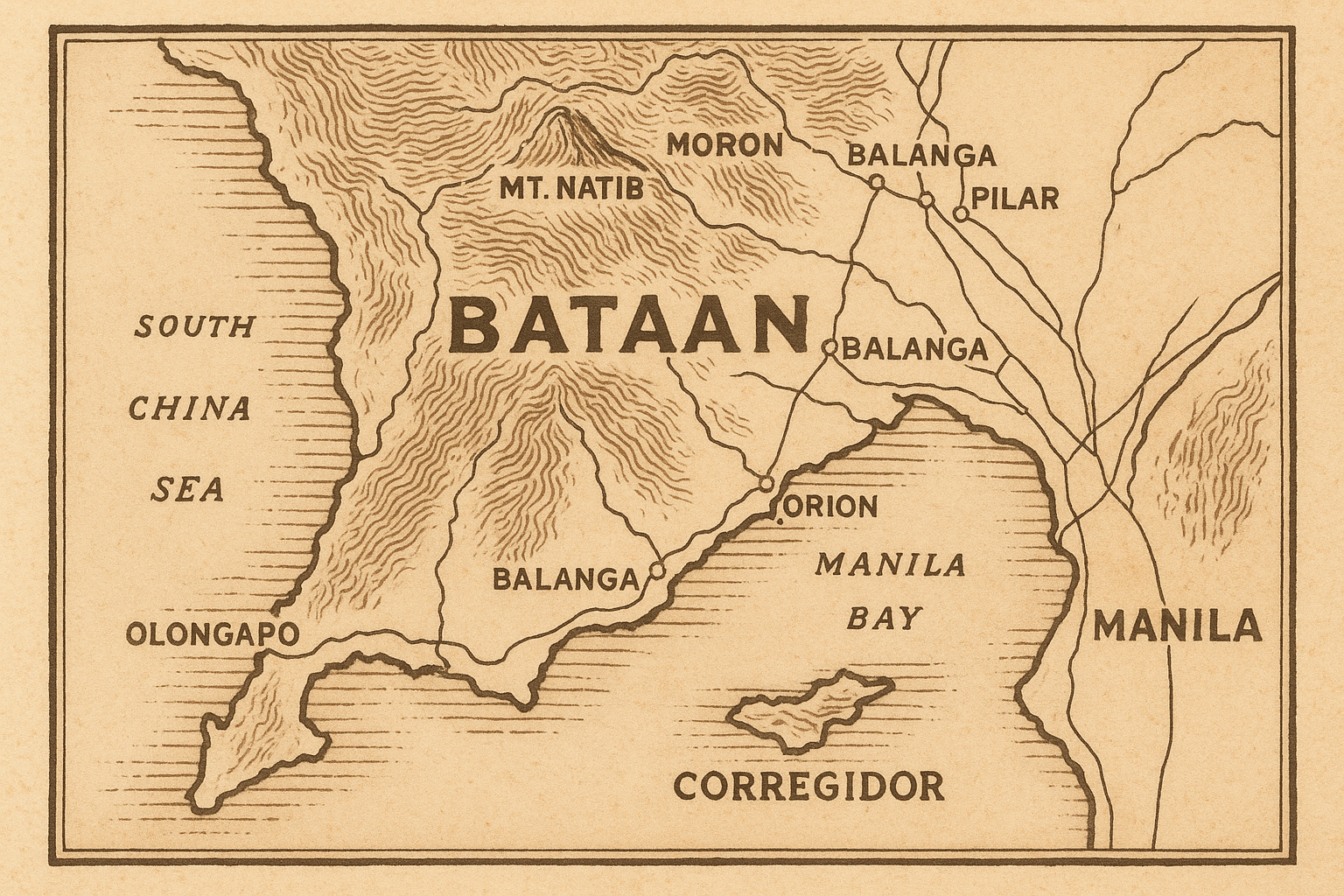
Over the past few years, I’ve found myself increasingly drawn to the Philippines’ WWII history, and my visits to these sites have become much more meaningful as a result. Two of the most significant events were the Battles of Bataan and Corregidor, fierce struggles that played a crucial role in the Pacific theater in 1942. The fall of Bataan marked one of the largest surrenders in American and Filipino military history, followed shortly after by the siege of Corregidor.
Bataan’s long resistance delayed Japanese conquest, giving Allied forces precious time to regroup elsewhere in the Pacific. Corregidor, known as “The Rock,” served as the last bastion of organized resistance in the Philippines and controlled access to Manila Bay. These hard-fought battles represent extraordinary courage and endurance under impossible odds, but also the immense suffering faced by Filipino and American soldiers and civilians alike. The infamous Bataan Death March, where thousands perished during a brutal forced walk to prison camps, remains etched into memory as one of WWII’s gravest tragedies.
The collective sacrifice in these battles is honored every April 9 with the Day of Valor (Araw ng Kagitingan), a national holiday in the Philippines. Standing on the sites where these events unfolded, I felt a deeper appreciation not just for the scale of hardship, but for the enduring spirit the modern nation draws from this heritage. It’s a powerful reminder why remembering history matters—paying tribute to those who gave everything, and learning from what was endured. For a fuller picture of this era, I’d recommend reading a comprehensive history of the Battles of Bataan or exploring a broader guide to Philippine WWII history before traveling.
Bataan Peninsula And Corregidor Sites
Standing at the foot of Mount Samat on the Bataan Peninsula, I genuinely felt the weight of history and sacrifice almost seep into the quiet morning air. There’s something deeply moving about these wartime landmarks: they’re not just scenery—they carry the stories of real lives changed by conflict and resilience.
One highlight of Bataan is the imposing Dambana ng Kagitingan (Shrine of Valor) perched atop Mount Samat. The massive memorial cross stands watch over lush forests, its observation deck offering sweeping views and a moment to pause for reflection. Down below, markers line the infamous Death March route—you’ll see modest signs along the highway, each one a reminder of the harrowing journey endured by Filipino and American soldiers in 1942. Several poignant memorials dot the area, from the Balanga Death March marker to smaller shrines honoring those who never returned home.
Corregidor Island, meanwhile, sits at the entrance of Manila Bay, tough to reach but worth every extra step. Walking through the battered barracks and the Malinta Tunnel, I remember a rare moment of silence—almost sacred—thinking about the sheer determination required to hold out during World War II. The tunnel network is eerie but fascinating, with displays of old radios, helmets, and rusted artillery offering a vivid sense of the island’s wartime reality. Guided tram tours are a practical way to cover the main highlights: artillery batteries, bombed-out hospitals, and memorial parks showing both the scale of destruction and the hope that followed.
If you’re planning a visit, it’s best to avoid the midday heat and the larger tour groups that arrive closer to lunch. I recommend timing your Bataan or Corregidor trip for early mornings or late afternoons, when the light is soft and the history feels even closer. In my experience, this is also when you’ll have a little space for your own quiet reflection.
For travelers who want to build these destinations into a bigger Philippine itinerary, it’s helpful to coordinate transportation and lodging through guides dedicated to Manila or nearby cities. You’ll find planning resources and trip assistance on airtkt.com to keep logistics simple and focus more on the power of these historic places.
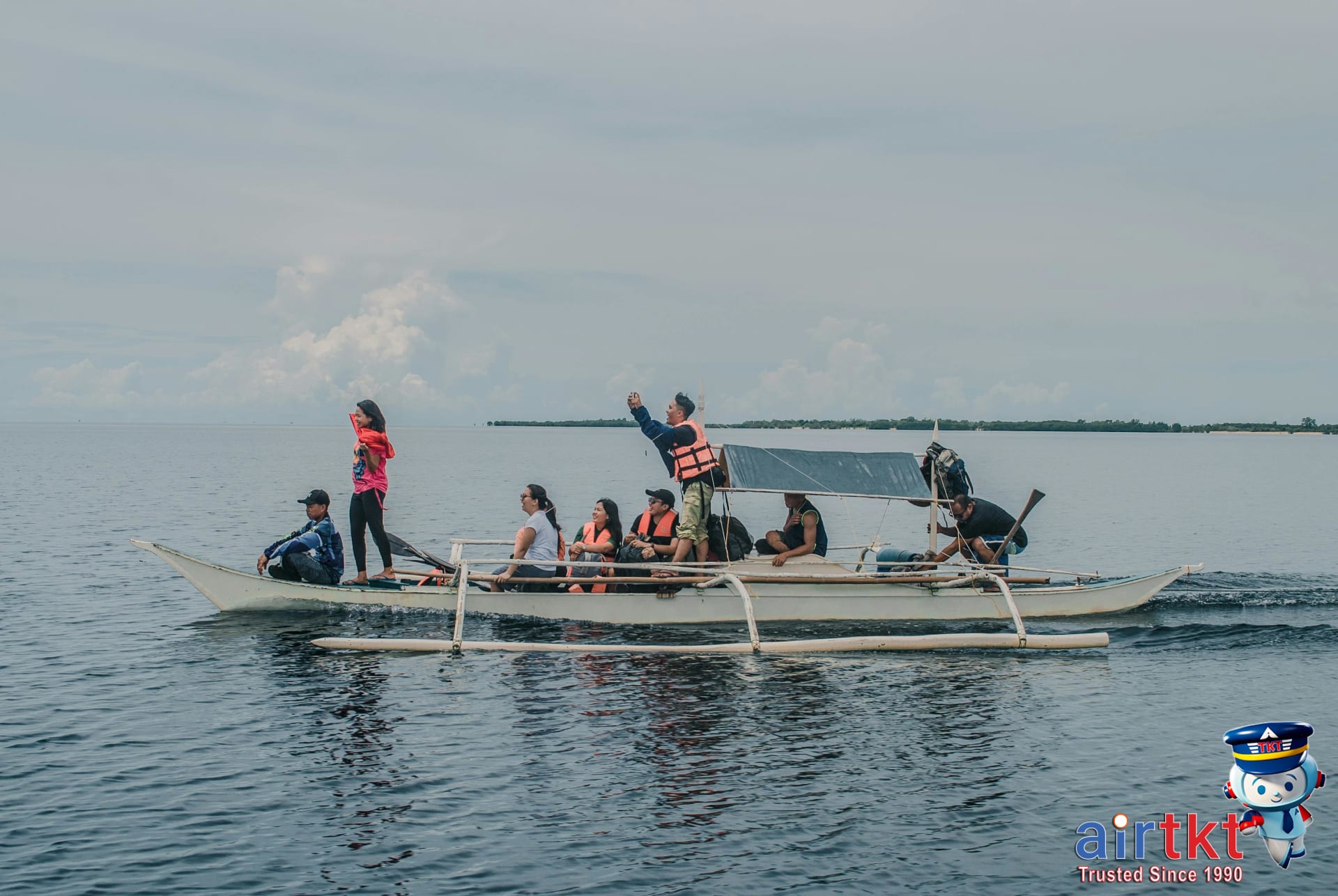
Bataan Death March Memorials Guide
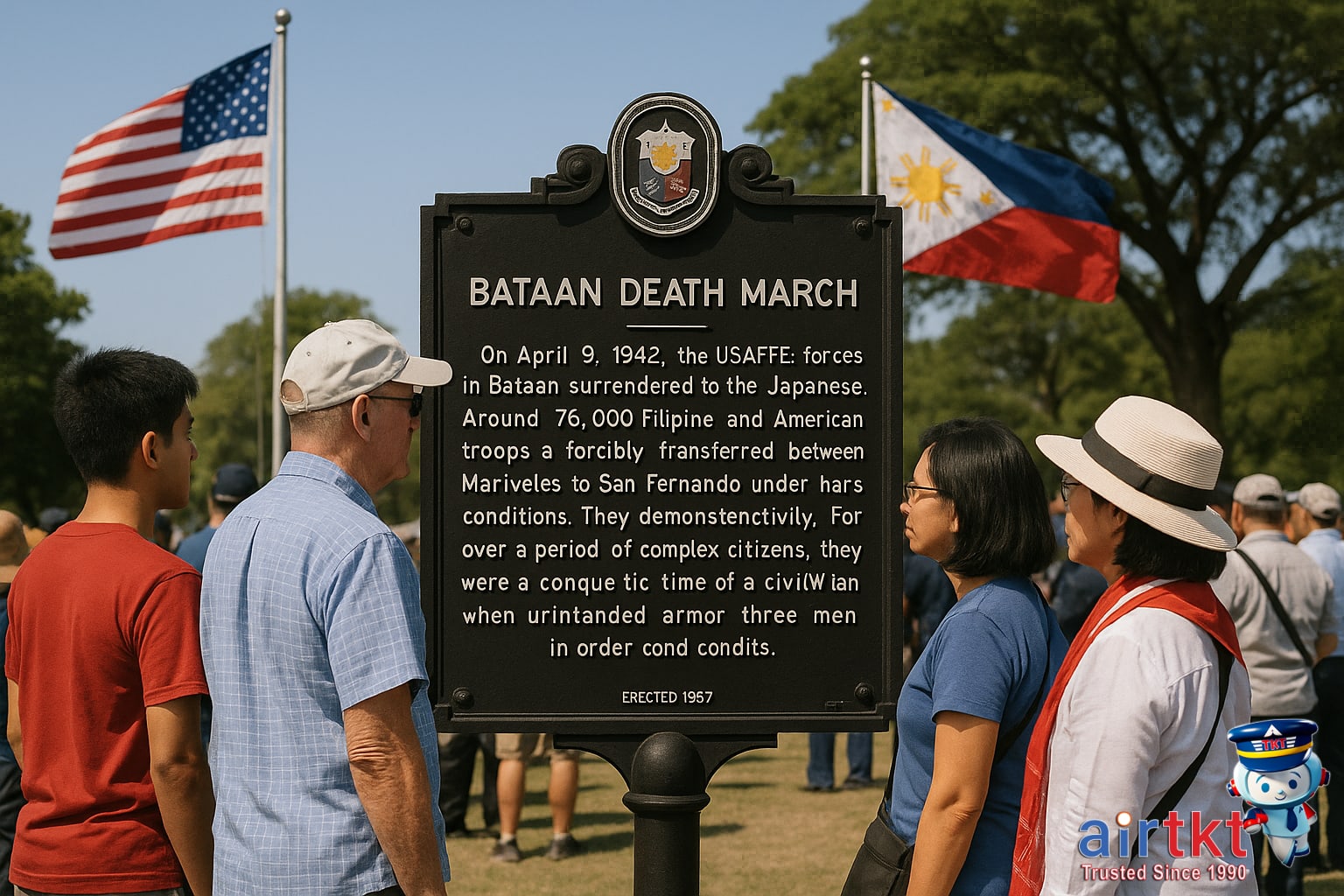
Standing beside the Death March memorials along the old route in Bataan left a mark on me that lingers long after the trip. Sites like the Kilometer Zero marker in Mariveles, the Capas National Shrine in Tarlac, and the Dambana ng Kagitingan (Shrine of Valor) atop Mount Samat don’t just recount facts—they evoke real emotion and reflection. You’ll see engraved names, haunting statues, and weathered historical plaques that quietly tell the story of immense tragedy and bravery from World War II.
I found the experience even more powerful during a guided tour. Hearing survivor testimonies and personal stories from local guides brought the history to life in a way no display ever could. Guided tours not only provide historical context but also connect visitors emotionally to the events, ensuring details and memory are preserved with empathy and accuracy. Some guides even share archival photos and point out subtle details you might otherwise miss.
Major Death March Memorials
- Kilometer Zero, Mariveles: The starting point of the Death March, marked by a somber stone marker and commemorative sculpture, setting the stage for what thousands endured.
- Dambana ng Kagitingan: Perched on Mount Samat, this imposing memorial complex features the massive Memorial Cross and a panoramic view of the historic battlefield. It’s especially significant during Araw ng Kagitingan, the national Day of Valor.
- Capas National Shrine: Located at the endpoint of the march, the site honors the memory of thousands of Filipino and American soldiers. The towering obelisk, solemn garden, and wall of names make for a powerful, contemplative visit.
If you’re planning to experience these landmarks in depth, I’d recommend booking a guided Death March tour, especially through official operators or national park services. These tours tend to fill up fast around national commemorations like Araw ng Kagitingan in April, so do your homework and secure your spot early if those dates matter to you.
Key Features Of Mount Samat Shrine
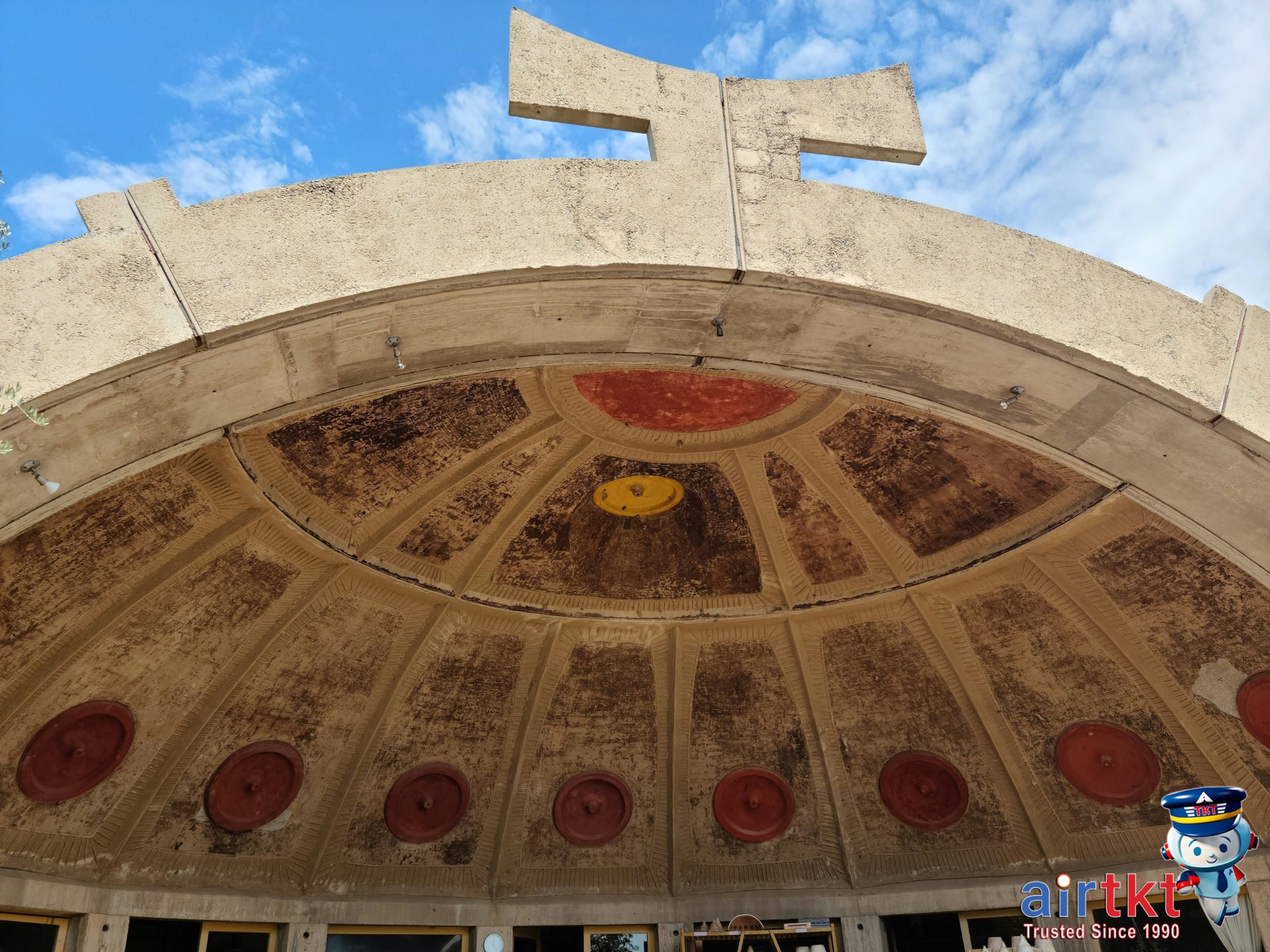
Walking up the path toward Mount Samat National Shrine, the mood shifts – there’s a quiet solemnity in the air, a sense that you’re standing on sacred ground. The site’s most striking feature is the Memorial Cross, soaring above the trees. Standing beneath it, I felt a profound connection to the sacrifices remembered here. The cross isn’t just tall; it’s sculpted with reliefs depicting key moments and symbols from World War II in the Philippines, offering a somber visual story before you even enter the museum.
Inside the museum located at the base of the cross, history comes alive. Artifacts, personal effects, letters, and weapons used during the Battle of Bataan are on display, each with descriptions that add immense depth to their significance. I always recommend slowing down and reading the exhibit labels. The personal stories and photos help visitors appreciate both the tragedy and the courage that unfolded here.
Just outside, you’ll see well-maintained war cemeteries – simple, dignified reminders of the many soldiers who gave everything on these hills. The careful landscaping contributes to the shrine’s atmosphere, inviting quiet reflection.
The Mount Samat Shrine’s combination of monumental scale and intimate historical detail draws you in. These features create an experience that’s more than just sightseeing—it’s an invitation to remember and reflect.
Planning Your Visit to WWII Sites
Exploring Bataan and Corregidor’s World War II sites is as much about thoughtful planning as it is about the history you’ll discover. Booking my ferry and hotel weeks ahead made my Day of Valor trip stress-free and affordable, especially when options fill up quickly. To secure a smooth start, I usually compare flight options and hotel availability side by side using airtkt.com’s transport and accommodation booking resources for the Philippines. That way, you can reserve both online and avoid last-minute price jumps or sold-out tours.
Getting to Bataan and Corregidor
You’ve got a few ways to reach these pivotal sites. For Bataan, most visitors take a bus from Manila—it’s straightforward and reasonably comfortable. If you prefer more flexibility or are traveling as a group, a private car is a sensible option and reduces transfer time. Heading to Corregidor is a bit different: ferries are the main transport from Manila Bay, and these should absolutely be booked ahead, especially near holidays. Some day tours include round-trip ferry and on-island transport, which I found practical for keeping the day’s logistics simple.
Staying Nearby and Booking Tours
For accommodations, I’d compare both major hotels in Balanga or smaller guesthouses near Mount Samat. These fill up rapidly ahead of Araw ng Kagitingan (Day of Valor), which is observed every April 9. Popular tours range from guided battlefield walks to full-day historical packages that cover key sites and local memorials. Many travelers opt for package deals that combine accommodations, ferry tickets, and tours in a single booking—again, a solid choice during busy seasons. On my most recent trip, I discovered that even mid-range hotels can book out months beforehand, so early action is your best strategy.
If you want to streamline flight, ferry, and hotel reservations, I’ve found it reliable to organize everything in advance using the airtkt.com platform, where you can check schedules, fares, and book tours—all in one place.
Family and Group Travel Advice
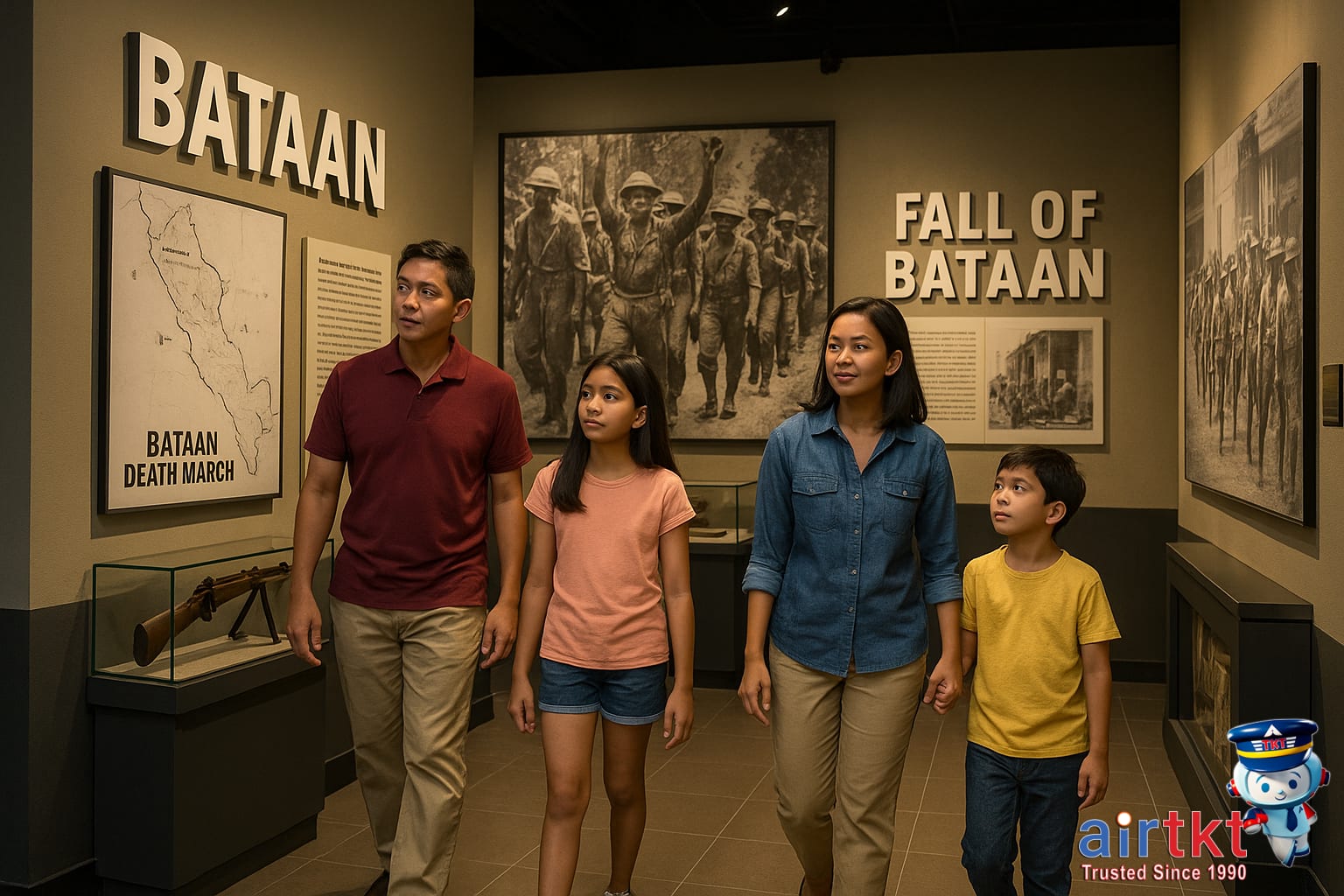
Traveling to WWII sites can be uniquely meaningful for families and groups of all ages, especially in places like Bataan where history comes alive. I’ve found that exploring these sites with my own family wasn’t just educational—it also sparked genuine conversations about history, resilience, and remembrance. Experiences like these can turn a day of sightseeing into lasting memories and priceless learning opportunities.
Many WWII memorials and museums in Bataan are surprisingly accessible for visitors with different physical abilities, making them suitable for children, parents, and seniors alike. Interactive exhibits at local museums help kids connect with complex history in an engaging way, while pathways and memorial gardens often have benches and shaded spots ideal for grandparents who might appreciate a gentler pace.
If you’re traveling with little ones or older relatives, look for guided tours or audio guides that capture everyone’s attention without overwhelming younger or less mobile visitors. Some outdoor sites include walking trails that are stroller and wheelchair-friendly, so you don’t have to miss out on key memorials due to accessibility concerns. I always recommend setting aside time for questions—kids are naturally curious, and these conversations can deepen the experience for the whole family.
One thing I never overlook is planning for hydration and nutrition during museum tours and site walks. Summer visits can get humid, and even the most exciting exhibits can lose their appeal if someone’s hungry or thirsty. Packing a reusable water bottle and wholesome snacks like fruit or granola bars helps keep kids energized, avoiding meltdowns and distractions so everyone stays focused on the experience.
Budget Planning For Visiting WWII Sites
Taking the time to create a clear budget can make your WWII sites trip much more enjoyable. There’s a lot to see, but expenses like accommodation, food, transportation, and activities can add up quickly if you don’t keep tabs on them. Personally, I learned that planning my budget ahead of time—down to the main categories—helped me spend less time stressing about costs while on the road.
To avoid surprises, I’d recommend mapping out your expected spending in advance. Be sure to consider not only admission fees and guided tours but also how you plan to get between sites and where you’ll dine and rest. Once you have a clear sense of daily costs, you’ll travel with much more peace of mind.
| Budget | Mid-range | Luxury | |
|---|---|---|---|
| Accommodation | $40.00 | $110.00 | $260.00 |
| Food | $18.00 | $40.00 | $90.00 |
| Transport | $12.00 | $28.00 | $85.00 |
| Activities | $10.00 | $30.00 | $55.00 |
Having structured categories makes it much easier to adjust your plans if you need to, whether that means opting for more budget-friendly accommodation or allocating more for unique site experiences. If you’re looking for current deals on flights and hotels, it’s worth checking out airtkt.com—their travel deals and booking assistance pages can be especially helpful at this stage.
Photography and Historical Reflection Tips
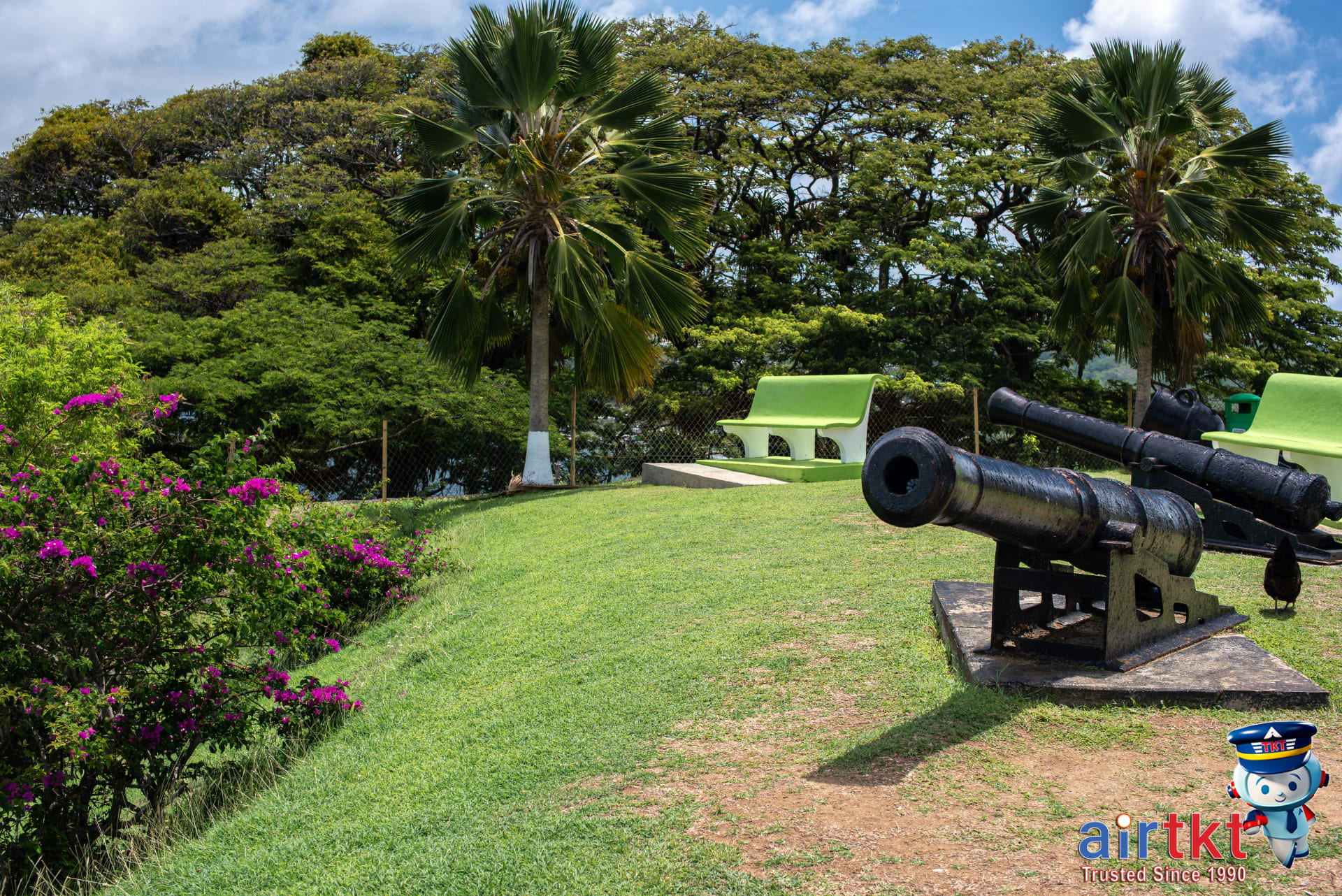
There’s something powerful about standing amid the crumbling batteries and silent tunnels of WWII sites in the Philippines. With my camera in hand, I found that photographing places like Corregidor helped me capture both the haunting beauty and immense historical weight of the landscape—moments that linger long after the trip ends. Using my zoom lens, I captured intricate details at Corregidor that told their own stories, from weathered emblems on concrete to the way sunlight plays on aged artillery.
Best Shooting Times and Angles
Timing is everything for eye-catching shots. On Corregidor Island, sunrise brings dramatic light streaming across the old cannons and ruined barracks, casting deep shadows and striking gold tones—an ideal setup for evocative photos. I recommend heading out just after first light for atmospheric mist shots or staying through golden hour near sunset for silhouetted overviews. Elevated points, such as Battery Grubbs or Mile-Long Barracks, offer sweeping views for panoramic compositions. Meanwhile, quiet corners and overgrown relics reward patient explorers with close-up textures that let history speak through your photos.
Gear and Shooting Strategies
If you’re serious about both landscape and relic photography, pack a reliable zoom lens for details and a wide-angle for dramatic context. Extra batteries are a must—extended walks around these sites can quickly drain camera power, especially if you’re reviewing images on the spot. Bring a microfiber cloth to wipe off tropical humidity from your lens and scout sites with ample time before crowds build up, so you can experiment with framing undisturbed.
Araw ng Kagitingan Ceremonies and Traditions
When Araw ng Kagitingan (Day of Valor) arrives each April, communities across the Philippines come together in a collective act of remembrance. I’ve always been struck by the solemnity and pride in the air during these events—standing shoulder to shoulder with locals at sunrise ceremonies, you feel an undeniable sense of shared history and resilience.
Across major cities and smaller towns alike, you’ll find ceremonial gatherings at local monuments, with veterans, government officials, and families in attendance. The main event unfolds at Mount Samat National Shrine in Bataan, where a formal wreath-laying, military honors, and speeches from dignitaries recognize the courage of Filipino and American soldiers. Many Filipinos tune in to this national commemoration through televised coverage, but dozens of local memorials happen nationwide.
Elsewhere, you might witness lively parades with marching bands, flag-raising rituals, and schoolchildren in themed attire. Some towns feature solemn masses or prayer services, tying spirituality to patriotism. If you have the chance to attend, I’d recommend arriving well ahead of the crowd—spots near the main stage or along parade routes fill up quickly. The best vantage points are often taken by mid-morning, especially at large events.
During commemorations, you’ll notice a blend of reverence and communal spirit. People pause in quiet reflection, schoolchildren recite pledges, and local officials hand out simple snacks or mementos. For travelers, it’s a powerful way to witness Filipino national pride firsthand, especially if you plan your visit around public ceremonies.
If you’re booking a trip to experience Araw ng Kagitingan, it’s worth checking out airtkt.com for their special flight deals around Philippine national holidays. Flights and hotels do book up early in April, especially near Bataan and in Manila, so early reservations are both practical and budget-friendly.
Frequently Asked Questions About Araw ng Kagitingan
- What is Araw ng Kagitingan and why is it significant?
Araw ng Kagitingan, also known as the Day of Valor, commemorates the courage of Filipino and American soldiers during World War II, particularly the defenders of Bataan and Corregidor. The day honors their sacrifice and highlights the importance of freedom and resilience in Philippine history.
- Can visitors tour WWII sites during Araw ng Kagitingan?
Many significant World War II sites, such as the Mt. Samat National Shrine in Bataan, are open to the public, especially around Araw ng Kagitingan. Expect larger crowds and possible official ceremonies, so planning ahead is key for anyone who wants a meaningful visit.
- What should I know about traveling to Bataan for Day of Valor events?
If you’re heading to Bataan for Araw ng Kagitingan, prepare for busy roads and limited parking near sites like the Shrine of Valor. Book accommodations in advance, wear comfortable clothing, and bring water since some events involve standing outdoors for extended periods.
- Are Araw ng Kagitingan ceremonies safe and family-friendly?
Most commemorative events are family-friendly, with security teams present at large gatherings. Basic safety precautions are still important—stay aware of your belongings, keep hydration in mind for kids or seniors, and follow instructions from event organizers or local authorities.
- When is the best time to visit WWII memorials in the Philippines?
Visiting WWII memorials outside the peak holiday and Araw ng Kagitingan dates means fewer crowds and a more relaxed atmosphere. Early mornings are cooler for walking around large sites like Mt. Samat, making your trip more comfortable, especially if you plan on a guided tour.
- How do I verify official schedules and updates for Araw ng Kagitingan events?
Check the Philippine Department of Tourism or local Bataan government websites before traveling for the latest schedules or travel advisories. Event details sometimes change due to weather or security reasons, so timely updates will make your visit smoother and more rewarding.
Reflecting on WWII Site Visits
Visiting WWII sites in the Philippines during Araw ng Kagitingan left a lasting mark on how I understand and appreciate the nation’s history and heroism. Standing at the memorials and reading the stories, I found my perspective deepened—recognizing not just the scale of sacrifice, but the strength and unity that define these moments. These places are about far more than just dates and facts; they’re enduring reminders of the collective bravery that shaped Philippine identity.
If you’re planning to experience these historic locations, I strongly suggest approaching each site thoughtfully and with care. Take time to learn about the context before you go, and allow yourself moments of quiet reflection while you’re there. It’s not about seeing every monument in one day, but giving yourself space to truly absorb their significance.
Thoughtful planning makes a huge difference. Mapping your trip in advance and ensuring enough time at memorials will help you create a more meaningful visit. And when it comes to organizing flights and accommodations, I find booking through airtkt.com keeps things convenient and lets me focus more on the experience, rather than logistics.
Taking the time to honor these sites is a simple but powerful way to pay tribute to those who endured extraordinary hardship on the Day of Valor and beyond.